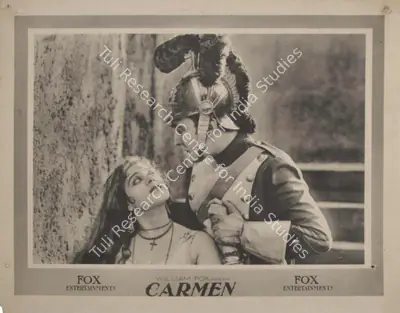
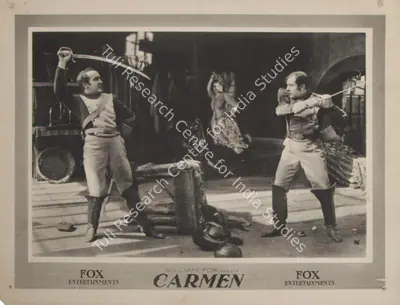
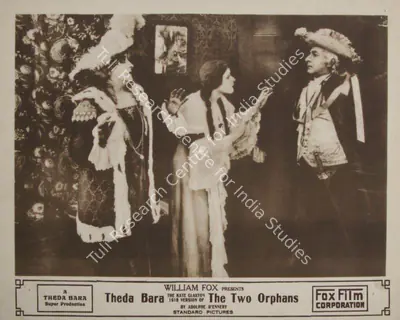
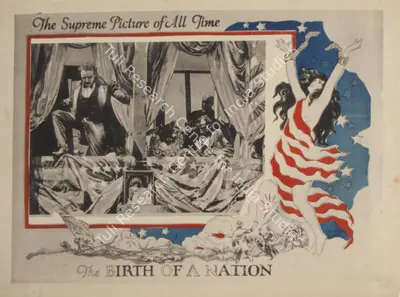
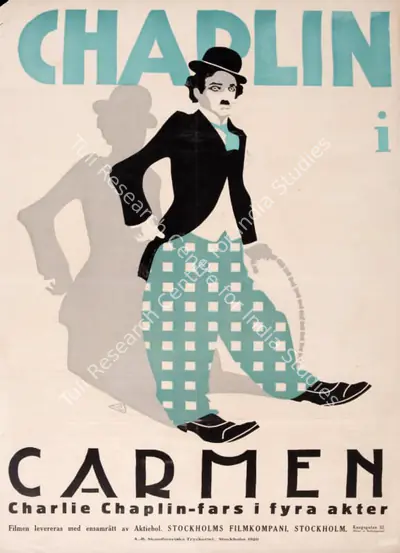
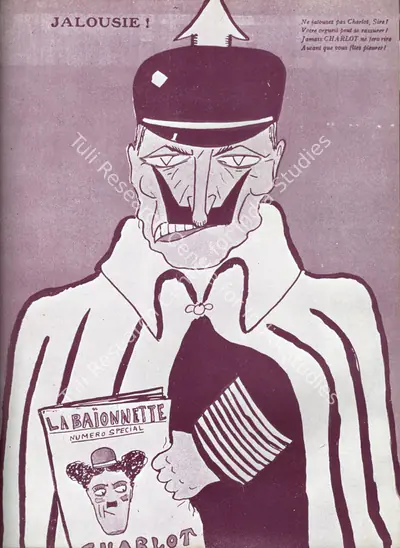
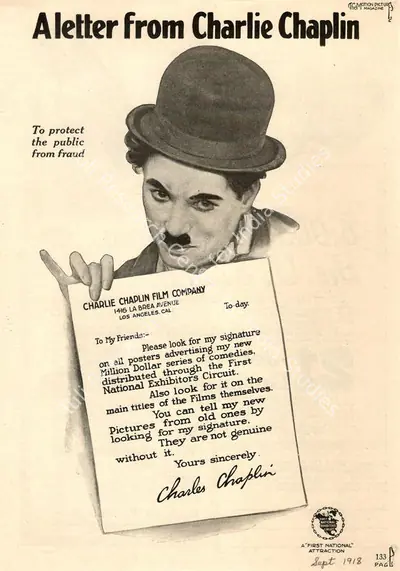
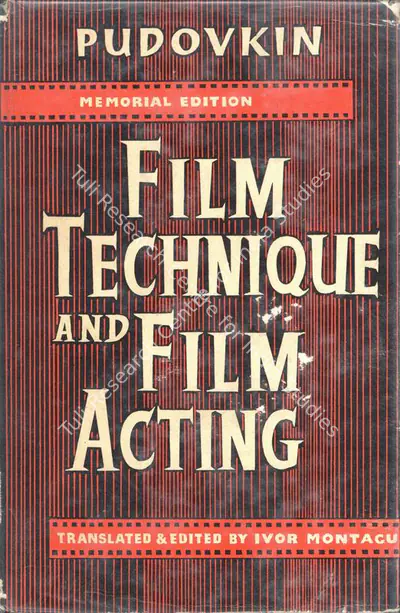
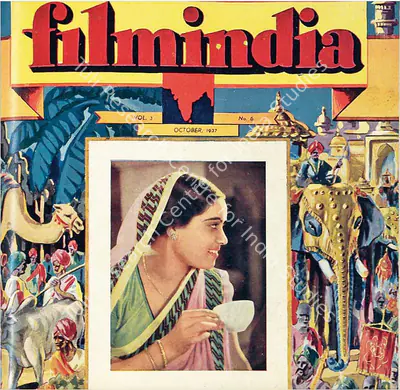
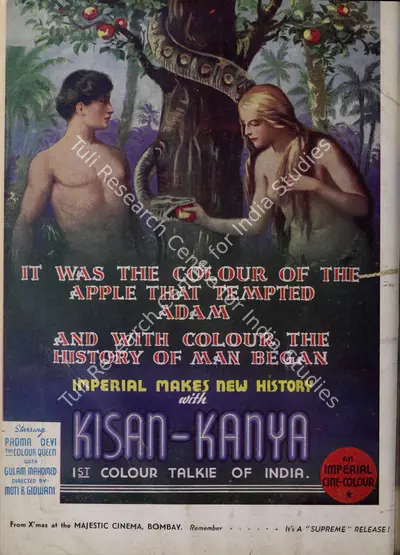
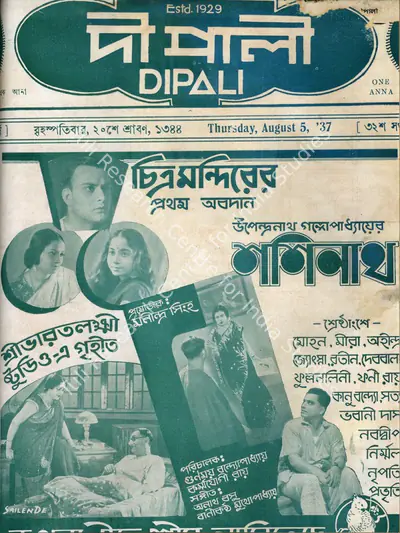
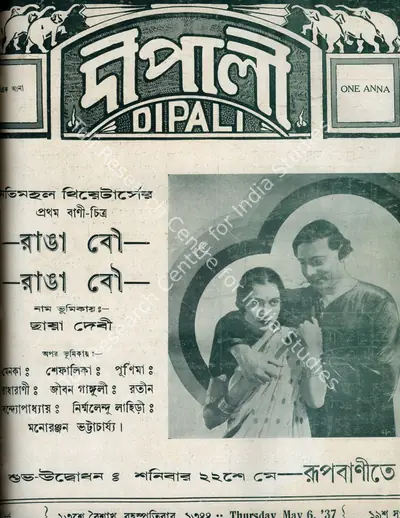
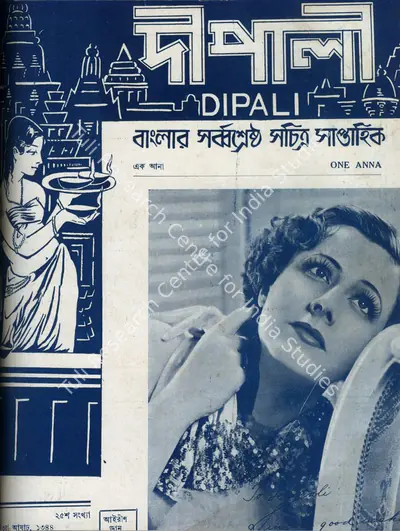
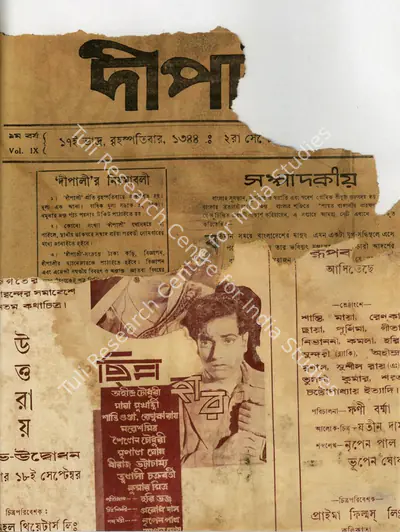
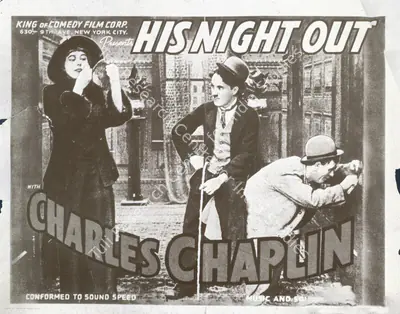
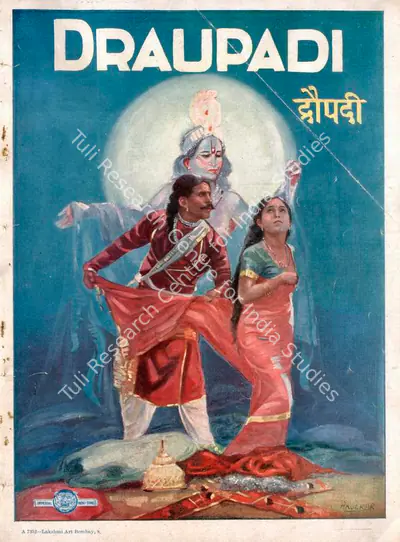
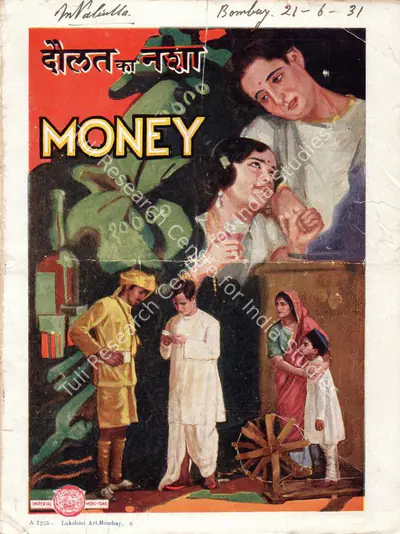
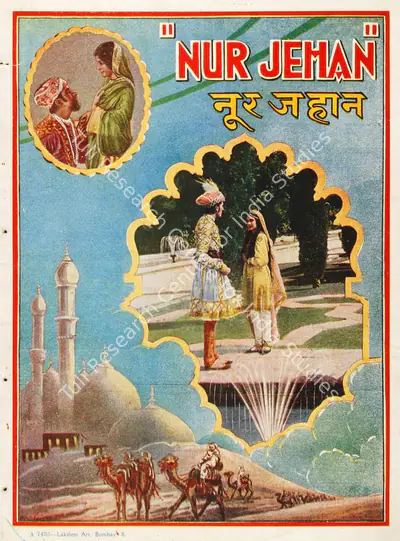
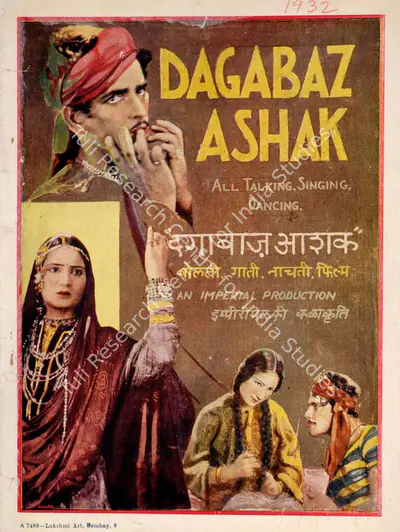
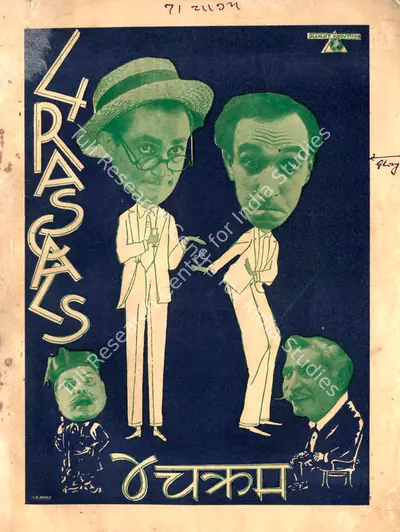
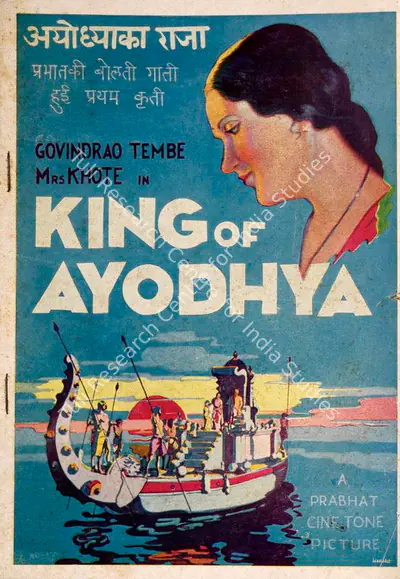
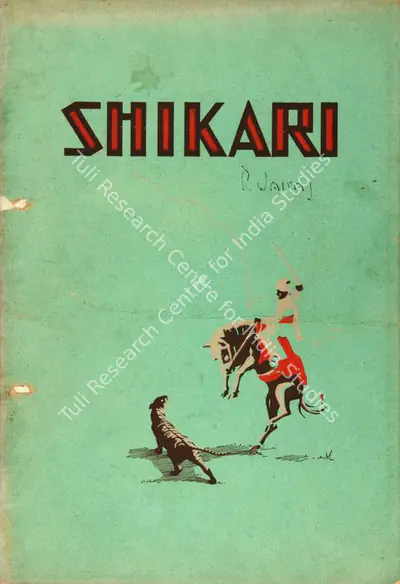
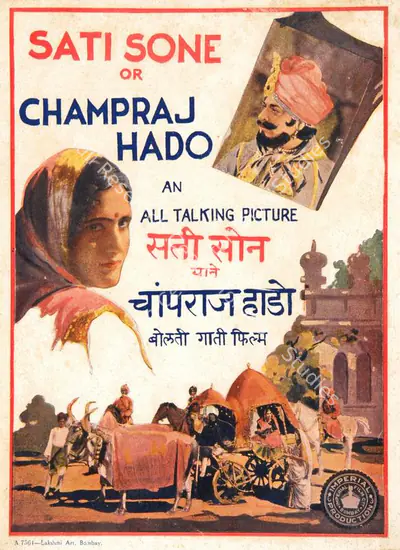
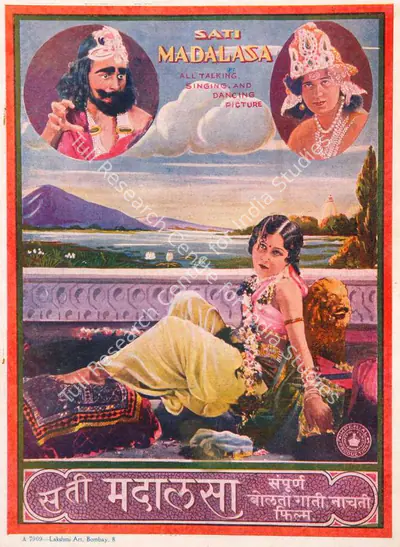
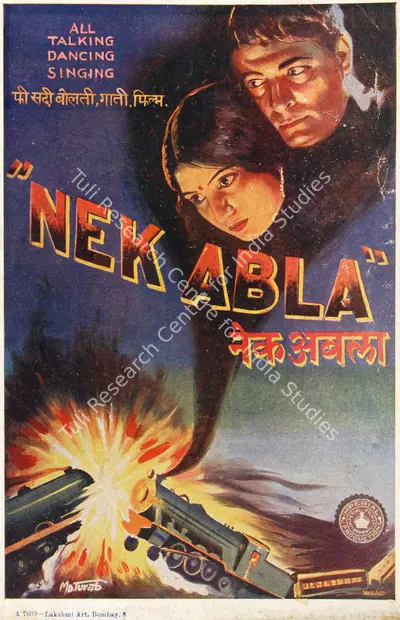
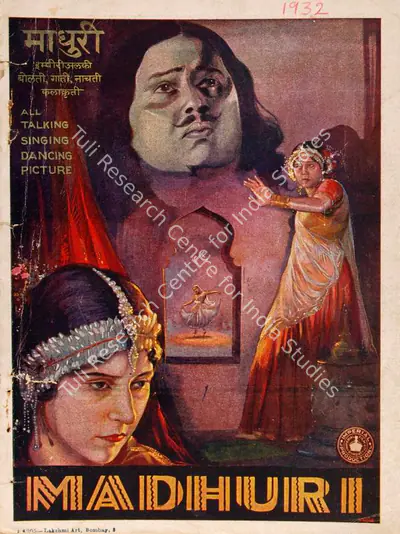
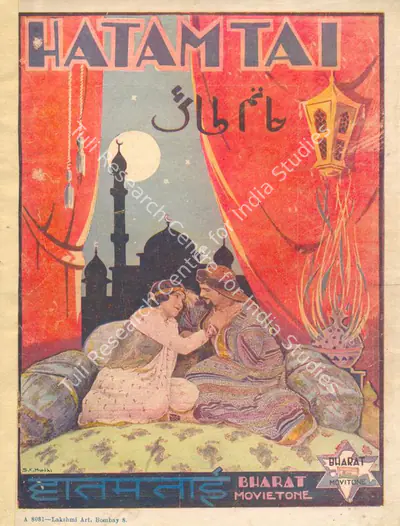
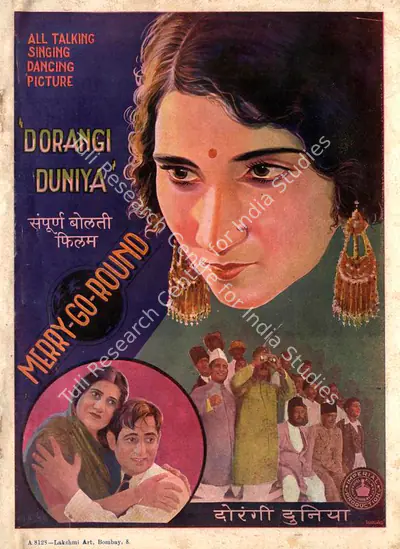
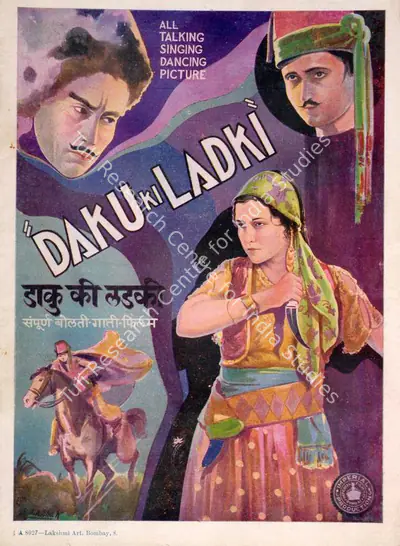
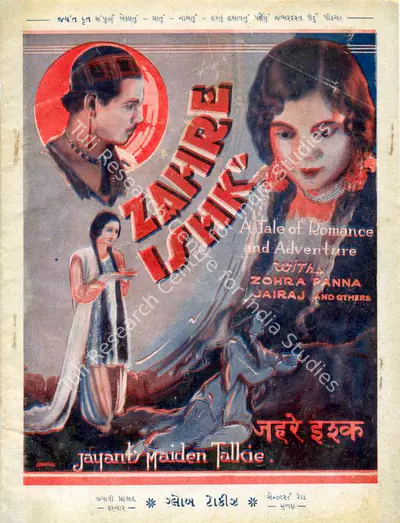
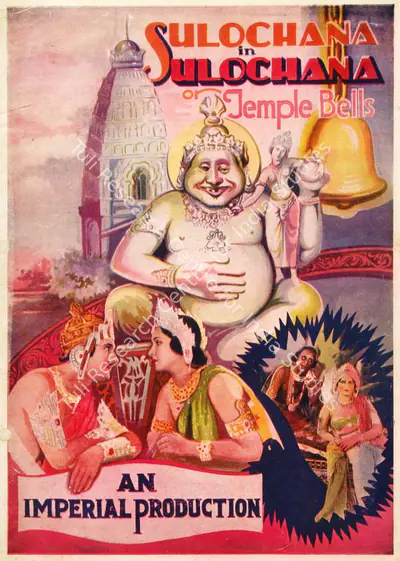
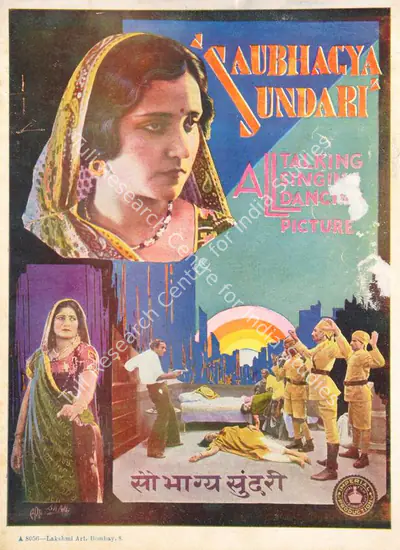
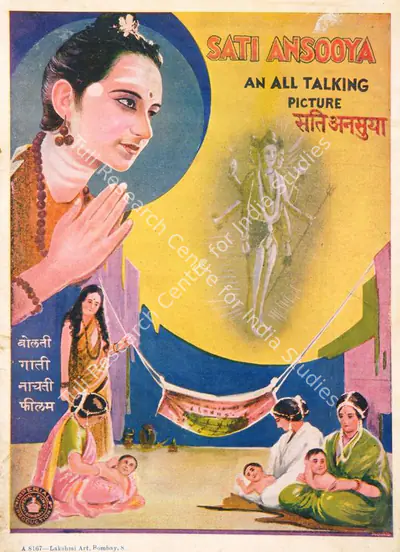
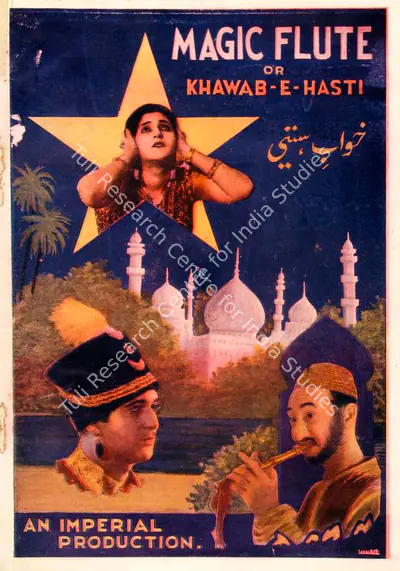
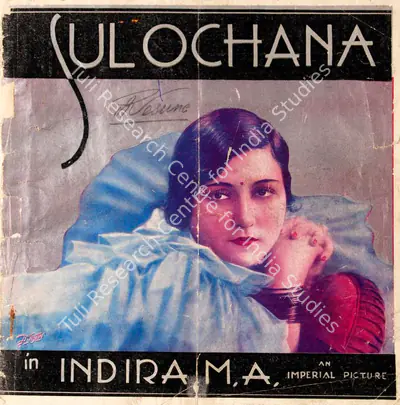
Cinema as a Critical Educational Resource focuses on gaining an understanding of India through the lens of cinema. It deals with rare gems from Indian cinema and beyond to chronicle the history and culture of India and investigates how cinema captures the nuances of Indian life, portraying the experiences, struggles and aspirations of its people. Using critical resources such as film publicity material, including booklets, lobby cards and posters, this research area offers unique insights into its cultural diversity, social fabric and historical evolution.
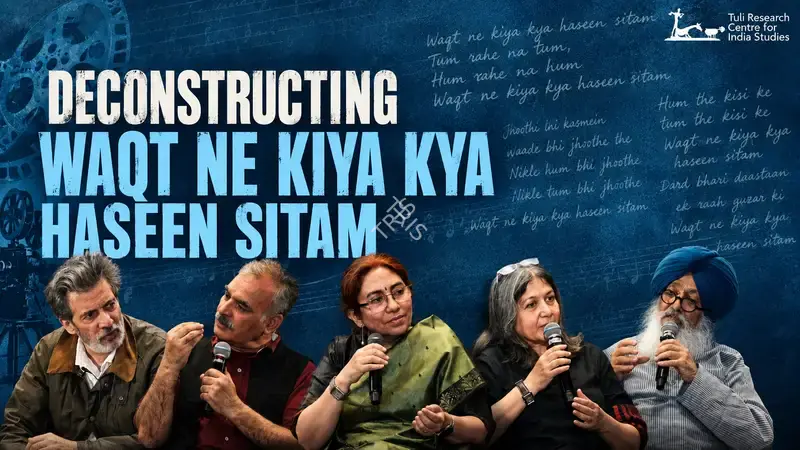
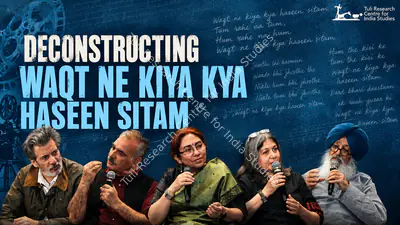
"Waqt Ne Kiya Kya Haseen Sitam"- The Song Lata Mangeshkar Wished She Had Sung
Tuli Research Centre for India Studies (Editor)
Document TypeIn-house Video
Date31 August 2026
Duration22 min 32 sec
FormatLong-form Video
Description
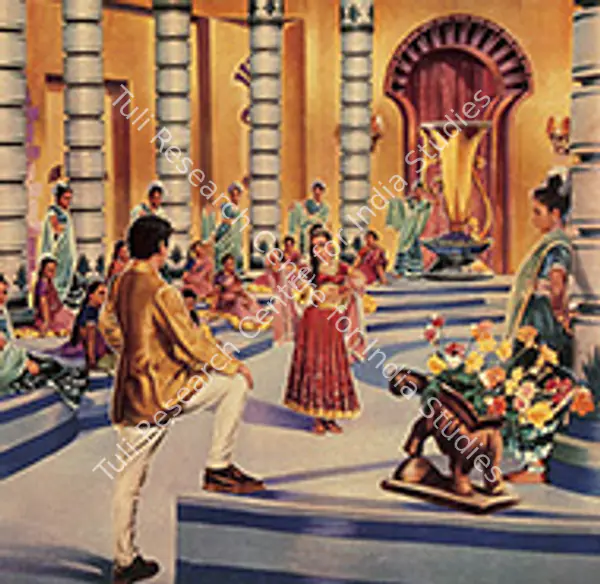
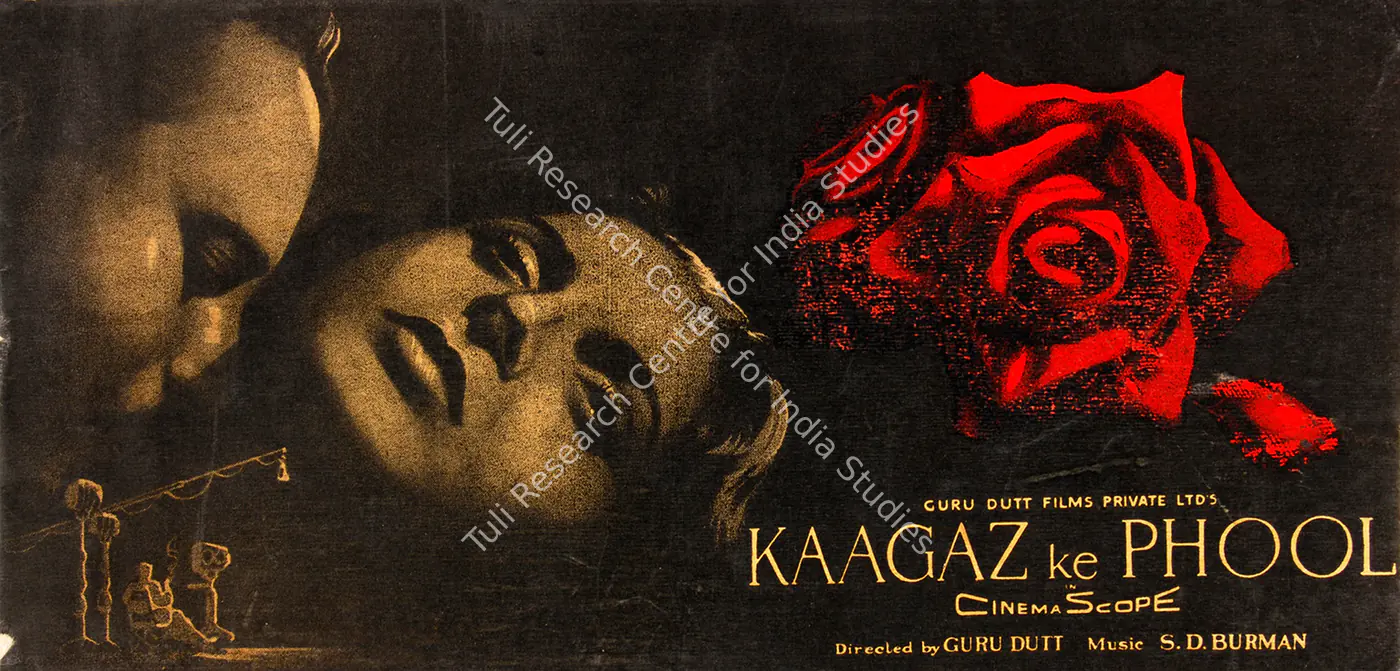
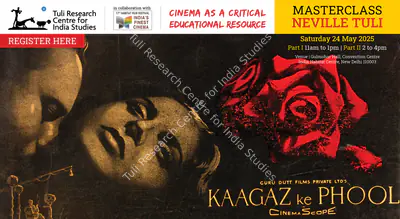
"Waqt Ne Kiya Kya Haseen Sitam" from Guru Dutt's Kaagaz Ke Phool (1959) straddles loss, longing, love and the nature of being. Composed by S.D. Burman, with lyrics by Kaifi Azmi; Geeta Dutt's vocals capture the emotional state of two lovers transformed by time, 'waqt', the silent architect of the song, in poetry with no blame and no resolution: 'you are no longer you, I am no longer me'.
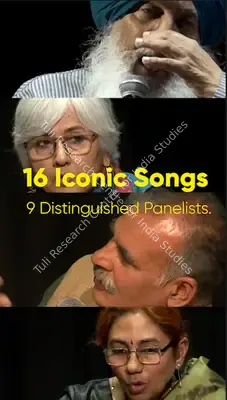
In this session from "Deconstructing the Film Song: A Musical Glue for Nation-Building," experts Madan Gopal Singh, Ravikant, Juhi Saklani, Antara Mondal and Neville Tuli examine the film’s, and perhaps the era’s, most haunting song.
Composer-Writer Madan Gopal Singh calls it the only song he knows in which you watch not merely the song but the making of it cinematically. Light, shadow and the studio creates a third dimension of time that is neither editing nor duration. The panel reveals that Kaifi Azmi's first draft was rejected by Guru Dutt, who sent him away to try again, and he returned with a masterpiece. The discussion ranges across V.K. Murthy's iconic cinematography, S.D. Burman's genius and Lata Mangeshkar’s tribute to the song she wished she had sung.