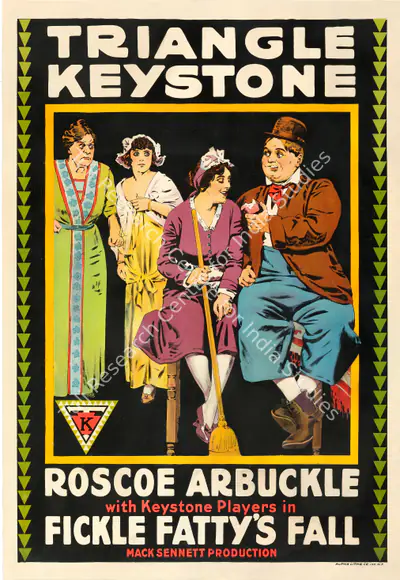
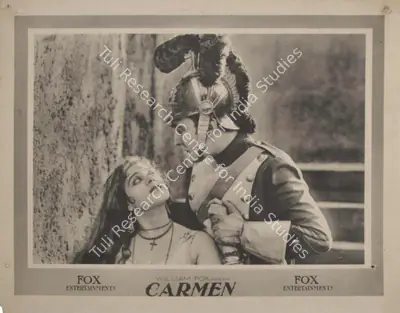
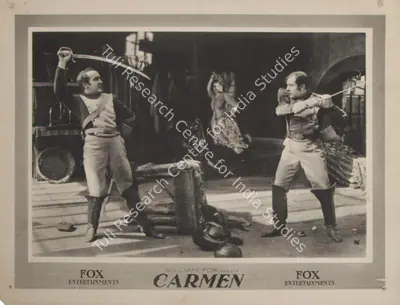
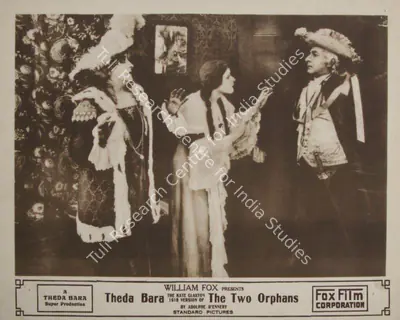
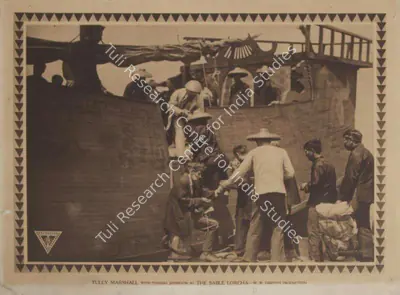
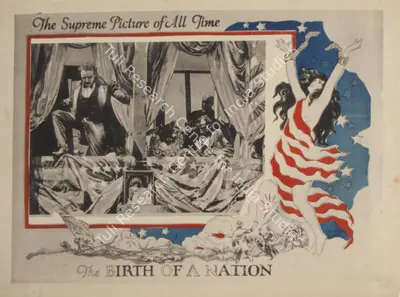
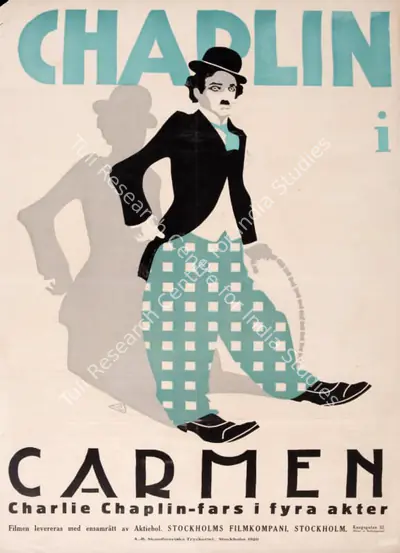
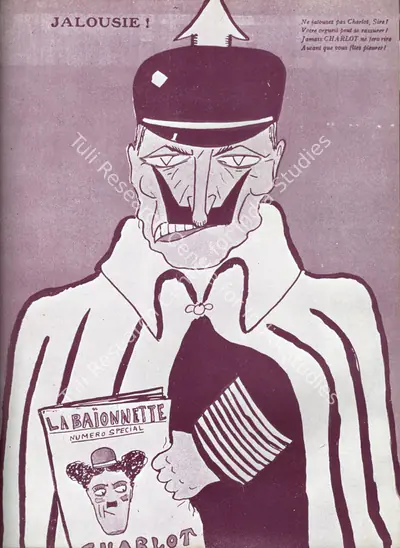
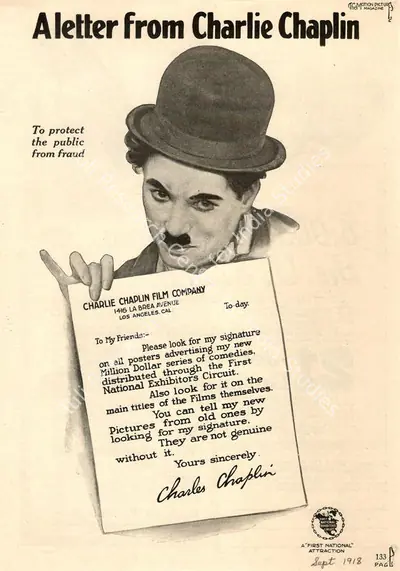
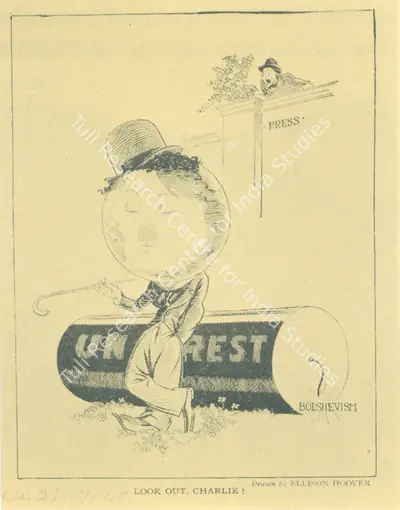
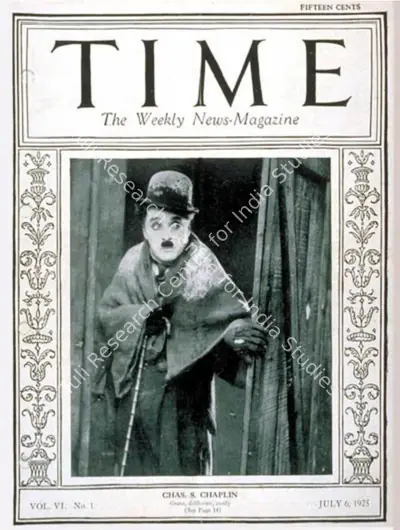
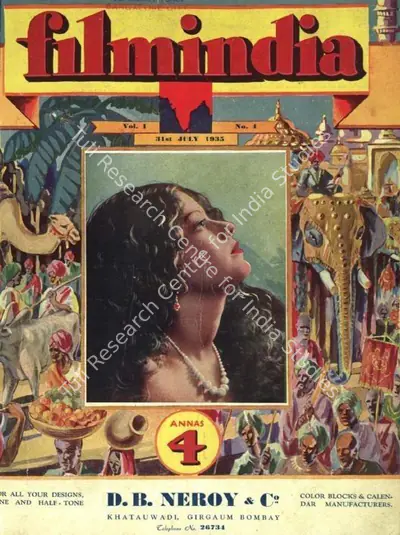
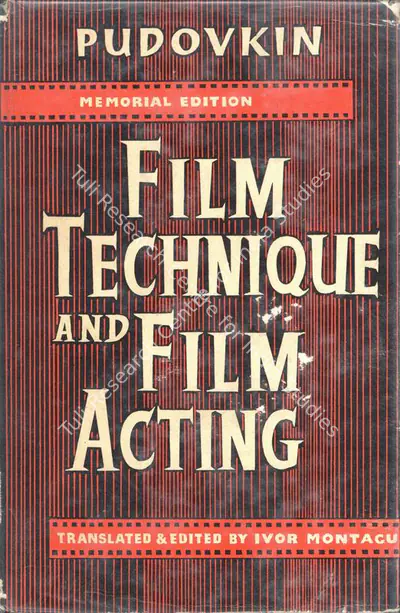
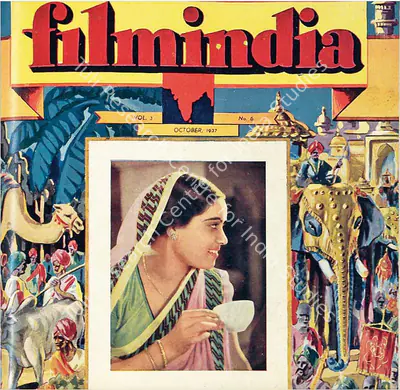
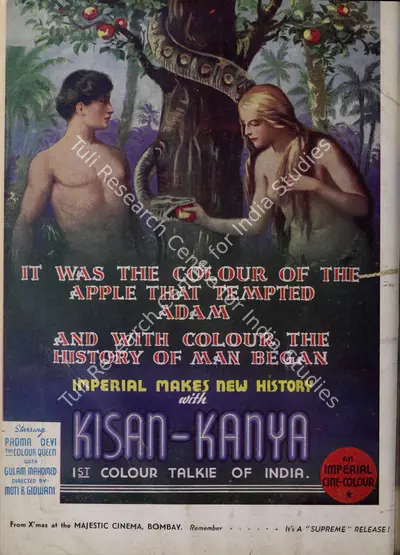
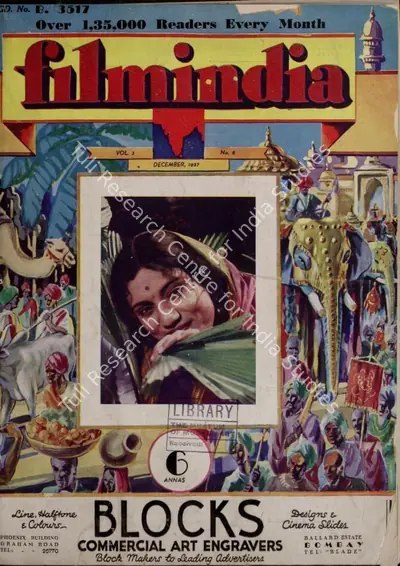
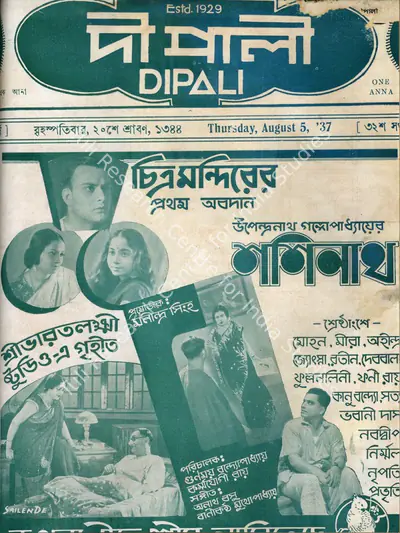
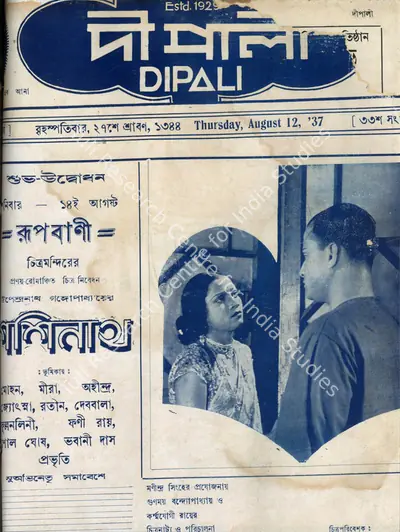
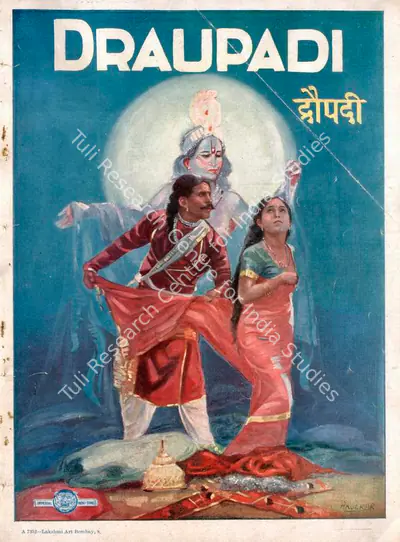
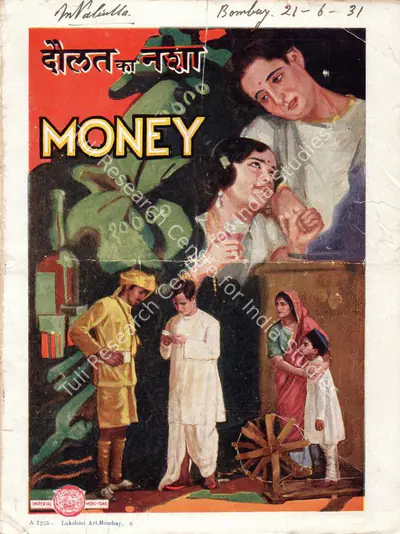
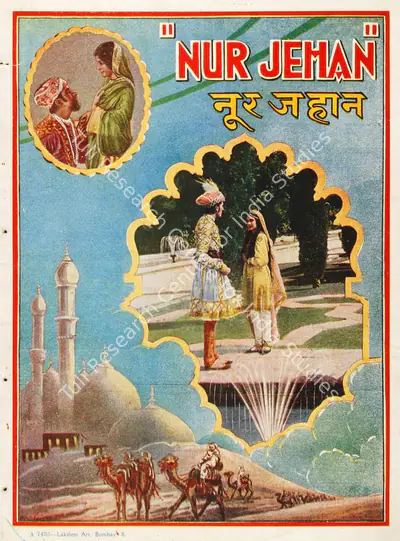
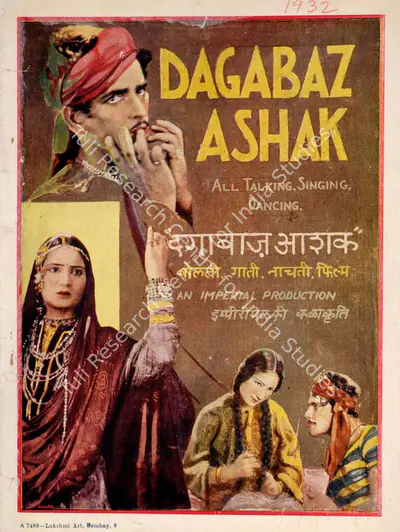
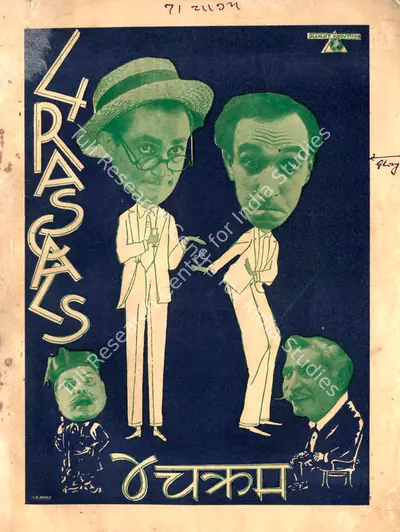
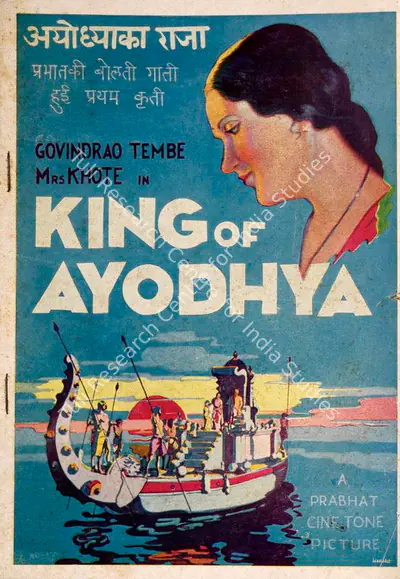
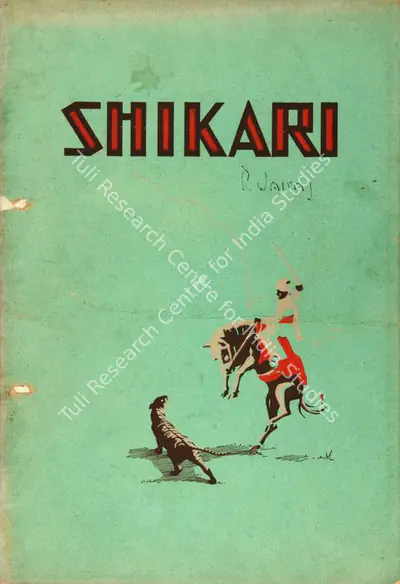
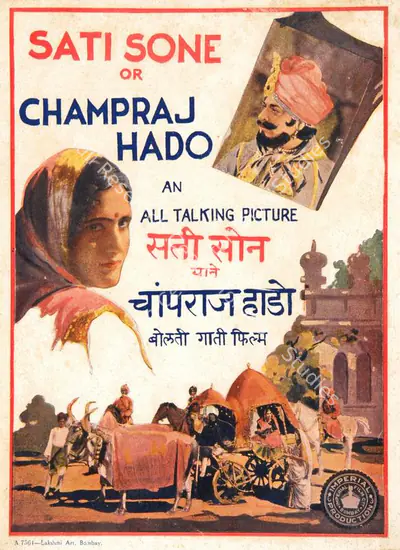
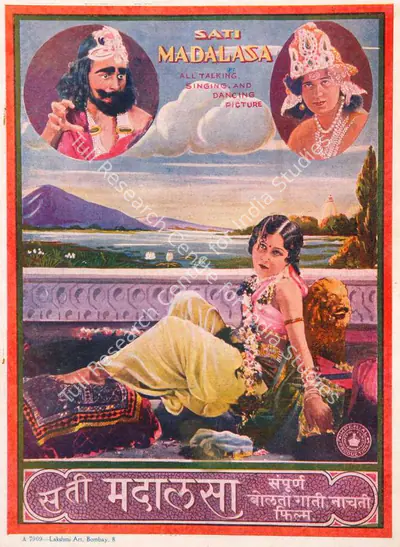
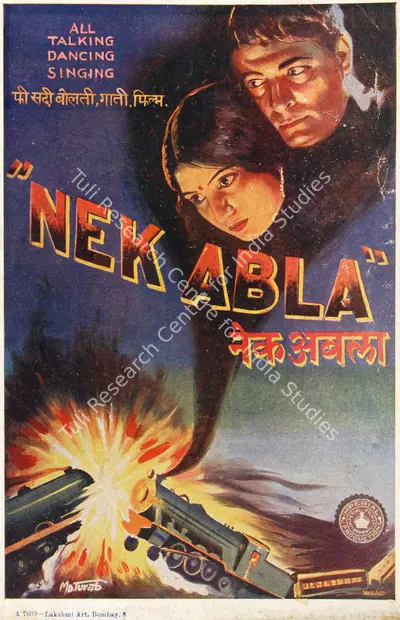
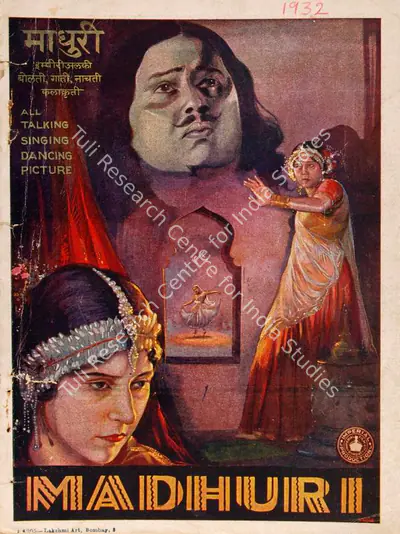
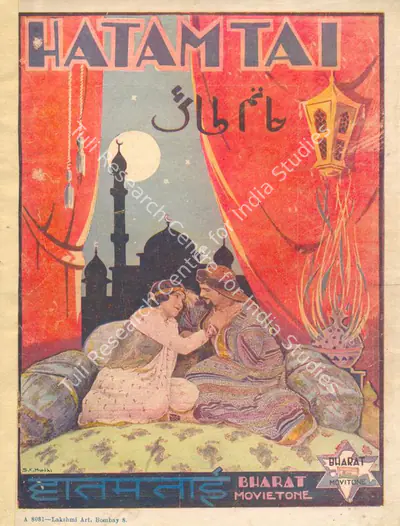
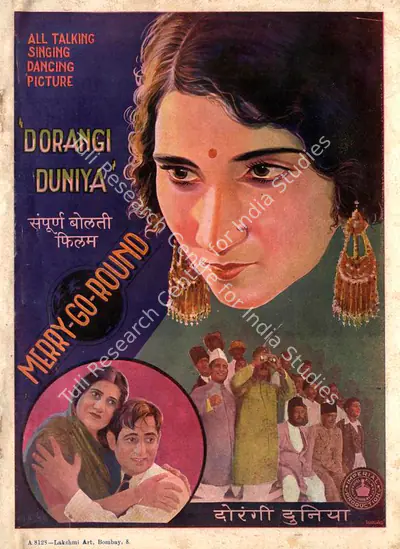
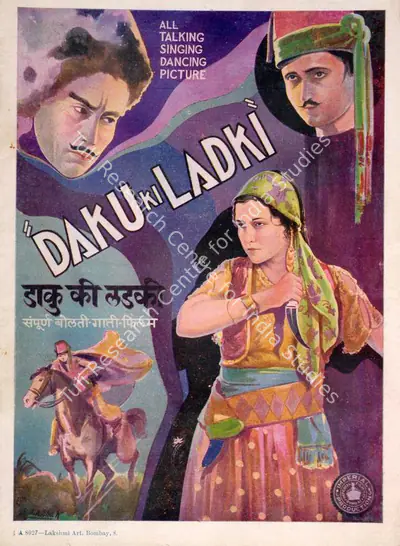
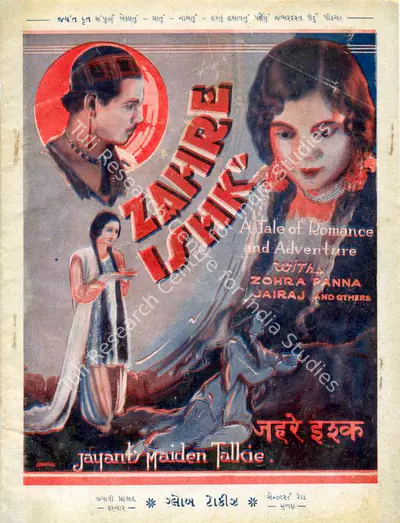
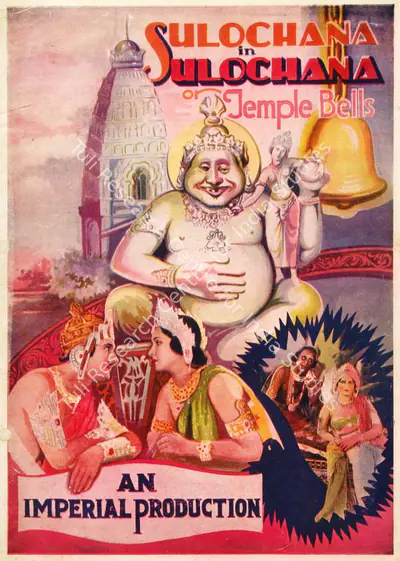
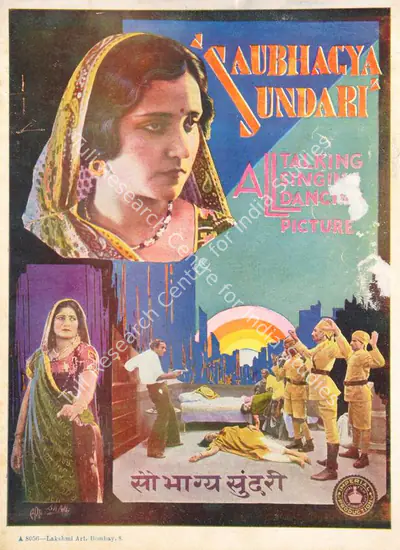
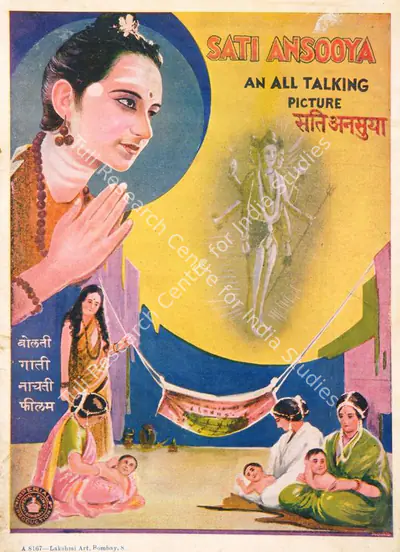
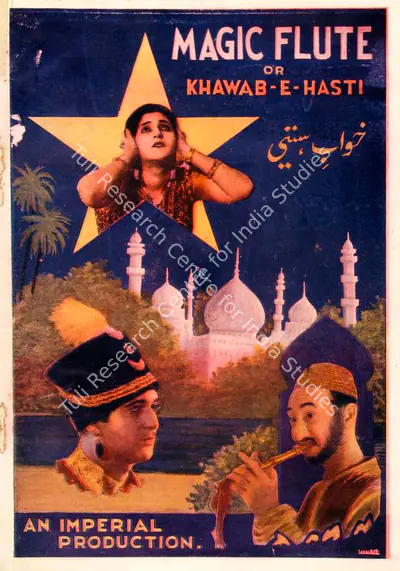
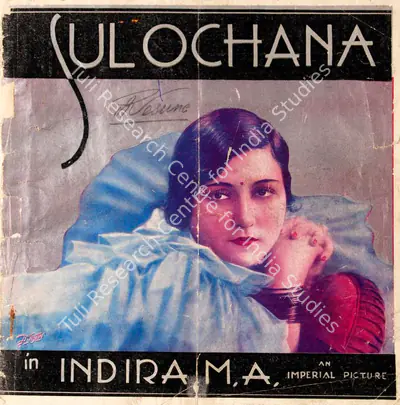
Cinema as a Critical Educational Resource focuses on gaining an understanding of India through the lens of cinema. It deals with rare gems from Indian cinema and beyond to chronicle the history and culture of India and investigates how cinema captures the nuances of Indian life, portraying the experiences, struggles and aspirations of its people. Using critical resources such as film publicity material, including booklets, lobby cards and posters, this research area offers unique insights into its cultural diversity, social fabric and historical evolution.
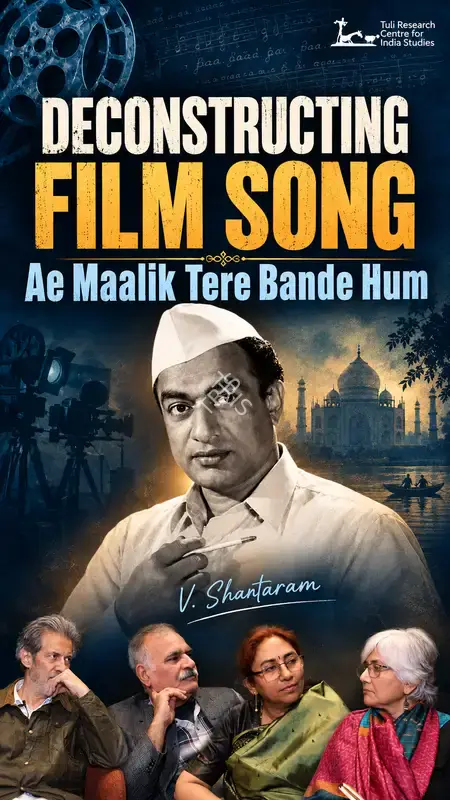
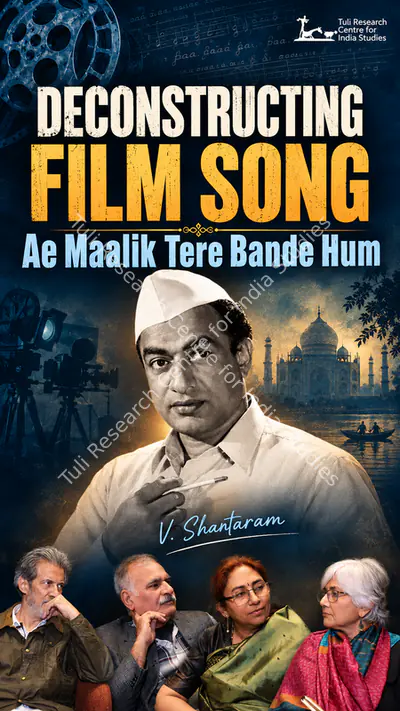
"Ae Maalik Tere Bande Hum" - A Bhajan from V Shantaram's film about prison reform
Tuli Research Centre for India Studies (Editor)
Document TypeIn-house Video
Date31 August 2026
Duration1 min 06 sec
FormatVertical Video
Description
V. Shantaram's film about prisoners, reform and second chances, Do Aankhen Barah Haath (1957), gives us the bhajan “Aye Maalik Tere Bande Ham,” which transcended the film to become an integral part of school prayers.
Composed by Vasant Desai in a simple, hummable Bhairavi, with Bharat Vyas's lyrics carrying a strong moral core, the song exists in two versions, as a male chorus building a community of voices, and Lata Mangeshkar's solo, where her voice carries a frailty the male version never attempts.
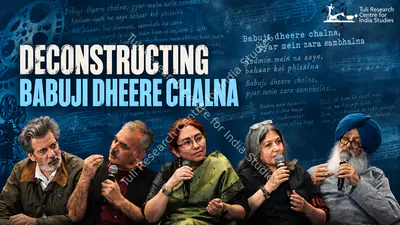
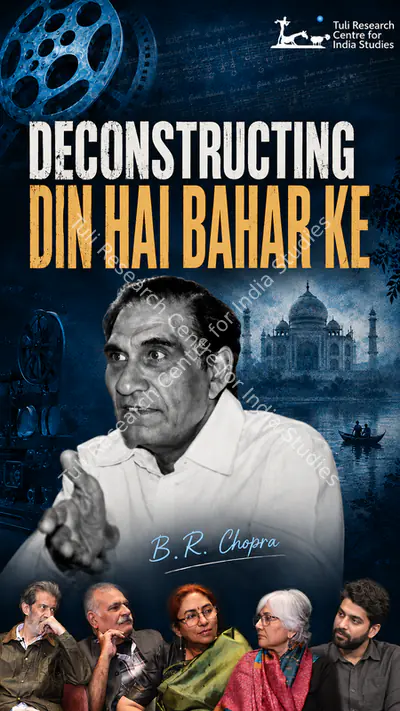
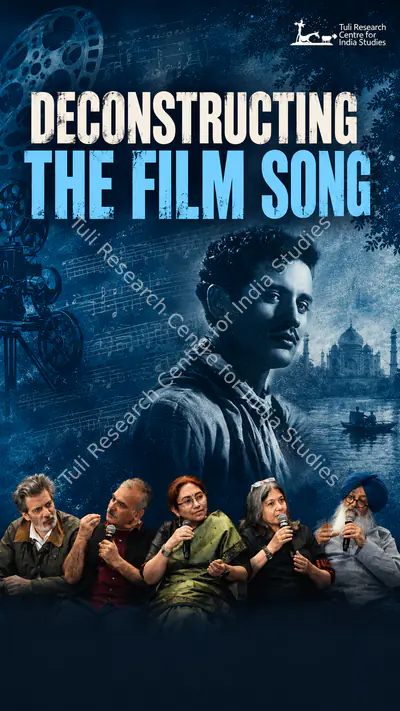
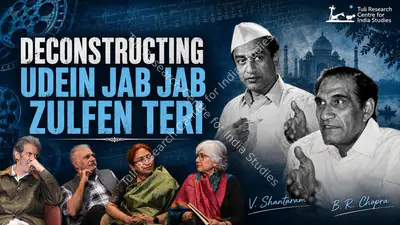
Presenting a glimpse from the workshop ‘Deconstructing the Film Song: A Musical Glue for Nation-Building,’ where Shikha Jhingan, Associate Professor, Cinema Studies, Jawaharlal Nehru University, examines the two versions of the song, the community built through its chorus, and Shantaram's German Expressionist play of light and darkness that accompanies the lyrics of the song. Together, these elements explain why the song remains woven into everyday Indian life.
This workshop was presented by the Tuli Research Centre for India Studies (T.R.I.S) as part of the 7th Self-Discovery via Rediscovering India Festival.