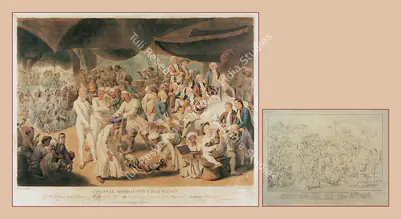
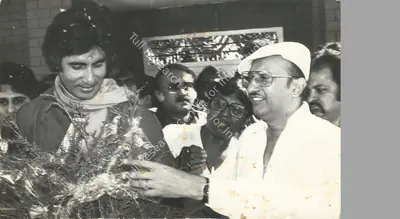
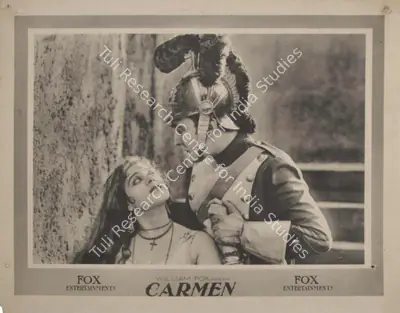
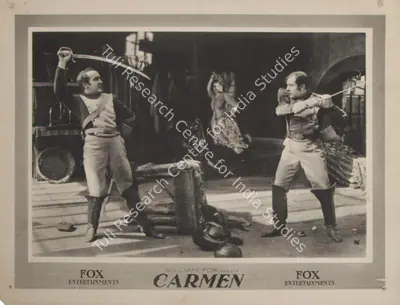
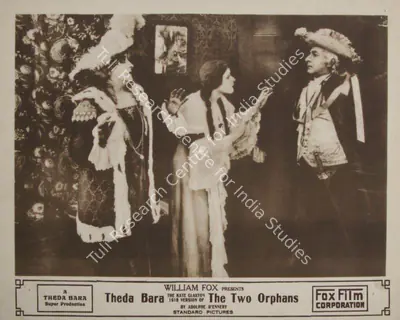
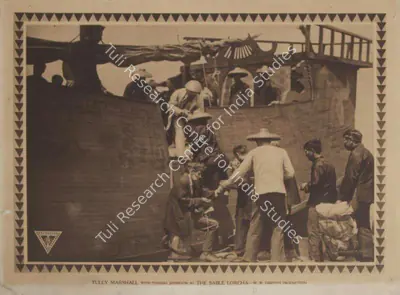
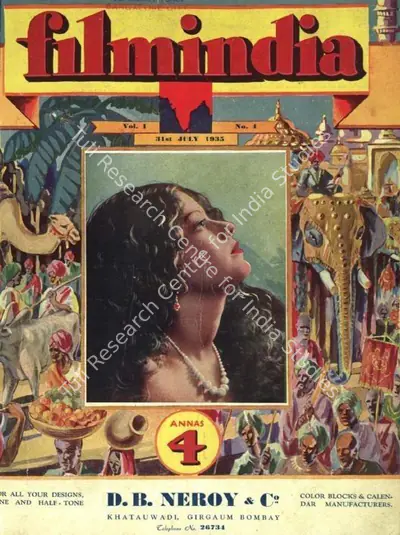
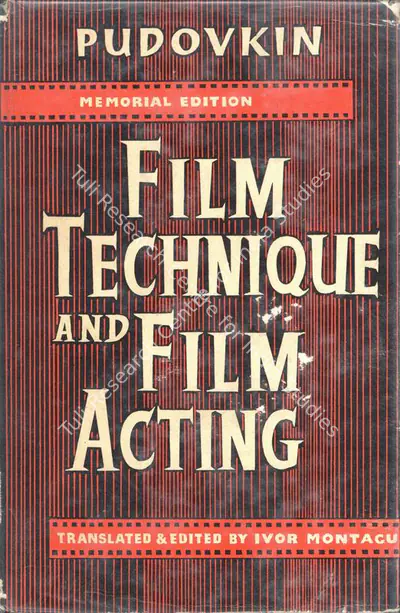
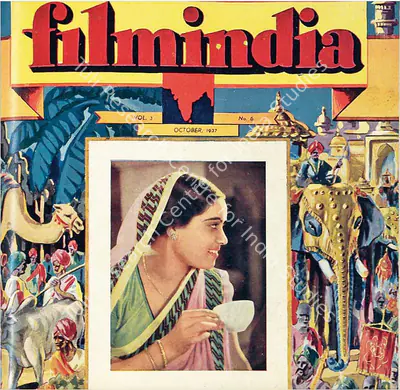
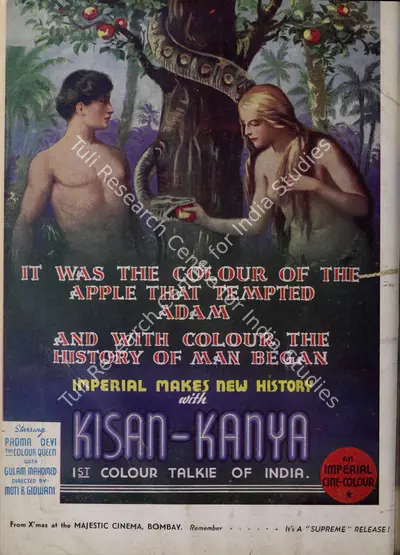
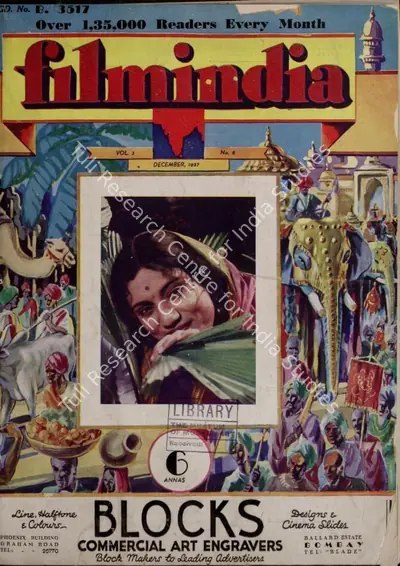
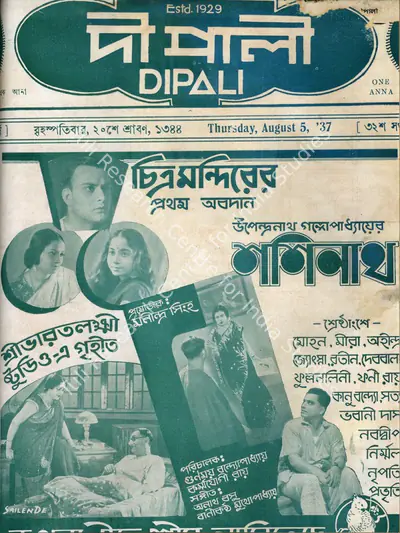
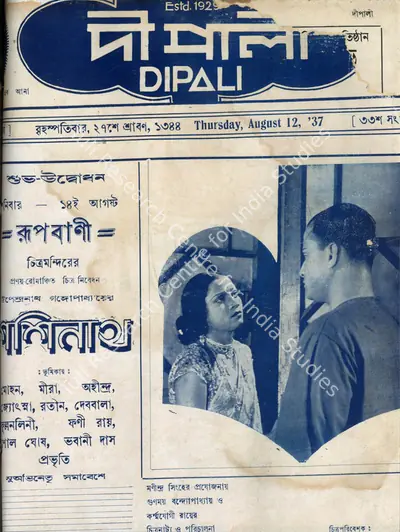
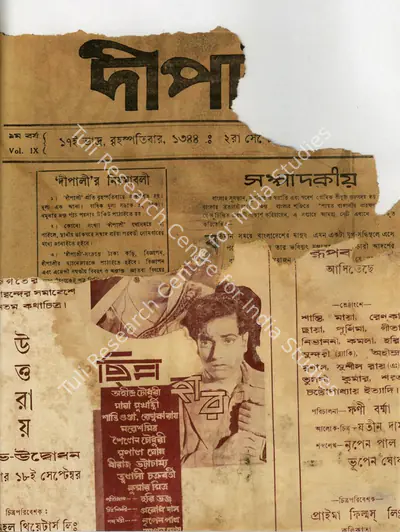
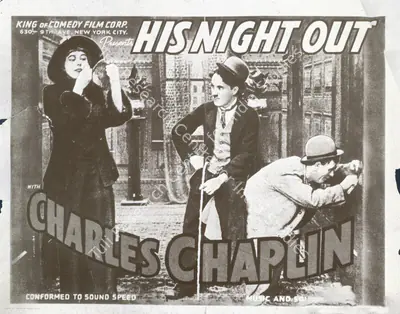
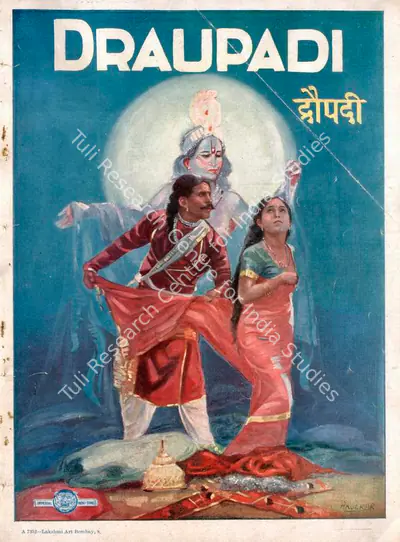
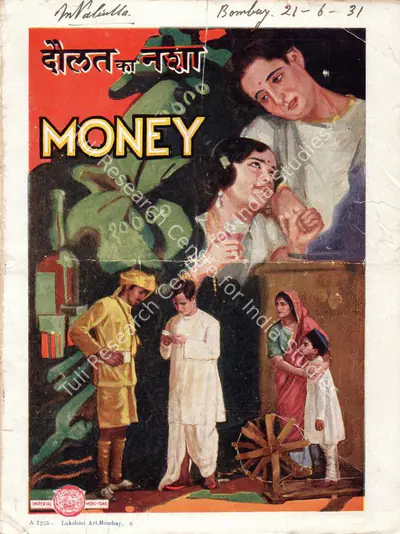
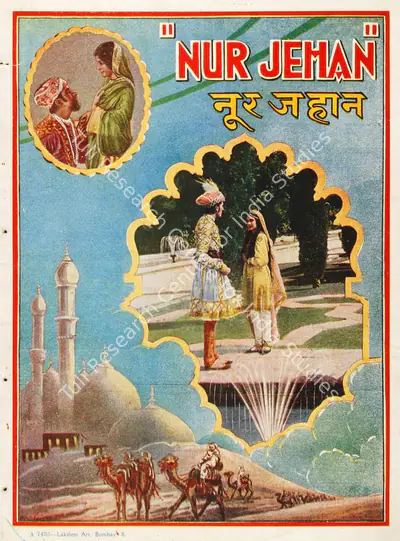
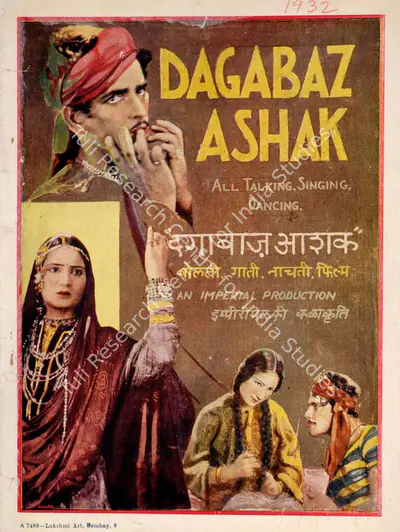
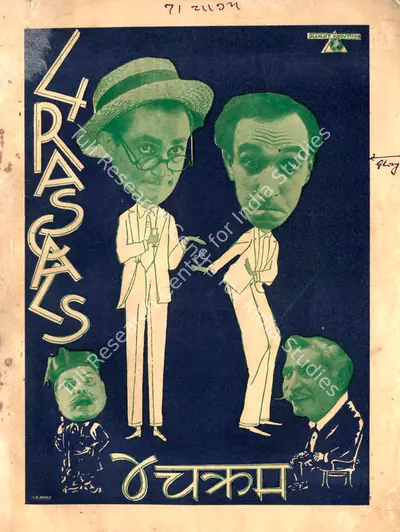
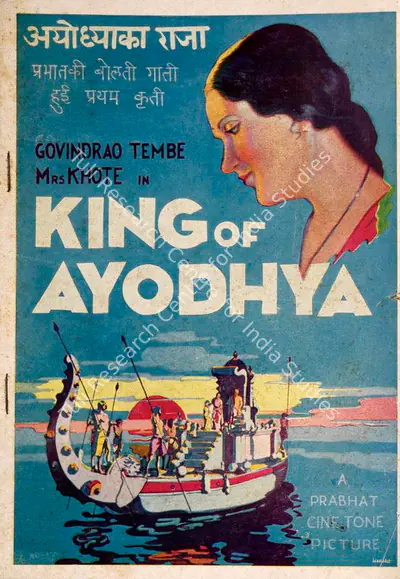
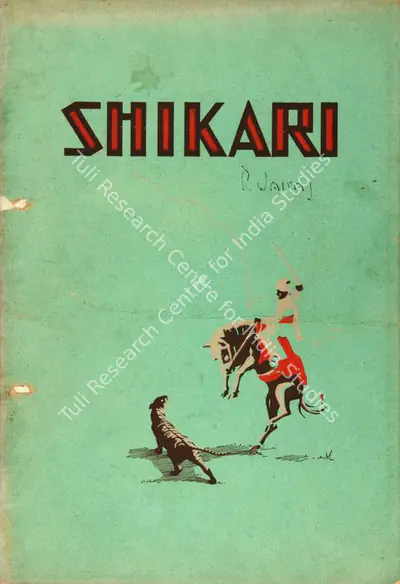
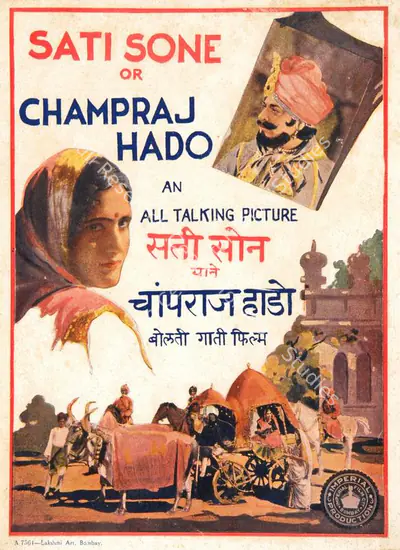
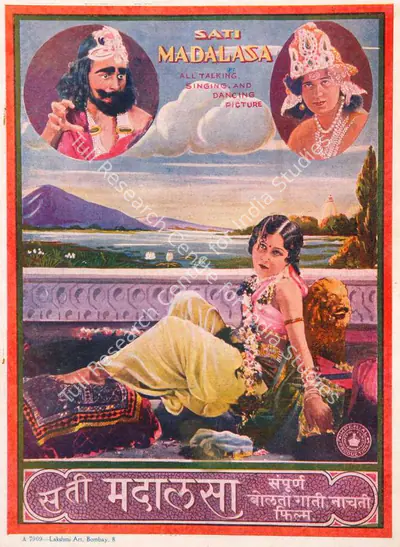
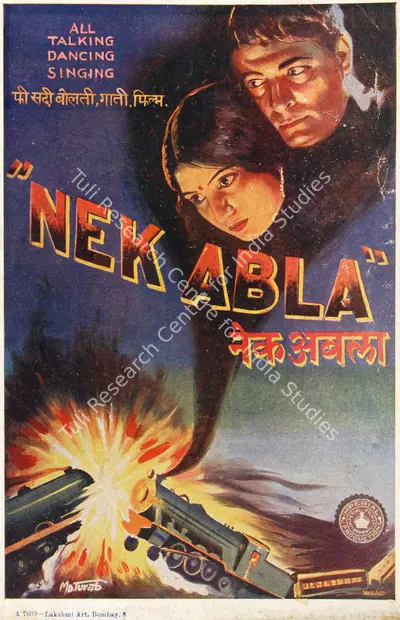
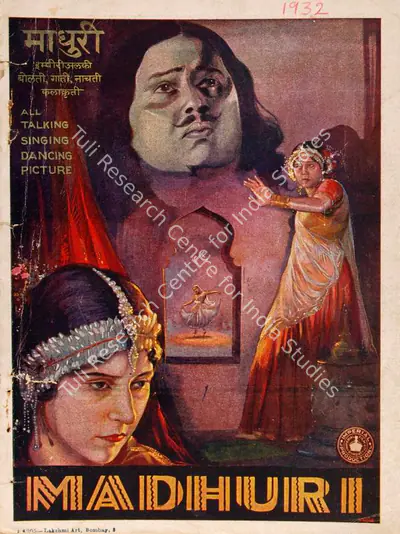
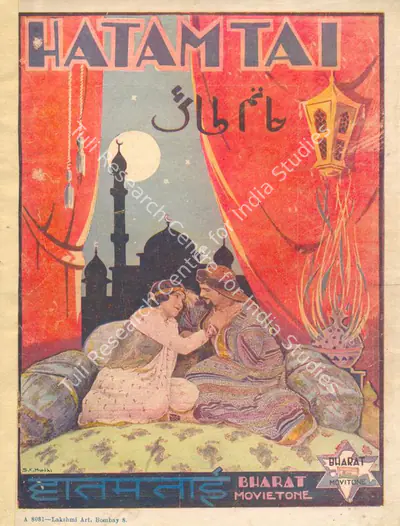
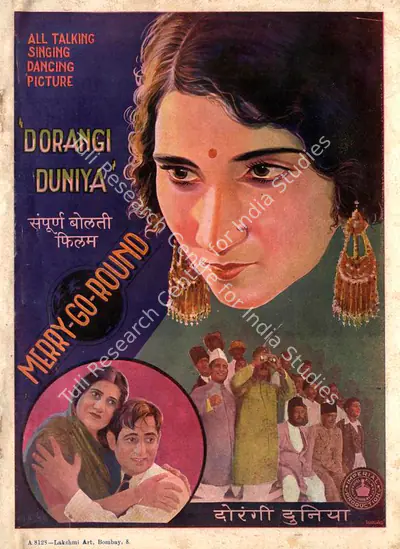
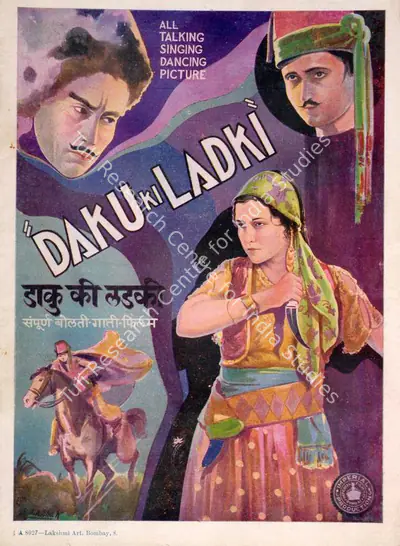
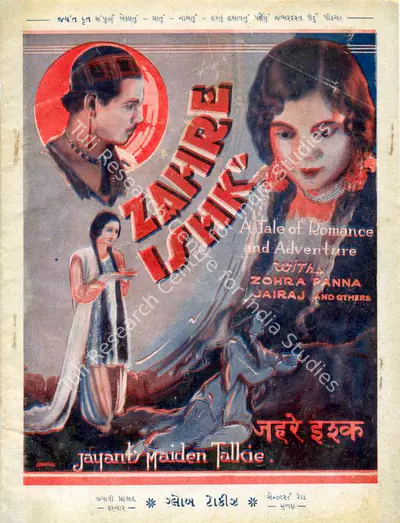
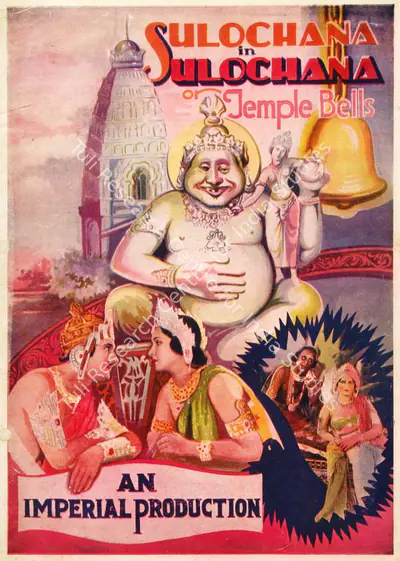
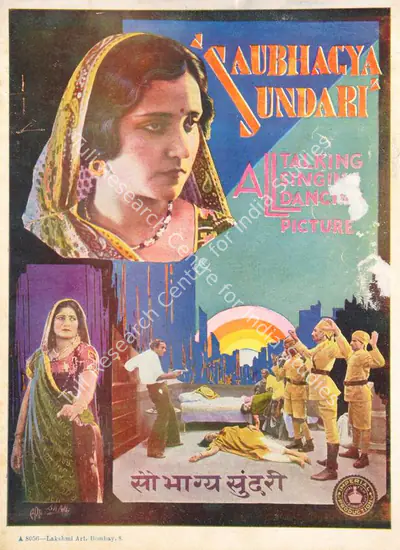
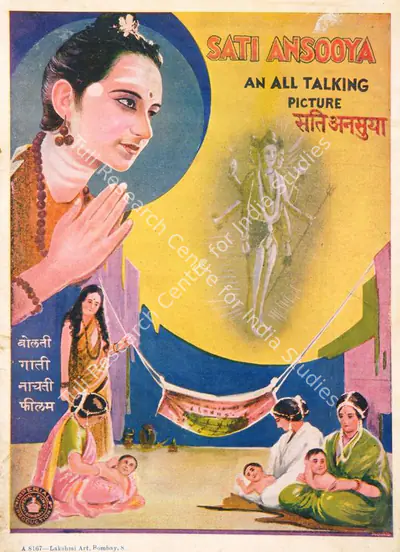
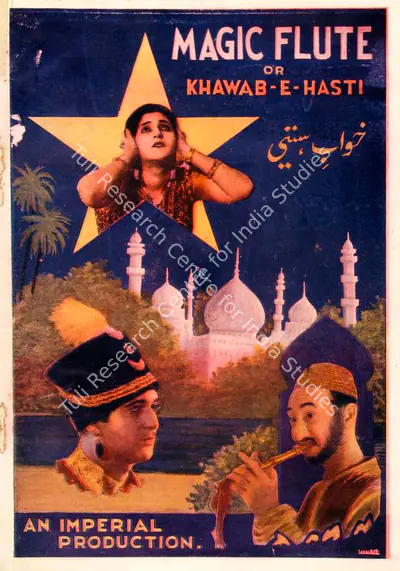
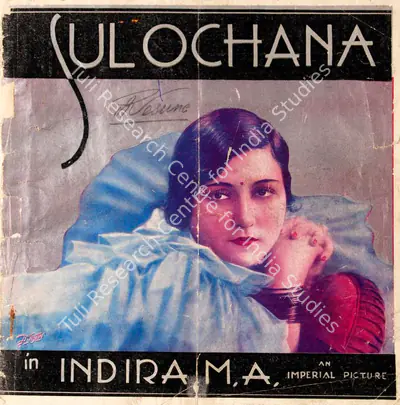
Cinema as a Critical Educational Resource focuses on gaining an understanding of India through the lens of cinema. It deals with rare gems from Indian cinema and beyond to chronicle the history and culture of India and investigates how cinema captures the nuances of Indian life, portraying the experiences, struggles and aspirations of its people. Using critical resources such as film publicity material, including booklets, lobby cards and posters, this research area offers unique insights into its cultural diversity, social fabric and historical evolution.
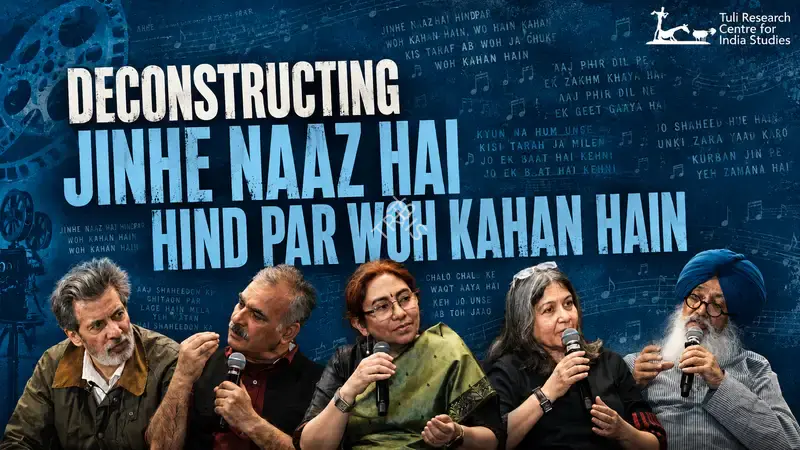
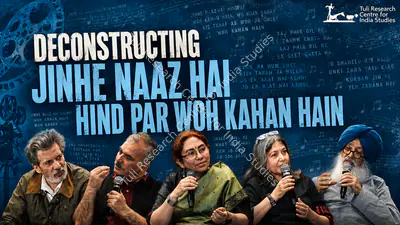
Sahir' Ludhianvi's Question to the Nation in "Jinhe Naaz Hai Hind Par Woh Kahan Hain"
Tuli Research Centre for India Studies (Editor)
Document TypeIn-house Video
Date31 August 2026
Duration18 min 11 sec
FormatLong-form Video
Description
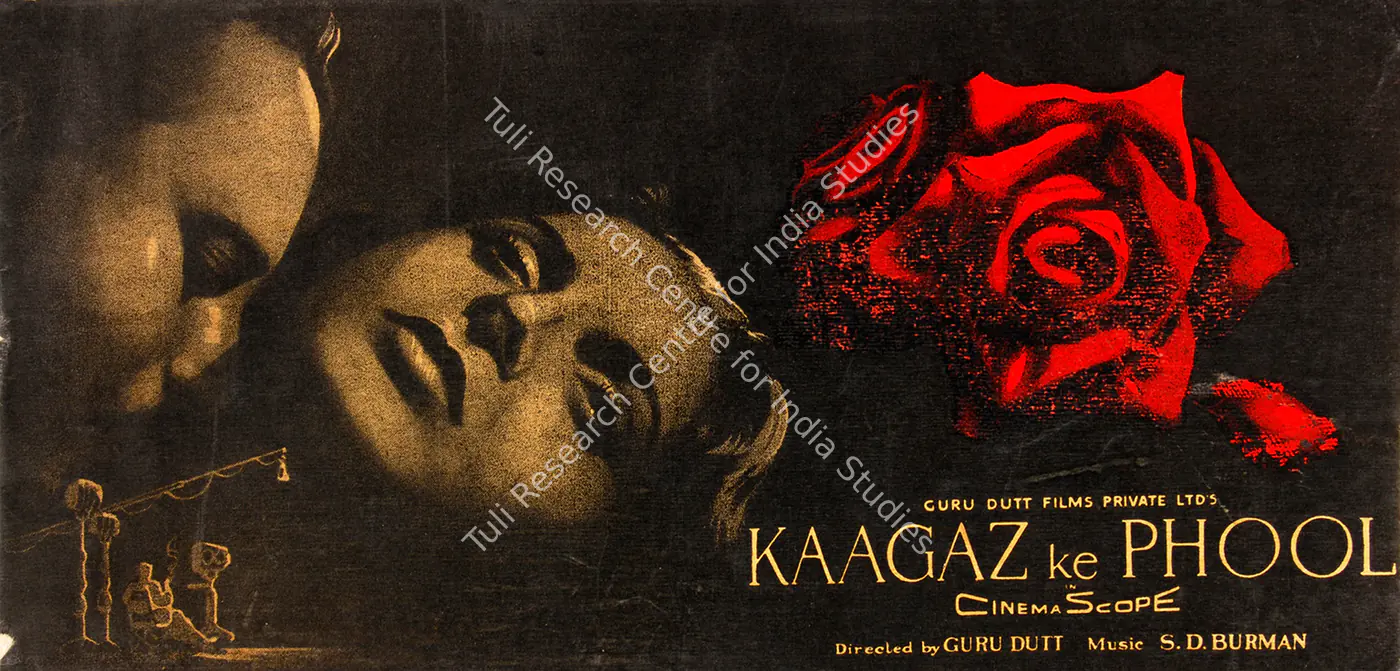
Few songs in Hindi cinema look at the nation from its margins as unflinchingly as “Jinhe Naaz Hai Hind Par Woh Kahan Hain” from Pyaasa (1957). As Vijay (Guru Dutt) walks through a red-light district, Sahir Ludhianvi’s words draw attention to lives that remain unseen in the promises of progress and freedom. Set to S.D. Burman’s restrained composition and sung by Mohammed Rafi, the song unfolds as a series of encounters, observations, and questions rather than a conventional cinematic performance.
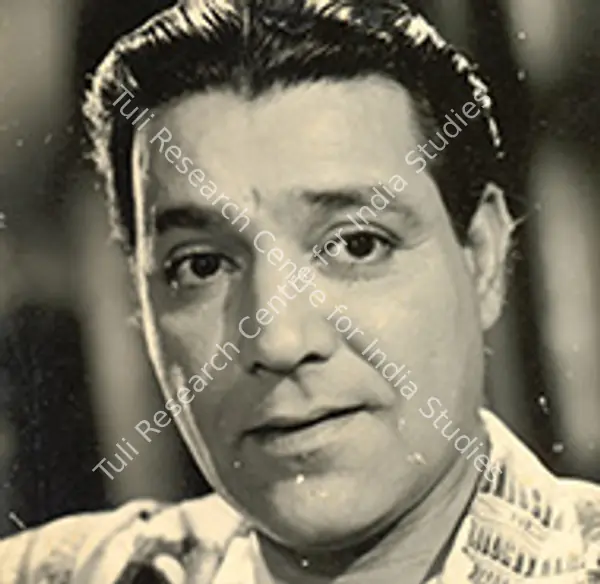
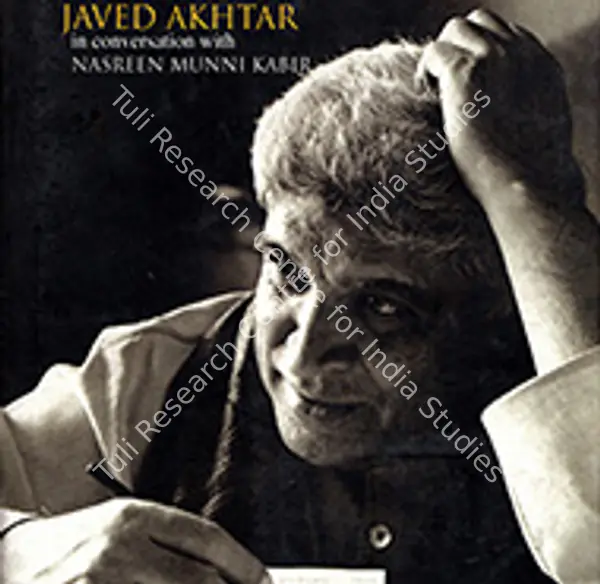
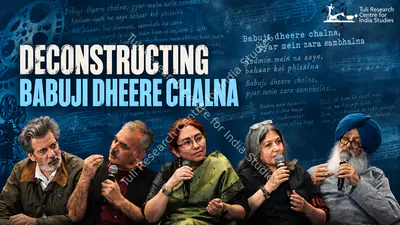
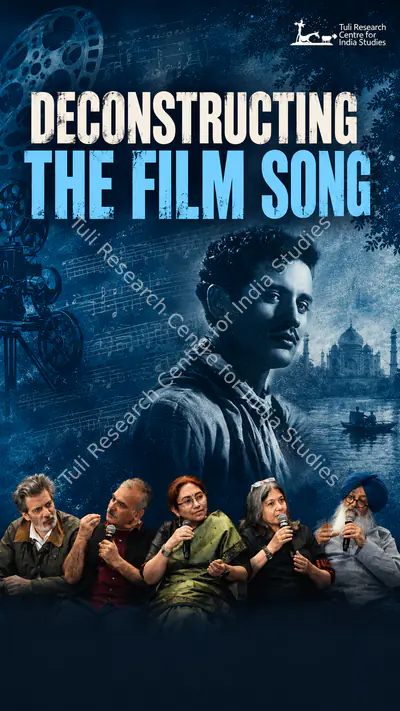
In this session, panelists Madan Gopal Singh, Antara Mondal, Ravikant, Juhi Saklani, and Neville Tuli, approached the song sequence from distinct vantage points while reflecting on Guru Dutt’s use of movement and framing, the song’s portrayal of women and urban poverty, and the ways in which poetry, image, and music work together to create one of the most powerful moments in Pyaasa.
This session was part of the series 'Deconstructing the Film Song: A Musical Glue for Nation-Building,' presented by the Tuli Research Centre for India Studies (T.R.I.S.) as part of the 7th Self-Discovery via Rediscovering India Festival.