Introduction
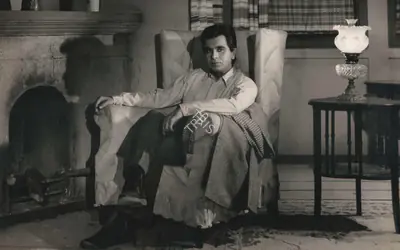
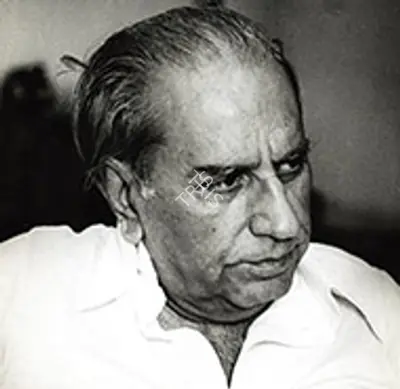
Sunil Dutt (born Balraj Raghunath Dutt; 6 June 1929 – 25 May 2005) He occupies a singular position in the cultural and political history of modern India, distinguished not only as an accomplished actor, producer, and director in Hindi cinema but also as a public figure deeply engaged with questions of social justice and national integration. Over a career spanning five decades and encompassing more than eighty films, Dutt cultivated a screen persona marked by moral gravitas, emotional restraint, and an abiding commitment to socially resonant themes.
Born in Nakka Khurd in the Jhelum district of undivided Punjab (now in Pakistan), Dutt's early life was profoundly shaped by the upheavals of the Partition of India. The communal violence that accompanied Partition left an indelible impression on him; his family's survival, aided by a Muslim acquaintance of his father, informed his lifelong advocacy for communal harmony. After relocating to India, he pursued higher education at Jai Hind College in Bombay while working to support his family, eventually graduating with a degree in history.
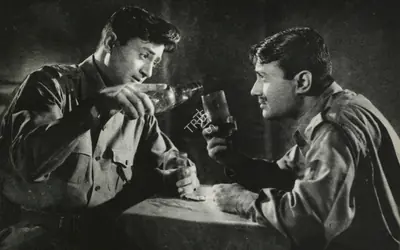
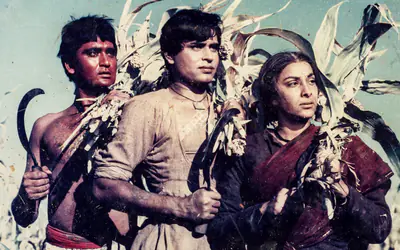
Dutt's entry into cinema followed a formative period as a radio announcer, where his resonant voice and composed demeanour attracted attention. Introduced to the film industry by Ramesh Saigal, he made his debut in Railway Platform (1955). Early recognition came with Ek Hi Raasta (1956) and, more significantly, with Mother India (1957), in which his performance opposite Nargis secured both critical acclaim and popular success. The film's monumental reception established him as a leading actor and marked the beginning of a personal and creative partnership that culminated in their marriage in 1958.
The late 1950s and 1960s witnessed Dutt's steady ascent as one of Hindi cinema's most dependable leading men. His roles in Sadhna (1958), Sujata (1959), and Insān Jaag Utha (1959) demonstrated his facility with socially conscious narratives, while Chhaya (1961) and Main Chup Rahungi (1962) reinforced his appeal in romantic melodrama. The year 1963 proved pivotal, with Gumrah and Mujhe Jeene Do earning both commercial success and critical recognition; the latter, in particular, showcased his ability to inhabit morally complex characters within a dacoit narrative framework.
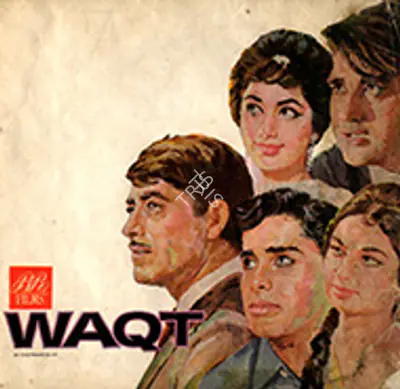
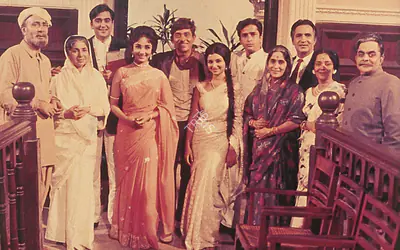
Dutt reached the zenith of his stardom in the mid-1960s. Yash Chopra's Waqt (1965) became a defining ensemble film, while Khandan (1965) earned him the Filmfare Award for Best Actor for his portrayal of a physically challenged yet emotionally resilient patriarch. This period also saw notable performances in Mera Saaya (1966), Hamraaz (1967), and the enduringly popular Padosan (1968), where his deft comedic timing complemented an already versatile repertoire. His work in Milan (1967) and Mehrban (1967) further expanded his range across genres.
Parallel to his acting career, Dutt ventured into production and direction, often aligning his projects with thematic concerns of social justice and human dignity. His directorial venture Yaadein (1964), notable for featuring him as the sole on-screen actor, remains an experimental landmark in Indian cinema. Likewise, Reshma Aur Shera (1971), which he produced and directed, offered a lyrical exploration of love and violence set against the desert landscape, while also introducing future stars such as Amitabh Bachchan and Vinod Khanna to wider audiences.
In the 1970s, Dutt continued to appear in significant films such as Heera (1973), Zakhmee (1975), and Daaku Aur Jawan (1978), balancing mainstream appeal with socially embedded narratives. By the 1980s, he transitioned into character roles, with appearances in Shaan (1980) and Kurbaan (1991), while also launching his son Sanjay Dutt in Rocky (1981). His final screen appearance in Munna Bhai M.B.B.S. (2003) stands as a poignant culmination of his cinematic journey, uniting his personal and professional legacies.
Beyond cinema, Dutt's public life was marked by sustained political and humanitarian engagement. As a prominent member of the Indian National Congress, he served multiple terms in Parliament and held ministerial office under Manmohan Singh. His peace marches, including the Mahashanti Padyatra and his anti-nuclear advocacy walk from Hiroshima to Nagasaki, exemplified a commitment to ethical action that paralleled his cinematic ideals.
Honoured with the Filmfare Lifetime Achievement Award in 1995, Dutt remained, until his final years, an emblem of integrity whose life bridged art and public service. He died on 25 May 2005 in Mumbai while still serving as a Member of Parliament. His legacy endures not in monuments but in the enduring moral and aesthetic force of his work, which continues to shape the imagination of Indian cinema.
Born in Nakka Khurd in the Jhelum district of undivided Punjab (now in Pakistan), Dutt's early life was profoundly shaped by the upheavals of the Partition of India. The communal violence that accompanied Partition left an indelible impression on him; his family's survival, aided by a Muslim acquaintance of his father, informed his lifelong advocacy for communal harmony. After relocating to India, he pursued higher education at Jai Hind College in Bombay while working to support his family, eventually graduating with a degree in history.
Dutt's entry into cinema followed a formative period as a radio announcer, where his resonant voice and composed demeanour attracted attention. Introduced to the film industry by Ramesh Saigal, he made his debut in Railway Platform (1955). Early recognition came with Ek Hi Raasta (1956) and, more significantly, with Mother India (1957), in which his performance opposite Nargis secured both critical acclaim and popular success. The film's monumental reception established him as a leading actor and marked the beginning of a personal and creative partnership that culminated in their marriage in 1958.
The late 1950s and 1960s witnessed Dutt's steady ascent as one of Hindi cinema's most dependable leading men. His roles in Sadhna (1958), Sujata (1959), and Insān Jaag Utha (1959) demonstrated his facility with socially conscious narratives, while Chhaya (1961) and Main Chup Rahungi (1962) reinforced his appeal in romantic melodrama. The year 1963 proved pivotal, with Gumrah and Mujhe Jeene Do earning both commercial success and critical recognition; the latter, in particular, showcased his ability to inhabit morally complex characters within a dacoit narrative framework.
Dutt reached the zenith of his stardom in the mid-1960s. Yash Chopra's Waqt (1965) became a defining ensemble film, while Khandan (1965) earned him the Filmfare Award for Best Actor for his portrayal of a physically challenged yet emotionally resilient patriarch. This period also saw notable performances in Mera Saaya (1966), Hamraaz (1967), and the enduringly popular Padosan (1968), where his deft comedic timing complemented an already versatile repertoire. His work in Milan (1967) and Mehrban (1967) further expanded his range across genres.
Parallel to his acting career, Dutt ventured into production and direction, often aligning his projects with thematic concerns of social justice and human dignity. His directorial venture Yaadein (1964), notable for featuring him as the sole on-screen actor, remains an experimental landmark in Indian cinema. Likewise, Reshma Aur Shera (1971), which he produced and directed, offered a lyrical exploration of love and violence set against the desert landscape, while also introducing future stars such as Amitabh Bachchan and Vinod Khanna to wider audiences.
In the 1970s, Dutt continued to appear in significant films such as Heera (1973), Zakhmee (1975), and Daaku Aur Jawan (1978), balancing mainstream appeal with socially embedded narratives. By the 1980s, he transitioned into character roles, with appearances in Shaan (1980) and Kurbaan (1991), while also launching his son Sanjay Dutt in Rocky (1981). His final screen appearance in Munna Bhai M.B.B.S. (2003) stands as a poignant culmination of his cinematic journey, uniting his personal and professional legacies.
Beyond cinema, Dutt's public life was marked by sustained political and humanitarian engagement. As a prominent member of the Indian National Congress, he served multiple terms in Parliament and held ministerial office under Manmohan Singh. His peace marches, including the Mahashanti Padyatra and his anti-nuclear advocacy walk from Hiroshima to Nagasaki, exemplified a commitment to ethical action that paralleled his cinematic ideals.
Honoured with the Filmfare Lifetime Achievement Award in 1995, Dutt remained, until his final years, an emblem of integrity whose life bridged art and public service. He died on 25 May 2005 in Mumbai while still serving as a Member of Parliament. His legacy endures not in monuments but in the enduring moral and aesthetic force of his work, which continues to shape the imagination of Indian cinema.
सुनील दत्त (जन्म बलराज रघुनाथ दत्त; 6 जून 1929 – 25 मई 2005) आधुनिक भारत के सांस्कृतिक और राजनीतिक इतिहास में एक विशिष्ट स्थान रखते हैं। वे न केवल हिंदी सिनेमा में एक कुशल अभिनेता, निर्माता और निर्देशक के रूप में ही नहीं बल्कि सामाजिक न्याय और राष्ट्रीय एकता के मुद्दों से गहराई से जुड़े एक सार्वजनिक व्यक्तित्व के रूप में भी विख्यात हैं। पाँच दशक लम्बे अपने करियर में, जिसमें अस्सी से अधिक फ़िल्में शामिल हैं, दत्त ने पर्दे पर एक ऐसी छवि विकसित की जो नैतिक गंभीरता, भावनात्मक संयम और सामाजिक सरोकारों से जुड़े विषयों के प्रति गहरी प्रतिबद्धता से परिभाषित होती थी।
अविभाजित पंजाब (अब पाकिस्तान में) के झेलम ज़िले के नक्का खुर्द में जन्मे दत्त का प्रारंभिक जीवन भारत के विभाजन की उथल-पुथल से गहरे रूप से प्रभावित रहा। विभाजन के साथ हुई सांप्रदायिक हिंसा ने उनके दिलो दिमाग पर अमिट छाप छोड़ी। उनके पिता के एक जानने वाले मुस्लिम के मदद से उनके परिवार का भरण-पोषण हुआ, जिसने उन्हें जीवन भर सांप्रदायिक सद्भाव का समर्थन करने के लिए प्रेरित किया। भारत लौटने के बाद उन्होंने परिवार का भरण-पोषण करने के लिए काम करते रहे और बंबई के जय हिंद कॉलेज में उच्च शिक्षा की पढ़ाई पूरी की और इतिहास में स्नातक की उपाधि प्राप्त की।
दत्त ने सिनेमा जगत में प्रवेश करने से पहले रेडियो अनाउंसर के रूप में एक महत्वपूर्ण दौर बिताया, जहाँ उनकी दमदार आवाज़ और शांत स्वभाव ने सबका ध्यान आकर्षित किया। रमेश सहगल द्वारा फ़िल्म उद्योग से परिचित कराए जाने के बाद, उन्होंने रेलवे प्लेटफ़ॉर्म (1955) से अपने अभिनय की शुरुआत की। उन्हें शुरुआती पहचान एक ही रास्ता (1956) से मिली और उससे भी महत्वपूर्ण, मदर इंडिया (1957) से, जिसमें नरगिस के साथ उनके अभिनय को आलोचकों और दर्शकों दोनों ने ख़ूब सराहा। फ़िल्म की अभूतपूर्व सफलता ने उन्हें हिंदी सिनेमा के अग्रणी अभिनेताओं में स्थापित कर दिया और यही उनके व्यक्तिगत तथा रचनात्मक संबंध की शुरुआत भी बनी, जो 1958 में उनके विवाह के रूप में परिणत हुई।
1950 के दशक के अंत और 1960 के दशक में दत्त हिंदी सिनेमा के सबसे भरोसेमंद मुख्य अभिनेताओं में से एक के रूप में लगातार आगे बढ़ते रहे। साधना (1958), सुजाता (1959) और इंसान जाग उठा (1959) में उनकी भूमिकाओं ने सामाजिक रूप से जागरूक कहानियों में उनकी कुशलता को प्रदर्शित किया, जबकि छाया (1961) और मैं चुप रहूंगी (1962) ने रोमांटिक मेलोड्रामा में उनकी लोकप्रियता को और मज़बूत किया। वर्ष 1963 उनके लिए निर्णायक साबित हुआ, जब गुमराह और मुझे जीने दो जैसी फ़िल्मों ने व्यावसायिक सफलता और समीक्षकों द्वारा प्रशंसा दोनों प्राप्त की; विशेष रूप से बाद वाली फ़िल्म ने एक डकैत की कहानी के ढांचे के भीतर नैतिक रूप से जटिल किरदारों को निभाने की उनकी क्षमता को प्रदर्शित किया।
दत्त 1960 के दशक के मध्य में अपने स्टारडम के शिखर पर पहुँच गए। यश चोपड़ा की फ़िल्म वक़्त (1965) एक ऐतिहासिक सामूहिक फ़िल्म बन गई, जबकि ख़ानदान (1965) में शारीरिक रूप से अक्षम लेकिन भावनात्मक रूप से सशक्त परिवार के मुखिया के किरदार के लिए उन्हें सर्वश्रेष्ठ अभिनेता का फ़िल्मफ़ेयर पुरस्कार मिला। इसी दौरान उन्होंने मेरा साया (1966), हमराज़ (1967) और सदाबहार लोकप्रिय पड़ोसन (1968) जैसी फ़िल्मों में भी उल्लेखनीय भूमिकाएँ निभाईं, जहाँ उनकी हास्य-व्यंग्य की कुशलता ने उनके पहले से ही बहुमुखी अभिनय कौशल को और निखार दिया। मिलन (1967) और मेहरबान (1967) में उनके अभिनय ने विभिन्न शैलियों में उनकी अभिनय क्षमता को और भी विस्तृत किया।
अपने अभिनय करियर के साथ-साथ, दत्त ने निर्माण और निर्देशन के क्षेत्र में भी कदम रखा। वे अक्सर अपनी परियोजनाओं को सामाजिक न्याय और मानवीय गरिमा जैसे विषयों से जोड़ते थे। उनकी निर्देशित फ़िल्म 'यादें' (1964), जिसमें उन्होंने अकेले अभिनेता के रूप में अभिनय किया था, जिस प्रयोग को भारतीय सिनेमा में एक मील का पत्थर मानी जाती है। इसी तरह, 'रेशमा और शेरा' (1971), जिसका उन्होंने निर्माण और निर्देशन किया था, यह फ़िल्म रेगिस्तानी परिदृश्य की पृष्ठभूमि में प्रेम और हिंसा का एक भावपूर्ण चित्रण प्रस्तुत करती है, और साथ ही अमिताभ बच्चन और विनोद खन्ना जैसे भावी सितारों को व्यापक दर्शकों के सामने पेश करती है।
1970 के दशक तक दत्त ने हीरा (1973), ज़ख्मी (1975) और डाकू और जवान (1978) जैसी महत्वपूर्ण फ़िल्मों में अभिनय करना जारी रखा, जिनमें उन्होंने मुख्यधारा की लोकप्रियता और सामाजिक रूप से प्रासंगिक कहानियों के बीच संतुलन बनाए रखा। 1980 के दशक में उन्होंने चरित्र भूमिकाओं की ओर रुख़ किया और शान (1980) और क़ुर्बान (1991) जैसी फ़िल्मों में नज़र आए, साथ ही उन्होंने रॉकी (1981) से अपने बेटे संजय दत्त को भी लॉन्च किया। मुन्ना भाई एम.बी.बी.एस. (2003) उनकी अंतिम फ़िल्म उनके सिनेमाई सफ़र का एक मार्मिक समापन है, जो उनकी व्यक्तिगत और पेशेवर विरासत को एक साथ जोड़ती है।
सिनेमा से परे दत्त का सार्वजनिक जीवन निरंतर राजनीतिक और मानवीय कार्यों से जुड़ा रहा। भारतीय राष्ट्रीय कांग्रेस के एक प्रमुख सदस्य के रूप में, उन्होंने संसद में कई कार्यकाल पूरे किए और मनमोहन सिंह के नेतृत्व में मंत्री पद संभाला। उनकी शांतियात्राएँ, जिनमें महाशांति पदयात्रा और हिरोशिमा से नागासाकी तक परमाणु विरोधी पदयात्रा शामिल हैं, नैतिक कार्यों के प्रति उनकी प्रतिबद्धता का उदाहरण थीं, जो उनके सिनेमाई आदर्शों के अनुरूप थीं।
1995 में फ़िल्मफ़ेयर लाइफटाइम अचीवमेंट पुरस्कार से सम्मानित दत्त, अपने अंतिम वर्षों तक सत्यनिष्ठा के प्रतीक बने रहे, जिनका जीवन कला और जनसेवा का संगम था। 25 मई 2005 को मुंबई में सांसद रहते हुए उनका निधन हो गया। उनकी विरासत स्मारकों में नहीं, बल्कि उनके कार्यों की स्थायी नैतिक और कलात्मक शक्ति में विद्यमान है, जो भारतीय सिनेमा की कल्पना को आकार देना जारी रखती है।
अविभाजित पंजाब (अब पाकिस्तान में) के झेलम ज़िले के नक्का खुर्द में जन्मे दत्त का प्रारंभिक जीवन भारत के विभाजन की उथल-पुथल से गहरे रूप से प्रभावित रहा। विभाजन के साथ हुई सांप्रदायिक हिंसा ने उनके दिलो दिमाग पर अमिट छाप छोड़ी। उनके पिता के एक जानने वाले मुस्लिम के मदद से उनके परिवार का भरण-पोषण हुआ, जिसने उन्हें जीवन भर सांप्रदायिक सद्भाव का समर्थन करने के लिए प्रेरित किया। भारत लौटने के बाद उन्होंने परिवार का भरण-पोषण करने के लिए काम करते रहे और बंबई के जय हिंद कॉलेज में उच्च शिक्षा की पढ़ाई पूरी की और इतिहास में स्नातक की उपाधि प्राप्त की।
दत्त ने सिनेमा जगत में प्रवेश करने से पहले रेडियो अनाउंसर के रूप में एक महत्वपूर्ण दौर बिताया, जहाँ उनकी दमदार आवाज़ और शांत स्वभाव ने सबका ध्यान आकर्षित किया। रमेश सहगल द्वारा फ़िल्म उद्योग से परिचित कराए जाने के बाद, उन्होंने रेलवे प्लेटफ़ॉर्म (1955) से अपने अभिनय की शुरुआत की। उन्हें शुरुआती पहचान एक ही रास्ता (1956) से मिली और उससे भी महत्वपूर्ण, मदर इंडिया (1957) से, जिसमें नरगिस के साथ उनके अभिनय को आलोचकों और दर्शकों दोनों ने ख़ूब सराहा। फ़िल्म की अभूतपूर्व सफलता ने उन्हें हिंदी सिनेमा के अग्रणी अभिनेताओं में स्थापित कर दिया और यही उनके व्यक्तिगत तथा रचनात्मक संबंध की शुरुआत भी बनी, जो 1958 में उनके विवाह के रूप में परिणत हुई।
1950 के दशक के अंत और 1960 के दशक में दत्त हिंदी सिनेमा के सबसे भरोसेमंद मुख्य अभिनेताओं में से एक के रूप में लगातार आगे बढ़ते रहे। साधना (1958), सुजाता (1959) और इंसान जाग उठा (1959) में उनकी भूमिकाओं ने सामाजिक रूप से जागरूक कहानियों में उनकी कुशलता को प्रदर्शित किया, जबकि छाया (1961) और मैं चुप रहूंगी (1962) ने रोमांटिक मेलोड्रामा में उनकी लोकप्रियता को और मज़बूत किया। वर्ष 1963 उनके लिए निर्णायक साबित हुआ, जब गुमराह और मुझे जीने दो जैसी फ़िल्मों ने व्यावसायिक सफलता और समीक्षकों द्वारा प्रशंसा दोनों प्राप्त की; विशेष रूप से बाद वाली फ़िल्म ने एक डकैत की कहानी के ढांचे के भीतर नैतिक रूप से जटिल किरदारों को निभाने की उनकी क्षमता को प्रदर्शित किया।
दत्त 1960 के दशक के मध्य में अपने स्टारडम के शिखर पर पहुँच गए। यश चोपड़ा की फ़िल्म वक़्त (1965) एक ऐतिहासिक सामूहिक फ़िल्म बन गई, जबकि ख़ानदान (1965) में शारीरिक रूप से अक्षम लेकिन भावनात्मक रूप से सशक्त परिवार के मुखिया के किरदार के लिए उन्हें सर्वश्रेष्ठ अभिनेता का फ़िल्मफ़ेयर पुरस्कार मिला। इसी दौरान उन्होंने मेरा साया (1966), हमराज़ (1967) और सदाबहार लोकप्रिय पड़ोसन (1968) जैसी फ़िल्मों में भी उल्लेखनीय भूमिकाएँ निभाईं, जहाँ उनकी हास्य-व्यंग्य की कुशलता ने उनके पहले से ही बहुमुखी अभिनय कौशल को और निखार दिया। मिलन (1967) और मेहरबान (1967) में उनके अभिनय ने विभिन्न शैलियों में उनकी अभिनय क्षमता को और भी विस्तृत किया।
अपने अभिनय करियर के साथ-साथ, दत्त ने निर्माण और निर्देशन के क्षेत्र में भी कदम रखा। वे अक्सर अपनी परियोजनाओं को सामाजिक न्याय और मानवीय गरिमा जैसे विषयों से जोड़ते थे। उनकी निर्देशित फ़िल्म 'यादें' (1964), जिसमें उन्होंने अकेले अभिनेता के रूप में अभिनय किया था, जिस प्रयोग को भारतीय सिनेमा में एक मील का पत्थर मानी जाती है। इसी तरह, 'रेशमा और शेरा' (1971), जिसका उन्होंने निर्माण और निर्देशन किया था, यह फ़िल्म रेगिस्तानी परिदृश्य की पृष्ठभूमि में प्रेम और हिंसा का एक भावपूर्ण चित्रण प्रस्तुत करती है, और साथ ही अमिताभ बच्चन और विनोद खन्ना जैसे भावी सितारों को व्यापक दर्शकों के सामने पेश करती है।
1970 के दशक तक दत्त ने हीरा (1973), ज़ख्मी (1975) और डाकू और जवान (1978) जैसी महत्वपूर्ण फ़िल्मों में अभिनय करना जारी रखा, जिनमें उन्होंने मुख्यधारा की लोकप्रियता और सामाजिक रूप से प्रासंगिक कहानियों के बीच संतुलन बनाए रखा। 1980 के दशक में उन्होंने चरित्र भूमिकाओं की ओर रुख़ किया और शान (1980) और क़ुर्बान (1991) जैसी फ़िल्मों में नज़र आए, साथ ही उन्होंने रॉकी (1981) से अपने बेटे संजय दत्त को भी लॉन्च किया। मुन्ना भाई एम.बी.बी.एस. (2003) उनकी अंतिम फ़िल्म उनके सिनेमाई सफ़र का एक मार्मिक समापन है, जो उनकी व्यक्तिगत और पेशेवर विरासत को एक साथ जोड़ती है।
सिनेमा से परे दत्त का सार्वजनिक जीवन निरंतर राजनीतिक और मानवीय कार्यों से जुड़ा रहा। भारतीय राष्ट्रीय कांग्रेस के एक प्रमुख सदस्य के रूप में, उन्होंने संसद में कई कार्यकाल पूरे किए और मनमोहन सिंह के नेतृत्व में मंत्री पद संभाला। उनकी शांतियात्राएँ, जिनमें महाशांति पदयात्रा और हिरोशिमा से नागासाकी तक परमाणु विरोधी पदयात्रा शामिल हैं, नैतिक कार्यों के प्रति उनकी प्रतिबद्धता का उदाहरण थीं, जो उनके सिनेमाई आदर्शों के अनुरूप थीं।
1995 में फ़िल्मफ़ेयर लाइफटाइम अचीवमेंट पुरस्कार से सम्मानित दत्त, अपने अंतिम वर्षों तक सत्यनिष्ठा के प्रतीक बने रहे, जिनका जीवन कला और जनसेवा का संगम था। 25 मई 2005 को मुंबई में सांसद रहते हुए उनका निधन हो गया। उनकी विरासत स्मारकों में नहीं, बल्कि उनके कार्यों की स्थायी नैतिक और कलात्मक शक्ति में विद्यमान है, जो भारतीय सिनेमा की कल्पना को आकार देना जारी रखती है।
- Age
- 76
Filmography
Loading...
Research Centre
Loading...
Related
58
Personalities
38

Films
19
Themes
1