Introduction
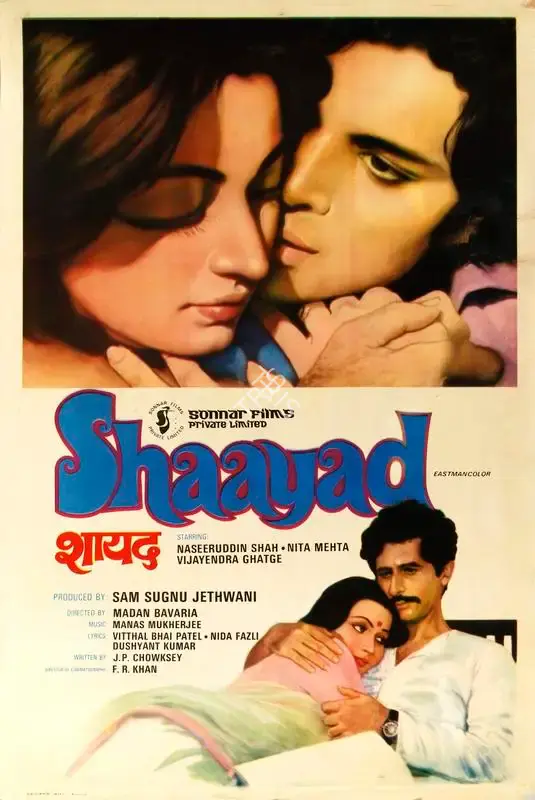
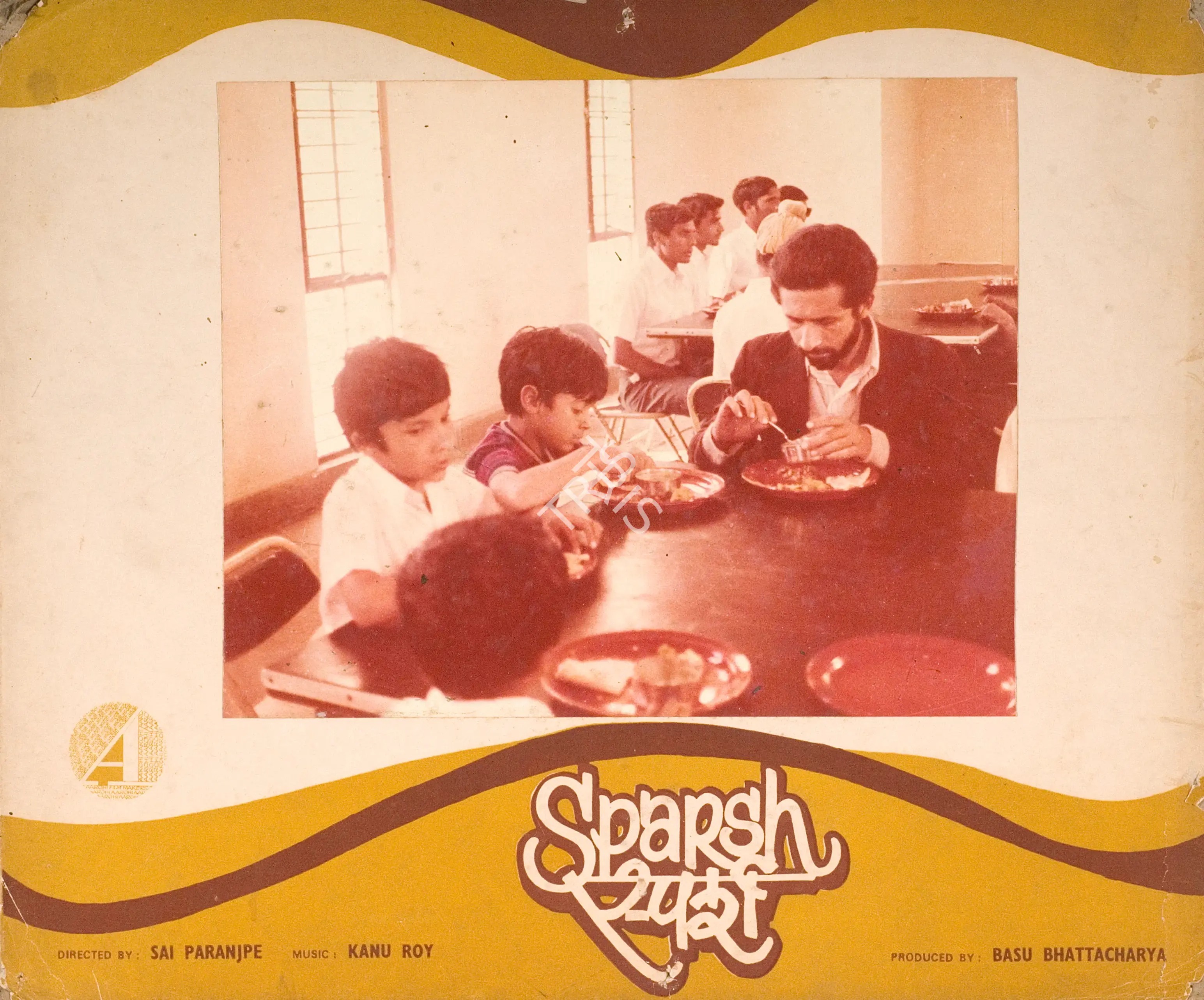
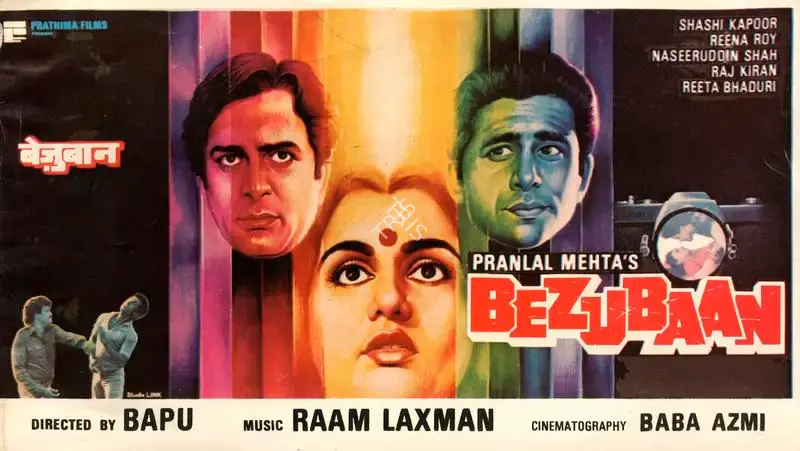
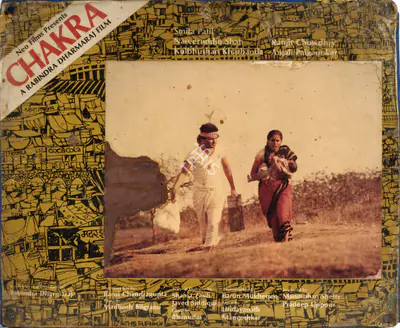
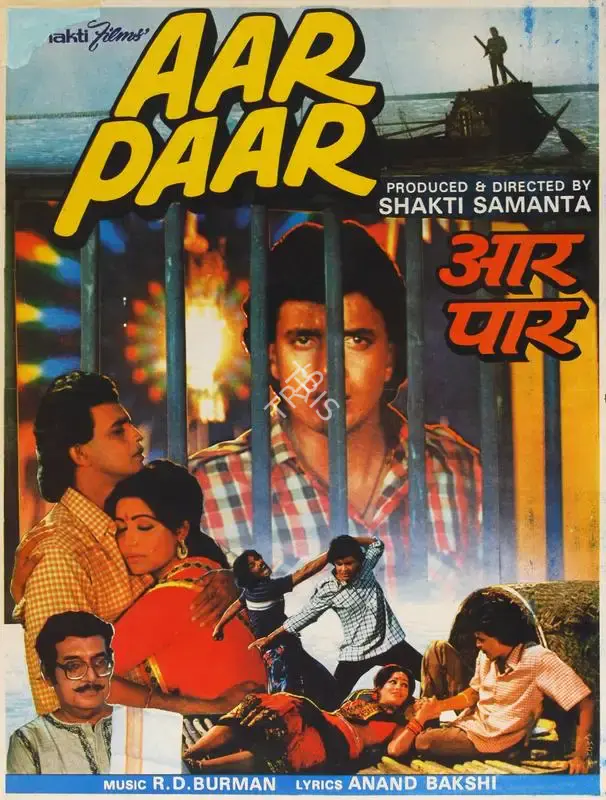
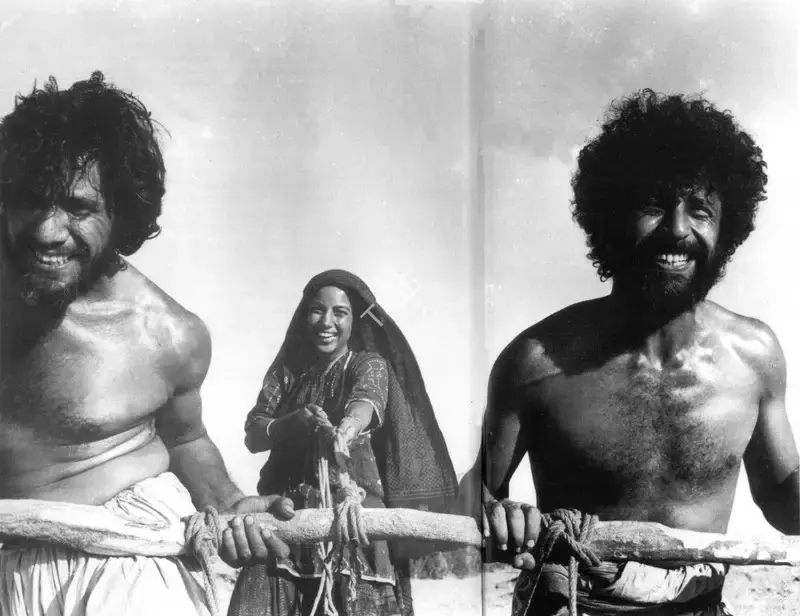
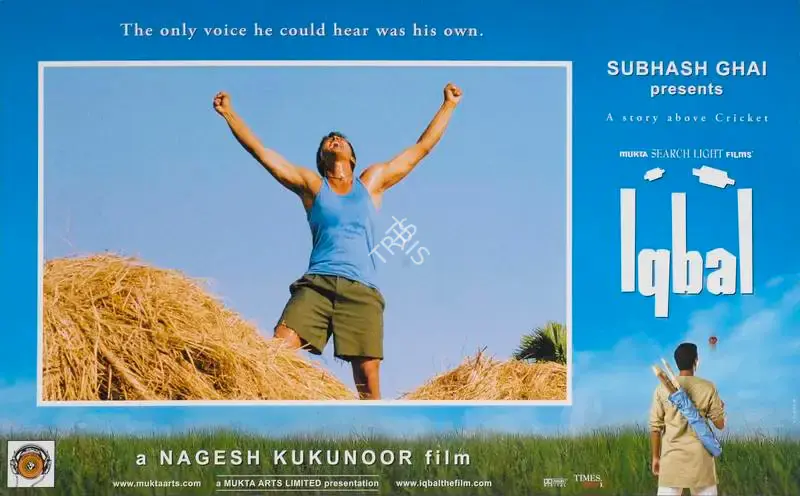
Naseeruddin Shah (born on 20 July 1950 in Barabanki, Uttar Pradesh) is one of the most revered figures in Indian theatre and cinema, celebrated for his extraordinary versatility and steadfast dedication to the craft of acting. A luminary of Indian parallel cinema, Shah's career spans several decades and extends beyond national boundaries, encompassing both critically acclaimed Indian productions and internationally recognized films. His work has earned him multiple honours, including three National Film Awards—Best Actor for Sparsh (1979) and Paar (1984), and Best Supporting Actor for Iqbal (2006)—three Filmfare Awards, and the Volpi Cup for Best Actor at the Venice Film Festival for Paar. In recognition of his enduring contributions to Indian arts, the Government of India awarded him the Padma Shri and Padma Bhushan.
Born into an illustrious Nawabi family, Shah's ancestry reflects a blend of historical prominence and intellectual distinction. His great-great-grandfather, Jan-Fishan Khan, an Afghan warlord, became the Nawab of Sardhana. The extended family includes literary and diplomatic luminaries such as Ikbal Ali Shah, Sufi writers Idries Shah and Omar Ali-Shah, and poet Amina Shah, as well as relatives in Pakistan like actor-director Syed Kamal and cricketer Owais Shah.
Shah's formative years were shaped by a cosmopolitan education at St. Anselm's Ajmer, St. Joseph's College, Nainital, and Aligarh Muslim University, where he graduated in 1971, before refining his craft at the National School of Drama, Delhi. His elder brother, Lt. General Zameeruddin Shah (Retd.), PVSM, SM, VSM, distinguished himself in the Indian Army and later served as Vice-Chancellor of Aligarh Muslim University.
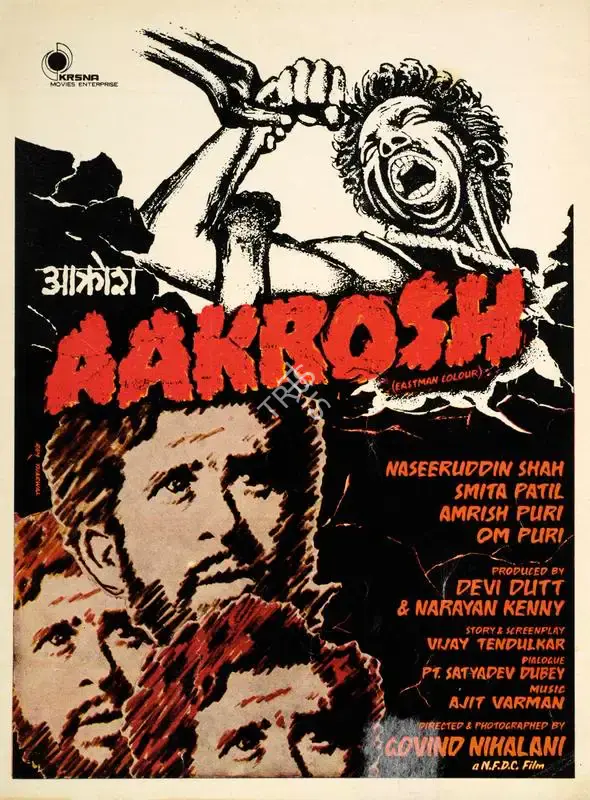
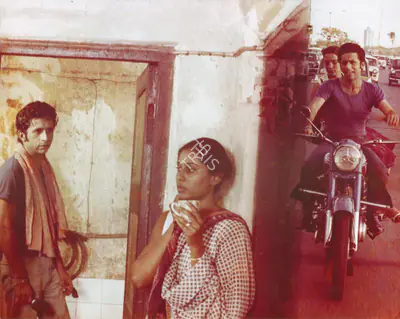
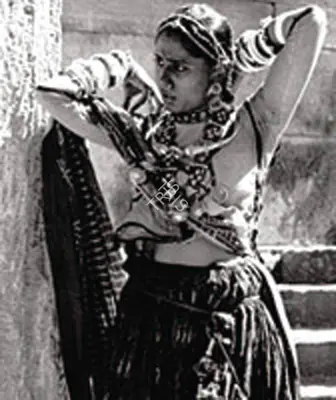
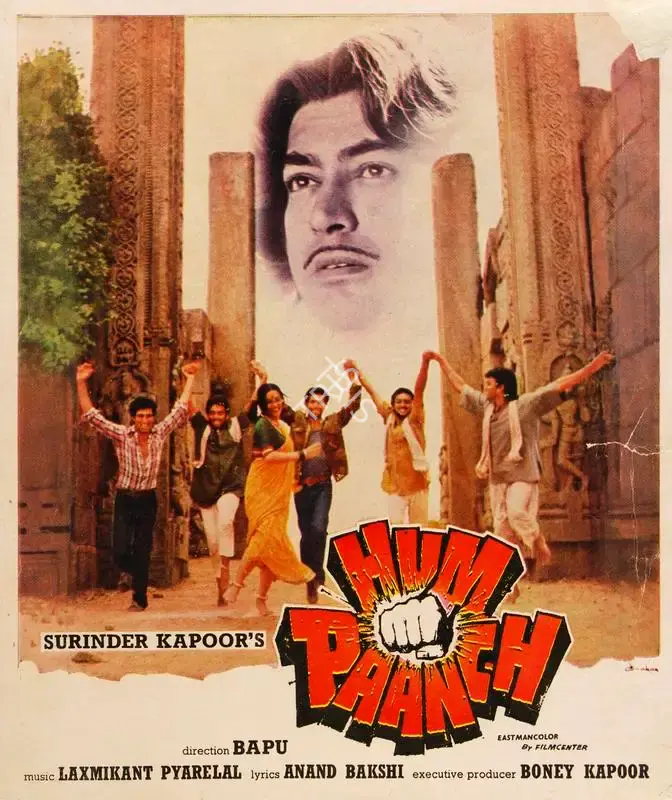
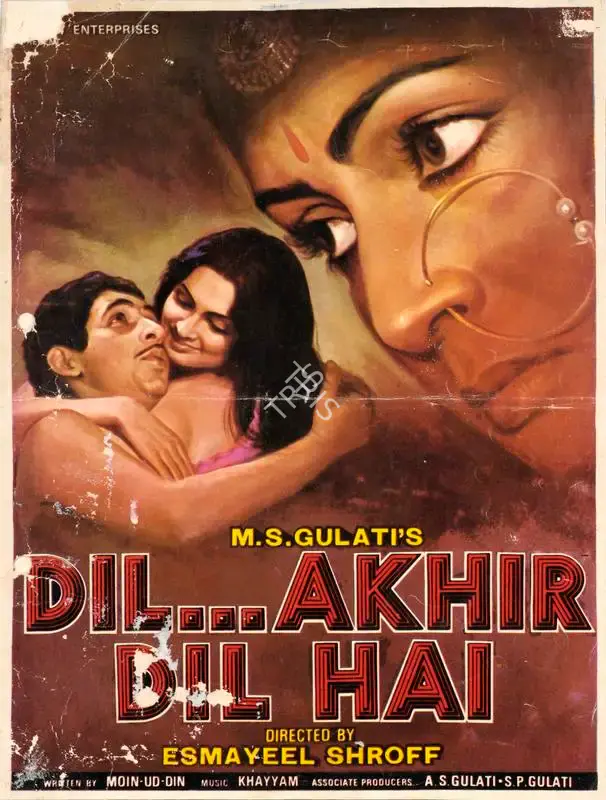
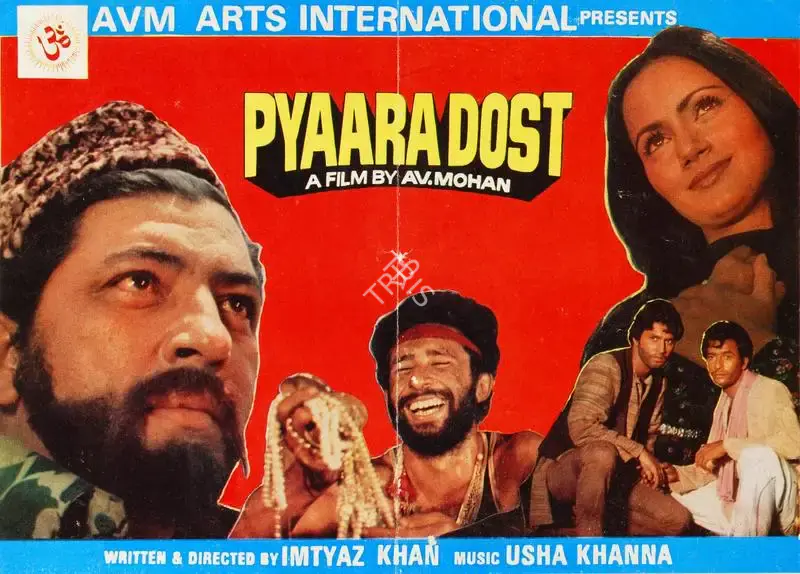
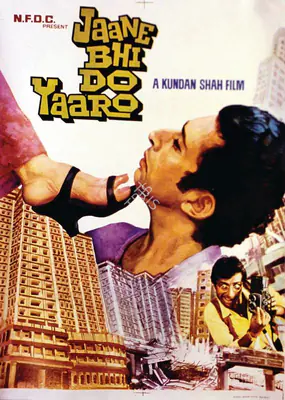
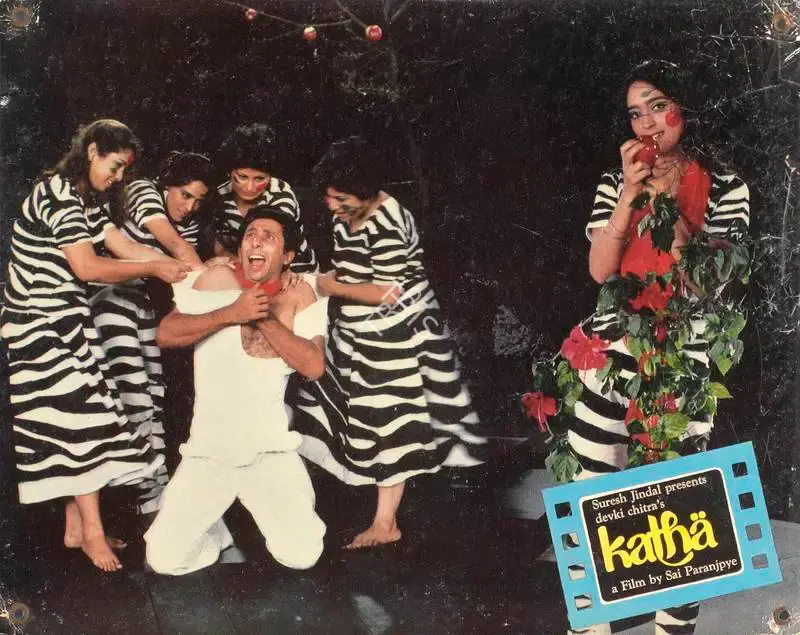
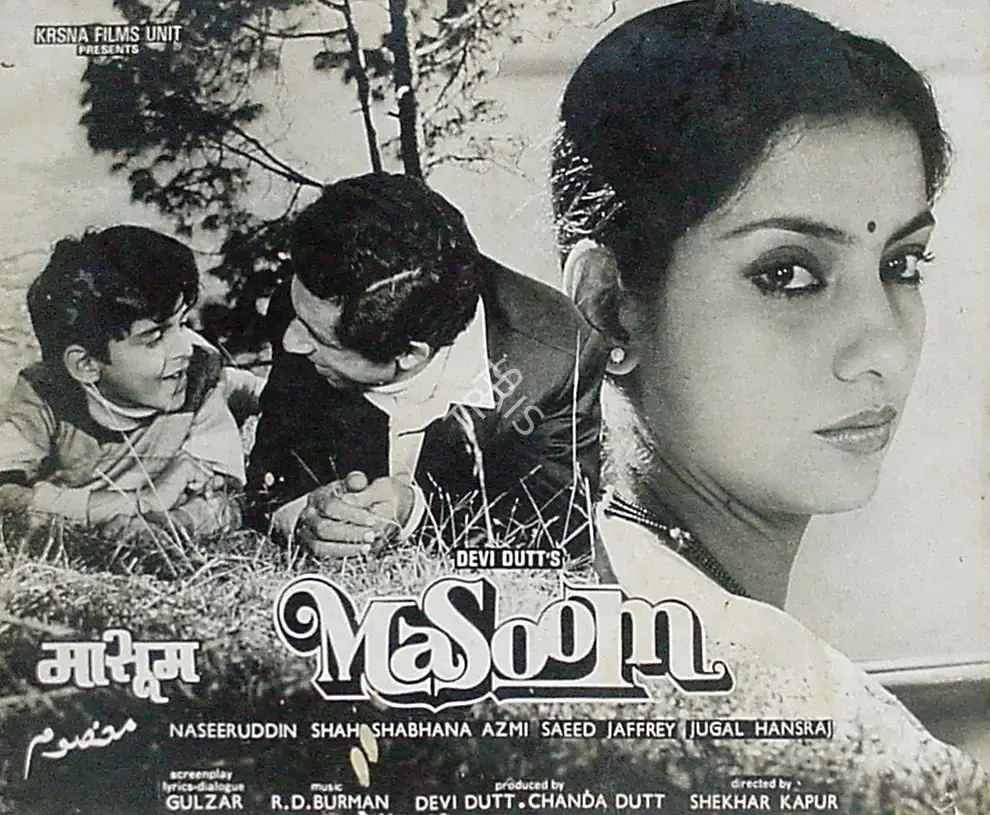
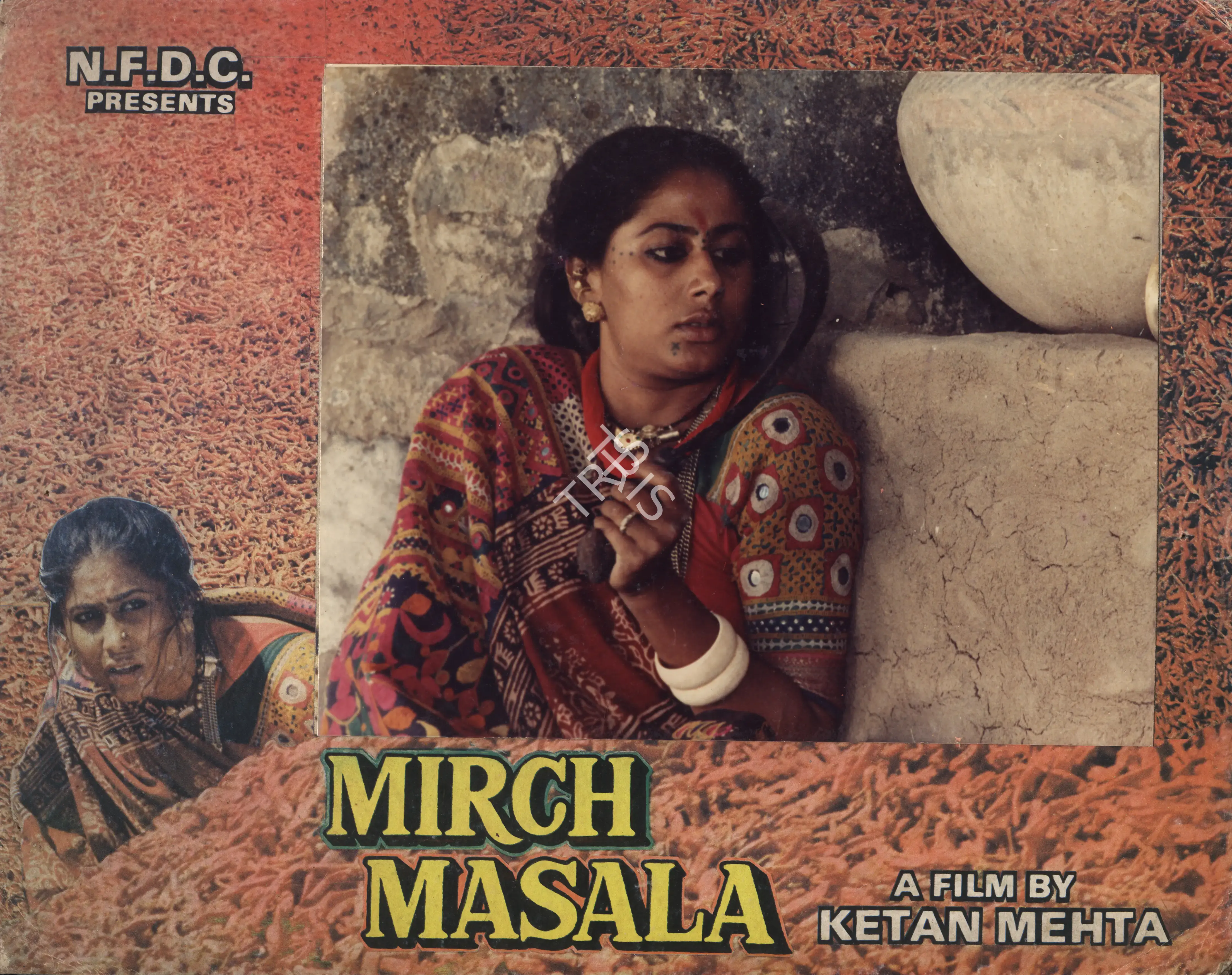
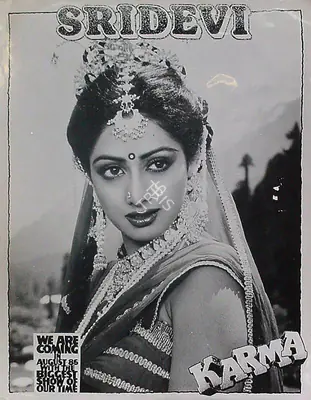
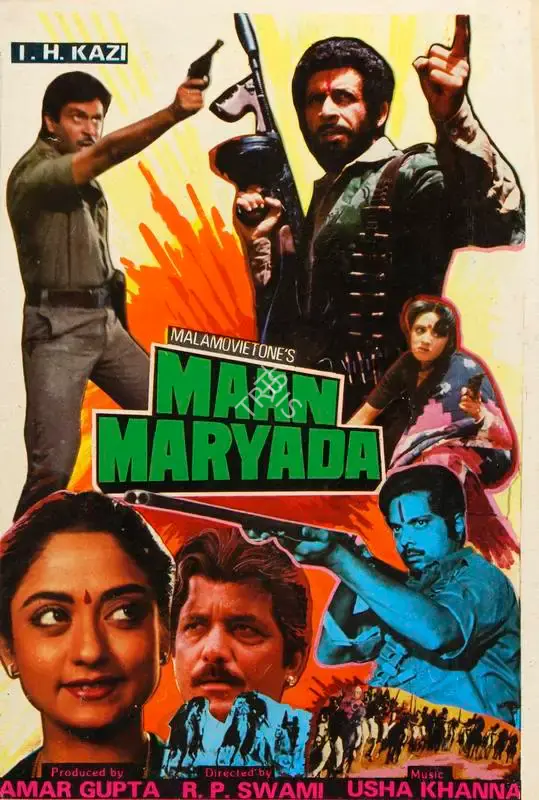
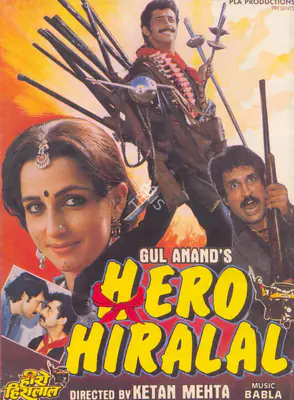
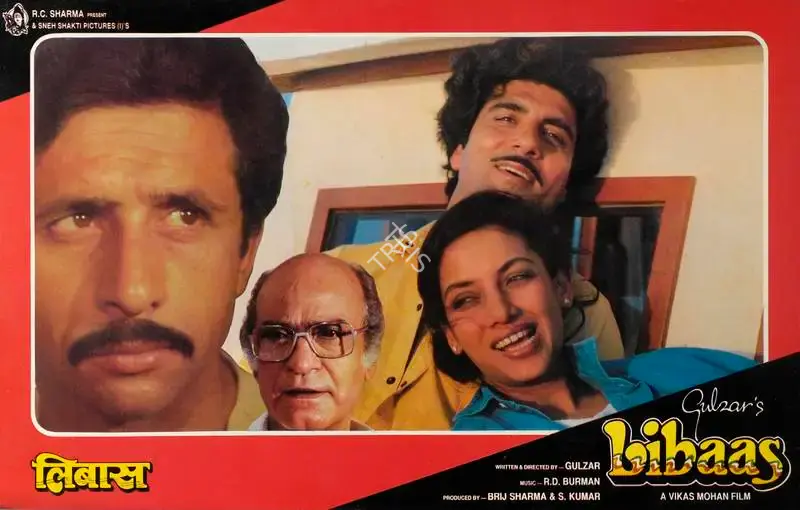
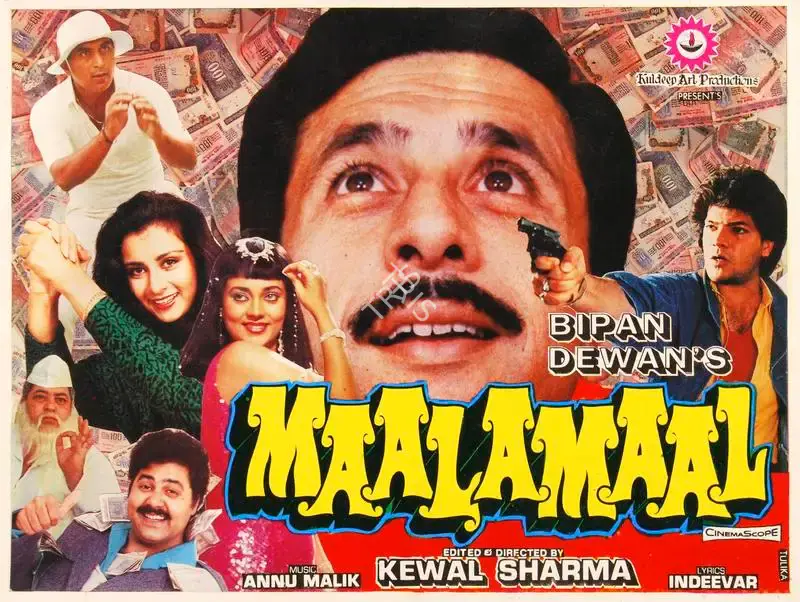
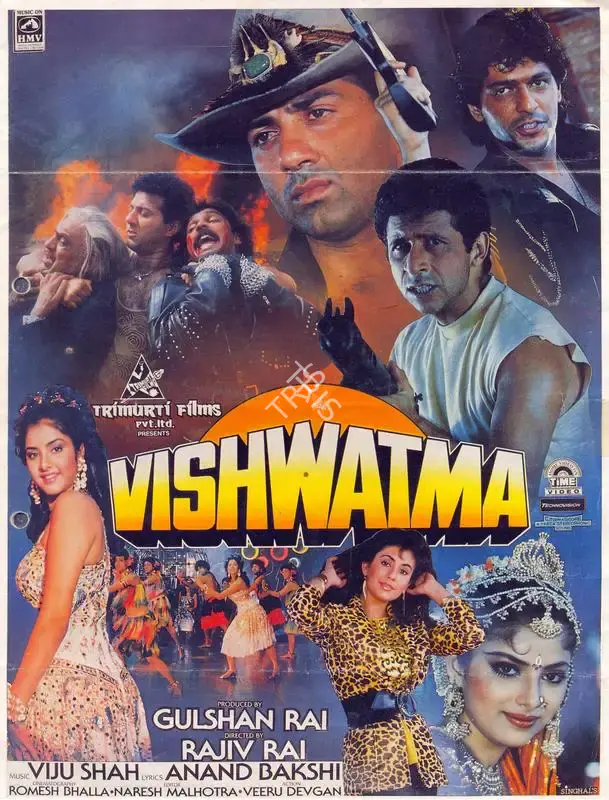
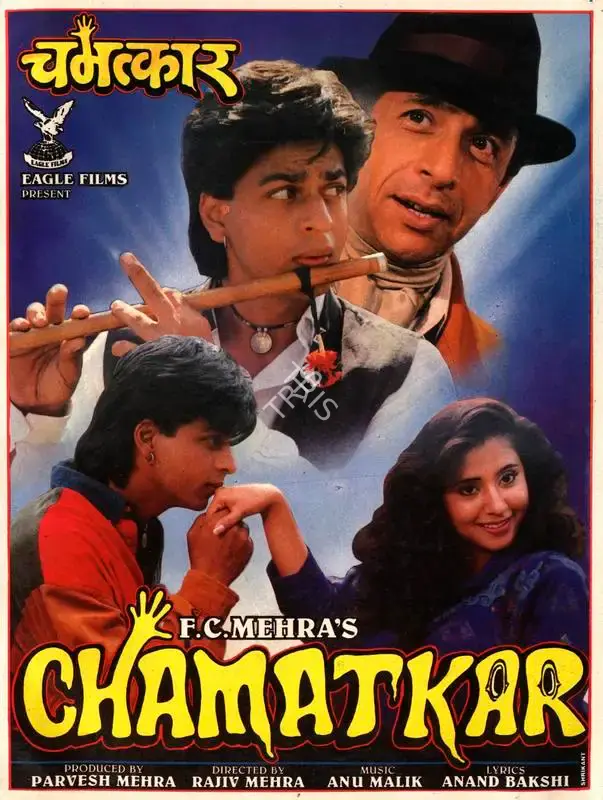
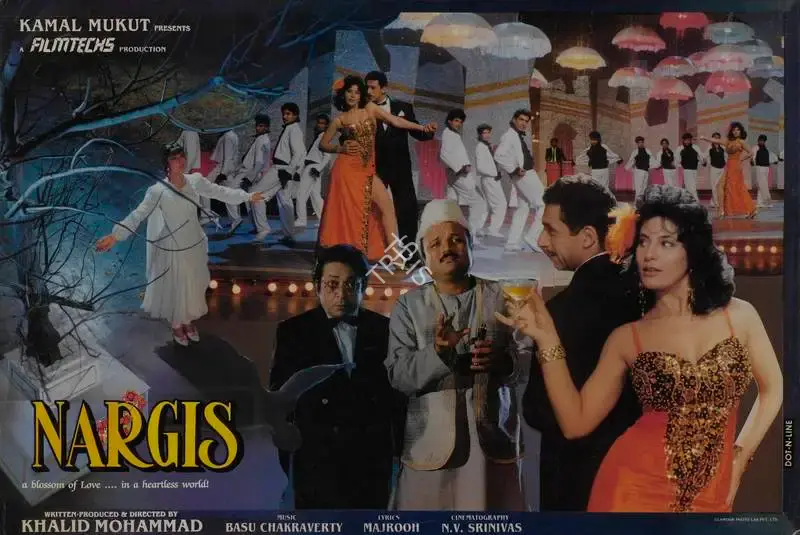
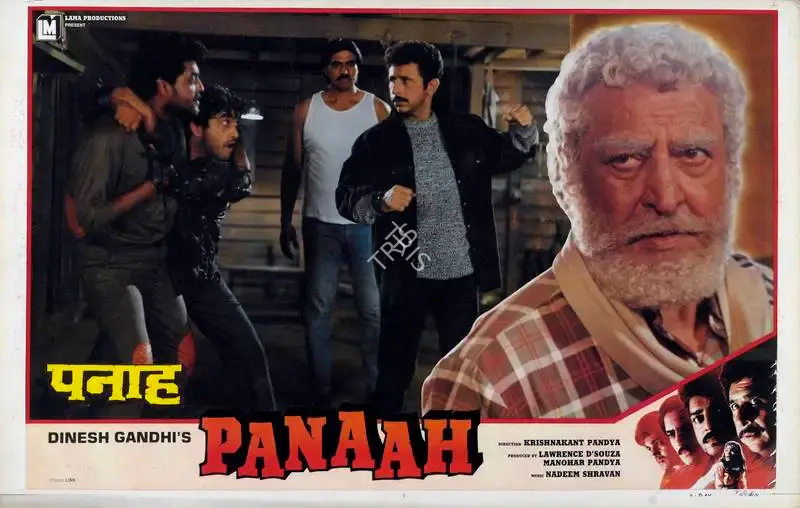
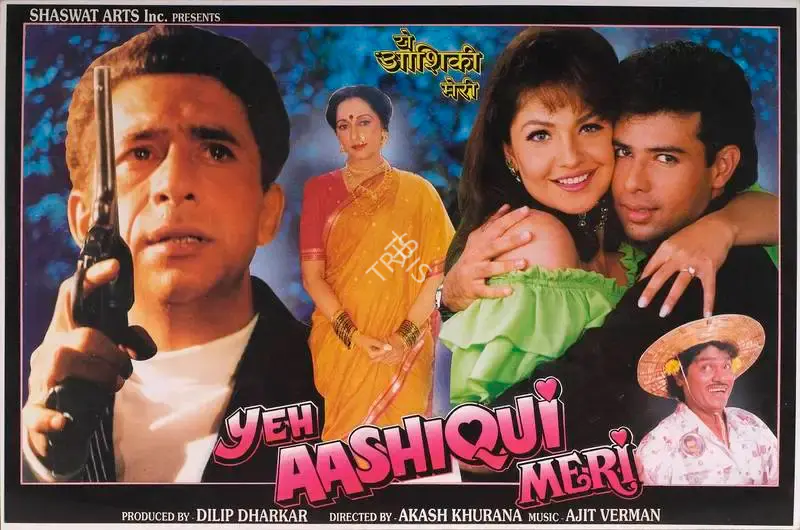
Shah began his cinematic journey in parallel cinema with seminal works like Nishant, Aakrosh, Sparsh, Mirch Masala, and Katha, establishing him as an actor of profound depth. His foray into mainstream Bollywood, starting with Hum Paanch (1980), included successes such as Masoom (1983), Jaane Bhi Do Yaaron (1983), and Karma (1986). Internationally, he appeared in Merchant Ivory's The Perfect Murder (1988) alongside his wife, Ratna Pathak.
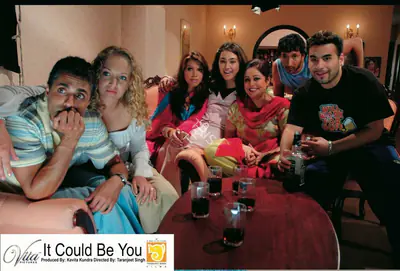
In 1977, Shah co-founded Motley Productions with Tom Alter and Benjamin Gilani, debuting with Beckett's Waiting for Godot at Prithvi Theatre in 1979. A stalwart of stage and screen, he directed works by Ismat Chughtai, Saadat Hasan Manto, and Lavender Kumar, and made his cinematic directorial debut with Yun Hota To Kya Hota (2006).
Shah's legacy lies in his rare synthesis of intellectual rigor, aesthetic sensitivity, and artistic integrity, making him not just an actor but a custodian of India's cultural and theatrical heritage.
Born into an illustrious Nawabi family, Shah's ancestry reflects a blend of historical prominence and intellectual distinction. His great-great-grandfather, Jan-Fishan Khan, an Afghan warlord, became the Nawab of Sardhana. The extended family includes literary and diplomatic luminaries such as Ikbal Ali Shah, Sufi writers Idries Shah and Omar Ali-Shah, and poet Amina Shah, as well as relatives in Pakistan like actor-director Syed Kamal and cricketer Owais Shah.
Shah's formative years were shaped by a cosmopolitan education at St. Anselm's Ajmer, St. Joseph's College, Nainital, and Aligarh Muslim University, where he graduated in 1971, before refining his craft at the National School of Drama, Delhi. His elder brother, Lt. General Zameeruddin Shah (Retd.), PVSM, SM, VSM, distinguished himself in the Indian Army and later served as Vice-Chancellor of Aligarh Muslim University.
Shah began his cinematic journey in parallel cinema with seminal works like Nishant, Aakrosh, Sparsh, Mirch Masala, and Katha, establishing him as an actor of profound depth. His foray into mainstream Bollywood, starting with Hum Paanch (1980), included successes such as Masoom (1983), Jaane Bhi Do Yaaron (1983), and Karma (1986). Internationally, he appeared in Merchant Ivory's The Perfect Murder (1988) alongside his wife, Ratna Pathak.
In 1977, Shah co-founded Motley Productions with Tom Alter and Benjamin Gilani, debuting with Beckett's Waiting for Godot at Prithvi Theatre in 1979. A stalwart of stage and screen, he directed works by Ismat Chughtai, Saadat Hasan Manto, and Lavender Kumar, and made his cinematic directorial debut with Yun Hota To Kya Hota (2006).
Shah's legacy lies in his rare synthesis of intellectual rigor, aesthetic sensitivity, and artistic integrity, making him not just an actor but a custodian of India's cultural and theatrical heritage.
नसीरुद्दीन शाह (जन्म 20 जुलाई 1950, बाराबंकी, उत्तर प्रदेश) भारतीय रंगमंच और सिनेमा जगत की सबसे सम्मानित हस्तियों में से एक हैं, जो अपनी असाधारण बहुमुखी प्रतिभा और अभिनय कला के प्रति अटूट समर्पण के लिए जाने जाते हैं। भारतीय पैरेलल सिनेमा के एक महान कलाकार, शाह का करियर कई दशकों में फैला हुआ है और राष्ट्रीय सीमाओं के परे जाकर भारतीय और अंतरराष्ट्रीय दोनों स्तरों पर प्रशंसित फ़िल्मों को समेटता है। अपने कार्यों से उन्होंने कई अवार्ड्स हासिल किए हैं, जिनमें तीन राष्ट्रीय फ़िल्म पुरस्कार - स्पर्श (1979) और पार (1984) के लिए सर्वश्रेष्ठ अभिनेता और इक़बाल (2006) के लिए सर्वश्रेष्ठ सहायक अभिनेता - तीन फ़िल्मफेयर पुरस्कार और पार के लिए वेनिस फ़िल्म महोत्सव में सर्वश्रेष्ठ अभिनेता का वोल्पी कप शामिल हैं। भारतीय कलाओं में उनके योगदान के लिए भारत सरकार ने उन्हें पद्म श्री और पद्म भूषण से सम्मानित किया है।
एक प्रतिष्ठित नवाब परिवार में जन्मे शाह का ख़ानदान ऐतिहासिक प्रतिष्ठा और बौद्धिक विशिष्टता का अनूठा संगम है। उनके परदादा, जान फ़िशान ख़ान, एक अफगान सरदार थे, जो बाद में सरधना के नवाब बने। उनके विस्तारित परिवार में इक़बाल अली शाह, सूफी लेखक इदरीस शाह और उमर अली शाह, और कवयित्री अमीना शाह जैसे साहित्यिक और कूटनीतिक दिग्गज शामिल हैं, साथ ही पाकिस्तान में अभिनेता-निर्देशक सैयद कमाल और क्रिकेटर ओवैस शाह जैसे रिश्तेदार भी हैं।
शाह का प्रारंभिक जीवन अजमेर के सेंट एंसलम, नैनीताल के सेंट जोसेफ कॉलेज और अलीगढ़ मुस्लिम विश्वविद्यालय में एक बहुसांस्कृतिक शिक्षा से प्रभावित रहा, जहाँ से उन्होंने 1971 में स्नातक की उपाधि प्राप्त की और बाद में दिल्ली के राष्ट्रीय नाट्य विद्यालय में अपने हुनर को निखारा। उनके बड़े भाई, लेफ्टिनेंट जनरल ज़मीरउद्दीन शाह (सेवानिवृत्त), पीवीएसएम, एसएम, वीएसएम ने भारतीय सेना में विशिष्ट सेवा दी और बाद में अलीगढ़ मुस्लिम विश्वविद्यालय के कुलपति के रूप में कार्य किया।
शाह ने समानांतर सिनेमा में निशांत, आक्रोश, स्पर्श, मिर्च मसाला और कथा जैसी उत्कृष्ट फ़िल्मों से अपने फ़िल्मी सफ़र की शुरुआत की, जिससे वे एक महत्वपूर्ण अभिनेता के रूप में स्थापित हुए। मुख्यधारा के बॉलीवुड में उनका प्रवेश, हम पांच (1980) से हुआ, जिसमें मासूम (1983), जाने भी दो यारों (1983) और कर्मा (1986) जैसी सफल फ़िल्में शामिल थीं। अंतरराष्ट्रीय स्तर पर, उन्होंने मर्चेंट आइवरी की फ़िल्म द परफेक्ट मर्डर (1988) में अपनी पत्नी रत्ना पाठक के साथ अभिनय किया।
1977 में, शाह ने टॉम ऑल्टर और बेंज़ामिन गिलानी के साथ मिलकर मोटली प्रोडक्शंस की स्थापना की और 1979 में पृथ्वी थिएटर में बेकेट के नाटक 'वेटिंग फ़ॉर गोडोट' से अपने अभिनय की शुरुआत की। मंच और पर्दे के दिग्गज, उन्होंने इस्मत चुगताई, सआदत हसन मंटो और लैवेंडर कुमार की रचनाओं का निर्देशन किया और 'यूं होता तो क्या होता' (2006) से सिनेमाई निर्देशन में पदार्पण किया।
शाह की विरासत बौद्धिक ज़िंदा-दिली, सौंदर्यबोध और कलात्मक नेकनियती के उनके दुर्लभ समन्वय में निहित है, जो उन्हें न केवल एक अभिनेता बल्कि भारत की सांस्कृतिक और नाट्य विरासत का संरक्षक बनाता है।
एक प्रतिष्ठित नवाब परिवार में जन्मे शाह का ख़ानदान ऐतिहासिक प्रतिष्ठा और बौद्धिक विशिष्टता का अनूठा संगम है। उनके परदादा, जान फ़िशान ख़ान, एक अफगान सरदार थे, जो बाद में सरधना के नवाब बने। उनके विस्तारित परिवार में इक़बाल अली शाह, सूफी लेखक इदरीस शाह और उमर अली शाह, और कवयित्री अमीना शाह जैसे साहित्यिक और कूटनीतिक दिग्गज शामिल हैं, साथ ही पाकिस्तान में अभिनेता-निर्देशक सैयद कमाल और क्रिकेटर ओवैस शाह जैसे रिश्तेदार भी हैं।
शाह का प्रारंभिक जीवन अजमेर के सेंट एंसलम, नैनीताल के सेंट जोसेफ कॉलेज और अलीगढ़ मुस्लिम विश्वविद्यालय में एक बहुसांस्कृतिक शिक्षा से प्रभावित रहा, जहाँ से उन्होंने 1971 में स्नातक की उपाधि प्राप्त की और बाद में दिल्ली के राष्ट्रीय नाट्य विद्यालय में अपने हुनर को निखारा। उनके बड़े भाई, लेफ्टिनेंट जनरल ज़मीरउद्दीन शाह (सेवानिवृत्त), पीवीएसएम, एसएम, वीएसएम ने भारतीय सेना में विशिष्ट सेवा दी और बाद में अलीगढ़ मुस्लिम विश्वविद्यालय के कुलपति के रूप में कार्य किया।
शाह ने समानांतर सिनेमा में निशांत, आक्रोश, स्पर्श, मिर्च मसाला और कथा जैसी उत्कृष्ट फ़िल्मों से अपने फ़िल्मी सफ़र की शुरुआत की, जिससे वे एक महत्वपूर्ण अभिनेता के रूप में स्थापित हुए। मुख्यधारा के बॉलीवुड में उनका प्रवेश, हम पांच (1980) से हुआ, जिसमें मासूम (1983), जाने भी दो यारों (1983) और कर्मा (1986) जैसी सफल फ़िल्में शामिल थीं। अंतरराष्ट्रीय स्तर पर, उन्होंने मर्चेंट आइवरी की फ़िल्म द परफेक्ट मर्डर (1988) में अपनी पत्नी रत्ना पाठक के साथ अभिनय किया।
1977 में, शाह ने टॉम ऑल्टर और बेंज़ामिन गिलानी के साथ मिलकर मोटली प्रोडक्शंस की स्थापना की और 1979 में पृथ्वी थिएटर में बेकेट के नाटक 'वेटिंग फ़ॉर गोडोट' से अपने अभिनय की शुरुआत की। मंच और पर्दे के दिग्गज, उन्होंने इस्मत चुगताई, सआदत हसन मंटो और लैवेंडर कुमार की रचनाओं का निर्देशन किया और 'यूं होता तो क्या होता' (2006) से सिनेमाई निर्देशन में पदार्पण किया।
शाह की विरासत बौद्धिक ज़िंदा-दिली, सौंदर्यबोध और कलात्मक नेकनियती के उनके दुर्लभ समन्वय में निहित है, जो उन्हें न केवल एक अभिनेता बल्कि भारत की सांस्कृतिक और नाट्य विरासत का संरक्षक बनाता है।
- Age
- 75
Filmography 151


Research Centre
200 of 536
200 of 512
Calendar 1
- ArchivedConversationProject 9Conversation Series | Neville Tuli & Rajit Kapur Theatre & Film Actor26th April 2025Lead Role in Shyam Benegal's “The Making of the Mahatma” (1996). Conversation will focus on the role of Cinema and its potential educational impact, and specifically regarding Gandhiji, and Rajit's personal experiences as a creative individual and his understanding of public perception towards Gandhian thought.Read More →
Related
42
Films
21

Personalities
21