

Introduction
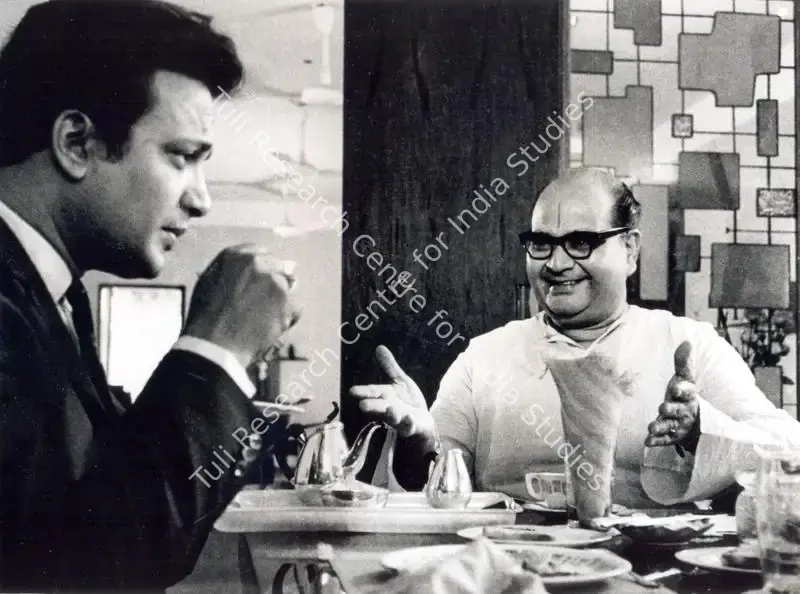
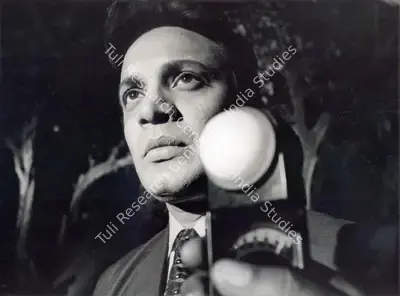
Nayak (The Hero, 1966): Written, directed, and scored by Satyajit Ray, it was a quietly searing portrait of fame, loneliness, and self-reckoning. Released in 1966, this Bengali-language drama was Ray's second entirely original screenplay after Kanchenjungha (1962), and it remains one of his most introspective and psychologically layered films.
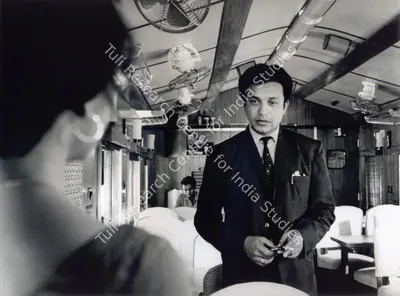
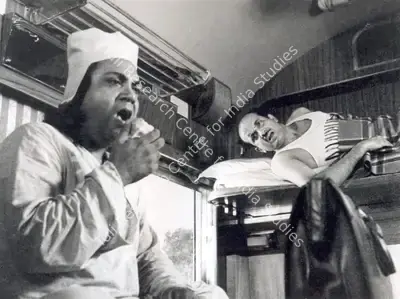
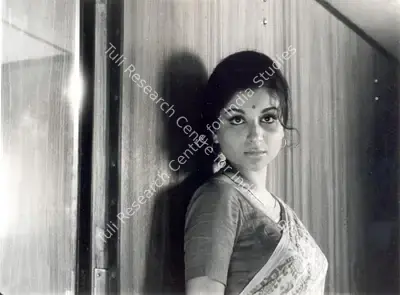
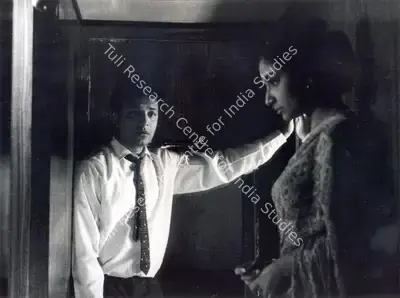
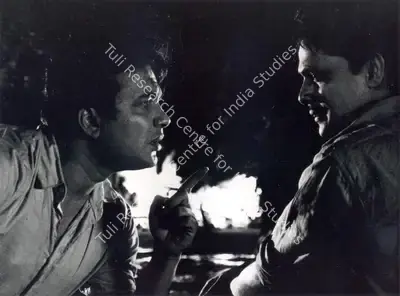
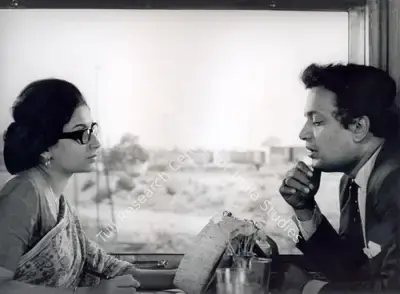
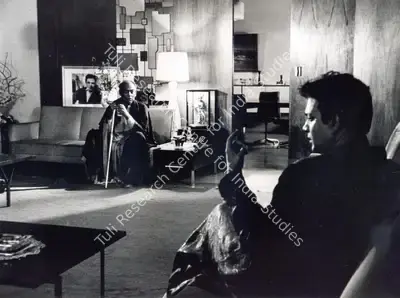
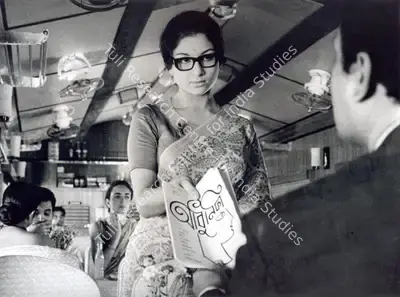
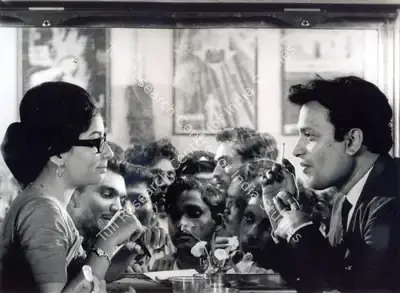
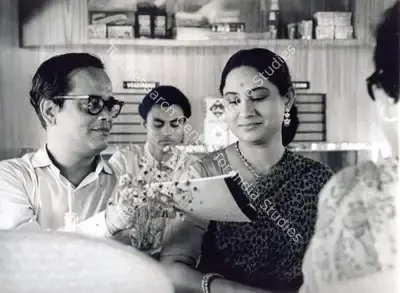
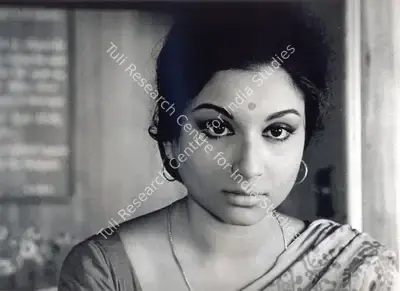
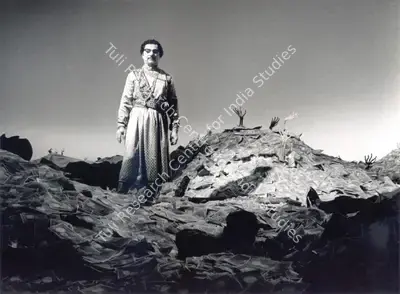
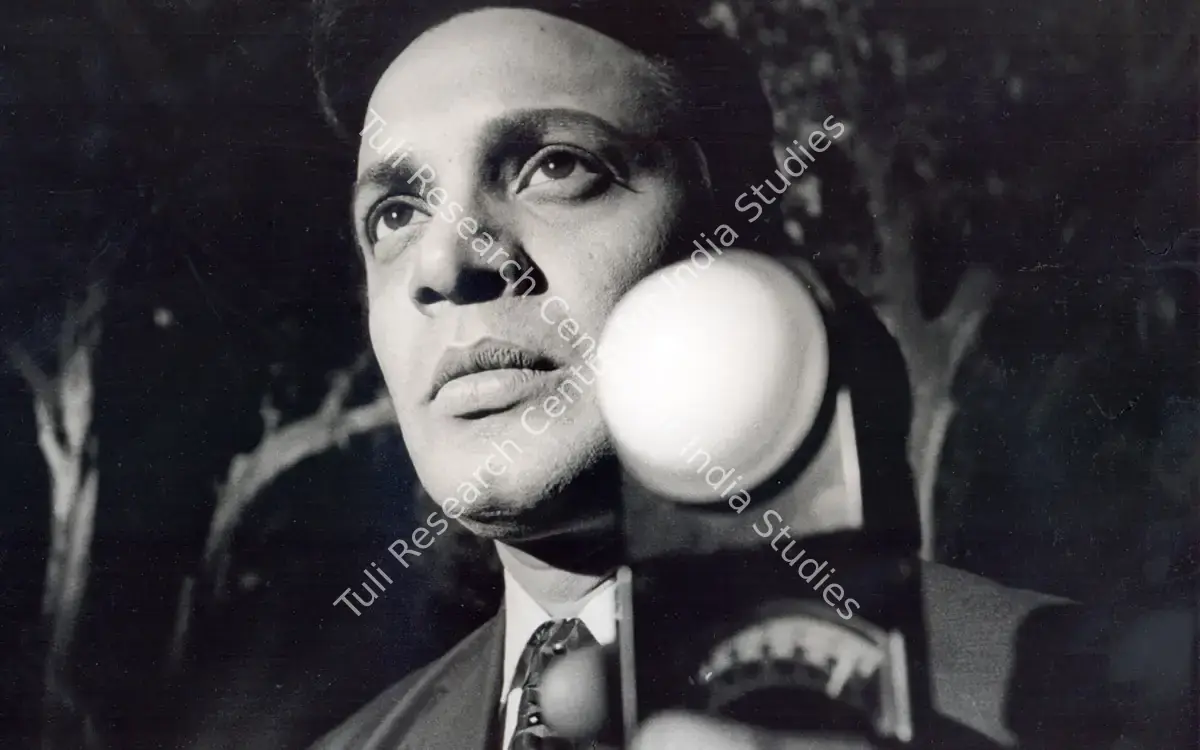
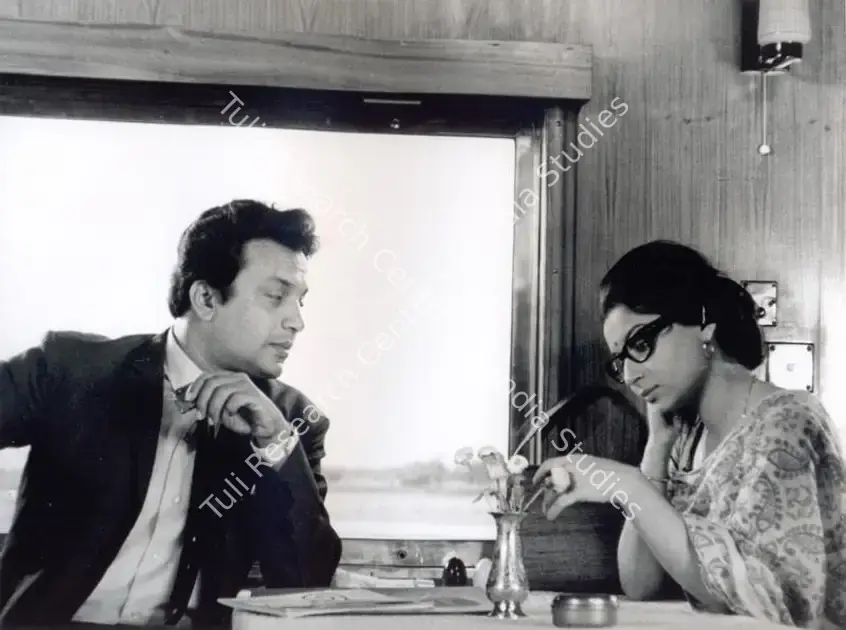
At the heart of Nayak is Arindam Mukherjee, a celebrated matinee idol played with haunting vulnerability by Uttam Kumar. The story unfolds over the course of a 24-hour train journey from Kolkata to Delhi, where Arindam is to receive a prestigious national award. Onboard, he encounters Aditi Sengupta (Sharmila Tagore), a poised and skeptical young journalist who intends to interview him for her magazine. What begins as a casual encounter deepens into a quiet psychological excavation, as Arindam under the pressure of confinement, memory, and suppressed guilt gradually lays bare his inner world. His life unravels through a mosaic of seven flashbacks and two dreams, revealing the fragility behind his charismatic public persona.
In a 1966 letter, Satyajit Ray described his early vision for the film's emotional core: the evolving relationship between a public figure and a perceptive outsider. “Romance was out, the time being so short but I wanted something with an interesting development,” he wrote. Ray wanted the arc between Arindam and Aditi to progress from initial wariness and moral judgment to a fragile but authentic connection. Aditi, in Ray's words, is “a slightly snooty sophisticate” who resists the actor's effortless charm, until she sees him stumble, emotionally unguarded and in need of something real. Her transformation from journalist to confidante marks one of the film's most subtle triumphs.
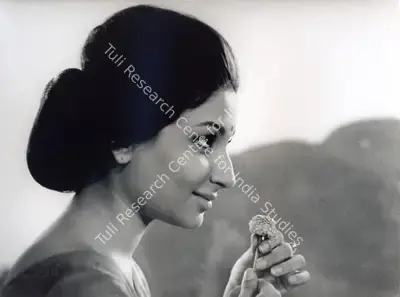
Initially, Ray had envisioned Madhabi Mukherjee, star of Mahanagar (1963) and Charulata (1964), for the role of Aditi but she declined for personal reasons. Only then did he turn to Sharmila Tagore, who had been making a name in Hindi cinema but had previously worked with Ray in her debut films. During the shoot, Tagore was often accompanied by her then-boyfriend, cricketer Mansoor Ali Khan Pataudi, adding a touch of real-life glamour to the production.
From the beginning, Ray had Uttam Kumar in mind for the role of Arindam, not merely as an actor but as a “phenomenon.” Kumar, then the undisputed star of Bengali cinema, was an inspired choice. Director Tapan Sinha, upon hearing the script, immediately endorsed the casting: “No one else can play this role other than Uttam.”
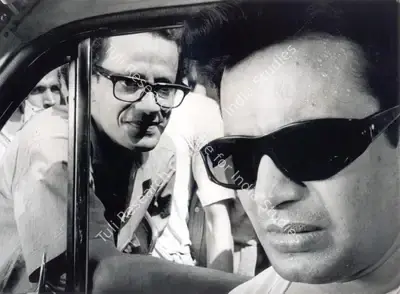
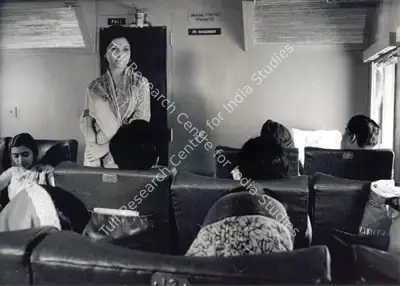
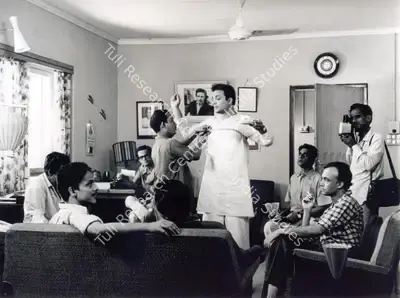
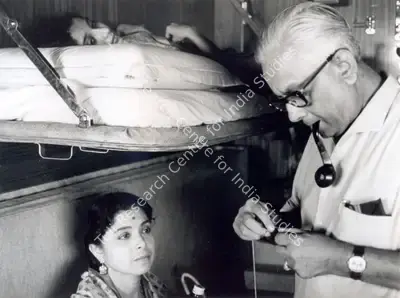
Filming began in the latter half of 1965. The train scenes were meticulously recreated in Studio 1 and 2 of New Theatres' Calcutta studio. Art director Bansi Chandragupta, having studied the design of Rajdhani Express compartments at Santragachi Junction, constructed a convincing replica, complete with authentic details. For realism, sounds and rear-projected visuals were captured during an actual journey from Kolkata to Delhi. Some exterior scenes, including one where Arindam briefly exits for tea, were shot on location at Howrah and Khanyan stations.
Nayak premiered on 6 May 1966 in India and became a box office success. It was screened at the 16th Berlin International Film Festival, earning the Special Jury Prize. It also garnered nominations and awards at the National Film Awards, Bodil Awards, and Bengal Film Journalists' Association, where Uttam Kumar was honoured as Best Actor. He later cited Nayak as one of the most meaningful roles of his career. The film also caught international attention, Hollywood legend Elizabeth Taylor reportedly admired Kumar's performance after viewing the film in London.
Critics often draw parallels between Nayak and European classics such as Ingmar Bergman's Wild Strawberries (1957) and Federico Fellini's 8½ (1963), both of which similarly explore the dissonance between a man's public success and private disillusionment.
In 2004, the Academy Film Archive preserved Nayak, and in 2014, it was digitally restored and re-released, screening at the 64th Berlin International Film Festival. The film's enduring legacy inspired Srijit Mukherjee's 2010 tribute, Autograph.
Nayak remains a singular entry in Ray's oeuvre. A quiet, resonant meditation on celebrity, conscience, and the haunting solitude that can follow even the most public of lives.
इस फ़िल्म की कहानी के केंद्र में अरिंदम मुखर्जी का किरदार है। अरिंदम एक लोकप्रिय फ़िल्मी सितारा है। अभिनेता उत्तम कुमार ने अद्भुत तन्मयता और गहनता के साथ इस किरदार को पर्दे पर जीवन्त किया है। फ़िल्म की कहानी कुल चौबीस घंटे की एक रेलयात्रा में खुलती है। यात्रा है जिसमें अरिंदम कोलकाता से दिल्ली एक राष्ट्रीय पुरस्कार ग्रहण करने जा रहा है। इस सफ़र में उसकी मुलाक़ात होती है अदिति सेनगुप्ता (शर्मिला टैगोर) के किरदार से। अदिति एक नपी-तुली बात करनेवाली, सतर्क पत्रकार है और अपनी पत्रिका के लिए वह अरिंदम का साक्षात्कार लेना चाहती है। शुरुआत में यह एक सामान्य मुलाक़ात प्रतीत होती है, पर धीरे-धीरे यह एक गहरी मनोवैज्ञानिक खोज में बदल जाती है जहाँ अरिंदम का किरदार कुछ अपनी परिस्थितियों और कुछ अपनी स्मृतियों में मौजूद अपराधबोध के चलते अदिति के सामने खुलता चला जाता है। सात फ़्लैशबैक और दो स्वप्न में घटते प्रसंगों के माध्यम से उसका अतीत का जीवन उद्धाटित होता चला जाता है और एक नायक की आकर्षक सार्वजनिक छवि के पीछे छिपी उथलपुथल सामने आती है।
सन् 1966 के एक पत्र में निर्देशक सत्यजित राय ने इस फ़िल्म के भावनात्मक पक्ष पर अपनी प्रारंभिक दृष्टि को कुछ यूँ रेखांकित किया था कि यह एक सार्वजनिक व्यक्तित्व और एक बारीक़ नज़र रखनेवाले बाहरी किरदार के मध्य संबंध का धीरे-धीरे विकसित होना होगा। उनके शब्दों में, "रोमांस का तो सवाल ही नहीं था, समय जो इतना कम था। पर मैं चाहता था कि इनके बीच का प्रसंग एक दिलचस्प मोड़ ले।” राय चाहते थे कि अरिन्दम और अदिति के बीच का संबंध प्रारंभिक संकोच और मूल्य निर्णय से आगे बढ़कर एक नाज़ुक परंतु सच्चे जुड़ाव तक पहुँचे। अदिति का किरदार राय के अनुसार, “थोड़ा आडंबरपूर्ण पर समझदार महिला” का ऐसा किरदार है जो नायक के सहज आकर्षण से खुद को बचाती है। पर तभी तक, जब तक वह उसे भावनात्मक रूप से असुरक्षित और किसी सहारे की ज़रूरत को तरसता नहीं देख लेती। अदिति के किरदार का एक पत्रकार से हमराज़ तक पहुँचने का यह सफ़र फ़िल्म की सबसे ख़ास उपलब्धियों में से एक है।
शुरुआत में राय ने अदिति की भूमिका के लिए उनकी महानगर (1963) और चारुलता (1964) जैसी फ़िल्मों में काम कर चुकीं नायिका माधबी मुखर्जी का नाम सोचा था, लेकिन माधबी मुखर्जी ने निजी वजहों के चलते इस भूमिका को निभाने से मना कर दिया। तब राय ने शर्मिला टैगोर को इस भूमिका के लिए चुना। शर्मिला उस समय मुख्यधारा हिन्दी सिनेमा में अपनी पहचान बना रही थीं। पर उन्होंने अपने करियर की शुरुआत राय की फ़िल्मों से ही की थी। शूटिंग के दौरान अक्सर शर्मिला टैगोर उस समय प्रेमी रहे और बाद में उनके पति बने मशहूर क्रिकेटर और भारतीय क्रिकेट टीम के कप्तान मंसूर अली खान पटौदी के साथ सेट पर आती थीं। ऐसा लगता था मानो सितारे के आभामंडल पर बन रही फ़िल्म में वास्तविक जीवन से एक चमकते सितारे की आभा भी जुड़ गई।
हाँ, नायक अरिन्दम की भूमिका के लिए राय ने शुरू से उत्तम कुमार का नाम ही सोचा था। सिर्फ एक अभिनेता के रूप में ही नहीं बल्कि एक 'परिघटना' के रूप में उत्तम कुमार इसे निभाने के लिए सर्वथा उपयुक्त थे। बांग्ला सिनेमा के निर्विवाद सितारे रहे कुमार इस किरदार के लिए एक सटीक चुनाव थे। निर्देशक तपन सिन्हा ने भी जब यह पटकथा सुनी थी तो फ़ौरन कहा था, “इस भूमिका को उत्तम के अलावा कोई दूसरा निभा ही नहीं सकता”।
इस फ़िल्म का फ़िल्मांकन सन् 1965 की दूसरी छमाही में आरंभ हुआ। ट्रेन के दृश्य कोलकाता स्थित 'न्यू थिएटर्स' स्टूडियो के स्टूडियो 1 और 2 में सावधानीपूर्वक रचे गए। फ़िल्म के कला निर्देशक बंसी चंद्रगुप्त ने संतरागाछी जंक्शन पर 'राजधानी एक्सप्रेस' के डिब्बों का अध्ययन कर उसके अनुरूप ही रेलगाड़ी का सेट तैयार किया। यह एक ऐसा सेट था जिसमें हर ब्योरा वास्तविक प्रतीत होता था। यथार्थ का आवरण टूटे नहीं, इसलिए तमाम ध्वनियाँ और पीछे चलती दृश्यावलियाँ वास्तव में कोलकाता से दिल्ली की यात्रा के दौरान रिकॉर्ड की गईं और फ़िर दृश्यों में जोड़ी गईं। फ़िल्म के कुछ आउटडोर दृश्य जैसे अरिन्दम का चाय पीने के लिए थोड़ी देर को ट्रेन से उतरना आदि हावड़ा और खान्या स्टेशनों पर फ़िल्माए गए।
नायक का प्रीमियर भारत में 6 मई, 1966 के दिन हुआ और यह टिकट खिड़की पर कामयाब फ़िल्म रही। इसे सोलहवें बर्लिन अंतरराष्ट्रीय फ़िल्म महोत्सव में प्रदर्शित किया गया जहाँ इसे 'स्पेशल जूरी पुरस्कार' मिला। इसे राष्ट्रीय फ़िल्म पुरस्कार, बोदिल पुरस्कार और बंगाल फ़िल्म जर्नलिस्ट्स एसोसिएशन के पुरस्कारों में भी सम्मान और नामांकन मिले। बंगाल फ़िल्म जर्नलिस्ट एसोसिएशन के पुरस्कारों में उत्तम कुमार को 'सर्वश्रेष्ठ अभिनेता' चुना गया। उत्तम कुमार ने बाद में यह माना कि नायक उनकी सबसे उल्लेखनीय भूमिकाओं में से एक थी। फ़िल्म को अंतरराष्ट्रीय स्तर पर भी सराहना मिली। हॉलीवुड की महान अभिनेत्री एलिज़ाबेथ टेलर ने लंदन में इस फ़िल्म को देखने के बाद कुमार के अभिनय की प्रशंसा की थी।
आलोचक अक्सर नायक की तुलना उस दौर की यूरोपियन क्लासिक फ़िल्मों से करते हैं जैसे इंग्मार बर्गमैन की वाइल्ड स्ट्रॉबेरीज़ (1957) और फ़ेडेरिको फ़ेलिनी की 8½ (1963) से, जो इसी प्रकार के किरदारों के साथ सार्वजनिक सफलता और निजी मोहभंग के भीतरी द्वंद्व को टटोलती हैं।
सन् 2004 में 'एकेडेमी फ़िल्म आर्काइव' ने नायक को संरक्षित फ़िल्म घोषित किया और सन् 2014 में इसका डिजिटल रीस्टोरेशन कर इसे पुनः रिलीज़ किया गया। फिर चौसठवें बर्लिन अंतरराष्ट्रीय फ़िल्म महोत्सव में इसका प्रदर्शन हुआ। इस फ़िल्म की स्थायी विरासत ने निर्देशक श्रीजित मुखर्जी को प्रेरित किया और उन्होंने सन् 2010 में ऑटोग्राफ़ फ़िल्म बनाकर इसे याद किया।
नायक राय की कृतियों में एक अनूठा उदाहरण बनी हुई है। एक शांत, गहरी और गूंजती हुई कलाकृति जो प्रसिद्धि, उससे उपजे एकाकीपन और इंसान के भीतरी द्बंद्व पर विचार करती है।
Body of Work