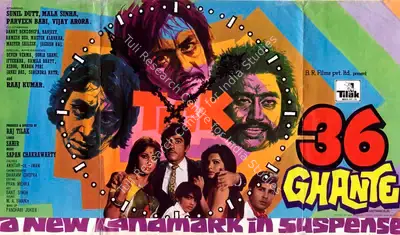

Mala Sinha

Mala Sinha
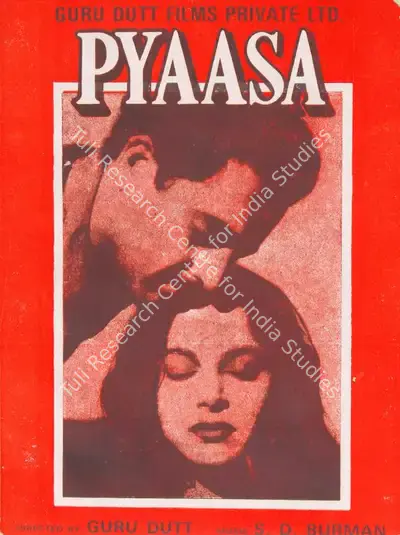
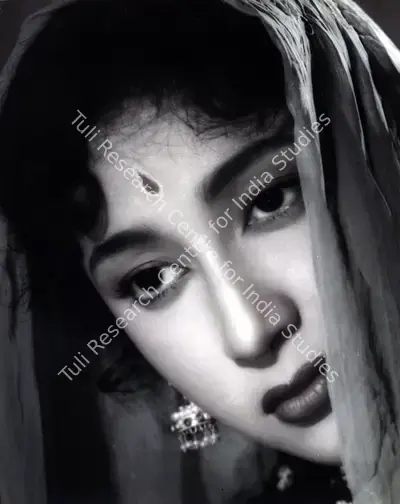
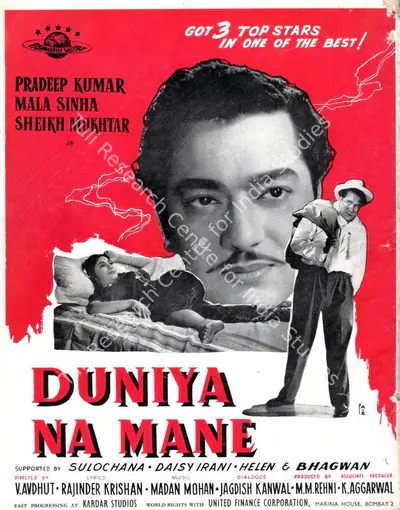
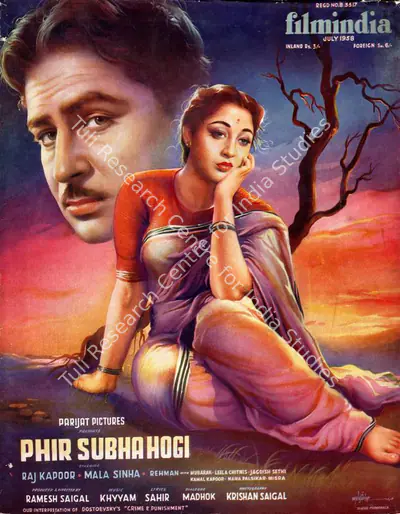
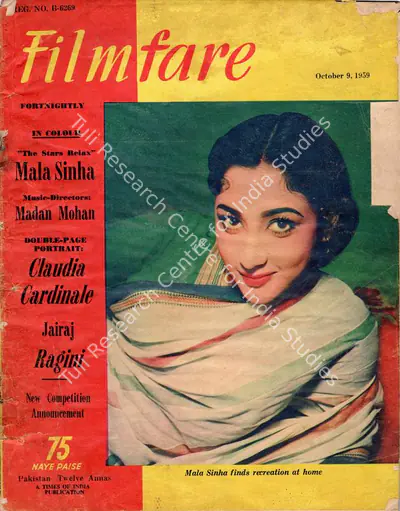
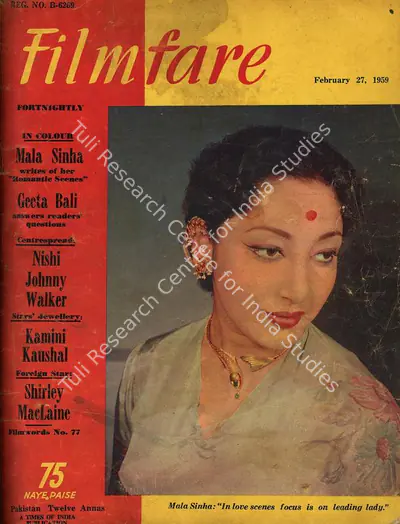
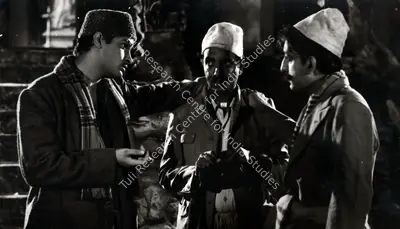
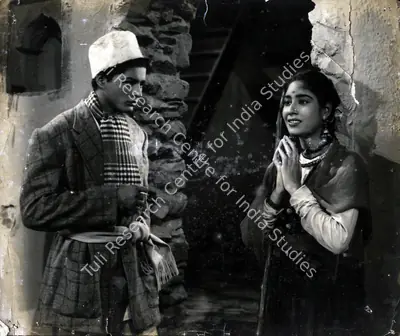
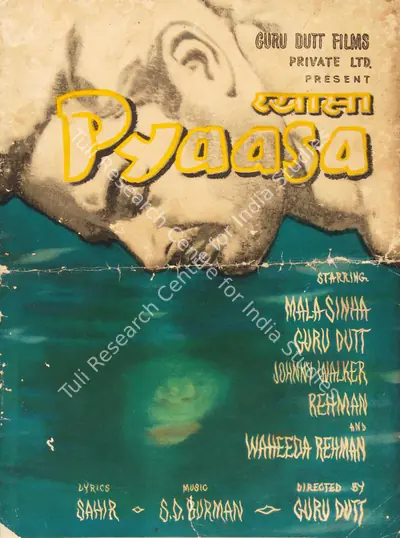
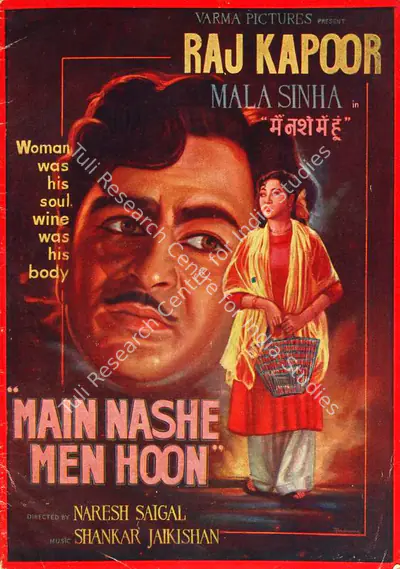
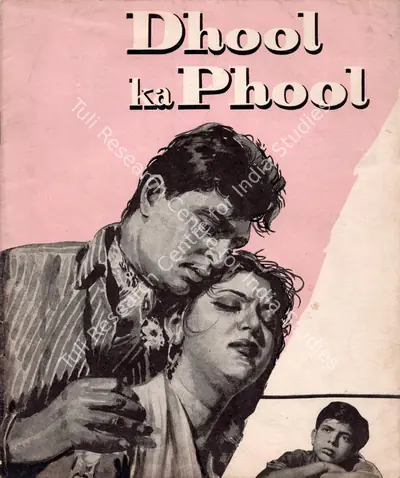
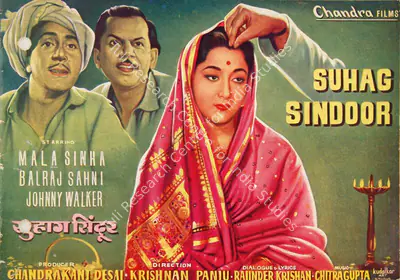
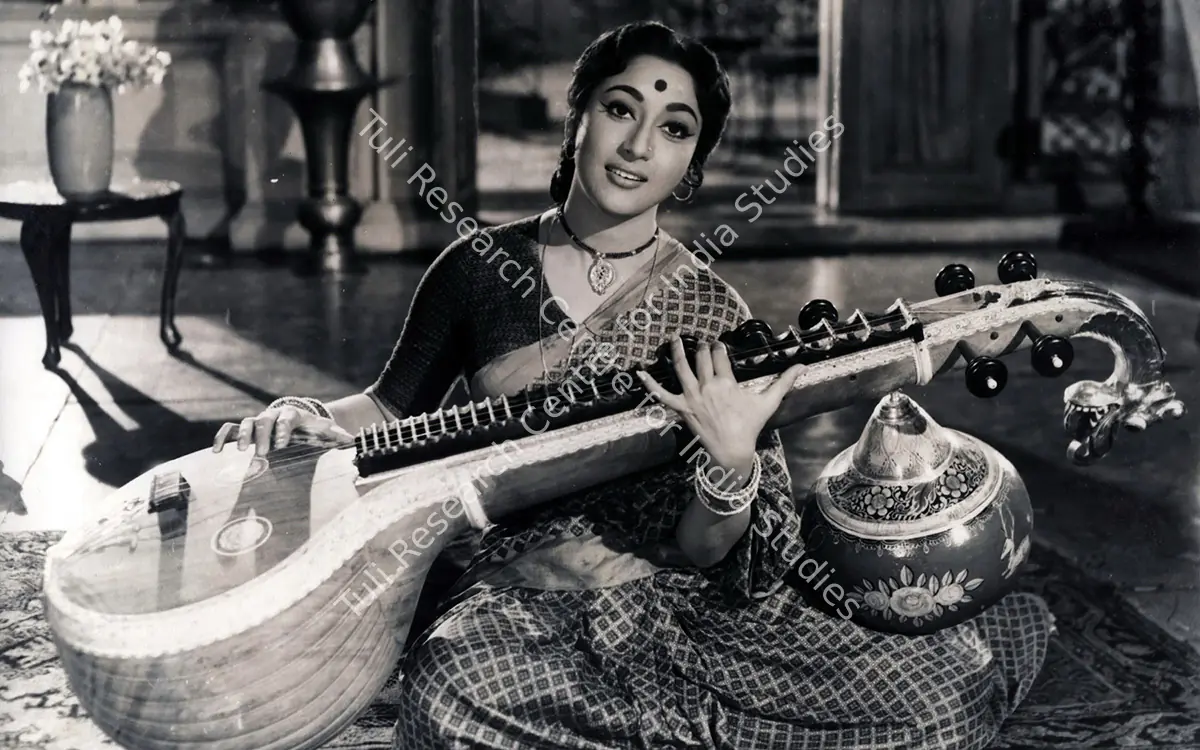
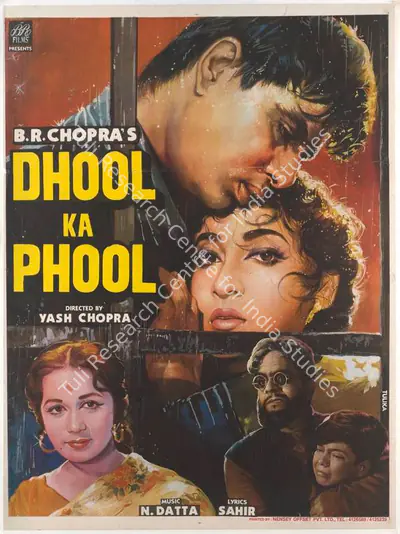
Mala Sinha (born Alda Sinha on 11 November 1936) is a former Indian actress whose distinguished career in Hindi and Bengali cinema spanned more than five decades. Celebrated for her poise, glamour and commanding screen presence, she emerged as one of the most successful leading ladies of the 1960s and 1970s. Often described as a “daring diva” and a torchbearer of women-centric cinema, she was widely admired for portraying strong, unconventional female characters in films considered ahead of their time. In recognition of her enduring contribution, she received the Filmfare Lifetime Achievement Award in 2018. Born to Christian Nepali parents who had migrated to West Bengal, she was the daughter of Albert Sinha. Originally named Alda, she adopted the screen name Baby Nazma as a child artiste before eventually becoming Mala Sinha. Trained in singing and dance, she was an approved singer with All India Radio and performed extensively on stage between 1947 and 1975, though she did not pursue playback singing in films. Sinha began her acting journey in Bengali cinema with films such as Jai Vaishno Devi (1948), Shri Krishan Leela (1949), Jog Biyog (1953) and Dhooli (1954). Discovered during a school play by director Ardhendu Bose, she made her debut as a heroine in Roshanara (1952). A move to Bombay proved decisive, where actress Geeta Bali introduced her to filmmaker Kidar Sharma, who cast her in Rangeen Ratein (1956). Although her early Hindi films achieved modest success, critical recognition followed with Hamlet (1954). Her major breakthrough came with Pyaasa (1957), directed by Guru Dutt, in which she portrayed an ambitious woman torn between love and security. The film remains a landmark in Indian cinema and marked a turning point in her career. She consolidated her stature with Phir Subah Hogi (1958) and Dhool Ka Phool (1959). Over the years, she starred in more than a hundred films, including Anpadh (1962), Gumrah (1963), Bahurani (1963), Himalay Ki God Mein (1965), Aasra (1966), Ankhen (1968), Do Kaliyan (1968) and Maryada (1971). Frequently cast opposite leading men such as Dev Anand, Dharmendra, Raaj Kumar, Rajendra Kumar and Rajesh Khanna, Sinha nonetheless retained a formidable screen identity, often receiving top billing. She ranked among the highest-paid actresses of her era and earned multiple nominations for the Filmfare Award for Best Actress, along with honours from the Bengal Film Journalists' Association. In 1966, she married Nepali actor Chidambar Prasad Lohani, whom she met while working on the Nepali film Maitighar (1966). The couple had one daughter, Pratibha Sinha. Lohani died in June 2024. Sinha's legacy endures as that of a pioneering star who expanded the scope and depth of female representation in mainstream Indian cinema.
Mala Sinha
Mala Sinha (born Alda Sinha on 11 November 1936) is a former Indian actress whose distinguished career in Hindi and Bengali cinema spanned more than five decades. Celebrated for her poise, glamour and commanding screen presence, she emerged as one of the most successful leading ladies of the 1960s and 1970s. Often described as a “daring diva” and a torchbearer of women-centric cinema, she was widely admired for portraying strong, unconventional female characters in films considered ahead of their time. In recognition of her enduring contribution, she received the Filmfare Lifetime Achievement Award in 2018. Born to Christian Nepali parents who had migrated to West Bengal, she was the daughter of Albert Sinha. Originally named Alda, she adopted the screen name Baby Nazma as a child artiste before eventually becoming Mala Sinha. Trained in singing and dance, she was an approved singer with All India Radio and performed extensively on stage between 1947 and 1975, though she did not pursue playback singing in films. Sinha began her acting journey in Bengali cinema with films such as Jai Vaishno Devi (1948), Shri Krishan Leela (1949), Jog Biyog (1953) and Dhooli (1954). Discovered during a school play by director Ardhendu Bose, she made her debut as a heroine in Roshanara (1952). A move to Bombay proved decisive, where actress Geeta Bali introduced her to filmmaker Kidar Sharma, who cast her in Rangeen Ratein (1956). Although her early Hindi films achieved modest success, critical recognition followed with Hamlet (1954). Her major breakthrough came with Pyaasa (1957), directed by Guru Dutt, in which she portrayed an ambitious woman torn between love and security. The film remains a landmark in Indian cinema and marked a turning point in her career. She consolidated her stature with Phir Subah Hogi (1958) and Dhool Ka Phool (1959). Over the years, she starred in more than a hundred films, including Anpadh (1962), Gumrah (1963), Bahurani (1963), Himalay Ki God Mein (1965), Aasra (1966), Ankhen (1968), Do Kaliyan (1968) and Maryada (1971). Frequently cast opposite leading men such as Dev Anand, Dharmendra, Raaj Kumar, Rajendra Kumar and Rajesh Khanna, Sinha nonetheless retained a formidable screen identity, often receiving top billing. She ranked among the highest-paid actresses of her era and earned multiple nominations for the Filmfare Award for Best Actress, along with honours from the Bengal Film Journalists' Association. In 1966, she married Nepali actor Chidambar Prasad Lohani, whom she met while working on the Nepali film Maitighar (1966). The couple had one daughter, Pratibha Sinha. Lohani died in June 2024. Sinha's legacy endures as that of a pioneering star who expanded the scope and depth of female representation in mainstream Indian cinema.

Introduction


Age

89


Age

89


Filmography

Print
filter
1955

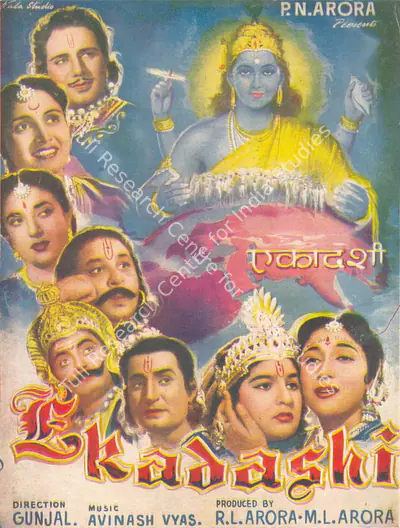
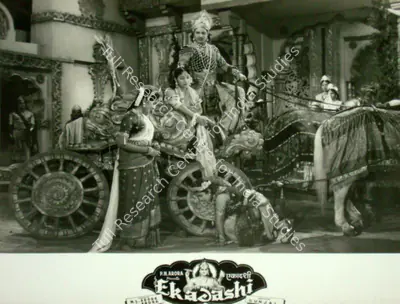
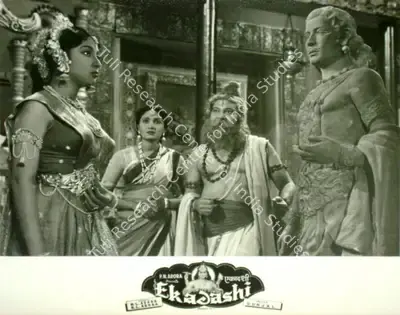
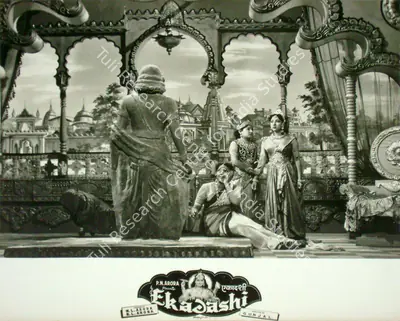
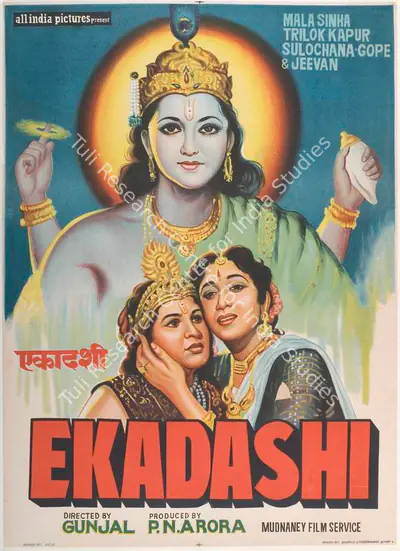
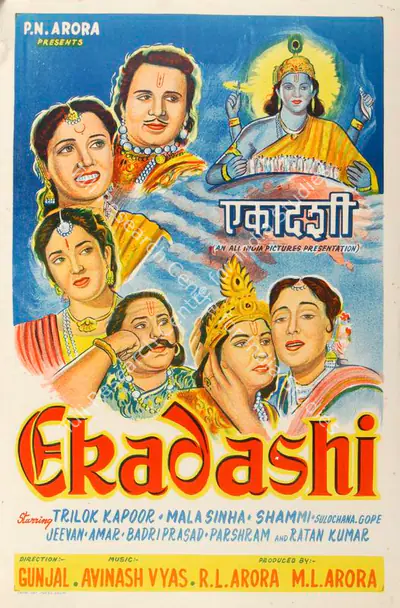
Ekadashi | Hindi | Actor

Booklet
1955

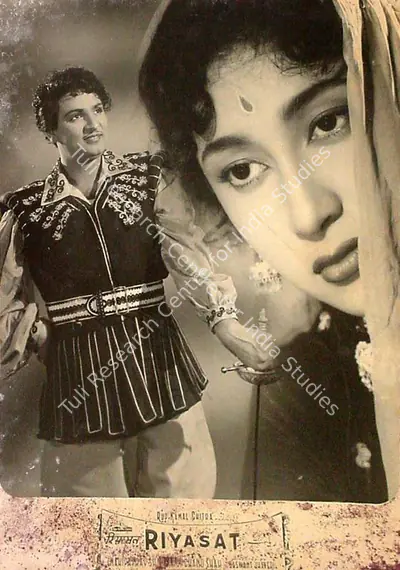
Riyasat | Hindi | Actor

Booklet
1956

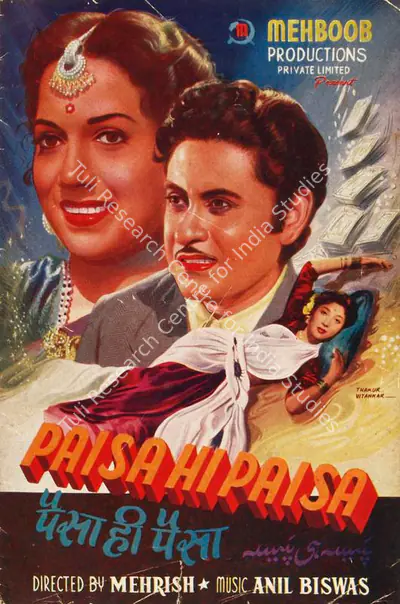
Paisa Hi Paisa | Hindi | Actor

Booklet
1956

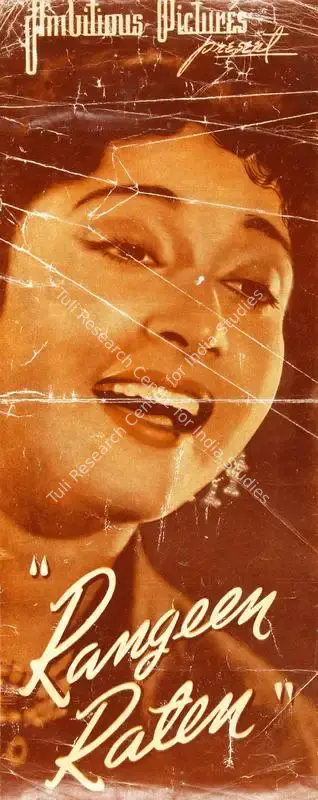
Rangeen Raten | Hindi | Actor

Booklet
1957

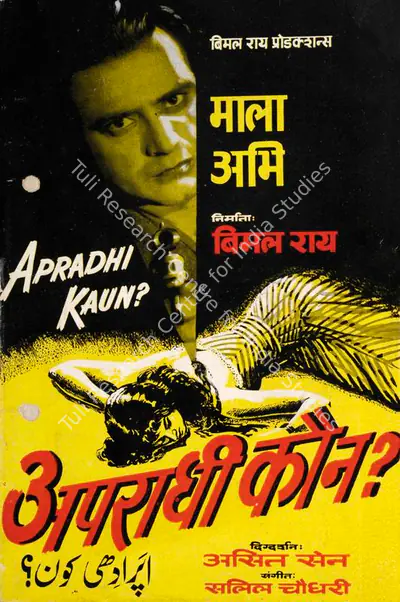
Apradhi Kaun | Hindi | Actor

Feature | Fiction | Black and White | Booklet
1957

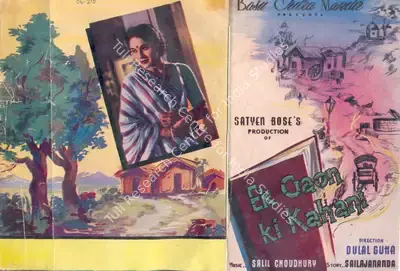
Ek Gaon Ki Kahani | Hindi | Actor

Booklet
1957

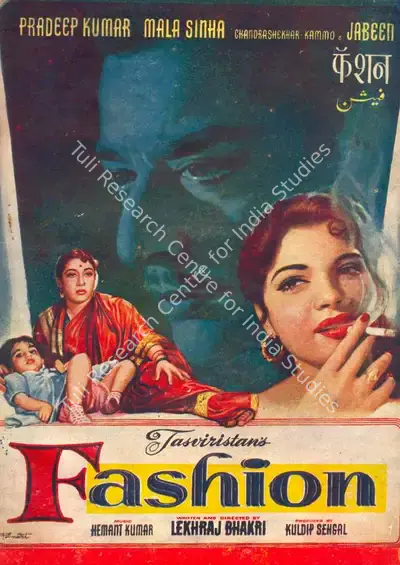
Fashion | Hindi | Actor

Booklet
1957

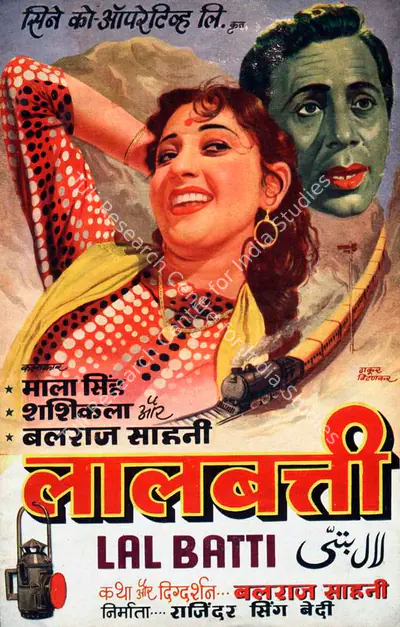
Lal Batti | Hindi | Actor

Feature | Fiction | Black and White | Booklet

Research Centre
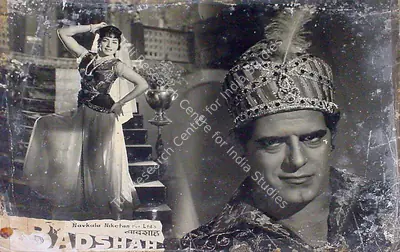
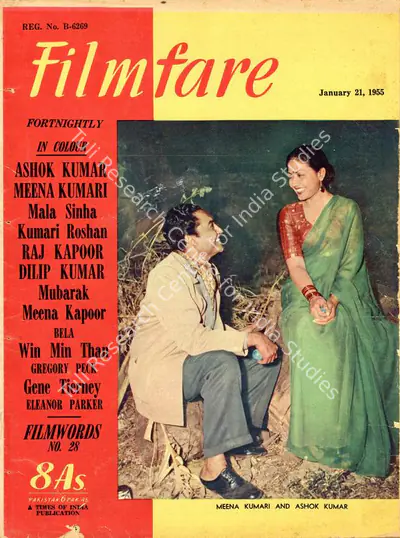
Jain, J.C. (Editor). Filmfare, 21 January 1955 | Magazine | 00793168
Jain, J.C. (Editor). Filmfare, 21 January 1955 | Magazine | 00793168

Jain, J.C. (Editor). Filmfare, 21 January 1955 | Magazine | 00793168

Jain, J.C. (Editor). Filmfare, 21 January 1955 | Magazine | 00793168

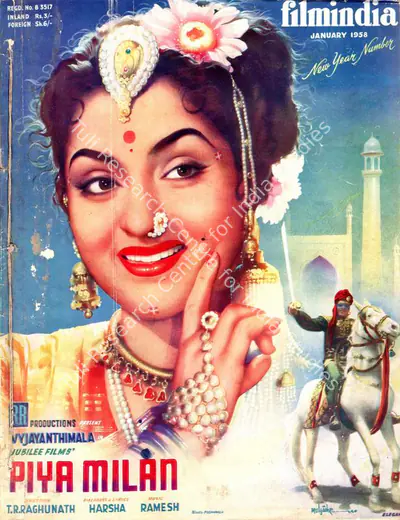
Patel, Baburao (Editor). Filmindia, January 1958 | Magazine | 00796678

Patel, Baburao (Editor). Filmindia, January 1958 | Magazine | 00796678

Patel, Baburao (Editor). Filmindia, January 1958 | Magazine | 00796678

Patel, Baburao (Editor). Filmindia, January 1958 | Magazine | 00796678

Patel, Baburao (Editor). Filmindia, July 1958 | Magazine | 00796684

Patel, Baburao (Editor). Filmindia, July 1958 | Magazine | 00796684

Patel, Baburao (Editor). Filmindia, July 1958 | Magazine | 00796684

Patel, Baburao (Editor). Filmindia, July 1958 | Magazine | 00796684

Rao, L.P. (Editor). Filmfare, 09 October 1959 | Magazine | 00793243

Rao, L.P. (Editor). Filmfare, 09 October 1959 | Magazine | 00793243

Mandy, C.R. (Editor). Filmfare, 27 February 1959 | Magazine | 00793230

Mandy, C.R. (Editor). Filmfare, 27 February 1959 | Magazine | 00793230

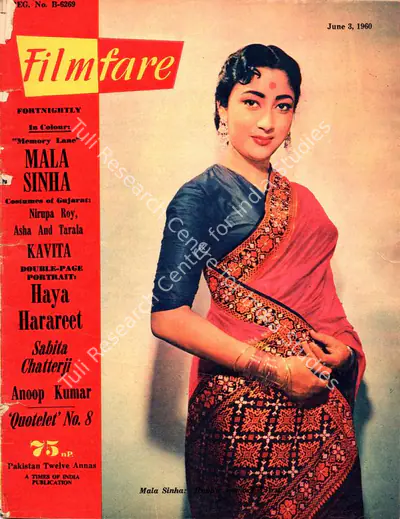
Rao, L.P. (Editor). Filmfare, 03 June 1960 | Magazine | 00793250

Rao, L.P. (Editor). Filmfare, 03 June 1960 | Magazine | 00793250

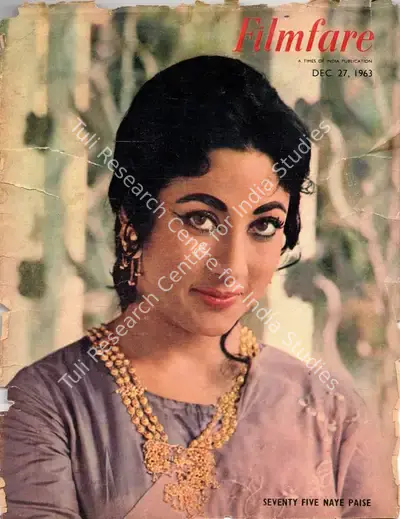
Karanjia, B.K. (Editor). Filmfare, 27 December 1963 | Magazine | 00793289

Karanjia, B.K. (Editor). Filmfare, 27 December 1963 | Magazine | 00793289

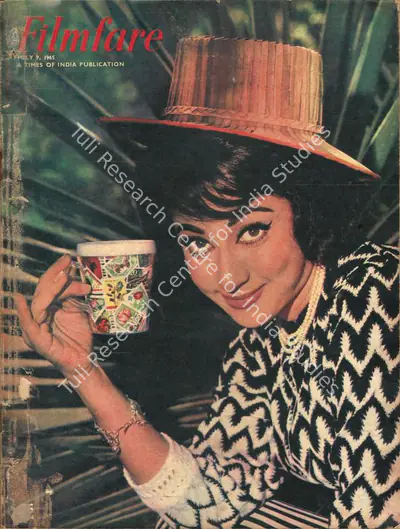
Karanjia, B.K. (Editor). Filmfare, 09 July 1965 | Magazine | 00793309

Karanjia, B.K. (Editor). Filmfare, 09 July 1965 | Magazine | 00793309

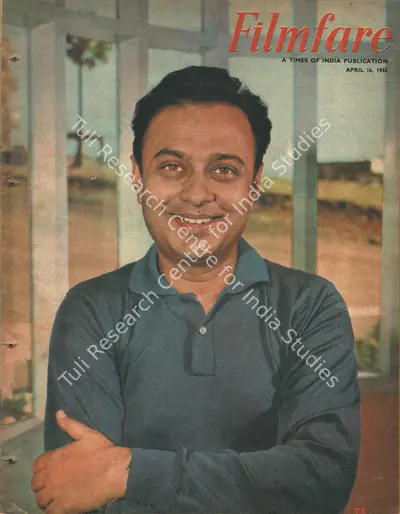
Karanjia, B.K. (Editor). Filmfare, 16 April 1965 | Magazine | 00793303

Karanjia, B.K. (Editor). Filmfare, 16 April 1965 | Magazine | 00793303

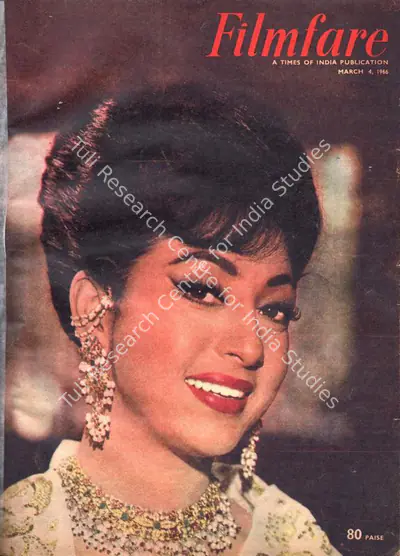
Karanjia, B.K. (Editor). Filmfare, 04 March 1966 | Magazine | 00793326

Karanjia, B.K. (Editor). Filmfare, 04 March 1966 | Magazine | 00793326

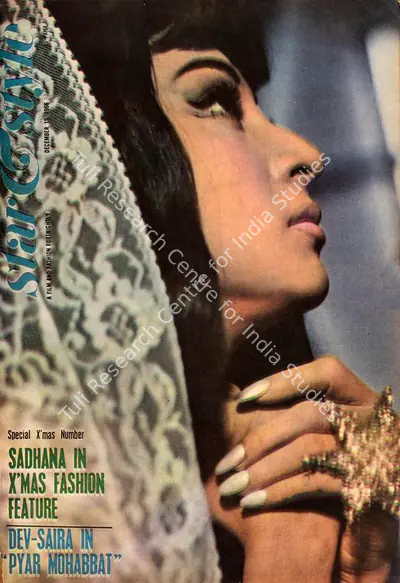
Ewing, Gulshan (Editor). Star & Style, 15 December 1966 | Magazine | 00808423

Ewing, Gulshan (Editor). Star & Style, 15 December 1966 | Magazine | 00808423

Ewing, Gulshan (Editor). Star & Style, 15 December 1966 | Magazine | 00808423

Ewing, Gulshan (Editor). Star & Style, 15 December 1966 | Magazine | 00808423

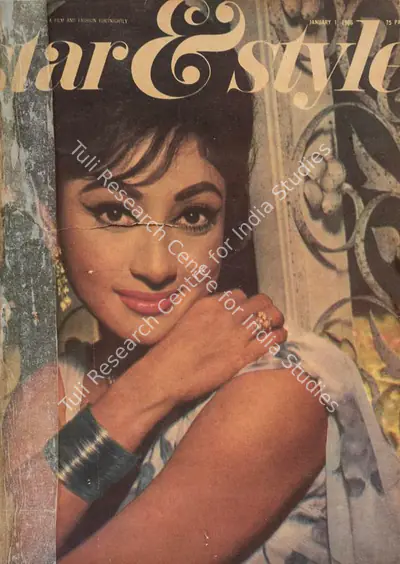
Rao, L.P. (Editor), Maqbool Hosh Yar Jung and Devyani Chaubal (Editorial Assistant). Star & Style, 1 January 1966 | Magazine | 00808402

Rao, L.P. (Editor), Maqbool Hosh Yar Jung and Devyani Chaubal (Editorial Assistant). Star & Style, 1 January 1966 | Magazine | 00808402

Rao, L.P. (Editor), Maqbool Hosh Yar Jung and Devyani Chaubal (Editorial Assistant). Star & Style, 1 January 1966 | Magazine | 00808402

Rao, L.P. (Editor), Maqbool Hosh Yar Jung and Devyani Chaubal (Editorial Assistant). Star & Style, 1 January 1966 | Magazine | 00808402

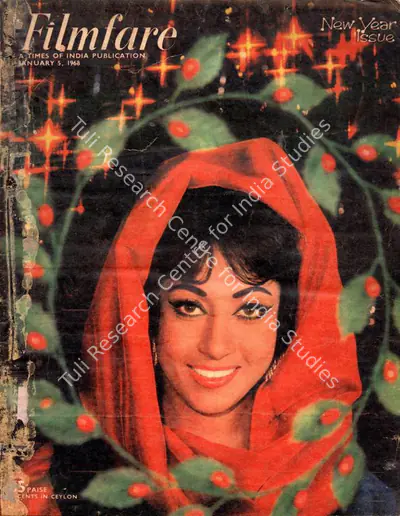
Karanjia, B.K. (Editor). Filmfare, 05 January 1968 | Magazine | 00793371

Karanjia, B.K. (Editor). Filmfare, 05 January 1968 | Magazine | 00793371

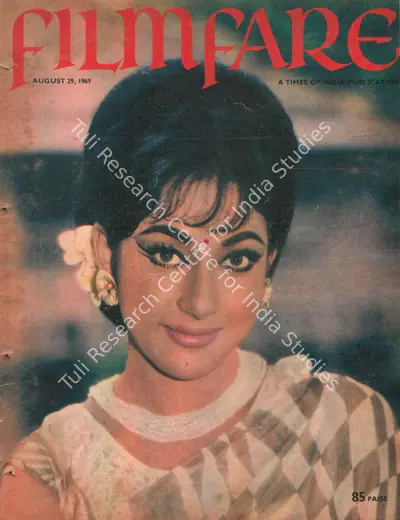
Karanjia, B.K. (Editor). Filmfare, 29 August 1969 | Magazine | 00793409

Karanjia, B.K. (Editor). Filmfare, 29 August 1969 | Magazine | 00793409

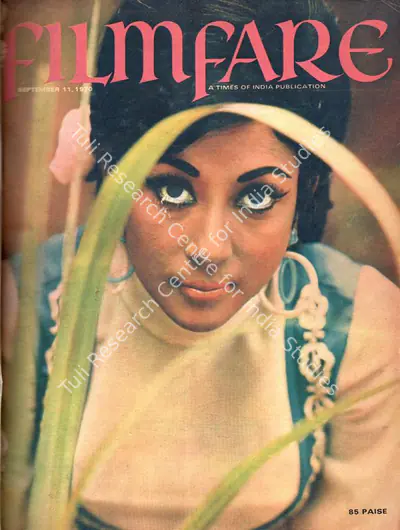
Karanjia, B.K. (Editor). Filmfare, 11 September 1970 | Magazine | 00793436

Karanjia, B.K. (Editor). Filmfare, 11 September 1970 | Magazine | 00793436

Loading...
TRIS logo image