
Introduction
Kamal Amrohi (Syed Amir Haider Kamal Naqvi, 17 January 1918 – 11 February 1993) stands as an iconic figure in Indian cinema, admired for his significant contributions as a director, screenwriter, and Urdu-Hindi poet. Born into a Shia Muslim family in Amroha, Uttar Pradesh, Kamal Amrohi was a first cousin of distinguished Pakistani writers Jaun Elia and Rais Amrohvi. He later adopted the name “Amrohi”.
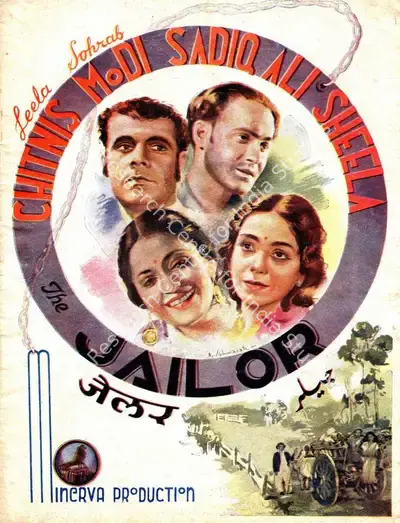
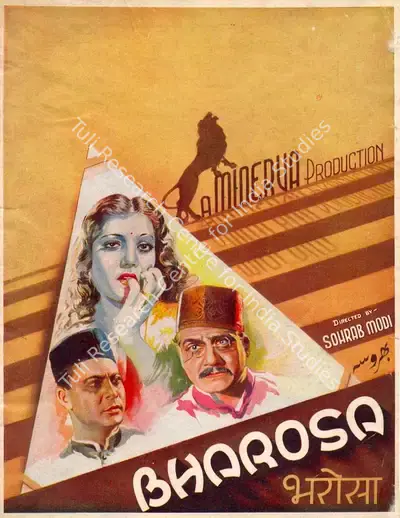
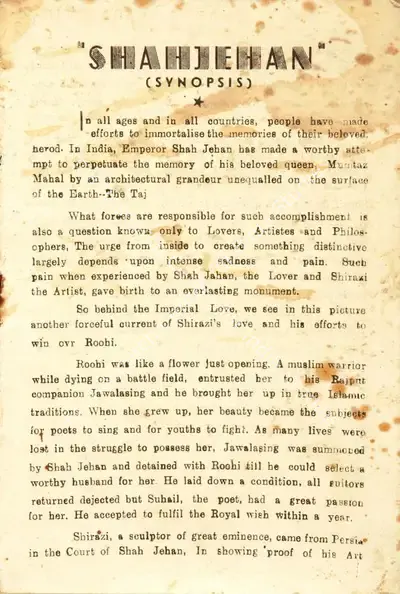
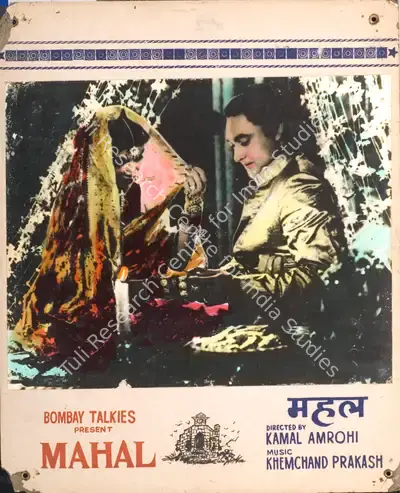
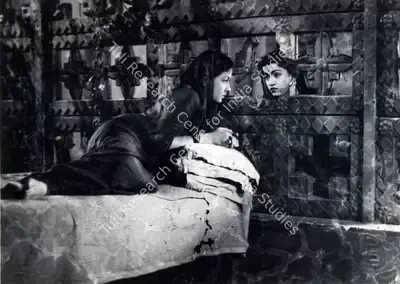
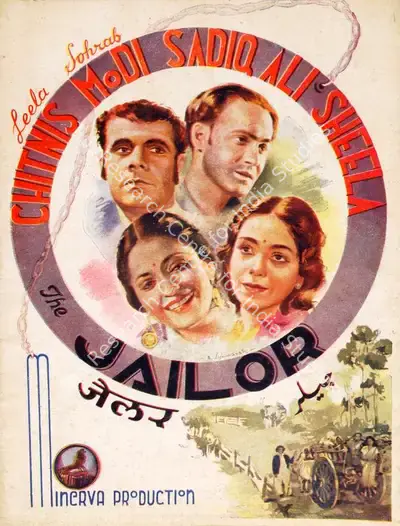
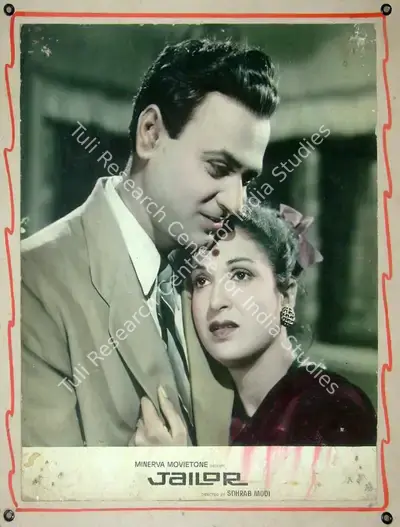
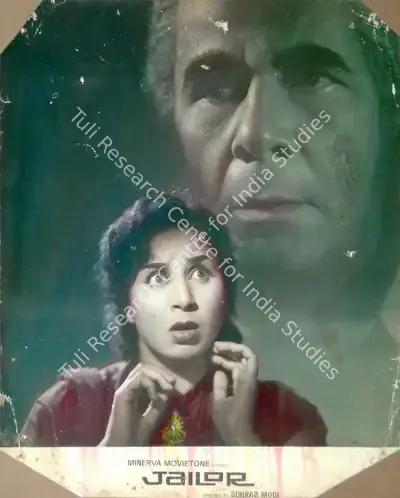
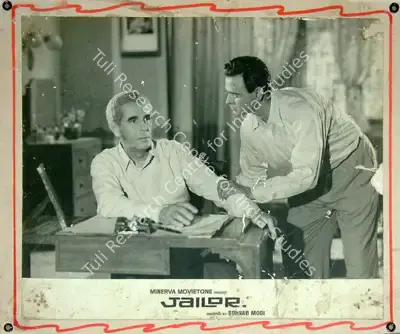
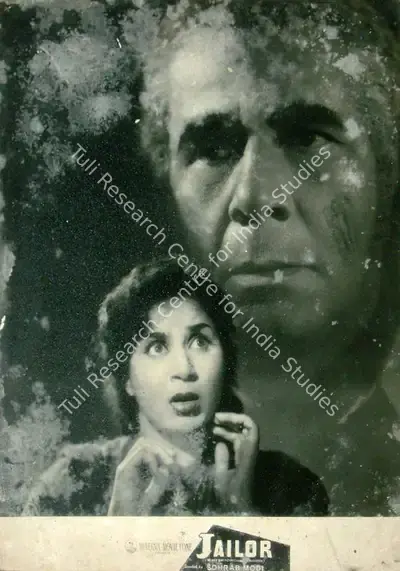
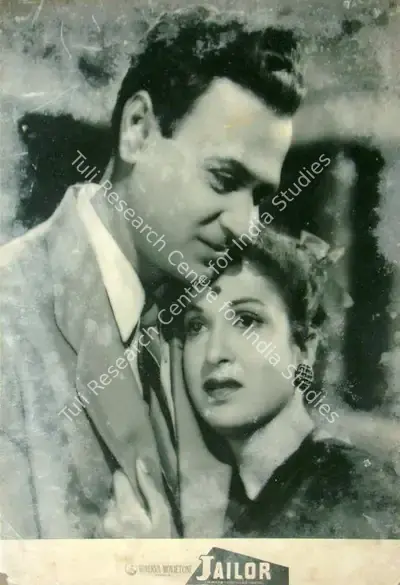
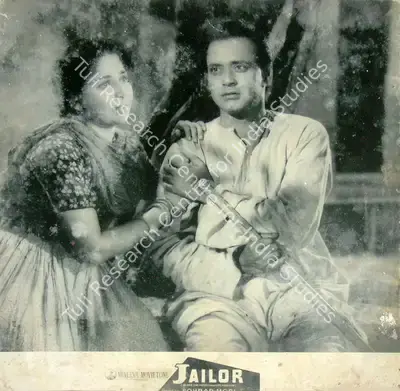
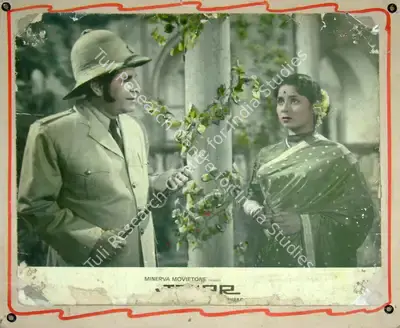
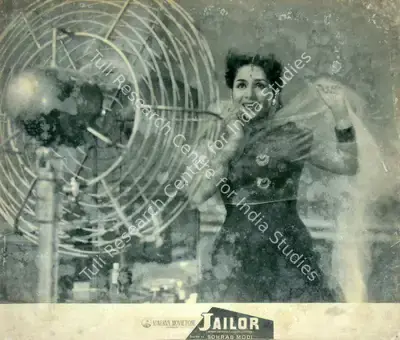
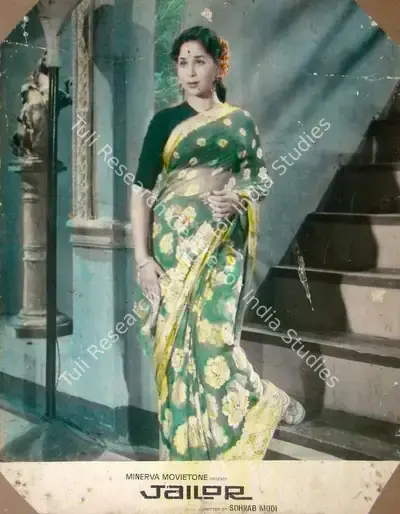
He left Amroha in 1938 to study in Lahore, where playback legend K. L. Saigal discovered him and brought him to Mumbai. He began his film journey writing for Sohrab Modi's Minerva Movietone, contributing to celebrated films like Jailor (1938), Pukar (1939), and Bharosa (1940), before working on A. R. Kardar's Shahjehan (1946). His directorial debut, Mahal (1949), starring Madhubala and Ashok Kumar, became a musical landmark and a turning point in Lata Mangeshkar's career.
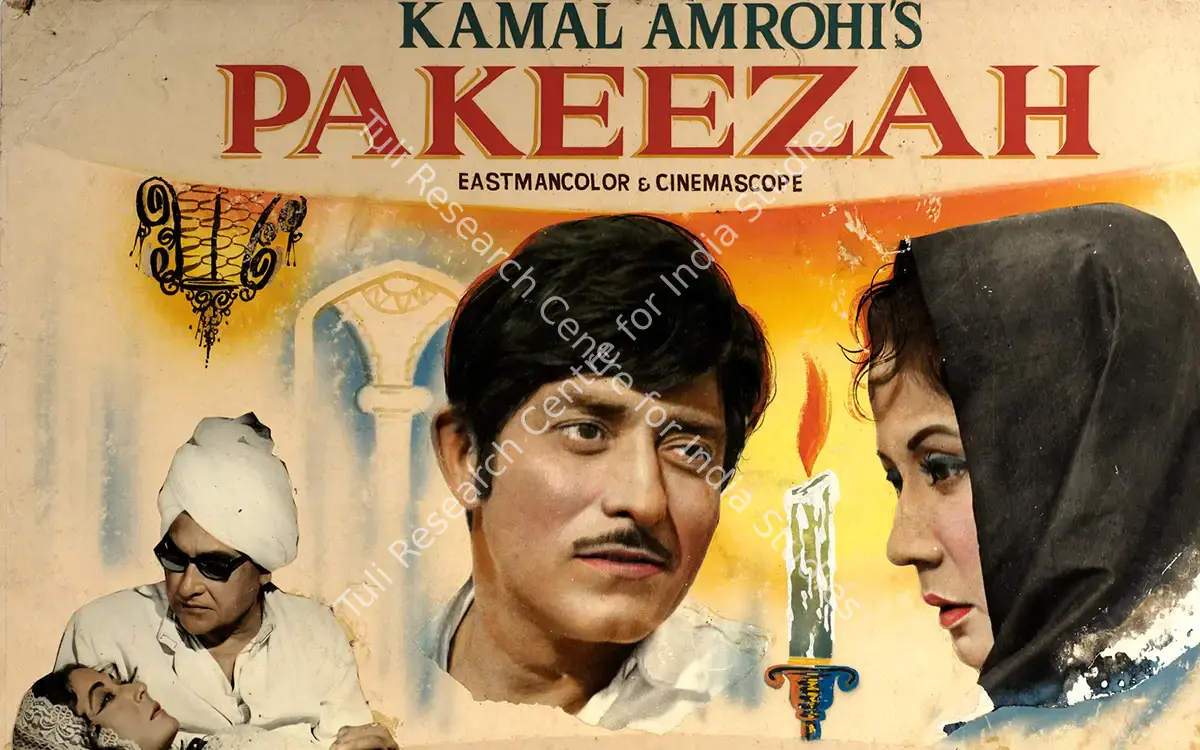
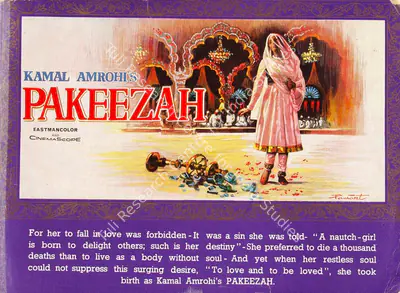
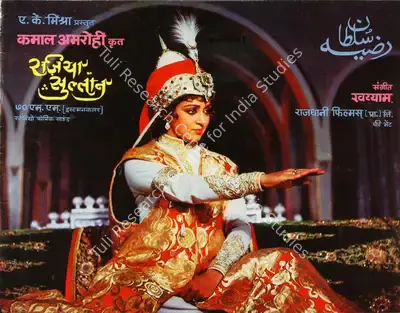
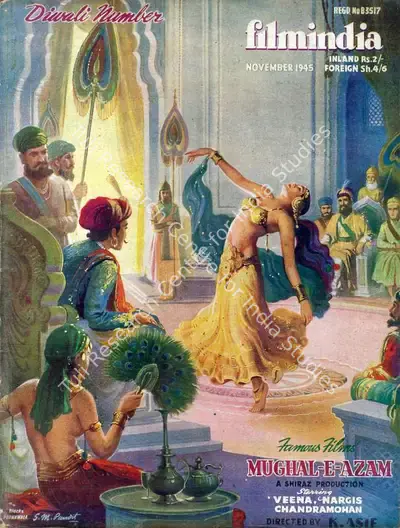
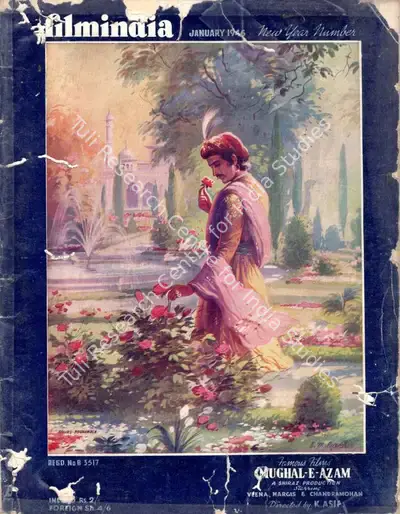
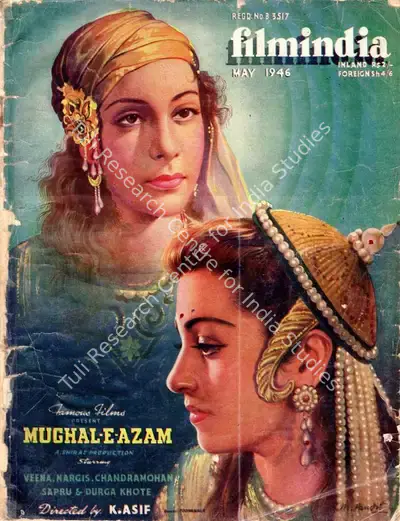
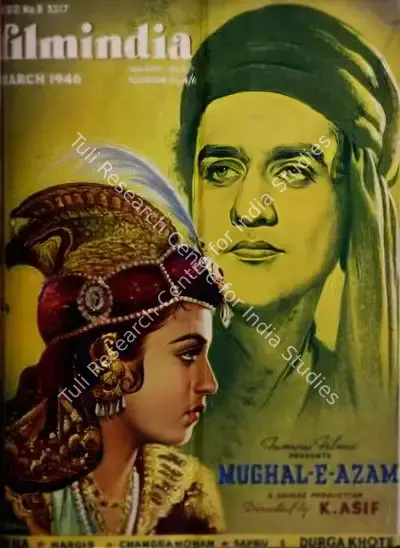
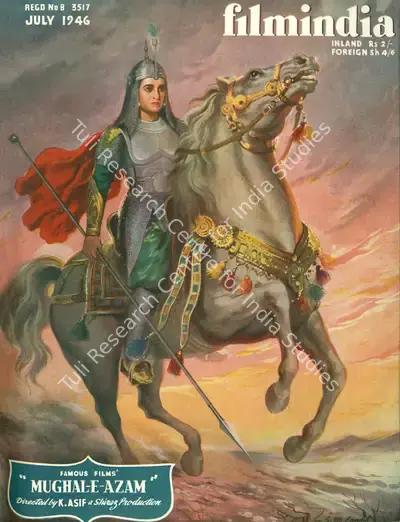
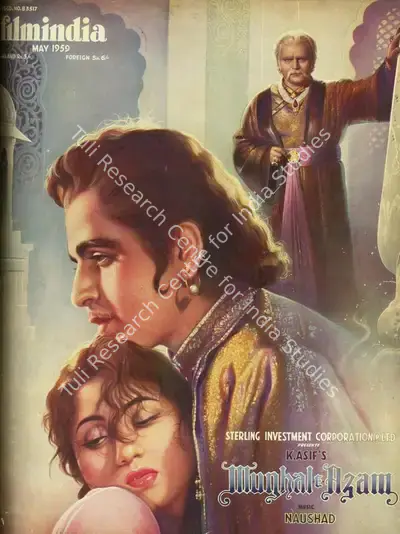
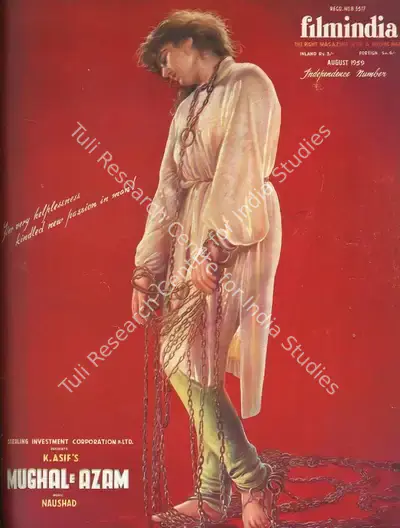
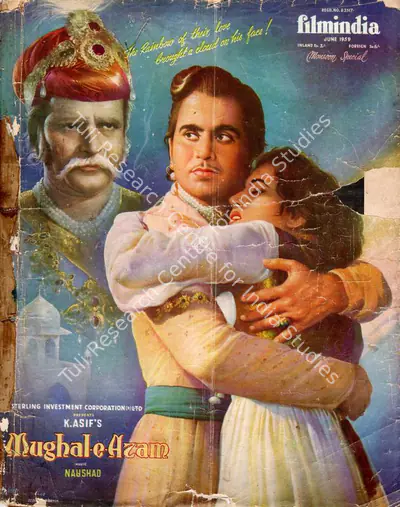
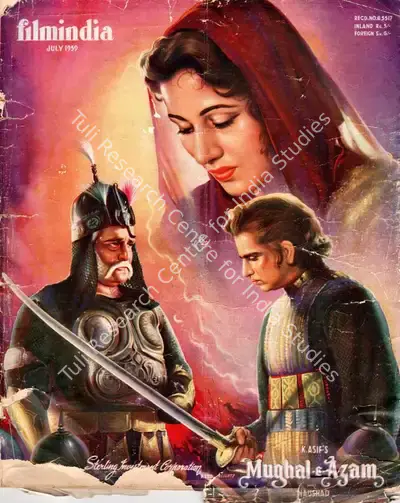
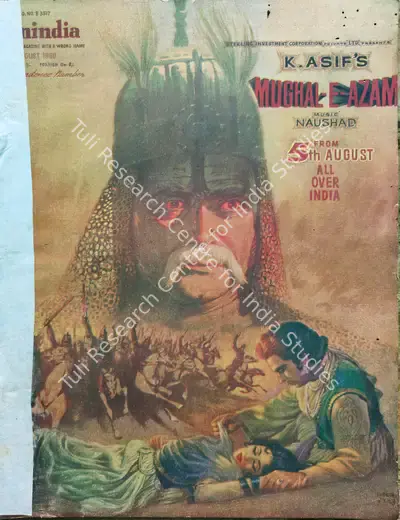
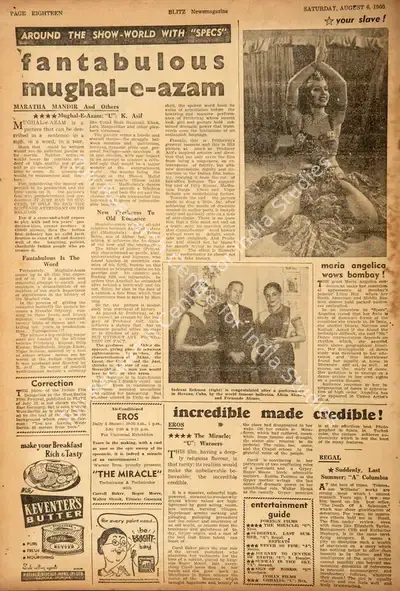
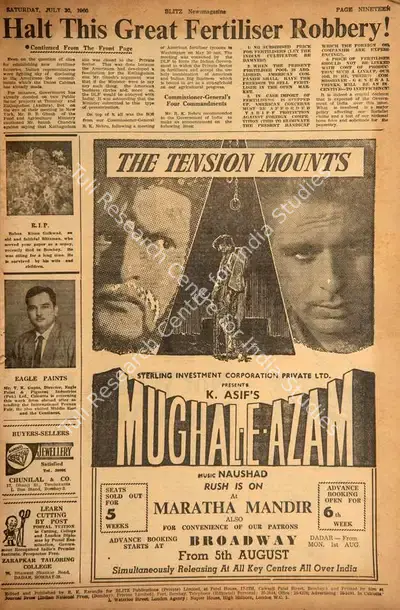
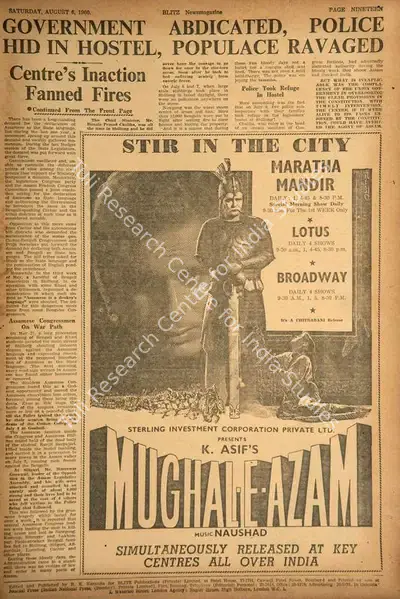
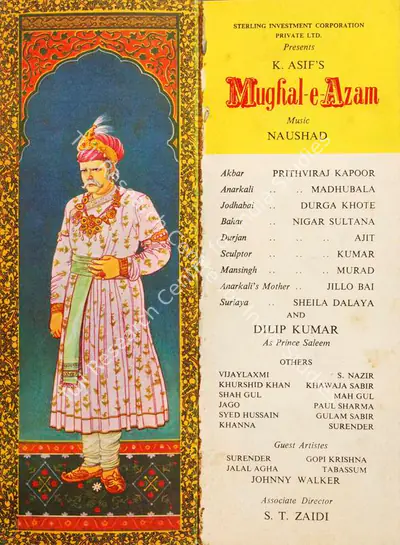
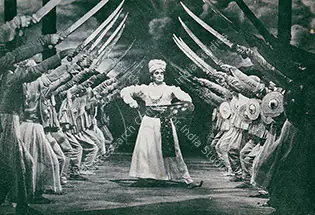
Amrohi's directorial portfolio is marked by only four completed films: Mahal (1949), Daaera (1953, featuring Meena Kumari and Nasir Khan), Pakeezah (1972), and Razia Sultan (1983). Pakeezah, which he conceived in 1958, is celebrated as a classic Indian musical melodrama, deeply associated with his wife and muse, Meena Kumari. Amrohi's style fused stylised visual storytelling with restrained performances, different from the expressive acting prevalent in his era. He was also a master of Urdu poetry and dialogue, serving on the dialogue team for K. Asi's legendary Mughal-e-Azam (1960), and earning the Filmfare Award for Best Dialogue. He was later nominated for Best Director and Best Film for Pakeezah in 1972.
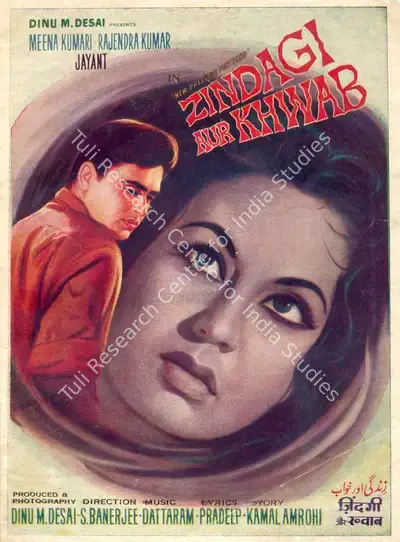
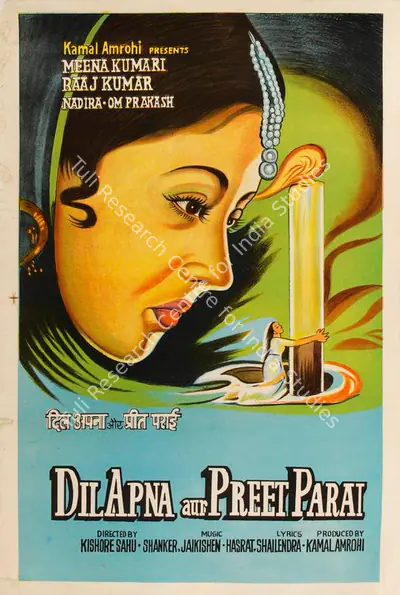
He married four times. His first wife, Bilkis Bano, died early. He then married Sayeda Al-Zehra Mehmoodi, who remained his senior wife during his marriage to Meena Kumari. Amrohi and Meena Kumari met during Tamasha and married privately on 14 February 1952. Their turbulent relationship produced Daaera and the long-delayed Pakeezah, completed after their separation. After Mehmoodi's death in 1982, Amrohi married his physician. He had three children with Mehmoodi—Shandaar, Tajdar and Rukhsar—and none from his other marriages.
He won the 1961 Filmfare Award for Best Dialogue for Mughal-e-Azam. In 1958, Amrohi founded Kamal Amrohi Studios (later Kamalistan Studios) in Mumbai, realising his vision for a world-class production facility. Although he began work on Aakhri Mughal, it was left incomplete after his passing. Amrohi died in Mumbai on 11 February 1993 and was buried beside Meena Kumari in Rehmatabad Qabristan, cementing both his cinematic and personal legacy.
He left Amroha in 1938 to study in Lahore, where playback legend K. L. Saigal discovered him and brought him to Mumbai. He began his film journey writing for Sohrab Modi's Minerva Movietone, contributing to celebrated films like Jailor (1938), Pukar (1939), and Bharosa (1940), before working on A. R. Kardar's Shahjehan (1946). His directorial debut, Mahal (1949), starring Madhubala and Ashok Kumar, became a musical landmark and a turning point in Lata Mangeshkar's career.
Amrohi's directorial portfolio is marked by only four completed films: Mahal (1949), Daaera (1953, featuring Meena Kumari and Nasir Khan), Pakeezah (1972), and Razia Sultan (1983). Pakeezah, which he conceived in 1958, is celebrated as a classic Indian musical melodrama, deeply associated with his wife and muse, Meena Kumari. Amrohi's style fused stylised visual storytelling with restrained performances, different from the expressive acting prevalent in his era. He was also a master of Urdu poetry and dialogue, serving on the dialogue team for K. Asi's legendary Mughal-e-Azam (1960), and earning the Filmfare Award for Best Dialogue. He was later nominated for Best Director and Best Film for Pakeezah in 1972.
He married four times. His first wife, Bilkis Bano, died early. He then married Sayeda Al-Zehra Mehmoodi, who remained his senior wife during his marriage to Meena Kumari. Amrohi and Meena Kumari met during Tamasha and married privately on 14 February 1952. Their turbulent relationship produced Daaera and the long-delayed Pakeezah, completed after their separation. After Mehmoodi's death in 1982, Amrohi married his physician. He had three children with Mehmoodi—Shandaar, Tajdar and Rukhsar—and none from his other marriages.
He won the 1961 Filmfare Award for Best Dialogue for Mughal-e-Azam. In 1958, Amrohi founded Kamal Amrohi Studios (later Kamalistan Studios) in Mumbai, realising his vision for a world-class production facility. Although he began work on Aakhri Mughal, it was left incomplete after his passing. Amrohi died in Mumbai on 11 February 1993 and was buried beside Meena Kumari in Rehmatabad Qabristan, cementing both his cinematic and personal legacy.
कमाल अमरोही (सैयद अमीर हैदर कमाल नक़वी, 17 जनवरी 1918 – 11 फरवरी 1993) भारतीय सिनेमा में एक प्रसिद्ध हस्ती हैं, जिन्हें निर्देशक, पटकथा लेखक और उर्दू-हिंदी कवि के रूप में उनके महत्वपूर्ण योगदान के लिए सराहा जाता है। उत्तर प्रदेश के अमरोहा में एक शिया मुस्लिम परिवार में जन्मे कमाल अमरोही, प्रख्यात पाकिस्तानी लेखकों जॉन इलिया और रईस अमरोही के चचेरे भाई थे। बाद में उन्होंने "अमरोही" नाम अपना लिया।
1938 में पढ़ाई के लिए वे अमरोहा छोड़कर लाहौर चले गए, जहाँ मशहूर पार्श्वगायक के. एल. सहगल ने उनकी प्रतिभा को पहचाना और मुंबई ले आए। उन्होंने सोहराब मोदी के मिनर्वा मूवीटोन के लिए लिखकर अपने फ़िल्मी सफ़र की शुरुआत की और जेलर (1938), पुकार (1939) और भरोसा (1940) जैसी मशहूर फ़िल्मों में योगदान दिया, इसके बाद उन्होंने ए. आर. करदार की शाहजहाँ (1946) पर काम किया। उनकी पहली निर्देशित फ़िल्म महल (1949), जिसमें मधुबाला और अशोक कुमार ने अभिनय किया था, संगीत की दुनिया में एक मील का पत्थर साबित हुई और लता मंगेशकर के करियर में एक महत्वपूर्ण मोड़ साबित हुई।
अमरोही के निर्देशन में बनी फ़िल्मों की सूची में केवल चार फ़िल्में ही शामिल हैं: महल (1949), दाएरा (1953, जिसमें मीना कुमारी और नासिर खान ने अभिनय किया था), पाकीज़ा (1972) और रज़िया सुल्तान (1983)। पाकीज़ा, जिसकी कल्पना उन्होंने 1958 में की थी, एक क्लासिक भारतीय संगीतमय मेलोड्रामा के रूप में प्रसिद्ध है, जिसका उनकी पत्नी और प्रेरणास्रोत मीना कुमारी से गहरा संबंध है। अमरोही की शैली में शैलीबद्ध दृश्य कथा और संयमित अभिनय का मिश्रण था, जो उनके युग में प्रचलित भावपूर्ण अभिनय से भिन्न था।
वे उर्दू कविता और संवाद के भी माहिर थे, उन्होंने के. आसिफ़ की मशहूर फ़िल्म मुग़ल-ए-आज़म (1960) के संवाद दल में काम किया और सर्वश्रेष्ठ संवाद के लिए फ़िल्मफ़ेयर पुरस्कार जीता। बाद में, 1972 में उन्हें पाकीज़ा के लिए सर्वश्रेष्ठ निर्देशक और सर्वश्रेष्ठ फ़िल्म के लिए नामांकित किया गया था।
उनकी चार शादियाँ थी। उनकी पहली पत्नी, बिलकिस बानो, का असमय निधन हो गया। इसके बाद उन्होंने सैयदा अल-ज़ेहरा महमूदी से विवाह किया, जो मीना कुमारी से उनके विवाह के दौरान उनकी वरिष्ठ पत्नी रहीं। अमरोही और मीना कुमारी की मुलाकात तमाशा (1952) के दौरान हुई और उन्होंने 14 फरवरी 1952 को गुप्त रूप से विवाह किया। उनके उतार-चढ़ाव भरे रिश्ते से दाएरा और लंबे समय से प्रतीक्षित पाकीज़ा का जन्म हुआ, जो उनके अलग होने के बाद संपन्न हुआ। 1982 में महमूदी की मृत्यु के बाद, अमरोही ने अपनी चिकित्सक से विवाह किया। महमूदी से उनके तीन बच्चे थे - शानदार, ताजदार और रुख़सार - और अन्य विवाहों से कोई संतान नहीं थी।
उन्हें फ़िल्म मुग़ल-ए-आज़म के लिए 1961 का सर्वश्रेष्ठ संवाद का फ़िल्मफ़ेयर पुरस्कार मिला। 1958 में, अमरोही ने मुंबई में कमाल अमरोही स्टूडियो (बाद में कमालिस्तान स्टूडियो) की स्थापना की, जिससे विश्व स्तरीय निर्माण सुविधा का उनका सपना साकार हुआ। हालांकि उन्होंने आखिरी मुग़ल पर काम शुरू किया था, लेकिन उनके निधन के बाद यह अधूरा रह गया। अमरोही का निधन 11 फरवरी 1993 को मुंबई में हुआ और उन्हें रहमतबाद कब्रिस्तान में मीना कुमारी के बगल में दफ़नाया गया, जिससे सिनेमाई और व्यक्तिगत दोनों ही क्षेत्रों में उनकी विरासत अमर हो गई।
1938 में पढ़ाई के लिए वे अमरोहा छोड़कर लाहौर चले गए, जहाँ मशहूर पार्श्वगायक के. एल. सहगल ने उनकी प्रतिभा को पहचाना और मुंबई ले आए। उन्होंने सोहराब मोदी के मिनर्वा मूवीटोन के लिए लिखकर अपने फ़िल्मी सफ़र की शुरुआत की और जेलर (1938), पुकार (1939) और भरोसा (1940) जैसी मशहूर फ़िल्मों में योगदान दिया, इसके बाद उन्होंने ए. आर. करदार की शाहजहाँ (1946) पर काम किया। उनकी पहली निर्देशित फ़िल्म महल (1949), जिसमें मधुबाला और अशोक कुमार ने अभिनय किया था, संगीत की दुनिया में एक मील का पत्थर साबित हुई और लता मंगेशकर के करियर में एक महत्वपूर्ण मोड़ साबित हुई।
अमरोही के निर्देशन में बनी फ़िल्मों की सूची में केवल चार फ़िल्में ही शामिल हैं: महल (1949), दाएरा (1953, जिसमें मीना कुमारी और नासिर खान ने अभिनय किया था), पाकीज़ा (1972) और रज़िया सुल्तान (1983)। पाकीज़ा, जिसकी कल्पना उन्होंने 1958 में की थी, एक क्लासिक भारतीय संगीतमय मेलोड्रामा के रूप में प्रसिद्ध है, जिसका उनकी पत्नी और प्रेरणास्रोत मीना कुमारी से गहरा संबंध है। अमरोही की शैली में शैलीबद्ध दृश्य कथा और संयमित अभिनय का मिश्रण था, जो उनके युग में प्रचलित भावपूर्ण अभिनय से भिन्न था।
वे उर्दू कविता और संवाद के भी माहिर थे, उन्होंने के. आसिफ़ की मशहूर फ़िल्म मुग़ल-ए-आज़म (1960) के संवाद दल में काम किया और सर्वश्रेष्ठ संवाद के लिए फ़िल्मफ़ेयर पुरस्कार जीता। बाद में, 1972 में उन्हें पाकीज़ा के लिए सर्वश्रेष्ठ निर्देशक और सर्वश्रेष्ठ फ़िल्म के लिए नामांकित किया गया था।
उनकी चार शादियाँ थी। उनकी पहली पत्नी, बिलकिस बानो, का असमय निधन हो गया। इसके बाद उन्होंने सैयदा अल-ज़ेहरा महमूदी से विवाह किया, जो मीना कुमारी से उनके विवाह के दौरान उनकी वरिष्ठ पत्नी रहीं। अमरोही और मीना कुमारी की मुलाकात तमाशा (1952) के दौरान हुई और उन्होंने 14 फरवरी 1952 को गुप्त रूप से विवाह किया। उनके उतार-चढ़ाव भरे रिश्ते से दाएरा और लंबे समय से प्रतीक्षित पाकीज़ा का जन्म हुआ, जो उनके अलग होने के बाद संपन्न हुआ। 1982 में महमूदी की मृत्यु के बाद, अमरोही ने अपनी चिकित्सक से विवाह किया। महमूदी से उनके तीन बच्चे थे - शानदार, ताजदार और रुख़सार - और अन्य विवाहों से कोई संतान नहीं थी।
उन्हें फ़िल्म मुग़ल-ए-आज़म के लिए 1961 का सर्वश्रेष्ठ संवाद का फ़िल्मफ़ेयर पुरस्कार मिला। 1958 में, अमरोही ने मुंबई में कमाल अमरोही स्टूडियो (बाद में कमालिस्तान स्टूडियो) की स्थापना की, जिससे विश्व स्तरीय निर्माण सुविधा का उनका सपना साकार हुआ। हालांकि उन्होंने आखिरी मुग़ल पर काम शुरू किया था, लेकिन उनके निधन के बाद यह अधूरा रह गया। अमरोही का निधन 11 फरवरी 1993 को मुंबई में हुआ और उन्हें रहमतबाद कब्रिस्तान में मीना कुमारी के बगल में दफ़नाया गया, जिससे सिनेमाई और व्यक्तिगत दोनों ही क्षेत्रों में उनकी विरासत अमर हो गई।
No personalia records available yet.
Filmography 16
Research Centre
20 of 375
20 of 31
20 of 343

Calendar 1
- ArchivedExhibitionProject 2Self-Discovery via Rediscovering India Series Part II India's Cinematic Heritage12th - 24th August 2024Self-Discovery via Rediscovering India Series Part IIRead More →
Related
27
Films
14
Personalities
11