TRIS logo image
Search275,000+ actors, artists, objects, artworks, films, exhibitions, archives

EN

EN

English

HI

Hindi

EN

EN

English

HI

Hindi

Tuli Research Centre for India Studies

Tuli Research Centre for India Studies

Vision

Manifesto

Archive & Library

Vanraja Sanctuary & Hospice

Home

Research Categories

Browse All

ICore

1_CinemaEducation_Cinema as a Critical Educational Resource

2_FineArts_Modern and Contemporary Indian Fine Arts

3_Photography_Photography in India

4_PopCulture_The Printed Image, Popular Arts, and Crafts

IIMaterial

5_ArcHeritage_India's Architectural Heritage as Inspiration

6_EconomicsArt_Economics of Art & Cultural Industry

7_Travel_Automobile, Transport and Travel Heritage

8_Uncertainty_Uncertainty

IIICritical

9_SocialDuty_Social Responsibility of the Creative Mind

10_Childhood_The Changing Smile of Childhood & Its Second Coming

11_Sensuality_The Sensual Discipline within Creativity

12_Scholarship_The History & Historiography of Scholarship in the Arts, Humanities, and Social Sciences

IVMeaningful

13_SeekJustice_Seeking Justice and Political Integrity

14_IndoWorld_India and her Relationship with the World

15_SpiritualPoetics_The Religious-Spiritual-Poetic-Philosophical Framework

16_Continuum_The Animal-Human-Nature Continuum

Explore

All

Posts

Masterlists

Calendar

Live | Upcoming

All Events

Timetable

Search275,000+ actors, artists, objects, artworks, films, exhibitions, archives

EN

EN

English

HI

Hindi

Amit Khanna

Amit Khanna

Personality.Film Producer
On this Page
Introduction
Filmography60
Research Centre148
All148Library1
Archive138
Videos9
Posts4
Home/1_CinemaEducation/Personality · Actor/Amit Khanna
From the archive
Scroll→

Introduction

Amit Khanna (1 March 1951) He is an Indian film producer, director, writer, lyricist, journalist, and media entrepreneur whose work has played a defining role in shaping the modern Indian entertainment industry. Widely regarded as one of the architects of India's contemporary media culture, Khanna has contributed significantly to cinema, television, music, publishing, and corporate entertainment over a career spanning more than five decades. He is the founder chairman of Reliance Entertainment, former president of the Producers Guild of India, and founder trustee of the Mumbai Academy of the Moving Image. He is also frequently credited with popularising the term Bollywood in international media discourse. As a producer and lyricist, he has received three National Film Awards, reflecting the breadth of his artistic and institutional contributions.

Internationally, Khanna has been recognised by Time, Newsweek, Variety, and The Hollywood Reporter among the influential global figures in film and television. His academic engagements have included guest lectures at New York University and University of Southern California. He served three times on the Indian Panorama jury representing western India and became the first Indian invited to serve on the jury of the International Emmy Awards, marking an important moment in the international recognition of Indian media professionals.

Born in New Delhi to Hem Khanna and Jawaharlal Khanna, Amit Khanna received his schooling at St. Columba's School before graduating from St. Stephen's College. His early years were deeply shaped by literature, theatre, radio, and journalism. He began writing poetry in Hindi at the age of fourteen and actively participated in student theatre productions and radio broadcasts, including children's programming for All India Radio. These formative experiences cultivated both his literary sensibility and his understanding of mass communication, eventually leading him to Bombay's expanding film industry in the early 1970s.

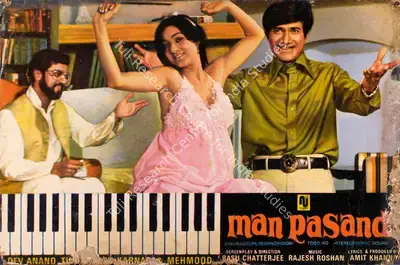
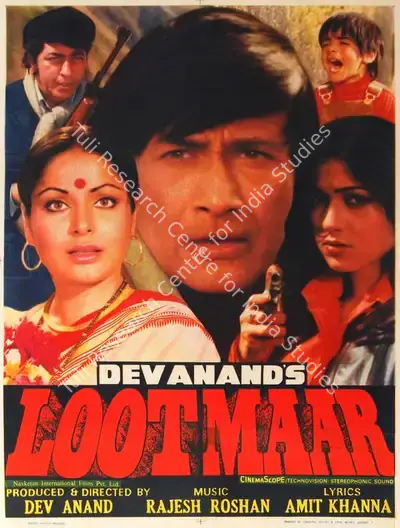
Khanna entered the film world in 1971 as an executive producer with Navketan Films, the banner founded by Dev Anand. During his tenure there, he worked on films such as Shareef Budmaash (1973), Ishq Ishq Ishq (1974), Des Pardes (1978), and Lootmaar (1980). He later made his independent debut as a producer with Man Pasand (1980) and subsequently produced films including Sheeshay Ka Ghar (1984) and Shesh (1988). Alongside filmmaking, he established himself as a prolific lyricist and writer, authoring more than 400 film and non-film songs as well as numerous screenplays and journalistic essays.

The rise of Indian television in the 1980s opened a new phase in Khanna's career. In 1989, he helped establish Plus Channel, India's first integrated entertainment conglomerate, where he served as Managing Director and Group Editor. Under his leadership, the company expanded into television production, cinema, music, publishing, and event management, becoming one of the country's most influential independent media enterprises. Plus Channel also pioneered several innovations in Indian broadcasting, including some of India's earliest audiobooks and business news programming on television.

As a producer during this period, Khanna backed several critically acclaimed films, including Papa Kehte Hain (1996), Sardari Begum (1996), Gudia (1997), Do Rahain (1997), and Saaz (1998). At the 44th National Film Awards, he received two National Awards as producer for Gudia, which won Best Hindi Feature Film, and Sardari Begum, which won Best Urdu Feature Film. He also won the National Film Award for Best Lyrics for Bhairavi, further establishing his reputation as a creative figure capable of moving between artistic and managerial domains.

In 2000, Khanna left Plus Channel to join Reliance Entertainment, where he served as chairman for nearly fifteen years. Under his leadership, the company expanded into a major global entertainment enterprise with significant investments in Hollywood. In 2008, Reliance Entertainment entered into partnerships with internationally recognised actors including Tom Hanks, Brad Pitt, George Clooney, Jim Carrey, and Nicolas Cage. The same year, the company formed a landmark joint venture with Steven Spielberg's DreamWorks Studios, followed by a major production and distribution agreement that consolidated Reliance Entertainment's international position.

Khanna later expanded into directing, working across cinema and digital media. His directorial projects include the romantic comedies Tutiya Dil (2012) and Badmashiyaan (2015), the award-winning short film An Untold Story of Paper Boats (2016), and the LGBTQ-themed crossover feature Friends in Law (2018). In the digital sphere, he created and directed All About Section 377 (2016), considered among India's earliest LGBTQ-focused web series, followed by Still About Section 377 (2018).

Beyond filmmaking, Khanna has served on the Central Board of Film Certification and committees associated with the Indian Broadcasting Foundation, Indian Music Industry, and the Film Federation of India. Notably, he remains the only permanent member of the Council of Management of the Producers Guild of India after V. Shantaram and Raj Kapoor, a distinction that underscores his enduring influence on Indian media and cultural institutions.

अमित खन्ना (1 मार्च 1951) एक भारतीय फ़िल्म निर्माता, निर्देशक, लेखक, गीतकार, पत्रकार और मीडिया उद्यमी हैं, जिनके कार्यों ने आधुनिक भारतीय मनोरंजन उद्योग को आकार देने में महत्वपूर्ण भूमिका निभाई है। भारत की समकालीन मीडिया संस्कृति के प्रमुख रचनाकारों में से एक माने जाने वाले खन्ना ने पांच दशकों से अधिक के अपने करियर में सिनेमा, टेलीविज़न, संगीत, प्रकाशन और कॉर्पोरेट मनोरंजन के क्षेत्र में महत्वपूर्ण योगदान दिया है। वे रिलायंस एंटरटेनमेंट के संस्थापक अध्यक्ष, प्रोड्यूसर्स गिल्ड ऑफ़ इंडिया के पूर्व अध्यक्ष और मुंबई एकेडमी ऑफ़ द मूविंग इमेज़ के संस्थापक ट्रस्टी हैं। अंतरराष्ट्रीय मीडिया विमर्श में बॉलीवुड शब्द को लोकप्रिय बनाने का श्रेय भी उन्हें ही दिया जाता है। एक निर्माता और गीतकार के रूप में, उन्हें तीन राष्ट्रीय फ़िल्म पुरस्कार प्राप्त हुए हैं, जो उनके कलात्मक और संस्थागत योगदान की महत्ता को दर्शाते हैं।
अंतर्राष्ट्रीय स्तर पर खन्ना को टाइम, न्यूज़वीक, वैरायटी और द हॉलीवुड रिपोर्टर द्वारा फ़िल्म और टेलीविज़न जगत की प्रभावशाली वैश्विक हस्तियों में शामिल किया गया है। उनके अकादमिक कार्यों में न्यूयॉर्क विश्वविद्यालय और दक्षिणी कैलिफोर्निया विश्वविद्यालय में गेस्ट लेक्चर देना शामिल है। उन्होंने पश्चिमी भारत का प्रतिनिधित्व करते हुए तीन बार इंडियन पैनोरमा जूरी में सेवाएं दीं और अंतर्राष्ट्रीय एमी पुरस्कारों की जूरी में आमंत्रित होने वाले पहले भारतीय बने, जो भारतीय मीडिया विशेषज्ञों की अंतर्राष्ट्रीय पहचान के लिए एक महत्वपूर्ण पल था।
अमित खन्ना का जन्म नई दिल्ली में हेम खन्ना और जवाहरलाल खन्ना के घर हुआ। उन्होंने थासेंट कोलंबस स्कूल से अपनी स्कूली शिक्षा प्राप्त की और सेंट स्टीफंस कॉलेज़ से स्नातक की उपाधि प्राप्त की। उनके प्रारंभिक जीवन पर साहित्य, रंगमंच, रेडियो और पत्रकारिता का गहरा प्रभाव रहा। उन्होंने चौदह वर्ष की आयु में हिंदी में कविता लिखना शुरू किया और छात्र नाट्य प्रस्तुतियों और रेडियो प्रसारणों में सक्रिय रूप से भाग लिया, जिसमें ऑल इंडिया रेडियो के लिए बच्चों के कार्यक्रम भी शामिल थे। इन प्रारंभिक अनुभवों ने उनकी साहित्यिक संवेदनशीलता और जनसंचार की समझ को विकसित किया, जिसके परिणामस्वरूप 1970 के दशक की शुरुआत में वे मुंबई के फैलते फ़िल्म उद्योग से जुड़ गए।
खन्ना ने 1971 में देव आनंद द्वारा स्थापित नवकेतन फ़िल्म्स के साथ कार्यकारी निर्माता के रूप में फ़िल्म जगत में प्रवेश किया। वहां अपने कार्यकाल के दौरान, उन्होंने शरीफ़ बदमाश (1973), इश्क़ इश्क़ इश्क़ (1974), देश परदेस (1978) और लूटमार (1980) जैसी फ़िल्मों के लिए काम किया। बाद में उन्होंने मन पसंद (1980) के साथ एक स्वतंत्र निर्माता के रूप में शुरुआत की और इसके बाद शीशे का घर (1984) और शेष (1988) जैसी फ़िल्मों का निर्माण किया। फ़िल्म निर्माण के साथ-साथ, उन्होंने एक कुशल गीतकार और लेखक के रूप में भी अपनी पहचान बनाई, जिन्होंने 400 से अधिक फ़िल्मी और गैर-फ़िल्मी गीतों के साथ-साथ कई पटकथाएं और पत्रकारीय आलेख लिखे।
1980 के दशक में भारतीय टेलीविज़न के उदय ने खन्ना के करियर में एक नया अध्याय शुरू हुआ। 1989 में उन्होंने प्लस चैनल की स्थापना में महत्वपूर्ण भूमिका निभाई, जो भारत का पहला एकीकृत मनोरंजन समूह माना जाता है। वहाँ उन्होंने प्रबंध निदेशक और समूह संपादक के रूप में कार्य किया। उनके नेतृत्व में कंपनी ने टेलीविज़न निर्माण, सिनेमा, संगीत, प्रकाशन और इवेंट मैनेजमेंट के क्षेत्र में विस्तार किया और देश के सबसे प्रभावशाली स्वतंत्र मीडिया उद्यमों में से एक बन गई। प्लस चैनल ने भारतीय प्रसारण में कई नए प्रयोगों की शुरुआत भी की, जिनमें भारत के कुछ शुरुआती ऑडियोबुक और टेलीविज़न पर व्यावसायिक समाचार कार्यक्रम शामिल हैं।
इस दौरान निर्माता के रूप में खन्ना ने कई समीक्षकों द्वारा प्रशंसित फ़िल्मों का निर्माण किया, जिनमें पापा कहते हैं (1996), सरदारी बेग़म (1996), गुड़िया (1997), दो राहें (1997) और साज़ (1998) शामिल हैं। 44वें राष्ट्रीय फ़िल्म पुरस्कारों में उन्हें निर्माता के रूप में दो राष्ट्रीय पुरस्कार मिले। गुड़िया को सर्वश्रेष्ठ हिंदी फ़ीचर फ़िल्म का पुरस्कार और सरदारी बेग़म को सर्वश्रेष्ठ उर्दू फ़ीचर फ़िल्म का पुरस्कार मिला। उन्हें भैरवी के लिए सर्वश्रेष्ठ गीतकार का राष्ट्रीय फ़िल्म पुरस्कार भी मिला, जिससे कलात्मक और प्रबंधकीय क्षेत्रों में निपुण रचनात्मक व्यक्तित्व के रूप में उनकी प्रतिष्ठा और मज़बूत हुई।
2000 में खन्ना ने प्लस चैनल छोड़कर रिलायंस एंटरटेनमेंट के साथ जुड़ गए, जहाँ उन्होंने लगभग पंद्रह वर्षों तक अध्यक्ष के रूप में कार्य किया। उनके नेतृत्व में कंपनी ने वैश्विक मनोरंजन उद्योग में एक प्रमुख स्थान हासिल किया और हॉलीवुड में महत्वपूर्ण निवेश किए। 2008 में रिलायंस एंटरटेनमेंट ने टॉम हैंक्स, ब्रैड पिट, जॉर्ज क्लूनी, जिम कैरी और निकोलस केज़ सहित अंतरराष्ट्रीय स्तर पर ख्याति प्राप्त अभिनेताओं के साथ साझेदारी की। उसी वर्ष कंपनी ने स्टीवन स्पीलबर्ग के ड्रीमवर्क्स स्टूडियो के साथ एक ऐतिहासिक संयुक्त कारोबार स्थापित किया, जिसके बाद महत्वपूर्ण निर्माण और वितरण समझौता हुआ जिसने रिलायंस एंटरटेनमेंट की अंतरराष्ट्रीय स्थिति को और मज़बूत किया।
खन्ना ने बाद में निर्देशन के क्षेत्र में भी क़दम रखा और सिनेमा और डिजिटल मीडिया दोनों में काम किया। उनकी निर्देशित परियोजनाओं में रोमांटिक कॉमेडी फ़िल्में 'तुतिया दिल' (2012) और 'बदमाशियाँ' (2015), पुरस्कार विजेता लघु फ़िल्म 'एन अनटोल्ड स्टोरी ऑफ़ पेपर बोट्स' (2016), और LGBTQ विषय पर आधारित क्रॉसओवर फ़ीचर फ़िल्म 'फ्रेंड्स इन लॉ' (2018) शामिल हैं। डिजिटल क्षेत्र में, उन्होंने 'ऑल अबाउट सेक्शन 377' (2016) का निर्माण और निर्देशन किया, जिसे भारत की शुरुआती LGBTQ-केंद्रित वेब सीरीज़ में से एक माना जाता है, इसके बाद 'स्टिल अबाउट सेक्शन 377' (2018) आई।
फ़िल्म निर्माण के अलावा खन्ना ने सेंट्रल बोर्ड ऑफ फ़िल्म सर्टिफ़िकेशन और इंडियन ब्रॉडकास्टिंग फाउंडेशन, इंडियन म्यूज़िक इंडस्ट्री और फ़िल्म फेडरेशन ऑफ इंडिया से संबंधित समितियों में भी अपनी सेवाएं दी हैं। विशेष रूप से, वी. शांताराम और राज कपूर के बाद, वे भारतीय निर्माता संघ की प्रबंधन परिषद के एकमात्र स्थायी सदस्य हैं, जो भारतीय मीडिया और सांस्कृतिक संस्थानों पर उनके स्थायी प्रभाव को रेखांकित करता है।
Age
74

Filmography 60

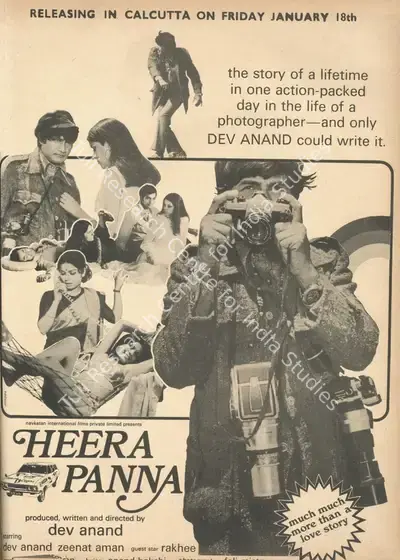
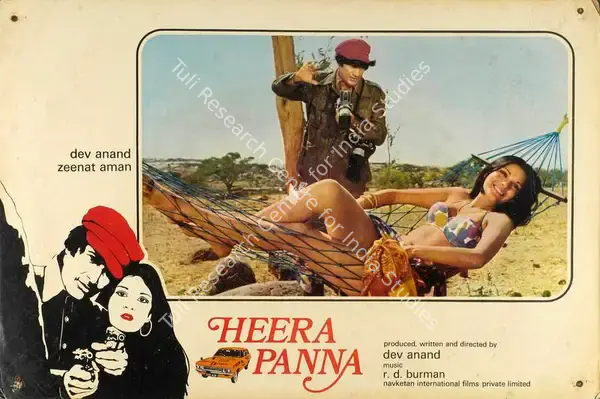
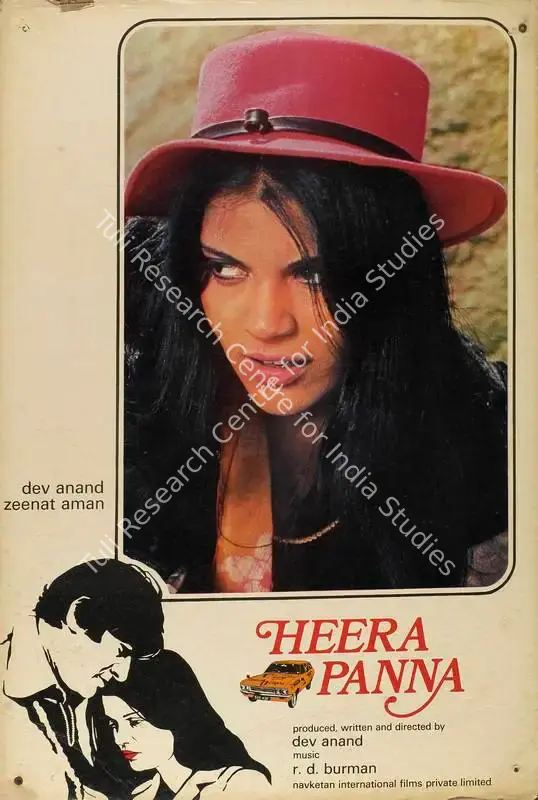
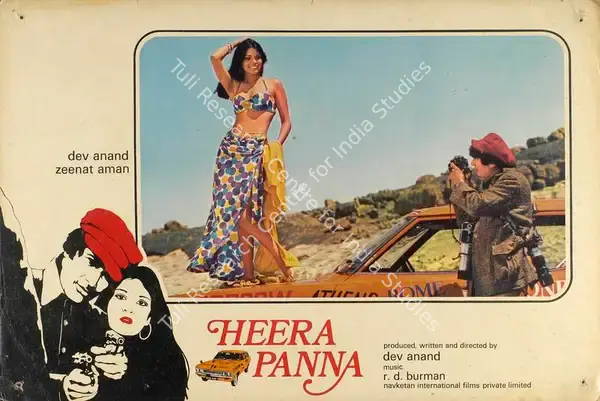
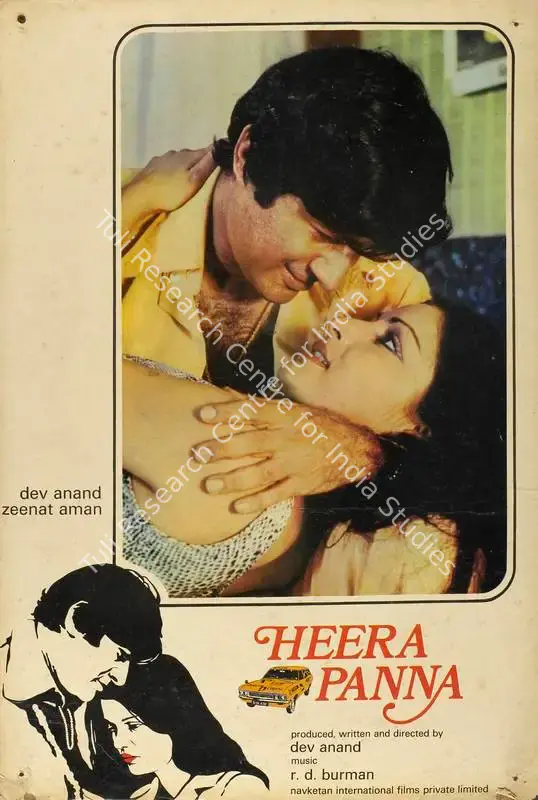
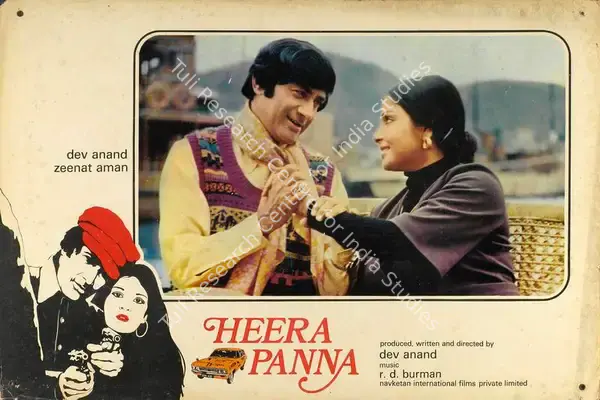
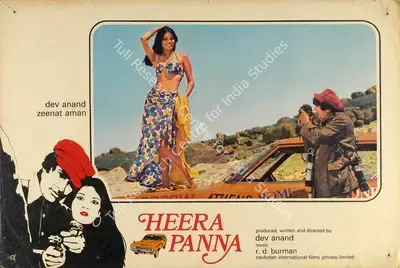
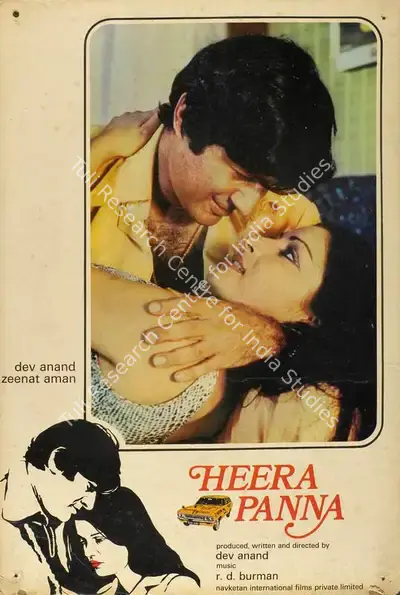
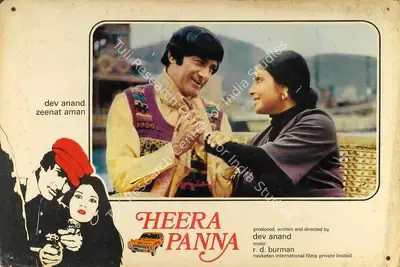
Heera Panna, Executive Producer, 1973
Heera Panna | Hindi | Executive Producer
1973 | Feature | Fiction | India
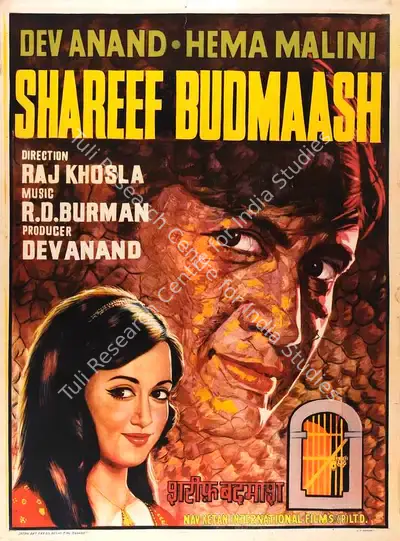
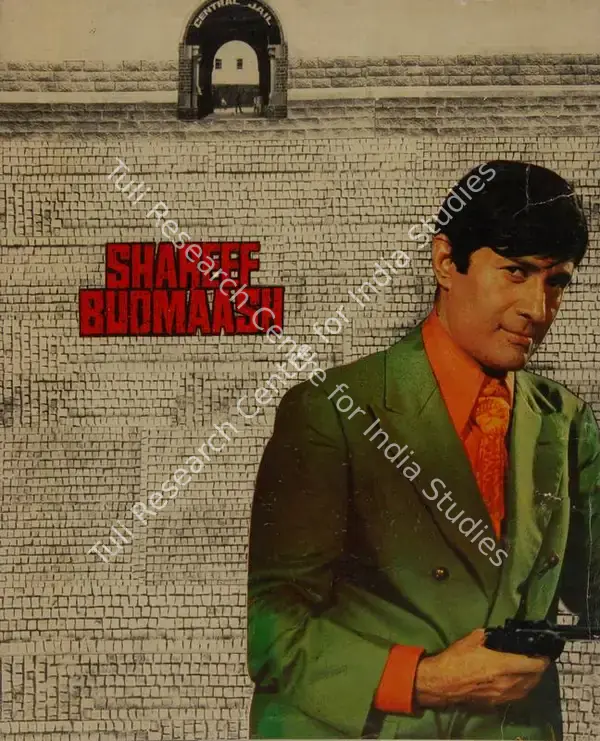
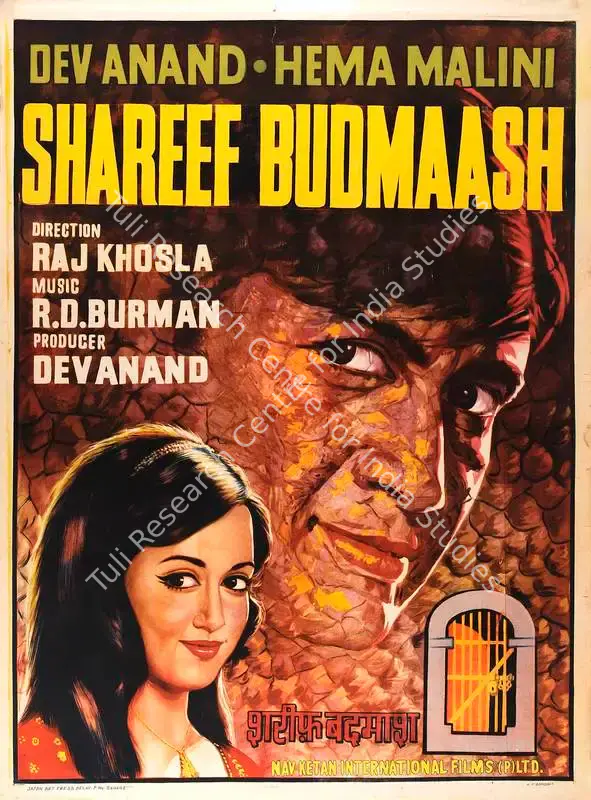
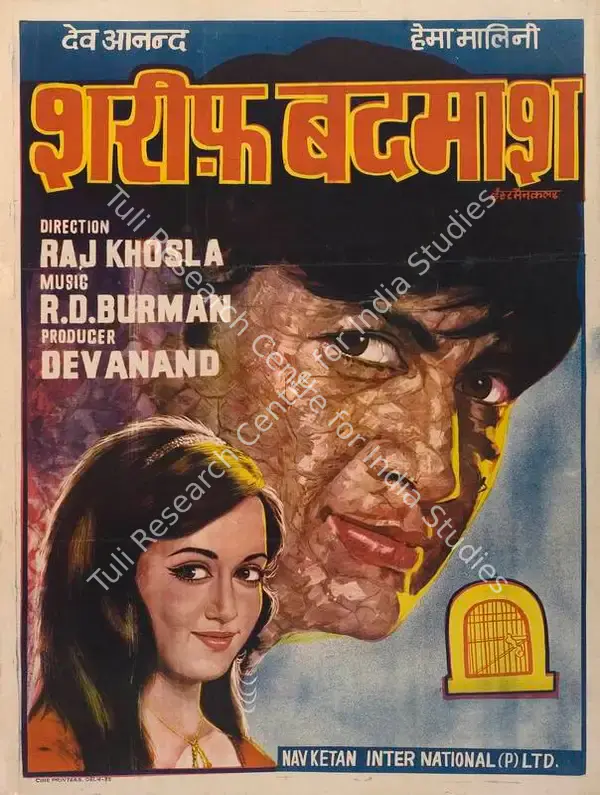
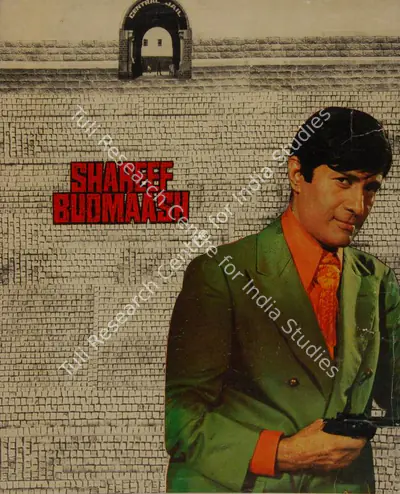
Shareef Budmaash, Executive Producer, 1973
Shareef Budmaash | Hindi | Executive Producer
1973 | Feature | Colour | India
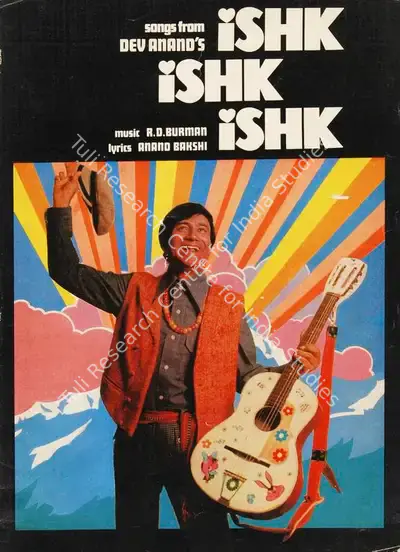
Ishk Ishk Ishk, Executive Producer, 1974
Ishk Ishk Ishk | Hindi | Executive Producer
1974 | India
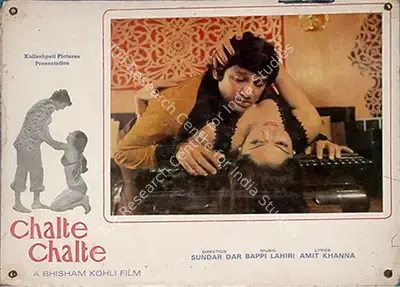
Chalte Chalte, Lyricist, 1976
Chalte Chalte | Hindi | Lyricist
1976 | India
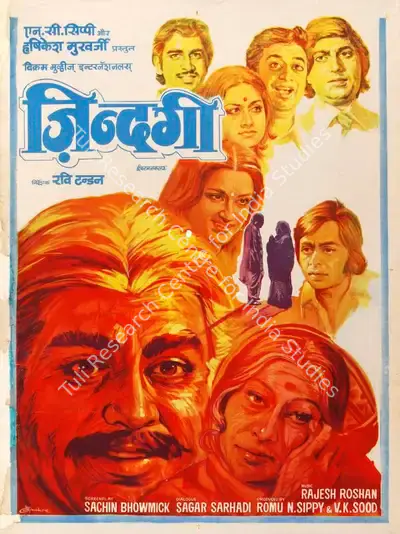
Zindagi, Lyricist, 1976
Zindagi | Hindi | Lyricist
1976 | Feature | Fiction | Colour | India
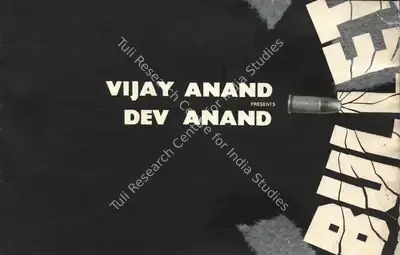
Bullet, Executive Producer, 1976
Bullet | Hindi | Executive Producer
1976 | Feature | Fiction | Colour | India
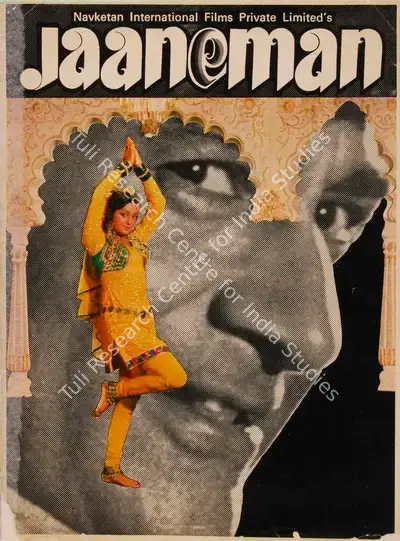
Jaaneman, Executive Producer, 1976
Jaaneman | Hindi | Executive Producer
1976 | Feature | Fiction | Colour | India
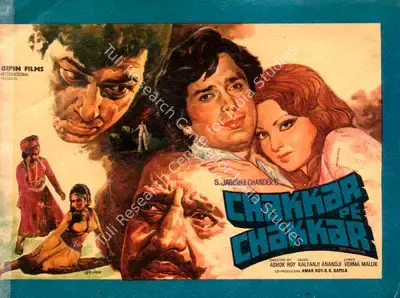
Chakkar Pe Chakkar, Story Writer, 1977
Chakkar Pe Chakkar | Hindi | Story Writer
1977 | India
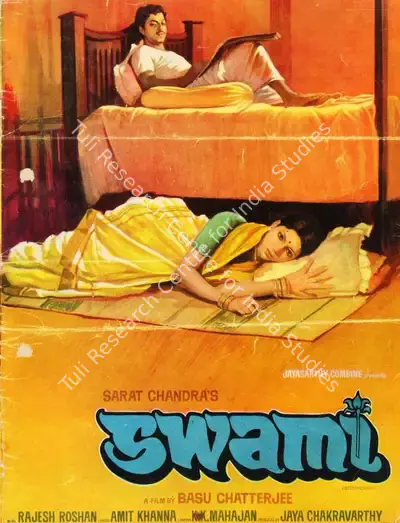
Swami, Lyricist, 1977
Swami | Hindi | Lyricist
1977 | Feature | Fiction | Colour | India
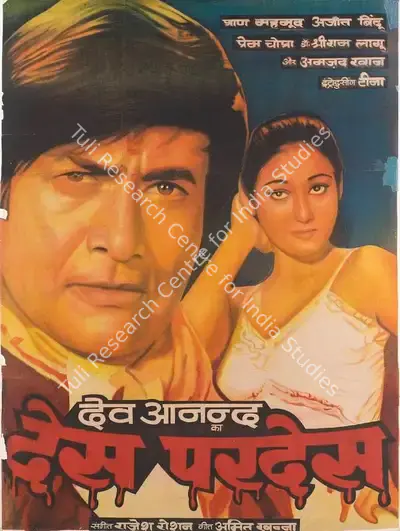
Des Pardes, Lyricist, Executive Producer, 1978
Des Pardes | Hindi | Lyricist, Executive Producer
1978 | Feature | India
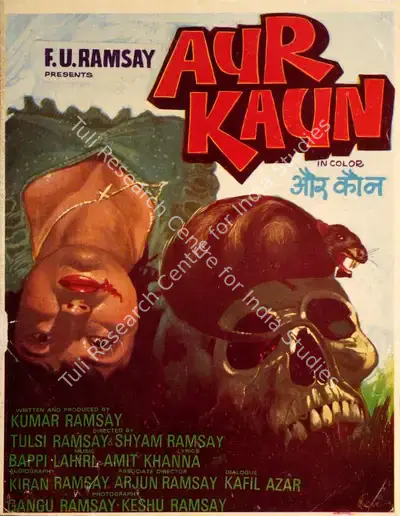
Aur Kaun, Lyricist, 1979
Aur Kaun | Hindi | Lyricist
1979 | Feature | India
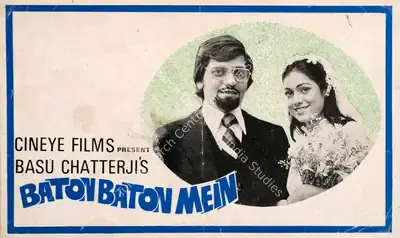
Baton Baton Mein, Lyricist, 1979
Baton Baton Mein | Hindi | Lyricist
1979 | Feature | Colour | India
Man Pasand, Producer, Lyricist, 1980
Man Pasand | Hindi | Producer, Lyricist
1980 | Feature | Fiction | Colour | India
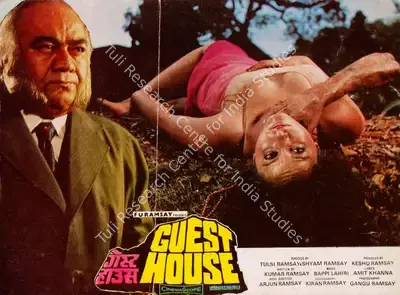
Guest House, Lyricist, 1980
Guest House | Hindi | Lyricist
1980 | Feature | India
Lootmaar, Lyricist, Executive Producer, 1980
Lootmaar | Hindi | Lyricist, Executive Producer
1980 | India
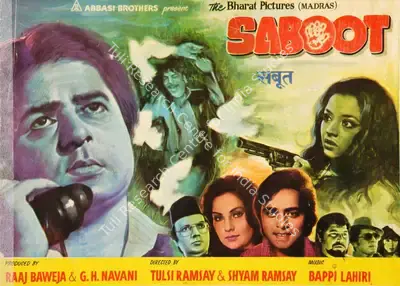
Saboot, Lyricist, 1980
Saboot | Hindi | Lyricist
1980 | Feature | India
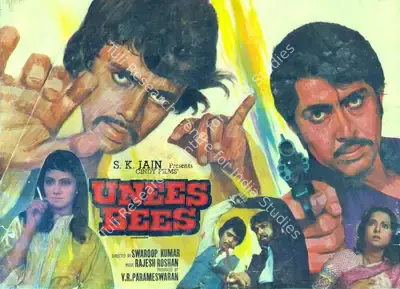
Unees Bees, Lyricist, 1980
Unees Bees | Hindi | Lyricist
1980 | India
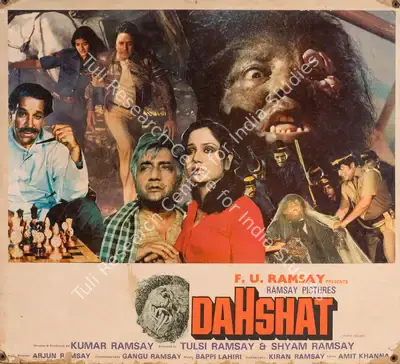
Dahshat, Lyricist, 1981
Dahshat | Hindi | Lyricist
1981 | Feature | India
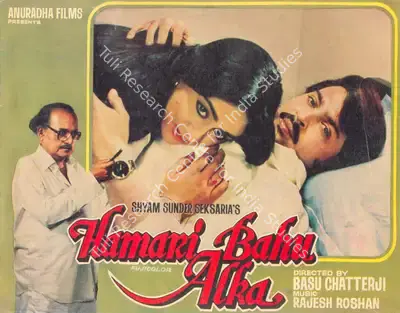
Hamari Bahu Alka, Lyricist, 1981
Hamari Bahu Alka | Hindi | Lyricist
1981 | Feature | Fiction | Colour | India
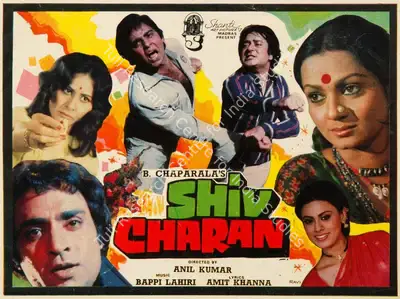
Shiv Charan, Lyricist, 1982
Shiv Charan | Hindi | Lyricist
1982 | India
20 of 60

Research Centre
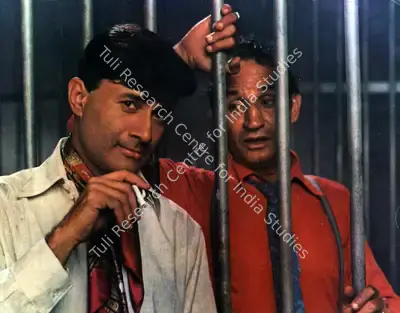
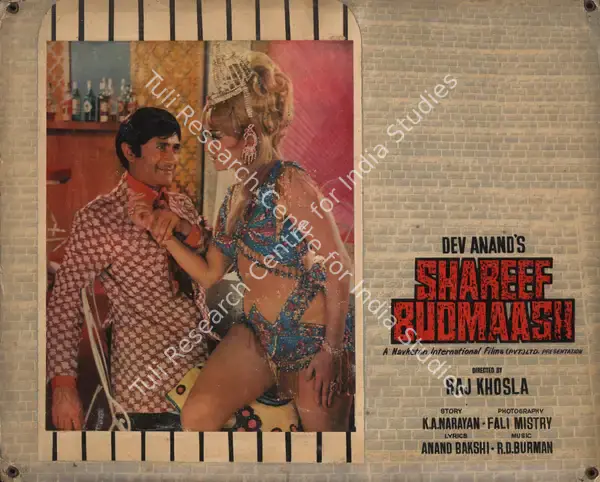
Dev Anand (Producer), Shareef Budmaash, 1973, Photographic Still
Dev (Producer), Shareef Budmaash, 1973 | Photographic Still
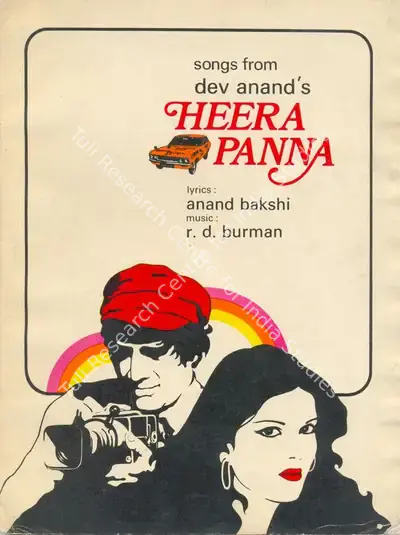
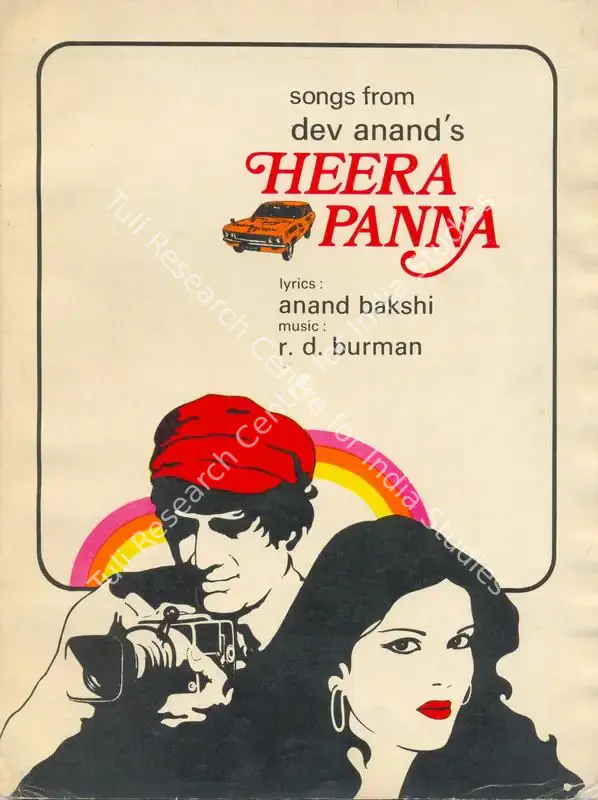
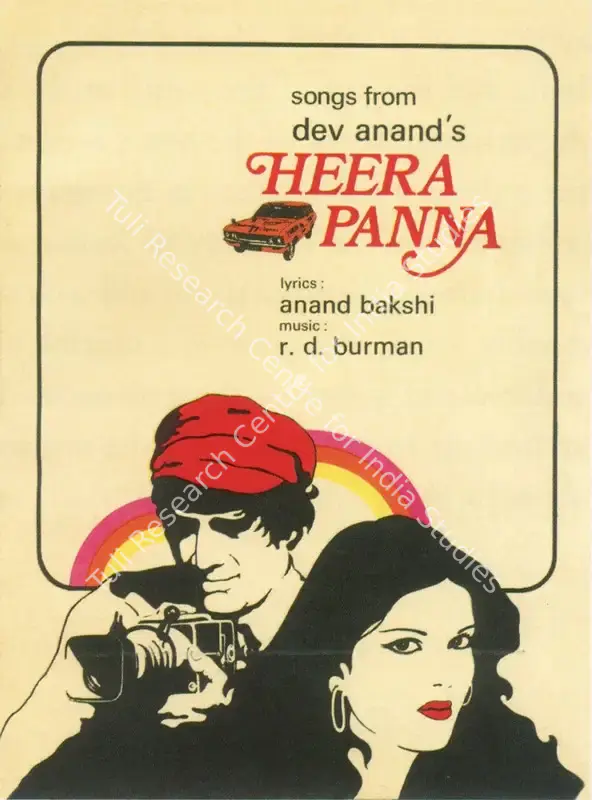
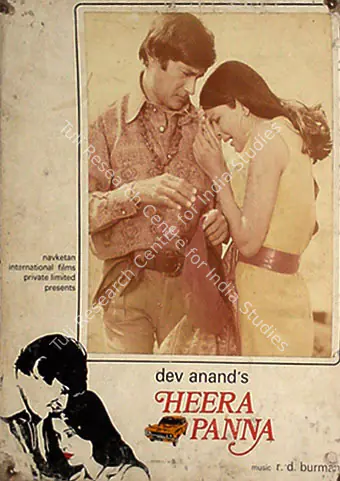
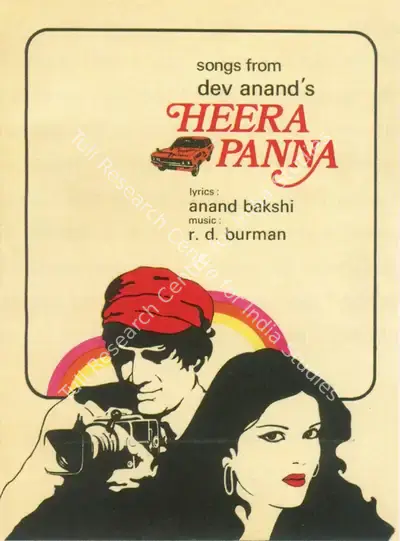
Dev Anand (Producer), Heera Panna, 1973, Song-Synopsis Booklet
Anand, Dev (Producer), Heera Panna, 1973 | Song-Synopsis Booklet
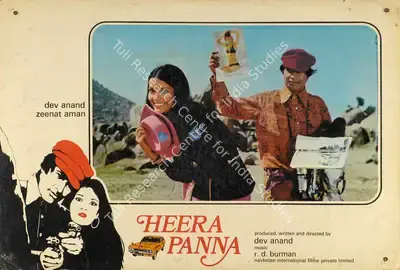
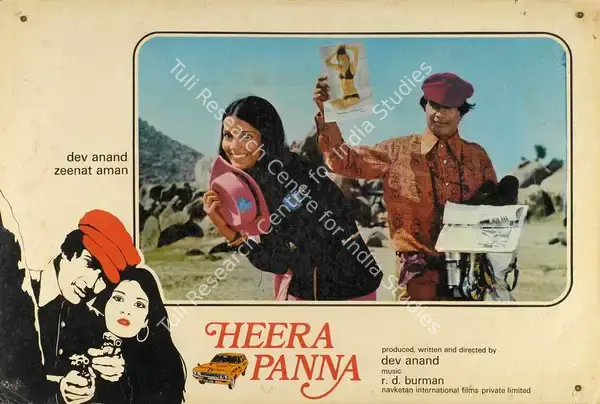
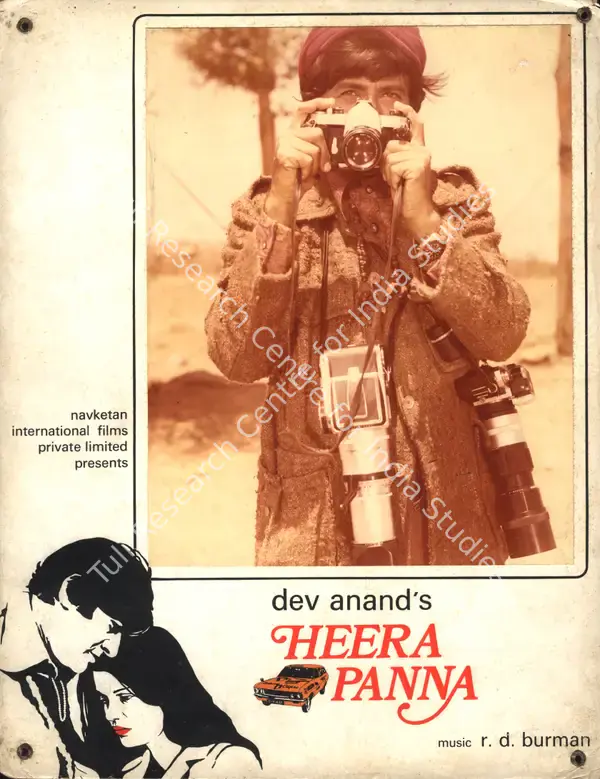
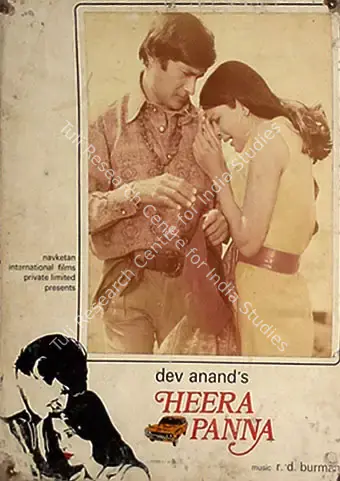
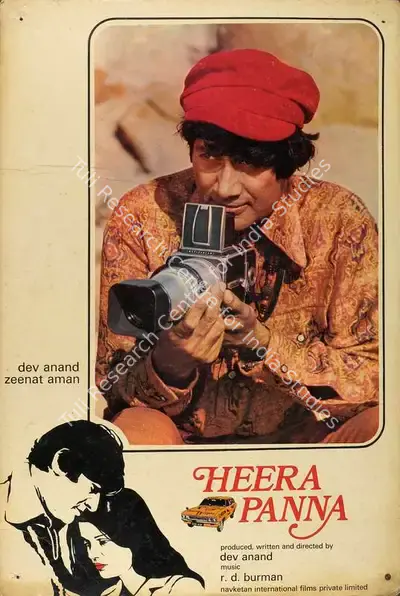
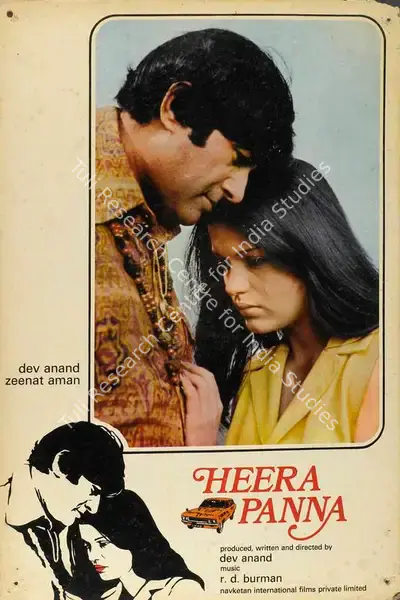
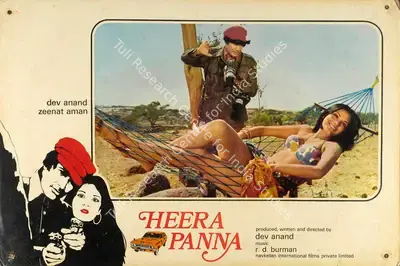
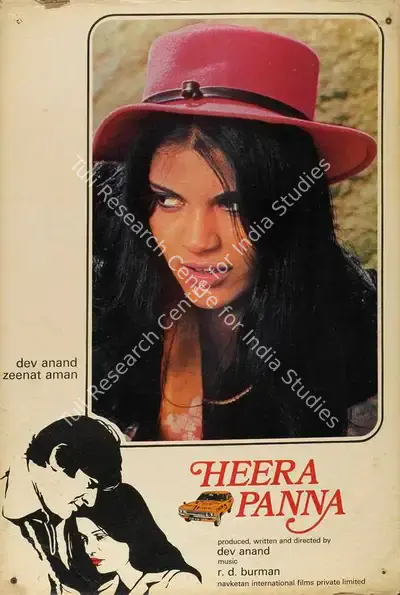
Dev Anand (Producer), Heera Panna, 1973, Lobby Card
Anand, Dev (Producer), Heera Panna, 1973 | Lobby Card
Dev Anand (Producer), Heera Panna, 1973, Lobby Card
Anand, Dev (Producer), Heera Panna, 1973 | Lobby Card
Dev Anand (Producer), Heera Panna, 1973, Lobby Card
Anand, Dev (Producer), Heera Panna, 1973 | Lobby Card
Dev Anand (Producer), Heera Panna, 1973, Lobby Card
Anand, Dev (Producer), Heera Panna, 1973 | Lobby Card
Dev Anand (Producer), Heera Panna, 1973, Lobby Card
Anand, Dev (Producer), Heera Panna, 1973 | Lobby Card
Dev Anand (Producer), Heera Panna, 1973, Lobby Card
Anand, Dev (Producer), Heera Panna, 1973 | Lobby Card
Dev Anand (Producer), Heera Panna, 1973, Lobby Card
Anand, Dev (Producer), Heera Panna, 1973 | Lobby Card
Dev Anand (Producer), Heera Panna, 1973, Lobby Card
Anand, Dev (Producer), Heera Panna, 1973 | Lobby Card
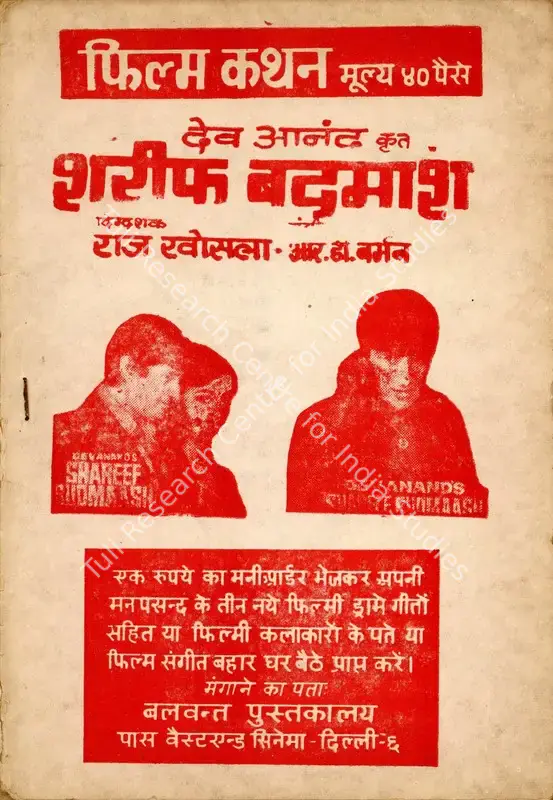
Dev Anand (Producer), Shareef Budmaash, 1973, Song-Synopsis Booklet
Anand, Dev (Producer), Shareef Budmaash, 1973 | Song-Synopsis Booklet
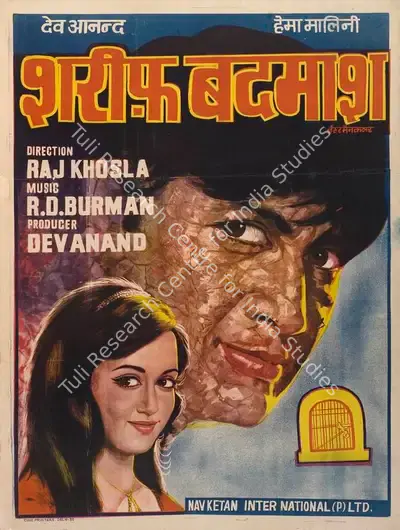
Dev Anand (Producer), Shareef Budmaash, 1973, Full Sheet Poster
Anand, Dev (Producer), Shareef Budmaash, 1973 | Full Sheet Poster
Dev Anand (Producer), Shareef Budmaash, 1973, Full Sheet Poster
Anand, Dev (Producer), Shareef Budmaash, 1973 | Full Sheet Poster
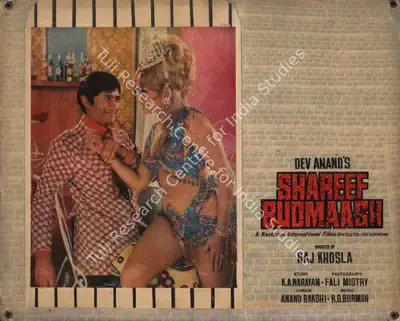
Dev Anand (Producer), Shareef Budmaash, 1973, Photographic Still Mounted on Lobby Card
Anand, Dev (Producer), Shareef Budmaash, 1973 | Photographic Still Mounted on Lobby Card
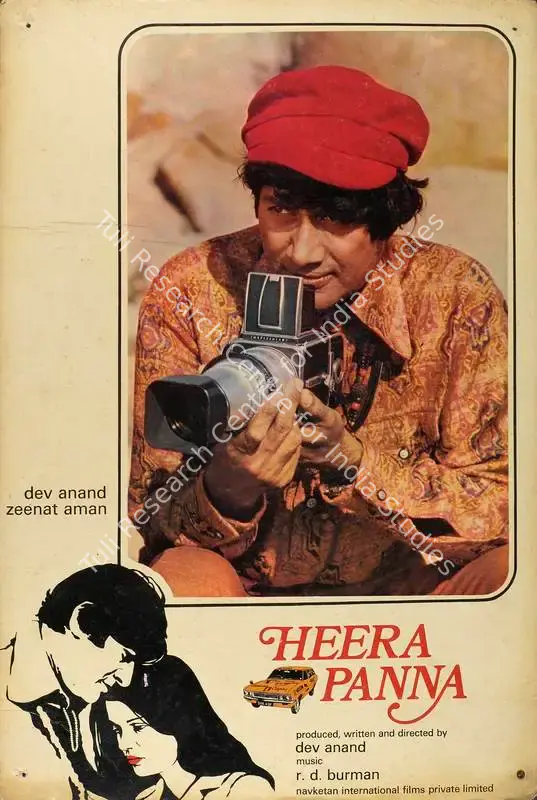
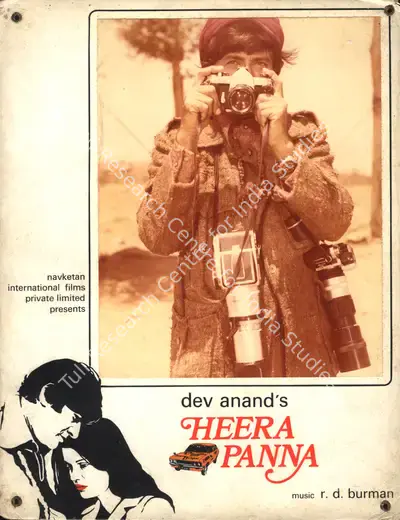
Dev Anand (Producer), Heera Panna, 1973, Photographic Still Mounted on Lobby Card
Anand, Dev (Producer), Heera Panna, 1973 | Photographic Still Mounted on Lobby Card
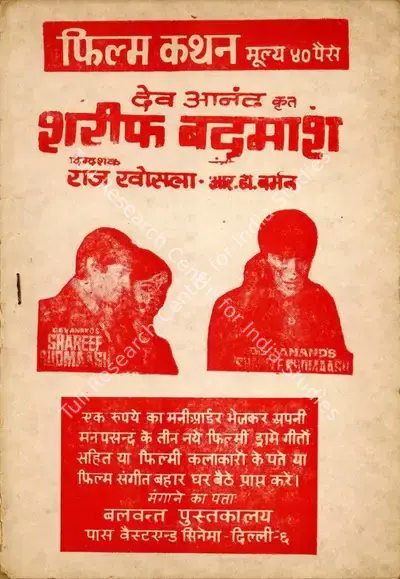
Dev Anand (Producer), Shareef Budmaash, 1973, Cyclostyled Lyrics Leaflet
Anand, Dev (Producer), Shareef Budmaash, 1973 | Cyclostyled Lyrics Leaflet
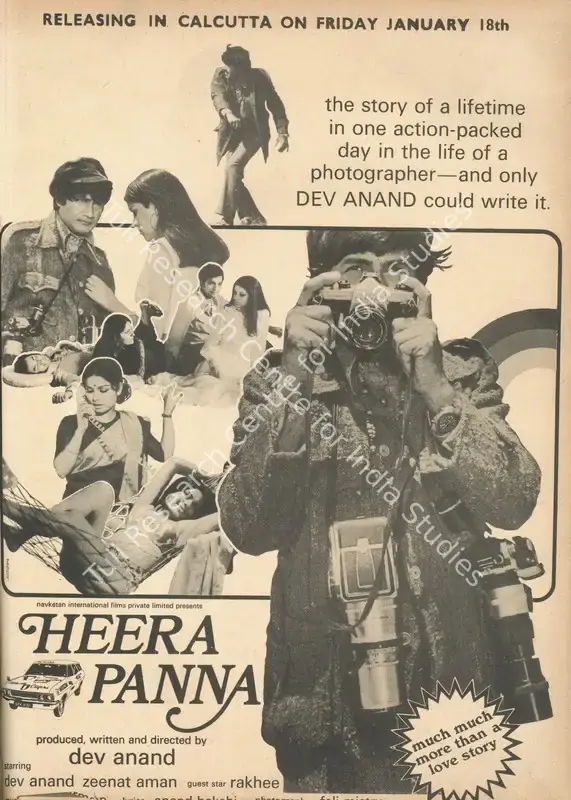
Dev Anand (Producer), Heera Panna, 1973, Advertisement
Anand, Dev (Producer), Heera Panna, 1973 | Advertisement
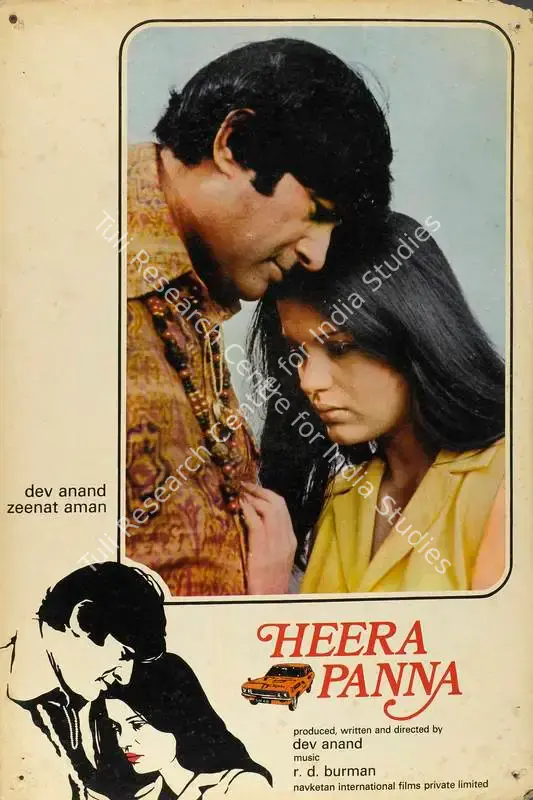
Dev Anand (Producer), Heera Panna, 1973, Photographic Still Mounted on Lobby Card
Anand, Dev (Producer), Heera Panna, 1973 | Photographic Still Mounted on Lobby Card
Dev Anand (Producer), Heera Panna, 1973, Poster
Anand, Dev (Producer), Heera Panna, 1973 | Poster
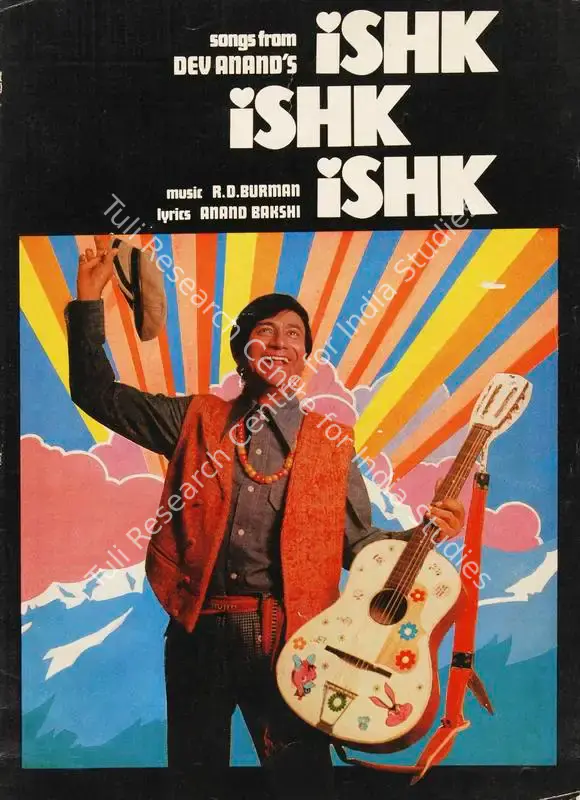
Dev Anand (Producer), Ishk Ishk Ishk, 1974, Song-Synopsis Booklet
Anand, Dev (Producer), Ishk Ishk Ishk, 1974 | Song-Synopsis Booklet
20 of 148
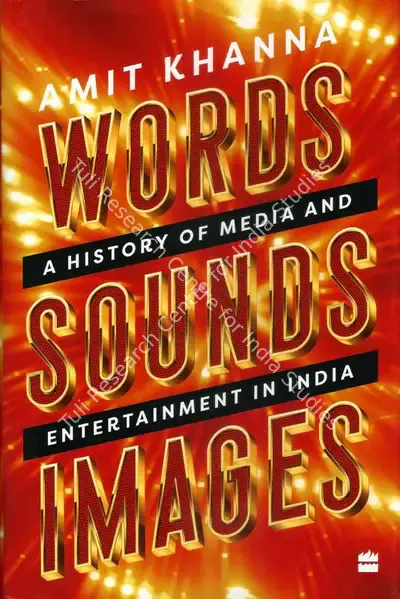
Amit Khanna (Author), Words Sounds Images, 2020, Authored Book
Khanna, Amit (Author). Words Sounds Images, 2020 | Authored Book | 00843986
Dev Anand (Producer), Shareef Budmaash, 1973, Photographic Still
Dev (Producer), Shareef Budmaash, 1973 | Photographic Still
Dev Anand (Producer), Heera Panna, 1973, Song-Synopsis Booklet
Anand, Dev (Producer), Heera Panna, 1973 | Song-Synopsis Booklet
Dev Anand (Producer), Heera Panna, 1973, Lobby Card
Anand, Dev (Producer), Heera Panna, 1973 | Lobby Card
Dev Anand (Producer), Heera Panna, 1973, Lobby Card
Anand, Dev (Producer), Heera Panna, 1973 | Lobby Card
Dev Anand (Producer), Heera Panna, 1973, Lobby Card
Anand, Dev (Producer), Heera Panna, 1973 | Lobby Card
Dev Anand (Producer), Heera Panna, 1973, Lobby Card
Anand, Dev (Producer), Heera Panna, 1973 | Lobby Card
Dev Anand (Producer), Heera Panna, 1973, Lobby Card
Anand, Dev (Producer), Heera Panna, 1973 | Lobby Card
Dev Anand (Producer), Heera Panna, 1973, Lobby Card
Anand, Dev (Producer), Heera Panna, 1973 | Lobby Card
Dev Anand (Producer), Heera Panna, 1973, Lobby Card
Anand, Dev (Producer), Heera Panna, 1973 | Lobby Card
Dev Anand (Producer), Heera Panna, 1973, Lobby Card
Anand, Dev (Producer), Heera Panna, 1973 | Lobby Card
Dev Anand (Producer), Shareef Budmaash, 1973, Song-Synopsis Booklet
Anand, Dev (Producer), Shareef Budmaash, 1973 | Song-Synopsis Booklet
Dev Anand (Producer), Shareef Budmaash, 1973, Full Sheet Poster
Anand, Dev (Producer), Shareef Budmaash, 1973 | Full Sheet Poster
Dev Anand (Producer), Shareef Budmaash, 1973, Full Sheet Poster
Anand, Dev (Producer), Shareef Budmaash, 1973 | Full Sheet Poster
Dev Anand (Producer), Shareef Budmaash, 1973, Photographic Still Mounted on Lobby Card
Anand, Dev (Producer), Shareef Budmaash, 1973 | Photographic Still Mounted on Lobby Card
Dev Anand (Producer), Heera Panna, 1973, Photographic Still Mounted on Lobby Card
Anand, Dev (Producer), Heera Panna, 1973 | Photographic Still Mounted on Lobby Card
Dev Anand (Producer), Shareef Budmaash, 1973, Cyclostyled Lyrics Leaflet
Anand, Dev (Producer), Shareef Budmaash, 1973 | Cyclostyled Lyrics Leaflet
Dev Anand (Producer), Heera Panna, 1973, Advertisement
Anand, Dev (Producer), Heera Panna, 1973 | Advertisement
Dev Anand (Producer), Heera Panna, 1973, Photographic Still Mounted on Lobby Card
Anand, Dev (Producer), Heera Panna, 1973 | Photographic Still Mounted on Lobby Card
Dev Anand (Producer), Heera Panna, 1973, Poster
Anand, Dev (Producer), Heera Panna, 1973 | Poster
Dev Anand (Producer), Ishk Ishk Ishk, 1974, Song-Synopsis Booklet
Anand, Dev (Producer), Ishk Ishk Ishk, 1974 | Song-Synopsis Booklet
20 of 138
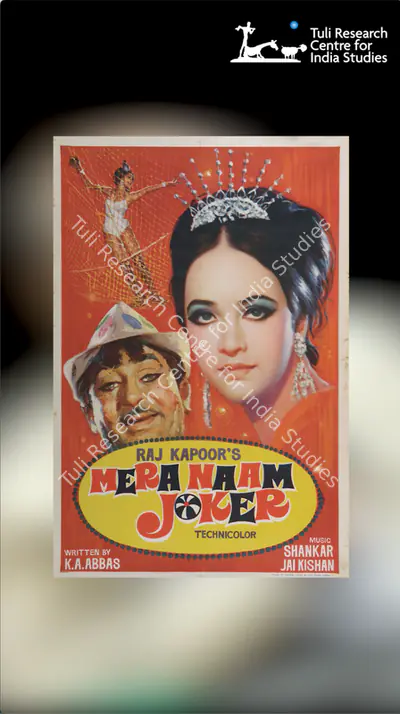
Tuli Research Centre for India Studies (Editor). The Nature of Philosophical and Materialistic Existence in Raj Kapoor's "Jeena Yahan Marna Yahan"| Mera Naam Joker (1970), 06 August 2026 | In-house Video, 2026 · Vertical Video
▶
Tuli Research Centre for India Studies (Editor). The Nature of Philosophical and Materialistic Existence in Raj Kapoor's "Jeena Yahan Marna Yahan"| Mera Naam Joker (1970), 06 August 2026 | In-house Video
2026 · Vertical Video
Tuli Research Centre for India Studies (Editor). Jeena Yahan Marna Yahan: The Existential Vision of Raj Kapoor | Mera Naam Joker (1970), 07 August 2026 | In-house Video, 2026 · 20 min 44 sec · Long-form Video
▶
Tuli Research Centre for India Studies (Editor). Jeena Yahan Marna Yahan: The Existential Vision of Raj Kapoor | Mera Naam Joker (1970), 07 August 2026 | In-house Video
2026 · 20 min 44 sec · Long-form Video
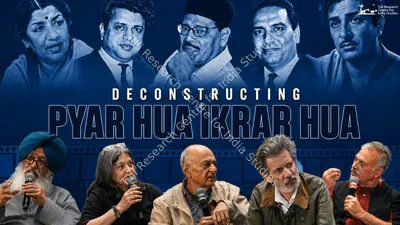
Tuli Research Centre for India Studies (Editor). "Pyaar Hua Ikraar Hua" and the Raj Kapoor-Nargis Pairing That Defined an Era, 06 August 2026 | In-house Video, 2026 · 30 min 39 sec · Long-form Video
▶
Tuli Research Centre for India Studies (Editor). "Pyaar Hua Ikraar Hua" and the Raj Kapoor-Nargis Pairing That Defined an Era, 06 August 2026 | In-house Video
2026 · 30 min 39 sec · Long-form Video
Tuli Research Centre for India Studies (Editor). Uncertainty, Destiny and the Tramp in Raj Kapoor’s "Awara Hoon" | Awara (1951)
, 05 August 2026 | In-house Video, 2026 · 1 min 16 sec · Vertical Video
▶
Tuli Research Centre for India Studies (Editor). Uncertainty, Destiny and the Tramp in Raj Kapoor’s "Awara Hoon" | Awara (1951) , 05 August 2026 | In-house Video
2026 · 1 min 16 sec · Vertical Video
Tuli Research Centre for India Studies (Editor). What made Raj Kapoor's "Awara" one of the most enduring figures in world cinema?, 04 August 2026 | In-house Video, 2026 · 1 min 1 sec · Vertical Video
▶
Tuli Research Centre for India Studies (Editor). What made Raj Kapoor's "Awara" one of the most enduring figures in world cinema?, 04 August 2026 | In-house Video
2026 · 1 min 1 sec · Vertical Video
Tuli Research Centre for India Studies (Editor). From Mumbai to Moscow- The enduring appeal of Raj Kapoor’s “Awara Hoon” | Awara (1951), 04 August 2026 | In-house Video, 2026 · 26 min 5 sec · Long-form Video
▶
Tuli Research Centre for India Studies (Editor). From Mumbai to Moscow- The enduring appeal of Raj Kapoor’s “Awara Hoon” | Awara (1951), 04 August 2026 | In-house Video
2026 · 26 min 5 sec · Long-form Video
Tuli Research Centre for India Studies (Editor). "Ramaiya Vastavaiya"- The Telugu Refrain That Was Never Meant to Survive | Shree 420 (1955), 04 August 2026 | In-house Video, 2026 · 22 min 34 sec · Long-form Video
▶
Tuli Research Centre for India Studies (Editor). "Ramaiya Vastavaiya"- The Telugu Refrain That Was Never Meant to Survive | Shree 420 (1955), 04 August 2026 | In-house Video
2026 · 22 min 34 sec · Long-form Video
Tuli Research Centre for India Studies (Editor). Raj Kapoor's Film Songs: The Soul and Social Vision That Changed Indian Cinema, 04 August 2026 | In-house Video, 2026 · 1 hr 33 min · Long-form Video
▶
Tuli Research Centre for India Studies (Editor). Raj Kapoor's Film Songs: The Soul and Social Vision That Changed Indian Cinema, 04 August 2026 | In-house Video
2026 · 1 hr 33 min · Long-form Video
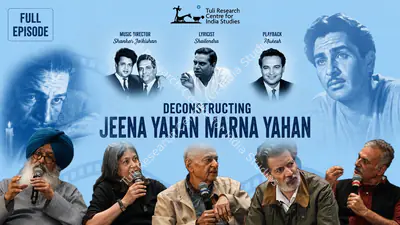
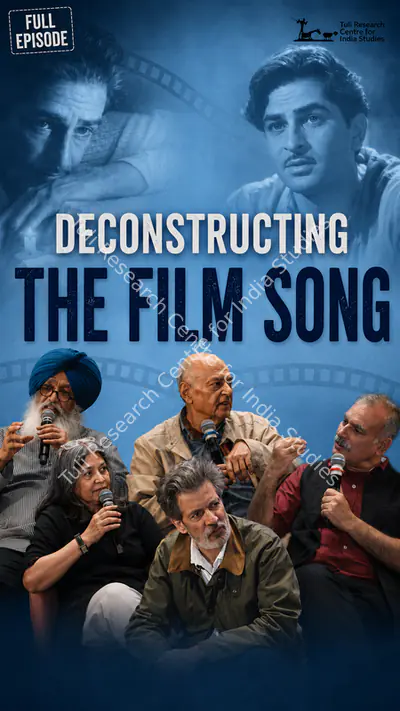
Tuli Research Centre for India Studies (Editor). Why Do the Classic Film Songs of filmmakers such as Raj Kapoor, Guru Dutt, Chetan Anand, V. Shantaram, B.R. Chopra, still move and inspire us?, 21 July 2026 | In-house Video, 2026 · 1 min 30 sec · Vertical Video
▶
Tuli Research Centre for India Studies (Editor). Why Do the Classic Film Songs of filmmakers such as Raj Kapoor, Guru Dutt, Chetan Anand, V. Shantaram, B.R. Chopra, still move and inspire us?, 21 July 2026 | In-house Video
2026 · 1 min 30 sec · Vertical Video

Posts 4

  1. Raj Kapoor's Film Songs Decoded | Awara Hoon, Pyar Hua Ikrar Hua & More (Trailer)
    Raj Kapoor's Film Songs Decoded | Awara Hoon, Pyar Hua Ikrar Hua & More (Trailer)
    "Raj Kapoor's tramp, the wide-eyed wanderer in oversized clothes and a battered hat, was one of Hindi cinema's most deliberate creative constructions. Borrowed in spirit from Charlie Chaplin but rooted firmly in the anxieties of post-independence India, the figure carried the dreams and displacements of a nation still finding its footing. "Awara Hoon" from Awara (1951) became the song that gave that figure its voice, and its reach was extraordinary. In this clip, the panel discusses how the film introduced Raj Kapoor to audiences across the erstwhile Soviet Union, China and beyond. Composer-Writer Madan Gopal Singh points to ""Ramaiya Vastavaiya"" from Shree 420 (1955) as a moment of genuine creative risk, where Lata Mangeshkar's voice moves the song from a collective street chorus into something laden with intimate individuality. The panel also deconstructs two more songs from Raj Kapoor's career: "Pyar Hua Ikrar Hua" from Shree 420 (1955) and "Jeena Yahan Marna Yahan" from Mera Naam Joker (1970), examining what makes them endure across generations. In the workshop "A Musical Glue for Nation-Building: Deconstructing the Film Song," organised by the Tuli Research Centre for India Studies (T.R.I.S.), Madan Gopal Singh, Juhi Saklani, Ravikant, and Amit Khanna, in conversation with Neville Tuli, explore the lasting appeal of these songs and what they reveal about India's greatest showman's vision of cinema, emotion, and India itself.
    1_CinemaEducation
    Raj KapoorShailendraMukeshMera Naam JokerAwaraShree 420Khwaja Ahmad AbbasRavikant+4 more
    Read Post →
  2. Uncertainty, Destiny and the Tramp in Raj Kapoor's "Awara Hoon" | Awara (1951)
    Uncertainty, Destiny and the Tramp in Raj Kapoor's "Awara Hoon" | Awara (1951)
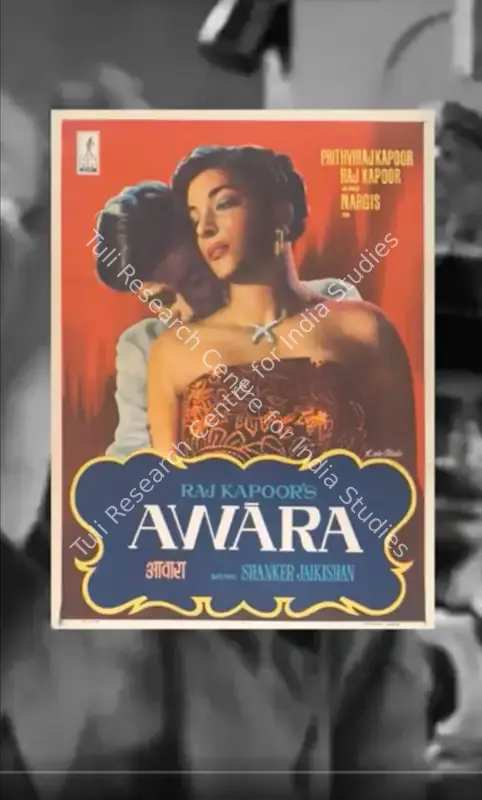
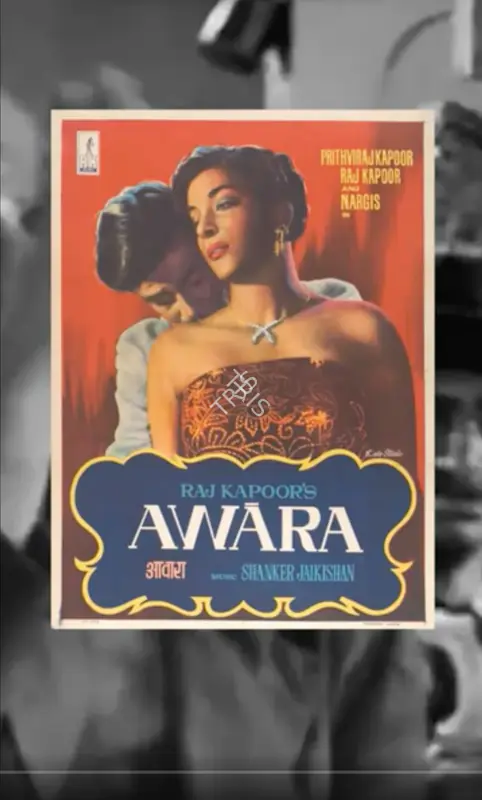
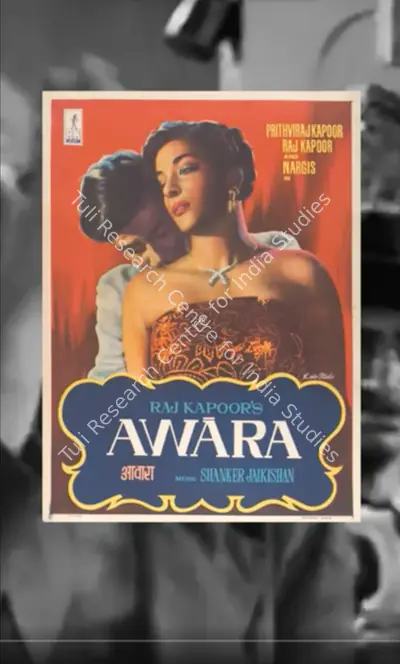
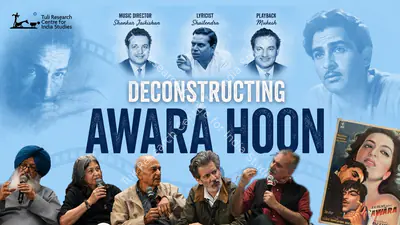
    What exactly is “Awaara Hoon” from Raj Kapoor's Awaara (1951) about? A song that lives inside too many uncertainties keeps asking the question, am I a wanderer, or a star in orbit (Gardish mein hun ya aasman ka taara hoon). There is no home, no belongingness, no clear destiny, only movement, longing, and doubt. It is the sound of a world that's unsure of itself, and still singing joyously. Visually, the influence of Charlie Chaplin is unmistakable. From Raj Kapoor's attire to his tramp's gait, the vagabond persona is shaped by Chaplin's image of the little man buffeted by forces beyond his control. The song turns that figure into a symbol of the post-independence anxiety about entitlement, class, and the future; yet capturing the emotion of being spirited, hopeful, and strangely free. The collaboration of Raj Kapoor, the lyricist Shailendra, composers Shankar–Jaikishan, and singer Mukesh, creates a song that is at once both philosophical and popular. It poses questions about destiny and identity while also reaching millions as an unforgettable film hit. Panelists Amit Khanna, Madan Gopal Singh, Ravikant, Juhi Saklani, and Neville Tuli, examine this iconic song, sung by Mukesh, with lyrics by Shailendra and music by Shankar–Jaikishan in this video from 'A Musical Glue for Nation-Building: Deconstructing the Film Song' session, presented by the Tuli Research Centre for India Studies (T.R.I.S.) at the 7th Self-Discovery via Rediscovering India Festival.
    1_CinemaEducation
    Raj KapoorShailendraMukeshShankar-JaikishanAwaraRavikantMadan Gopal SinghAmit Khanna+2 more
    Read Post →
  3. The Nature of Philosophical and Materialistic Existence in Raj Kapoor's "Jeena Yahan Marna Yahan"| Mera Naam Joker (1970)
    The Nature of Philosophical and Materialistic Existence in Raj Kapoor's "Jeena Yahan Marna Yahan"| Mera Naam Joker (1970)
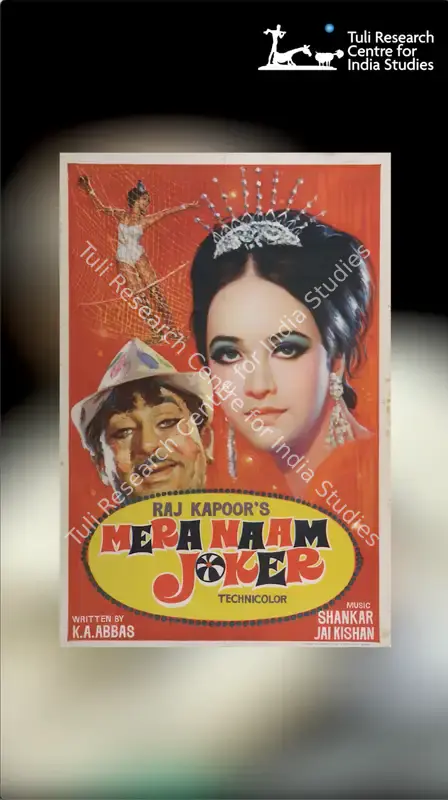
    "Jeena Yahan Marna Yahan" from Mera Naam Joker (1970) was penned by Shailendra, composed by Shankar-Jaikishan, and sung by Mukesh. The song is situated at the philosophical heart of Raj Kapoor's most personal and ambitious film. The film was a commercial disaster on release, and as Neville Tuli notes, both the song and the film found the audiences' acknowledgement only years later. Filmmaker-Lyricist Amit Khanna reveals a lesser-known detail about its making: the song was shot in Delhi at the Gemini Circus, but it had become extremely difficult to gather all the stars, who by that point had become huge in their own careers, at one point of time. The scenes featuring them were shot solo and then later assembled in Bombay to be inserted into the song sequence. Ravikant, Professor, CSDS (The Centre for the Study of Developing Societies), reads the song as both a philosophical and a deeply materialistic reflection on existence. There is a continuity in the persona that may take rebirth, he argues, but it is not the same person who returns. The world itself is one's heaven and hell simultaneously, and that, he suggests, is why we return to this song whenever life demands reflection. This clip is from the workshop "A Musical Glue for Nation-Building: Deconstructing the Film Song," conducted by the Tuli Research Centre for India Studies (T.R.I.S.) at the 7th Self-Discovery via Rediscovering India Festival, featuring Madan Gopal Singh, Amit Khanna, Ravikant, Juhi Saklani, and Neville Tuli.
    1_CinemaEducation
    Raj KapoorMera Naam JokerShailendraMukeshAmit KhannaRavikantMadan Gopal SinghNeville Tuli+1 more
    Read Post →
  4. "Pyar Hua Ikrar Hua"- Love, Romance and the Idea of India | Shree 420 (1955)
    "Pyar Hua Ikrar Hua"- Love, Romance and the Idea of India | Shree 420 (1955)
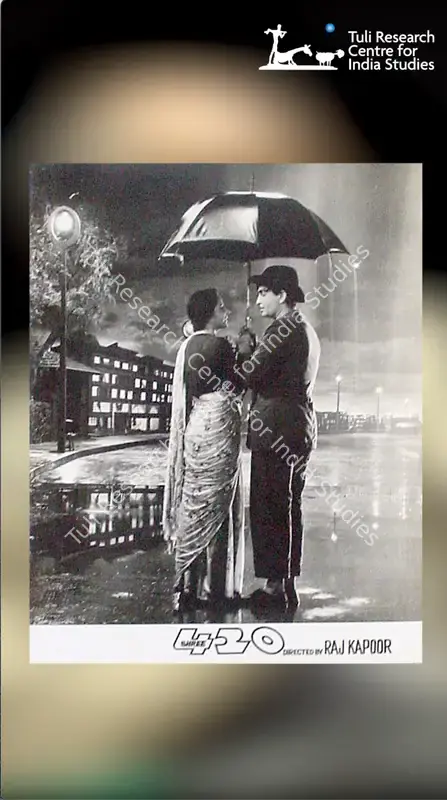
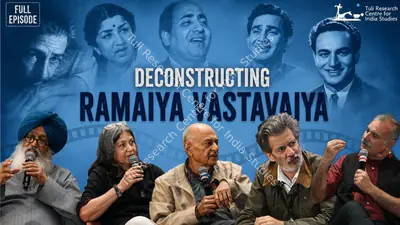
    "Pyar Hua Ikrar Hua" from Shree 420 (1955) at first glance is a song about two people standing in the rain, declaring their love for each other with nothing to their names. This conversation between the panelists peels back the layers, finding in it a richness that a casual listen rarely reveals. Filmmaker-Lyricist Amit Khanna opens with an anecdote about the battle between Raj Kapoor and Shankar-Jaikishan over whether Manna Dey or Mukesh should sing the song. It was Manna Dey who finally got the opportunity, and his voice immortalised it. Ravikant, Professor, CSDS (The Centre for the Study of Developing Societies), draws a parallel between the song and Roland Barthes' A Lover's Discourse, noting how the lovers believe their love to be eternal and absolute. For Ravikant, that sense of transcendence finds its most powerful visual expression when the camera pans to three young children, an image of radiant vitality that lifts the moment beyond the two figures standing in the rain. Composer-Writer Madan Gopal Singh reads the song through a different lens, comparing the condition of the two destitute lovers to that of newly independent India itself, a nation full of longing, uncertain of its footing, but reaching toward something better. This clip is from the workshop "A Musical Glue for Nation-Building: Deconstructing the Film Song" presented by the Tuli Research Centre for India Studies (T.R.I.S.) at the 7th Self-Discovery via Rediscovering India Festival, featuring Madan Gopal Singh, Amit Khanna, Ravikant, Juhi Saklani, and Neville Tuli.
    1_CinemaEducation
    Raj KapoorShree 420Shankar-JaikishanManna DeyAmit KhannaRavikantMadan Gopal SinghNeville Tuli+1 more
    Read Post →

Related

22

Films

17

A Mouthful of Sky 1995Film Producer
Aur Ek Prem Kahani 1996Film Producer
Badalte Rishte 1996Film Producer
Bhairavi 1996Film Producer
Chakkar Pe Chakkar 1977Story Writer
Gudia 1996Film Producer
Is Raat Ki Subah Nahin 1996Film Producer
Laalchee 1996Film Producer
Main Zinda Hoon 1988Story Writer
Man Pasand 1980Film Producer
Mumkin 1996Film Producer
Papa Kahte Hain 1995Film Producer
SaaranshComparable Artworks
Sheeshe Ka Ghar 1984Screenplay · Story Writer +1
Shesh 1988Screenplay · Story Writer +1
Swabhimaan 1995Film Producer
Zameen Aasmaan 1995Film Producer

Personalities

5

Dev AnandComparable Artworks
Fali MistryComparable Artworks
Jal MistryComparable Artworks
Mahesh BhattComparable Artworks
Vijay AnandComparable Artworks
Tuli Research Centre for India Studies
Tuli Research Centre
for India Studies

A free and open knowledge base for the modern and contemporary Indian arts, cinema, photography and cultural heritage.

Support

Contact Us

Discover

Tuli Research Centre for India StudiesVisionManifestoArchive & LibraryVanraja Sanctuary & Hospice

Legal

Privacy PolicyTerms & Conditions

Follow us

Youtube

Youtube

Instagram

Instagram

Facebook

Facebook

© Tuli Research Centre for India Studies 2026

Tuli Research Centre for India Studies

Tuli Research Centre

for India Studies

A free and open knowledge base for the modern and contemporary Indian arts, cinema, photography and cultural heritage.

Tuli Research Centre for India StudiesVisionManifestoArchive & LibraryVanraja Sanctuary & Hospice
Contact Us
Privacy PolicyTerms & Conditions

Follow us

YoutubeInstagramFacebook

© Tuli Research Centre for India Studies 2026

                          Tuli Research Centre for India Studies (Editor). Uncertainty, Destiny and the Tramp in Raj Kapoor’s "Awara Hoon" | Awara (1951)
, 05 August 2026 | In-house Video | CinemaEducation | 00883651
                          1 min 16 sec · Vertical Video

                          Uncertainty, Destiny and the Tramp in Raj Kapoor’s "Awara Hoon" | Awara (1951)

                          Tuli Research Centre for India Studies (Editor)

                          Document TypeIn-house Video
                          Date05 August 2026
                          Duration1 min 16 sec
                          FormatVertical Video
                          Description
                          What exactly is the song “Awara Hoon” from Raj Kapoor’s Awara (1951) about? Panelists Amit Khanna, Madan Gopal Singh, Ravikant, Juhi Saklani, and Neville Tuli, examine this iconic song that lives inside too many uncertainties and keeps asking - am I a wanderer, or a star in orbit? There is no home, no belonging, no clear destiny; only movement, longing, and doubt. It is the sound of a world unsure of itself, and still singing. Visually, the influence of Charlie Chaplin is unmistakable. From Raj Kapoor’s attire to his tramp’s gait, the vagabond persona is shaped by Chaplin’s image of the little man buffeted by forces beyond his control. The song turns that figure into a symbol of a whole post-independence generation, uncertain about entitlement, class, and the future, yet still spirited, hopeful, and strangely free. The combined effort of Raj Kapoor, lyricist Shailendra, composers Shankar–Jaikishan, and singer Mukesh, creates a number that is at once philosophical and popular, a song that asks big questions about destiny and identity while reaching millions as an unforgettable hit film song. This video is from 'A Musical Glue for Nation-Building: Deconstructing the Film Song', presented by the Tuli Research Centre for India Studies (T.R.I.S.) at the 7th Self-Discovery via Rediscovering India Festival.

                          Related Links20

                          Masterlist19
                          Raj KapoorShailendraDigital in House VideosCharlie ChaplinMukeshAmit KhannaNeville TuliDeconstructing the Film Song 2026NargisPrithviraj KapoorLeela ChitnisLeela MishraKhwaja Ahmad AbbasRadhu KarmakarHasrat JaipuriShamshad BegumManna DeyLata MangeshkarMohammad Rafi
                          Research Categories
                          01Cinema as a Critical Educational Resource