

Introduction
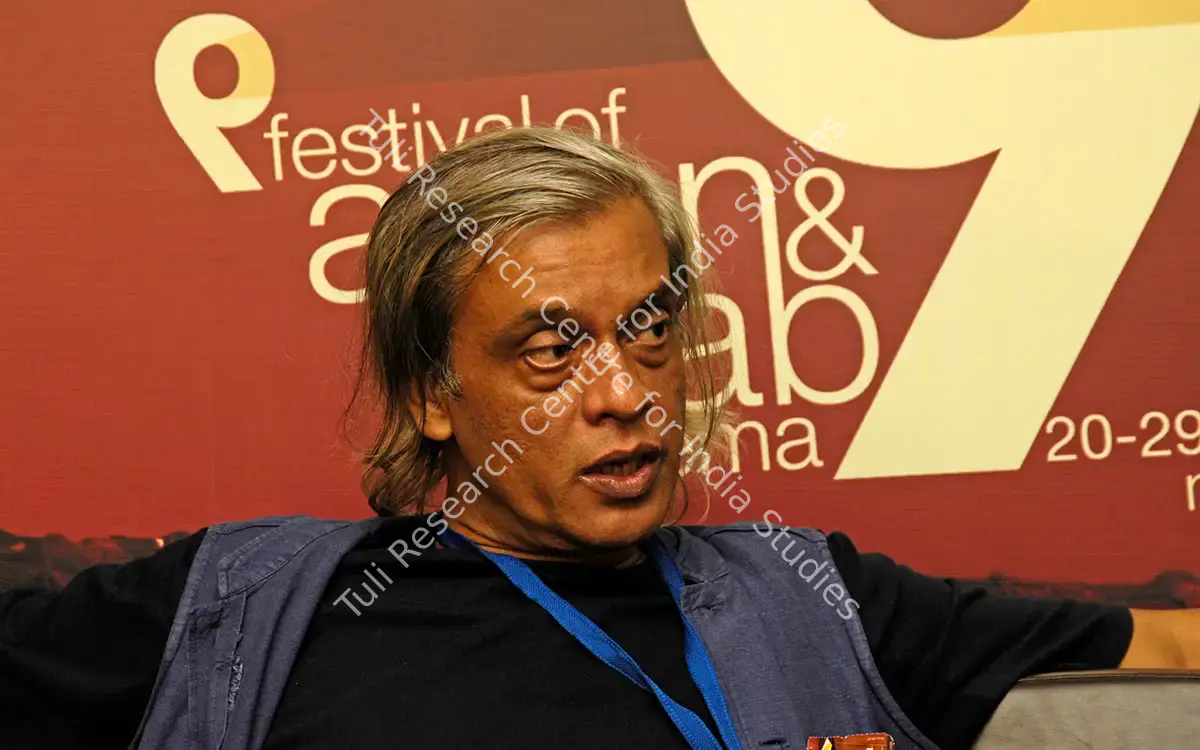
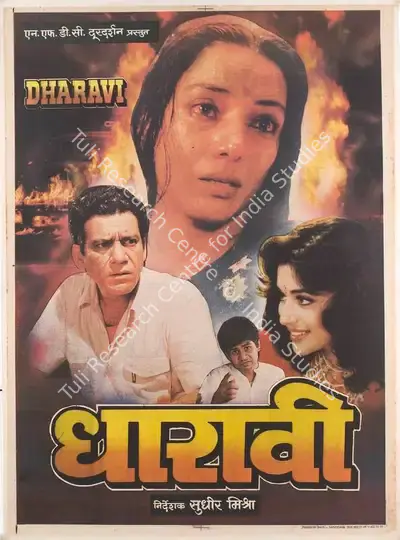
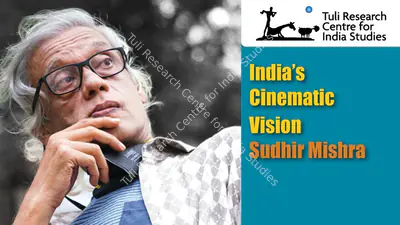
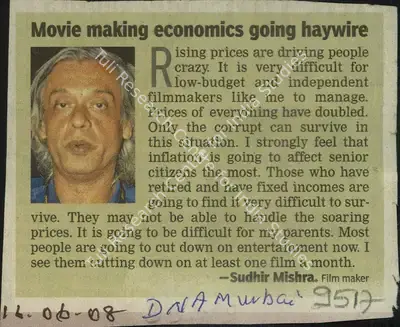
Sudhir Mishra (born 22 January 1959) He is a distinguished Indian filmmaker, screenwriter, and director whose work has significantly shaped contemporary Hindi cinema through its engagement with socio-political realities, moral complexities, and human relationships. His most acclaimed films include Dharavi (1991), Hazaaron Khwaishein Aisi (2003), Chameli (2004), and Serious Men (2020). Over the course of his career, he has received three National Film Awards from the Government of India and the prestigious Ordre des Arts et des Lettres from the Government of France.
Born in Lucknow on 22 January 1959, Mishra was raised in an intellectually stimulating environment. His father, Devendra Nath Mishra, was a noted mathematician, the nineteenth Vice-Chancellor of Banaras Hindu University, and a co-founder of the Lucknow Film Society. His grandfather, Dwarka Prasad Mishra, was an eminent journalist and politician who served as the fourth Chief Minister of Madhya Pradesh. Mishra's artistic sensibilities were further nurtured through an eighteen-month apprenticeship under the renowned theatre director Badal Sircar. Although he never formally studied at the Film and Television Institute of India (FTII), he spent considerable time there while his younger brother, Sudhanshu, was a student, later acknowledging that this experience greatly influenced his understanding of filmmaking. He subsequently earned a Master of Philosophy degree from an institution in Delhi.
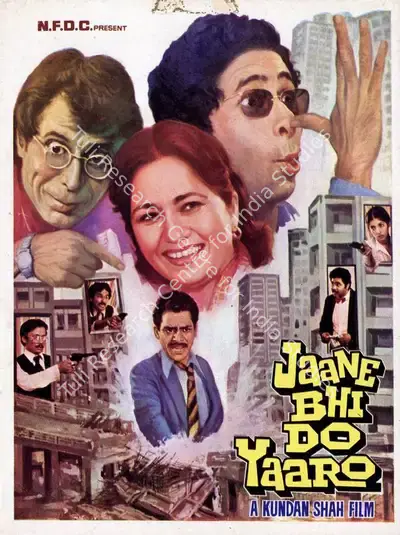
Mishra began his professional career after relocating to Mumbai in 1980, working as an assistant director and screenwriter. He contributed to Kundan Shah's Jaane Bhi Do Yaaron (1983), followed by collaborations with Saeed Akhtar Mirza on Mohan Joshi Hazir Ho! (1984) and Vidhu Vinod Chopra on Khamosh (1985). His directorial debut, Yeh Woh Manzil To Nahin (1987), earned the National Film Award for Best First Film of a Director, establishing him as a significant voice in Indian parallel cinema.
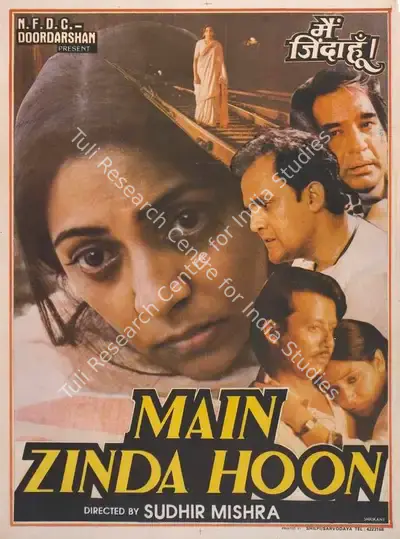
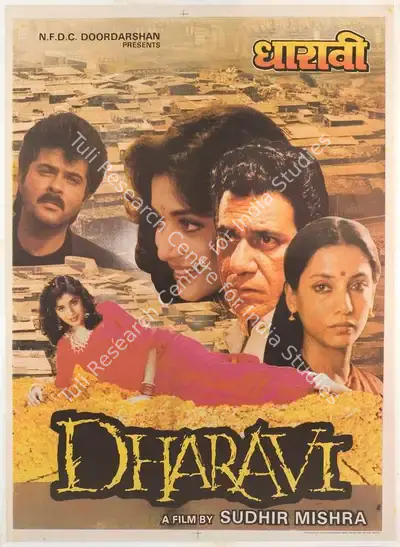
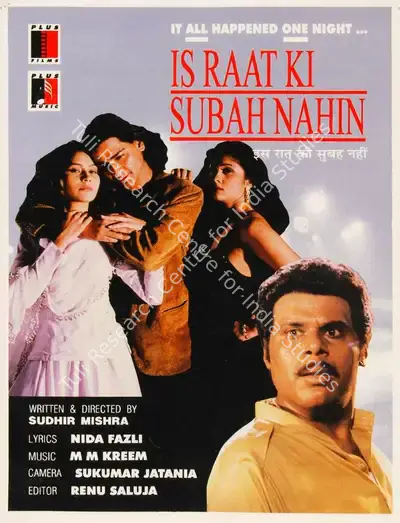
Over the following decades, Mishra developed a distinctive cinematic style characterised by political consciousness, psychological depth, and social realism. His notable works include Main Zinda Hoon (1988), Dharavi, Is Raat Ki Subah Nahin (1996), Chameli, Hazaaron Khwaishein Aisi, Khoya Khoya Chand (2007), Yeh Saali Zindagi (2011), Inkaar (2013), and Daas Dev (2018). He also expanded into digital streaming by directing the Indian adaptation of the Israeli series Hostages, demonstrating his continued engagement with evolving narrative forms.
Mishra's contributions have been recognised through numerous national and international honours. In addition to receiving the Indira Gandhi Award for Best First Film of a Director, he won the National Film Award for Best Film on Other Social Issues for Main Zinda Hoon (1988) and the National Film Award for Best Feature Film in Hindi for Dharavi (1996). His screenplay for Hazaaron Khwaishein Aisi earned the Filmfare Award for Best Story in 2006. He was conferred the Ordre des Arts et des Lettres by the French Government in 2010 and the Yash Bharti Award by the Government of Uttar Pradesh in 2016. More recently, Serious Men received the Filmfare OTT Award for Best Web Original Film in 2021, reaffirming Mishra's enduring relevance and influence within contemporary Indian cinema.
22 जनवरी 1959 को लखनऊ में जन्मे मिश्रा का पालन-पोषण बौद्धिक रूप से समृद्ध माहौल में हुआ। उनके पिता, देवेंद्र नाथ मिश्रा, एक जाने-माने गणितज्ञ, बनारस हिंदू विश्वविद्यालय के 19वें कुलपति और लखनऊ फ़िल्म सोसाइटी के सह-संस्थापक थे। उनके दादा, द्वारका प्रसाद मिश्र, एक मशहूर पत्रकार और राजनेता थे, जिन्होंने मध्य प्रदेश के चौथे मुख्यमंत्री के तौर पर काम किया। मशहूर थिएटर निर्देशक बादल सरकार के साथ अठारह महीने की ट्रेनिंग के दौरान मिश्रा की कलात्मक समझ और निखरी। हालाँकि उन्होंने कभी 'फ़िल्म एंड टेलीविज़न इंस्टीट्यूट ऑफ़ इंडिया' (FTII) में औपचारिक रूप से पढ़ाई नहीं की, लेकिन जब उनके छोटे भाई सुधांशु वहाँ छात्र थे, तब उन्होंने वहाँ काफ़ी समय बिताया, बाद में उन्होंने माना कि इस अनुभव ने फ़िल्म निर्माण के बारे में उनकी समझ को बहुत प्रभावित किया। इसके बाद उन्होंने दिल्ली के एक संस्थान से 'मास्टर ऑफ़ फ़िलॉसफ़ी' की डिग्री हासिल की।
मिश्रा ने 1980 में मुंबई आने के बाद असिस्टेंट डायरेक्टर और स्क्रीनराइटर के तौर पर अपने प्रोफ़ेशनल करियर की शुरुआत की। उन्होंने कुंदन शाह की 'जाने भी दो यारों' (1983) में काम किया, और उसके बाद सईद अख़्तर मिर्ज़ा के साथ 'मोहन जोशी हाज़िर हो!' (1984) और विधु विनोद चोपड़ा के साथ 'ख़ामोश' (1985) में काम किया। डायरेक्टर के तौर पर उनकी पहली फ़िल्म 'ये वो मंज़िल तो नहीं' (1987) को 'बेस्ट फर्स्ट फ़िल्म ऑफ ए डायरेक्टर' का नेशनल फ़िल्म अवॉर्ड मिला, जिससे भारतीय पैरेलल सिनेमा में उनकी एक ख़ास पहचान बनी।
अगले कुछ दशकों में मिश्रा ने एक अलग तरह की सिनेमाई शैली विकसित की, जिसमें राजनीतिक समझ, मनोवैज्ञानिक गहराई और सामाजिक यथार्थवाद की झलक मिलती थी। उनके कुछ ख़ास कामों में 'मैं ज़िंदा हूँ' (1988), 'धारावी', 'इस रात की सुबह नहीं' (1996), 'चमेली', 'हज़ारों ख़्वाहिशें ऐसी', 'खोया खोया चाँद' (2007), 'ये साली ज़िंदगी' (2011), 'इनकार' (2013) और 'दास देव' (2018) शामिल हैं। उन्होंने इज़राइली सीरीज़ 'होस्टेजेज़' के भारतीय अडैप्टेशन को डायरेक्ट करके डिजिटल स्ट्रीमिंग की दुनिया में भी क़दम रखा, जिससे कहानी कहने के बदलते तरीक़ों के साथ उनका जुड़ाव पता चलता है।
मिश्रा के योगदान को कई राष्ट्रीय और अंतर्राष्ट्रीय सम्मानों से नवाज़ा गया है। 'बेस्ट फर्स्ट फ़िल्म ऑफ ए डायरेक्टर' के लिए इंदिरा गांधी अवॉर्ड के अलावा, उन्होंने 'मैं ज़िंदा हूँ' (1988) के लिए 'अन्य सामाजिक मुद्दों पर सर्वश्रेष्ठ फ़िल्म' का नेशनल फ़िल्म अवॉर्ड और 'धारावी' (1996) के लिए 'हिंदी में सर्वश्रेष्ठ फ़ीचर फ़िल्म' का नेशनल फ़िल्म अवॉर्ड जीता। 'हज़ारों ख़्वाहिशें ऐसी' के लिए उनके स्क्रीनप्ले को 2006 में 'बेस्ट स्टोरी' का फ़िल्मफ़ेयर अवॉर्ड मिला। उन्हें 2010 में फ्रांसीसी सरकार द्वारा 'ऑर्ड्रे डेस आर्ट्स एट डेस लेट्रेस' और 2016 में उत्तर प्रदेश सरकार द्वारा 'यश भारती अवॉर्ड' से सम्मानित किया गया। हाल ही में, 'सीरियस मेन' को 2021 में 'बेस्ट वेब ओरिजिनल फ़िल्म' का फ़िल्मफ़ेयर OTT अवॉर्ड मिला, जिसने समकालीन भारतीय सिनेमा में मिश्रा की लगातार अहमियत और प्रभाव को फ़िर से साबित किया।
Filmography 12

Research Centre

Related
13
Films
12
Personalities
1