

Introduction
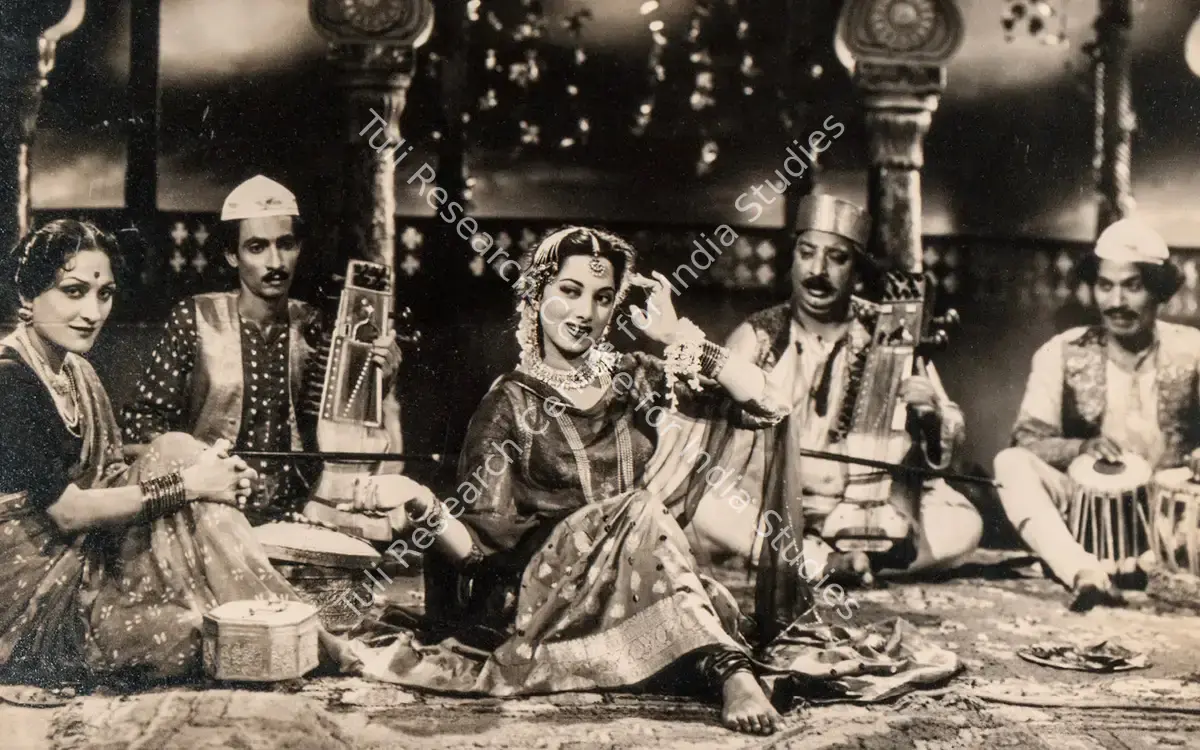
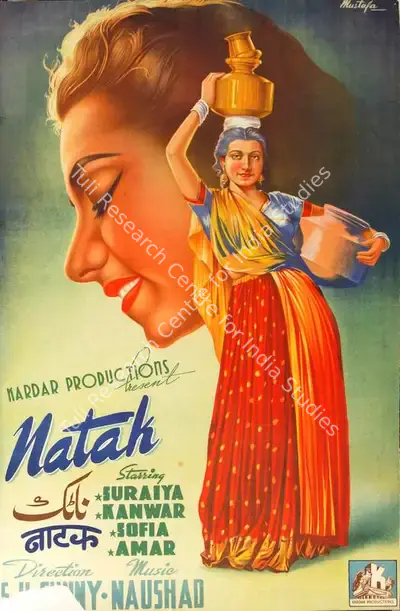
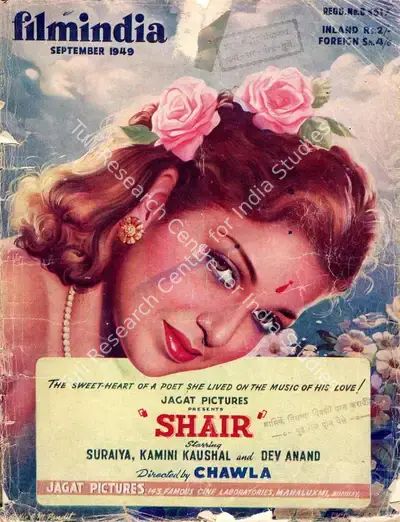
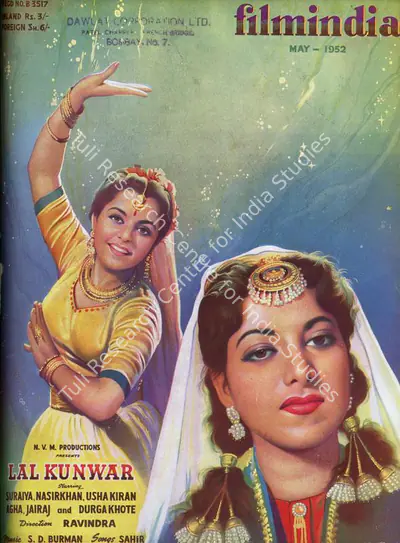
Suraiya Jamal Sheikh (15 June 1929 – 31 January 2004), known mononymously as Suraiya, was an iconic Indian actress and playback singer whose grace, talent, and expressive artistry defined the golden era of Hindi cinema. Celebrated as both Malika-e-Husn (Queen of Beauty) and Malika-e-Adakari (Queen of Acting), she reigned as the most admired and highly paid star of the 1940s and early 1950s—an era in which her popularity often surpassed that of her male contemporaries.
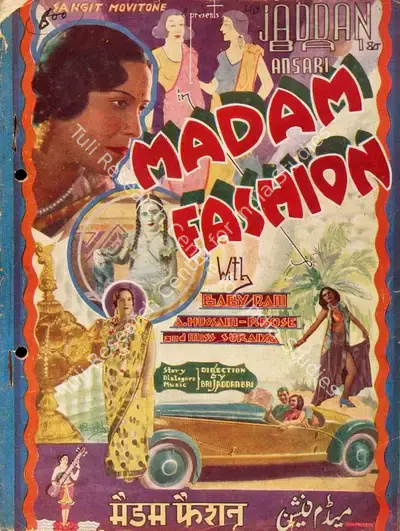
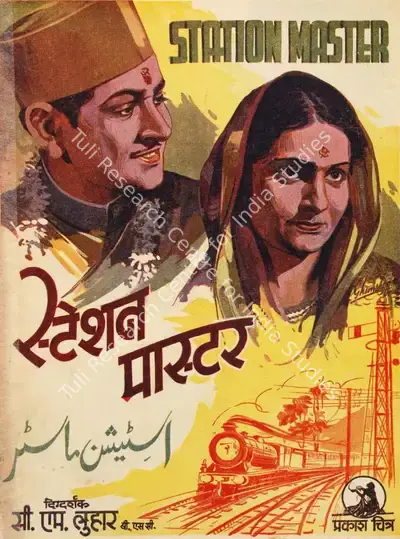
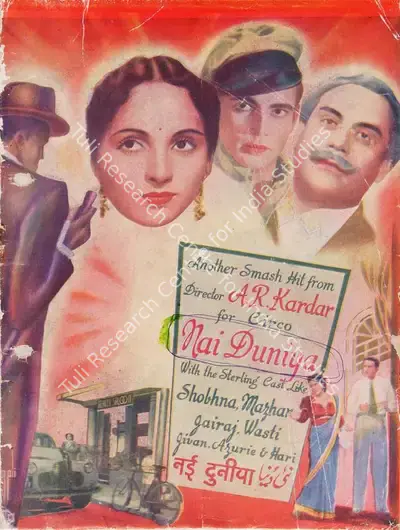
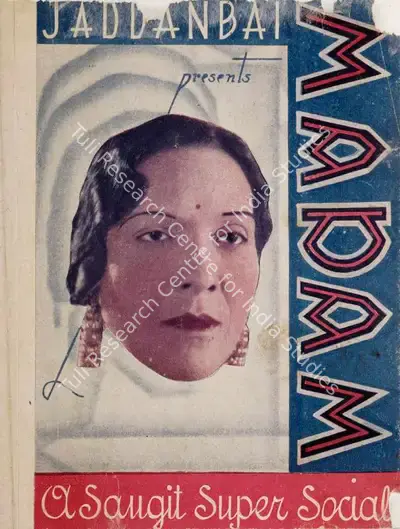
Born in Lahore and raised in Bombay, Suraiya displayed prodigious talent from an early age. She made her first appearance as a child artist in Madame Fashion (1936) and soon gained recognition for her voice on All India Radio, where she performed alongside future legends like Raj Kapoor and Madan Mohan. At just twelve, she lent her voice to the song “Boot Karun Main Polish Babu” in Nai Duniya (1942), composed by Naushad. Her screen debut as Mumtaz Mahal in Taj Mahal (1941) marked the beginning of a luminous journey that would see her rise to cinematic immortality.
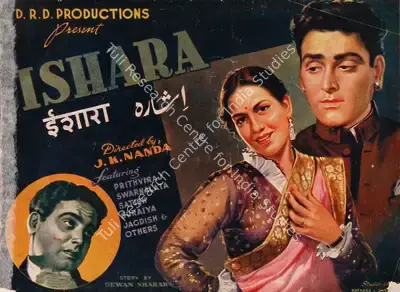
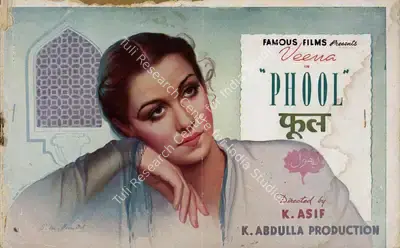
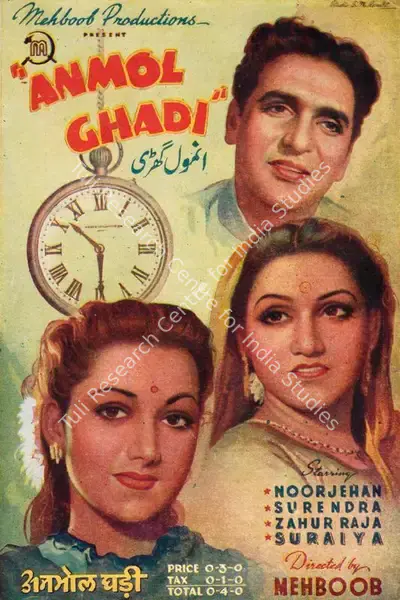
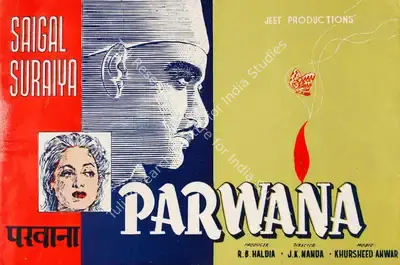
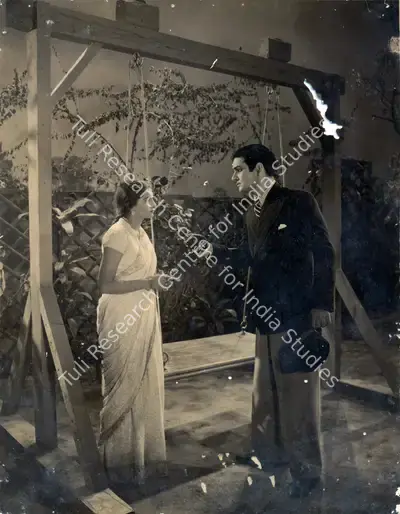
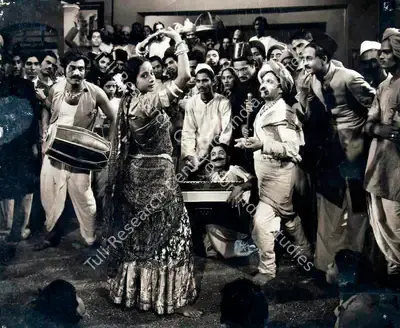
By the mid-1940s, Suraiya had become one of the most sought-after leading ladies in Indian cinema, with acclaimed performances in Ishaara (1943), Phool (1945), Anmol Ghadi (1946), and Parwana (1947). Her mellifluous singing voice, combined with her emotive screen presence, made her the first true actor-singer of post-independence India. Films such as Vidya (1948), Pyar Ki Jeet (1948), Dillagi (1949), and Badi Behen (1949) cemented her superstardom, each accompanied by timeless melodies that remain etched in public memory.
Her personal life, however, was marked by tragedy. During the filming of Vidya, actor Dev Anand saved her from drowning, sparking a tender romance that captivated fans. Yet their love was thwarted by familial opposition, particularly from Suraiya's grandmother, and the separation left an indelible mark on both. Suraiya never married, cherishing her memories of Dev Anand as her one true love.
Her crowning performance came in Mirza Ghalib (1954), where she portrayed the courtesan Moti Begum with haunting dignity, earning accolades from critics and even praise from India's Prime Ministers. After her final film Rustam Sohrab (1963), she withdrew from public life. Honored with the Screen Lifetime Achievement Award in 1996, Suraiya passed away in 2004, leaving behind a legacy of unmatched elegance, talent, and emotional depth that continues to inspire generations.
लाहौर में जन्मीं और बॉम्बे में पली-बढ़ीं सुरैया ने कम उम्र से ही ज़बरदस्त हुनर दिखाया। उन्होंने 'मैडम फैशन' (1936) में एक चाइल्ड आर्टिस्ट के तौर पर पहली बार काम किया और जल्द ही ऑल इंडिया रेडियो पर अपनी आवाज़ के लिए पहचान बनाई, जहाँ उन्होंने राज कपूर और मदन मोहन जैसे भविष्य के दिग्गजों के साथ काम किया। महज़ बारह साल की उम्र में, उन्होंने नौशाद के संगीतबद्ध किए गए फ़िल्म 'नई दुनिया' (1942) के गाने "बूट करूँ मैं पॉलिश बाबू" के लिए अपनी आवाज़ दी। 'ताज महल' (1941) में मुमताज़ महल के तौर पर उनकी स्क्रीन पर शुरुआत एक शानदार सफ़र की शुरुआत थी, जिसने उन्हें सिनेमा की दुनिया में अमर बना दिया।
1940 के दशक के मध्य तक सुरैया भारतीय सिनेमा की सबसे ज़्यादा पसंद की जाने वाली लीड एक्ट्रेस में से एक बन गई थीं। उन्होंने 'इशारा' (1943), 'फूल' (1945), 'अनमोल घड़ी' (1946) और 'परवाना' (1947) जैसी फ़िल्मों में बेहतरीन अभिनय किया। उनकी सुरीली आवाज़ और स्क्रीन पर भावपूर्ण मौजूदगी ने उन्हें आज़ाद भारत की पहली सच्ची एक्टर-सिंगर बना दिया। 'विद्या' (1948), 'प्यार की जीत' (1948), 'दिल्लगी' (1949) और 'बड़ी बहन' (1949) जैसी फ़िल्मों ने उनके सुपरस्टारडम को पक्का कर दिया। इन फ़िल्मों के सदाबहार गाने आज भी लोगों की यादों में बसे हुए हैं।
हालांकि, उनकी निजी ज़िंदगी दुखद घटनाओं से भरी रही। 'विद्या' फ़िल्म की शूटिंग के दौरान, एक्टर देव आनंद ने उन्हें डूबने से बचाया था, जिससे उनके बीच एक प्यारा रोमांस शुरू हुआ जिसने फ़ैन्स का दिल जीत लिया। लेकिन परिवार, ख़ासकर सुरैया की दादी के विरोध के कारण उनका प्यार परवान नहीं चढ़ सका और इस जुदाई ने दोनों पर गहरा असर डाला। सुरैया ने कभी शादी नहीं की और देव आनंद की यादों को ही अपने एकमात्र सच्चे प्यार के तौर पर संजोए रखा।
उनकी सबसे बेहतरीन परफ़ॉर्मेंस 'मिर्ज़ा ग़ालिब' (1954) में थी, जिसमें उन्होंने मोती बेग़म नाम की तवायफ़ का किरदार बहुत ही गरिमा और प्रभावशाली ढंग से निभाया। इसके लिए उन्हें क्रिटिक्स और भारत के प्रधानमंत्रियों से भी तारीफ़ मिली। अपनी आख़िरी फ़िल्म 'रुस्तम सोहराब' (1963) के बाद, वह पब्लिक लाइफ़ से दूर हो गईं। 1996 में उन्हें 'स्क्रीन लाइफ़टाइम अचीवमेंट अवॉर्ड' से सम्मानित किया गया। 2004 में सुरैया का निधन हो गया, लेकिन वह अपने पीछे बेमिसाल नफ़ासत, हुनर और जज़्बाती गहराई की ऐसी विरासत छोड़ गईं जो आज भी पीढ़ियों को प्रेरित करती है।
- Age
- 75
Filmography 62

Research Centre






Related
49
Personalities
27
Films
21
Themes
1