

Introduction
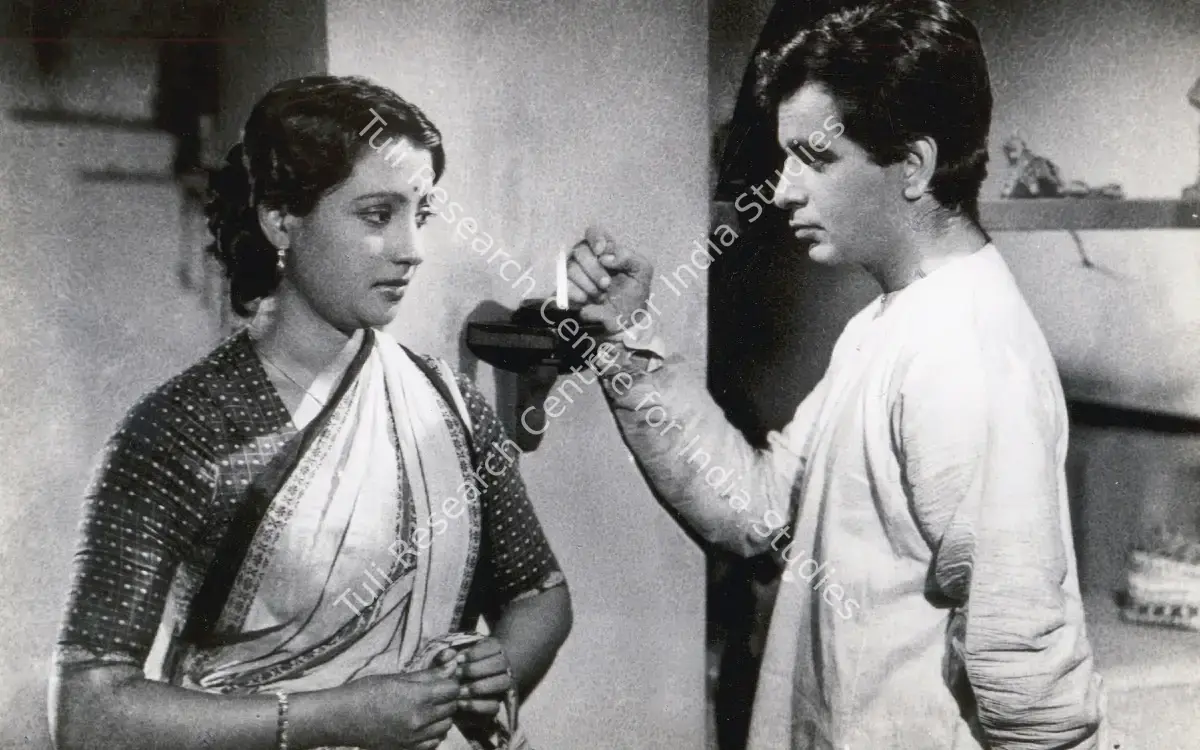
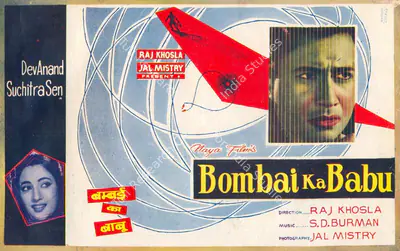
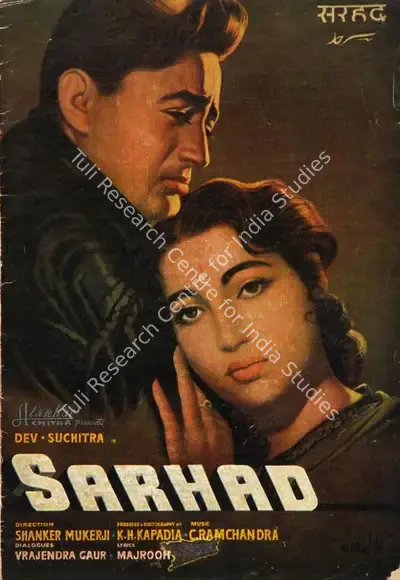
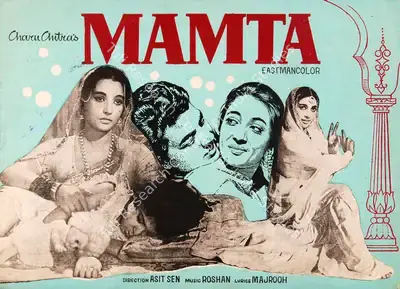
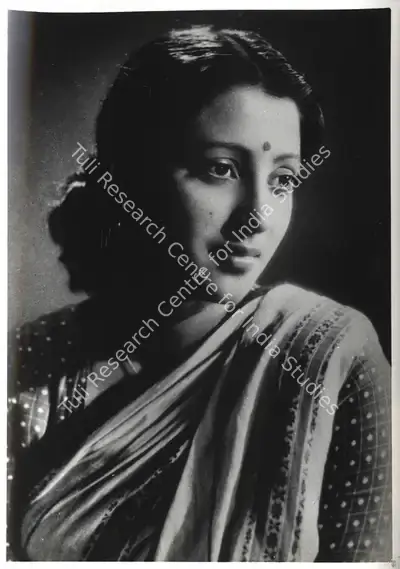
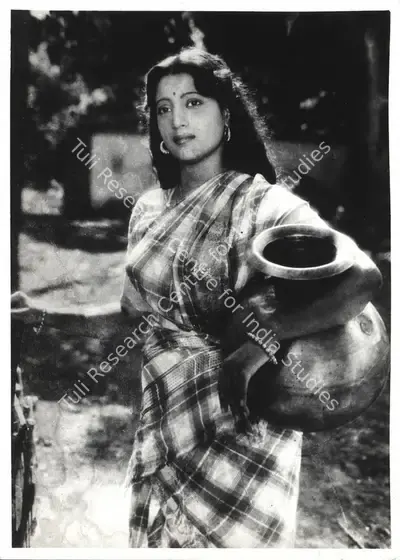
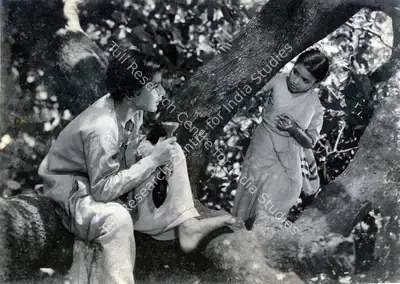
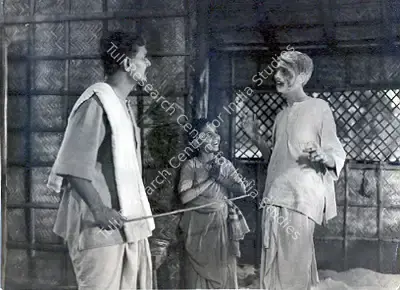
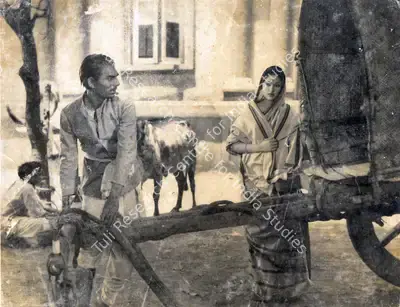
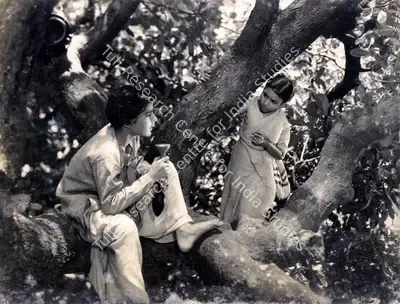
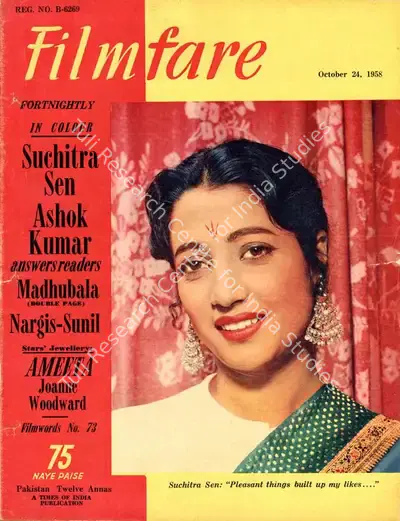
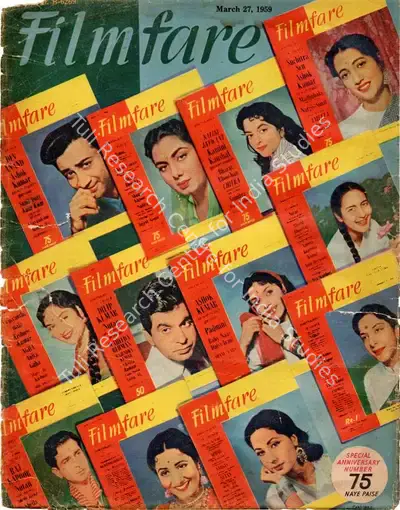
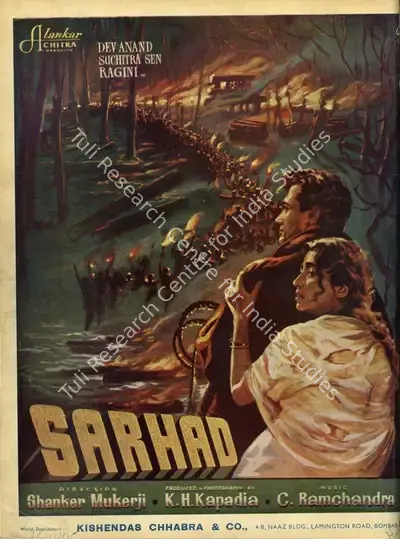
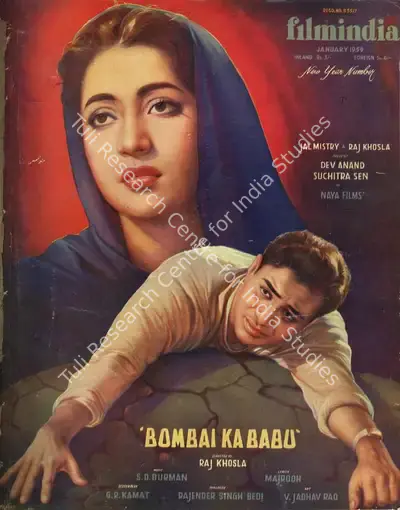
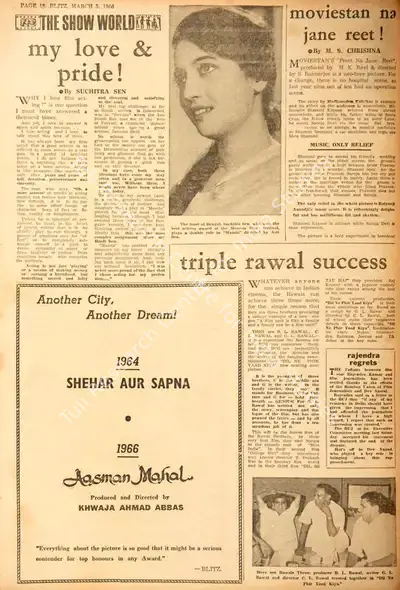
Suchitra Sen (6 April 1931 – 17 January 2014), widely revered as the Mahanayika—the Great Actress—was an unparalleled luminary of Indian cinema, whose radiant presence illuminated both Bengali and Hindi film. With her ethereal beauty, poise, and emotional profundity, she redefined the art of screen performance, embodying characters that resonated with dignity, passion, and restraint. Her partnership with Uttam Kumar gave rise to a legendary cinematic duo whose works, including Sharey Chuattor (1953), Saptapadi, and Harano Sur, have become immortal touchstones in the annals of Bengali film history. In 1963, she etched her name in history as the first Indian actress to receive an international award—winning the Silver Prize for Best Actress at the Moscow International Film Festival for Saat Pake Bandha.
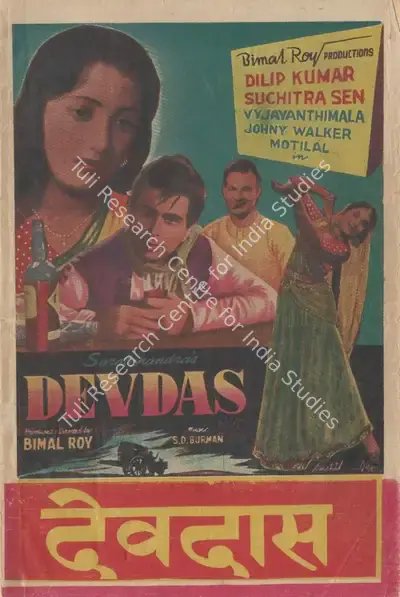
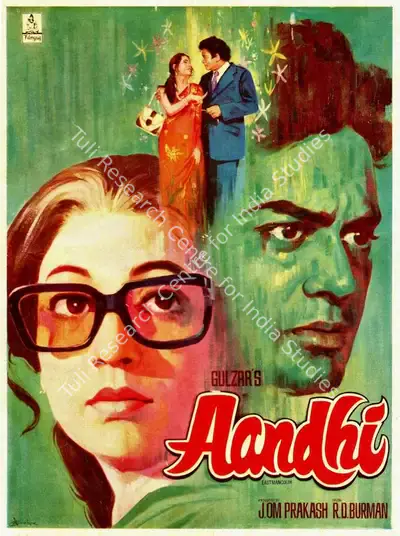
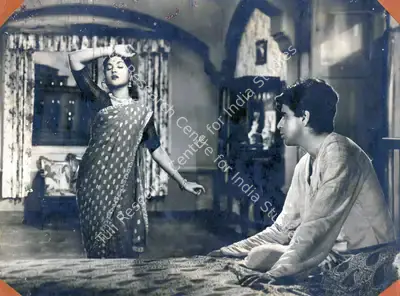
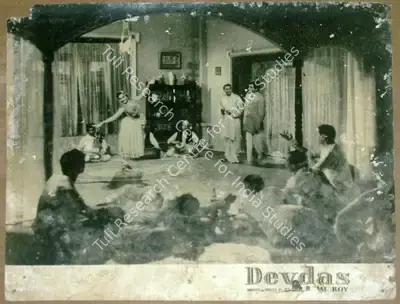
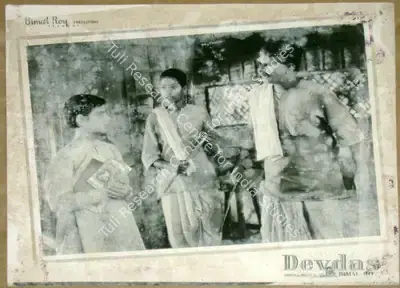
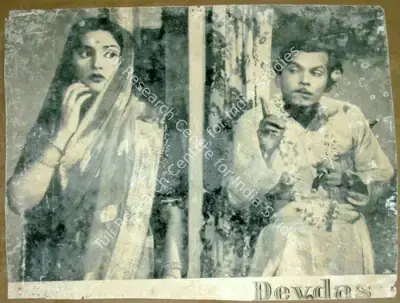
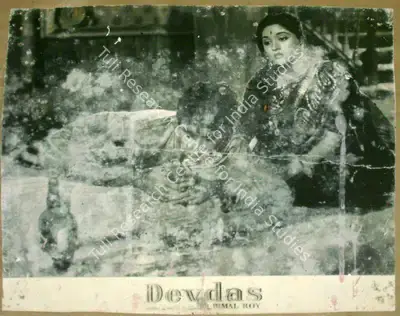
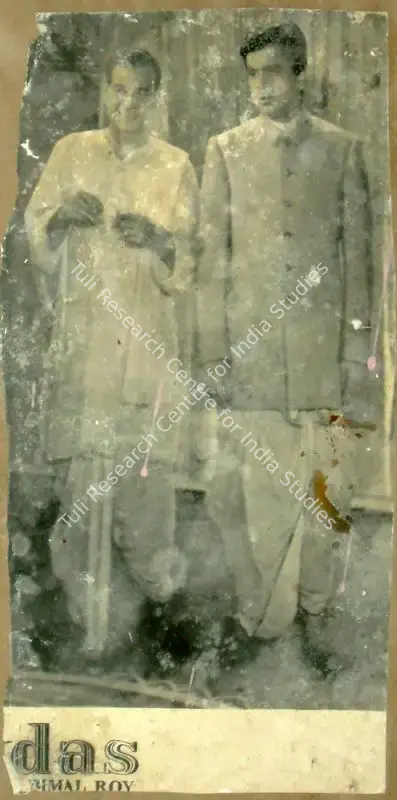
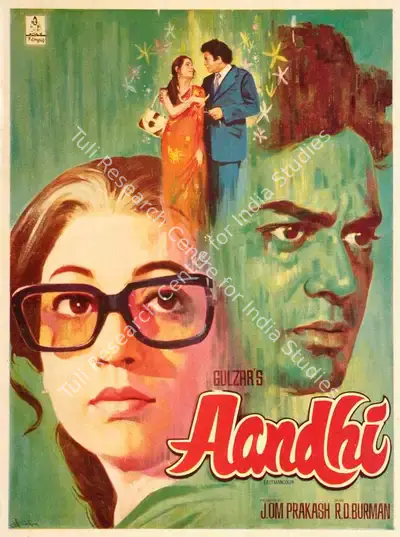
Sen first captivated audiences as Vishnupriya in Devaki Kumar Bose's Bhagaban Shree Krishna Chaitanya (1953), though her debut had come earlier with Shesh Kothaay (1952). Her ascent to stardom was meteoric, culminating in an illustrious career spanning over six decades. Her performances in Devdas (1955), Deep Jwele Jaai (1959), and Uttar Falguni (1963) exemplified her extraordinary range: from the self-sacrificing nurse in Deep Jwele Jaai to the dual roles of mother and courtesan in Uttar Falguni, she navigated human emotion with unmatched finesse. Her nuanced portrayal in Aandhi (1974) earned her a Filmfare nomination, reaffirming her stature as a national icon of cinematic excellence.
Despite her soaring fame, Sen remained selective and deeply principled. She famously declined Satyajit Ray's Debi Chowdhurani and a proposed film under Raj Kapoor's RK banner. Following the death of her husband, Dibanath Sen, in 1970, she gradually withdrew from the public gaze, ultimately retiring in 1978 after Pronoy Pasha. Her unfinished venture Nati Binodini with Rajesh Khanna marked her farewell to cinema. Thereafter, she embraced a life of spiritual introspection, devoting herself to the Ramakrishna Mission and shunning all public appearances—a self-imposed exile that earned her comparison to Greta Garbo.
Honoured with the Padma Shri in 1972 and the Banga Bibhushan in 2012, Suchitra Sen remains an enduring symbol of grace and mystique. Born in Bhanga Bari village, Bengal Province, to Korunamoy Dasgupta and Indira Devi, and granddaughter of poet Rajanikanta Sen, she traversed the tumult of Partition to become the eternal face of Bengali womanhood—majestic, mysterious, and immortal.
सेन ने सबसे पहले देबाकी कुमार बोस की फ़िल्म 'भगवान श्री कृष्ण चैतन्य' (1953) में विष्णुप्रिया का किरदार निभाकर दर्शकों का दिल जीता, हालाँकि उनकी शुरुआत 'शेष कोथाय' (1952) से हो चुकी थी। स्टारडम तक उनका सफ़र बहुत तेज़ी से तय हुआ और उनका शानदार करियर छह दशकों से भी ज़्यादा समय तक रहा। 'देवदास' (1955), 'दीप जले जाई' (1959) और 'उत्तर फाल्गुनी' (1963) में उनके अभिनय ने उनकी अद्भुत रेंज को दिखाया: 'दीप जले जाई' में त्याग करने वाली नर्स से लेकर 'उत्तर फाल्गुनी' में माँ और तवायफ़ के दोहरे किरदारों तक, उन्होंने इंसानी जज़्बातों को बहुत ही बेहतरीन ढंग से निभाया। 'आंधी' (1974) में उनके शानदार अभिनय के लिए उन्हें फ़िल्मफ़ेयर नॉमिनेशन मिला, जिससे सिनेमा की दुनिया में एक नेशनल आइकॉन के तौर पर उनकी पहचान और मज़बूत हुई।
इतनी शोहरत के बावजूद सेन ने हमेशा सोच समझकर फ़िल्में चुनीं और अपने उसूलों पर टिकी रहीं। उन्होंने सत्यजीत रे की 'देबी चौधुरानी' और राज कपूर के आरके बैनर तले बनने वाली एक फ़िल्म के ऑफ़र को ठुकरा दिया था। 1970 में अपने पति दिबानाथ सेन की मौत के बाद, वह धीरे-धीरे लोगों की नज़रों से दूर हो गईं और आख़िरकार 1978 में 'प्रणय पाशा' के बाद रिटायर हो गईं। राजेश खन्ना के साथ उनकी अधूरी फ़िल्म 'नटी बिनोदिनी' सिनेमा से उनकी विदाई का ज़रिया बनी। इसके बाद, उन्होंने आध्यात्मिक चिंतन का जीवन अपनाया, रामकृष्ण मिशन को समर्पित हो गईं और सार्वजनिक रूप से सामने आना बंद कर दिया। एक ऐसा स्व-निर्वासित जीवन जिसके कारण उनकी तुलना ग्रेटा गार्बो से की जाने लगी।
1972 में पद्म श्री और 2012 में बंग विभूषण से सम्मानित सुचित्रा सेन, शालीनता और रहस्यमयी आकर्षण की एक ऐसी मिसाल हैं जो हमेशा याद रखी जाएंगी। बंगाल प्रांत के भांगा बारी गांव में करुणामाय दासगुप्ता और इंदिरा देवी के घर जन्मीं और कवि रजनीकांत सेन की पोती, सुचित्रा सेन ने बंटवारे के उथल-पुथल भरे दौर से गुज़रते हुए बंगाली नारीत्व की एक ऐसी शाश्वत पहचान बनाई, जो भव्य, रहस्यमयी और अमर है।
Filmography 13
Research Centre

Calendar 1
- ArchivedExhibitionProject 2Self-Discovery via Rediscovering India Series Part II India's Cinematic Heritage12th - 24th August 2024Self-Discovery via Rediscovering India Series Part IIRead More →
Related
29
Personalities
16
Films
11