

Introduction
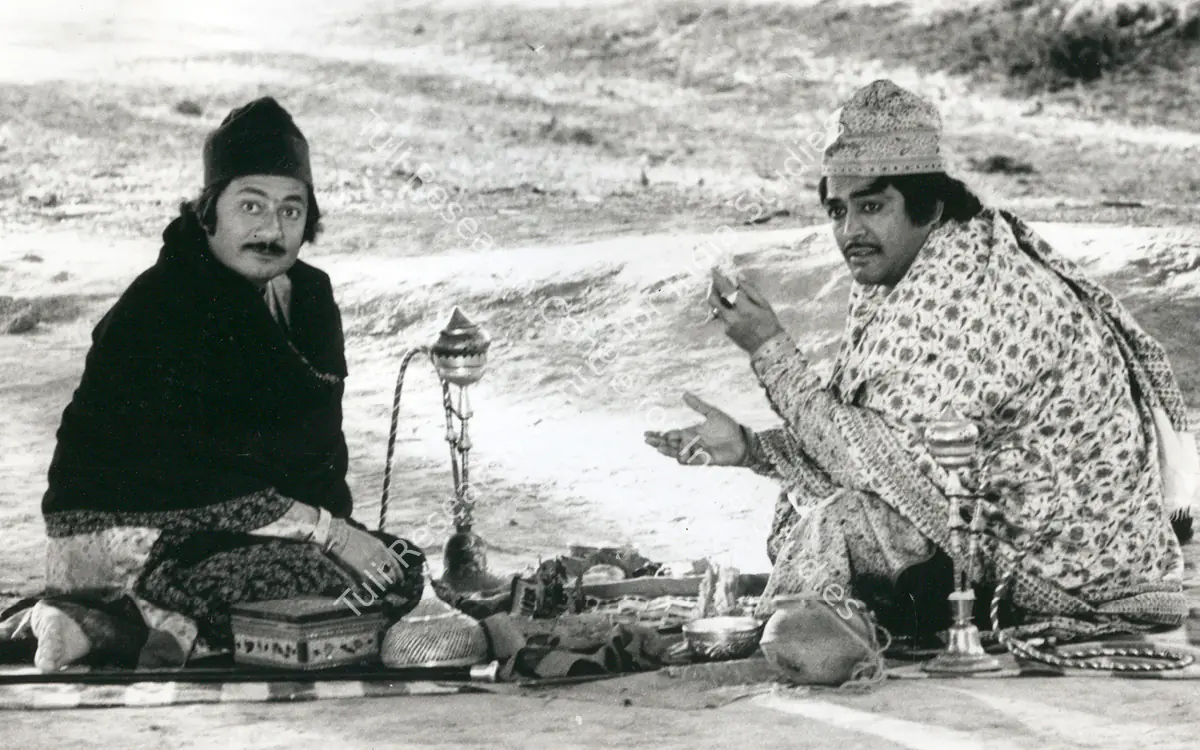
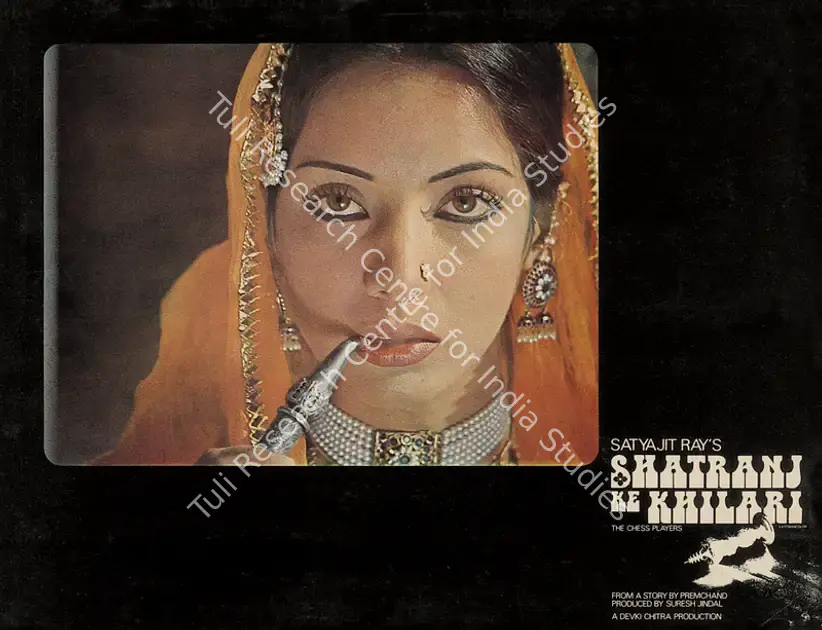
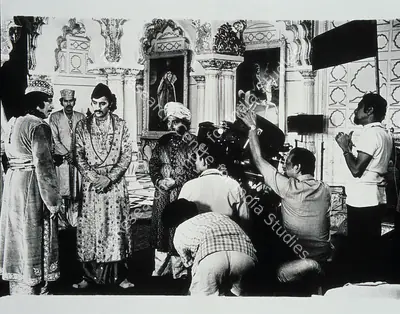
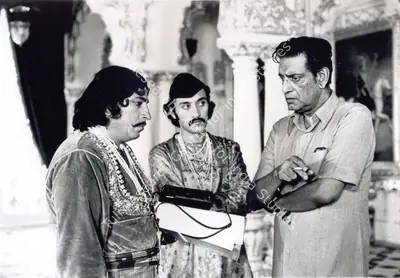
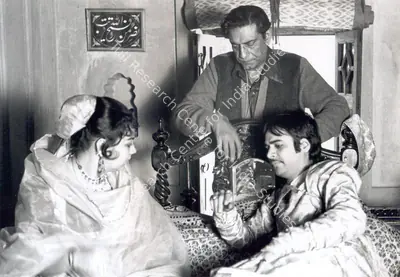
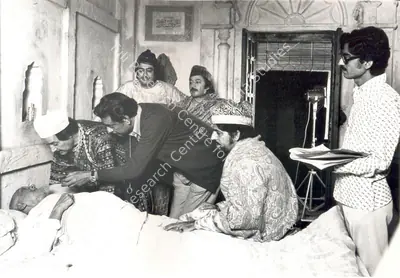
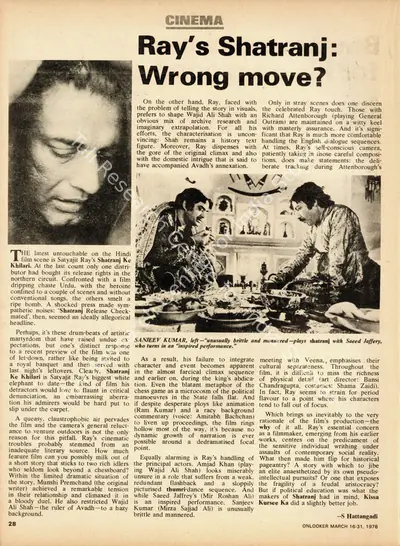
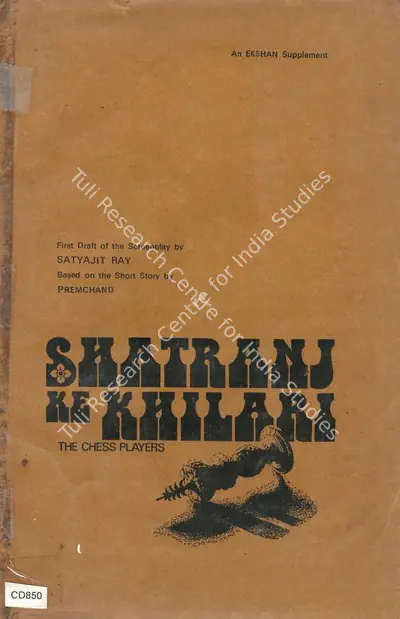
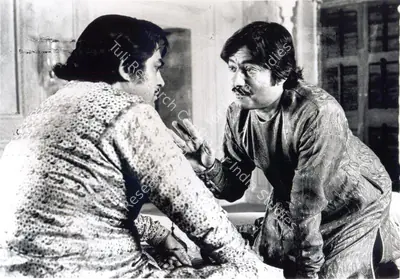
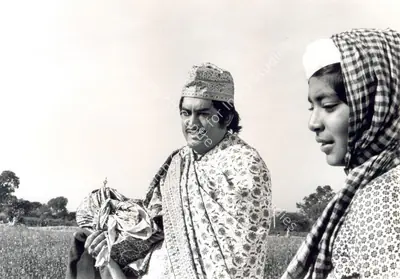
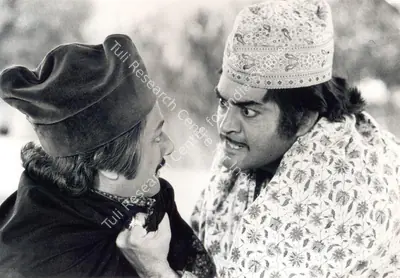
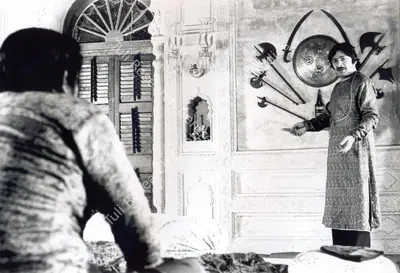
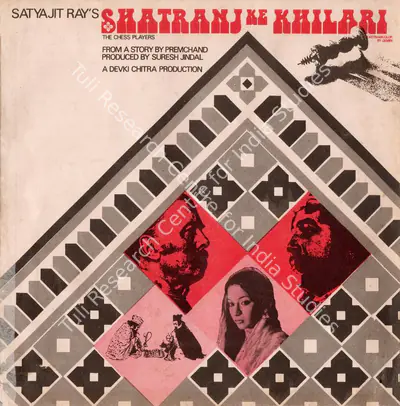
Shatranj Ke Khilari is the only feature-length film made by Satyajit Ray in Hindi language. Set on the cusp of the 1857 Mutiny, it delves into the lives of two decadent noblemen, portrayed by actors Sanjeev Kumar and Saeed Jaffrey, in Nawab Wajid Ali Shah's Lucknow—the capital of Awadh and one of the few empires still untouched by colonial domination at that time. In tandem with Ray's tendency to adapt existing works of literature, barring only a couple of his feature films, Shatranj Ke Khilari's profound scaffolding is credited to Premchand. Still, Ray transforms and enriches the literary work through intermediality using hand-painted title cards, animation and elaborate song and dance sequences, creating a bridge between literature, animation, performance and paintings.
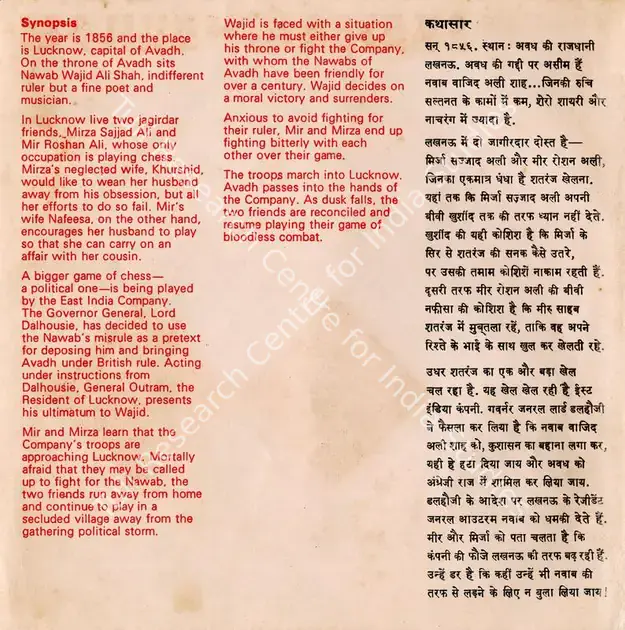
As the kingdom crumbles, the film focuses on the two noblemen who exist in a vacuum outside this historical moment, living in a world of their rarefied indulgence of the game of chess. Ray masterfully uses the game of chess as a metaphor for the broader personal and political ramifications as the relentless advance of British imperialism shatters the old order.
इधर राजधानी में अंग्रेज़ सेना के आगमन के साथ पुराना सामंती ढांचा दरक रहा है, तो उधर फ़िल्म की कथा में मिर्ज़ा और मीर इस ऐतिहासिक क्षण में प्रवेश करने से इनकार करते हुए अपने निजी शतरंज के खेल में डूबे जीने-मरने की अदावतें ओढ़ रहे हैं। राय ने यहाँ शतरंज के खेल को निजी अदावतों से लेकर साम्राज्यों के स्तर पर खेले जा रहे राजनैतिक दांवपेंचों तक के रूपक के रूप में बड़ी कुशलता से इस्तेमाल किया है। ब्रिटिश साम्राज्यवाद की बुलन्द तुरही के साथ ही नवीन पूंजीवादी व्यवस्था के आगमन की घोषणा हो रही है और पुराना सामंती ढांचा ध्वस्त हो रहा है।
Body of Work
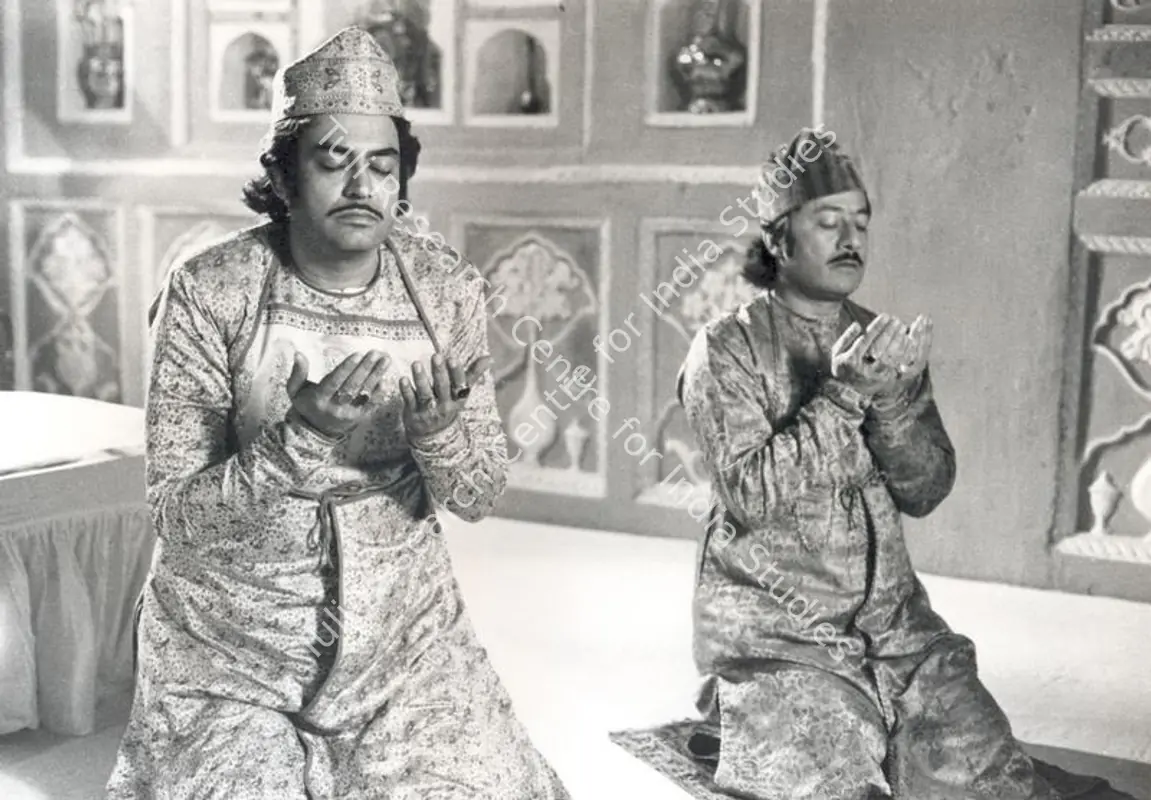
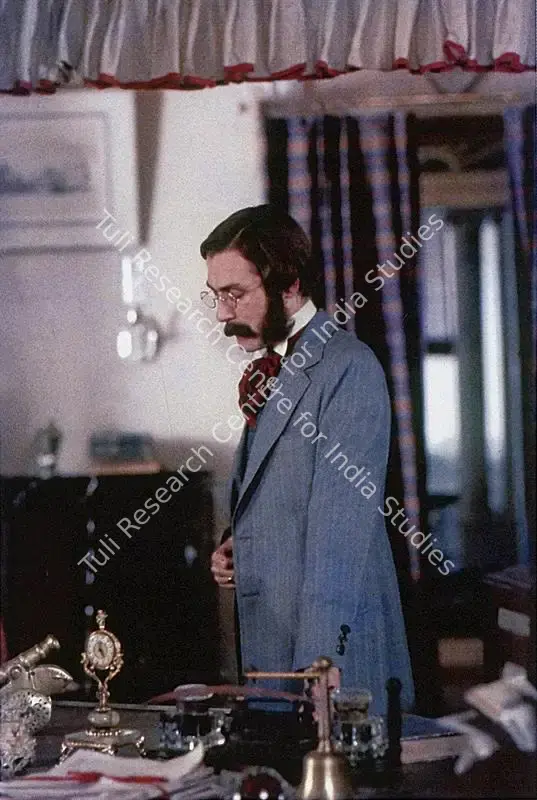
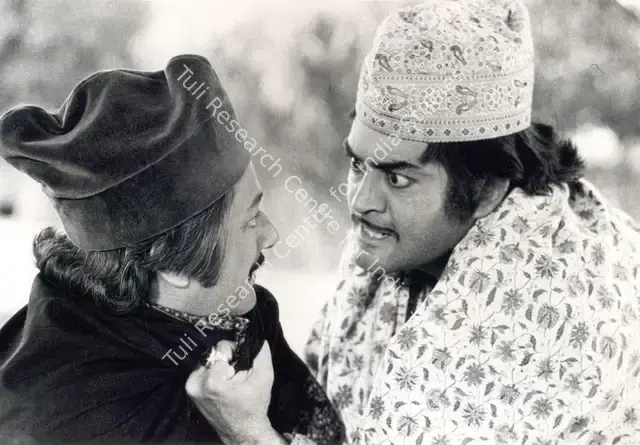
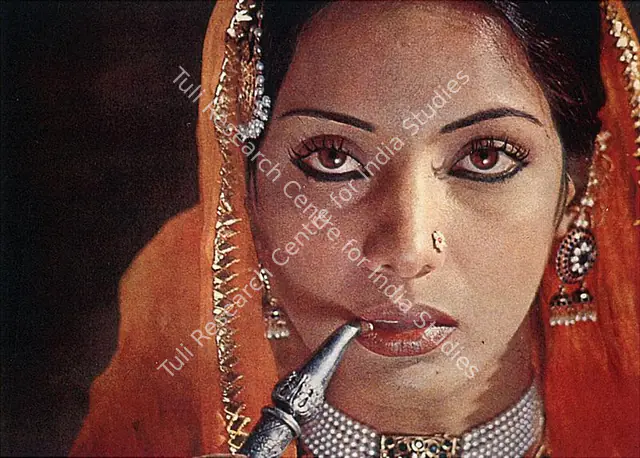
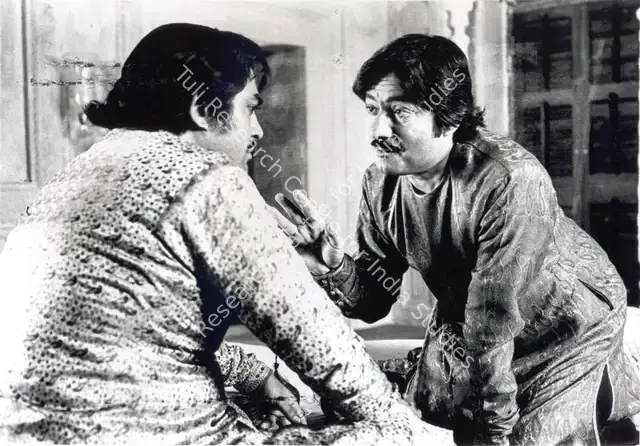
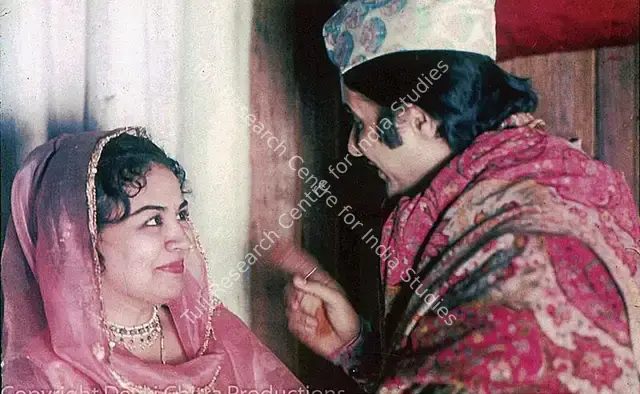
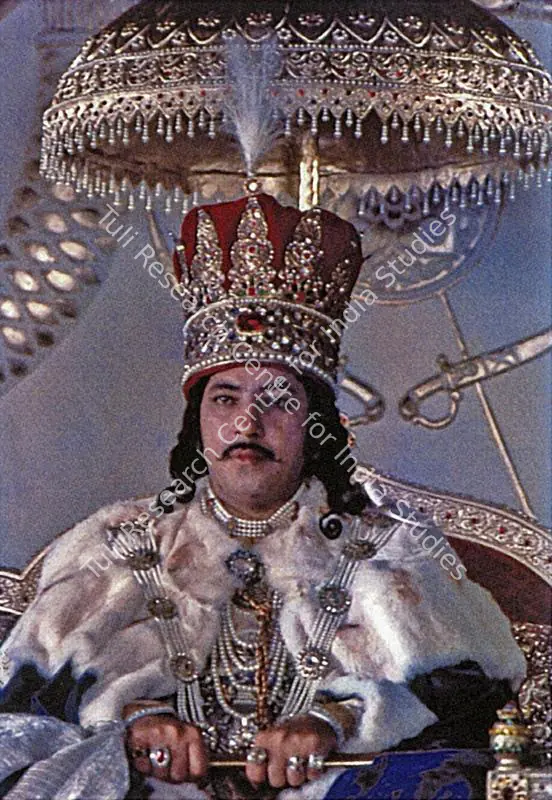
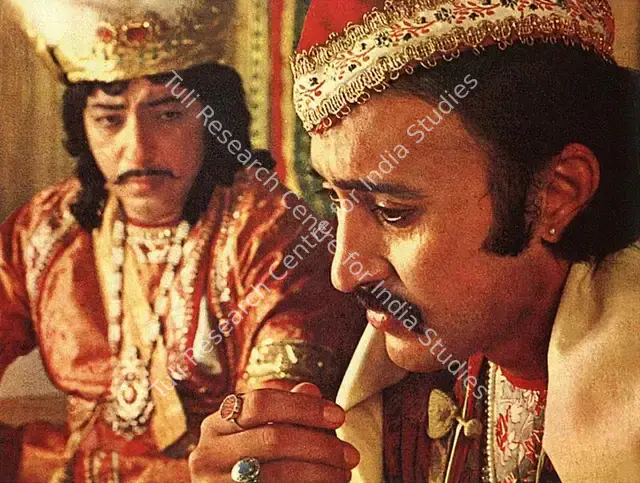
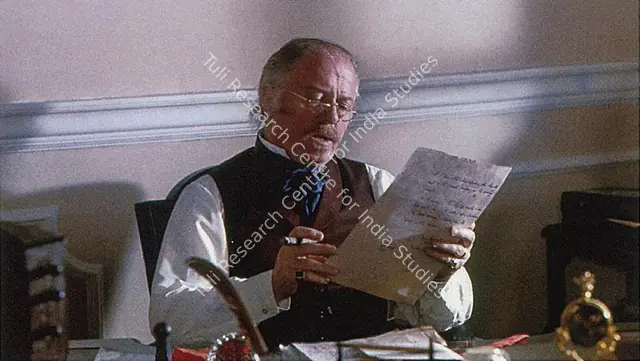
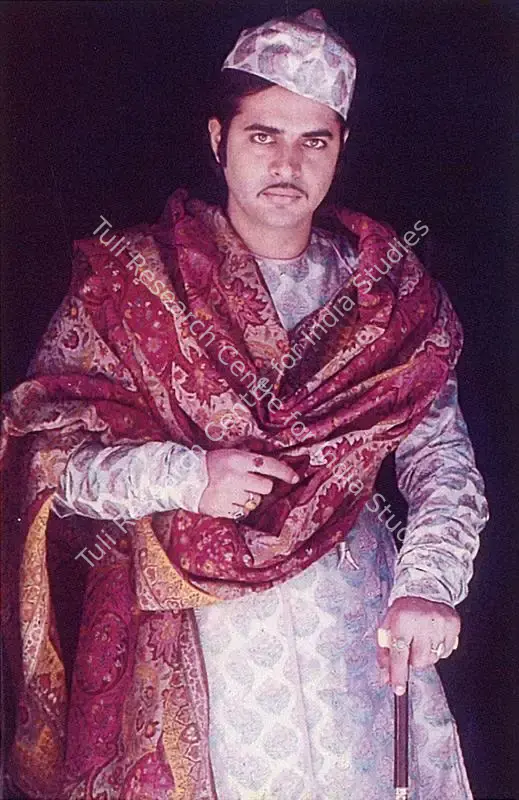
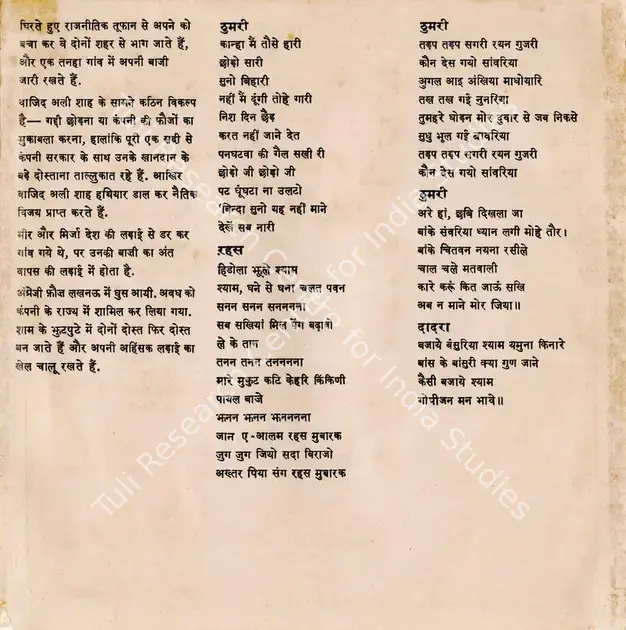
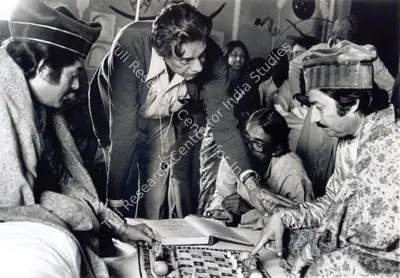
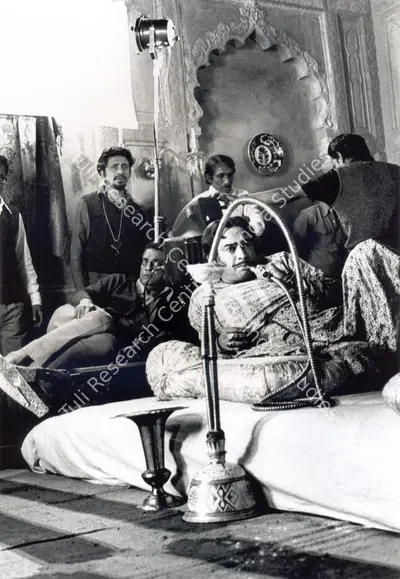
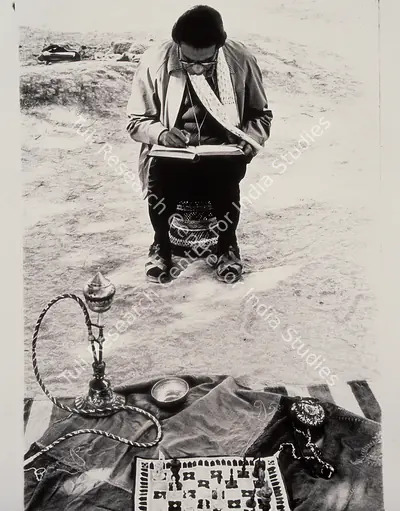
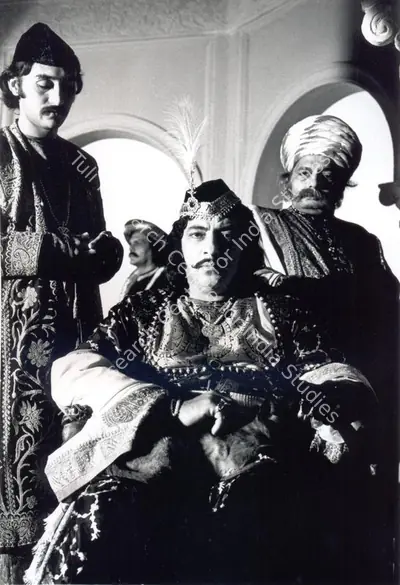
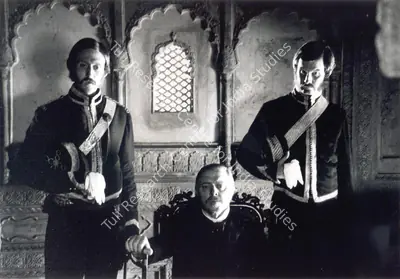
Wajid Ali Shah is the 11th and last crown king of Oudh, Lucknow. For long, the British did not annex parts of Lucknow and utilized it as a buffer state between their teritories in the South, East, and the Mughal empire in the North, besides appropriating the cost of maintaining the Bengal Army from Awadh's coffers. The British, with the intent of controlling India, send General Outram on a secret mission to clear the way for an annexation. While pressure is mounting amidst intrigue and political manoeuvres, Wajid Ali Shah, secluded in his palace, composes poems and listens to music. The court is of no help, as exemplified by two indolent and eccentric nobles, Mir and Mirza who, ignoring the situation in the country and their duties towards their families, spend their days playing endless rounds of chess. The imminent threat of the British takeover of their region becomes a harsh reality. Even when they are forced to leave their comfortable homes, they continue to play chess in the mosquito ridden outdoors, with two loaded pistols, ready to oppose the British, or even themselves, if need be.
04:49
05:30
07:56
04:46
01:20
Economics of Cinema
1978
- Shatranj Ke Khilari - World Premiere, Competition SectionPremieres
Berlin Film Festival · Berlin · 22 Feb 1978 to 03 May 1978
1981
- Retrospective: Film India - Complete Satyajit Ray RetrospectiveRetrospectives
Museum of Modern Art · New York · 25 Jun 1981 to 24 Jul 1981
1996
- Satyajit Ray RetrospectiveRetrospectives
Grey Art Gallery · New York University · 10 May 1996 to 02 Nov 1996
2006
- Satyajit Ray: Lekha Theke ChhabRetrospectives
Bengal Gallery of Fine Arts of India | Bangladesh National Museum · Bangladesh · 01 Apr 2006 to 01 Apr 2006
2009
- The World of Satyajit RayRetrospectives
Film Society of Lincoln Center's Walter Reade Theater · New York · 15 Aug 2009 to 30 Aug 2009
2010
- Satyajit Ray RetrospectiveRetrospectives
National Museum of Singapore · Singapore · 10 Jan 2010 to 24 Oct 2010
2011
- Satyajit Ray RetrospectiveRetrospectives
Film South Asia (FSA) · Yale Maya Kendra, Kathmandu · 21 Feb 2011 to 25 Feb 2011
2013
- Satyajit Ray RetrospectiveRetrospectives
British Film Institute · London · 01 Aug 2013 to 01 Sep 2013
2014
- The Brilliance of Satyajit RayRetrospectives
Berkeley Art Museum | Pacific Film Archive · 17 Jan 2014 to 31 Aug 2014
- The Sun and the Moon: The Films of Satyajit RayRetrospectives
Toronto International Film Festival (TIFF) · TIFF Bell Lightbox, Toronto · 07 Mar 2014 to 17 Aug 2014
2016
- Satyajit Ray Film RetrospectiveRetrospectives
Jerusalem, Tel Aviv, Haifa Cinematheques · Israel · 24 Jul 2016 to 08 Aug 2016
2018
- Satyajit Ray RetrospectiveRetrospectives
Rasa Festival · Ann Arbor District Library, Downtown Branch, USA · 30 Sep 2018 to 30 Sep 2018
2019
- Satyajit Ray: A RetrospectiveRetrospectives
Southern Asia at Chicago · Chicago · 04 Mar 2019 to 05 Jun 2019
2020
- Satyajit Ray RetrospectiveRetrospectives
Rome Film Fest · Rome · 15 Oct 2020 to 25 Oct 2020
2021
- Retrospective of Satyajit RayRetrospectives
International Film Festival of India · Goa · 20 Nov 2021 to 28 Nov 2021
- Satyajit Ray TributeRetrospectives
Dhaka International Film Festival (DIFF) · Dhaka · 16 Jan 2021 to 24 Jan 2021
2022
- Satyajit Ray: His Contemporaries and LegacyRetrospectives
Toronto International Film Festival (TIFF) · Toronto · 08 Apr 2022 to 27 Aug 2022
- Venice ClassicsRetrospectives
La Biennale di Venezia · Sala Corinto | Venice · 30 Aug 2022 to 09 Sep 2022
1978
- National Film Awards
Best Feature Film in Hindi · Directorate of Film Festivals
- National Film Awards
Best Cinematography Colour · Directorate of Film Festivals
- Filmfare Awards
Critics Award for Best Movie · Filmfare - The Times Group
1979
- Filmfare Awards
Best Director · Filmfare - The Times Group
- Filmfare Awards
Best Supporting Actor · Filmfare - The Times Group
Research Centre
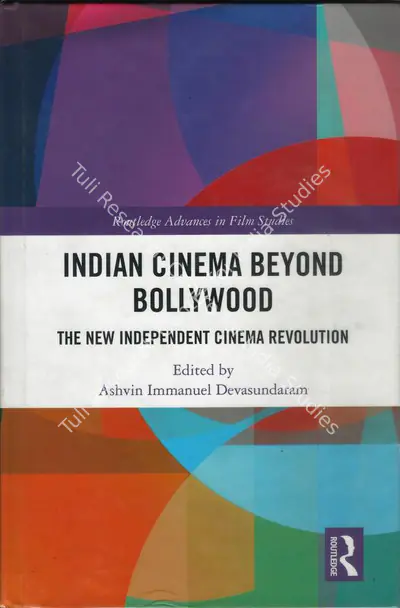
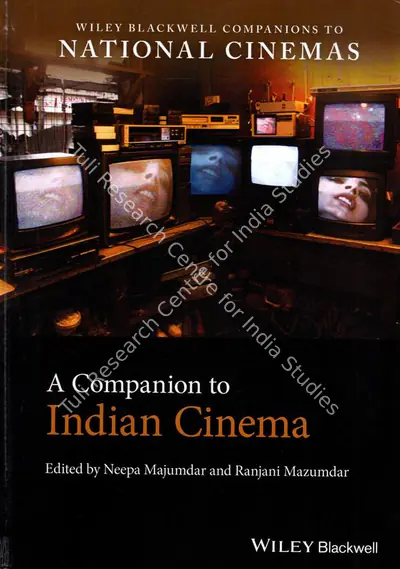
Posts 1
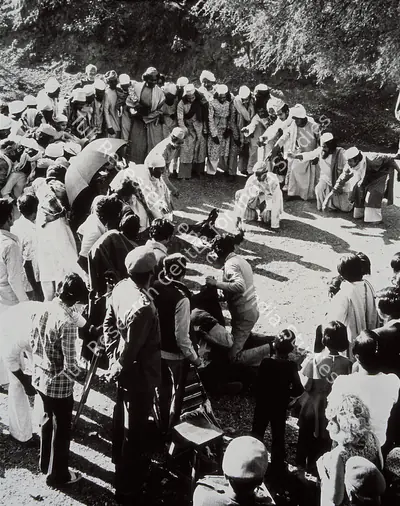
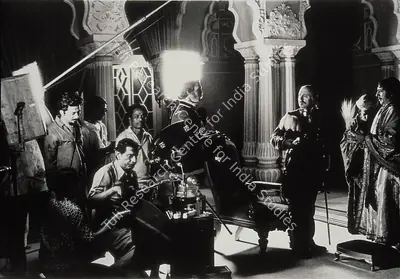
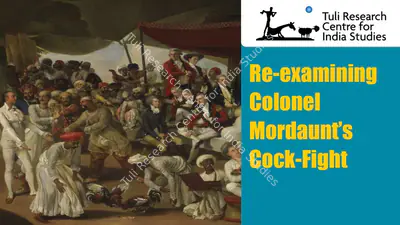
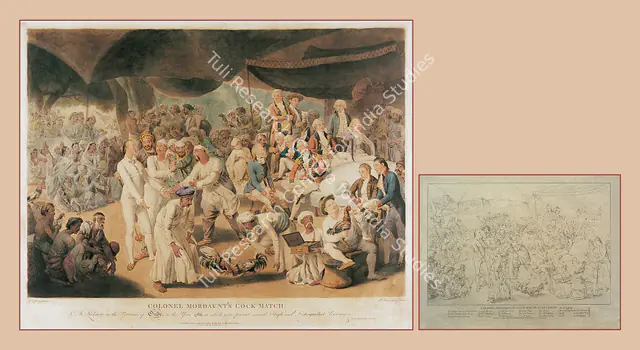
- Cockfights were a popular sport in India and other parts of the world in the late eighteenth-century. In 1786, the then Governor-General of India Warren Hastings commissioned German-born artist Johann Zoffany to paint the historic cockfight that had many British East India Company employees and Indian royalties in attendance. Several versions of the painting have thus been made and depicted in various mediums over the course of more than two centuries, including the cock-fight scene in Satyajit Ray's 1977 film Shatranj Ke Khilari.
Related
19
Personalities
16
Institutions
1