Shashikala
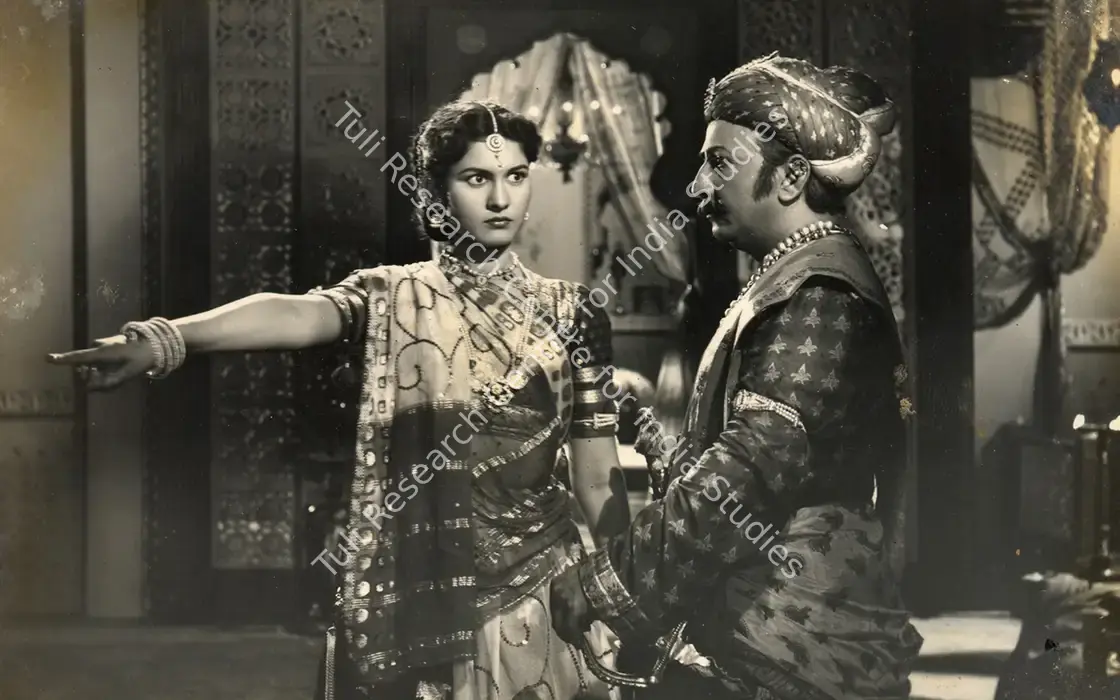
Shashikala Saigal (née Jawalkar; 4 August 1932 – 4 April 2021), fondly remembered simply as Shashikala, was one of Indian cinema's most enduring and versatile character actresses. Over a career spanning more than six decades, she appeared in hundreds of Hindi films, leaving an indelible mark through her nuanced portrayals of complex women—vamps, socialites, sisters-in-law, mothers, and matriarchs alike. Born in Solapur, Maharashtra, into a modest Marathi-speaking family, Shashikala's early life was shaped by hardship and ambition. A gifted child performer in local theatre, she was barely in her teens when her family's fortunes collapsed, prompting their move to Bombay in search of opportunity. Undeterred by struggle, the young Shashikala tirelessly visited film studios until destiny intervened—screen legend Noor Jehan recognized her potential and offered her a part in the film Zeenat (1945). This marked the beginning of an illustrious cinematic journey. Her early appearances in Jugnu (1947) alongside Dilip Kumar and Pugdi (1948) earned her recognition, but it was V. Shantaram's Teen Batti Char Raasta (1953) that cemented her presence. Shashikala's flair for embodying spirited, morally ambiguous women found full expression in the 1950s and 60s, when she redefined the archetype of the “vamp.” In Aarti (1962), her riveting performance as the conniving rival won her the Filmfare Award for Best Supporting Actress, a feat she repeated with Gumrah (1963). Her filmography reads like a timeline of classic Hindi cinema—Sujata (1959), Waqt (1965), Anupama (1966), Phool Aur Patthar (1966), Neel Kamal (1968), and Khubsoorat (1980)—each showcasing her effortless adaptability. Whether playing a manipulative schemer in Chhote Sarkar (1974) or a dignified mother in Souten (1983), Shashikala infused every role with conviction and elegance. In later years, she seamlessly transitioned to television and maternal roles, embodying grace and authority. With over a hundred films to her credit and two Filmfare Awards to her name, Shashikala remains a towering figure in Indian cinema—a symbol of resilience, artistry, and timeless charm.
Shashikala Saigal (née Jawalkar; 4 August 1932 – 4 April 2021), fondly remembered simply as Shashikala, was one of Indian cinema's most enduring and versatile character actresses. Over a career spanning more than six decades, she appeared in hundreds of Hindi films, leaving an indelible mark through her nuanced portrayals of complex women—vamps, socialites, sisters-in-law, mothers, and matriarchs alike. Born in Solapur, Maharashtra, into a modest Marathi-speaking family, Shashikala's early life was shaped by hardship and ambition. A gifted child performer in local theatre, she was barely in her teens when her family's fortunes collapsed, prompting their move to Bombay in search of opportunity. Undeterred by struggle, the young Shashikala tirelessly visited film studios until destiny intervened—screen legend Noor Jehan recognized her potential and offered her a part in the film Zeenat (1945). This marked the beginning of an illustrious cinematic journey. Her early appearances in Jugnu (1947) alongside Dilip Kumar and Pugdi (1948) earned her recognition, but it was V. Shantaram's Teen Batti Char Raasta (1953) that cemented her presence. Shashikala's flair for embodying spirited, morally ambiguous women found full expression in the 1950s and 60s, when she redefined the archetype of the “vamp.” In Aarti (1962), her riveting performance as the conniving rival won her the Filmfare Award for Best Supporting Actress, a feat she repeated with Gumrah (1963). Her filmography reads like a timeline of classic Hindi cinema—Sujata (1959), Waqt (1965), Anupama (1966), Phool Aur Patthar (1966), Neel Kamal (1968), and Khubsoorat (1980)—each showcasing her effortless adaptability. Whether playing a manipulative schemer in Chhote Sarkar (1974) or a dignified mother in Souten (1983), Shashikala infused every role with conviction and elegance. In later years, she seamlessly transitioned to television and maternal roles, embodying grace and authority. With over a hundred films to her credit and two Filmfare Awards to her name, Shashikala remains a towering figure in Indian cinema—a symbol of resilience, artistry, and timeless charm.
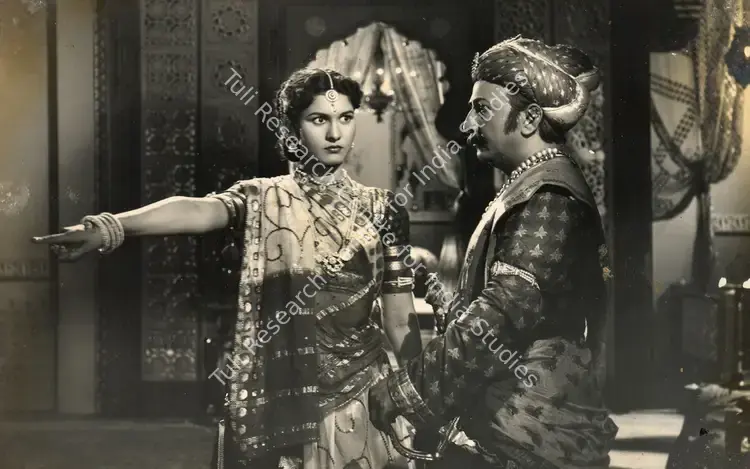
Shashikala Saigal (née Jawalkar; 4 August 1932 – 4 April 2021), fondly remembered simply as Shashikala, was one of Indian cinema's most enduring and versatile character actresses. Over a career spanning more than six decades, she appeared in hundreds of Hindi films, leaving an indelible mark through her nuanced portrayals of complex women—vamps, socialites, sisters-in-law, mothers, and matriarchs alike.
Born in Solapur, Maharashtra, into a modest Marathi-speaking family, Shashikala's early life was shaped by hardship and ambition. A gifted child performer in local theatre, she was barely in her teens when her family's fortunes collapsed, prompting their move to Bombay in search of opportunity. Undeterred by struggle, the young Shashikala tirelessly visited film studios until destiny intervened—screen legend Noor Jehan recognized her potential and offered her a part in the film Zeenat (1945). This marked the beginning of an illustrious cinematic journey.
Her early appearances in Jugnu (1947) alongside Dilip Kumar and Pugdi (1948) earned her recognition, but it was V. Shantaram's Teen Batti Char Raasta (1953) that cemented her presence. Shashikala's flair for embodying spirited, morally ambiguous women found full expression in the 1950s and 60s, when she redefined the archetype of the “vamp.” In Aarti (1962), her riveting performance as the conniving rival won her the Filmfare Award for Best Supporting Actress, a feat she repeated with Gumrah (1963).
Her filmography reads like a timeline of classic Hindi cinema—Sujata (1959), Waqt (1965), Anupama (1966), Phool Aur Patthar (1966), Neel Kamal (1968), and Khubsoorat (1980)—each showcasing her effortless adaptability. Whether playing a manipulative schemer in Chhote Sarkar (1974) or a dignified mother in Souten (1983), Shashikala infused every role with conviction and elegance.
In later years, she seamlessly transitioned to television and maternal roles, embodying grace and authority. With over a hundred films to her credit and two Filmfare Awards to her name, Shashikala remains a towering figure in Indian cinema—a symbol of resilience, artistry, and timeless charm.
Introduction
Filmography


Doli | Hindi | Actor
Booklet
Jugnu | Hindi | Actor
Fiction | Booklet
Pugree | Hindi | Actor
Booklet
Bholi | Hindi | Actor
Booklet
Girls School | Hindi | Actor
Booklet
Nazaare | Hindi | Actor
Booklet
Thes | Hindi | Actor
Booklet
Arzoo | Hindi | Actor
Booklet
Sarkar | Hindi | Actor
Booklet
Ajeeb Larki | Hindi | Actor
Booklet
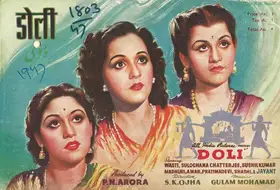
Ojha, S.K. (Director), Doli, 1947 | Song-Synopsis Booklet

Rizvi, Shaukat Hussain (Producer), Jugnu, 1947 | Song-Synopsis Booklet
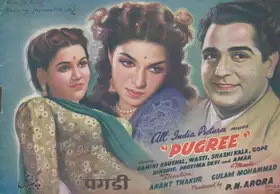
Arora, P.N. (Producer), Pugree, 1948 | Song-Synopsis Booklet
Research Centre
Sort By | Year (ASC)

Issac, P. (Cinematographer), Jugnu, 1947 | Lobby Card
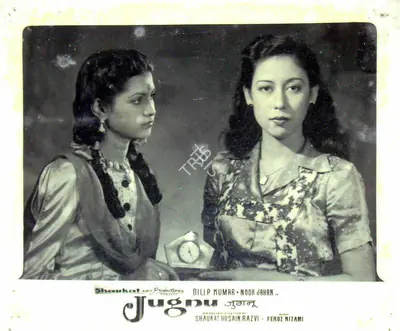
Issac, P. (Cinematographer), Jugnu, 1947 | Lobby Card

Ojha, S.K. (Director), Doli, 1947 | Song-Synopsis Booklet

Rizvi, Shaukat Hussain (Producer), Jugnu, 1947 | Half Sheet Poster

Issac, P. (Cinematographer), Jugnu, 1947 | Photographic Still

Issac, P. (Cinematographer), Jugnu, 1947 | Photographic Still

Issac, P. (Cinematographer), Jugnu, 1947 | Photographic Still

Issac, P. (Cinematographer), Jugnu, 1947 | Photographic Still

Issac, P. (Cinematographer), Jugnu, 1947 | Photographic Still

Issac, P. (Cinematographer), Jugnu, 1947 | Photographic Still

Arora, P.N. (Producer), Pugree, 1948 | Song-Synopsis Booklet

Arora, P.N. (Producer), Pugree, 1948 | Full Sheet Poster
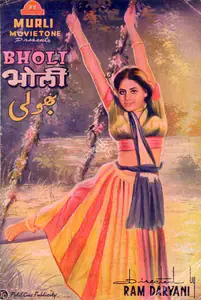
Daryani, Ram (Producer), Bholi, 1949 | Song-Synopsis Booklet

Chakravarty, Amiya (Director), Girls School, 1949 | Song-Synopsis Booklet
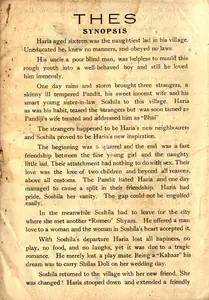
Sharma, Kidar (Director), Thes, 1949 | Song-Synopsis Booklet
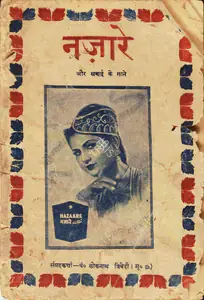
Dutt, Prahlad (Director), Nazaare, 1949 | Song-Synopsis Booklet
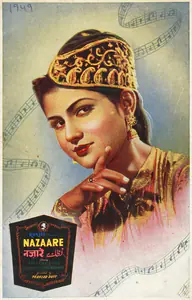
Dutt, Prahlad (Director), Nazaare, 1949 | Song-Synopsis Booklet
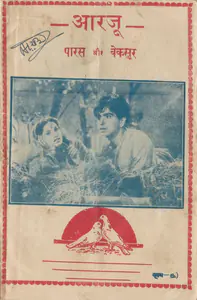
Lateef, Shahid (Director), Arzoo, 1950 | Cyclostyled Lyrics Leaflet
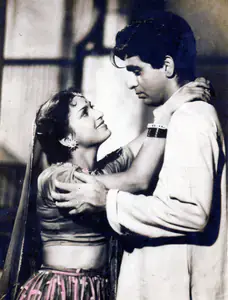
Lateef, Shahid (Director), Arzoo, 1950 | Photographic Still
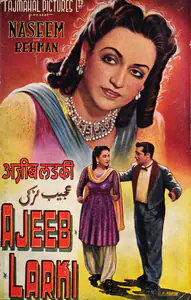
Hassan, S.I. (Producer), Ajeeb Larki, 1952 | Song-Synopsis Booklet
Loading...
Sort By | Year (ASC)

Patel, Baburao (Editor). Filmindia, May 1954 | Magazine | 00796634

Patel, Baburao (Editor). Filmindia, May 1954 | Magazine | 00796634
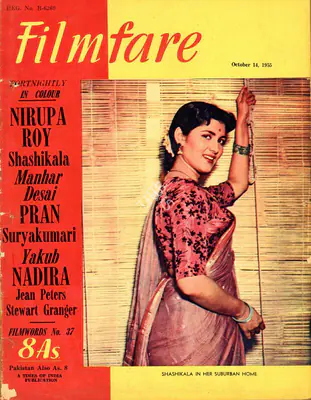
Jain, J.C. (Editor). Filmfare, 14 October 1955 | Magazine | 00793184

Patel, Baburao (Editor). Filmindia, March 1955 | Magazine | 00796644
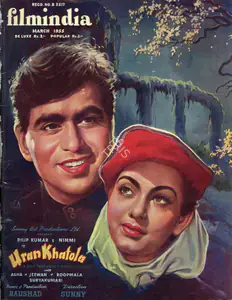
Patel, Baburao (Editor). Filmindia, March 1955 | Magazine | 00796644

Rao, L.P. (Editor). Filmfare, 29 July 1960 | Magazine | 00793251

Rao, L.P. (Editor). Filmfare, 24 March 1961 | Magazine | 00793256
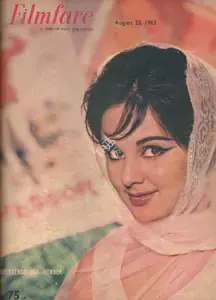
Karanjia, B.K. (Editor). Filmfare, 23 August 1963 | Magazine | 00793283

Karanjia, B.K. (Editor). Filmfare, 02 September 1966 | Magazine | 00793339
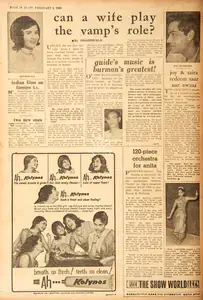
Shashikala (Essayist). Can a Wife Play the Vamp's Role ?. In Blitz. 05 February 1966 | Film Review | 00142804

Ewing, Gulshan (Editor). Star & Style, 15 December 1967 | Magazine | 00808439

Ewing, Gulshan (Editor). Star & Style, 15 December 1967 | Magazine | 00808439
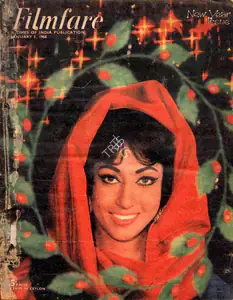
Karanjia, B.K. (Editor). Filmfare, 05 January 1968 | Magazine | 00793371
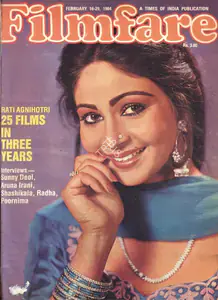
Subramaniam, K.N. (Assistant Editor). Filmfare, 16 February 1984 | Magazine | 00793748
No more items to load
Sort By | Year (ASC)
Issac, P. (Cinematographer), Jugnu, 1947 | Lobby Card
Issac, P. (Cinematographer), Jugnu, 1947 | Lobby Card
Ojha, S.K. (Director), Doli, 1947 | Song-Synopsis Booklet
Rizvi, Shaukat Hussain (Producer), Jugnu, 1947 | Half Sheet Poster
Issac, P. (Cinematographer), Jugnu, 1947 | Photographic Still
Issac, P. (Cinematographer), Jugnu, 1947 | Photographic Still
Issac, P. (Cinematographer), Jugnu, 1947 | Photographic Still
Issac, P. (Cinematographer), Jugnu, 1947 | Photographic Still
Issac, P. (Cinematographer), Jugnu, 1947 | Photographic Still
Issac, P. (Cinematographer), Jugnu, 1947 | Photographic Still
Arora, P.N. (Producer), Pugree, 1948 | Song-Synopsis Booklet
Arora, P.N. (Producer), Pugree, 1948 | Full Sheet Poster
Daryani, Ram (Producer), Bholi, 1949 | Song-Synopsis Booklet
Chakravarty, Amiya (Director), Girls School, 1949 | Song-Synopsis Booklet
Sharma, Kidar (Director), Thes, 1949 | Song-Synopsis Booklet
Dutt, Prahlad (Director), Nazaare, 1949 | Song-Synopsis Booklet
Dutt, Prahlad (Director), Nazaare, 1949 | Song-Synopsis Booklet
Lateef, Shahid (Director), Arzoo, 1950 | Cyclostyled Lyrics Leaflet
Lateef, Shahid (Director), Arzoo, 1950 | Photographic Still
Hassan, S.I. (Producer), Ajeeb Larki, 1952 | Song-Synopsis Booklet
No more items to load
Sort By | Year (ASC)
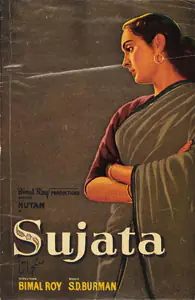
Roy, Bimal (Director), Sujata, 1959 | Song-Synopsis Booklet

Kumar, Naresh (Producer), Flight To Assam, 1961 | Song-Synopsis Booklet

Prakash, J.Om (Producer), Ayee Milan Ki Bela, 1964 | Song-Synopsis Booklet
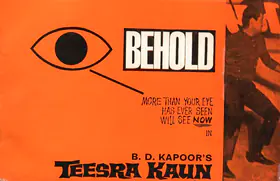
Kapoor, B.D. (Producer), Teesra Kaun, 1965 | Song-Synopsis Booklet

Lachman, L.B. (Producer), Anupama, 1966 | Song-Synopsis Booklet

Vasan, S.S. (Producer), Shatranj, 1969 | Song-Synopsis Booklet

Vasan, S.S. (Producer), Shatranj, 1969 | Song-Synopsis Booklet
No more items to load

EN
EN