
Mangal Pandey2005
Introduction
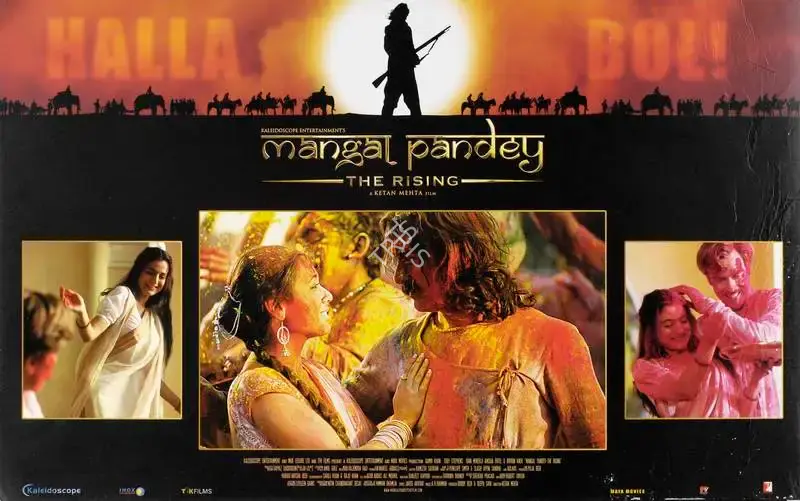
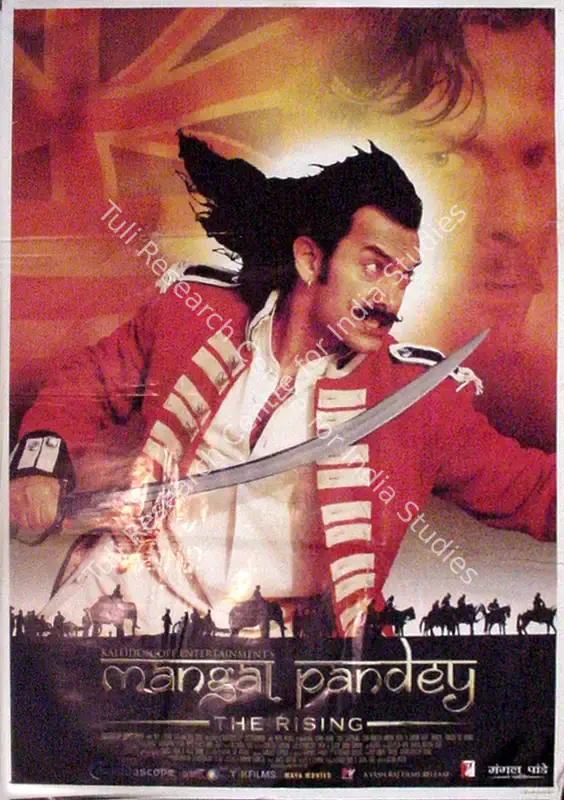
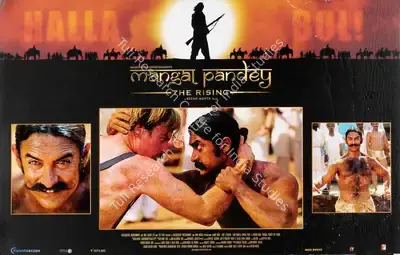
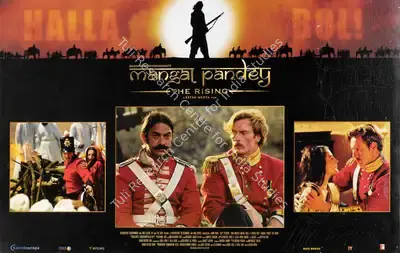
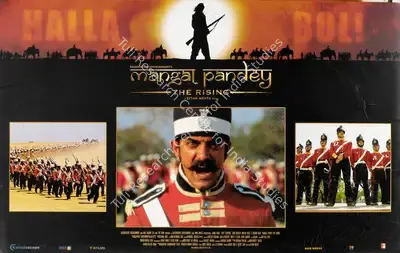
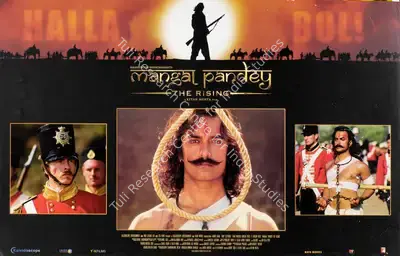
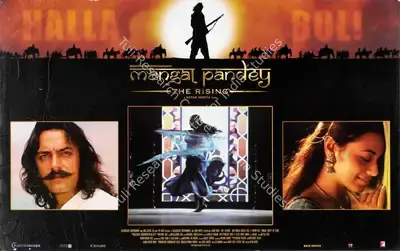
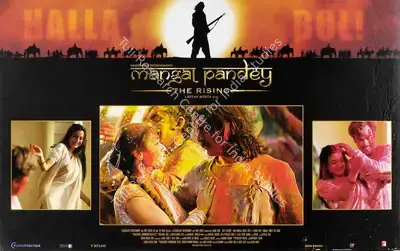
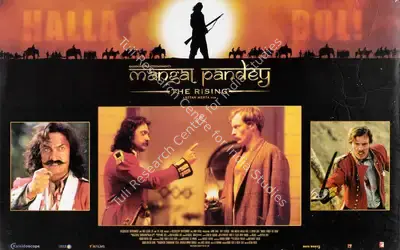
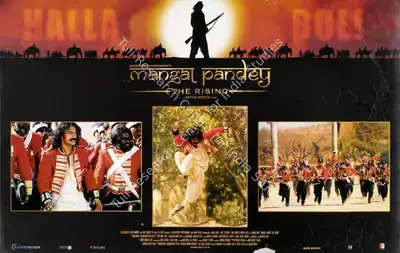
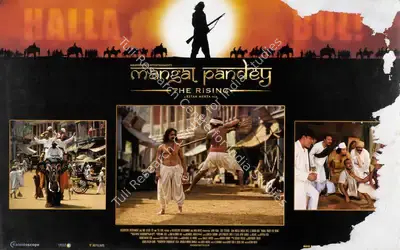
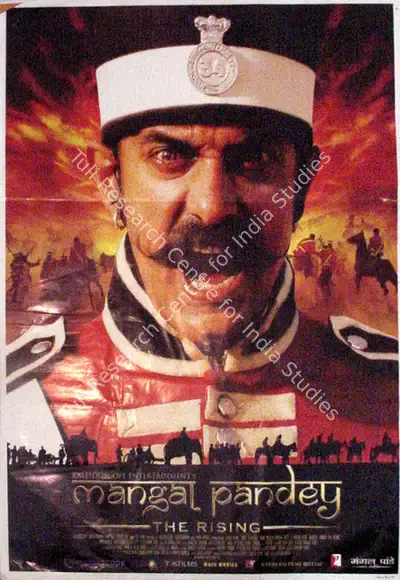
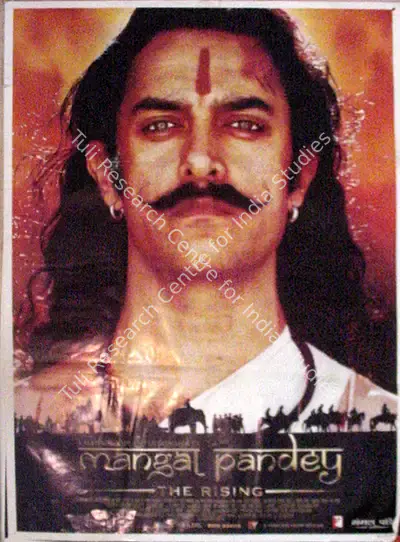
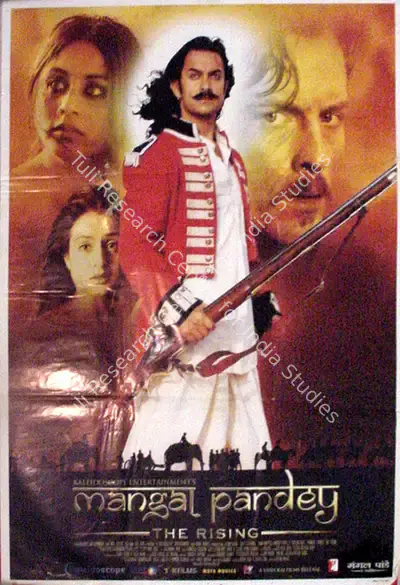
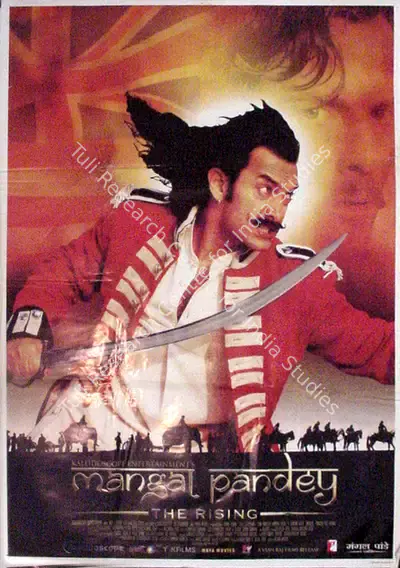
Mangal Pandey: The Rising (2005) A biographical historical drama directed by Ketan Mehta, produced by Bobby Bedi, and written by Farrukh Dhondy, it is based on the life of Mangal Pandey, the sepoy whose defiance against the British East India Company is widely regarded as one of the catalysts for the Indian Rebellion of 1857, often described in Indian historiography as the First War of Indian Independence. Starring Aamir Khan in the titular role, the film marked the actor's return to cinema following a four-year hiatus after Dil Chahta Hai (2001). The supporting cast includes Toby Stephens, Rani Mukerji, Ameesha Patel, and Kirron Kher.
The narrative reconstructs the socio-political conditions that culminated in the uprising of 1857 by foregrounding Mangal Pandey's transformation from a loyal sepoy into a symbol of anti-colonial resistance. The film examines the tensions generated by British colonial rule, particularly the controversy surrounding the introduction of the Enfield rifle cartridges, which were rumoured to be greased with cow and pig fat, thereby offending both Hindu and Muslim religious sentiments. Through Pandey's evolving political consciousness and moral resistance, the film presents his rebellion as an act of collective defiance against colonial oppression rather than an isolated incident. By interweaving themes of nationalism, religious identity, and colonial exploitation, the narrative positions Pandey as a foundational figure in India's struggle for independence.
The film premiered in the Marché du Film section of the 2005 Cannes Film Festival before its theatrical release in India on 12 August 2005. It emerged as the fourth highest-grossing Hindi film of the year, earning approximately ₹39.92 crore at the domestic box office and ₹52.57 crore worldwide. Although commercially successful, industry assessments categorised its box-office performance as average relative to expectations. Critically, however, the film received generally positive reviews for its ambitious historical scope, performances, and visual spectacle.
Despite its acclaim, Mangal Pandey: The Rising generated considerable political controversy over its representation of the historical figure. Leaders of the Bharatiya Janata Party, the Samajwadi Party, and the Uttar Pradesh government criticised the film for alleged historical inaccuracies and distortion of Pandey's character, particularly objecting to scenes depicting his interactions with a courtesan. These objections led to demands for a ban and triggered protests in Ballia, Pandey's birthplace, where demonstrations included vandalism of film merchandise, disruptions to railway services, and public sit-ins. The controversy underscored the contested nature of historical memory and the challenges of representing nationalist icons within popular cinema.
Internationally, the film received significant recognition, winning the NETPAC Special Jury Award at the Locarno Film Festival for its narrative strength and also receiving the Asian Film Promotion Association Award. It served as the opening film at the Locarno Film Festival and was showcased internationally at the Cannes Film Festival, reinforcing its importance as a cinematic exploration of colonial history, nationalism, and the politics of historical representation.
यह कहानी उन सामाजिक-राजनीतिक हालात को फ़िर से दिखाती है जिनकी वजह से 1857 का विद्रोह हुआ। इसमें मंगल पांडे के एक वफ़ादार सिपाही से औपनिवेशिक शासन के खिलाफ़ प्रतिरोध के प्रतीक बनने के सफ़र को मुख्य रूप से दिखाया गया है। फ़िल्म ब्रिटिश औपनिवेशिक शासन से पैदा हुए तनावों, ख़ासकर एनफ़ील्ड राइफ़ल के कारतूसों से जुड़े विवाद की पड़ताल करती है। इन कारतूसों के बारे में अफ़वाह थी कि उन पर गाय और सुअर की चर्बी लगी है, जिससे हिंदू और मुस्लिम दोनों समुदायों की धार्मिक भावनाएँ आहत हुईं। पांडे की बदलती राजनीतिक सोच और नैतिक प्रतिरोध के ज़रिए, फ़िल्म उनके विद्रोह को किसी एक अलग-थलग घटना के बजाय औपनिवेशिक दमन के खिलाफ़ सामूहिक विरोध के तौर पर पेश करती है। राष्ट्रवाद, धार्मिक पहचान और औपनिवेशिक शोषण जैसे विषयों को आपस में जोड़ते हुए, यह कहानी पांडे को भारत की आज़ादी की लड़ाई में एक महत्वपूर्ण और बुनियादी हस्ती के तौर पर पेश करती है।
भारत में 12 अगस्त 2005 को सिनेमाघरों में रिलीज़ होने से पहले, यह फ़िल्म 2005 के कान फ़िल्म फ़ेस्टिवल के 'मार्शे डू फ़िल्म' सेक्शन में दिखाई गई थी। यह उस साल की चौथी सबसे ज़्यादा कमाई करने वाली हिंदी फ़िल्म बनी। इसने घरेलू बॉक्स ऑफ़िस पर लगभग ₹39.92 करोड़ और दुनिया भर में ₹52.57 करोड़ की कमाई की। हालाँकि यह कमर्शियली सफल रही, लेकिन इंडस्ट्री के जानकारों ने उम्मीदों के मुक़ाबले इसके बॉक्स-ऑफ़िस परफ़ॉर्मेंस को औसत माना। वहीं, क्रिटिक्स ने फ़िल्म के बड़े ऐतिहासिक दायरे, एक्टिंग और शानदार विज़ुअल अनुभव के लिए इसे आम तौर पर अच्छे रिव्यू दिए।
काफ़ी तारीफ़ मिलने के बावजूद, 'मंगल पांडे: द राइज़िंग' फ़िल्म में ऐतिहासिक व्यक्ति के चित्रण को लेकर काफ़ी राजनीतिक विवाद हुआ। भारतीय जनता पार्टी, समाजवादी पार्टी और उत्तर प्रदेश सरकार के नेताओं ने फ़िल्म में कथित ऐतिहासिक गलतियों और पांडे के किरदार को गलत तरीके से दिखाने के लिए इसकी आलोचना की! उन्हें ख़ासकर उन दृश्यों पर आपत्ति थी जिनमें पांडे को एक तवायफ़ के साथ दिखाया गया था। इन आपत्तियों के कारण फ़िल्म पर प्रतिबंध लगाने की मांग उठी और पांडे के जन्मस्थान बलिया में विरोध-प्रदर्शन हुए, जिनमें फ़िल्म से जुड़ी चीज़ों में तोड़-फोड़, रेल सेवाओं में रुकावट और सार्वजनिक धरने शामिल थे। इस विवाद ने ऐतिहासिक यादों से जुड़े मतभेदों और लोकप्रिय सिनेमा में राष्ट्रवादी नायकों को दिखाने की चुनौतियों को उजागर किया।
इस फ़िल्म को अंतरराष्ट्रीय स्तर पर काफ़ी पहचान मिली। इसने अपनी कहानी की मज़बूती के लिए लोकारनो फ़िल्म फ़ेस्टिवल में 'NETPAC स्पेशल जूरी अवॉर्ड' और 'एशियन फ़िल्म प्रमोशन एसोसिएशन अवॉर्ड' जीता। यह लोकारनो फ़िल्म फ़ेस्टिवल की ओपनिंग फ़िल्म थी और इसे कान फ़िल्म फ़ेस्टिवल में भी दिखाया गया। इससे औपनिवेशिक इतिहास, राष्ट्रवाद और ऐतिहासिक राजनीति की सिनेमाई पड़ताल के तौर पर इसकी अहमियत और मज़बूत हुई।
Body of Work
Research Centre
Related
1
Personalities
1