
Ketan Mehta
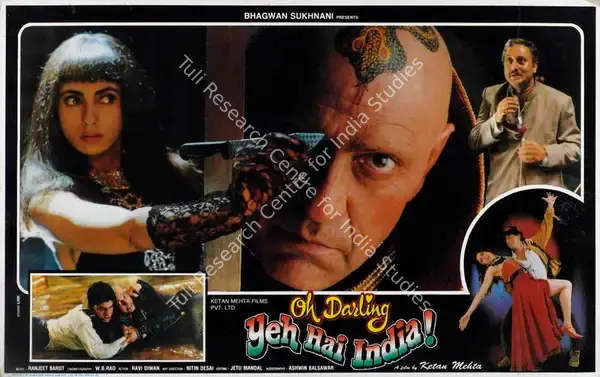
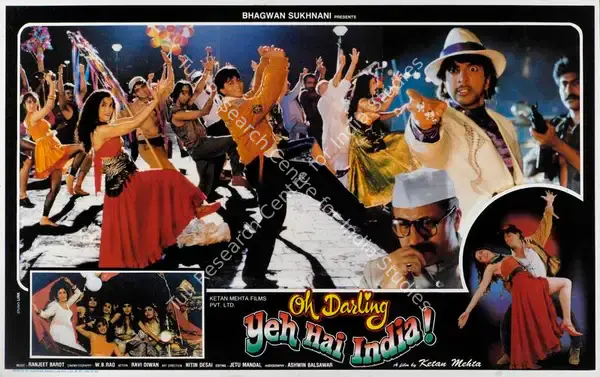
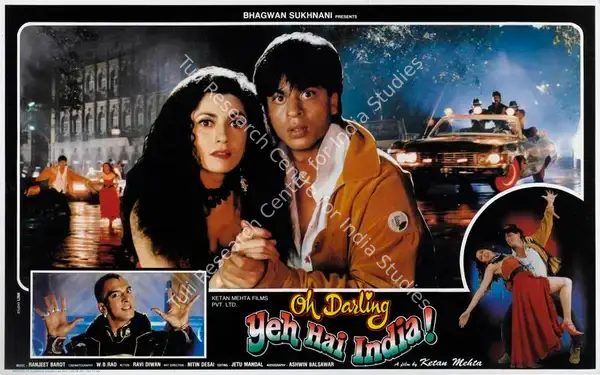
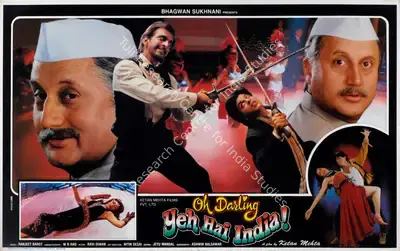
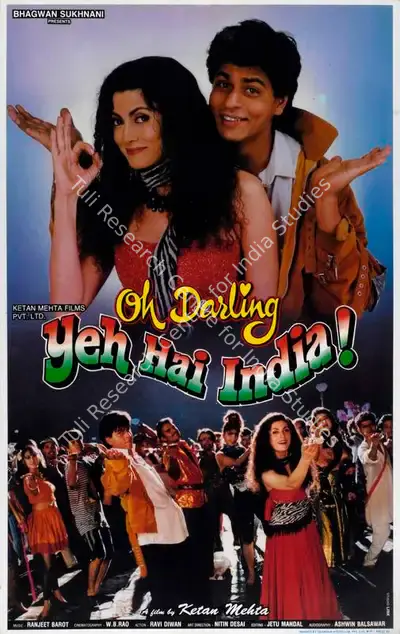
Ketan Mehta (born 21 July 1952) He is an Indian film director, producer, and screenwriter whose contributions to feature films, documentaries, and television since 1975 have significantly influenced the evolution of Indian parallel cinema. Born in Navsari, Gujarat, he received his early education at Sardar Patel Vidyalaya in Delhi before graduating in Film Direction from the Film and Television Institute of India (FTII), Pune. As a member of the generation of filmmakers associated with the New Indian Cinema movement, Mehta has consistently employed cinema as a medium for historical inquiry, social critique, and artistic experimentation.
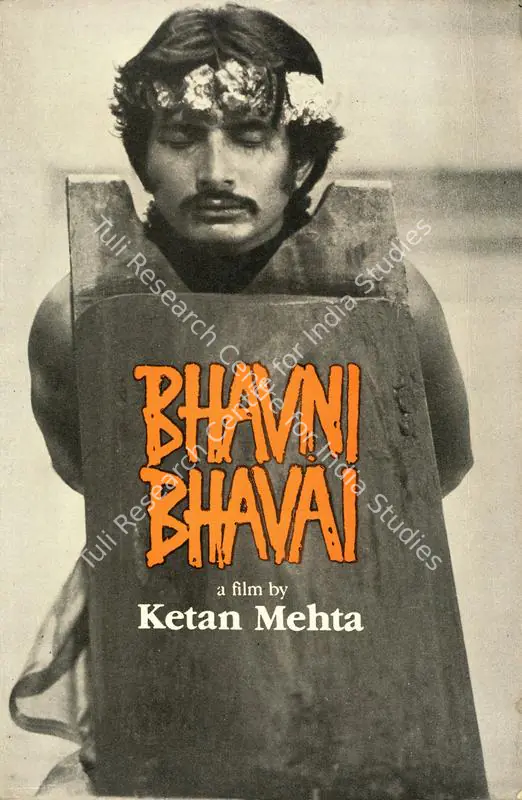
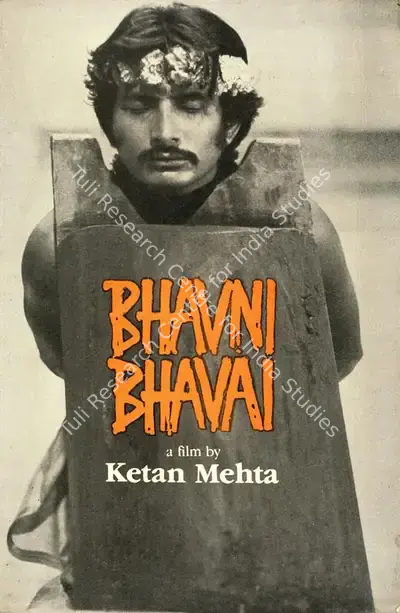
Mehta's directorial debut, Bhavni Bhavai (1980), marked a decisive moment in Gujarati and Indian cinema. Drawing upon folklore, satire, and Brechtian theatrical conventions, the film examined caste oppression and social inequality with remarkable originality. Its critical and commercial success established Mehta as an innovative filmmaker committed to addressing complex socio-political issues through distinctive cinematic language. The film received the National Film Award for Best Feature Film on National Integration, bringing national recognition to his emerging artistic vision.
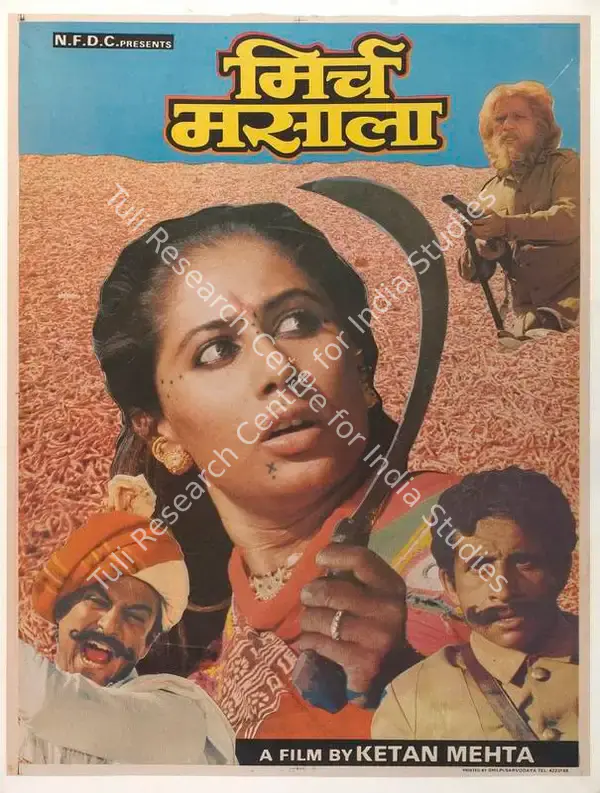
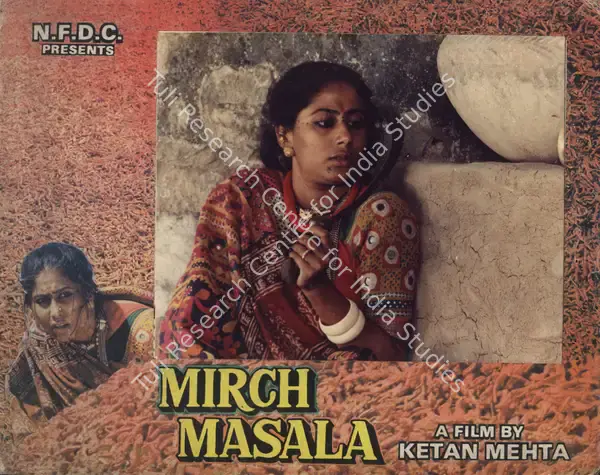
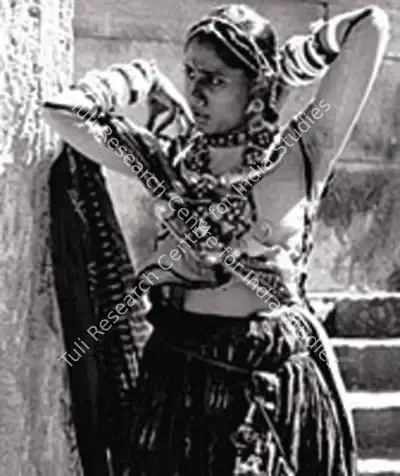
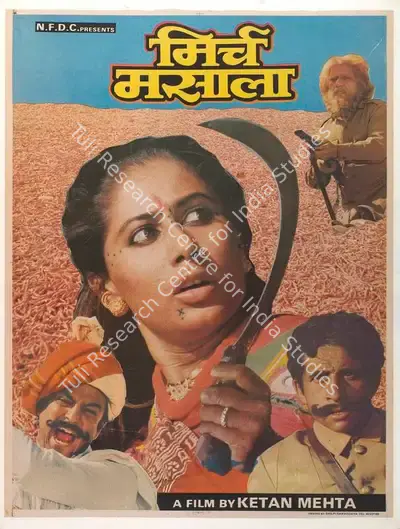
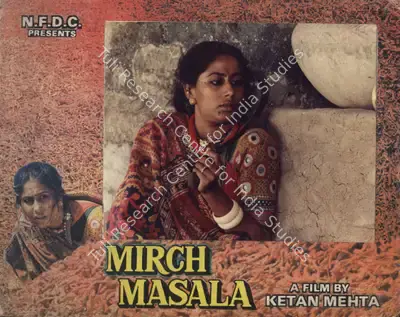
Throughout his career, Mehta has explored questions of identity, power, resistance, and cultural memory across a diverse body of work. His internationally acclaimed Mirch Masala (1987) is widely regarded as a landmark in Indian feminist cinema. Set in colonial India, the film presents a compelling narrative of collective resistance by rural women against patriarchal and feudal oppression. Celebrated for its visual aesthetics, powerful performances, and political engagement, the film won the National Film Award for Best Feature Film in Hindi, received the East-West Center Award at the Hawaii International Film Festival, and was nominated for the Golden Prize at the 15th Moscow International Film Festival.
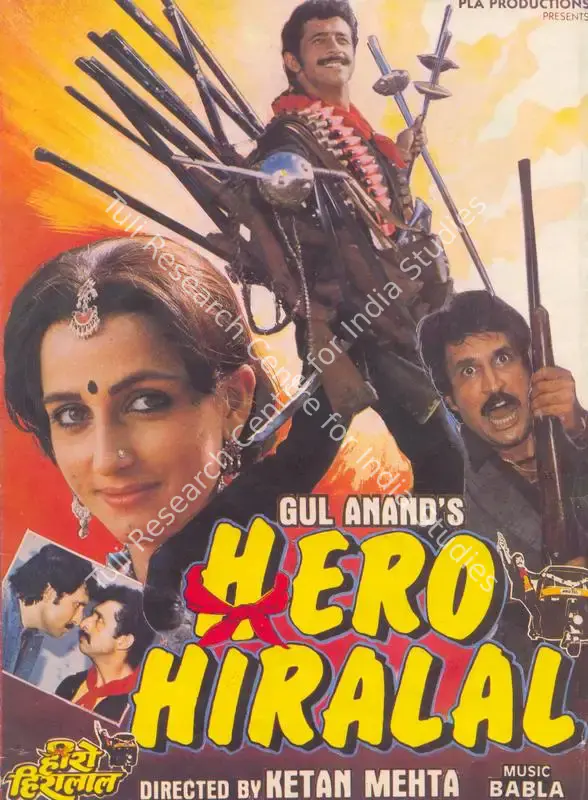
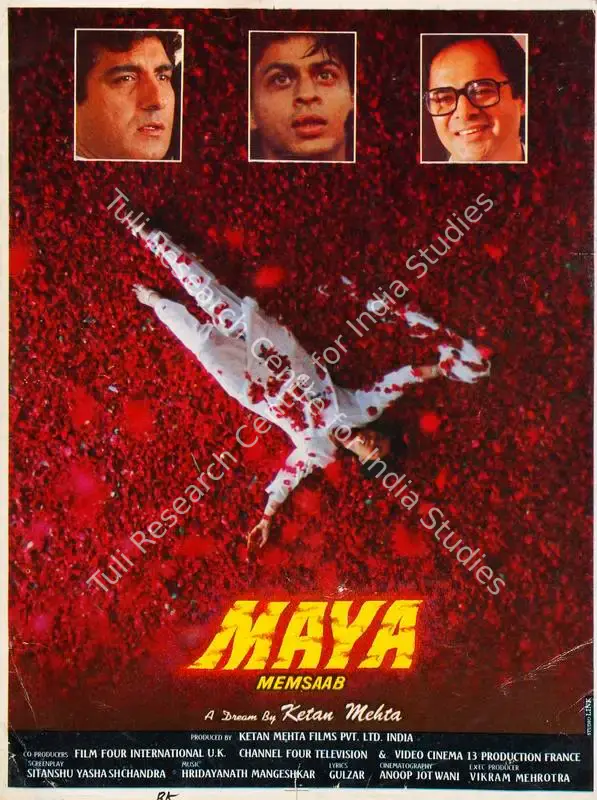
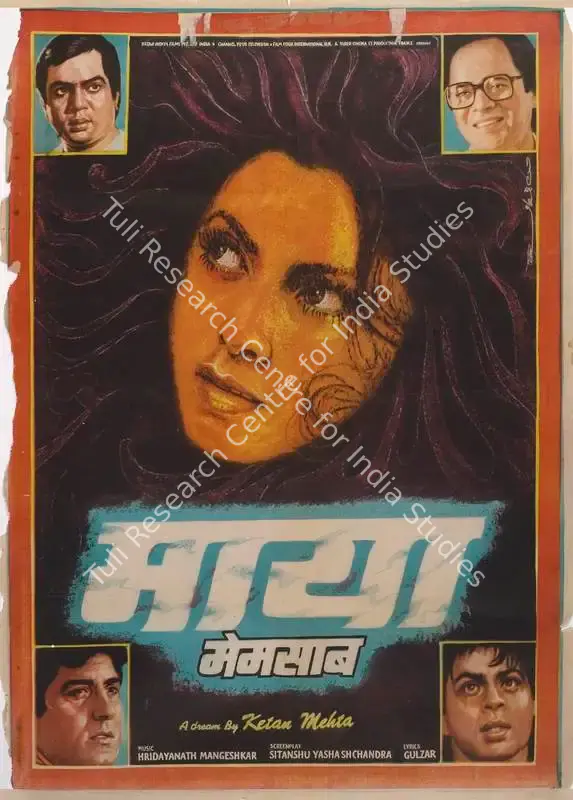
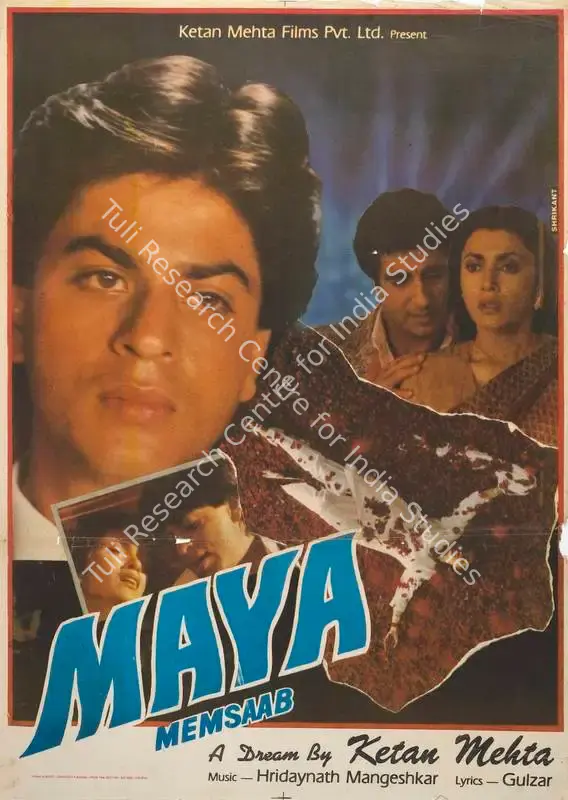
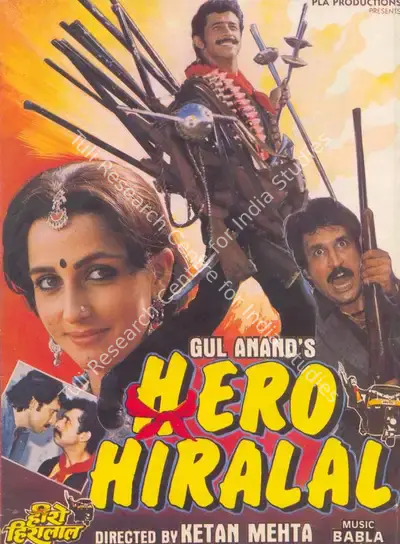
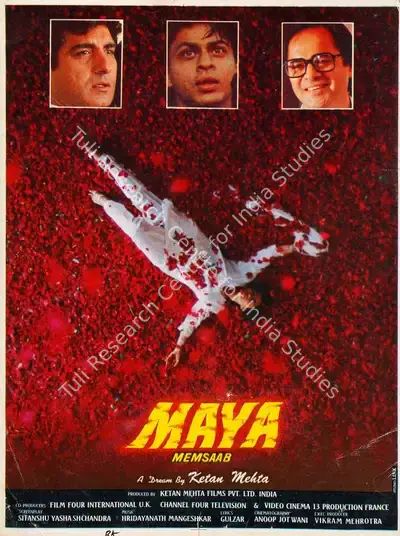
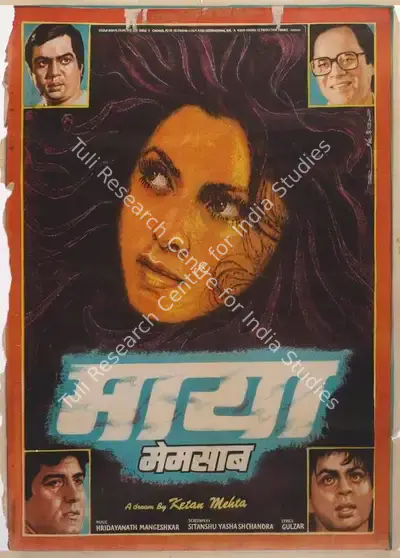
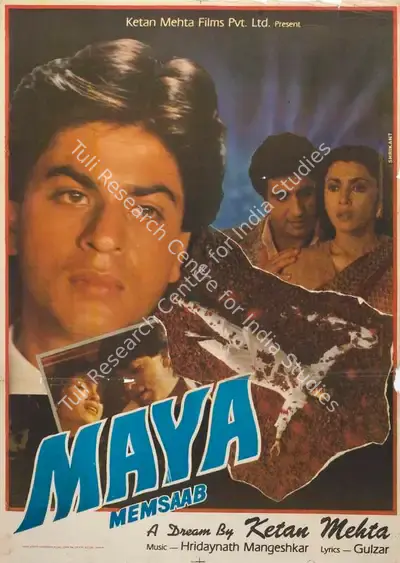
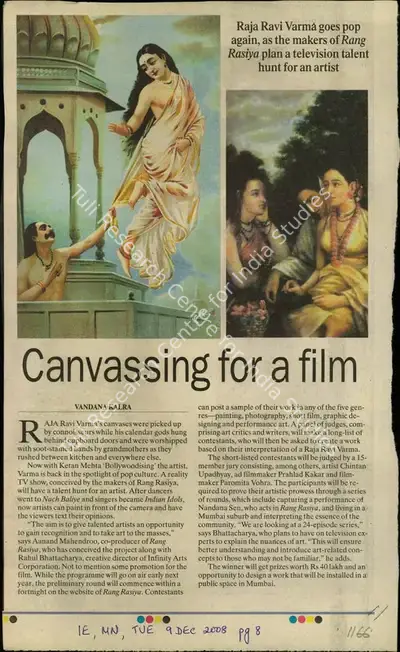
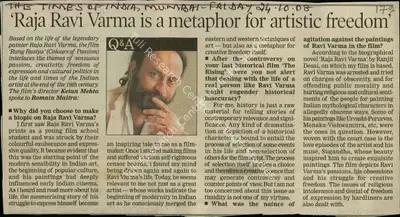
Mehta's subsequent films, including Holi, Hero Hiralal, Maya Memsaab, Sardar, The Rising: Ballad of Mangal Pandey, Rang Rasiya, and Manjhi: The Mountain Man, reflect a sustained engagement with historical narratives, political movements, artistic freedom, and human resilience. His films frequently foreground individuals and communities confronting entrenched structures of authority, thereby offering nuanced reflections on justice, identity, and social transformation. His political biopic Sardar received the National Film Award for Best Feature Film on National Integration, reaffirming his commitment to historically informed filmmaking.
Beyond directing, Mehta has contributed to Indian cinema as a producer, mentor, and institutional builder. Together with actress Deepa Sahi, whom he married and directed in several films, he co-founded the Maya Academy of Advanced Cinematics and Maya Digital Studios, initiatives that have supported animation and digital media education in India. His films have been screened at major international film festivals and continue to attract scholarly attention for their aesthetic innovation and socio-political relevance. Through a career spanning more than four decades, Ketan Mehta has established himself as a distinguished filmmaker whose work has made a lasting contribution to Indian and global cinematic discourse.
मेहता की पहली निर्देशित फ़िल्म, 'भवनी भवाई' (1980), गुजराती और भारतीय सिनेमा में एक अहम मोड़ साबित हुई। लोककथाओं, व्यंग्य और ब्रेख्तियन (Brechtian) नाट्य शैलियों का इस्तेमाल करते हुए, इस फ़िल्म ने जातिगत उत्पीड़न और सामाजिक असमानता को बहुत ही अनोखे ढंग से दिखाया। इसकी आलोचनात्मक और व्यावसायिक सफलता ने मेहता को एक ऐसे इनोवेटिव फ़िल्म निर्माता के तौर पर स्थापित किया जो अपनी अलग तरह की सिनेमाई भाषा के ज़रिए जटिल सामाजिक-राजनीतिक मुद्दों को उठाने के लिए प्रतिबद्ध थे। फ़िल्म को राष्ट्रीय एकता पर सर्वश्रेष्ठ फ़ीचर फ़िल्म का राष्ट्रीय फ़िल्म पुरस्कार मिला, जिससे उनकी उभरती कलात्मक सोच को राष्ट्रीय पहचान मिली।
अपने पूरे करियर में, मेहता ने अपनी अलग-अलग तरह की फ़िल्मों के ज़रिए पहचान, सत्ता, प्रतिरोध और सांस्कृतिक यादों जैसे मुद्दों को खंगाला है। उनकी अंतरराष्ट्रीय स्तर पर सराही गई फ़िल्म 'मिर्च मसाला' (1987) को भारतीय नारीवादी सिनेमा में एक मील का पत्थर माना जाता है। औपनिवेशिक भारत की पृष्ठभूमि पर बनी यह फ़िल्म पितृसत्तात्मक और सामंती उत्पीड़न के ख़िलाफ़ ग्रामीण महिलाओं के सामूहिक प्रतिरोध की एक ज़बरदस्त कहानी पेश करती है। अपनी विज़ुअल सुंदरता, दमदार अभिनय और राजनीतिक जुड़ाव के लिए मशहूर इस फ़िल्म ने हिंदी में सर्वश्रेष्ठ फ़ीचर फ़िल्म का राष्ट्रीय फ़िल्म पुरस्कार जीता, हवाई इंटरनेशनल फ़िल्म फ़ेस्टिवल में ईस्ट-वेस्ट सेंटर अवार्ड हासिल किया और 15वें मॉस्को इंटरनेशनल फ़िल्म फ़ेस्टिवल में गोल्डन प्राइज़ के लिए नॉमिनेट हुई।
मेहता की बाद की फ़िल्में- 'होली', 'हीरो हीरालाल', 'माया मेमसाब', 'सरदार', 'द राइज़िंग: बैलेड ऑफ़ मंगल पांडे' (मंगल पांडे: द राइजिंग), 'रंग रसिया' और 'मांझी: द माउंटेन मैन' ऐतिहासिक कहानियों, राजनीतिक आंदोलनों, कलात्मक आज़ादी और इंसानी हिम्मत के साथ उनके लगातार जुड़ाव को दिखाती हैं। उनकी फ़िल्में अक्सर ऐसे व्यक्तियों और समुदायों को सामने लाती हैं जो सत्ता के गहरे ढाँचे का सामना कर रहे होते हैं और इस तरह न्याय, पहचान और सामाजिक बदलाव पर गहरी सोच पेश करती हैं। उनकी राजनीतिक बायोपिक 'सरदार' को राष्ट्रीय एकता पर सर्वश्रेष्ठ फ़ीचर फ़िल्म का राष्ट्रीय फ़िल्म पुरस्कार मिला, जिससे ऐतिहासिक तथ्यों पर आधारित फ़िल्में बनाने के प्रति उनकी प्रतिबद्धता फिर से साबित हुई।
डायरेक्शन के अलावा, मेहता ने एक प्रोड्यूसर, मेंटर और संस्थान बनाने वाले के तौर पर भारतीय सिनेमा में योगदान दिया है। उन्होंने एक्ट्रेस दीपा साही के साथ मिलकर, 'माया एकेडमी ऑफ़ एडवांस्ड सिनेमैटिक्स' और 'माया डिजिटल स्टूडियोज़' की शुरुआत की, जिनसे उन्होंने शादी की और कई फ़िल्मों में उन्हें डायरेक्ट भी किया। इन पहलों ने भारत में एनिमेशन और डिजिटल मीडिया की शिक्षा को बढ़ावा दिया है। उनकी फ़िल्में बड़े इंटरनेशनल फ़िल्म फ़ेस्टिवल में दिखाई गई हैं और अपनी कलात्मक नवीनता और सामाजिक-राजनीतिक महत्व के कारण जानकारों का ध्यान खींचती रही हैं। चार दशकों से ज़्यादा के करियर में, केतन मेहता ने ख़ुद को एक बेहतरीन फ़िल्ममेकर के तौर पर स्थापित किया है, जिनके काम ने भारतीय और ग्लोबल सिनेमा की चर्चा में अहम और स्थायी योगदान दिया है।