TRIS logo image
Search275,000+ actors, artists, objects, artworks, films, exhibitions, archives

EN

EN

English

HI

Hindi

EN

EN

English

HI

Hindi

Tuli Research Centre for India Studies

Tuli Research Centre for India Studies

Vision

Manifesto

Archive & Library

Vanraja Sanctuary & Hospice

Home

Research Categories

Browse All

ICore

1_CinemaEducation_Cinema as a Critical Educational Resource

2_FineArts_Modern and Contemporary Indian Fine Arts

3_Photography_Photography in India

4_PopCulture_The Printed Image, Popular Arts, and Crafts

IIMaterial

5_ArcHeritage_India's Architectural Heritage as Inspiration

6_EconomicsArt_Economics of Art & Cultural Industry

7_Travel_Automobile, Transport and Travel Heritage

8_Uncertainty_Uncertainty

IIICritical

9_SocialDuty_Social Responsibility of the Creative Mind

10_Childhood_The Changing Smile of Childhood & Its Second Coming

11_Sensuality_The Sensual Discipline within Creativity

12_Scholarship_The History & Historiography of Scholarship in the Arts, Humanities, and Social Sciences

IVMeaningful

13_SeekJustice_Seeking Justice and Political Integrity

14_IndoWorld_India and her Relationship with the World

15_SpiritualPoetics_The Religious-Spiritual-Poetic-Philosophical Framework

16_Continuum_The Animal-Human-Nature Continuum

Explore

All

Posts

Masterlists

Calendar

Live | Upcoming

All Events

Timetable

Search275,000+ actors, artists, objects, artworks, films, exhibitions, archives

EN

EN

English

HI

Hindi

Home/Ravikant

Ravikant

Ravikant is an Indian intermedia historian, archivist, writer and translator, whose scholarship explores intersections of languages, media forms, popular cinema, and music in South Asia. He is a Professor at the Centre for the Study of Developing Societies (CSDS), Delhi, where he leads the Indian Languages Programme and edits the peer-reviewed journal Pratiman.
As part of the Sarai Programme at CSDS, he played a leading role in developing digital archives, language technologies, research initiatives and networks on popular culture and media histories.
His work on the social history of Hindi cinema, radio, and film music has established him as an important voice in Indian music and media studies. Through archival projects on Hindi-Urdu print culture, folk traditions, and early cinema, he has helped preserve significant aspects of India's literary and popular heritage.
Ravikant is the author of Media ki Bhasha-leela and has co-edited several influential books and journals, including Translating Partition, Deewan-e-Sarai series and HInglish Live: Language Mixing across Media, as well as the special issues of Hans on New/Social Media(2018) and of Naya Path on Sahir Ludhiyanvi. He has curated intermedia cinematic exhibitions at India Habitat Centre, SAA, JNU, and Arthshila, Patna.
The whole holding
Scroll→
Ravikant
Ravikant
Research Centre110
Posts7

Research Centre
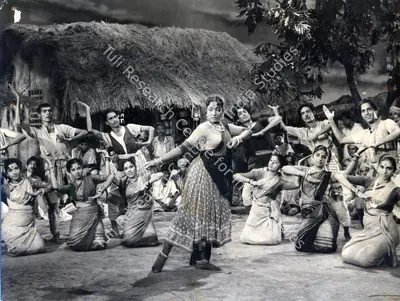
Manohar Ghatwal (Director), Jagriti, 1949, Photographic Still
Ghatwal, Manohar (Director), Jagriti, 1949 | Photographic Still
Phani Majumdar (Director), Goonj, 1952, Photographic Still
Majumdar, Phani (Director), Goonj, 1952 | Photographic Still
Phani Majumdar (Director), Goonj, 1952, Photographic Still
Majumdar, Phani (Director), Goonj, 1952 | Photographic Still
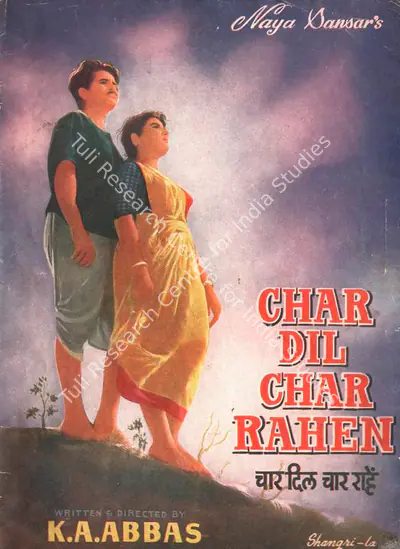
Ramachandra (ii) (Cinematographer), Char Dil Char Rahen, 1959, Photographic Still
Ramachandra (ii) (Cinematographer), Char Dil Char Rahen, 1959 | Photographic Still
Khwaja Ahmad Abbas (Producer), Char Dil Char Rahen, 1959, Song-Synopsis Booklet
Abbas, Khwaja Ahmad (Producer), Char Dil Char Rahen, 1959 | Song-Synopsis Booklet
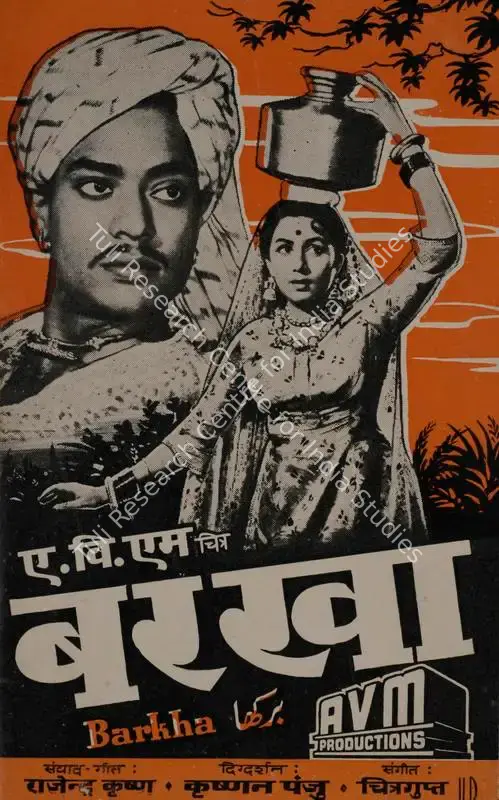
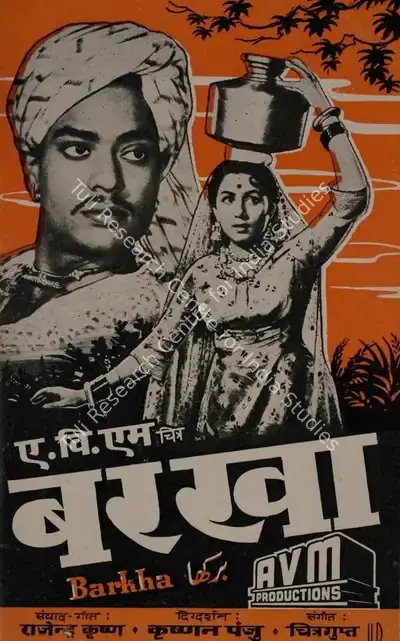
A.V. Meiyappan (Producer), Barkha, 1959, Song-Synopsis Booklet
Meiyappan, A.V. (Producer), Barkha, 1959 | Song-Synopsis Booklet
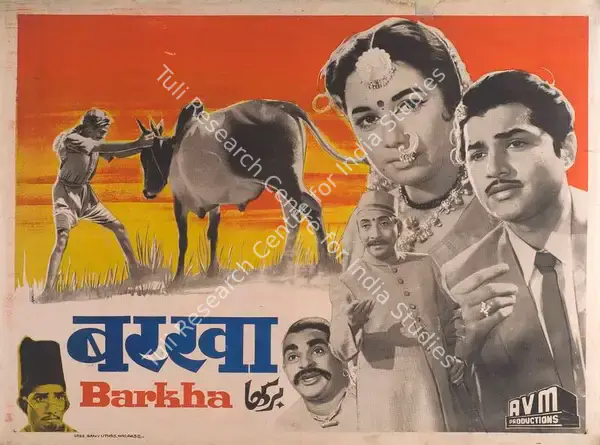
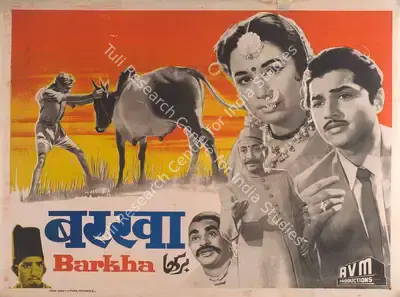
A.V. Meiyappan (Producer), Barkha, 1959, Full Sheet Poster
Meiyappan, A.V. (Producer), Barkha, 1959 | Full Sheet Poster
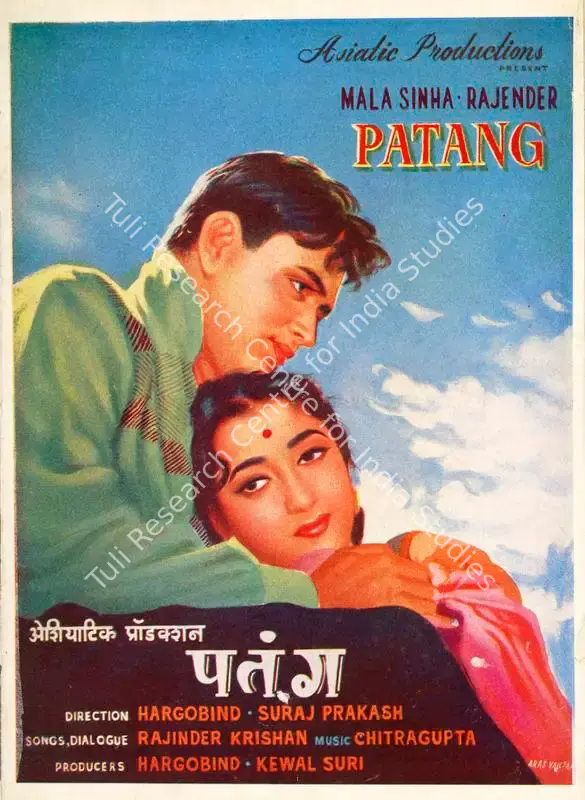
Kewal Suri (Producer), Patang, 1960, Song-Synopsis Booklet
Suri, Kewal (Producer), Patang, 1960 | Song-Synopsis Booklet
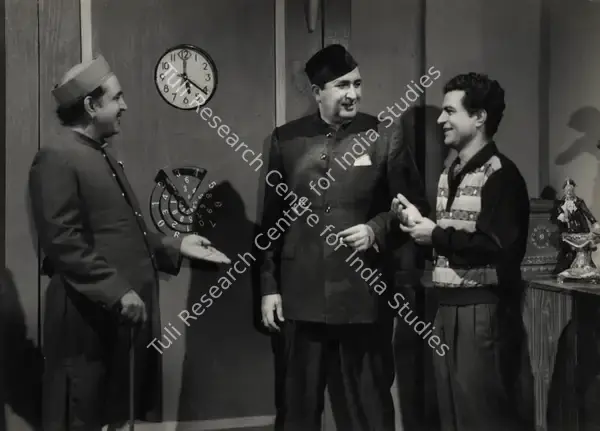
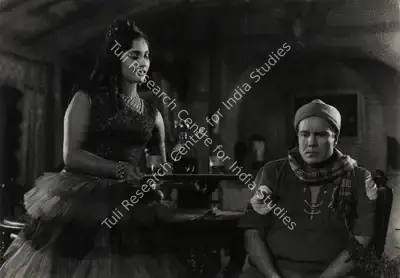
K. Amarnath (Producer), Bada Admi, 1961, Photographic Still
Amarnath, K. (Producer), Bada Admi, 1961 | Photographic Still
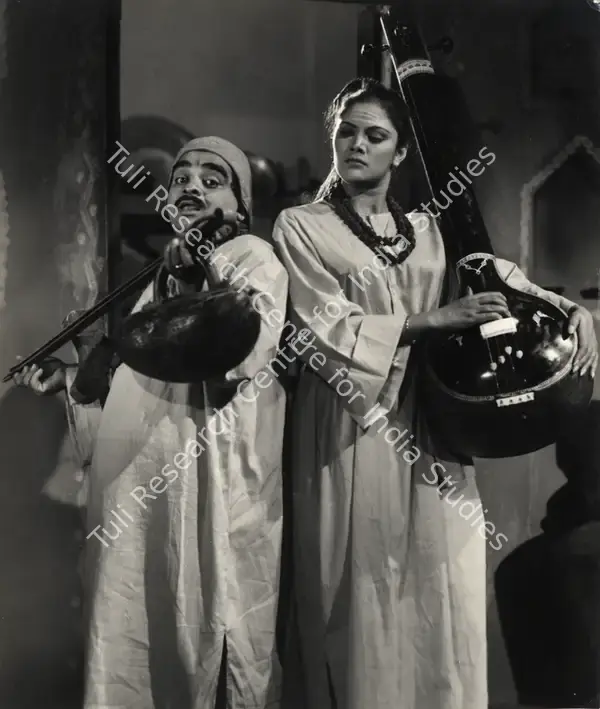
K. Amarnath (Producer), Bada Admi, 1961, Photographic Still
Amarnath, K. (Producer), Bada Admi, 1961 | Photographic Still
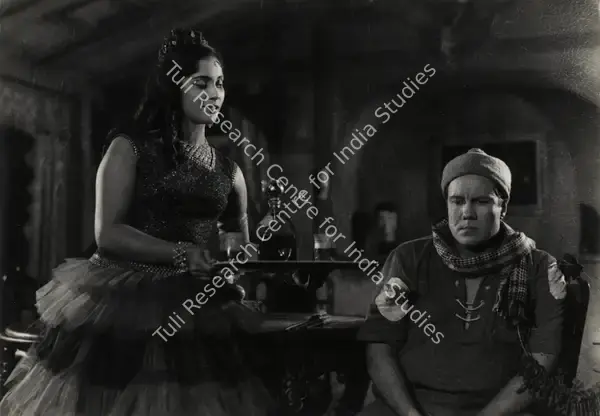
K. Amarnath (Producer), Bada Admi, 1961, Photographic Still
Amarnath, K. (Producer), Bada Admi, 1961 | Photographic Still
K. Amarnath (Producer), Bada Admi, 1961, Photographic Still
Amarnath, K. (Producer), Bada Admi, 1961 | Photographic Still
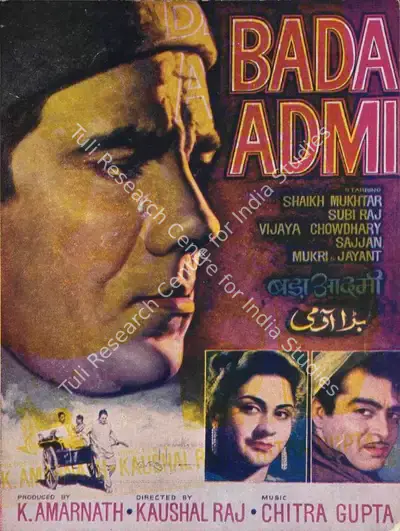
K. Amarnath (Producer), Bada Admi, 1961, Song-Synopsis Booklet
Amarnath, K. (Producer), Bada Admi, 1961 | Song-Synopsis Booklet
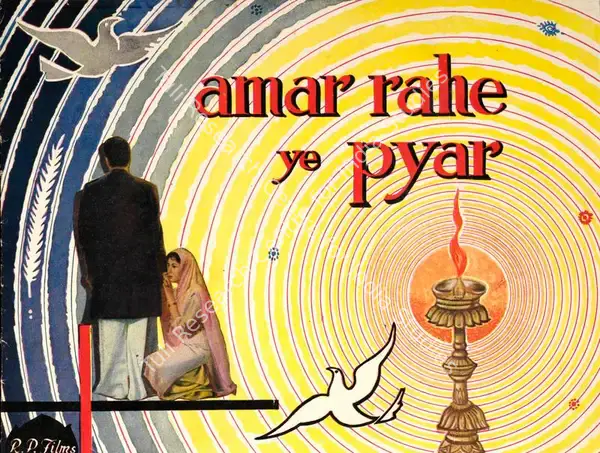
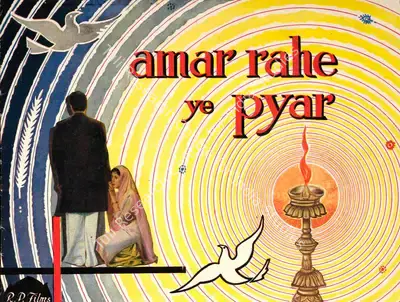
Radhakishan Prabhu (Producer), Amar Rahe Ye Pyar, 1961, Song-Synopsis Booklet
Prabhu, Radhakishan (Producer), Amar Rahe Ye Pyar, 1961 | Song-Synopsis Booklet
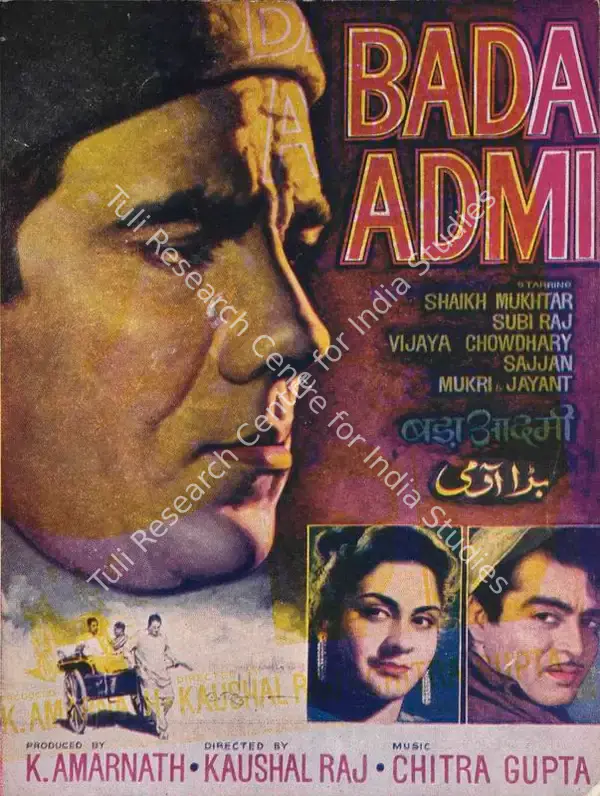
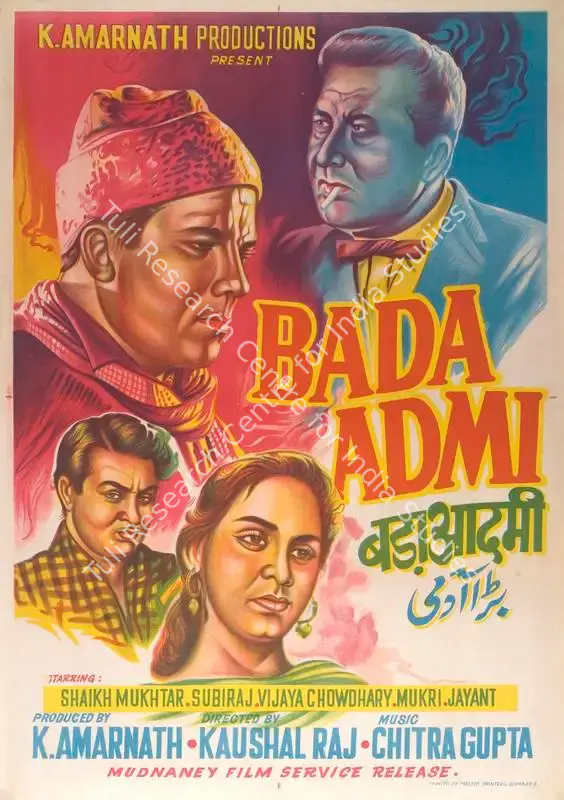
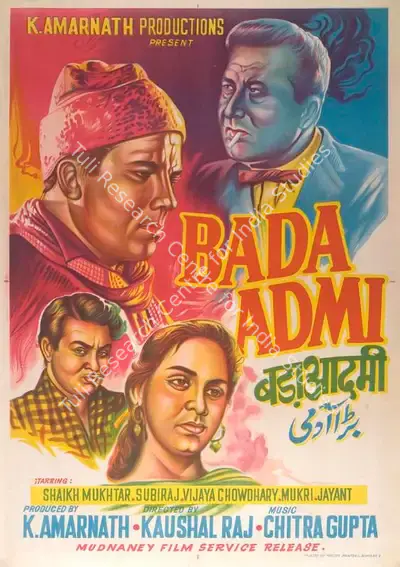
K. Amarnath (Producer), Bada Admi, 1961, Full Sheet Poster
Amarnath, K. (Producer), Bada Admi, 1961 | Full Sheet Poster
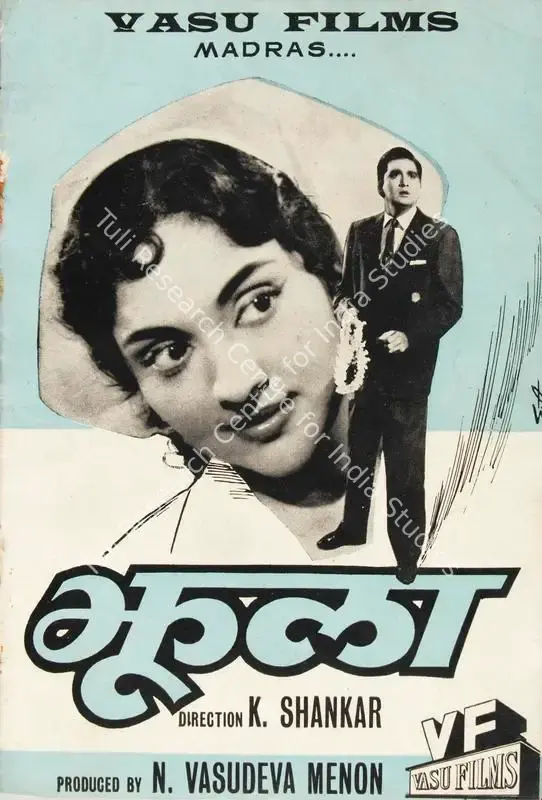
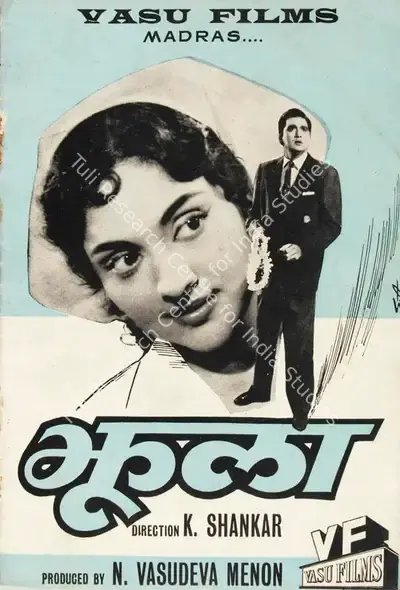
N.Vasudeva Menon (Producer), Jhoola, 1962, Song-Synopsis Booklet
Menon, N.Vasudeva (Producer), Jhoola, 1962 | Song-Synopsis Booklet
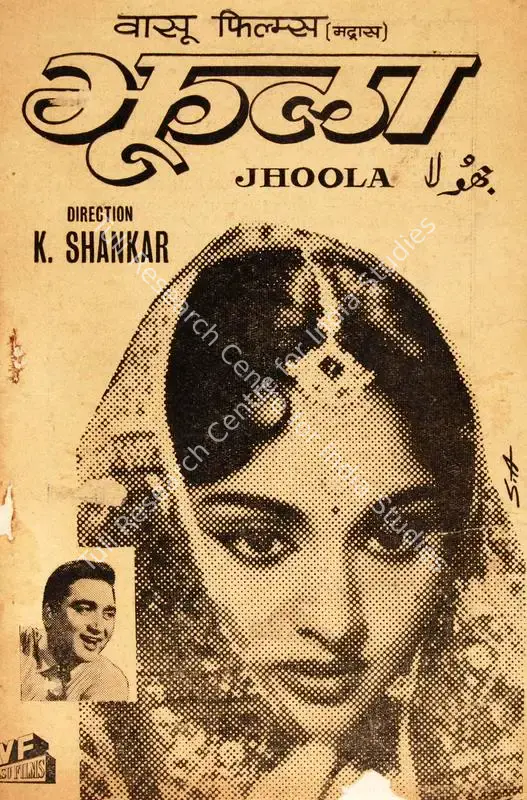
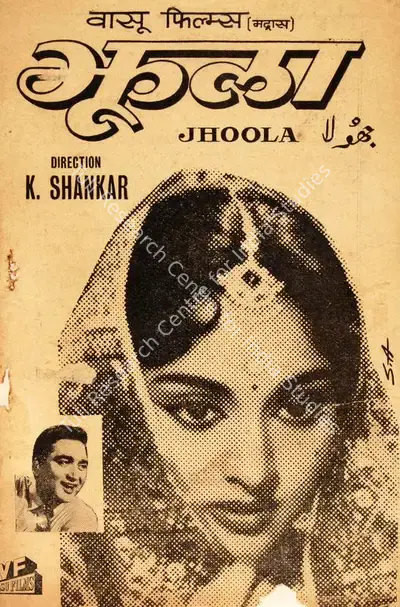
N.Vasudeva Menon (Producer), Jhoola, 1962, Cyclostyled Lyrics Leaflet
Menon, N.Vasudeva (Producer), Jhoola, 1962 | Cyclostyled Lyrics Leaflet
Dharam Chopra (Cinematographer), Dil Hi To Hai, 1963, Photographic Still
Chopra, Dharam (Cinematographer), Dil Hi To Hai, 1963 | Photographic Still
Dharam Chopra (Cinematographer), Dil Hi To Hai, 1963, Photographic Still
Chopra, Dharam (Cinematographer), Dil Hi To Hai, 1963 | Photographic Still
Dharam Chopra (Cinematographer), Dil Hi To Hai, 1963, Photographic Still
Chopra, Dharam (Cinematographer), Dil Hi To Hai, 1963 | Photographic Still
20 of 110
Manohar Ghatwal (Director), Jagriti, 1949, Photographic Still
Ghatwal, Manohar (Director), Jagriti, 1949 | Photographic Still
Phani Majumdar (Director), Goonj, 1952, Photographic Still
Majumdar, Phani (Director), Goonj, 1952 | Photographic Still
Phani Majumdar (Director), Goonj, 1952, Photographic Still
Majumdar, Phani (Director), Goonj, 1952 | Photographic Still
Ramachandra (ii) (Cinematographer), Char Dil Char Rahen, 1959, Photographic Still
Ramachandra (ii) (Cinematographer), Char Dil Char Rahen, 1959 | Photographic Still
Khwaja Ahmad Abbas (Producer), Char Dil Char Rahen, 1959, Song-Synopsis Booklet
Abbas, Khwaja Ahmad (Producer), Char Dil Char Rahen, 1959 | Song-Synopsis Booklet
A.V. Meiyappan (Producer), Barkha, 1959, Song-Synopsis Booklet
Meiyappan, A.V. (Producer), Barkha, 1959 | Song-Synopsis Booklet
A.V. Meiyappan (Producer), Barkha, 1959, Full Sheet Poster
Meiyappan, A.V. (Producer), Barkha, 1959 | Full Sheet Poster
Kewal Suri (Producer), Patang, 1960, Song-Synopsis Booklet
Suri, Kewal (Producer), Patang, 1960 | Song-Synopsis Booklet
K. Amarnath (Producer), Bada Admi, 1961, Photographic Still
Amarnath, K. (Producer), Bada Admi, 1961 | Photographic Still
K. Amarnath (Producer), Bada Admi, 1961, Photographic Still
Amarnath, K. (Producer), Bada Admi, 1961 | Photographic Still
K. Amarnath (Producer), Bada Admi, 1961, Photographic Still
Amarnath, K. (Producer), Bada Admi, 1961 | Photographic Still
K. Amarnath (Producer), Bada Admi, 1961, Photographic Still
Amarnath, K. (Producer), Bada Admi, 1961 | Photographic Still
K. Amarnath (Producer), Bada Admi, 1961, Song-Synopsis Booklet
Amarnath, K. (Producer), Bada Admi, 1961 | Song-Synopsis Booklet
Radhakishan Prabhu (Producer), Amar Rahe Ye Pyar, 1961, Song-Synopsis Booklet
Prabhu, Radhakishan (Producer), Amar Rahe Ye Pyar, 1961 | Song-Synopsis Booklet
K. Amarnath (Producer), Bada Admi, 1961, Full Sheet Poster
Amarnath, K. (Producer), Bada Admi, 1961 | Full Sheet Poster
N.Vasudeva Menon (Producer), Jhoola, 1962, Song-Synopsis Booklet
Menon, N.Vasudeva (Producer), Jhoola, 1962 | Song-Synopsis Booklet
N.Vasudeva Menon (Producer), Jhoola, 1962, Cyclostyled Lyrics Leaflet
Menon, N.Vasudeva (Producer), Jhoola, 1962 | Cyclostyled Lyrics Leaflet
Dharam Chopra (Cinematographer), Dil Hi To Hai, 1963, Photographic Still
Chopra, Dharam (Cinematographer), Dil Hi To Hai, 1963 | Photographic Still
Dharam Chopra (Cinematographer), Dil Hi To Hai, 1963, Photographic Still
Chopra, Dharam (Cinematographer), Dil Hi To Hai, 1963 | Photographic Still
Dharam Chopra (Cinematographer), Dil Hi To Hai, 1963, Photographic Still
Chopra, Dharam (Cinematographer), Dil Hi To Hai, 1963 | Photographic Still
20 of 79
Tuli Research Centre for India Studies (Editor). Music in the Films of Guru Dutt: Dreams, Desire, and Disillusionment, 31 August 2026 | In-house Video, 2026 · 1 Hour 15 min · Long-form Video
▶
Tuli Research Centre for India Studies (Editor). Music in the Films of Guru Dutt: Dreams, Desire, and Disillusionment, 31 August 2026 | In-house Video
2026 · 1 Hour 15 min · Long-form Video
Tuli Research Centre for India Studies (Editor). "Babuji Dheere Chalna" - More Than Just a Club Song, 31 August 2026 | In-house Video, 2026 · 14 min 52 sec · Long-form Video
▶
Tuli Research Centre for India Studies (Editor). "Babuji Dheere Chalna" - More Than Just a Club Song, 31 August 2026 | In-house Video
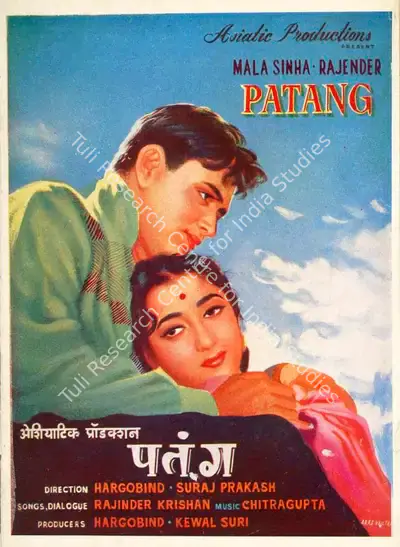
2026 · 14 min 52 sec · Long-form Video
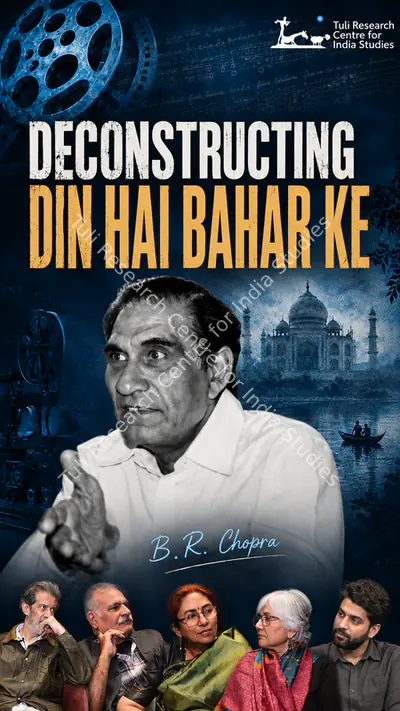
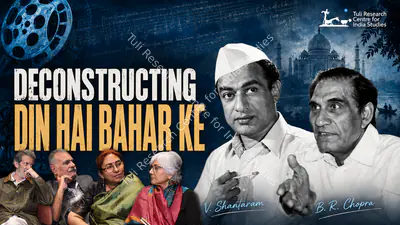
Tuli Research Centre for India Studies (Editor). "Din Hai Bahar Ke" - The Coming Together of Folk and Modern Sensibilities, 31 August 2026 | In-house Video, 2026 · 1 min 01 sec · Vertical Video
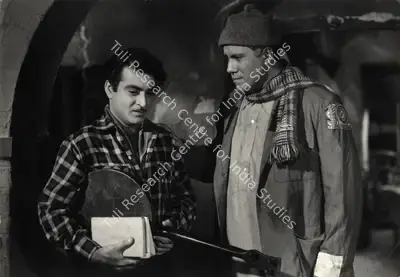
▶
Tuli Research Centre for India Studies (Editor). "Din Hai Bahar Ke" - The Coming Together of Folk and Modern Sensibilities, 31 August 2026 | In-house Video
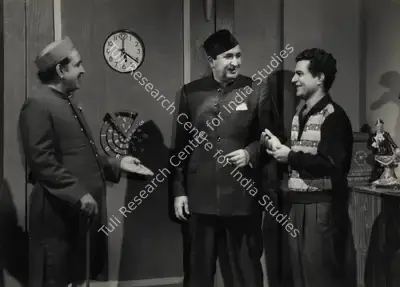
2026 · 1 min 01 sec · Vertical Video
Tuli Research Centre for India Studies (Editor). "Babuji Dheere Chalna" - A Song of Playful Defiance, 31 August 2026 | In-house Video, 2026 · 1 min 02 sec · Vertical Video
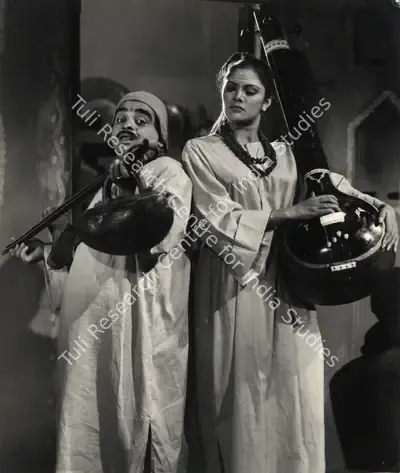
▶
Tuli Research Centre for India Studies (Editor). "Babuji Dheere Chalna" - A Song of Playful Defiance, 31 August 2026 | In-house Video
2026 · 1 min 02 sec · Vertical Video
Tuli Research Centre for India Studies (Editor). "Dil Ke Armaan Aansuon Mein Bah Gaye" - Love, Longing and the Popularity of the Ghazal, 31 August 2026 | In-house Video, 2026 · 23 min 46 sec · Long-form Video
▶
Tuli Research Centre for India Studies (Editor). "Dil Ke Armaan Aansuon Mein Bah Gaye" - Love, Longing and the Popularity of the Ghazal, 31 August 2026 | In-house Video
2026 · 23 min 46 sec · Long-form Video
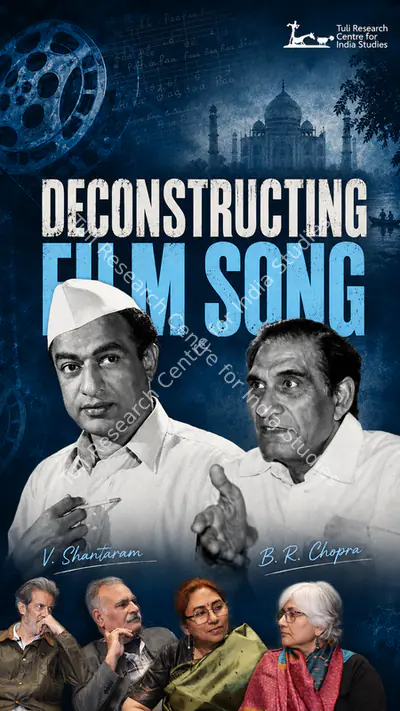
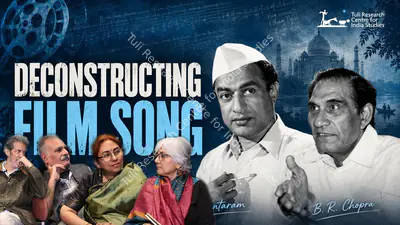
Tuli Research Centre for India Studies (Editor). Music in the Films of B.R. Chopra and V. Shantaram, 31 August 2026 | In-house Video, 2026 · 43 sec · Vertical Video
▶
Tuli Research Centre for India Studies (Editor). Music in the Films of B.R. Chopra and V. Shantaram, 31 August 2026 | In-house Video
2026 · 43 sec · Vertical Video
Tuli Research Centre for India Studies (Editor). "Din Hai Bahar Ke" - A Celebration of Youthful Love, 31 August 2026 | In-house Video, 2026 · 14 min 27 sec · Long-form Video
▶
Tuli Research Centre for India Studies (Editor). "Din Hai Bahar Ke" - A Celebration of Youthful Love, 31 August 2026 | In-house Video
2026 · 14 min 27 sec · Long-form Video
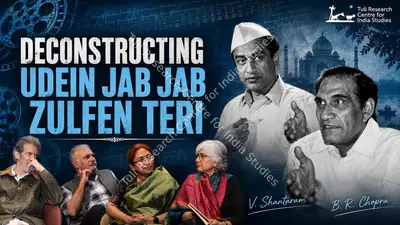
Tuli Research Centre for India Studies (Editor). "Udein Jab Jab Zulfen Teri" - Romance and Resistance in BR Chopra's Naya Daur (1957), 31 August 2026 | In-house Video, 2026 · 16 min 27 sec · Long-form Video
▶
Tuli Research Centre for India Studies (Editor). "Udein Jab Jab Zulfen Teri" - Romance and Resistance in BR Chopra's Naya Daur (1957), 31 August 2026 | In-house Video
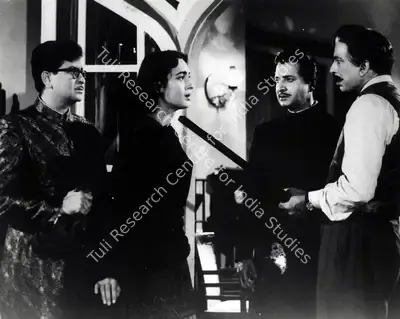
2026 · 16 min 27 sec · Long-form Video
Tuli Research Centre for India Studies (Editor). Music in the Films of B.R. Chopra and V. Shantaram, 31 August 2026 | In-house Video, 2026 · 1 hour 11 min · Long-form Video
▶
Tuli Research Centre for India Studies (Editor). Music in the Films of B.R. Chopra and V. Shantaram, 31 August 2026 | In-house Video
2026 · 1 hour 11 min · Long-form Video
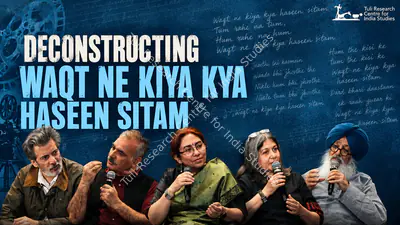
Tuli Research Centre for India Studies (Editor). "Waqt Ne Kiya Kya Haseen Sitam" - The Haunting Song of Guru Dutt’s Life, 31 August 2026 | In-house Video, 2026 · 55 sec · Vertical Video
▶
Tuli Research Centre for India Studies (Editor). "Waqt Ne Kiya Kya Haseen Sitam" - The Haunting Song of Guru Dutt’s Life, 31 August 2026 | In-house Video
2026 · 55 sec · Vertical Video
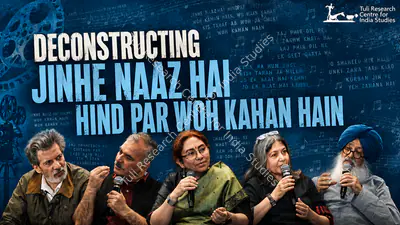
Tuli Research Centre for India Studies (Editor). "Jinhe Naaz Hai Hind Par Woh Kahan Hain" - The Anguish of the Nation, 31 August 2026 | In-house Video, 2026 · 1 min 27 sec · Vertical Video
▶
Tuli Research Centre for India Studies (Editor). "Jinhe Naaz Hai Hind Par Woh Kahan Hain" - The Anguish of the Nation, 31 August 2026 | In-house Video
2026 · 1 min 27 sec · Vertical Video
Tuli Research Centre for India Studies (Editor). "Waqt Ne Kiya Kya Haseen Sitam"- The Song Lata Mangeshkar Wished She Had Sung, 31 August 2026 | In-house Video, 2026 · 22 min 32 sec · Long-form Video
▶
Tuli Research Centre for India Studies (Editor). "Waqt Ne Kiya Kya Haseen Sitam"- The Song Lata Mangeshkar Wished She Had Sung, 31 August 2026 | In-house Video
2026 · 22 min 32 sec · Long-form Video
Tuli Research Centre for India Studies (Editor). Poetry, Music and Melancholy in Guru Dutt’s Film Songs, 31 August 2026 | In-house Video, 2026 · 1 min 07 sec · Vertical Video
▶
Tuli Research Centre for India Studies (Editor). Poetry, Music and Melancholy in Guru Dutt’s Film Songs, 31 August 2026 | In-house Video
2026 · 1 min 07 sec · Vertical Video
Tuli Research Centre for India Studies (Editor). Sahir' Ludhianvi's Question to the Nation in "Jinhe Naaz Hai Hind Par Woh Kahan Hain", 31 August 2026 | In-house Video, 2026 · 18 min 11 sec · Long-form Video
▶
Tuli Research Centre for India Studies (Editor). Sahir' Ludhianvi's Question to the Nation in "Jinhe Naaz Hai Hind Par Woh Kahan Hain", 31 August 2026 | In-house Video
2026 · 18 min 11 sec · Long-form Video
Tuli Research Centre for India Studies (Editor). The Idea of Artistic Integrity in Guru Dutt's Magnum Opus, 31 August 2026 | In-house Video, 2026 · 1 min 02 sec · Vertical Video
▶
Tuli Research Centre for India Studies (Editor). The Idea of Artistic Integrity in Guru Dutt's Magnum Opus, 31 August 2026 | In-house Video
2026 · 1 min 02 sec · Vertical Video
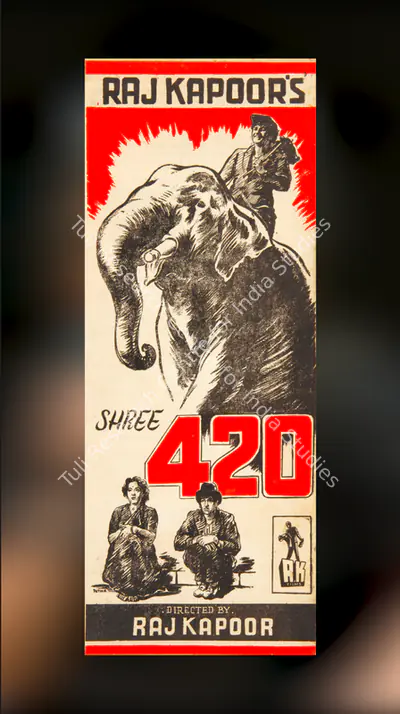
Tuli Research Centre for India Studies (Editor). "Ramaiya Vastavaiya" - When Innocence Became a Political Act | Shree 420 (1955), 05 August 2026 | In-house Video, 2026 · 1 min 16 sec · Vertical Video
▶
Tuli Research Centre for India Studies (Editor). "Ramaiya Vastavaiya" - When Innocence Became a Political Act | Shree 420 (1955), 05 August 2026 | In-house Video
2026 · 1 min 16 sec · Vertical Video
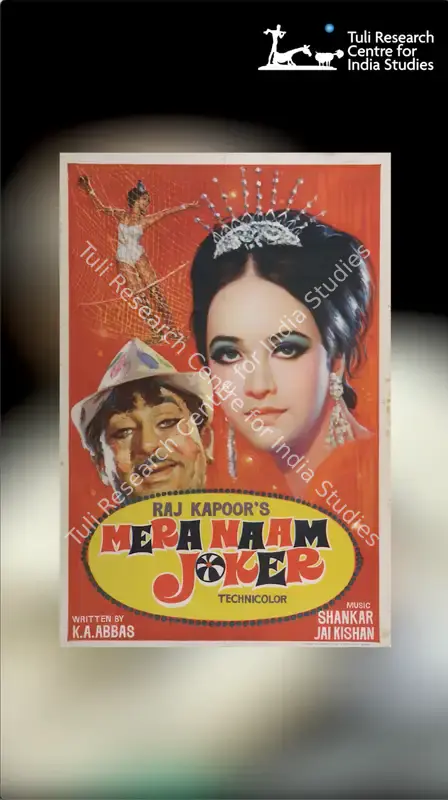
Tuli Research Centre for India Studies (Editor). The Nature of Philosophical and Materialistic Existence in Raj Kapoor's "Jeena Yahan Marna Yahan"| Mera Naam Joker (1970), 06 August 2026 | In-house Video, 2026 · Vertical Video
▶
Tuli Research Centre for India Studies (Editor). The Nature of Philosophical and Materialistic Existence in Raj Kapoor's "Jeena Yahan Marna Yahan"| Mera Naam Joker (1970), 06 August 2026 | In-house Video
2026 · Vertical Video
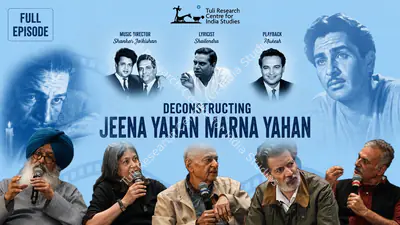
Tuli Research Centre for India Studies (Editor). Jeena Yahan Marna Yahan: The Existential Vision of Raj Kapoor | Mera Naam Joker (1970), 07 August 2026 | In-house Video, 2026 · 20 min 44 sec · Long-form Video
▶
Tuli Research Centre for India Studies (Editor). Jeena Yahan Marna Yahan: The Existential Vision of Raj Kapoor | Mera Naam Joker (1970), 07 August 2026 | In-house Video
2026 · 20 min 44 sec · Long-form Video
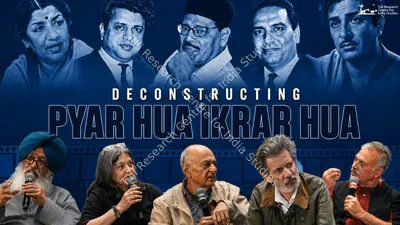
Tuli Research Centre for India Studies (Editor). "Pyaar Hua Ikraar Hua" and the Raj Kapoor-Nargis Pairing That Defined an Era, 06 August 2026 | In-house Video, 2026 · 30 min 39 sec · Long-form Video
▶
Tuli Research Centre for India Studies (Editor). "Pyaar Hua Ikraar Hua" and the Raj Kapoor-Nargis Pairing That Defined an Era, 06 August 2026 | In-house Video
2026 · 30 min 39 sec · Long-form Video
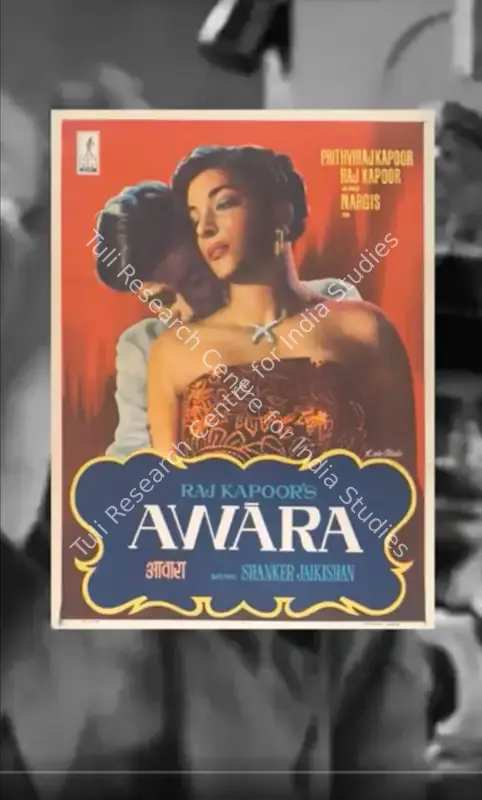
Tuli Research Centre for India Studies (Editor). Uncertainty, Destiny and the Tramp in Raj Kapoor’s "Awara Hoon" | Awara (1951)
, 05 August 2026 | In-house Video, 2026 · 1 min 16 sec · Vertical Video
▶
Tuli Research Centre for India Studies (Editor). Uncertainty, Destiny and the Tramp in Raj Kapoor’s "Awara Hoon" | Awara (1951) , 05 August 2026 | In-house Video
2026 · 1 min 16 sec · Vertical Video
20 of 31

Posts 7

  1. How a Film Song Builds a Nation | Kar Chale Hum Fida | Haqeeqat 1964
    How a Film Song Builds a Nation | Kar Chale Hum Fida | Haqeeqat 1964
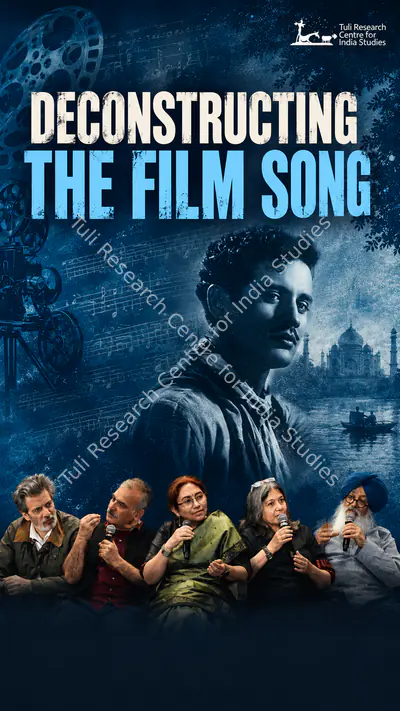
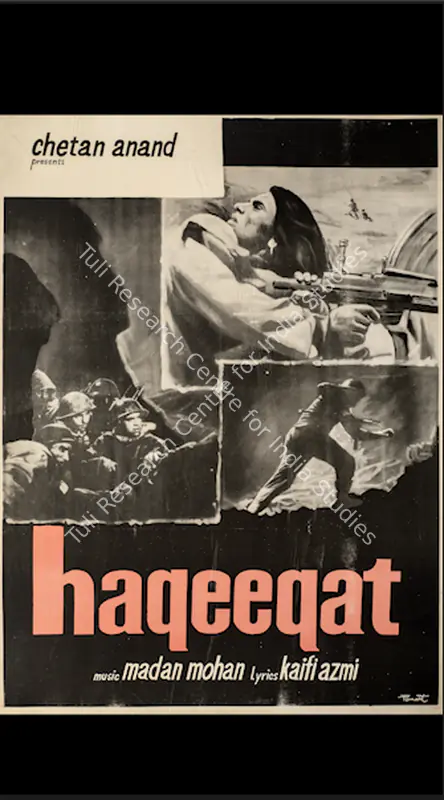
    "What does a patriotic song sound like when it refuses to celebrate aggression? ""Kar Chale Hum Fida"" from Chetan Anand's Haqeeqat (1964) answers that question with a stillness that has stayed with the Indian audiences for over six decades. In this discussion, Ravikant, Professor, CSDS (The Centre for the Study of Developing Societies), highlights that although it is a song about war, it subverts expectations by being devoid of any swashbuckling aggression. The song speaks not of conquest or victory but of sacrifice and collective responsibility; a burden shared equally by soldiers, women, and the young. Kaifi Azmi's lyrics carry no triumphalism of epic proportions, rather only a quiet, devastating sense of duty. Chetan Anand's Haqeeqat released at the time when the idealism of the early independence years was falling apart and the Nehruvian generation, which had carried the dream of a new India, was fading away. The song, with war as it's background, mourns the dead, but it also speaks directly to the living, asking them what they will do with the nation left in their hands. This video is an excerpt from the session with Ketan Anand, Ravikant, Pavan Jha and Neville Tuli, ""A Musical Glue for Nation-Building: Deconstructing the Film Song"", presented by the Tuli Research Centre for India Studies (T.R.I.S.) at the 7th Self-Discovery via Rediscovering India Festival."
    1_CinemaEducation
    Chetan AnandHaqeeqatKaifi AzmiRavikantA Musical Glue for Nation-Building - Deconstructing the Film SongNeville Tuli
    Read Post →
  2. "Yeh Duniya Yeh Mehfil" - Ravikant on Loss, Landscape & Rafi's Heartbreak Cry | Heer Ranjha (1970)
    "Yeh Duniya Yeh Mehfil" - Ravikant on Loss, Landscape & Rafi's Heartbreak Cry | Heer Ranjha (1970)
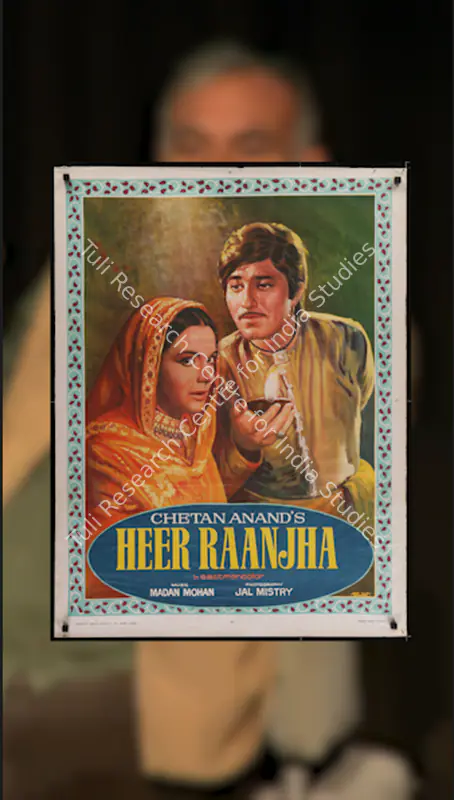
    Chetan Anand shot heartbreak the way other directors shot war, against a landscape vast enough to hold it. "Yeh Duniya Yeh Mehfil Mere Kaam Ki Nahi" from Heer Raanjha (1970) is a song of heartbreak staged against stunning visuals. Sung by Mohammed Rafi, with music by Madan Mohan and lyrics by Kaifi Azmi, it turns separation into philosophy. In this clip, Ravikant, Professor, CSDS (Centre for the Study of Developing Societies), calls the song one of the best statements on loss and the ambition to win it back. What makes the song unforgettable is the way voice, music and visuals come together, and Chetan Anand's use of landscape gives it a vast, almost mythical quality, creating a fantasy space where pain can be larger than life, where the song can say what the narrative cannot. The result is a beautiful moment in Indian cinema, where heartbreak, spirituality and landscape fuse into a deeply moving, visually rich film song that has become a timeless expression of love. This video is from 'A Musical Glue for Nation-Building: Deconstructing the Film Song', presented by the Tuli Research Centre for India Studies (T.R.I.S.) at the 7th Self-Discovery via Rediscovering India Festival.
    1_CinemaEducation
    Chetan AnandHeer RaanjhaMadan MohanMohammad RafiSadanandRavikantA Musical Glue for Nation-Building - Deconstructing the Film SongNeville Tuli
    Read Post →
  3. Raj Kapoor's Film Songs Decoded | Awara Hoon, Pyar Hua Ikrar Hua & More (Trailer)
    Raj Kapoor's Film Songs Decoded | Awara Hoon, Pyar Hua Ikrar Hua & More (Trailer)
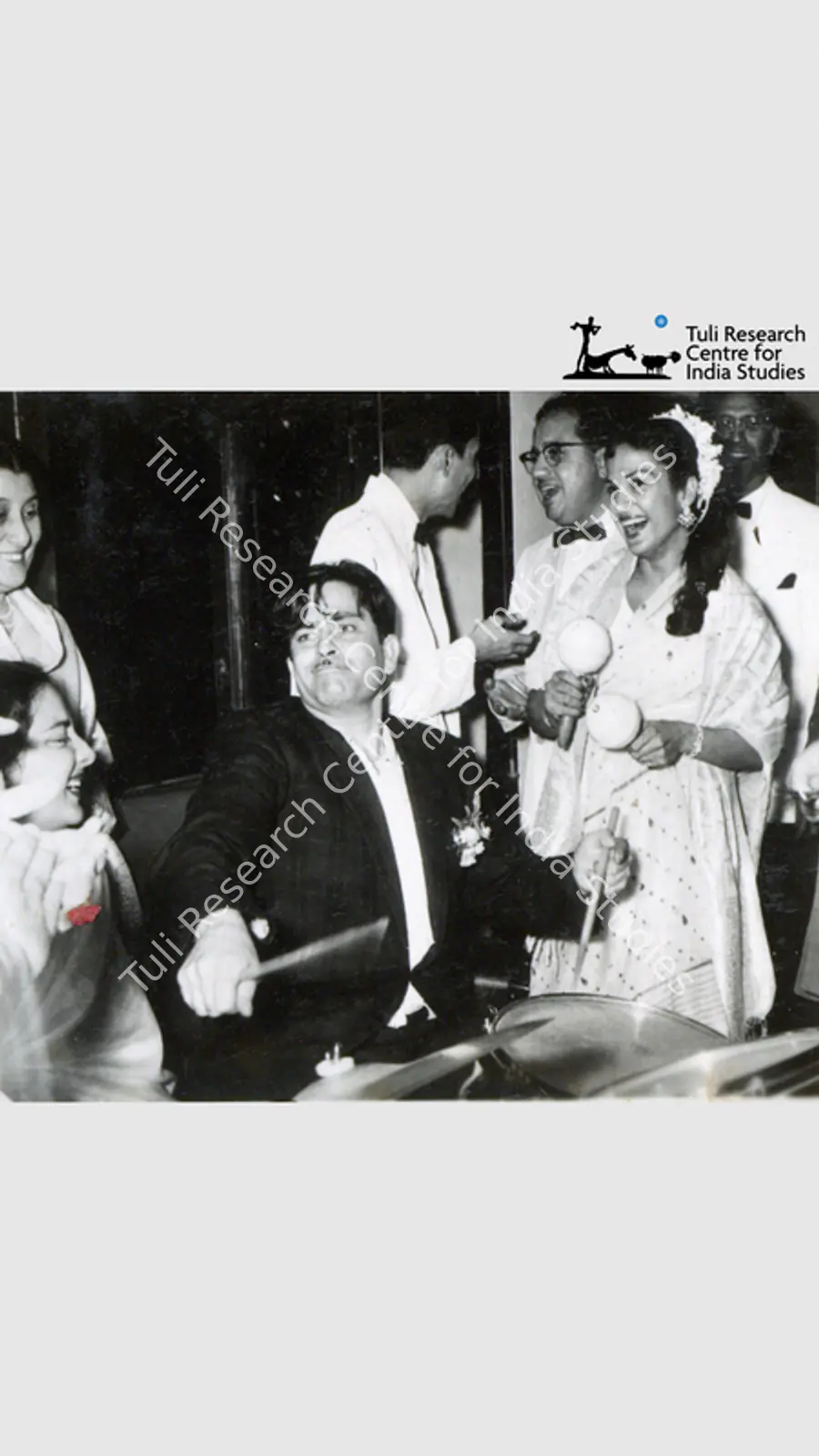
    "Raj Kapoor's tramp, the wide-eyed wanderer in oversized clothes and a battered hat, was one of Hindi cinema's most deliberate creative constructions. Borrowed in spirit from Charlie Chaplin but rooted firmly in the anxieties of post-independence India, the figure carried the dreams and displacements of a nation still finding its footing. "Awara Hoon" from Awara (1951) became the song that gave that figure its voice, and its reach was extraordinary. In this clip, the panel discusses how the film introduced Raj Kapoor to audiences across the erstwhile Soviet Union, China and beyond. Composer-Writer Madan Gopal Singh points to ""Ramaiya Vastavaiya"" from Shree 420 (1955) as a moment of genuine creative risk, where Lata Mangeshkar's voice moves the song from a collective street chorus into something laden with intimate individuality. The panel also deconstructs two more songs from Raj Kapoor's career: "Pyar Hua Ikrar Hua" from Shree 420 (1955) and "Jeena Yahan Marna Yahan" from Mera Naam Joker (1970), examining what makes them endure across generations. In the workshop "A Musical Glue for Nation-Building: Deconstructing the Film Song," organised by the Tuli Research Centre for India Studies (T.R.I.S.), Madan Gopal Singh, Juhi Saklani, Ravikant, and Amit Khanna, in conversation with Neville Tuli, explore the lasting appeal of these songs and what they reveal about India's greatest showman's vision of cinema, emotion, and India itself.
    1_CinemaEducation
    Raj KapoorShailendraMukeshMera Naam JokerAwaraShree 420Khwaja Ahmad AbbasRavikant+4 more
    Read Post →
  4. "Ramaiya Vastavaiya" - When Innocence Became a Political Act | Shree 420 (1955)
    "Ramaiya Vastavaiya" - When Innocence Became a Political Act | Shree 420 (1955)
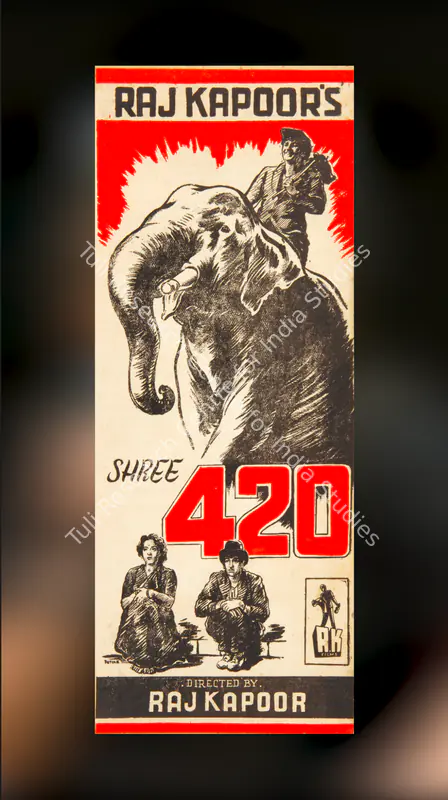
    "Ramaiya Vastavaiya" from Shree 420 (1955) is much more than a folk street song. In this clip, the panel unpacks the layers beneath its apparent simplicity. Writer and Cinephile Juhi Saklani reflects on Shailendra's contribution to the building of the Raj Kapoor persona, noting that his lyrics carry a quality of innocence and moral incorruptibility that is, in its own way, a political stance. To sound that guileless in a world of compromise is itself an act of resistance. Ravikant picks up on a related thread, observing that the image of the worker or peasant singing while working, as in this song, is a recurring and almost static theme in Hindi cinema's representation of labouring life. This clip is from the workshop "A Musical Glue for Nation-Building: Deconstructing the Film Song", presented by the Tuli Research Centre for India Studies (T.R.I.S.) at the 7th Self-Discovery via Rediscovering India Festival, featuring Madan Gopal Singh, Amit Khanna, Ravikant and Juhi Saklani in conversation with Neville Tuli.
    1_CinemaEducation
    Raj KapoorShailendraShree 420RavikantA Musical Glue for Nation-Building - Deconstructing the Film SongNeville Tuli
    Read Post →
  5. Uncertainty, Destiny and the Tramp in Raj Kapoor's "Awara Hoon" | Awara (1951)
    Uncertainty, Destiny and the Tramp in Raj Kapoor's "Awara Hoon" | Awara (1951)
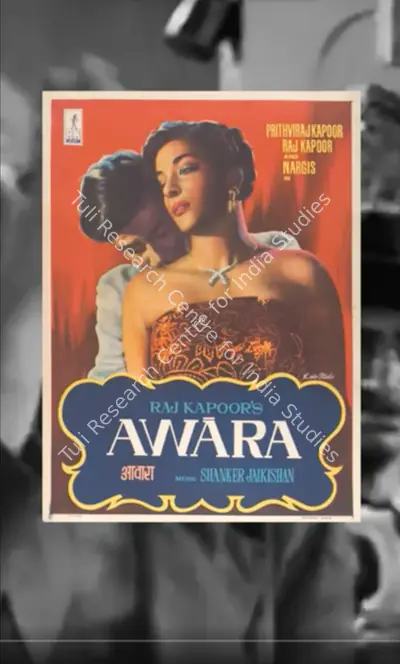
    What exactly is “Awaara Hoon” from Raj Kapoor's Awaara (1951) about? A song that lives inside too many uncertainties keeps asking the question, am I a wanderer, or a star in orbit (Gardish mein hun ya aasman ka taara hoon). There is no home, no belongingness, no clear destiny, only movement, longing, and doubt. It is the sound of a world that's unsure of itself, and still singing joyously. Visually, the influence of Charlie Chaplin is unmistakable. From Raj Kapoor's attire to his tramp's gait, the vagabond persona is shaped by Chaplin's image of the little man buffeted by forces beyond his control. The song turns that figure into a symbol of the post-independence anxiety about entitlement, class, and the future; yet capturing the emotion of being spirited, hopeful, and strangely free. The collaboration of Raj Kapoor, the lyricist Shailendra, composers Shankar–Jaikishan, and singer Mukesh, creates a song that is at once both philosophical and popular. It poses questions about destiny and identity while also reaching millions as an unforgettable film hit. Panelists Amit Khanna, Madan Gopal Singh, Ravikant, Juhi Saklani, and Neville Tuli, examine this iconic song, sung by Mukesh, with lyrics by Shailendra and music by Shankar–Jaikishan in this video from 'A Musical Glue for Nation-Building: Deconstructing the Film Song' session, presented by the Tuli Research Centre for India Studies (T.R.I.S.) at the 7th Self-Discovery via Rediscovering India Festival.
    1_CinemaEducation
    Raj KapoorShailendraMukeshShankar-JaikishanAwaraRavikantMadan Gopal SinghAmit Khanna+2 more
    Read Post →
  6. The Nature of Philosophical and Materialistic Existence in Raj Kapoor's "Jeena Yahan Marna Yahan"| Mera Naam Joker (1970)
    The Nature of Philosophical and Materialistic Existence in Raj Kapoor's "Jeena Yahan Marna Yahan"| Mera Naam Joker (1970)
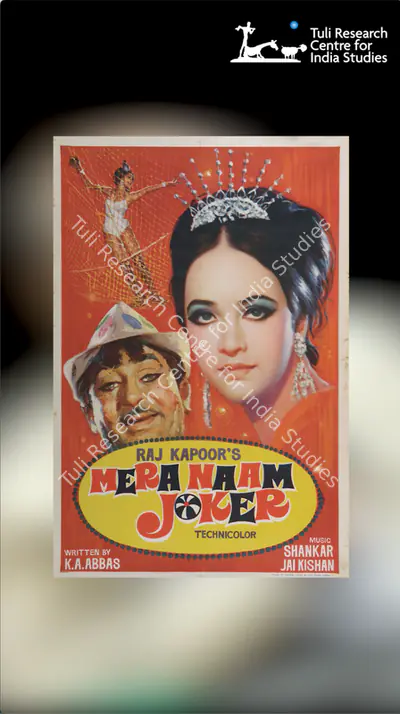
    "Jeena Yahan Marna Yahan" from Mera Naam Joker (1970) was penned by Shailendra, composed by Shankar-Jaikishan, and sung by Mukesh. The song is situated at the philosophical heart of Raj Kapoor's most personal and ambitious film. The film was a commercial disaster on release, and as Neville Tuli notes, both the song and the film found the audiences' acknowledgement only years later. Filmmaker-Lyricist Amit Khanna reveals a lesser-known detail about its making: the song was shot in Delhi at the Gemini Circus, but it had become extremely difficult to gather all the stars, who by that point had become huge in their own careers, at one point of time. The scenes featuring them were shot solo and then later assembled in Bombay to be inserted into the song sequence. Ravikant, Professor, CSDS (The Centre for the Study of Developing Societies), reads the song as both a philosophical and a deeply materialistic reflection on existence. There is a continuity in the persona that may take rebirth, he argues, but it is not the same person who returns. The world itself is one's heaven and hell simultaneously, and that, he suggests, is why we return to this song whenever life demands reflection. This clip is from the workshop "A Musical Glue for Nation-Building: Deconstructing the Film Song," conducted by the Tuli Research Centre for India Studies (T.R.I.S.) at the 7th Self-Discovery via Rediscovering India Festival, featuring Madan Gopal Singh, Amit Khanna, Ravikant, Juhi Saklani, and Neville Tuli.
    1_CinemaEducation
    Raj KapoorMera Naam JokerShailendraMukeshAmit KhannaRavikantMadan Gopal SinghNeville Tuli+1 more
    Read Post →
  7. "Pyar Hua Ikrar Hua"- Love, Romance and the Idea of India | Shree 420 (1955)
    "Pyar Hua Ikrar Hua"- Love, Romance and the Idea of India | Shree 420 (1955)
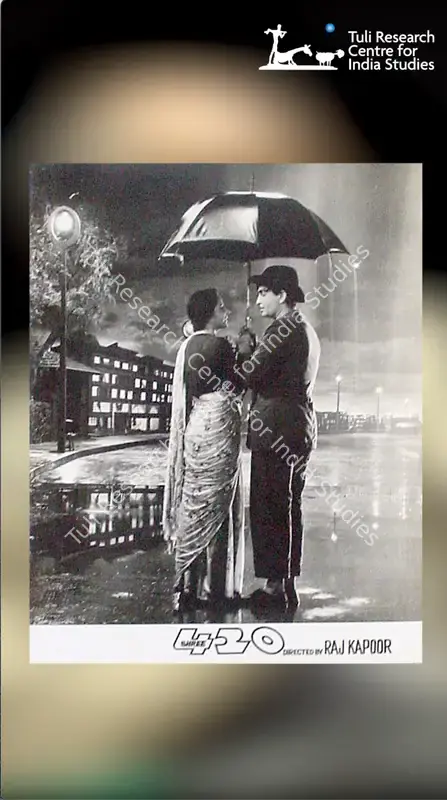
    "Pyar Hua Ikrar Hua" from Shree 420 (1955) at first glance is a song about two people standing in the rain, declaring their love for each other with nothing to their names. This conversation between the panelists peels back the layers, finding in it a richness that a casual listen rarely reveals. Filmmaker-Lyricist Amit Khanna opens with an anecdote about the battle between Raj Kapoor and Shankar-Jaikishan over whether Manna Dey or Mukesh should sing the song. It was Manna Dey who finally got the opportunity, and his voice immortalised it. Ravikant, Professor, CSDS (The Centre for the Study of Developing Societies), draws a parallel between the song and Roland Barthes' A Lover's Discourse, noting how the lovers believe their love to be eternal and absolute. For Ravikant, that sense of transcendence finds its most powerful visual expression when the camera pans to three young children, an image of radiant vitality that lifts the moment beyond the two figures standing in the rain. Composer-Writer Madan Gopal Singh reads the song through a different lens, comparing the condition of the two destitute lovers to that of newly independent India itself, a nation full of longing, uncertain of its footing, but reaching toward something better. This clip is from the workshop "A Musical Glue for Nation-Building: Deconstructing the Film Song" presented by the Tuli Research Centre for India Studies (T.R.I.S.) at the 7th Self-Discovery via Rediscovering India Festival, featuring Madan Gopal Singh, Amit Khanna, Ravikant, Juhi Saklani, and Neville Tuli.
    1_CinemaEducation
    Raj KapoorShree 420Shankar-JaikishanManna DeyAmit KhannaRavikantMadan Gopal SinghNeville Tuli+1 more
    Read Post →
Tuli Research Centre for India Studies

Tuli Research Centre

for India Studies

A free and open knowledge base for the modern and contemporary Indian arts, cinema, photography and cultural heritage.

Support

Contact Us

Discover

Tuli Research Centre for India StudiesVisionManifestoArchive & LibraryVanraja Sanctuary & Hospice

Legal

Privacy PolicyTerms & Conditions

Follow us

Youtube

Youtube

Instagram

Instagram

Facebook

Facebook

© Tuli Research Centre for India Studies 2026

Tuli Research Centre for India Studies

Tuli Research Centre

for India Studies

A free and open knowledge base for the modern and contemporary Indian arts, cinema, photography and cultural heritage.

Tuli Research Centre for India StudiesVisionManifestoArchive & LibraryVanraja Sanctuary & Hospice
Contact Us
Privacy PolicyTerms & Conditions

Follow us

YoutubeInstagramFacebook

© Tuli Research Centre for India Studies 2026

                          Tuli Research Centre for India Studies (Editor). "Babuji Dheere Chalna" - A Song of Playful Defiance, 31 August 2026 | In-house Video | CinemaEducation | 00891664
                          1 min 02 sec · Vertical Video

                          "Babuji Dheere Chalna" - A Song of Playful Defiance

                          Tuli Research Centre for India Studies (Editor)

                          Document TypeIn-house Video
                          Date31 August 2026
                          Duration1 min 02 sec
                          FormatVertical Video
                          Description
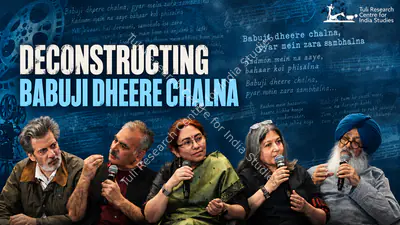
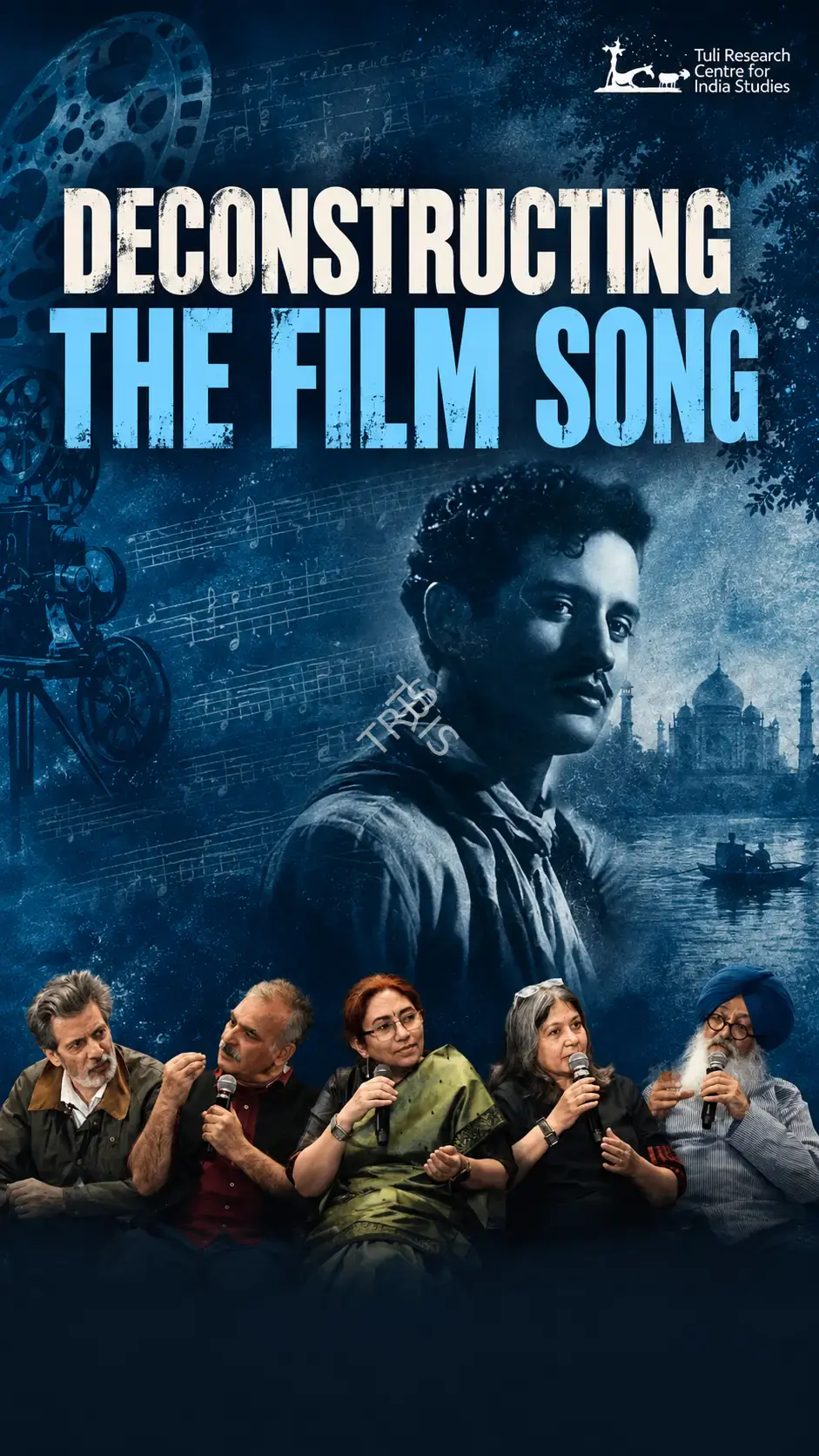
                          "Babuji Dheere Chalna" from Guru Dutt's Aar Paar (1954), composed by O.P. Nayyar and sung by Geeta Dutt, is among the most popular songs in the history of Hindi cinema, and the conversation among the panelists reveals precisely what makes it stand the test of time. Writer Antara Mondal points out that the song, through Shyama's performance, reveals a great deal about how society perceives women who live at the fringes, figures who are seen but rarely understood on their own terms. Professor, Centre for the Study of Developing Societies (CSDS), Ravikant notes that many of the artists involved in creating this new cinematic vocabulary were autodidacts, learning as they went, building a musical language through instinct and experimentation rather than formal training. Composer-Writer Madan Gopal Singh deconstructs the song's formal structure, identifying two distinct rhythmic patterns running simultaneously. The stanza and the refrain are clearly differentiated, held apart and brought together through a bridge that gives the song its particular tension and momentum. This session is part of "A Musical Glue for Nation-Building: Deconstructing the Film Song," presented by the Tuli Research Centre for India Studies (T.R.I.S.) at the 7th Self-Discovery via Rediscovering India Festival, featuring Madan Gopal Singh, Ravikant, Antara Mondal, Juhi Saklani, and Neville Tuli.
                          Related Links15

                          Masterlist14
                          Guru DuttMajrooh SultanpuriDigital in House VideosGeeta DuttDeconstructing the Film Song 2026Neville TuliShyamaJohnny WalkerJagdeepV K MurthyO P NayyarRaj KhoslaShamshad BegumMohammad Rafi
                          Research Categories
                          01Cinema as a Critical Educational Resource