

Introduction
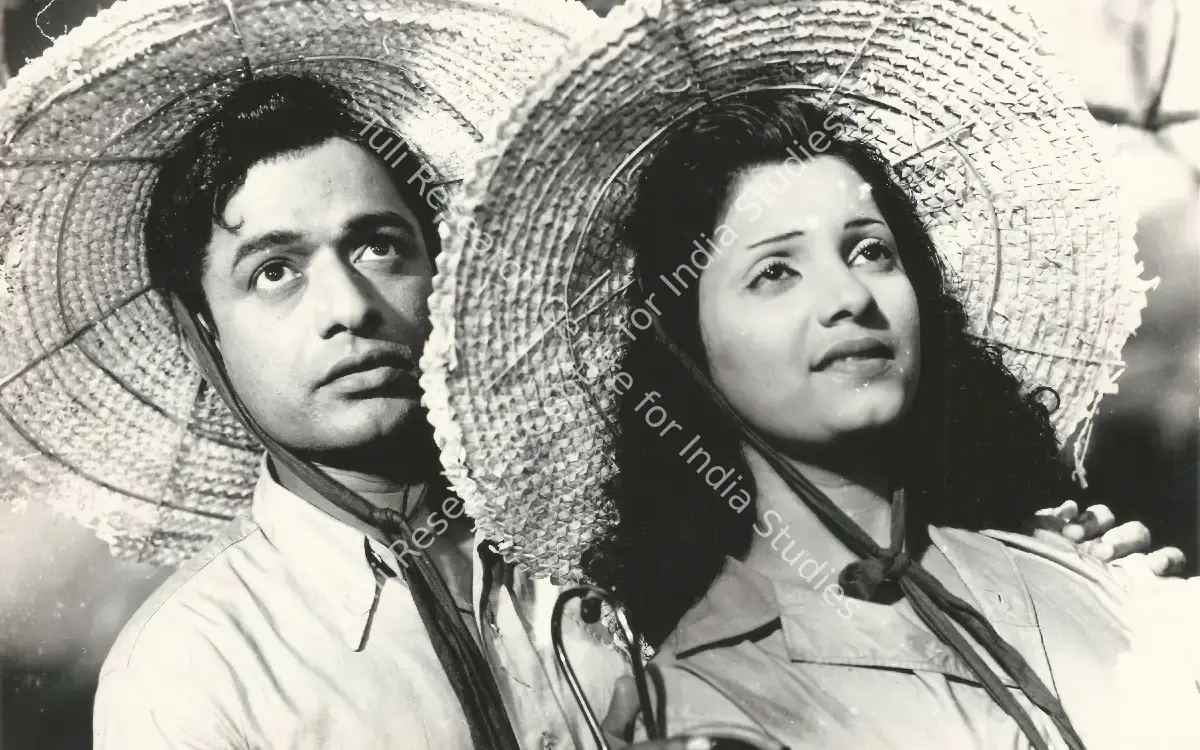
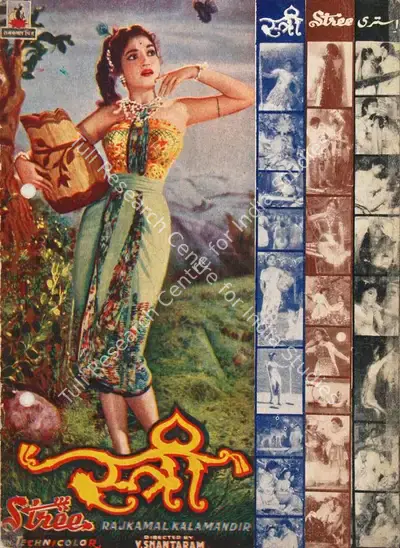
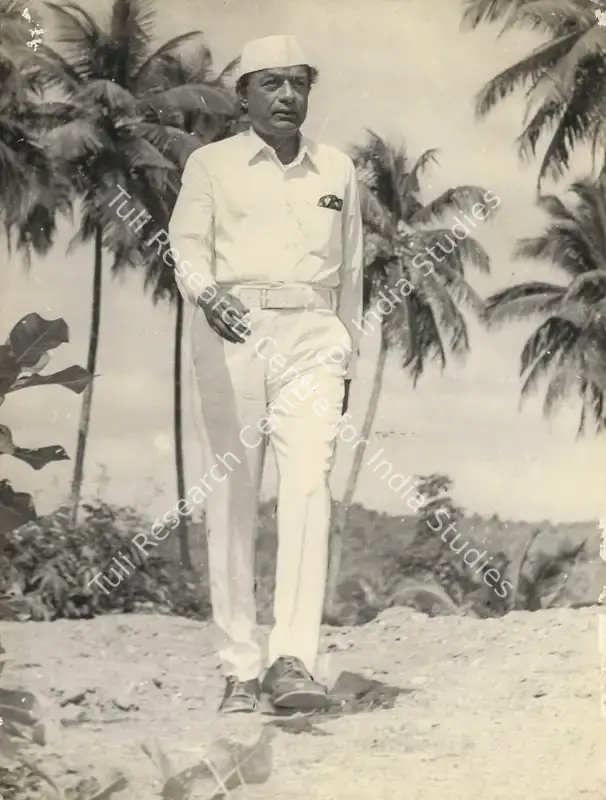
V. Shantaram (Shantaram Rajaram Vankudre; 18 November 1901 – 30 October 1990) Widely revered as one of the foundational figures of Indian cinema, he distinguished himself as a director, producer, screenwriter, actor, and editor across Hindi and Marathi film traditions. Over a career spanning nearly seven decades, he forged a cinematic language that combined aesthetic innovation with a sustained commitment to social reform. His most celebrated works include Dr. Kotnis Ki Amar Kahani (1946), Amar Bhoopali (1951), Jhanak Jhanak Payal Baaje (1955), Do Aankhen Barah Haath (1957), Navrang (1959), Duniya Na Mane (1937), and Pinjara (1972), alongside notable Marathi films such as Chani (1977), Iye Marathiche Nagari (1965), and Zunj (1975). In recognition of his lifetime contribution to Indian cinema, he was awarded the Dadasaheb Phalke Award in 1985 and, posthumously, the Padma Vibhushan in 1992.
Born in Kolhapur into a Marathi Jain Kasar family, Shantaram's early life was marked by economic hardship. Following the family's relocation to Hubballi in 1917, he undertook manual labour as a railway workshop fitter while supplementing his income as a cinema doorkeeper. This latter occupation proved formative: exposure to the films of Dadasaheb Phalke instilled in him a deep fascination with the moving image. Concurrently, he acquired practical skills in photography and signboard painting, developing an intuitive rapport with visual media that would later define his artistic practice.
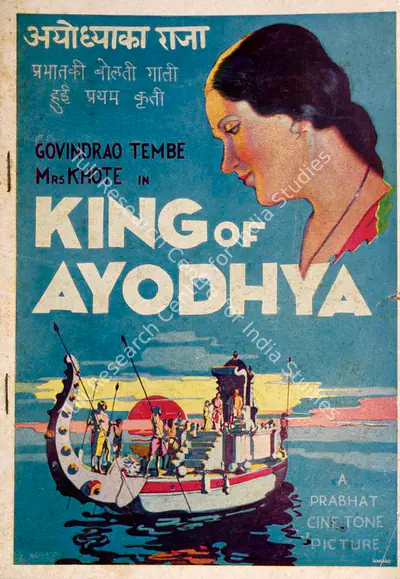
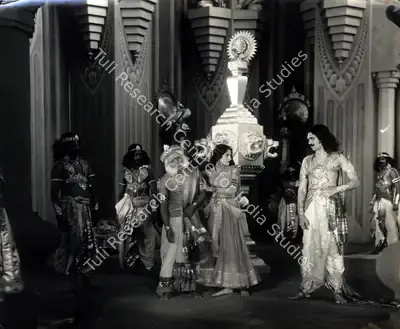
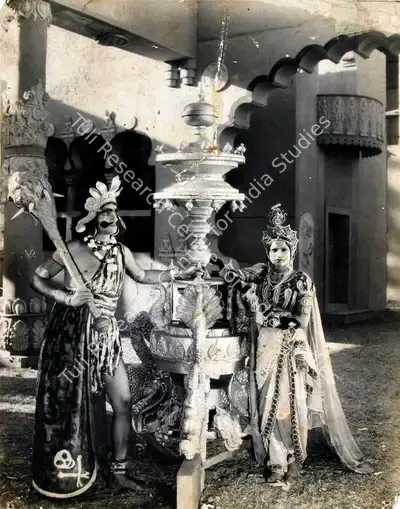
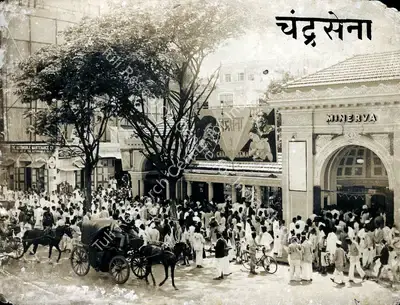
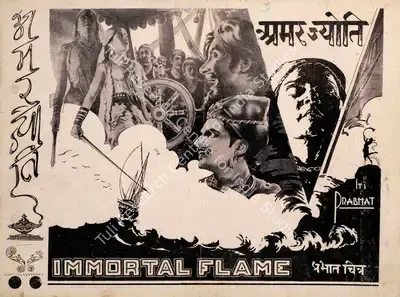
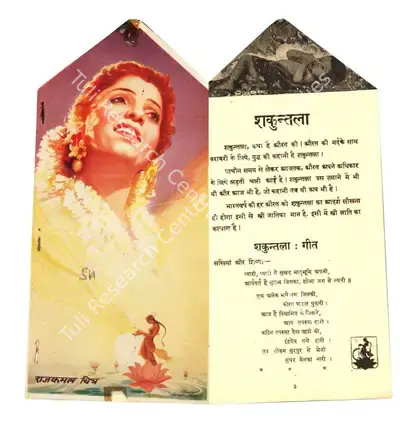
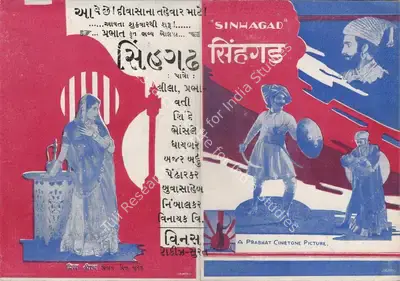
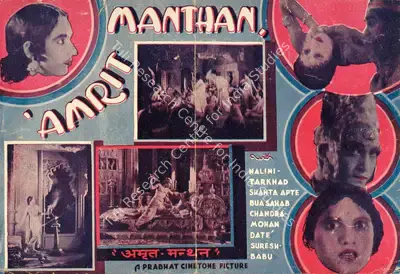
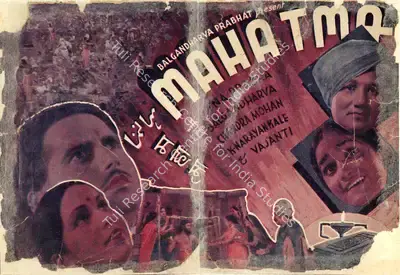
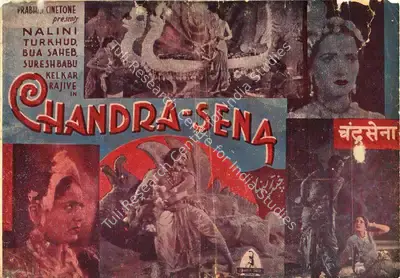
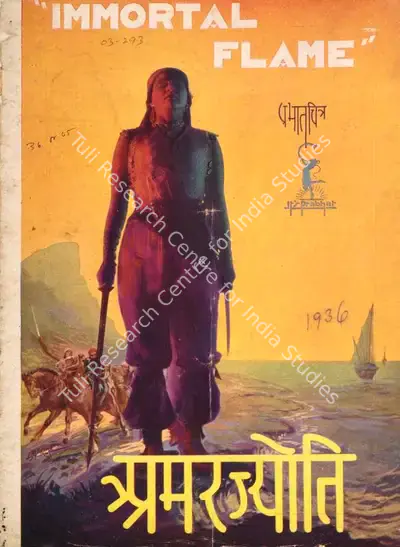
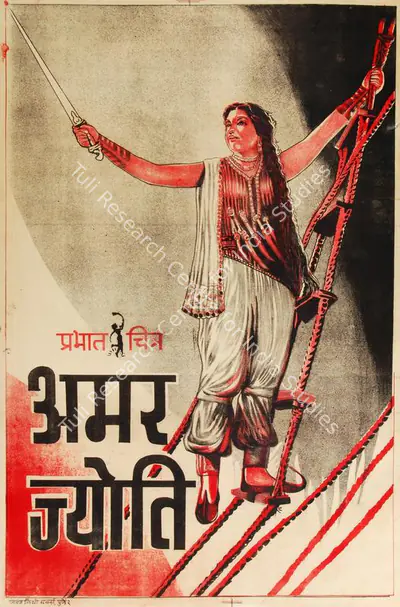
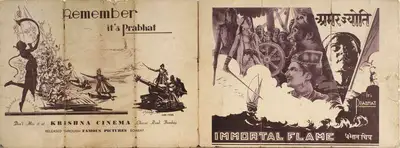
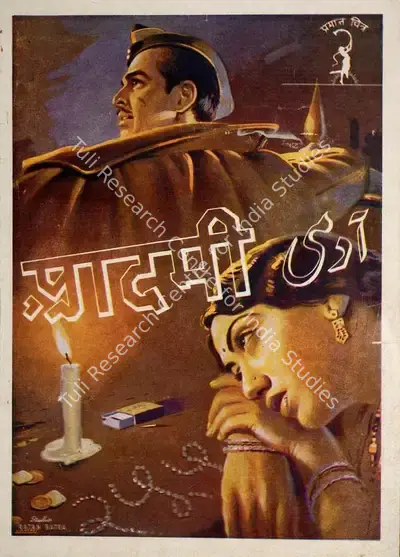
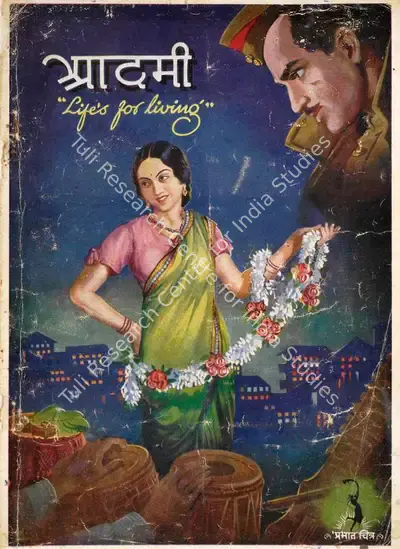
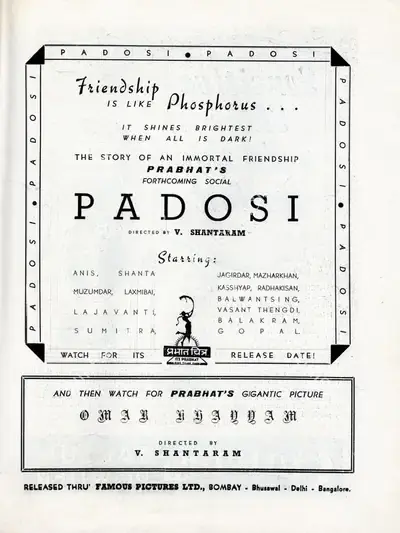
Shantaram entered the film industry through the Maharashtra Film Company in Kolhapur, initially performing a range of ancillary tasks before making his acting debut in Surekha Haran (1921). His directorial debut followed with Netaji Palkar (1927). In 1929, he co-founded the Prabhat Film Company, a seminal institution in early Indian cinema, where he directed Ayodhyecha Raja (1932), the first Marathi-language sound film. His departure from Prabhat in 1942 led to the establishment of Rajkamal Kalamandir in Mumbai, which evolved into one of the most technologically advanced studios in the country.
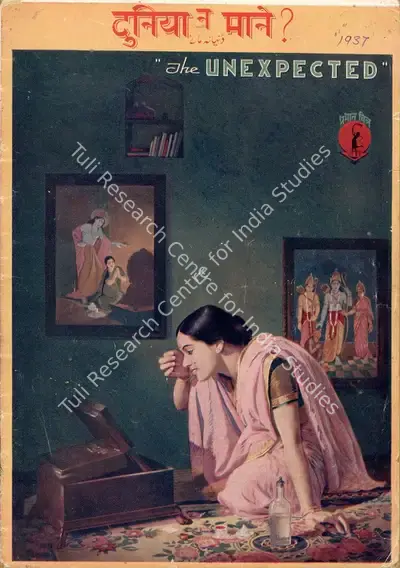
A defining characteristic of Shantaram's oeuvre is its engagement with pressing social issues, articulated through a humanistic lens. Films such as Duniya Na Mane (1937) interrogated patriarchal norms, while Do Aankhen Barah Haath (1957) explored themes of reform and rehabilitation. His sensitivity to music and choreography is especially evident in Jhanak Jhanak Payal Baaje (1955) and Navrang (1959), where visual spectacle and classical performance traditions are intricately interwoven. His meticulous involvement in musical composition and rehearsal processes underscores his holistic approach to filmmaking. Notably, his Marathi film Manoos (1939) received admiration from Charlie Chaplin, attesting to its international resonance.
Shantaram's personal life intersected closely with his professional milieu. He was married three times—first to Vimalabai, with whom he had four children; subsequently to actress Jayashree, and later to actress Sandhya, a frequent collaborator in films such as Amar Bhoopali (1951), Jhanak Jhanak Payal Baaje (1955), Do Aankhen Barah Haath (1957), and Navrang (1959). His familial and creative networks extended into subsequent generations of Indian cinema and music.
International recognition accompanied his domestic acclaim. Amar Bhoopali (1951) was screened at the Cannes Film Festival, where it received the Vulcan Award for Technical Grand Prize in Direction. Jhanak Jhanak Payal Baaje (1955) garnered national honours, including the President's Silver Medal and the Filmfare Award for Best Director. Do Aankhen Barah Haath (1957) achieved exceptional global success, winning awards at the Berlin International Film Festival and the Samuel Goldwyn International Film Award at the Golden Globe Awards.
Shantaram passed away in Mumbai on 30 October 1990, leaving behind an enduring legacy that reshaped the contours of Indian cinematic expression through its synthesis of artistry, social consciousness, and technical innovation.
कोल्हापुर में एक मराठी जैन कसार परिवार में जन्मे शांताराम का प्रारंभिक जीवन आर्थिक कठिनाइयों से भरा था। 1917 में परिवार के हुबली में स्थानांतरित होने के बाद, उन्होंने रेलवे कार्यशाला में फ़िटर के रूप में शारीरिक श्रम किया और सिनेमाघर के द्वारपाल के रूप में अतिरिक्त आय के लिए काम किया। यह काम उनके लिए बहुत महत्वपूर्ण साबित हुआ: दादासाहेब फाल्के की फ़िल्मों के संपर्क में आने से उनमें चलती-फिरती छवियों के प्रति गहरी रुचि पैदा हुई। साथ ही, उन्होंने फ़ोटोग्राफ़ी और साइनबोर्ड पेंटिंग में व्यावहारिक कौशल प्राप्त किया, जिससे दृश्य माध्यमों के साथ एक सहज संबंध विकसित हुआ, जिसने बाद में उनकी कलात्मक शैली को परिभाषित किया।
शांतराम ने कोल्हापुर स्थित महाराष्ट्र फ़िल्म कंपनी के माध्यम से फ़िल्म उद्योग में प्रवेश किया। शुरुआत में उन्होंने कई सहयोगी के रूप में कार्य किए, फिर सुरेखा हरण (1921) से अभिनय की शुरुआत की। इसके बाद उन्होंने नेताजी पालकर (1927) से निर्देशन के क्षेत्र में कदम रखा। 1929 में उन्होंने प्रभात फ़िल्म कंपनी की स्थापना की, जो प्रारंभिक भारतीय सिनेमा की एक महत्वपूर्ण संस्था थी। यहीं पर उन्होंने अयोध्येचा राजा (1932) का निर्देशन किया, जो मराठी भाषा की पहली ध्वनि फ़िल्म थी। 1942 में प्रभात से अलग होने के बाद मुंबई में राजकमल कलामंदिर की स्थापना की, जो देश के सबसे उन्नत तकनीकी स्टूडियो में से एक बन गया।
शांतराम की फ़िल्मों की एक प्रमुख विशेषता सामाजिक मुद्दों से उनका जुड़ाव है, जिसे उन्होंने मानवतावादी दृष्टिकोण से प्रस्तुत किया है। 'दुनिया ना माने' (1937) जैसी फ़िल्मों ने पितृसत्तात्मक मानदंडों पर सवाल उठाए, जबकि 'दो आंखें बारह हाथ' (1957) ने सुधार और पुनर्वास के विषयों को उजागर किया। संगीत और नृत्यकला के प्रति उनकी संवेदनशीलता 'झनक झनक पायल बाजे' (1955) और 'नवरंग' (1959) में विशेष रूप से स्पष्ट है, जहां दृश्य भव्यता और शास्त्रीय प्रदर्शन परंपराओं का सूक्ष्म समावेश है। संगीत रचना और पूर्वाभ्यास प्रक्रियाओं में उनकी गहन भागीदारी फ़िल्म निर्माण के प्रति उनके समग्र दृष्टिकोण को रेखांकित करती है। उल्लेखनीय रूप से, उनकी मराठी फ़िल्म 'मानूस' (1939) को चार्ली चैपलिन ने प्रशंसा की, जो इसकी अंतरराष्ट्रीय लोकप्रियता का प्रमाण है।
शांतराम का निजी जीवन उनके पेशेवर परिवेश से गहराई से जुड़ा हुआ था। उनकी तीन शादियाँ थी, पहले विमलाबाई से, जिनसे उनके चार बच्चे थे; बाद में अभिनेत्री जयश्री से, और फिर अभिनेत्री संध्या से, जो अमर भूपली (1951), झनक झनक पायल बाजे (1955), दो आंखें बारह हाथ (1957) और नवरंग (1959) जैसी फ़िल्मों में उनकी अक्सर सहयोगी रहीं। उनका पारिवारिक और रचनात्मक नेटवर्क भारतीय सिनेमा और संगीत की आने वाली पीढ़ियों तक फैला हुआ था।
घरेलू प्रशंसा के साथ-साथ उन्हें अंतरराष्ट्रीय ख्याति भी मिली। अमर भूपली (1951) का प्रदर्शन कान फ़िल्म महोत्सव में हुआ, जहाँ इसे निर्देशन के लिए तकनीकी ग्रैंड प्राइज के रूप में वल्कन पुरस्कार मिला। झनक झनक पायल बाजे (1955) को राष्ट्रपति के रजत पदक और सर्वश्रेष्ठ निर्देशक के लिए फ़िल्मफ़ेयर पुरस्कार सहित राष्ट्रीय सम्मान प्राप्त हुए। दो आंखें बारह हाथ (1957) ने असाधारण वैश्विक सफलता हासिल की, बर्लिन अंतरराष्ट्रीय फ़िल्म महोत्सव में पुरस्कार जीते और गोल्डन ग्लोब पुरस्कारों में सैमुअल गोल्डविन अंतरराष्ट्रीय फ़िल्म पुरस्कार प्राप्त किया।
शांताराम का निधन 30 अक्टूबर 1990 को मुंबई में हुआ, और वे अपने पीछे एक ऐसी अमिट विरासत छोड़ गए जिसने कलात्मकता, सामाजिक चेतना और तकनीकी नवाचार के समन्वय के माध्यम से भारतीय सिनेमाई अभिव्यक्ति के स्वरूप को नया रूप दिया।
- Age
- 89
Filmography 47
Research Centre

Posts 1
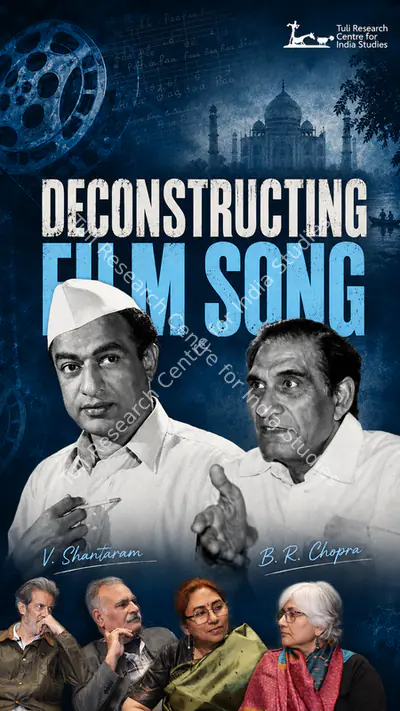
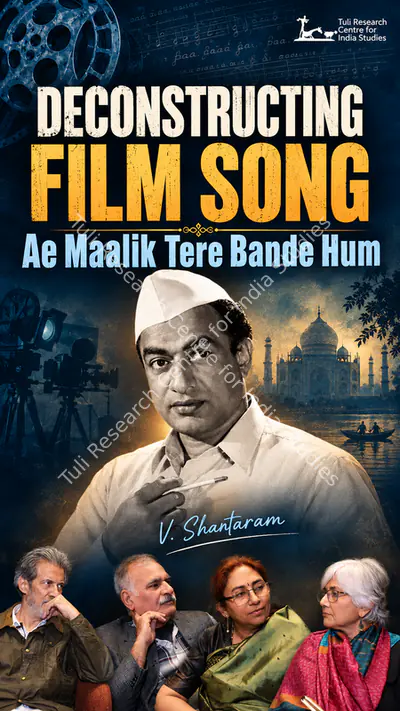
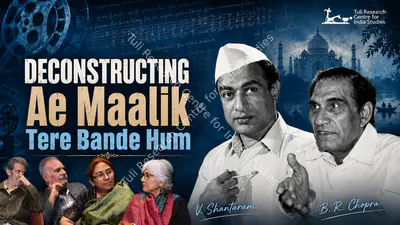
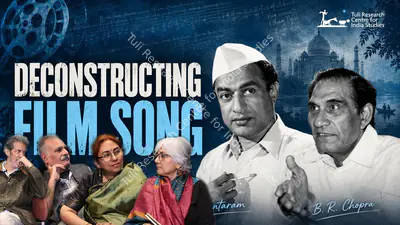
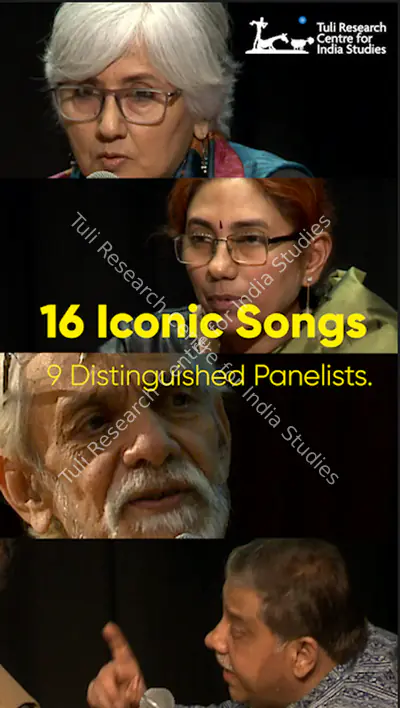
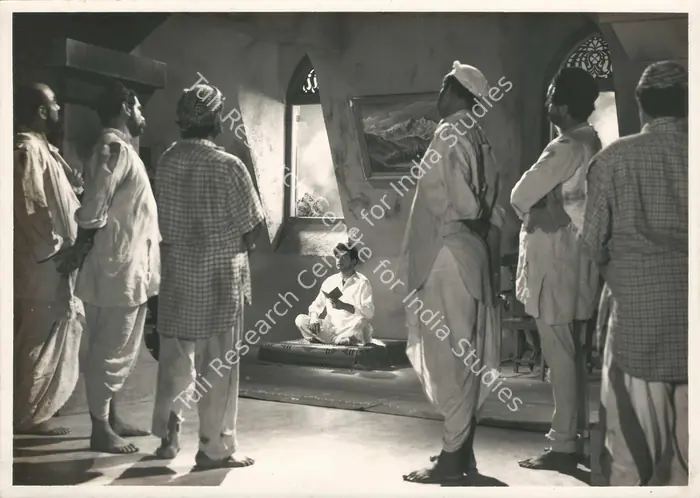
- V. Shantaram's film about prisoners, reform and second chances, Do Aankhen Barah Haath (1957), gives us the bhajan “Aye Maalik Tere Bande Ham,” which transcended the film to become an integral part of school prayers. Composed by Vasant Desai in a simple, hummable Bhairavi, with Bharat Vyas's lyrics carrying a strong moral core, the song exists in two versions, as a male chorus building a community of voices, and Lata Mangeshkar's solo, where her voice carries a frailty the male version never attempts. Presented here is a glimpse from the session 'Deconstructing the Film Song: A Musical Glue for Nation-Building,' in which Shikha Jhingan, Associate Professor, Cinema Studies, Jawaharlal Nehru University, examines the two versions of the song, the community built through its chorus, and Shantaram's German Expressionist play of light and darkness that accompanies the lyrics of the song. Together, these elements explain why the song remains woven into everyday Indian life. This session was part of the series 'Deconstructing the Film Song: A Musical Glue for Nation-Building,' presented by the Tuli Research Centre for India Studies (T.R.I.S.) as part of the 7th Self-Discovery via Rediscovering India Festival.
Calendar 2
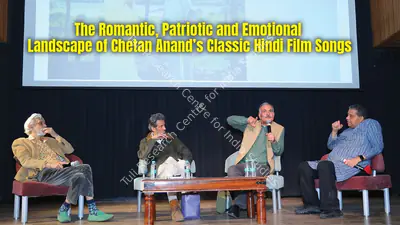
- ArchivedOffline-Online EventProject 80A Musical Glue for Nation-BuildingDeconstructing the Film Song23rd July - 22nd August 2026Ketan Anand | Ravikant | Pavan Jha | Madan Gopal Singh | Amit Khanna | Juhi Saklani | Antara Mondal | Shikha Jhingan | Neville TuliA key section of the India Studies framework at The Tuli Research Centre for India Studies (T.R.I.S.) is “Deconstructing the Film Song”. It began with a series of four workshops during our Self-Discovery via Rediscovering India Festival Series that brought together leading scholars & academics, film practitioners & students, along with fans of the Hindi film song. The objective of these workshops was to deconstruct iconic Hindi film songs to examine their formation across music, lyrics, playback, choreography, directorial visualisation, as they fuse into sites where aesthetics, ideology, and performance intersect, so as to help clarify the nature of India and her relationship to the film song. The Hindi Film Song functions as a narrative device, conveying myriad textures of emotion through melody, voice and poetry. As cultural texts that encode memory, desire, and ideology, songs are integral to the circulation and resonance of films in the public realm. Over time they have become autonomous bundles of creative energy - the glue that binds us over time, articulating and perhaps even defining the idea of Indianness. These first Workshops were an attempt to understand the nature and power of this glue, while contemplating the ways to situate it within TRIS' academic framework for Contemporary India Studies.Read More →
- ArchivedDeconstructing the Hindi Film SongProject 63A Musical Glue for Nation-BuildingFour Classic Songs from the cinema of V. Shantaram and B.R. Chopra and the genius of Vasant Desai, O.P. Nayyar, Ravi, Bharat Vyas, Sahir Ludhianvi, Hasan Kamal, Asha Bhosle, Salma Agha & Mohammed RafinnAye Maalik Tere Bande Ham | Do Aankhen Baara Haath-1957 nUdein Jab Jab Zulfen Teri | Naya Daur-1957 nDin Hai Bahar Ke | Waqt-1965 nDil Ke Armaan Aansuon Mein Bah Gaye | Nikaah-198219th February 202611:30amM.L. Bhartia Auditorium, Alliance Francaise de Delhi, 72 K.K. Birla Lane, Lodi Estate, New Delhi, 110007Madan Gopal Singh, Ravikant, Shikha Jhingan, Antara Mondal & Neville TuliA key section of the India Studies framework at The Tuli Research Centre for India Studies (T.R.I.S.) is “Deconstructing the Hindi Film Song”. It will begin with a series of four workshops that brings together leading scholars & academics, film practitioners & students, along with fans of the Hindi film song. The objective of these workshops is to deconstruct iconic Hindi film songs to examine their formation across music, lyrics, playback, choreography, directorial visualisation, as they fuse into sites where aesthetics, ideology, and performance intersect. The Hindi Film Song functions as a narrative device, conveying myriad textures of emotion through melody, voice and poetry. As cultural texts that encode memory, desire, and ideology, songs are integral to the circulation and resonance of films in the public realm. Over time they have become autonomous bundles of creative energy - the glue that binds us over time, articulating and perhaps even defining the idea of Indianness. The first Workshops are an attempt to understand the nature and power of this glue, while contemplating the ways to situate it within TRIS' academic framework for Contemporary India Studies.Read More →

Related
43
Personalities
21
Films
20