TRIS logo image
Search275,000+ actors, artists, objects, artworks, films, exhibitions, archives

EN

EN

English

HI

Hindi

EN

EN

English

HI

Hindi

Tuli Research Centre for India Studies
Tuli Research Centre for India Studies
Vision

Manifesto

Archive & Library

Vanraja Sanctuary & Hospice

Home

Research Categories

Browse All

ICore

1_CinemaEducation_Cinema as a Critical Educational Resource

2_FineArts_Modern and Contemporary Indian Fine Arts

3_Photography_Photography in India

4_PopCulture_The Printed Image, Popular Arts, and Crafts

IIMaterial

5_ArcHeritage_India's Architectural Heritage as Inspiration

6_EconomicsArt_Economics of Art & Cultural Industry

7_Travel_Automobile, Transport and Travel Heritage

8_Uncertainty_Uncertainty

IIICritical

9_SocialDuty_Social Responsibility of the Creative Mind

10_Childhood_The Changing Smile of Childhood & Its Second Coming

11_Sensuality_The Sensual Discipline within Creativity

12_Scholarship_The History & Historiography of Scholarship in the Arts, Humanities, and Social Sciences

IVMeaningful

13_SeekJustice_Seeking Justice and Political Integrity

14_IndoWorld_India and her Relationship with the World

15_SpiritualPoetics_The Religious-Spiritual-Poetic-Philosophical Framework

16_Continuum_The Animal-Human-Nature Continuum

Explore

All

Posts

Masterlists

Calendar

Live | Upcoming

All Events

Timetable

Search275,000+ actors, artists, objects, artworks, films, exhibitions, archives

EN

EN

English

HI

Hindi

V.K. Murthy

V.K. Murthy

Personality.Cinematographer
On this Page
Introduction
Filmography19
Research Centre334
All334
Library2
Archive327Videos5
Calendar2
Home/Cinema as a Critical Educational Resource/Personality · Actor/V.K. Murthy
V.K. Murthy — featured artwork

Introduction

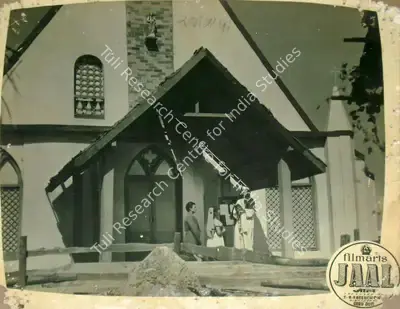
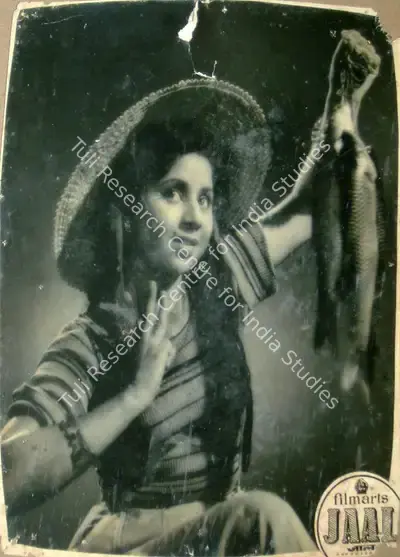
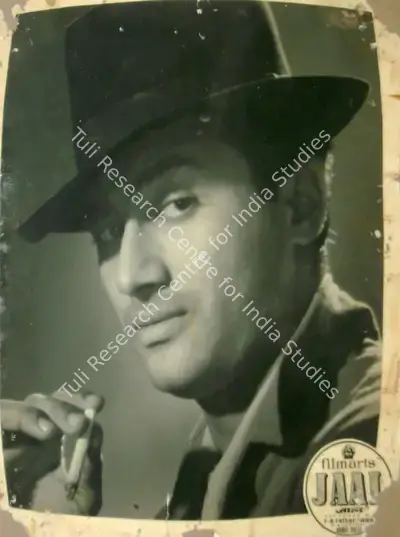
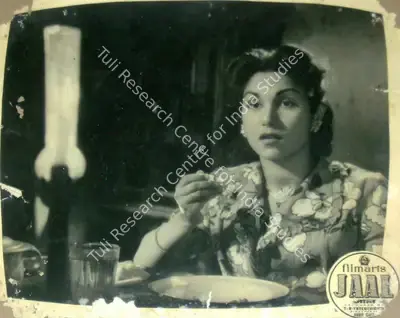
Venkatarama Pandit Krishnamurthy (1923-2014) was a noted Indian cinematographer whose work in Hindi films spanned from the 1950s to the 1990s. He started as an assistant to cinematographer V. Ratra in Guru Dutt's 1951 directorial debut, Baazi. Murthy had suggested a complex shot which required calculated tracking, dolly and panning for a song sequence in the film, and Guru Dutt allowed him to take the suggested shot. Satisfied with the results, Guru Dutt appointed him as the cinematographer for his next film Jaal (1952), which started their long collaboration that lasted till Dutt's death in 1964. Murthy's style in black & white cinema was inspired by the chiaroscuro, back lighting and soft-focus aesthetics of German cinematographer, Joseph Wirsching whose contributions to Indian cinema through his association with Bombay Talkies productions like Achut Kanya (1936), Ziddi (1948) and later in Kamal Amrohi's Pakeezah (1972) is noteworthy.

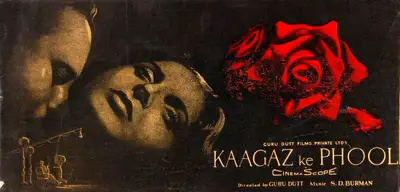
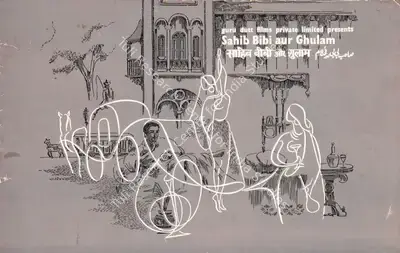
Murthy came to be known as 'Guru Dutt's eyes' for his ability to translate Dutt's vision. His black & white cinematography in Pyaasa (1957), Kaagaz Ke Phool (1959) and Sahib Bibi aur Ghulam (1962) spoke of his visual artistry, with dramatic lighting and pronounced shadows that reflected the tone and the mood of the scenes. Murthy's cinematographic contribution in Kaagaz Ke Phool was as important as the directorial vision of Guru Dutt in the film. As the first Indian film to be shot in Cinemascope, the film was initially a commercial failure but later became a cult classic and is now considered a cinematic masterpiece. One of the most recognised shots of the film was the 'sunbeam shot' with Guru Dutt and Waheeda Rehman in the song Waqt Ne Kiya…this shot also came to be known as 'Murthy Beam' in informal industry circles. It was composed by opening the roof of the film studio and reflecting the sunlight from a mirror kept outside the studio to another mirror kept on the lighting catwalk, which then sent the beam down lit up by adding smoke and dust of the studio. Murthy won his first Filmfare award for cinematography for this film in 1959. He earned his second Filmfare Award for Sahib Bibi aur Ghulam (1962). Murthy was also honoured with the prestigious Dada Saheb Phalke Award in 2008, the first time it was awarded to a cinematographer.

Although noted for his work in mainly black & white films, Murthy was the one of the first people to use colour when it came to India. His deft colour composition for two songs in the re-release of Chaudvi Ka Chaand (1960), including the title song shot in Technicolour, stands as a testament to the genius of his craft that straddled effortlessly between black & white and colour at a time when technicians found it difficult to move between the two mediums. Murthy credited his music training as a violinist in being able to visualize song sequences, matching camera movement to the rhythm of the song.

He continued to work on a few projects after Guru Dutt's death, including the acclaimed television series by Shyam Benegal, Bharat Ek Khoj (1988) and Govind Nihalani's Tamas (1988).

He completed his cinematography diploma from Sri Jayachamarajendra Polytechnic (the present Government Film and Television Institute) in Bangalore in 1946. He also participated in the Indian freedom struggle as a teenager, serving a jail term in 1943. Murthy retired from his work and moved back to Bangalore in 2001. Murthy passed away on 7 April 2014 at the age of 91, at his Bangalore residence.

वेंकटरामा पंडित कृष्णमूर्ति (1923-2014) एक प्रसिद्द भारतीय सिनेमैटोग्राफर (छायाकार) थे, जिनका हिन्दी फ़िल्मों में काम 1950 के दशक से 1990 के दशक तक फैला रहा। उन्होंने गुरु दत्त की 1951 में निर्देशित पहली फिल्म 'बाजी' में छायाकार वी. रत्त्रा के सहायक के रूप में अपना करियर शुरू किया। मूर्ति ने फिल्म के एक गीत के लिए एक जटिल शॉट का सुझाव दिया था, जिसमें सटीक ट्रैकिंग, डॉली (कैमरा के लिए पहिये वाली गाड़ी) और पैनिंग (कैमरा की स्थिति) की आवश्यकता थी, और गुरु दत्त ने उन्हें वह शॉट लेने की अनुमति दे दी। परिणामों से संतुष्ट होकर, गुरु दत्त ने उन्हें अपनी अगली फिल्म जाल (1952) के लिए सिनेमैटोग्राफर नियुक्त किया और यहीं से दोनों के बीच एक लंबे सहयोग की शुरुआत हुई, जो 1964 में दत्त की मृत्यु तक चला। ब्लैक एंड व्हाइट (श्याम-श्वेत) सिनेमा में मूर्ति की शैली जर्मन छायाकार जोसेफ विर्शिंग की कियारोस्क्यूरो (प्रकाश और छाया), बैक लाइटिंग और सॉफ्ट-फोकस जैसे सौंदर्यशास्त्र से प्रेरित थी, जिनका बॉम्बे टॉकीज प्रोडक्शन जैसे अछूत कन्या (1936), जिद्दी (1948) और बाद में कमाल अमरोही की पाकीज़ा (1972) के साथ जुड़ाव के माध्यम से भारतीय सिनेमा में योगदान उल्लेखनीय है।
गुरु दत्त की दृष्टि को पर्दे पर उतारने की उनकी क्षमता के कारण मूर्ति को 'गुरु दत्त की आंखें' के नाम से जाना जाने लगा। प्यासा (1957), कागज़ के फूल (1959) और साहिब बीबी और गुलाम (1962) में उनकी ब्लैक एंड व्हाइट सिनेमैटोग्राफी उनकी कलात्मकता का प्रमाण थी, जिसमें नाटकीय प्रकाश व्यवस्था और गहरी परछाइयों का इस्तेमाल दृश्यों के भाव और मनोदशा को प्रतिबिंबित करता है। कागज़ के फूल में मूर्ति का सिनेमैटोग्राफी (छायांकन) में योगदान उतना ही महत्वपूर्ण था जितना कि फिल्म में गुरु दत्त की निर्देशन क्षमता। सिनेमास्कोप (विस्तृत सिनेमाई दृश्य) में शूट होने वाली पहली भारतीय फिल्म होने के नाते, यह फिल्म शुरुआत में व्यावसायिक रूप से असफल रही, लेकिन बाद में एक कल्ट क्लासिक (जिसे ख़ास वर्ग ने आपना लिया) बन गई और अब इसे उत्कृष्ट सिनेमाई रचना माना जाता है। फिल्म के सबसे प्रसिद्ध दृश्यों में से एक गुरु दत्त और वहीदा रहमान के साथ फिल्माया गया 'वक्त ने किया' गीत का 'सनबीम शॉट' (सूर्य की किरण वाला शॉट) था। अनौपचारिक फिल्म इंडस्ट्री में इस शॉट को 'मूर्ति बीम' के नाम से भी जाना जाता था। इसे फिल्म स्टूडियो की छत खोलकर और स्टूडियो के बाहर रखे एक दर्पण से सूर्य की रोशनी को लाइटिंग कैटवॉक (ऊँचा प्लेटफ़ॉर्म जहाँ लाइट्स रखी जाती हैं) पर रखे दूसरे दर्पण पर परावर्तित करके बनाया गया था, जिससे स्टूडियो के धुएं और धूल को मिलाकर एक किरण नीचे की ओर आती थी। मूर्ति को इस फ़िल्म के लिए 1959 में सिनेमैटोग्राफी का पहला फिल्मफेयर पुरस्कार मिला। उन्हें दूसरा फिल्मफेयर पुरस्कार 'साहिब बीबी और गुलाम' (1962) के लिए मिला। मूर्ति को 2008 में प्रतिष्ठित दादा साहब फाल्के पुरस्कार से भी सम्मानित किया गया, जो किसी सिनेमैटोग्राफर को दिया जाने वाला पहला पुरस्कार था।

वी. के . मूर्ति
वेंकटरामा पंडित कृष्णमूर्ति (1923-2014) एक प्रसिद्द भारतीय सिनेमैटोग्राफर (छायाकार) थे, जिनका हिन्दी फ़िल्मों में काम 1950 के दशक से 1990 के दशक तक फैला रहा। उन्होंने गुरु दत्त की 1951 में निर्देशित पहली फिल्म 'बाजी' में छायाकार वी. रत्त्रा के सहायक के रूप में अपना करियर शुरू किया। मूर्ति ने फिल्म के एक गीत के लिए एक जटिल शॉट का सुझाव दिया था, जिसमें सटीक ट्रैकिंग, डॉली (कैमरा के लिए पहिये वाली गाड़ी) और पैनिंग (कैमरा की स्थिति) की आवश्यकता थी, और गुरु दत्त ने उन्हें वह शॉट लेने की अनुमति दे दी। परिणामों से संतुष्ट होकर, गुरु दत्त ने उन्हें अपनी अगली फिल्म जाल (1952) के लिए सिनेमैटोग्राफर नियुक्त किया और यहीं से दोनों के बीच एक लंबे सहयोग की शुरुआत हुई, जो 1964 में दत्त की मृत्यु तक चला। ब्लैक एंड व्हाइट (श्याम-श्वेत) सिनेमा में मूर्ति की शैली जर्मन छायाकार जोसेफ विर्शिंग की कियारोस्क्यूरो (प्रकाश और छाया), बैक लाइटिंग और सॉफ्ट-फोकस जैसे सौंदर्यशास्त्र से प्रेरित थी, जिनका बॉम्बे टॉकीज प्रोडक्शन जैसे अछूत कन्या (1936), जिद्दी (1948) और बाद में कमाल अमरोही की पाकीज़ा (1972) के साथ जुड़ाव के माध्यम से भारतीय सिनेमा में योगदान उल्लेखनीय है।
गुरु दत्त की दृष्टि को पर्दे पर उतारने की उनकी क्षमता के कारण मूर्ति को 'गुरु दत्त की आंखें' के नाम से जाना जाने लगा। प्यासा (1957), कागज़ के फूल (1959) और साहिब बीबी और गुलाम (1962) में उनकी ब्लैक एंड व्हाइट सिनेमैटोग्राफी उनकी कलात्मकता का प्रमाण थी, जिसमें नाटकीय प्रकाश व्यवस्था और गहरी परछाइयों का इस्तेमाल दृश्यों के भाव और मनोदशा को प्रतिबिंबित करता है। कागज़ के फूल में मूर्ति का सिनेमैटोग्राफी (छायांकन) में योगदान उतना ही महत्वपूर्ण था जितना कि फिल्म में गुरु दत्त की निर्देशन क्षमता। सिनेमास्कोप (विस्तृत सिनेमाई दृश्य) में शूट होने वाली पहली भारतीय फिल्म होने के नाते, यह फिल्म शुरुआत में व्यावसायिक रूप से असफल रही, लेकिन बाद में एक कल्ट क्लासिक (जिसे ख़ास वर्ग ने आपना लिया) बन गई और अब इसे उत्कृष्ट सिनेमाई रचना माना जाता है। फिल्म के सबसे प्रसिद्ध दृश्यों में से एक गुरु दत्त और वहीदा रहमान के साथ फिल्माया गया 'वक्त ने किया' गीत का 'सनबीम शॉट' (सूर्य की किरण वाला शॉट) था। अनौपचारिक फिल्म इंडस्ट्री में इस शॉट को 'मूर्ति बीम' के नाम से भी जाना जाता था। इसे फिल्म स्टूडियो की छत खोलकर और स्टूडियो के बाहर रखे एक दर्पण से सूर्य की रोशनी को लाइटिंग कैटवॉक (ऊँचा प्लेटफ़ॉर्म जहाँ लाइट्स रखी जाती हैं) पर रखे दूसरे दर्पण पर परावर्तित करके बनाया गया था, जिससे स्टूडियो के धुएं और धूल को मिलाकर एक किरण नीचे की ओर आती थी। मूर्ति को इस फ़िल्म के लिए 1959 में सिनेमैटोग्राफी का पहला फिल्मफेयर पुरस्कार मिला। उन्हें दूसरा फिल्मफेयर पुरस्कार 'साहिब बीबी और गुलाम' (1962) के लिए मिला। मूर्ति को 2008 में प्रतिष्ठित दादा साहब फाल्के पुरस्कार से भी सम्मानित किया गया, जो किसी सिनेमैटोग्राफर को दिया जाने वाला पहला पुरस्कार था।

हालांकि वे मुख्य रूप से ब्लैक एंड व्हाइट फिल्मों में अपने काम के लिए जाने जाते थे, लेकिन भारत में रंगीन फिल्मों का उपयोग करने वाले पहले लोगों में से एक मूर्ति भी थे। चौदहवीं का चांद (1960) के पुन: रिलीज़ में दो गानों के लिए उनका कुशल रंगीन संयोजन, जिसमें टेक्नीकलर (रंगीन फ़िल्म बनाने की तकनीक) में फिल्माया गया टाइटल सॉग भी शामिल है, उनकी कला की प्रतिभा का प्रमाण है। उस समय जब टेक्नीशियन के लिए दोनों माध्यमों के बीच तालमेल बिठाना मुश्किल था, तब भी वे ब्लैक एंड व्हाइट और रंगीन के बीच सहजता से सामंजस्य बिठा लेते थे। मूर्ति ने अपने वायलिन वादक के रूप में संगीत प्रशिक्षण को गीत के दृश्यों की कल्पना करने और कैमरे की गति को गीत की लय से मिलाने की क्षमता का श्रेय दिया।
गुरु दत्त के निधन के बाद भी उन्होंने कुछ परियोजनाओं पर काम करना जारी रखा, जिनमें श्याम बेनेगल की प्रशंसित टेलीविजन श्रृंखला भारत एक खोज (1988) और गोविंद निहलानी की तमस (1988) शामिल हैं।
उन्होंने 1946 में बैंगलोर के श्री जयचामराजेंद्र पॉलिटेक्निक (वर्तमान सरकारी फिल्म और टेलीविजन संस्थान) से सिनेमैटोग्राफी में डिप्लोमा प्राप्त किया। किशोरावस्था में ही उन्होंने भारतीय स्वतंत्रता संग्राम में भाग लिया और 1943 में जेल की सजा भी भुगती। मूर्ति ने 2001 में काम से सेवानिवृत्ति ली और बैंगलोर लौट आए। 7 अप्रैल 2014 को 91 वर्ष की आयु में बैंगलोर स्थित अपने आवास पर उनका निधन हो गया।
No personalia records available yet.

Filmography 19

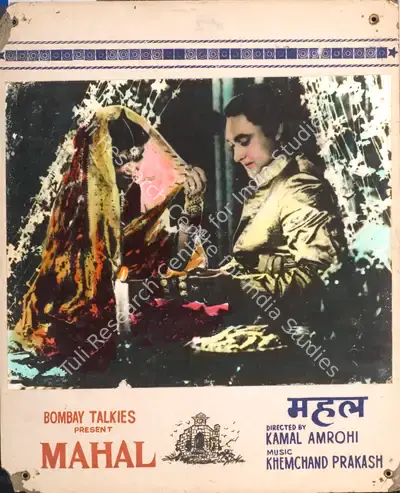
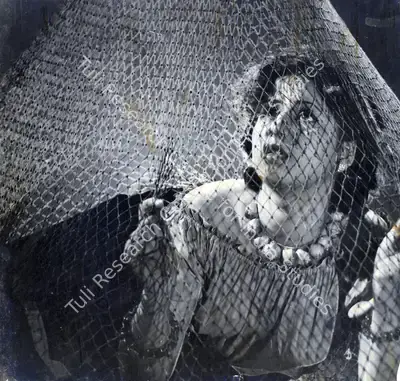
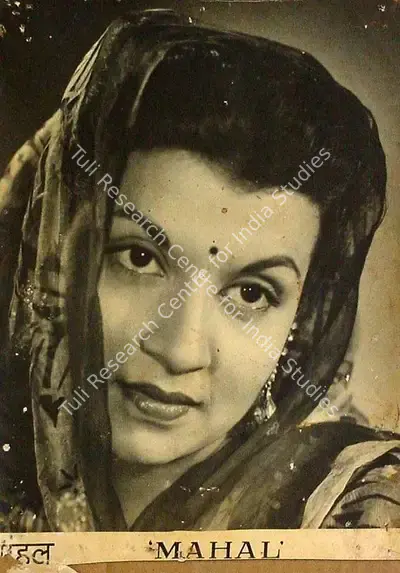
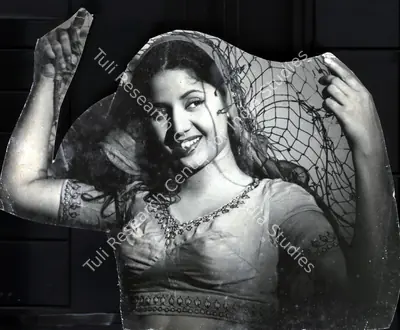
Mahal, Cinematographer, 1949
Mahal | Hindi | Cinematographer
1949 | Feature | Fiction | Black and White | India
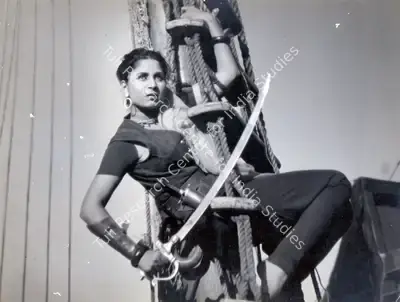
Jaal, Cinematographer, 1952
Jaal | Hindi | Cinematographer
1952 | Feature | Fiction | Black and White | India
Baaz, Cinematographer, 1953
Baaz | Hindi | Cinematographer
1953 | Feature | Fiction | Black and White | India
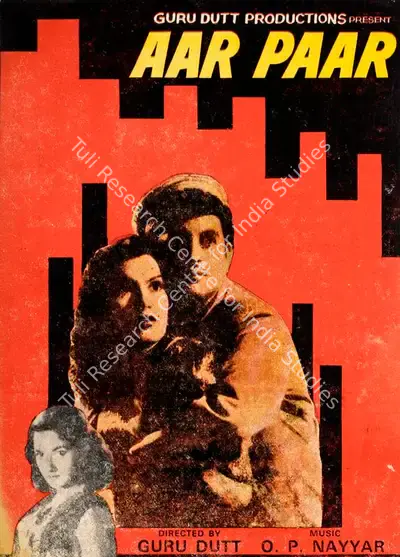
Aar Paar, Cinematographer, 1954
Aar Paar | Hindi | Cinematographer
1954 | Feature | Fiction | Black and White | India
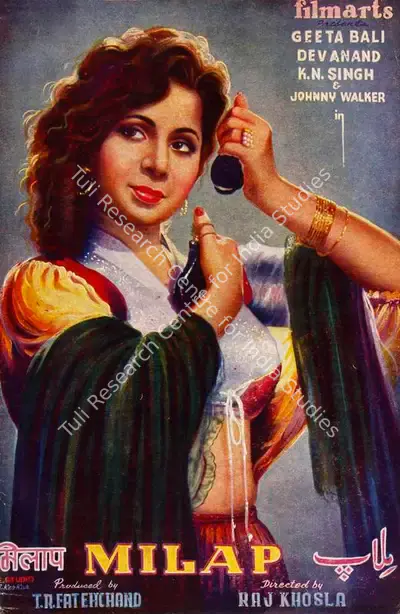
Milap, Cinematographer, 1955
Milap | Hindi | Cinematographer
1955 | Feature | Fiction | Black and White | India
Mr And Mrs 55, Cinematographer, 1955
Mr And Mrs 55 | Hindi | Cinematographer
1955 | Feature | Fiction | Black and White | India
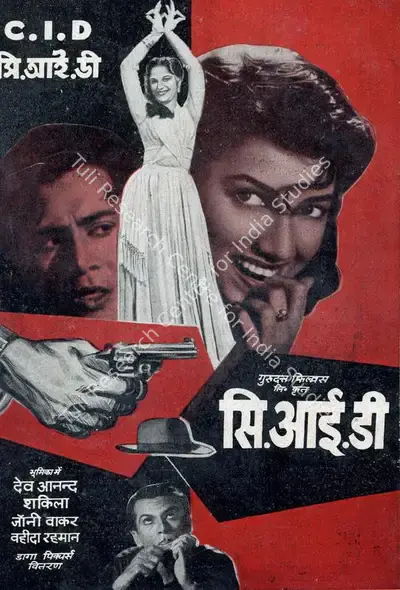
C I D, Cinematographer, 1956
C I D | Hindi | Cinematographer
1956 | Feature | Fiction | Black and White | 146 mins | India
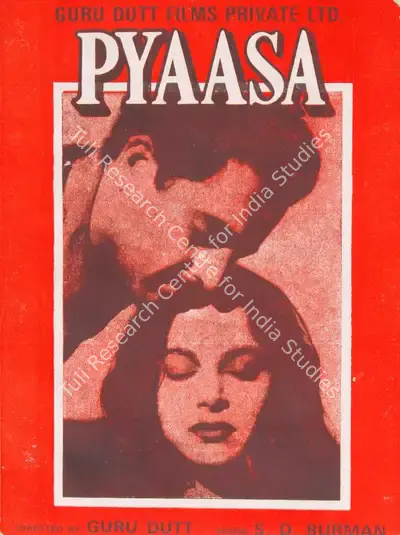
Pyaasa, Cinematographer, 1957
Pyaasa | Hindi | Cinematographer
1957 | Feature | Fiction | Black and White | 153 mins | India
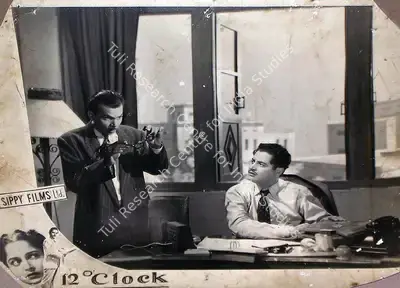
12 O Clock, Cinematographer, 1958
12 O Clock | Hindi | Cinematographer
1958 | Feature | Fiction | Black and White | India
Kaagaz Ke Phool, Cinematographer, 1959
Kaagaz Ke Phool | Hindi | Cinematographer
1959 | Feature | Fiction | Black and White | 148 mins | India
Sahib Bibi Aur Ghulam, Cinematographer, 1962
Sahib Bibi Aur Ghulam | Hindi | Cinematographer
1962 | Feature | Fiction | Black and White | 152 mins | India
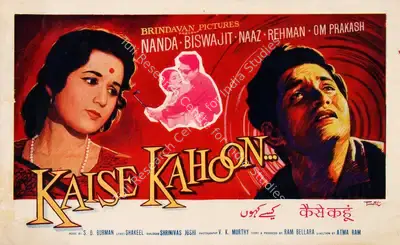
Kaise Kahoon, Cinematographer, 1964
Kaise Kahoon | Hindi | Cinematographer
1964 | Feature | Fiction | Black and White | India
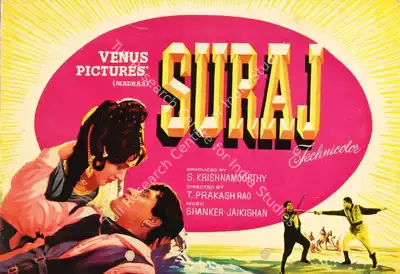
Suraj, Cinematographer, 1966
Suraj | Hindi | Cinematographer
1966 | Feature | Fiction | Colour | India
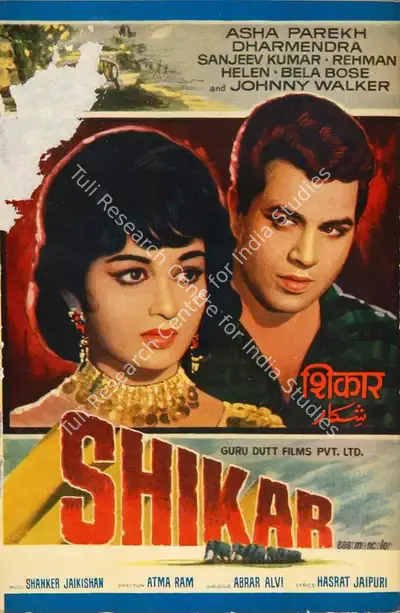
Shikar, Cinematographer, 1968
Shikar | Hindi | Cinematographer
1968 | Feature | Fiction | Colour | India
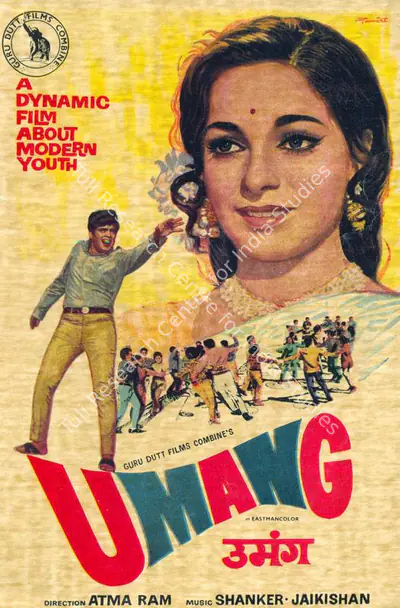
Umang, Cinematographer, 1970
Umang | Hindi | Cinematographer
1970 | Feature | Fiction | Colour | India
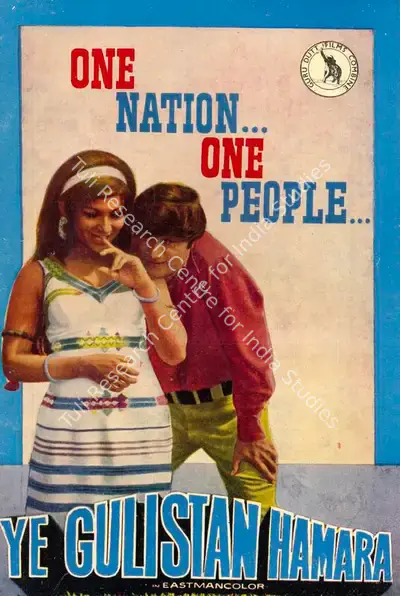
Ye Gulistan Hamara, Cinematographer, 1972
Ye Gulistan Hamara | Hindi | Cinematographer
1972 | Feature | Fiction | Colour | India
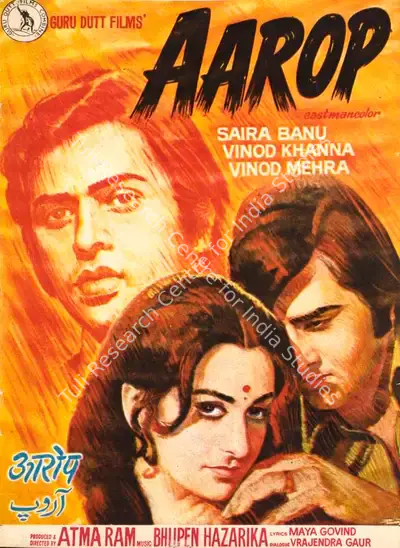
Aarop, Cinematographer, 1974
Aarop | Hindi | Cinematographer
1974 | Feature | Fiction | Colour | India
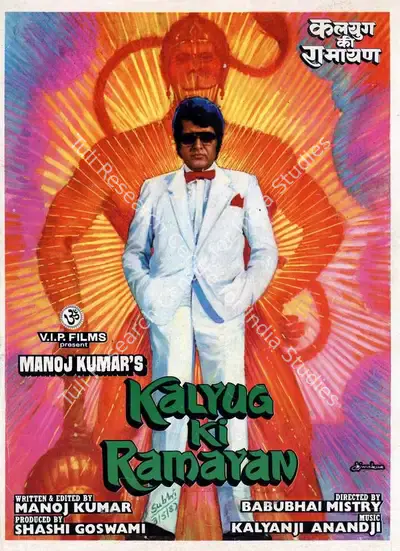
Kalyug Ki Ramayan, Cinematographer, 1987
Kalyug Ki Ramayan | Hindi | Cinematographer
1987 | Feature | Fiction | Colour | India
Antarnaad
1992
Antarnaad | Hindi | Cinematographer
1992 | India

Research Centre
V.K. Murthy (Cinematographer), Mahal, 1949, Lobby Card
Murthy, V.K. (Cinematographer), Mahal, 1949 | Lobby Card
View full record
V.K. Murthy (Cinematographer), Mahal, 1949, Photographic Still Mounted on Lobby Card
Murthy, V.K. (Cinematographer), Mahal, 1949 | Photographic Still Mounted on Lobby Card
View full record
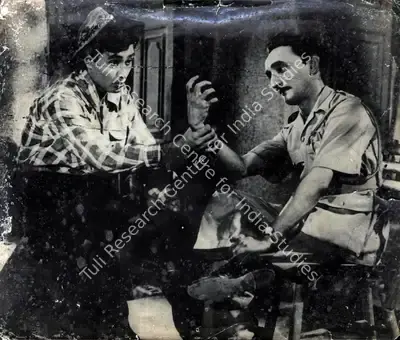
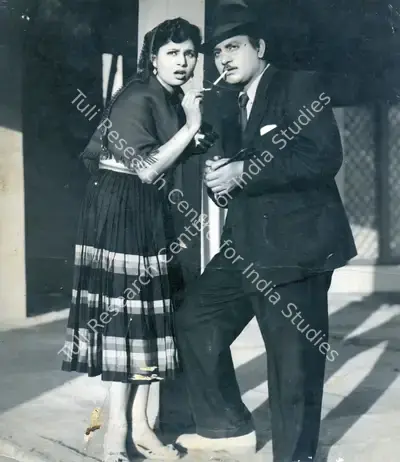
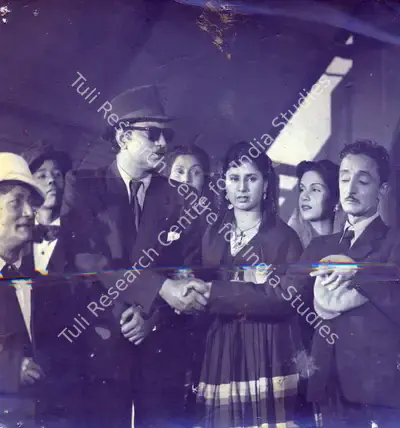
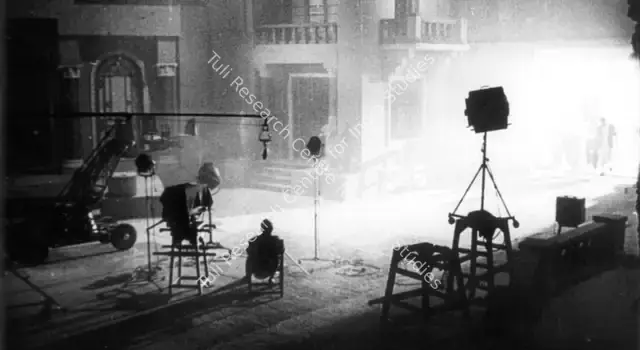
V.K. Murthy (Cinematographer), Jaal, 1952, Photographic Still
Murthy, V.K. (Cinematographer), Jaal, 1952 | Photographic Still
View full record
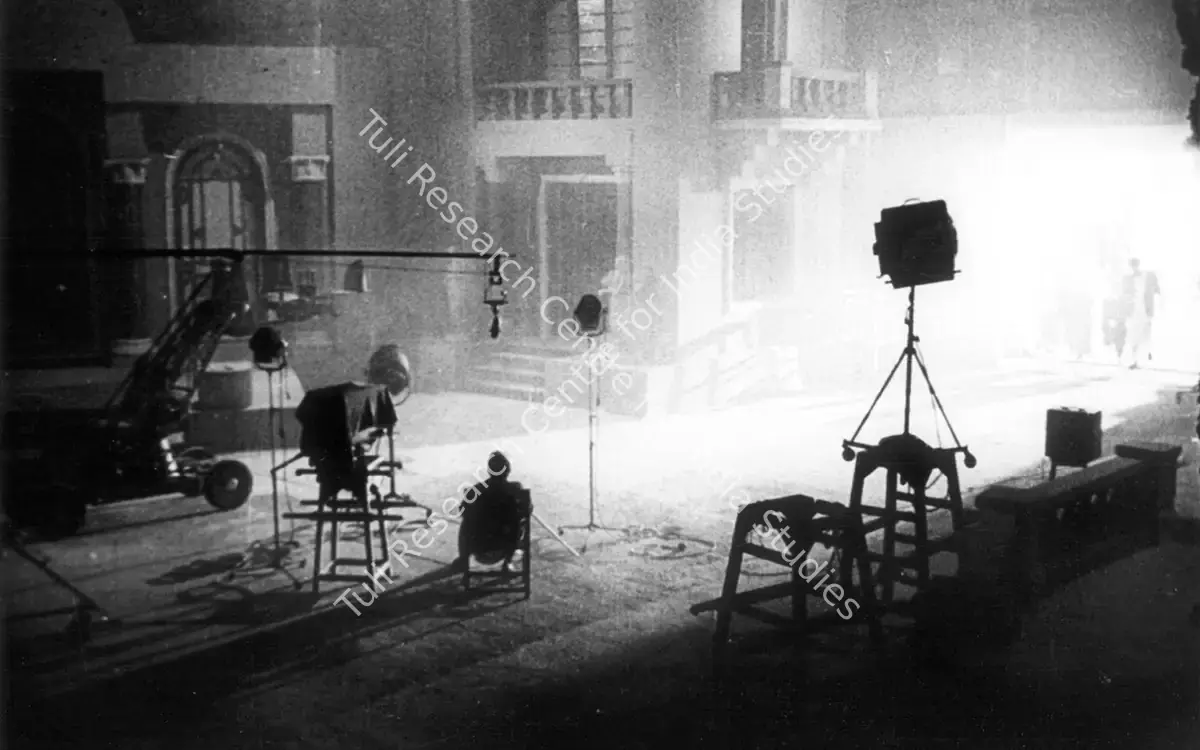
V.K. Murthy (Cinematographer), Jaal, 1952, Photographic Still
Murthy, V.K. (Cinematographer), Jaal, 1952 | Photographic Still
View full record
V.K. Murthy (Cinematographer), Jaal, 1952, Photographic Still
Murthy, V.K. (Cinematographer), Jaal, 1952 | Photographic Still
View full record
V.K. Murthy (Cinematographer), Jaal, 1952, Photographic Still
Murthy, V.K. (Cinematographer), Jaal, 1952 | Photographic Still
View full record
V.K. Murthy (Cinematographer), Jaal, 1952, Photographic Still
Murthy, V.K. (Cinematographer), Jaal, 1952 | Photographic Still
View full record
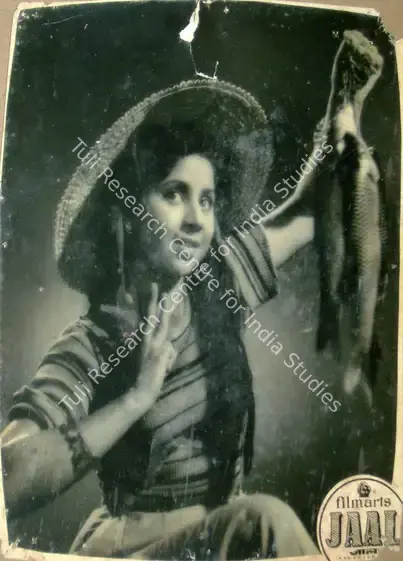
V.K. Murthy (Cinematographer), Jaal, 1952, Lobby Card
Murthy, V.K. (Cinematographer), Jaal, 1952 | Lobby Card
View full record
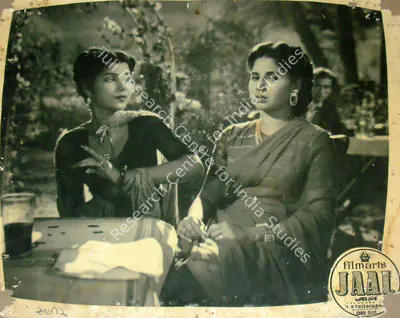
V.K. Murthy (Cinematographer), Jaal, 1952, Lobby Card
Murthy, V.K. (Cinematographer), Jaal, 1952 | Lobby Card
View full record
V.K. Murthy (Cinematographer), Jaal, 1952, Lobby Card
Murthy, V.K. (Cinematographer), Jaal, 1952 | Lobby Card
View full record
V.K. Murthy (Cinematographer), Jaal, 1952, Lobby Card
Murthy, V.K. (Cinematographer), Jaal, 1952 | Lobby Card
View full record
V.K. Murthy (Cinematographer), Jaal, 1952, Lobby Card
Murthy, V.K. (Cinematographer), Jaal, 1952 | Lobby Card
View full record
V.K. Murthy (Cinematographer), Jaal, 1952, Lobby Card
Murthy, V.K. (Cinematographer), Jaal, 1952 | Lobby Card
View full record
V.K. Murthy (Cinematographer), Jaal, 1952, Lobby Card
Murthy, V.K. (Cinematographer), Jaal, 1952 | Lobby Card
View full record
V.K. Murthy (Cinematographer), Jaal, 1952, Lobby Card
Murthy, V.K. (Cinematographer), Jaal, 1952 | Lobby Card
View full record
V.K. Murthy (Cinematographer), Jaal, 1952, Lobby Card
Murthy, V.K. (Cinematographer), Jaal, 1952 | Lobby Card
View full record
V.K. Murthy (Cinematographer), Jaal, 1952, Lobby Card
Murthy, V.K. (Cinematographer), Jaal, 1952 | Lobby Card
View full record
V.K. Murthy (Cinematographer), Jaal, 1952, Lobby Card
Murthy, V.K. (Cinematographer), Jaal, 1952 | Lobby Card
View full record
V.K. Murthy (Cinematographer), Jaal, 1952, Lobby Card
Murthy, V.K. (Cinematographer), Jaal, 1952 | Lobby Card
View full record
V.K. Murthy (Cinematographer), Jaal, 1952, Lobby Card
Murthy, V.K. (Cinematographer), Jaal, 1952 | Lobby Card
View full record
20 of 334
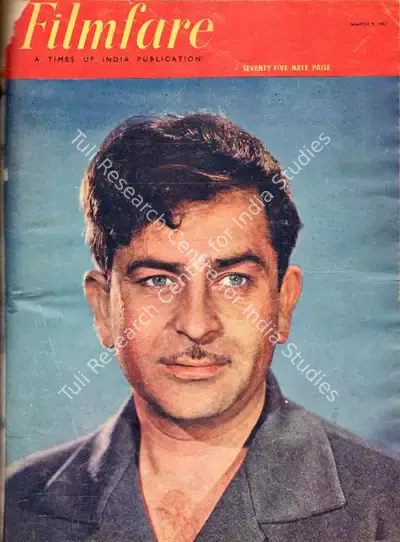
B.K. Karanjia (Editor), Filmfare, 1962, Magazine
Karanjia, B.K. (Editor). Filmfare, 09 March 1962 | Magazine | 00793265
View full record
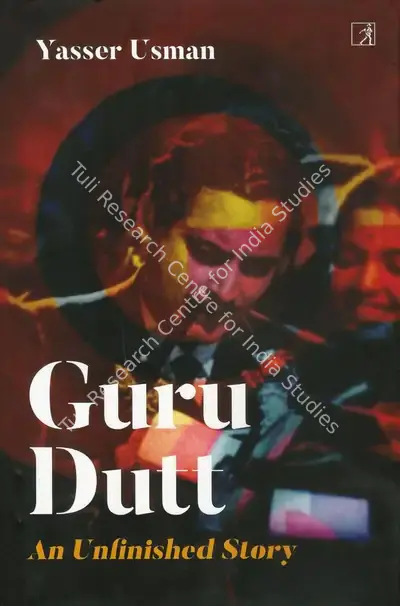
Yasser Usman (Author), Guru Dutt, 2020, Authored Book
Usman, Yasser (Author). Guru Dutt, 2020 | Authored Book | 00843991
View full record
V.K. Murthy (Cinematographer), Mahal, 1949, Lobby Card
Murthy, V.K. (Cinematographer), Mahal, 1949 | Lobby Card
View full record
V.K. Murthy (Cinematographer), Mahal, 1949, Photographic Still Mounted on Lobby Card
Murthy, V.K. (Cinematographer), Mahal, 1949 | Photographic Still Mounted on Lobby Card
View full record
V.K. Murthy (Cinematographer), Jaal, 1952, Photographic Still
Murthy, V.K. (Cinematographer), Jaal, 1952 | Photographic Still
View full record
V.K. Murthy (Cinematographer), Jaal, 1952, Photographic Still
Murthy, V.K. (Cinematographer), Jaal, 1952 | Photographic Still
View full record
V.K. Murthy (Cinematographer), Jaal, 1952, Photographic Still
Murthy, V.K. (Cinematographer), Jaal, 1952 | Photographic Still
View full record
V.K. Murthy (Cinematographer), Jaal, 1952, Photographic Still
Murthy, V.K. (Cinematographer), Jaal, 1952 | Photographic Still
View full record
V.K. Murthy (Cinematographer), Jaal, 1952, Photographic Still
Murthy, V.K. (Cinematographer), Jaal, 1952 | Photographic Still
View full record
V.K. Murthy (Cinematographer), Jaal, 1952, Lobby Card
Murthy, V.K. (Cinematographer), Jaal, 1952 | Lobby Card
View full record
V.K. Murthy (Cinematographer), Jaal, 1952, Lobby Card
Murthy, V.K. (Cinematographer), Jaal, 1952 | Lobby Card
View full record
V.K. Murthy (Cinematographer), Jaal, 1952, Lobby Card
Murthy, V.K. (Cinematographer), Jaal, 1952 | Lobby Card
View full record
V.K. Murthy (Cinematographer), Jaal, 1952, Lobby Card
Murthy, V.K. (Cinematographer), Jaal, 1952 | Lobby Card
View full record
V.K. Murthy (Cinematographer), Jaal, 1952, Lobby Card
Murthy, V.K. (Cinematographer), Jaal, 1952 | Lobby Card
View full record
V.K. Murthy (Cinematographer), Jaal, 1952, Lobby Card
Murthy, V.K. (Cinematographer), Jaal, 1952 | Lobby Card
View full record
V.K. Murthy (Cinematographer), Jaal, 1952, Lobby Card
Murthy, V.K. (Cinematographer), Jaal, 1952 | Lobby Card
View full record
V.K. Murthy (Cinematographer), Jaal, 1952, Lobby Card
Murthy, V.K. (Cinematographer), Jaal, 1952 | Lobby Card
View full record
V.K. Murthy (Cinematographer), Jaal, 1952, Lobby Card
Murthy, V.K. (Cinematographer), Jaal, 1952 | Lobby Card
View full record
V.K. Murthy (Cinematographer), Jaal, 1952, Lobby Card
Murthy, V.K. (Cinematographer), Jaal, 1952 | Lobby Card
View full record
V.K. Murthy (Cinematographer), Jaal, 1952, Lobby Card
Murthy, V.K. (Cinematographer), Jaal, 1952 | Lobby Card
View full record
V.K. Murthy (Cinematographer), Jaal, 1952, Lobby Card
Murthy, V.K. (Cinematographer), Jaal, 1952 | Lobby Card
View full record
V.K. Murthy (Cinematographer), Jaal, 1952, Lobby Card
Murthy, V.K. (Cinematographer), Jaal, 1952 | Lobby Card
View full record
20 of 327
Tuli Research Centre for India Studies (Editor). Music in the Films of Guru Dutt: Dreams, Desire, and Disillusionment, 31 August 2026 | In-house Video, 2026 · 1 Hour 15 min · Long-form Video
▶
Tuli Research Centre for India Studies (Editor). Music in the Films of Guru Dutt: Dreams, Desire, and Disillusionment, 31 August 2026 | In-house Video
2026 · 1 Hour 15 min · Long-form Video
Tuli Research Centre for India Studies (Editor). "Waqt Ne Kiya Kya Haseen Sitam" - The Haunting Song of Guru Dutt’s Life, 31 August 2026 | In-house Video, 2026 · 55 sec · Vertical Video
▶
Tuli Research Centre for India Studies (Editor). "Waqt Ne Kiya Kya Haseen Sitam" - The Haunting Song of Guru Dutt’s Life, 31 August 2026 | In-house Video
2026 · 55 sec · Vertical Video
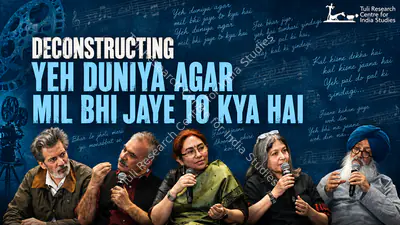
Tuli Research Centre for India Studies (Editor). "Yeh Duniya Agar Mil Bhi Jaye To Kya Hai" - The Poet's Disillusionment on Screen, 31 August 2026 | In-house Video, 2026 · 18 min 11 sec · Long-form Video
▶
Tuli Research Centre for India Studies (Editor). "Yeh Duniya Agar Mil Bhi Jaye To Kya Hai" - The Poet's Disillusionment on Screen, 31 August 2026 | In-house Video
2026 · 18 min 11 sec · Long-form Video
Tuli Research Centre for India Studies (Editor). Poetry, Music and Melancholy in Guru Dutt’s Film Songs, 31 August 2026 | In-house Video, 2026 · 1 min 07 sec · Vertical Video
▶
Tuli Research Centre for India Studies (Editor). Poetry, Music and Melancholy in Guru Dutt’s Film Songs, 31 August 2026 | In-house Video
2026 · 1 min 07 sec · Vertical Video
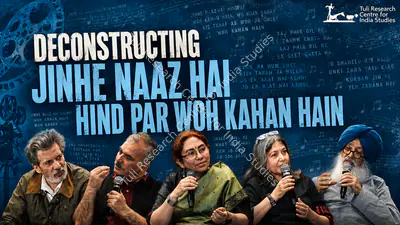
Tuli Research Centre for India Studies (Editor). Sahir' Ludhianvi's Question to the Nation in "Jinhe Naaz Hai Hind Par Woh Kahan Hain", 31 August 2026 | In-house Video, 2026 · 18 min 11 sec · Long-form Video
▶
Tuli Research Centre for India Studies (Editor). Sahir' Ludhianvi's Question to the Nation in "Jinhe Naaz Hai Hind Par Woh Kahan Hain", 31 August 2026 | In-house Video
2026 · 18 min 11 sec · Long-form Video

Calendar 2

View All →
  1. The Greatest Extravaganza of Cinema's Art
    ArchivedExhibitionProject 65
    The Greatest Extravaganza of Cinema's Art
    25th - 31st March 2026
    11:00am - 7:00pm
    Bharat Mandapam, Hall-14, Ground Floor, Pragati Maidan, New Delhi - 110001
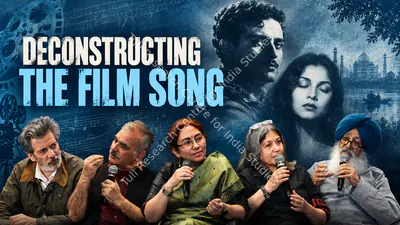
    As we near sharing the vast online India Studies knowledge base on tuliresearchcentre.org with the world, we end with our last grand archival Exhibition on the rare and vintage cinematic arts. The Expo covers over 110 years of cinematic art, created by some of the finest film directors, cinematographers, art directors, technicians and designers working in cinema from India, Hollywood, Japan, Germany, France, and Poland. It is also a key principle at the Tuli Research Centre for India Studies (TRIS) to support new and nascent International Film Festivals in whatever capacity possible. Hence it is our privilege to help the International Film Festival of Delhi (IFFD) successfully launch its first edition on 25th March 2026. In the pioneering tradition of IFFI, and as Head of the erstwhile and much respected Osian's-Cinefan Festival for Asian and Arab Cinema with my dearly departed friend and Founder of Cinefan - Aruna Vasudev - we know what energy, expertise and commitment is required to galvanise and inspire the cinematic fraternities of Delhi, India and the rest of the world. It is a very serious and difficult task. Our audiences are demanding and to attract the young and non-cinephile is also no easy task. I hope these exhibitions will help the public grasp how deeply history is living in the contemporary. That contemporary life or creativity cannot achieve its best version without knowing and respecting the work of the best who came before us, nurturing and guiding our path with their service and vision. We look forward to welcoming you to Bharat Mandapam Hall 14 in the days to come. Please register at https://www.iffdelhi.com for the films and other events, it is free to all.
    Read More →
    1_CinemaEducation
    +12 more
  2. A Brief Visual History of Indian Cinematography
    ArchivedExhibitionProject 23
    A Brief Visual History of Indian Cinematography
    Selections from the Tuli Research Centre for India Studies Collection
    20th - 24th January 2026
    11:00am
    Galerie Romain Rolland, Alliance Francaise de Delhi, 72 K.K. Birla Lane, Lodi Estate, New Delhi 110003
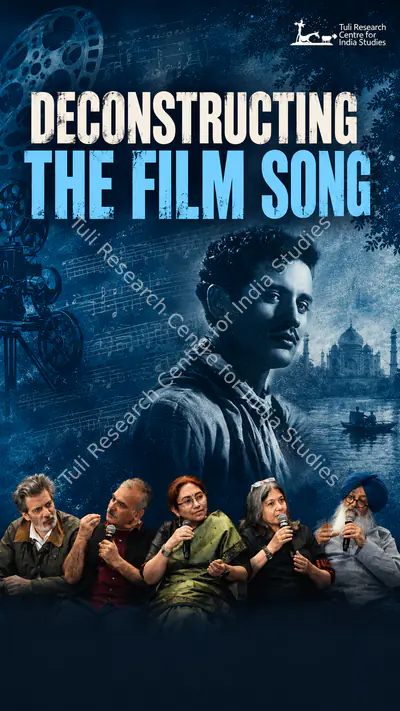
    Presenting selections from the Tuli Research Centre for India Studies Archives, this exhibition traces the visual history of Indian cinematography, foregrounding the craft, technologies, and aesthetic choices behind the camera, from Dadasaheb Phalke to Faredoon A. Irani, Fali and Jal Mistry, to VK Murthy and Govind Nihalani.
    Read More →
    1_CinemaEducation·3_Photography

Related

22

Films

19

12 O Clock 1958Cameraman
Aar Paar (1954)Cameraman
Aarop 1974Cameraman
Antarnaad 1992Cameraman
Baaz 1953Cameraman
C I D (1956)Cameraman
Jaal (1952)Cameraman
Kaagaz Ke Phool (1959)Cameraman
Kaise Kahoon 1964Cameraman
Kalyug Ki Ramayan 1987Cameraman
Mahal (1949)Cameraman
Milap 1955Cameraman
Mr And Mrs 55 (1955)Cameraman
Pyaasa (1957)Cameraman
Sahib Bibi Aur Ghulam (1962)Cameraman
Shikar 1968Cameraman
Suraj 1966Cameraman
Umang 1970Cameraman
Ye Gulistan Hamara 1972Cameraman

Personalities

3

G.P. SippyComparable Artworks
Guru DuttComparable Artworks
Raj KapoorComparable Artworks
Tuli Research Centre for India Studies
Tuli Research Centre
for India Studies

A free and open knowledge base for the modern and contemporary Indian arts, cinema, photography and cultural heritage.

Support

Contact Us

Discover

Tuli Research Centre for India StudiesVisionManifestoArchive & LibraryVanraja Sanctuary & Hospice
Legal

Privacy PolicyTerms & Conditions

Follow us

Youtube

Youtube

Instagram

Instagram

Facebook

Facebook

© Tuli Research Centre for India Studies 2026

Tuli Research Centre for India Studies

Tuli Research Centre

for India Studies

A free and open knowledge base for the modern and contemporary Indian arts, cinema, photography and cultural heritage.

Tuli Research Centre for India StudiesVisionManifestoArchive & LibraryVanraja Sanctuary & Hospice
Contact Us
Privacy PolicyTerms & Conditions

Follow us

YoutubeInstagramFacebook

© Tuli Research Centre for India Studies 2026

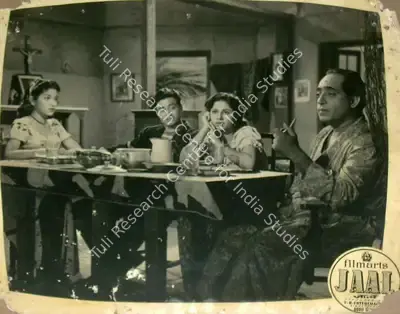
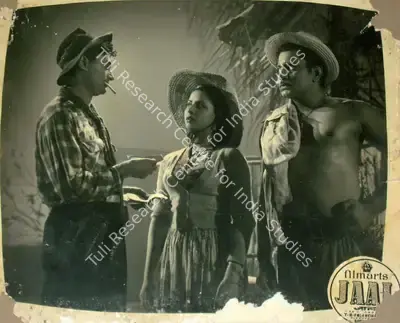
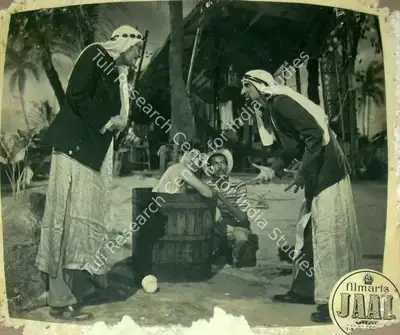
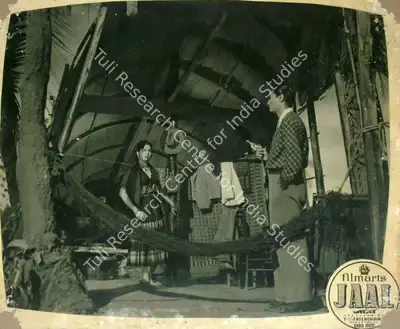
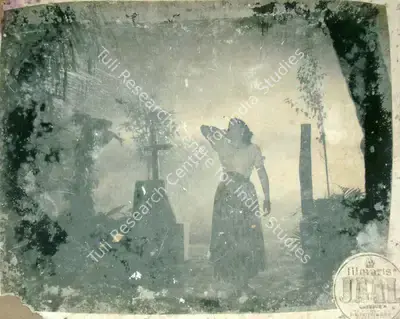
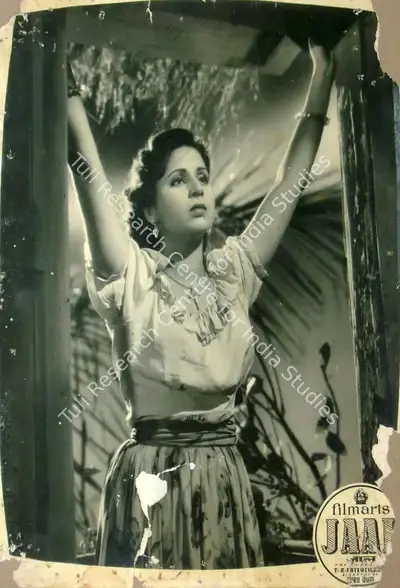
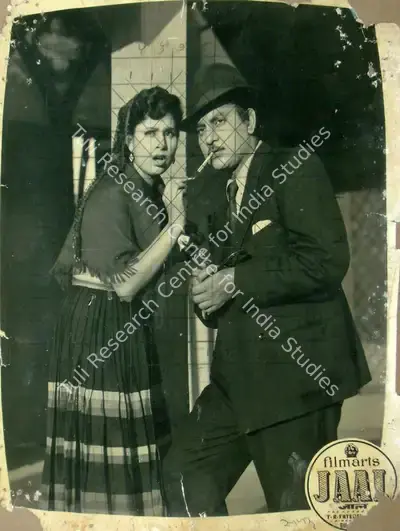
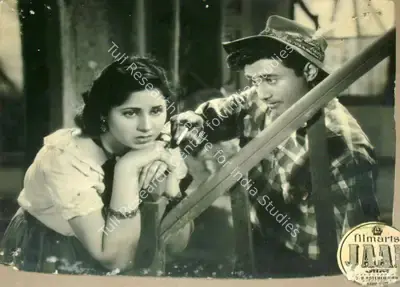
              Murthy, V.K. (Cinematographer), Jaal, 1952 | Lobby Card | CinemaEducation | 00817831

              Murthy, V.K. (Cinematographer), Jaal, 1952 | Lobby Card

              CinematographerV.K. Murthy
              Document TypeLobby Card
              Film TitleJaal, 1952, India, Hindi
              DirectorGuru DuttBannerFilmart
              Art DirectorV.Y. Jadhav Rao
              CastDev Anand, Geeta Bali, Ram Singh, Purnima, Rashid Khan, Krishna Kumari, K.N. Singh, Johnny Walker
              EditingY.G. Chawhan, J.S. Diwadkar
              LyricistSahir Ludhianvi
              Music DirectorSachin Dev Burman
              Script WriterGuru Dutt
              Copyright of ImageWith Producer | Archive Object

              Research Categories

              1_CinemaEducation

              Related Links5

              Masterlist4
              Cinema Lobby CardsDev AnandGuru DuttV K Murthy
              Research Categories
              01Cinema as a Critical Educational Resource