Introduction
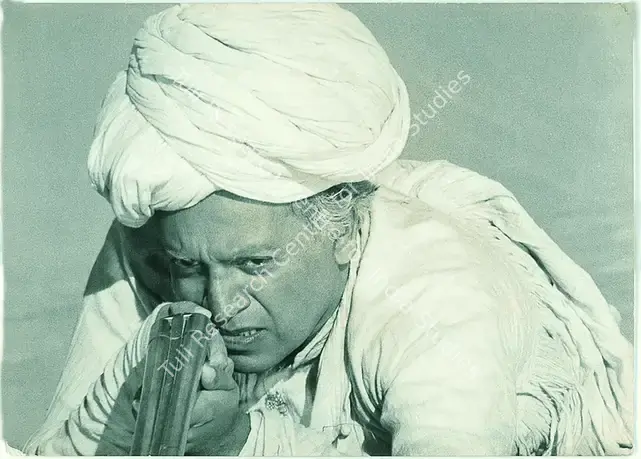
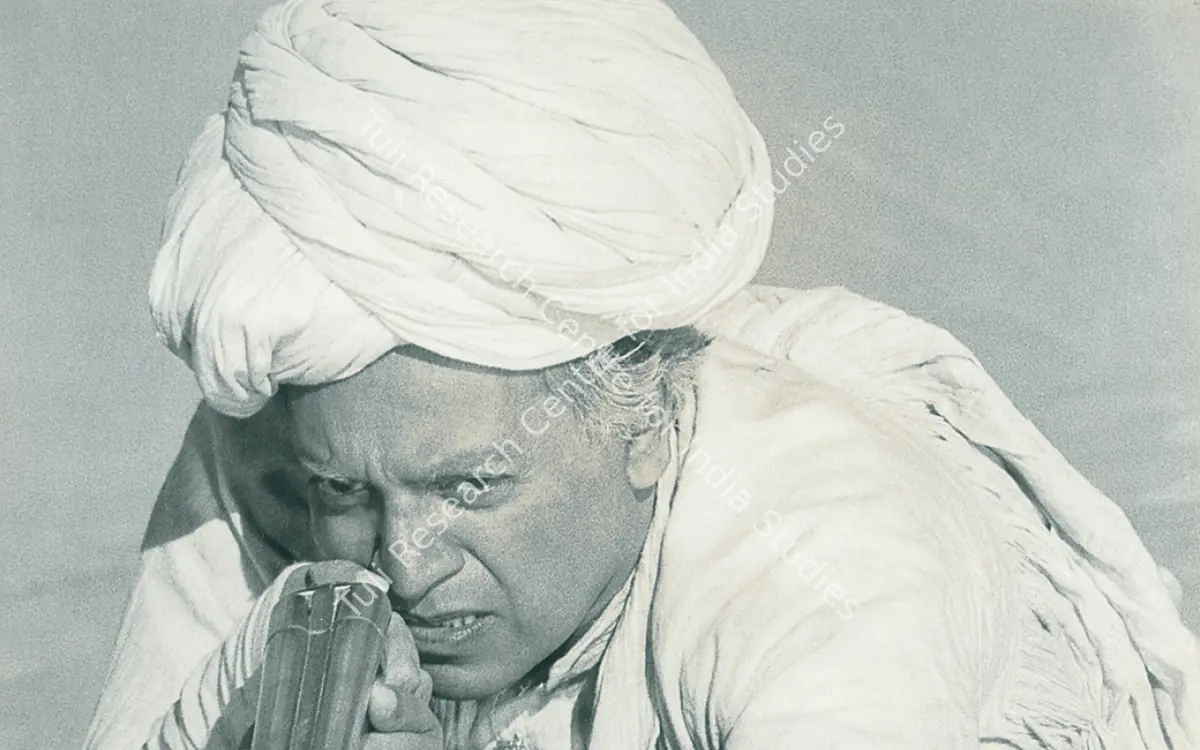
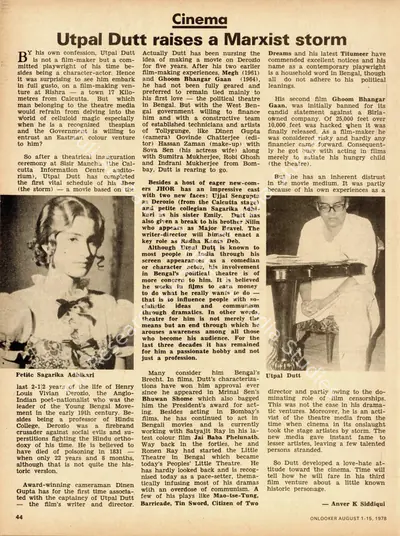
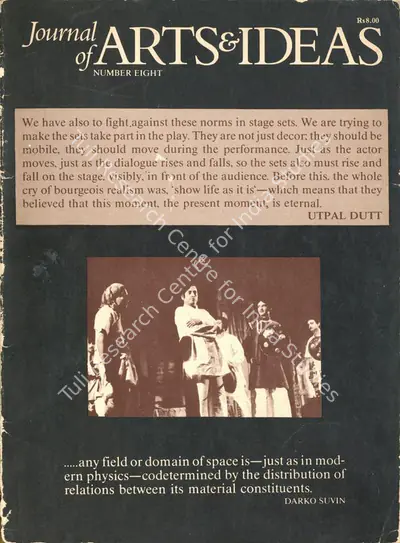
Utpal Dutt stands among the most formidable figures in modern Indian theatre and cinema — celebrated in equal measure as actor, director, playwright, and political thinker. Though he won wide acclaim for his performances upon the Bengali and Hindi screen, his most abiding legacy lies elsewhere: in the transformation he wrought upon Bengali theatre, forging it into a potent instrument of political and social reckoning. In 1949 he founded the Little Theatre Group, a company that first turned its energies to English drama — Shakespeare and Brecht chief among its preoccupations — before the troupe's ambitions swelled into a fully realised, politically committed Bengali theatre. Through such major works as Kallol (1965), Louha Manab (1964), Manusher Adhikar, Tiner Toloar, and Maha-Bidroha, he gave voice to Marxist preoccupations with class struggle, colonial subjugation, and the pursuit of social justice.
Born into a Bengali Kayastha family in Barisal, in what is now Bangladesh, Dutt was the son of Girijaranjan Dutta. His schooling took him first to St. Edmund's School, Barisal, and thence to St. Xavier's Collegiate School, Calcutta, before he took Honours in English Literature at St. Xavier's College, University of Calcutta, graduating in 1949. He would later marry the theatre and film actress Shobha Sen, and their daughter, Bishnupriya Dutt, went on to become Professor of Theatre and Performance Studies at Jawaharlal Nehru University, New Delhi.
It was through English-language productions that Dutt first made his mark upon the stage, founding The Shakespearans in 1947. So striking was his performance in Richard III that it caught the eye of Geoffrey and Laura Kendal, who recruited him for the Shakespeareana Theatre Company's tours across India and Pakistan — first between 1947 and 1949, then again from 1953 to 1954 — where his rendering of Othello drew particular critical praise. In time he reorganised his troupe into the Little Theatre Group, mounting productions of Ibsen, Shaw, Tagore, Gorky, and Konstantin Simonov. His association with the Gananatya Sangha and the Indian People's Theatre Association deepened his political commitments, and he went on to found the People's Little Theatre. Deeply marked by the example of Brecht, Dutt adapted the principles of Epic Theatre to the socio-political realities of India, and in 1948 established the Brecht Society, with Satyajit Ray presiding as its first president.From the mid-1950s, Dutt translated Shakespeare and Russian classics into Bengali while writing politically engaged dramas such as 𝘈𝘯𝘨𝘢𝘳, 𝘉𝘢𝘳𝘳𝘪𝘤𝘢𝘥𝘦, 𝘌𝘣𝘢𝘢𝘳 𝘙𝘢𝘫𝘢𝘳 𝘗𝘢𝘭𝘢, and 𝘍𝘦𝘳𝘢𝘳𝘪 𝘍𝘢𝘶𝘫. His imprisonment in 1965 intensified his political commitment, inspiring plays including 𝘚𝘶𝘳𝘺𝘢-𝘚𝘩𝘪𝘬𝘢𝘳, 𝘓𝘢𝘢𝘭 𝘋𝘶𝘳𝘨𝘰, and 𝘑𝘢𝘯𝘢𝘵𝘢𝘳 𝘈𝘱𝘩𝘪𝘮. He also revitalised Bengali street theatre and popularised politically conscious Jatra.
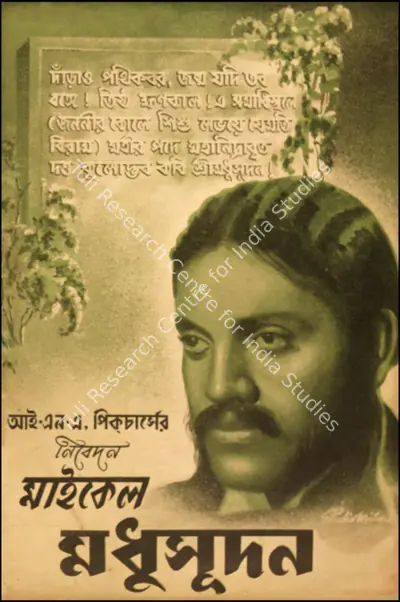
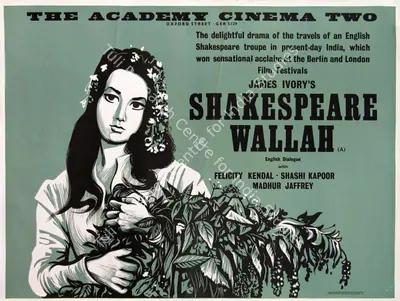
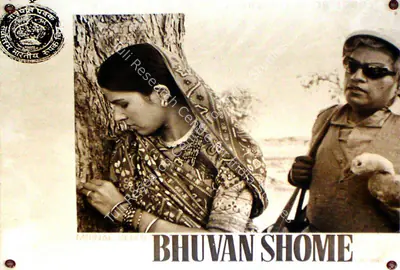
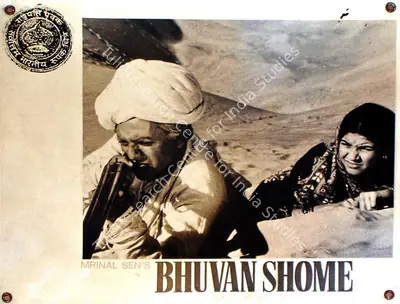
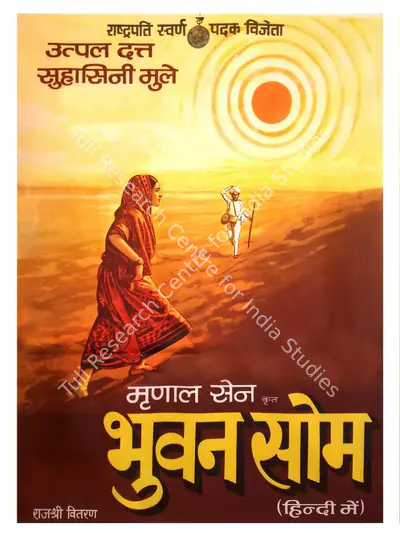
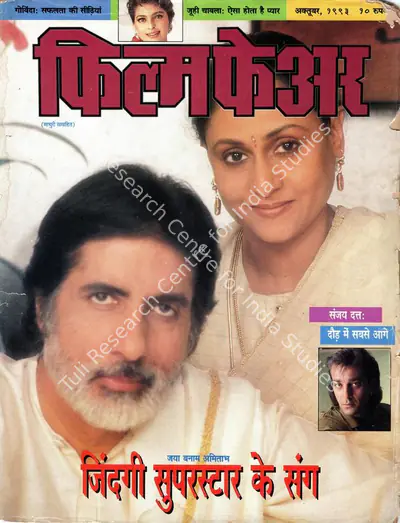
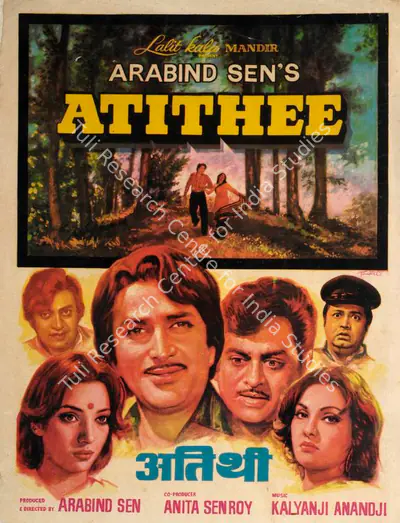
Alongside theatre, Dutt appeared in more than one hundred Bengali and Hindi films, collaborating with filmmakers such as Satyajit Ray, Mrinal Sen, Ritwik Ghatak, Hrishikesh Mukherjee, Basu Chatterjee, Gautam Ghose, and James Ivory. His notable performances include 𝘉𝘩𝘶𝘷𝘢𝘯 𝘚𝘩𝘰𝘮𝘦 (1969), 𝘑𝘢𝘯𝘢 𝘈𝘳𝘢𝘯𝘺𝘢 (1976), 𝘎𝘰𝘭 𝘔𝘢𝘢𝘭 (1979), 𝘕𝘢𝘳𝘢𝘮 𝘎𝘢𝘳𝘢𝘮 (1981), 𝘙𝘢𝘯𝘨 𝘉𝘪𝘳𝘢𝘯𝘨𝘪 (1983), 𝘚𝘩𝘢𝘶𝘬𝘦𝘦𝘯 (1982), 𝘈𝘨𝘢𝘯𝘵𝘶𝘬 (1991), and 𝘗𝘢𝘥𝘮𝘢 𝘕𝘢𝘥𝘪𝘳 𝘔𝘢𝘫𝘩𝘪 (1992). His final screen appearance was as Sir Digindra Narayan in the 1993 television adaptation of 𝘉𝘺𝘰𝘮𝘬𝘦𝘴𝘩 𝘉𝘢𝘬𝘴𝘩𝘪.
Throughout his career, Dutt also devoted himself to street theatre of an avowedly political bent, both as playwright and performer. Many of these freewheeling dramas, staged in public spaces, were mounted in service of the electoral campaigns of the Communist Party of India (Marxist). Among his most celebrated works for the street stage were Special Train (1961), Samajtantrik Chal (1965; Socialist Rice"), and Din Badaler Pala (1967; A Play for ChangeNotwithstanding the criticism such work invited, he regarded his theatre as a "weapon of political propaganda" capable of galvanizing social change among the masses.
Dutt received the National Film Award for Best Actor for 𝘉𝘩𝘶𝘷𝘢𝘯 𝘚𝘩𝘰𝘮𝘦 (1969), three Filmfare Awards for Best Comedian for 𝘎𝘰𝘭 𝘔𝘢𝘢𝘭 (1979), 𝘕𝘢𝘳𝘢𝘮 𝘎𝘢𝘳𝘢𝘮 (1981), and 𝘙𝘢𝘯𝘨 𝘉𝘪𝘳𝘢𝘯𝘨𝘪 (1983), and the Sangeet Natak Akademi Fellowship (1990) for his lifetime contribution to Indian theatre.
He died in August 1993 following a heart attack after returning home from dialysis. His integration of artistic innovation with political commitment secured his enduring place in twentieth-century Indian cultural history.
Source:
https://en.wikipedia.org/wiki/Utpal_Dutt
https://www.britannica.com/biography/Utpal-Dutt
उत्पल दत्त आधुनिक भारतीय थिएटर और सिनेमा के प्रभावशाली हस्तियों में से एक हैं। उन्हें एक एक्टर, डायरेक्टर, नाटककार और राजनीतिक विचारक के तौर पर समान रूप से सराहा जाता है। हालाँकि उन्हें बंगाली और हिंदी स्क्रीन पर अपने अभिनय के लिए बहुत तारीफ़ मिली, लेकिन उनकी सबसे बड़ी विरासत कुछ और ही है। बंगाली थिएटर में उनके द्वारा लाया गया बदलाव, जिसके ज़रिए उन्होंने इसे राजनीतिक और सामाजिक मुद्दों को उठाने का एक सशक्त माध्यम बनाया। 1949 में उन्होंने 'लिटिल थिएटर ग्रुप' की स्थापना की। यह ग्रुप शुरू में अंग्रेज़ी नाटकों — ख़ासकर शेक्सपियर और ब्रेख्त के नाटकों पर केंद्रित था, लेकिन बाद में उनकी महत्वाकांक्षाएँ बढ़ीं और वे पूरी तरह से राजनीतिक रूप से प्रतिबद्ध बंगाली थिएटर की ओर मुड़े। 'कल्लोल' (1965), 'लौह मानव' (1964), 'मानुषेर अधिकार', 'टिनर तलवार' और 'महा-विद्रोह' जैसी प्रमुख कृतियों के माध्यम से उन्होंने वर्ग-संघर्ष, औपनिवेशिक ग़ुलामी और सामाजिक न्याय की खोज जैसे मार्क्सवादी विचारों को आवाज़ दी।
बारिसाल (जो अब बांग्लादेश में है) के एक बंगाली कायस्थ परिवार में जन्मे दत्त, गिरिजारंजन दत्त के बेटे थे। उनकी स्कूली शिक्षा पहले बारिसाल के सेंट एडमंड्स स्कूल में और फिर कलकत्ता के सेंट जेवियर्स कॉलेजिएट स्कूल में हुई। इसके बाद उन्होंने कलकत्ता यूनिवर्सिटी के सेंट जेवियर्स कॉलेज से अंग्रेज़ी साहित्य में ऑनर्स की पढ़ाई की और 1949 में ग्रेजुएट हुए। बाद में उन्होंने थिएटर और फ़िल्म एक्ट्रेस शोभा सेन से शादी की। उनकी बेटी, बिष्णुप्रिया दत्त, आगे चलकर नई दिल्ली की जवाहरलाल नेहरू यूनिवर्सिटी में थिएटर और परफ़ॉर्मेंस स्टडीज़ की प्रोफ़ेसर बनीं।
दत्त ने सबसे पहले अंग्रेज़ी नाटकों के ज़रिए स्टेज पर अपनी पहचान बनाई और 1947 में 'द शेक्सपियरन्स' की स्थापना की। 'रिचर्ड III' में उनका अभिनय इतना ज़बरदस्त था कि जेफ़री और लॉरा केंडल की नज़र उन पर पड़ी। उन्होंने दत्त को शेक्सपियरन थिएटर कंपनी के भारत और पाकिस्तान के दौरों के लिए चुना। पहले 1947 से 1949 के बीच और फिर 1953 से 1954 तक, जहाँ 'ओथेलो' में उनके अभिनय की ख़ास तौर पर तारीफ़ हुई। समय के साथ उन्होंने अपनी मंडली को 'लिटिल थिएटर ग्रुप' के रूप में फिर से संगठित किया और इब्सन, शॉ, टैगोर, गोर्की और कॉन्स्टेंटिन सिमोनोव के नाटक मंचित किए। 'गणनाट्य संघ' और 'इंडियन पीपल्स थिएटर एसोसिएशन' के साथ जुड़ने से उनकी राजनीतिक प्रतिबद्धता और गहरी हुई और उन्होंने 'पीपल्स लिटिल थिएटर' की स्थापना की। ब्रेख्त से गहरे प्रभावित होकर, दत्त ने भारत की सामाजिक-राजनीतिक वास्तविकताओं के हिसाब से 'एपिक थिएटर' के सिद्धांतों को अपनाया और 1948 में 'ब्रेख्त सोसाइटी' की स्थापना की, जिसके पहले अध्यक्ष सत्यजीत रे बने। 1950 के दशक के मध्य से, दत्त ने शेक्सपियर और रूसी क्लासिक्स का बंगाली में अनुवाद किया और साथ ही 'अंगार', 'बैरीकेड', 'एबार राजार पाला' और 'फेरारी फौज' जैसे राजनीतिक रूप से जुड़े नाटक लिखे। 1965 में जेल जाने से उनकी राजनीतिक प्रतिबद्धता और मज़बूत हुई, जिससे 'सूर्य-शिखर', 'लाल दुर्ग' और 'जनतार अफीम' जैसे नाटकों की प्रेरणा मिली। उन्होंने बंगाली स्ट्रीट थिएटर में नई जान फूँकी और राजनीतिक रूप से जागरूक 'जात्रा' को लोकप्रिय बनाया।
थिएटर के अलावा, दत्त ने सौ से ज़्यादा बंगाली और हिंदी फ़िल्मों में काम किया और सत्यजीत रे, मृणाल सेन, ऋत्विक घटक, हृषिकेश मुखर्जी, बसु चटर्जी, गौतम घोष और जेम्स आइवरी जैसे फ़िल्ममेकर्स के साथ काम किया। उनकी यादगार फ़िल्मों में 'भुवन शोम' (1969), 'जन अरण्य' (1976), 'गोल माल' (1979), 'नरम गरम' (1981), 'रंग बिरंगी' (1983), 'शौक़ीन' (1982), 'आगंतुक' (1991) और 'पद्मा नदीर माझी' (1992) शामिल हैं। पर्दे पर उनकी आख़िरी भूमिका 1993 में 'व्योमकेश बख्शी' के टेलीविज़न अडैप्टेशन में सर दिगिंद्र नारायण की थी।
अपने पूरे करियर के दौरान, दत्त ने साफ़ तौर पर राजनीतिक झुकाव वाले स्ट्रीट थिएटर (नुक्कड़ नाटक) के लिए भी ख़ुद को समर्पित किया, जिसमें उन्होंने नाटककार और कलाकार दोनों की भूमिका निभाई। सार्वजनिक जगहों पर खेले जाने वाले इन आज़ाद-ख्याल नाटकों में से कई नाटक कम्युनिस्ट पार्टी ऑफ़ इंडिया (मार्क्सवादी) के चुनावी प्रचार के लिए किए गए थे। स्ट्रीट थिएटर के लिए उनके सबसे मशहूर नाटकों में 'स्पेशल ट्रेन' (1961), 'समाजतांत्रिक चाल' (1965) और 'दिन बदलार पाला' (1967) शामिल थे। भले ही उनके काम की आलोचना हुई, लेकिन वे अपने थिएटर को "राजनीतिक प्रचार का हथियार" मानते थे, जिसमें आम लोगों के बीच सामाजिक बदलाव लाने की ताक़त थी।
दत्त को 'भुवन शोम' (1969) के लिए बेस्ट एक्टर का नेशनल फिल्म अवॉर्ड मिला। साथ ही, 'गोल माल' (1979), 'नरम गरम' (1981) और 'रंग बिरंगी' (1983) के लिए उन्हें बेस्ट कॉमेडियन के तीन फ़िल्मफेयर अवॉर्ड मिले। इसके अलावा, भारतीय थिएटर में उनके जीवन-भर के योगदान के लिए उन्हें संगीत नाटक अकादमी फेलोशिप (1990) से सम्मानित किया गया।
अगस्त 1993 में डायलिसिस के बाद घर लौटने पर दिल का दौरा पड़ने से उनका निधन हो गया। कलात्मक इनोवेशन और राजनीतिक प्रतिबद्धता के उनके अनोखे मेल ने बीसवीं सदी के भारतीय सांस्कृतिक इतिहास में उनके लिए एक स्थायी जगह बनाई।
स्रोत
https://en.wikipedia.org/wiki/Utpal_Dutt
https://www.britannica.com/biography/Utpal-Dutt
- Date of Birth
- 19 Mar 1929
- Zodiac sign
- Aries
- Date of Death
- 19 Aug 1993
- Age
- 64
- Nationality
- Indian
- Place of Birth
- Kirtankhola, Barisal, British India
- Spouse(s)
- Shobha Sen (17 Sep 1923 – 13 Aug 2017)
- Year Marriage Registered
- 1961
- Children
- Bishnupriya Dutt (b. 17 Mar 1974)
- Parent(s)
- Girija Ranjan Dutt, Shailabala Dutt
- Siblings
- Mihir Ranjan Dutt, Nilin Dutt
- Krishnanath Collegiate School, Berhampore
1935
- St. Edmunds, Shillong
1939
- St Lawrence, Ballygunge
1945
- St. Xaviers, Kolkata
Filmography 232
20 of 232
Integrated Timeline
8 entries
Economics of Cinema
2022
- Toronto International Film FestivalFilm Festival
Toronto, Ontario, Canada · 08 Sep 2022
- Bengal International Film FestivalFilm Festival
Kolkata · 24 Mar 2023
2024
- 55th International Film Festival of IndiaFilm Festival
20 Nov 2024
1970
- National Film Award
Best Actor (Male) · Ministry of Information and Broadcasting
1980
- Filmfare Award
Best Comedian · The Times Group
1982
- Filmfare Award
Best Comedian · The Times Group
1984
- Filmfare Award
Best Comedian · The Times Group
1990
- Sangeet Natak Akademi Fellowship
Sangeet Natak Akademi Fellowship for Lifetime Contribution to Theatre
1993
- BFJA Awards
Best Actor · Bengal Film Journalists Association
Research Centre
20 of 507

20 of 24
20 of 483
Related
37
Films
20
Personalities
16