
Introduction
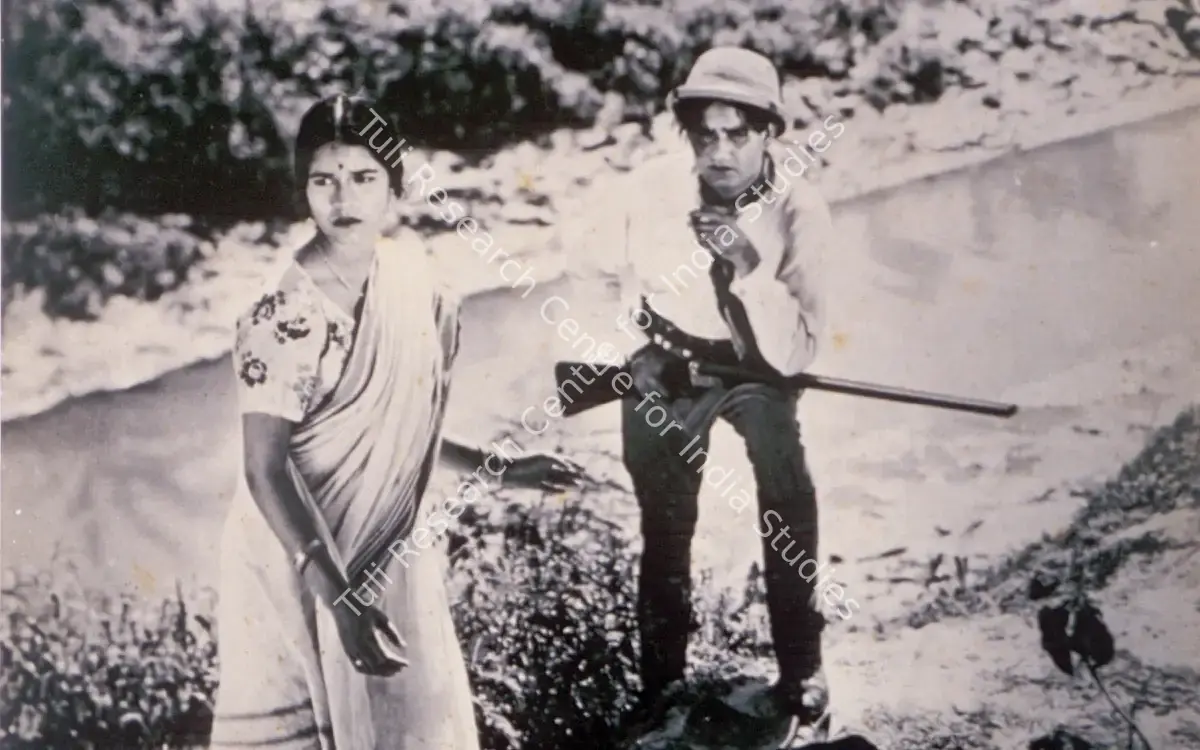
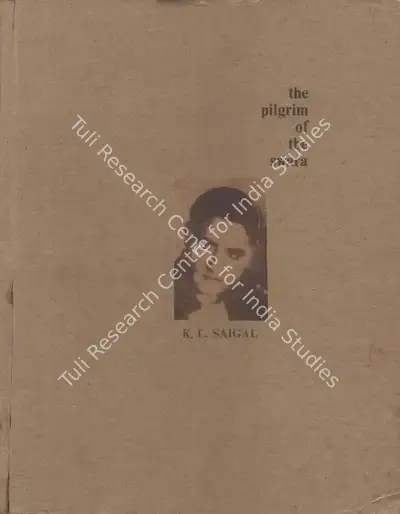
Kundan Lal Saigal (11 April 1904 – 18 January 1947) was a pioneering Indian singer-actor whose work shaped the early sound of Hindi cinema, then centred in Calcutta. His distinctive voice, blending baritone depth with a soft tenor edge, became the measure against which later generations of playback singers were judged. Despite his central place in film music, Saigal was not a playback singer in the modern sense; he sang for his own screen performances, turning to standalone studio recordings only in the final years of his life.
Born in Jammu to a Punjabi family, Saigal was the son of Amarchand Saigal, a tehsildar in the court of Maharaja Pratap Singh, and Kesarbai Saigal, whose devotion to music shaped his early exposure to bhajan, kirtan and shabad. The fourth of five siblings, he was also first cousin to actors Chaman Puri, Madan Puri and Amrish Puri. Saigal's formal schooling was brief. He worked as a railway timekeeper and later as a Remington typewriter salesman, travelling widely and nurturing his interest in singing. In Lahore he formed a lasting friendship with Mehrchand Jain, who encouraged him to pursue music seriously.
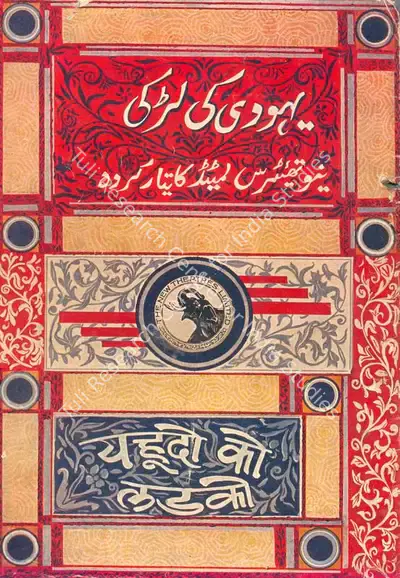
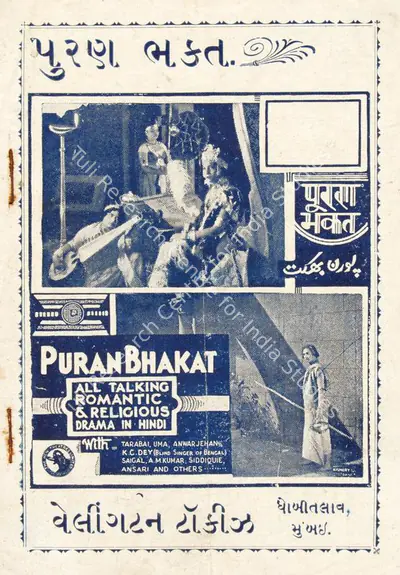
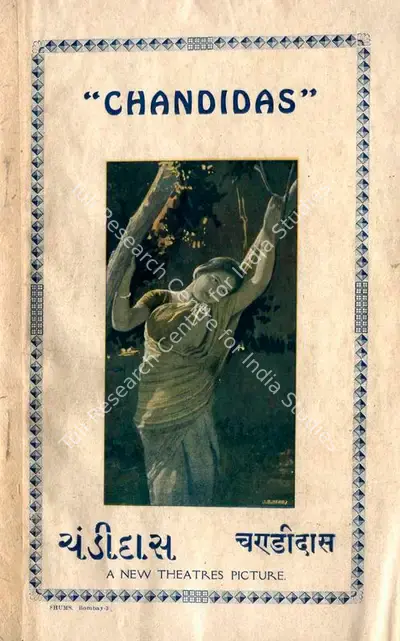
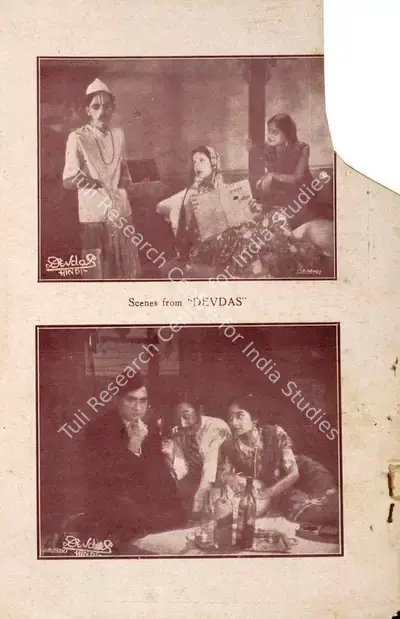
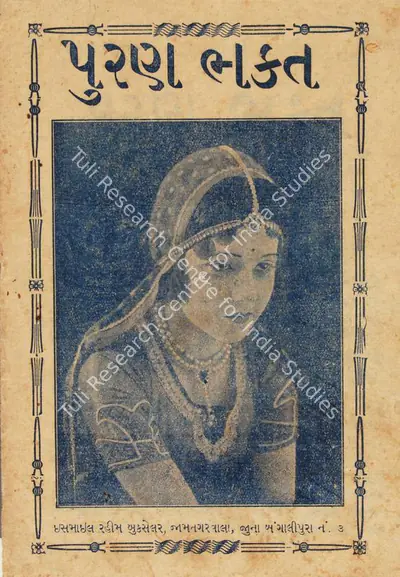
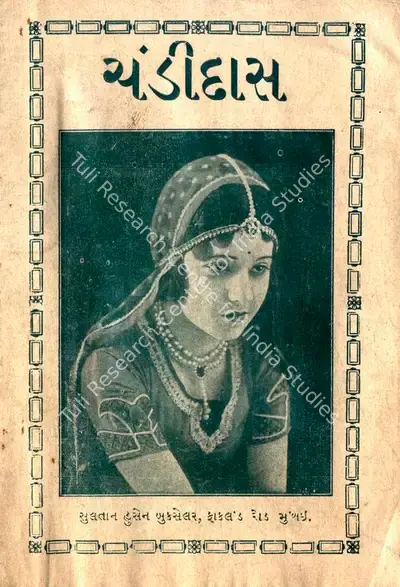
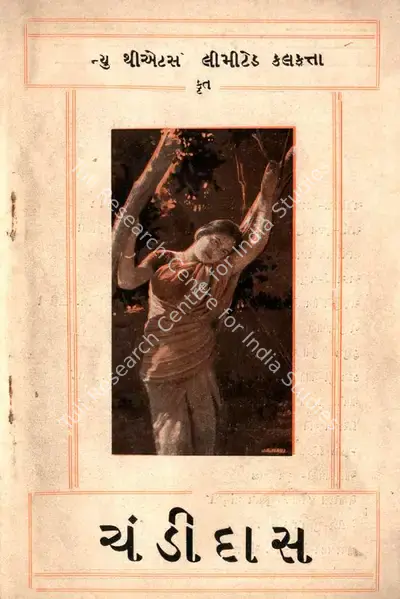
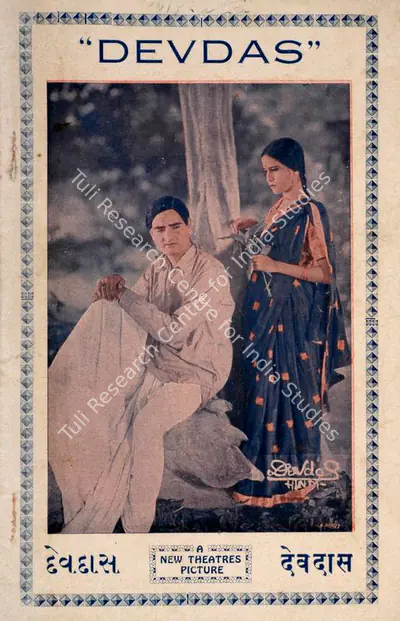
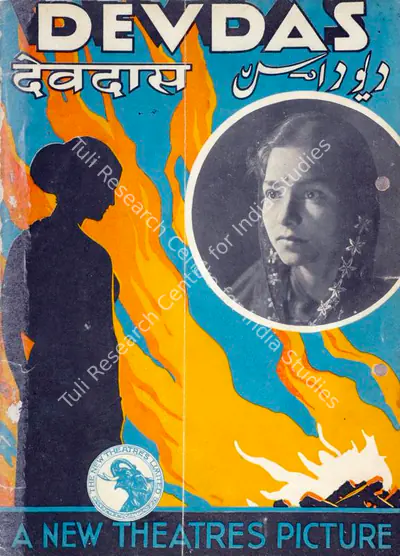
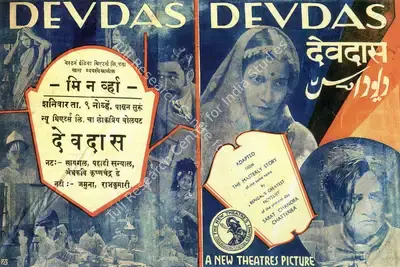
In the early 1930s, musician Harishchandra Bali introduced Saigal to R. C. Boral at New Theatres in Calcutta, where he was hired for Rs. 200 a month. His early films Mohabbat Ke Ansu, Subah Ka Sitara and Zinda Lash (1932) went largely unnoticed, but Puran Bhagat (1933) brought him nationwide attention through four bhajans that became instant hits. He followed them with strong performances in Yahudi Ki Ladki, Chandidas, Rooplekha and Karwan-E-Hayat. His portrayal of the tragic hero in Devdas (1935) defined his acting career, and songs such as Balam Aaye Baso Moray Man Mein and Dukh Ke Ab Din Beetat Naahi broadened his appeal.
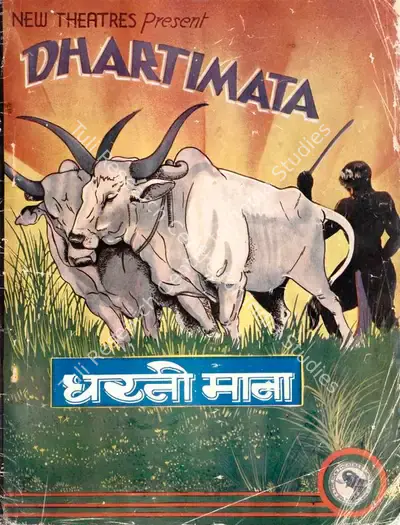
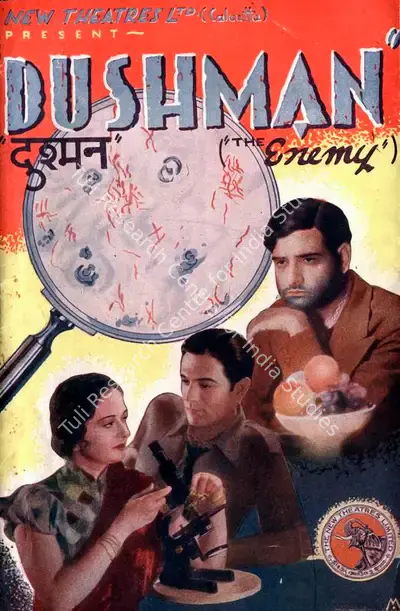
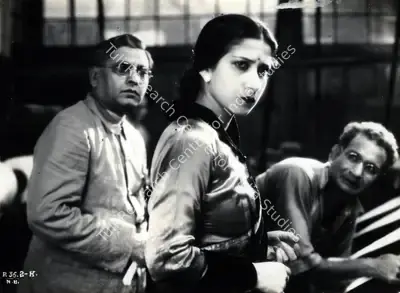
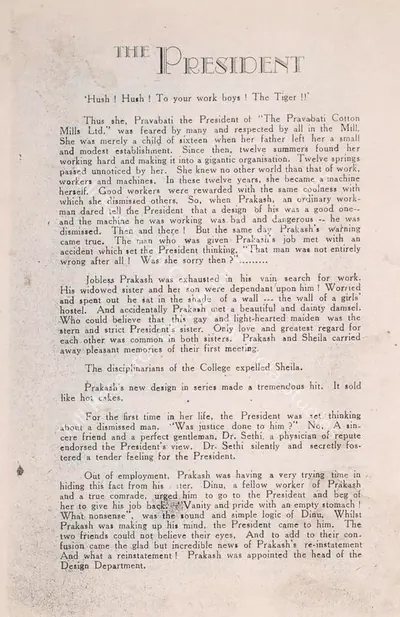
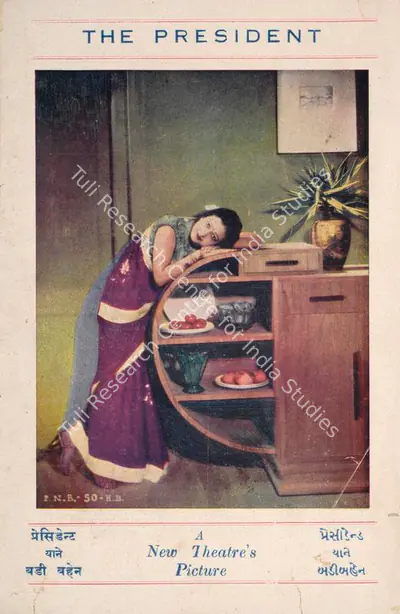
Saigal also became a familiar figure in Bengali cinema, acting in seven films and earning Rabindranath Tagore's approval to sing his compositions. His association with New Theatres produced a series of successful titles, including Didi and President (1937), Desher Mati and Dharti Mata (1938), Saathi, Street Singer (1938), Dushman (1939), Jiban Maran (1939) and Zindagi (1940). His live on-camera rendition of Babul Mora Naihar Chhooto Jaye in Street Singer remains a landmark moment in Indian film music.
Saigal moved to Bombay in 1941, delivering memorable work in Bhakta Surdas (1942), Tansen (1943) and later Shahjehan (1946). His final film, Parwana (1947), released after his death, marked the close of a 15-year career in which he acted in 36 films and recorded 185 songs. His influence shaped major figures such as Kishore Kumar, Mohammed Rafi, Lata Mangeshkar and Mukesh, who regarded him as their musical lodestar.
जम्मू में एक पंजाबी परिवार में जन्मे सहगल, महाराजा प्रताप सिंह के दरबार में तहसीलदार अमरचंद सहगल और संगीत के प्रति गहरी लगन रखने वाली केसरबाई सहगल के पुत्र थे। संगीत से उनका गहरा लगाव था, जिसके कारण सहगल को बचपन से ही भजन, कीर्तन और शबद सुनने का अवसर मिला था। पाँच भाई-बहनों में चौथे, वे अभिनेता चमन पुरी, मदन पुरी और अमरीश पुरी के चचेरे भाई भी थे। सहगल की औपचारिक शिक्षा कम थी। उन्होंने रेलवे में टाइमकीपर और बाद में रेमिंगटन टाइपराइटर विक्रेता के रूप में काम किया, इस दौरान उन्होंने बहुत यात्रा की और गायन में अपनी रुचि को जीवित किया। लाहौर में उनकी मेहरचंद जैन से गहरी मित्रता हो गई, जिन्होंने उन्हें गंभीरता से संगीत का अध्ययन करने के लिए प्रोत्साहित किया।
1930 के दशक की शुरुआत में, संगीतकार हरिश्चंद्र बाली ने कलकत्ता के न्यू थिएटर्स में आर.सी. बोराल से सहगल का परिचय कराया, जहाँ उन्हें 200 रुपये प्रति माह के वेतन पर काम पर रखा गया। उनकी शुरुआती फ़िल्में मोहब्बत के आंसू, सुबह का सितारा और ज़िंदा लाश (1932) को ज़्यादा पहचान नहीं मिली, लेकिन पूरन भगत (1933) ने उन्हें चार भजनों के माध्यम से राष्ट्रव्यापी प्रसिद्धि दिलाई, जो तुरंत हिट हो गए। इसके बाद उन्होंने यहूदी की लड़की, चंदीदास, रूपलेखा और कारवां-ए-हयात में दमदार अभिनय किया। देवदास (1935) में त्रासदी नायक के रूप में उनके अभिनय ने उनके करियर को एक नई पहचान दी, और बलम आए बसो मोरे मन में और दुख के अब दिन बीतते नाही जैसे गीतों ने उनकी लोकप्रियता को और बढ़ा दिया।
सहगल बंगाली सिनेमा में भी एक जाना-पहचाना चेहरा बन गए, उन्होंने सात फ़िल्मों में अभिनय किया और रवींद्रनाथ टैगोर की रचनाओं को गाने की स्वीकृति प्राप्त की। न्यू थिएटर्स के साथ उनके जुड़ाव ने कई सफल फ़िल्में दीं, जिनमें दीदी और प्रेसिडेंट (1937), देशेर मति और धरती माता (1938), साथी, स्ट्रीट सिंगर (1938), दुश्मन (1939), जीवन मारन (1939) और जिंदगी (1940) शामिल हैं। स्ट्रीट सिंगर में उनके द्वारा लाइव ऑन-कैमरा गाया गया गीत 'बाबुल मोरा नैहर छूटो जाए' भारतीय फ़िल्म संगीत में एक ऐतिहासिक क्षण बना हुआ है।
सहगल 1941 में बॉम्बे चले गए और वहां उन्होंने भक्त सूरदास (1942), तानसेन (1943) और बाद में शाहजहाँ (1946) जैसी फ़िल्मों में यादगार भूमिकाएँ निभाईं। उनकी अंतिम फ़िल्म, परवाना (1947), उनकी मृत्यु के बाद रिलीज़ हुई, जिसने उनके 15 साल के करियर का अंत किया, जिसमें उन्होंने 36 फ़िल्मों में अभिनय किया और 185 गाने रिकॉर्ड किए। किशोर कुमार, मोहम्मद रफ़ी, लता मंगेशकर और मुकेश जैसे प्रमुख कलाकारों पर उनका गहरा प्रभाव था, जो उन्हें अपना संगीत का मार्गदर्शक मानते थे।
- Date of Birth
- 11 Apr 1904
- Date of Death
- 18 Jan 1947
- Age
- 42
- Nationality
- British Indian
- Place of Birth
- Jammu, Jammu & Kashmir, British India
- Place of Death
- Jalandhar, Punjab, British India
- Spouse(s)
- Year Marriage Registered
- 1935-1947
- Children
- Madan MohanNina MerchantBina Chopra
- Parent(s)
- Amarchand SaigalKesarbai Saigal
Filmography 31


Research Centre





Related
35
Films
20
Personalities
14
Themes
1