

Introduction
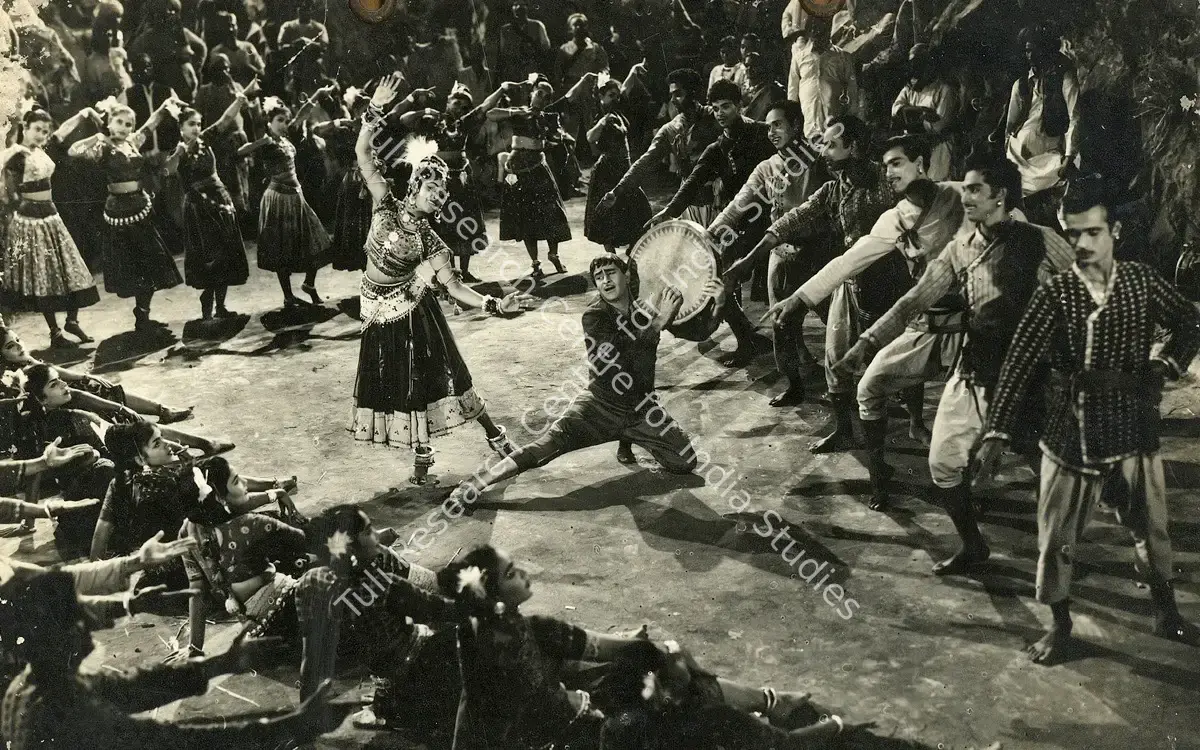
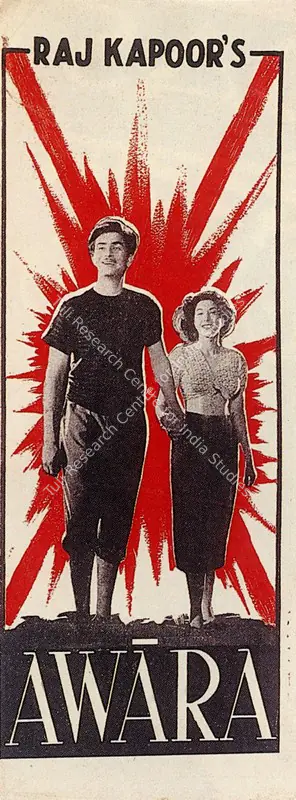
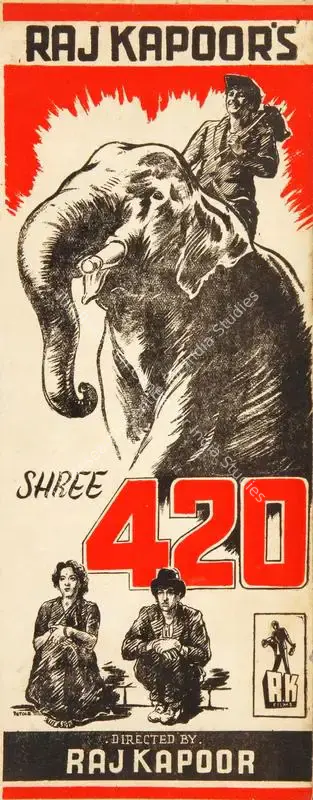
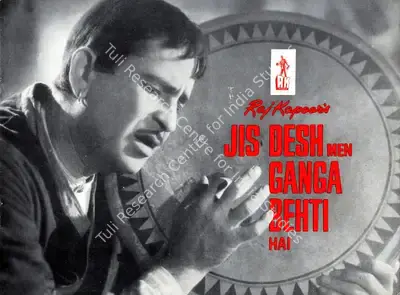
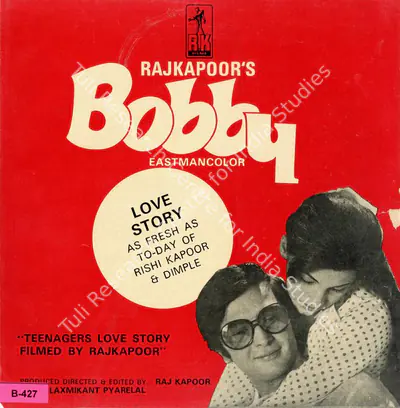
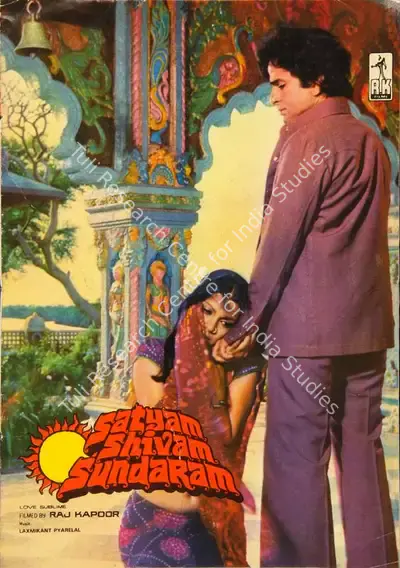
Radhu Karmakar was an Indian cinematographer and director whose work in Hindi films spanned from the 1940s to the 1990s. Known for his extensive collaboration with Raj Kapoor as a cinematographer for all his directorial ventures from the 1950s, Karmakar's contribution to what came to be known as the Golden Age of Hindi Cinema is quite significant. Although he had worked in a few films in the 1940s, his big break came with Awaara (1951), followed by landmark films like Shree 420 (1955), Mera Naam Joker (1970), Bobby (1973), Satyam Shivam Sundaram (1978), Ram Teri Ganga Maili (1985), and Henna (1991). Over his career, Karmakar received four Filmfare Awards for Best Cinematography—for Shree 420 (1957), Mera Naam Joker (1972), Satyam Shivam Sundaram (1979), and Henna (1992)—along with a National Film Award for Best Cinematography for Mera Naam Joker and a Special Jury Award for Param Vir Chakra (1995, posthumous). He also directed the critically acclaimed Jis Desh Mein Ganga Behti Hai (1960), which won the National Film Award.
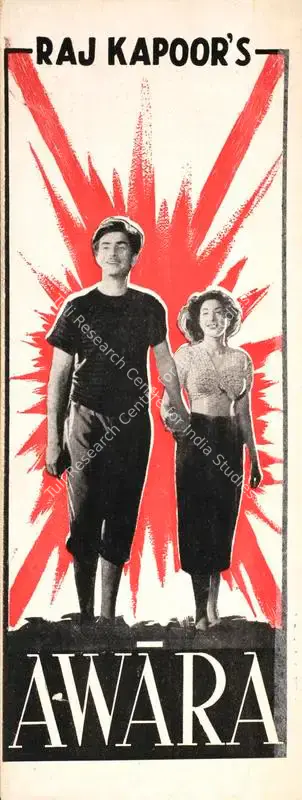
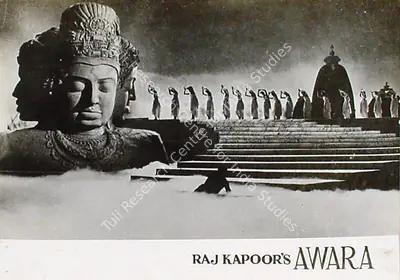
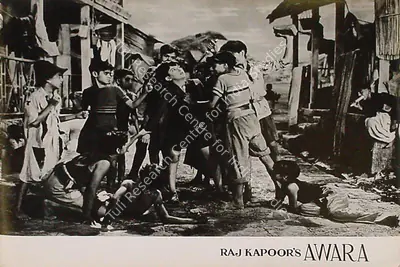
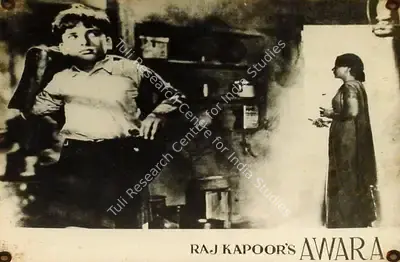
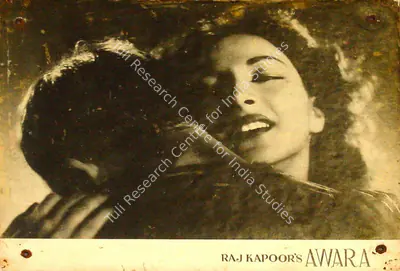
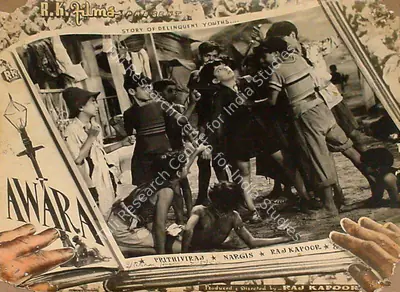
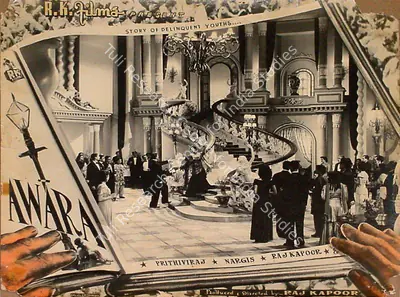
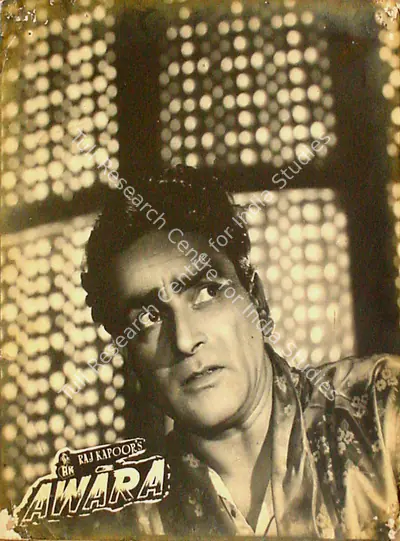
Karmakar was born in Bikrampur, now in the present-day Munshiganj district, near Dhaka (Bangladesh) in 1919. He started as a lab assistant at a Calcutta film lab and learnt the technical aspects of filmmaking. In Calcutta, he worked under cinematographer Jatin Das, gaining foundational expertise in black & white cinematography, particularly in lighting techniques. He moved to Bombay to work on Raj Kapoor's Awaara, which went on to become one of the most successful films in India and abroad. His masterful handling of the film's iconic dream and nightmare sequences, fusing romantic idealism with sharp social contrasts through innovative lighting and framing, earned critical acclaim.
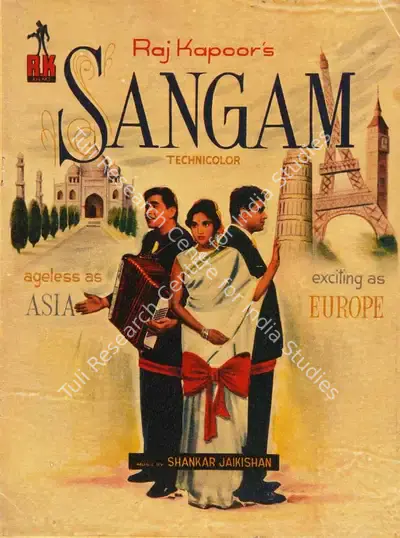
For Kapoor's first Technicolour venture, Sangam (1964), Karmakar trained under British cinematographer Jack Cardiff and employed two-tone filters for the lush visuals of the foreign locales. For Mera Naam Joker's circus cinematography, Karmakar's wide-angle shots and arc lighting system for the aerial trapeze shots highlighted the spectacle along with the protagonist's interiority. Karmakar worked with Randhir Kapoor to complete Henna (1991), a project Raj Kapoor had started before his death.
Filmography 15

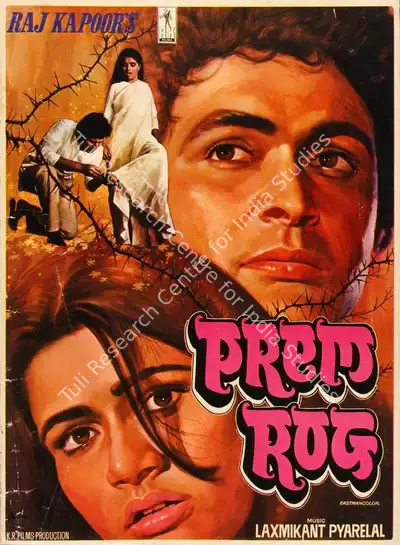
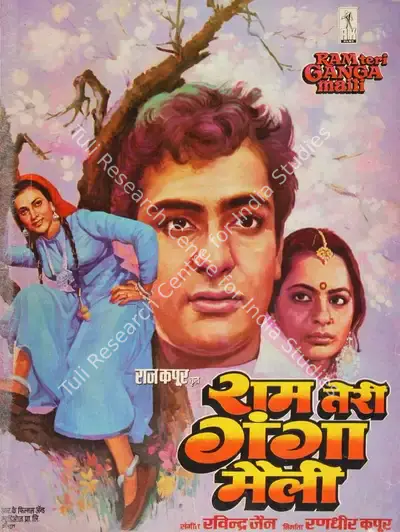
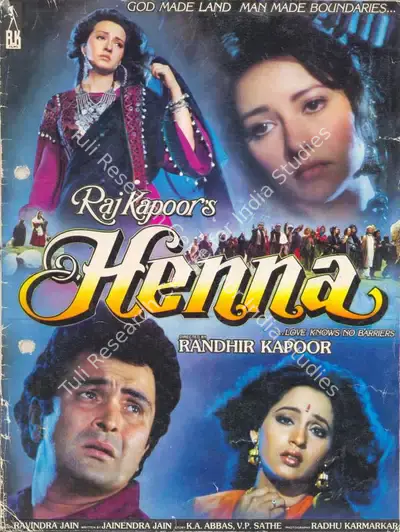
Research Centre

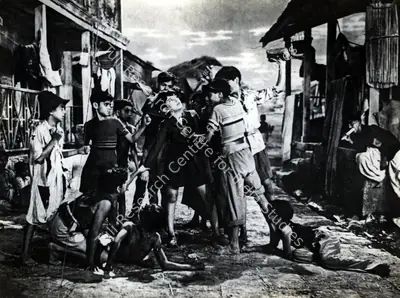





Related
18
Films
15