Introduction
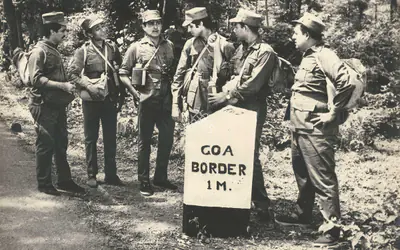
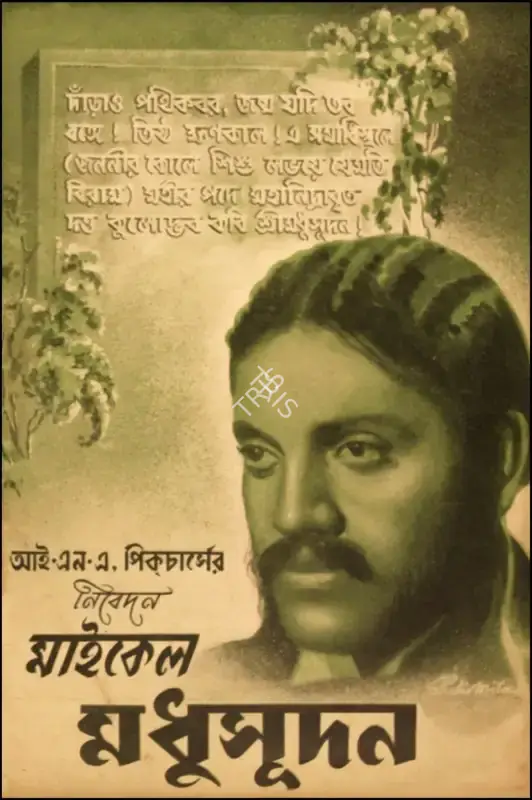
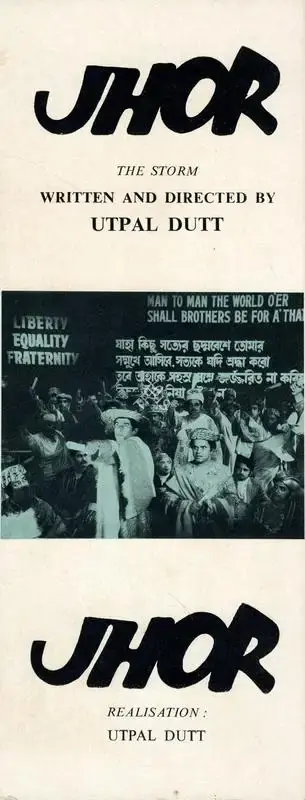
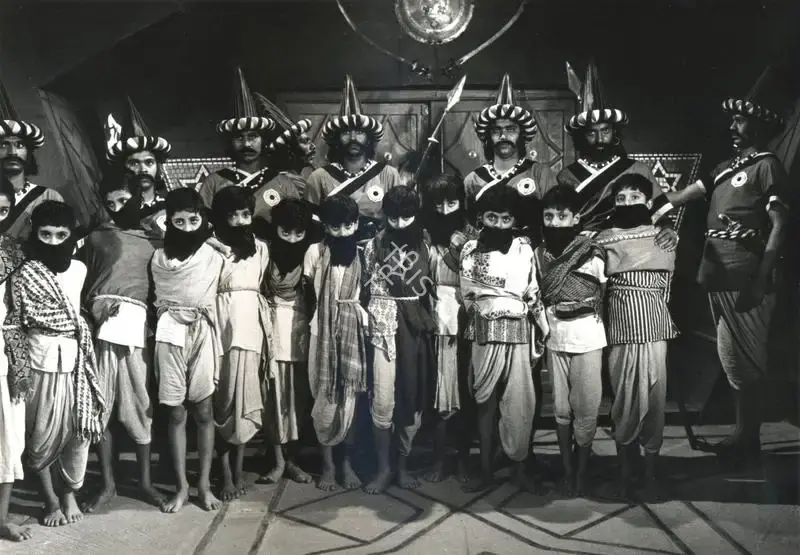
Utpal Dutt (29 March 1929 – 19 August 1993) He was one of the most influential figures in modern Indian theatre and cinema, renowned as an actor, director, playwright, and political thinker. Although widely celebrated for his performances in Bengali and Hindi films, his most enduring legacy lies in transforming Bengali theatre into a powerful medium of political and social engagement. In 1949, he founded the Little Theatre Group (LTG), which initially staged English plays, particularly those of Shakespeare and Bertolt Brecht, before shifting towards politically committed Bengali theatre. His major plays, including 𝘒𝘢𝘭𝘭𝘰𝘭 (1965), 𝘓𝘰𝘶𝘩𝘢 𝘔𝘢𝘯𝘢𝘣 (1964), 𝘔𝘢𝘯𝘶𝘴𝘩𝘦𝘳 𝘈𝘥𝘩𝘪𝘬𝘢𝘳, 𝘛𝘪𝘯𝘦𝘳 𝘛𝘰𝘭𝘰𝘢𝘳, and 𝘔𝘢𝘩𝘢-𝘉𝘪𝘥𝘳𝘰𝘩𝘢, articulated Marxist concerns with class struggle, colonialism, and social justice.
Born into a Bengali Kayastha family in Barisal (present-day Bangladesh), Dutt was the son of Girijaranjan Dutta. After studying at St. Edmund's School, Barisal, and St. Xavier's Collegiate School, Calcutta, he graduated with Honours in English Literature from St. Xavier's College, University of Calcutta, in 1949. In 1960, he married theatre and film actress Shobha Sen; their daughter, Bishnupriya Dutt, later became Professor of Theatre and Performance Studies at Jawaharlal Nehru University, New Delhi.
Dutt began his theatrical career through English-language productions, founding The Shakespeareans in 1947. His acclaimed performance in 𝘙𝘪𝘤𝘩𝘢𝘳𝘥 𝘐𝘐𝘐 led Geoffrey and Laura Kendal to recruit him for Shakespeareana Theatre Company tours across India and Pakistan (1947–49; 1953–54), where his portrayal of Othello received critical acclaim. He later reorganised his troupe as the Little Theatre Group, producing works by Ibsen, Shaw, Tagore, Gorky, and Konstantin Simonov. Associated with Gananatya Sangha and the Indian People's Theatre Association (IPTA), he subsequently founded the People's Little Theatre. Influenced by Brecht, Dutt adapted Epic Theatre to Indian socio-political realities and established the Brecht Society in 1948 under the presidency of Satyajit Ray.
From the mid-1950s, Dutt translated Shakespeare and Russian classics into Bengali while writing politically engaged dramas such as 𝘈𝘯𝘨𝘢𝘳, 𝘉𝘢𝘳𝘳𝘪𝘤𝘢𝘥𝘦, 𝘌𝘣𝘢𝘢𝘳 𝘙𝘢𝘫𝘢𝘳 𝘗𝘢𝘭𝘢, and 𝘍𝘦𝘳𝘢𝘳𝘪 𝘍𝘢𝘶𝘫. His imprisonment in 1965 intensified his political commitment, inspiring plays including 𝘚𝘶𝘳𝘺𝘢-𝘚𝘩𝘪𝘬𝘢𝘳, 𝘓𝘢𝘢𝘭 𝘋𝘶𝘳𝘨𝘰, and 𝘑𝘢𝘯𝘢𝘵𝘢𝘳 𝘈𝘱𝘩𝘪𝘮. He also revitalised Bengali street theatre and popularised politically conscious Jatra.
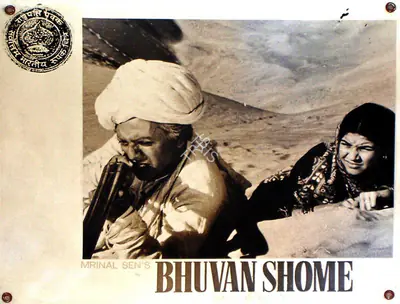
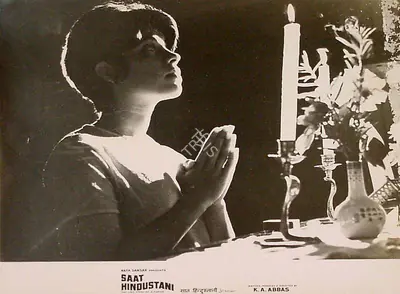
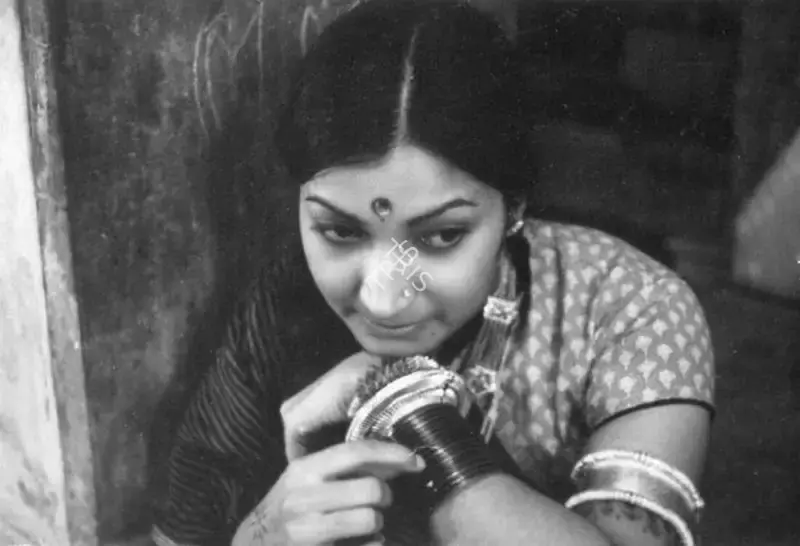
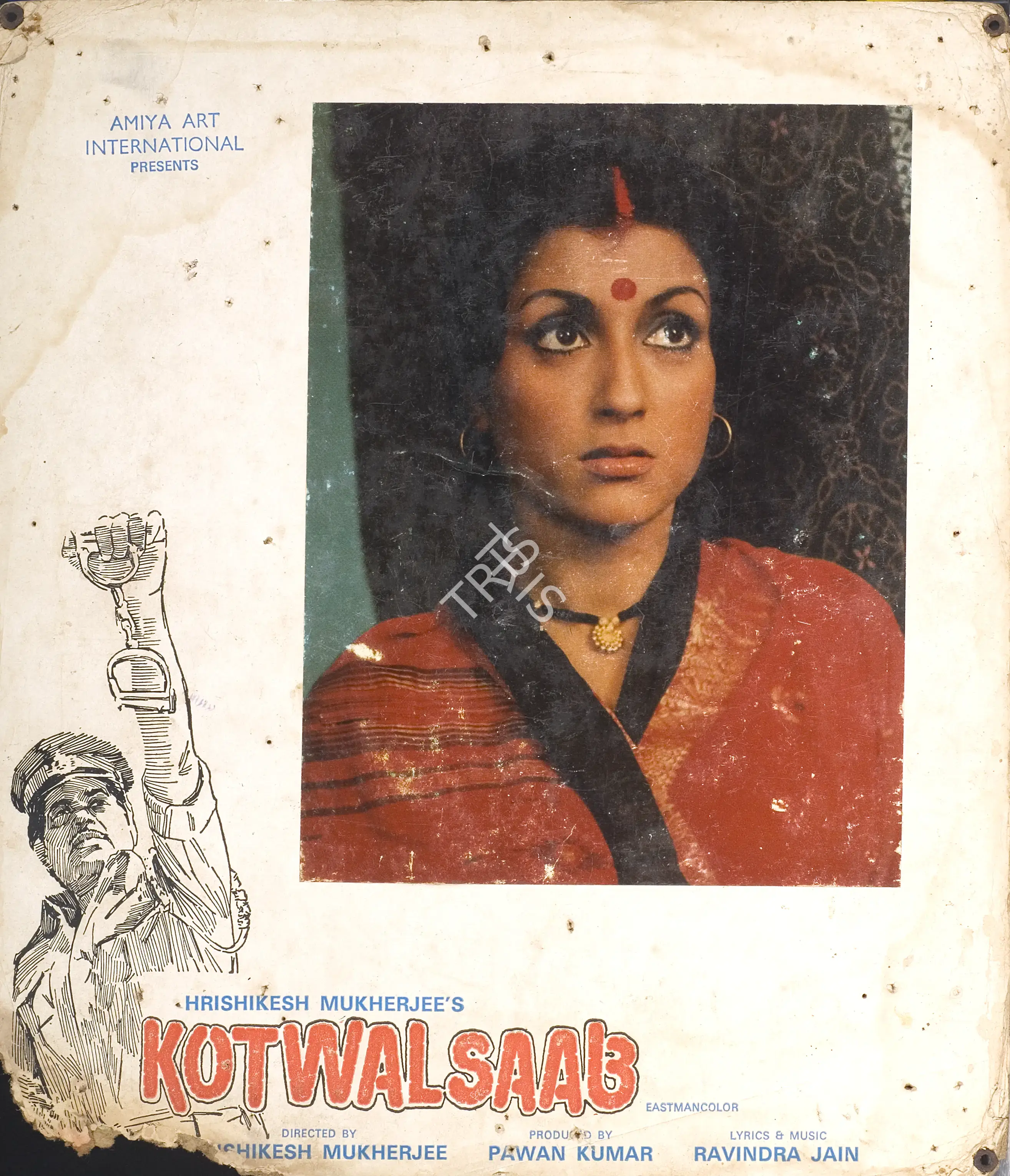
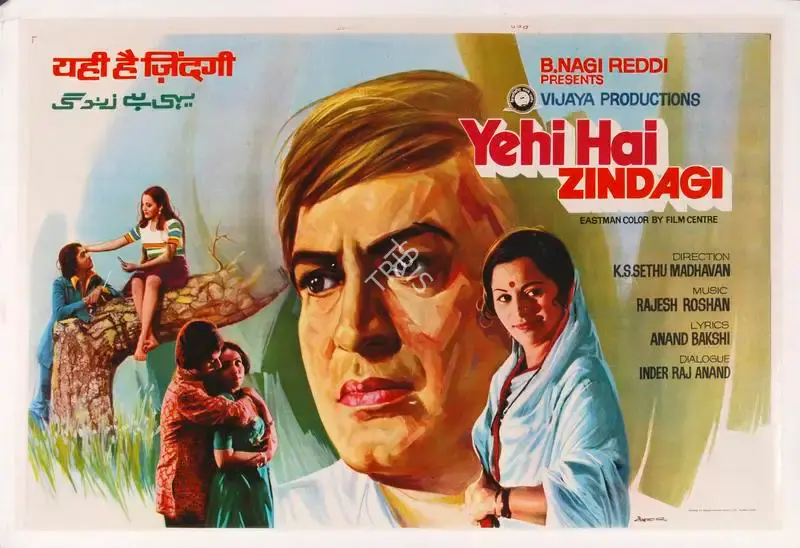
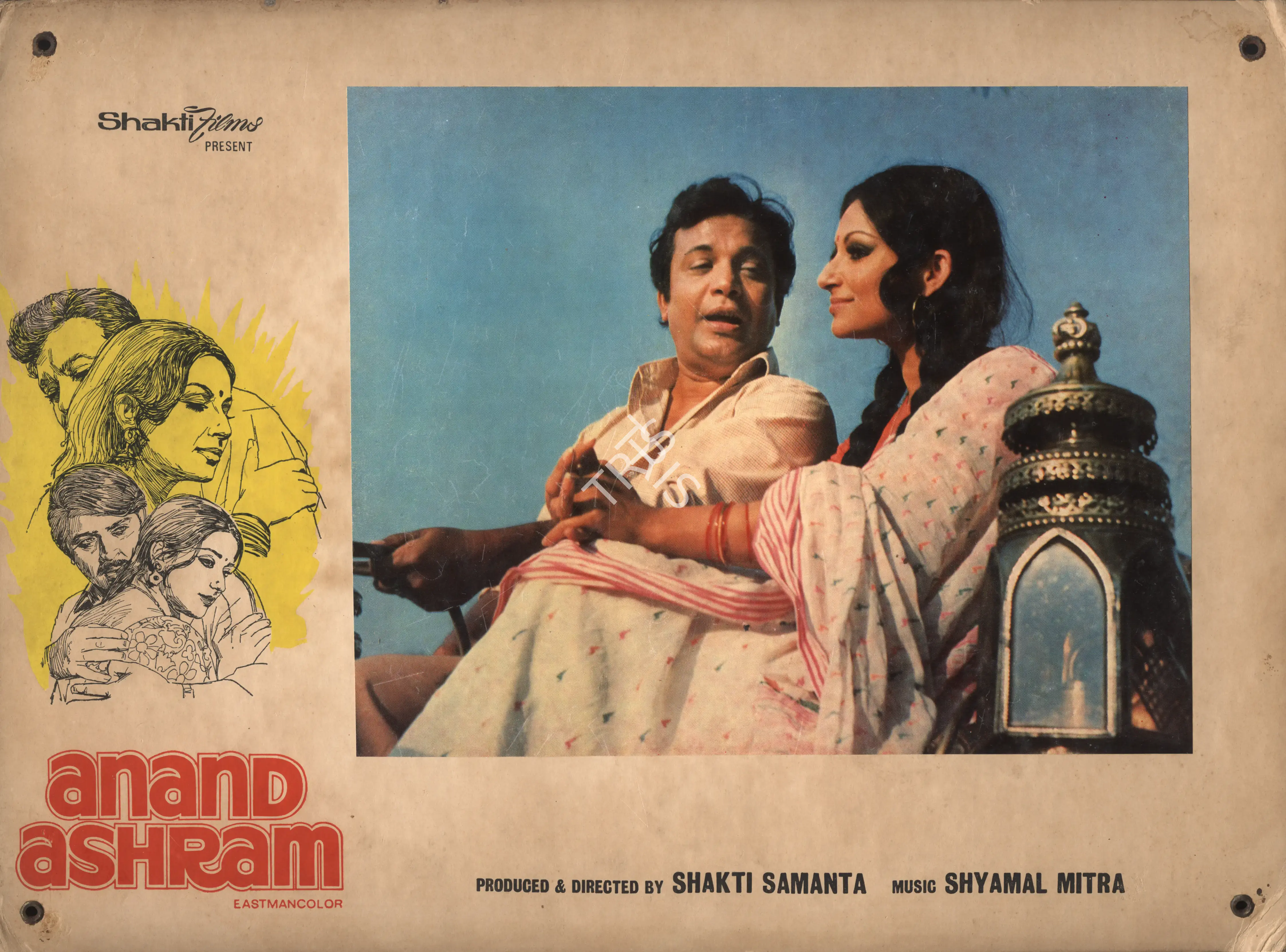
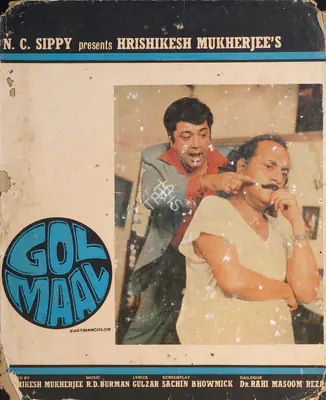
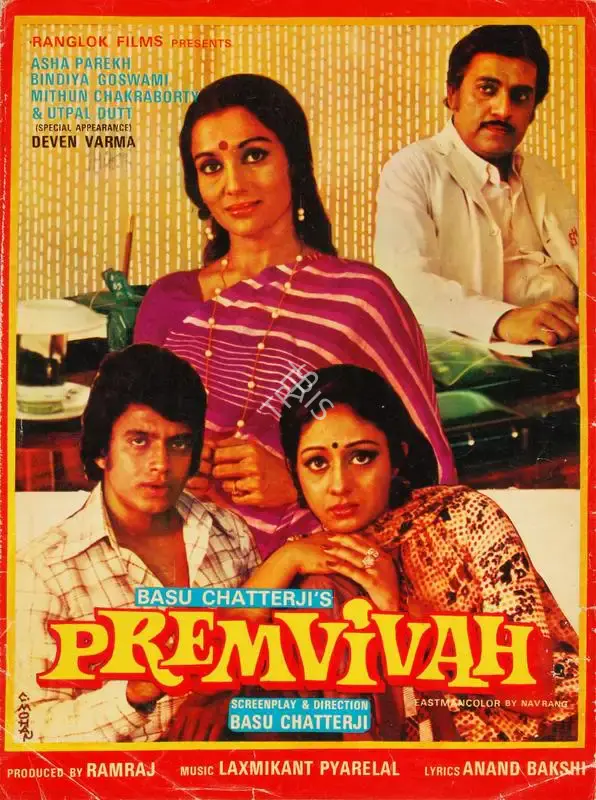
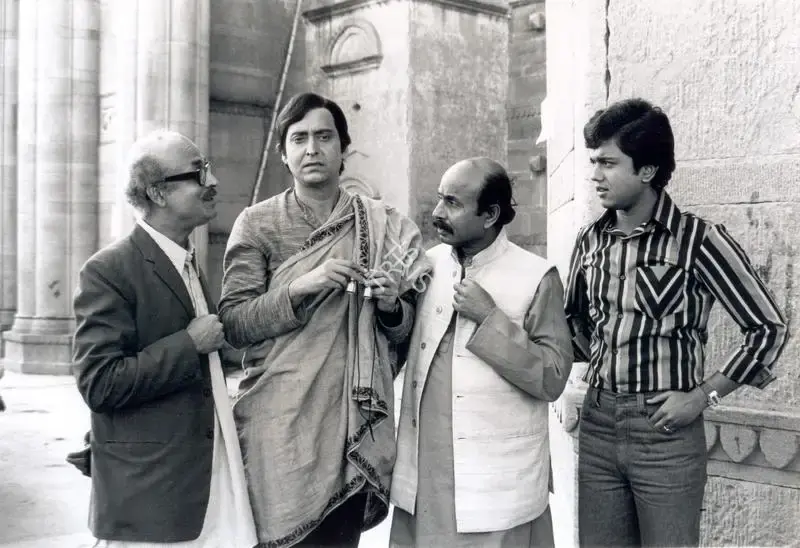
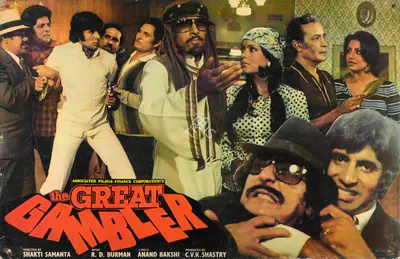
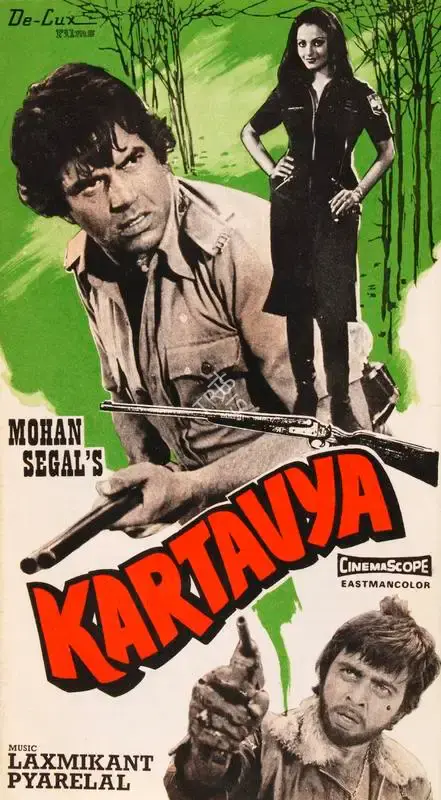
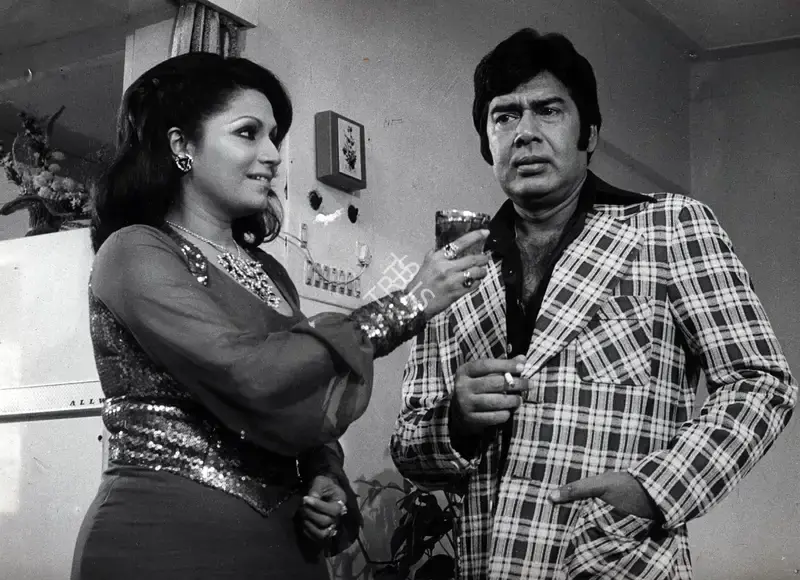
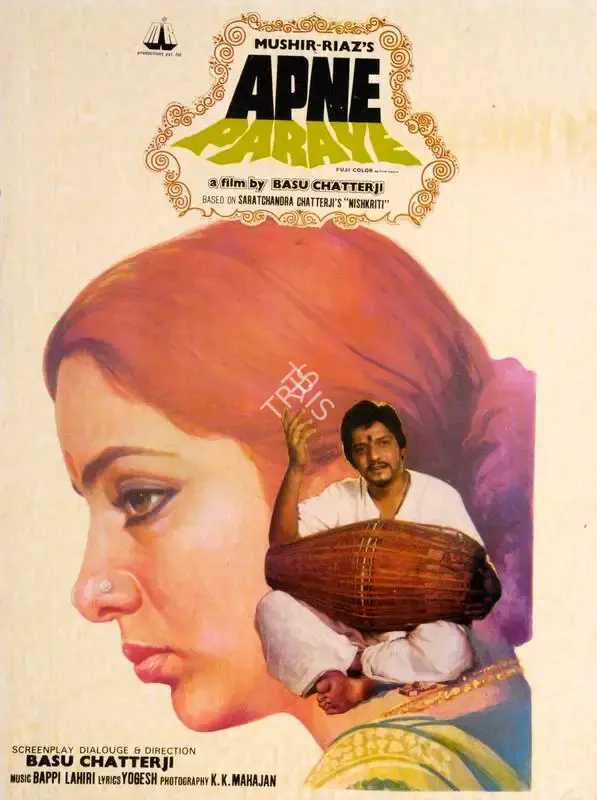
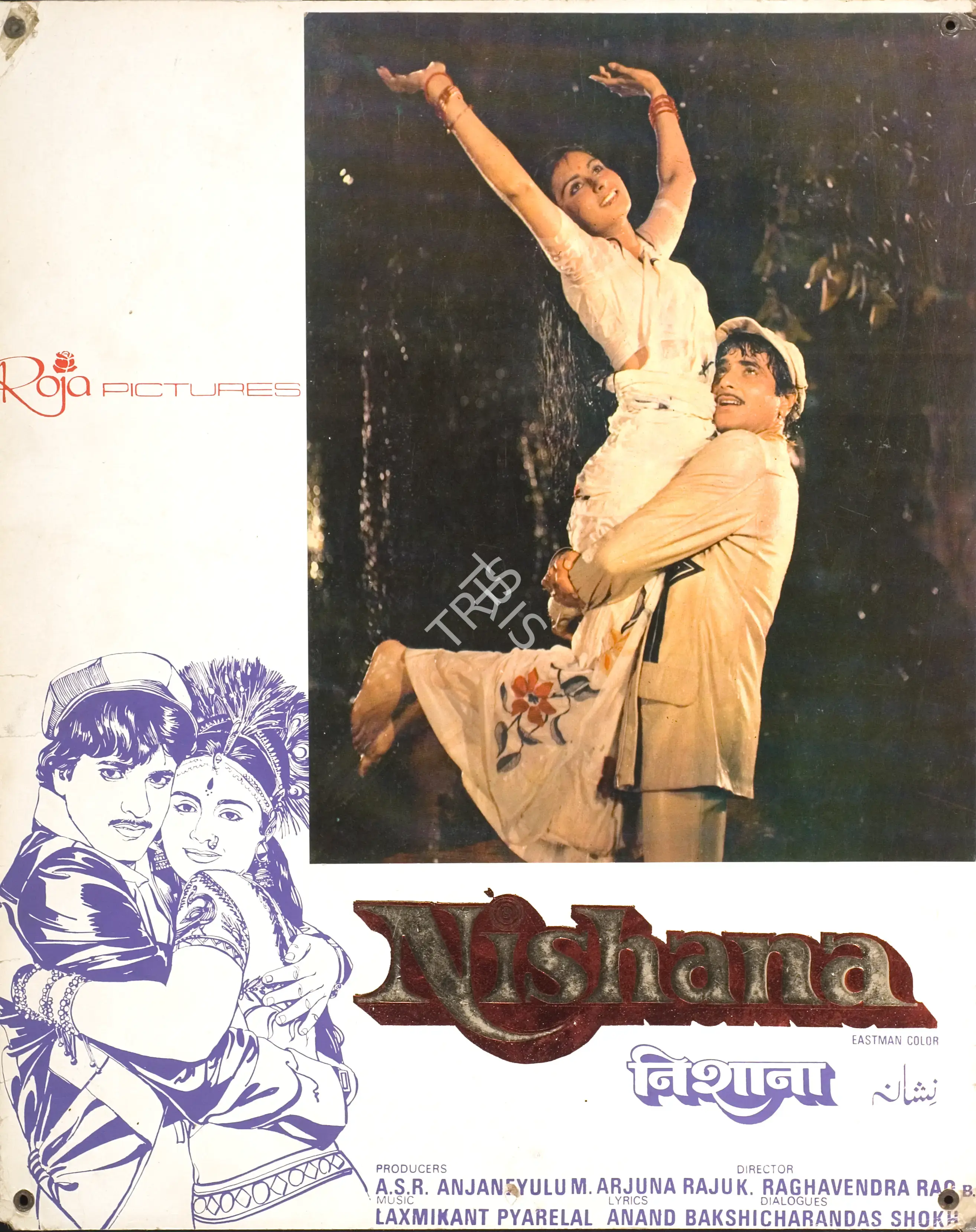
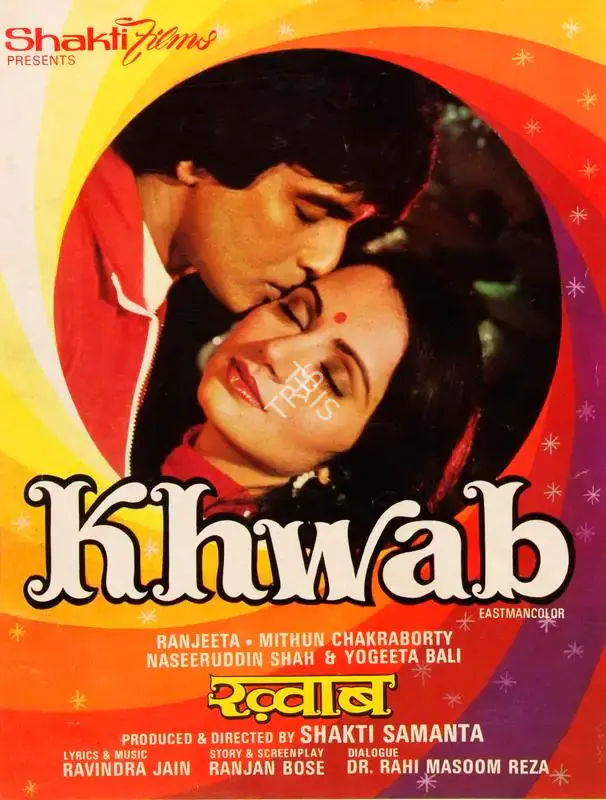
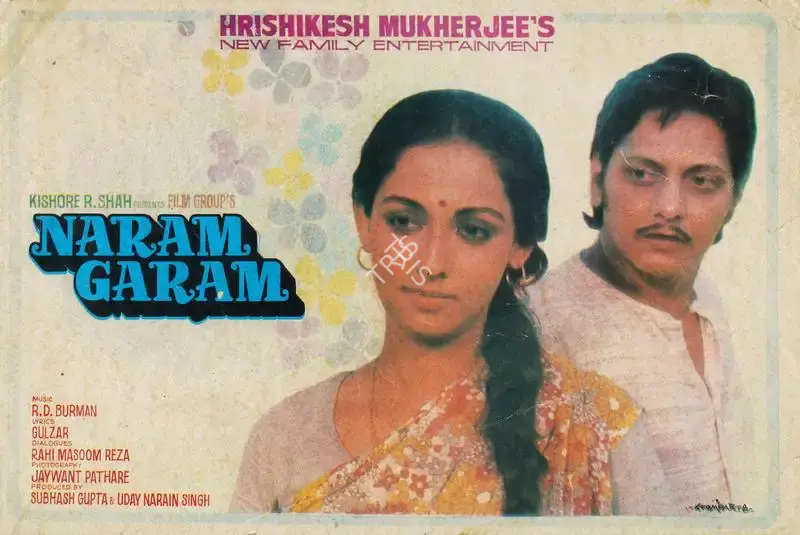
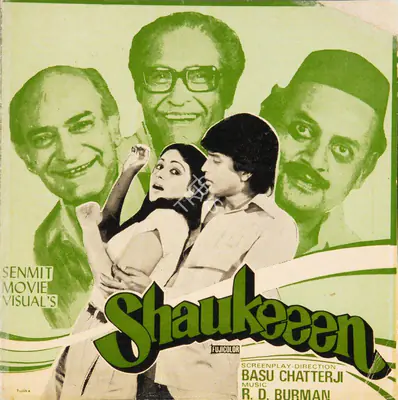
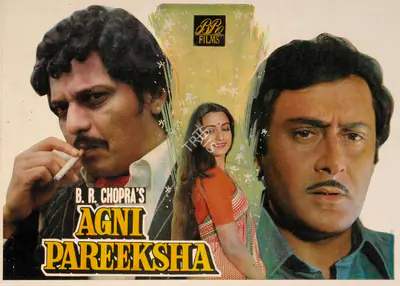
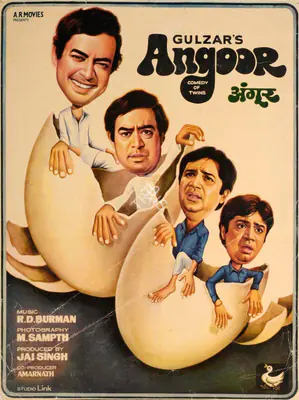
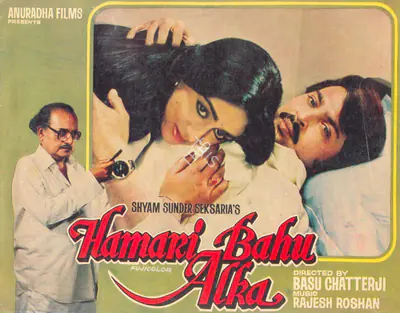
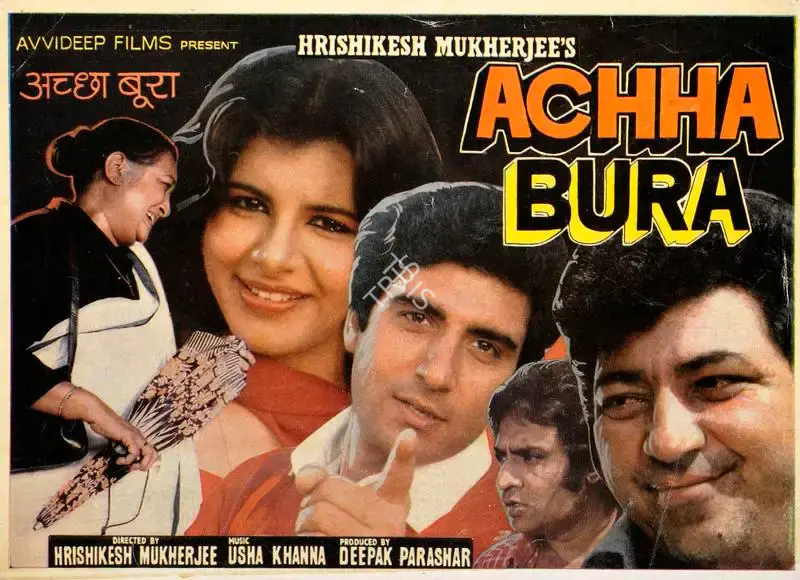
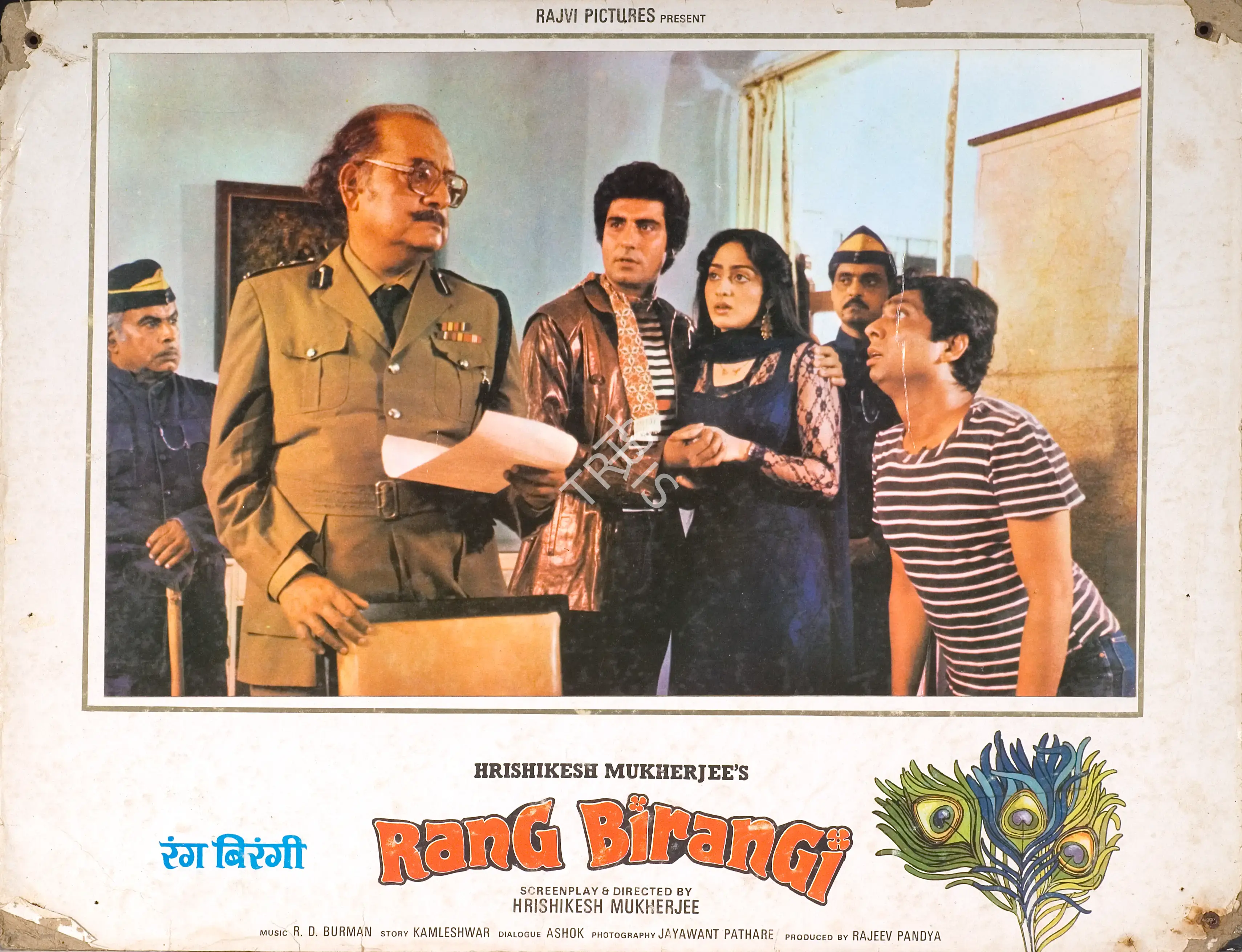
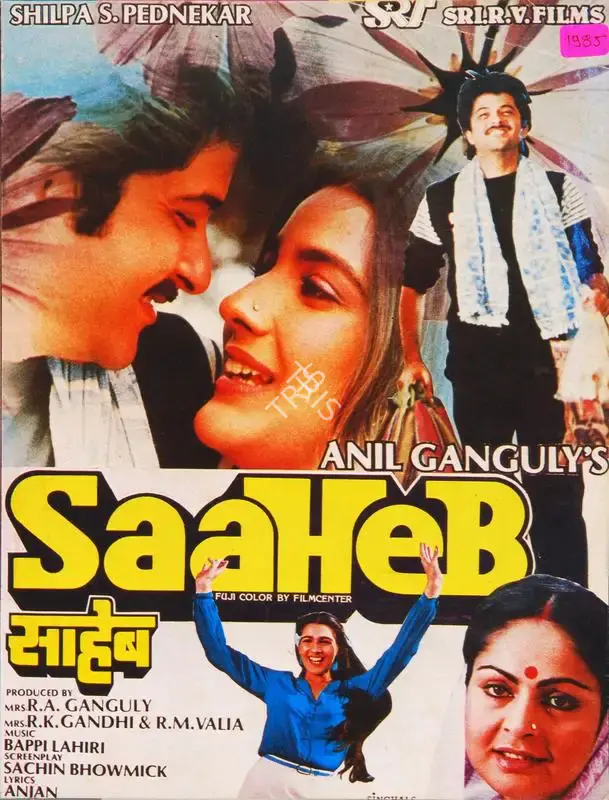
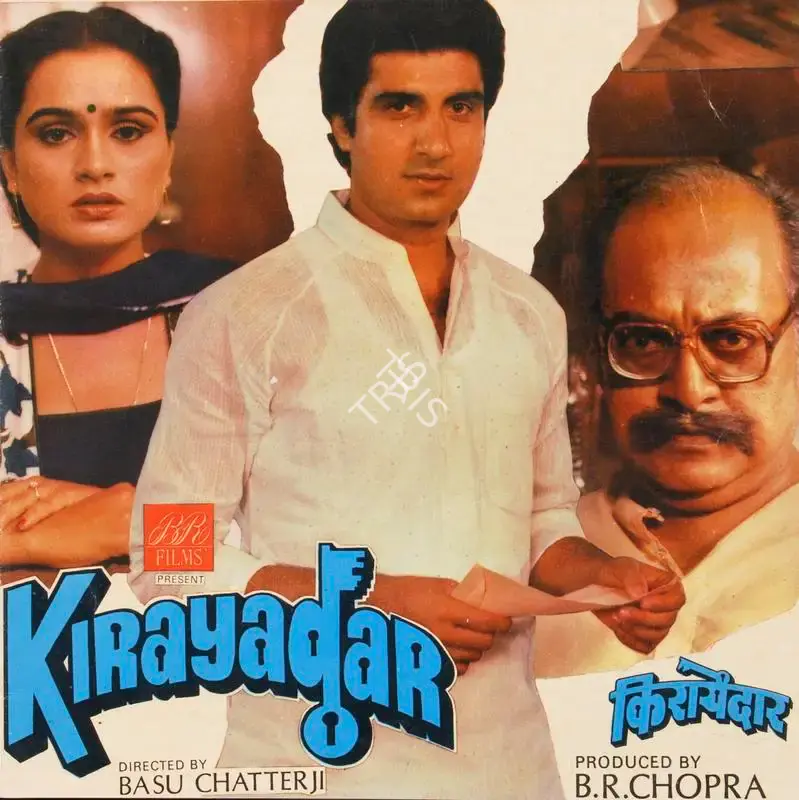
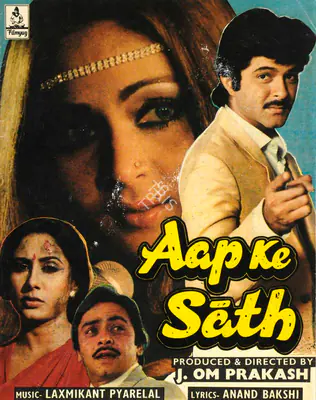
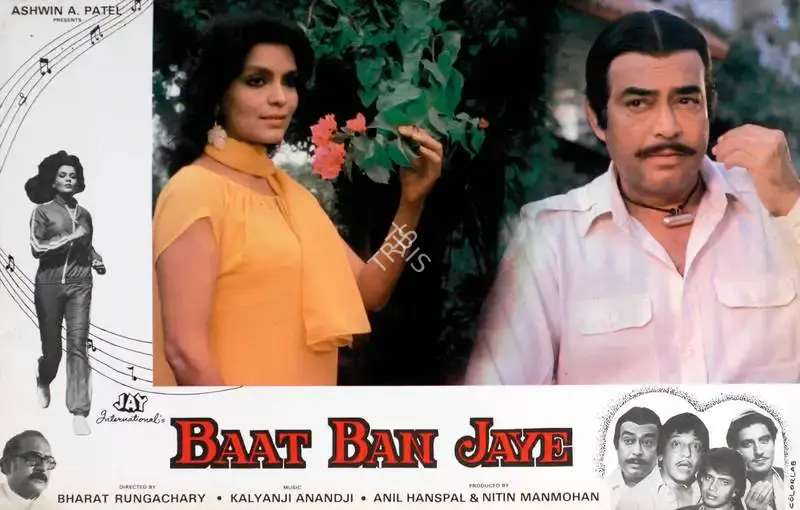
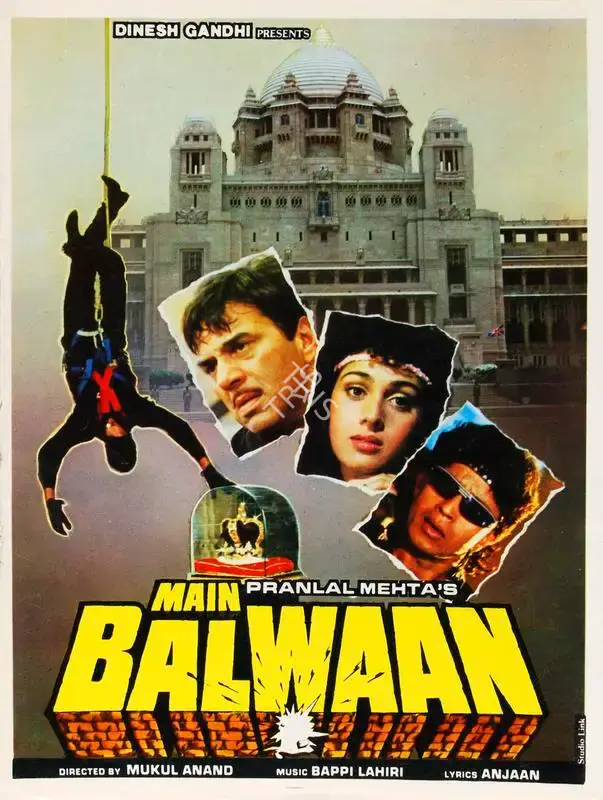
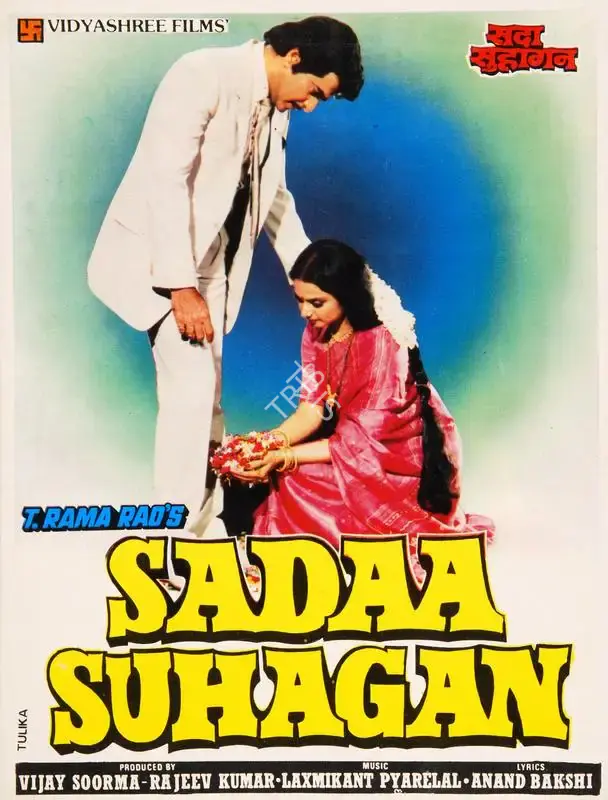
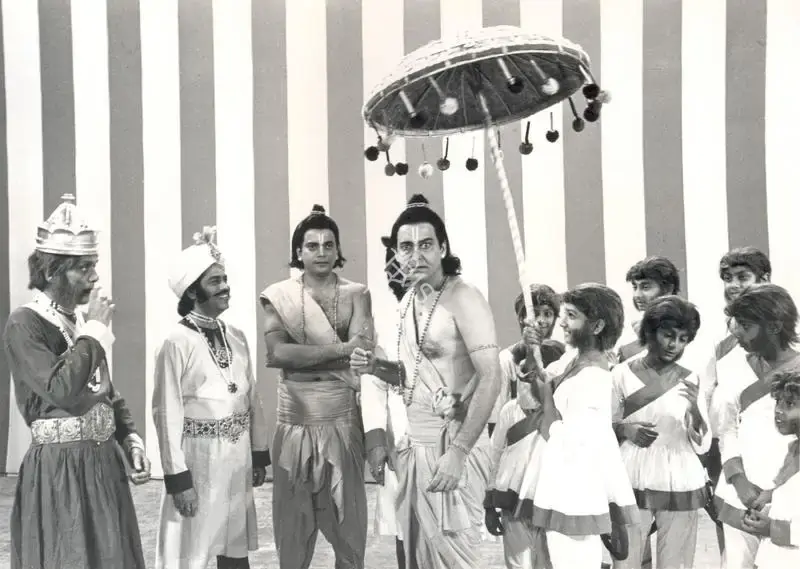
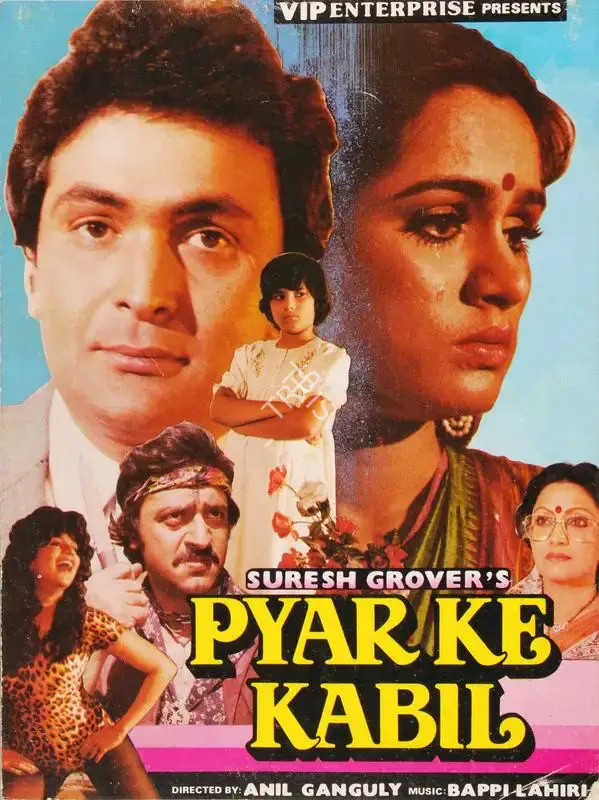
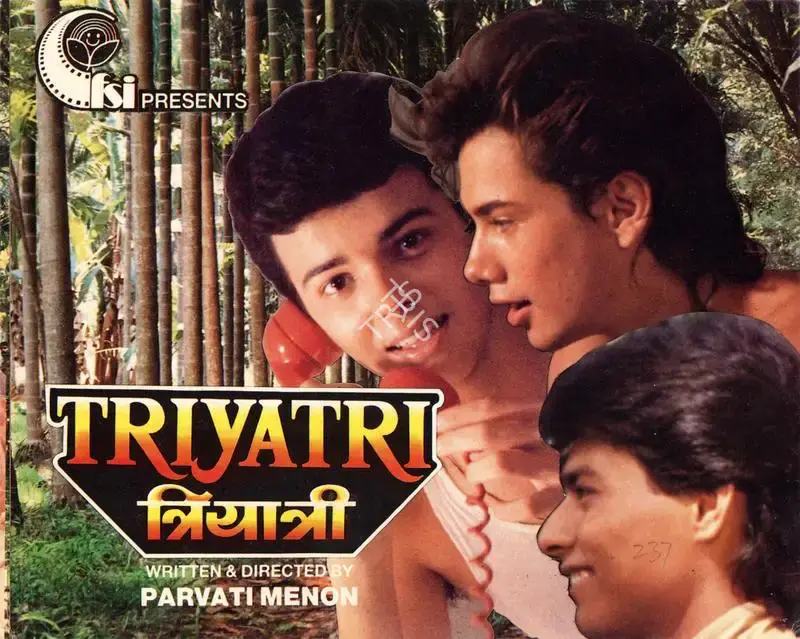
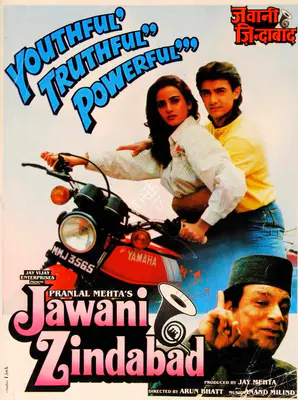
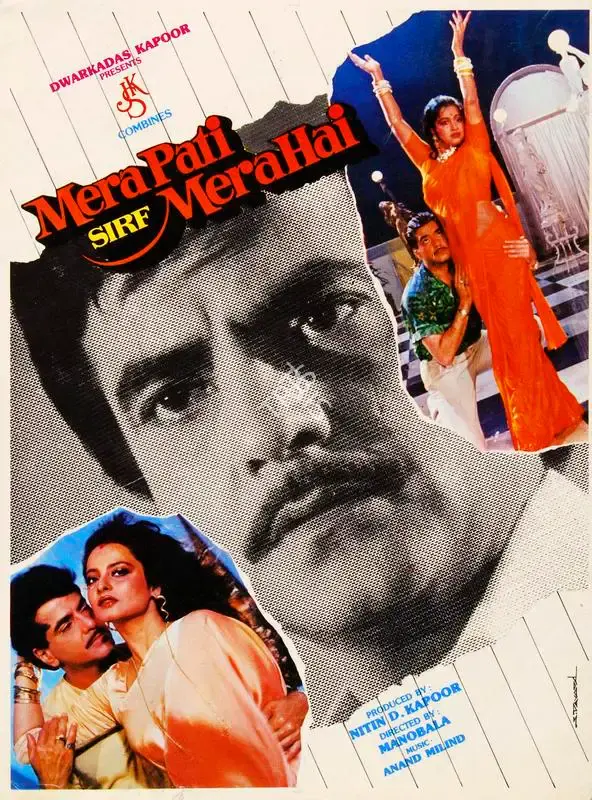
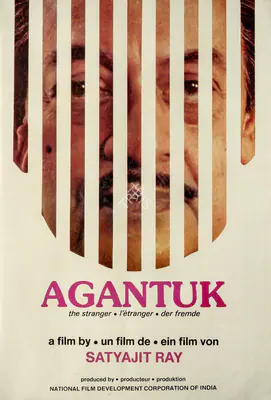
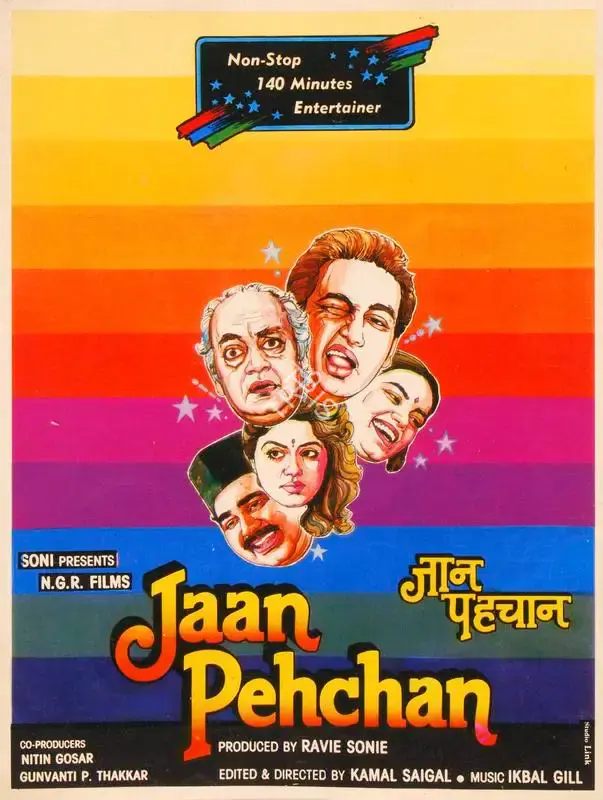
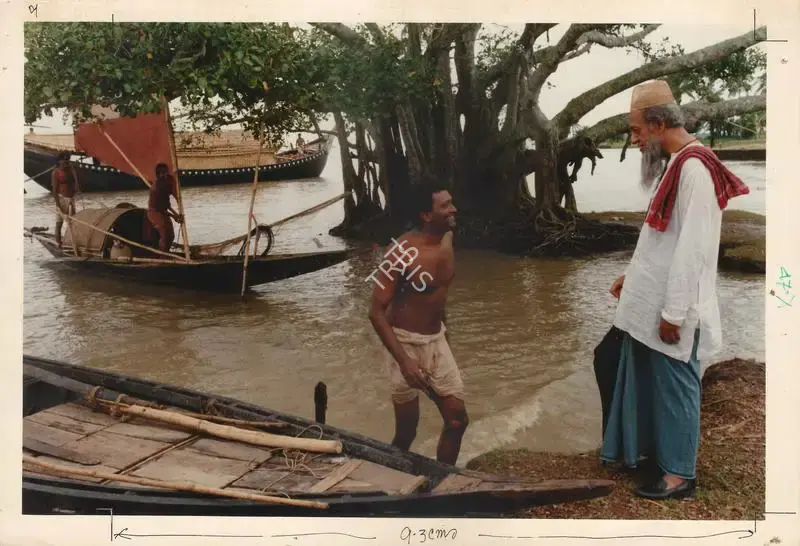
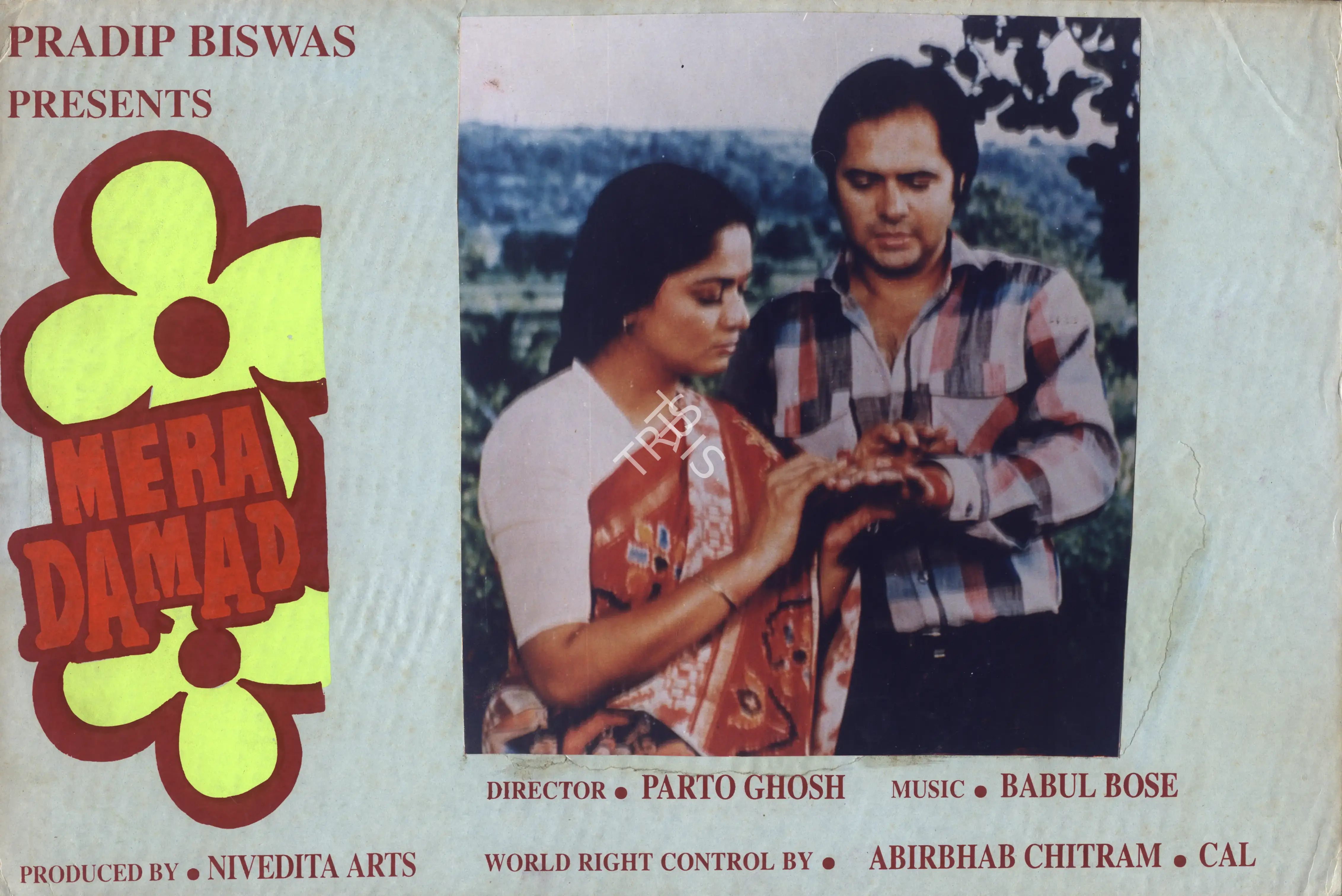
Alongside theatre, Dutt appeared in more than one hundred Bengali and Hindi films, collaborating with filmmakers such as Satyajit Ray, Mrinal Sen, Ritwik Ghatak, Hrishikesh Mukherjee, Basu Chatterjee, Gautam Ghose, and James Ivory. His notable performances include 𝘉𝘩𝘶𝘷𝘢𝘯 𝘚𝘩𝘰𝘮𝘦 (1969), 𝘑𝘢𝘯𝘢 𝘈𝘳𝘢𝘯𝘺𝘢 (1976), 𝘎𝘰𝘭 𝘔𝘢𝘢𝘭 (1979), 𝘕𝘢𝘳𝘢𝘮 𝘎𝘢𝘳𝘢𝘮 (1981), 𝘙𝘢𝘯𝘨 𝘉𝘪𝘳𝘢𝘯𝘨𝘪 (1983), 𝘚𝘩𝘢𝘶𝘬𝘦𝘦𝘯 (1982), 𝘈𝘨𝘢𝘯𝘵𝘶𝘬 (1991), and 𝘗𝘢𝘥𝘮𝘢 𝘕𝘢𝘥𝘪𝘳 𝘔𝘢𝘫𝘩𝘪 (1992). His final screen appearance was as Sir Digindra Narayan in the 1993 television adaptation of 𝘉𝘺𝘰𝘮𝘬𝘦𝘴𝘩 𝘉𝘢𝘬𝘴𝘩𝘪.
Dutt received the National Film Award for Best Actor for 𝘉𝘩𝘶𝘷𝘢𝘯 𝘚𝘩𝘰𝘮𝘦 (1969), three Filmfare Awards for Best Comedian for 𝘎𝘰𝘭 𝘔𝘢𝘢𝘭 (1979), 𝘕𝘢𝘳𝘢𝘮 𝘎𝘢𝘳𝘢𝘮 (1981), and 𝘙𝘢𝘯𝘨 𝘉𝘪𝘳𝘢𝘯𝘨𝘪 (1983), and the Sangeet Natak Akademi Fellowship (1990) for his lifetime contribution to Indian theatre. He died on 19 August 1993 following a heart attack after returning home from dialysis. His integration of artistic innovation with political commitment secured his enduring place in twentieth-century Indian cultural history.
Born into a Bengali Kayastha family in Barisal (present-day Bangladesh), Dutt was the son of Girijaranjan Dutta. After studying at St. Edmund's School, Barisal, and St. Xavier's Collegiate School, Calcutta, he graduated with Honours in English Literature from St. Xavier's College, University of Calcutta, in 1949. In 1960, he married theatre and film actress Shobha Sen; their daughter, Bishnupriya Dutt, later became Professor of Theatre and Performance Studies at Jawaharlal Nehru University, New Delhi.
Dutt began his theatrical career through English-language productions, founding The Shakespeareans in 1947. His acclaimed performance in 𝘙𝘪𝘤𝘩𝘢𝘳𝘥 𝘐𝘐𝘐 led Geoffrey and Laura Kendal to recruit him for Shakespeareana Theatre Company tours across India and Pakistan (1947–49; 1953–54), where his portrayal of Othello received critical acclaim. He later reorganised his troupe as the Little Theatre Group, producing works by Ibsen, Shaw, Tagore, Gorky, and Konstantin Simonov. Associated with Gananatya Sangha and the Indian People's Theatre Association (IPTA), he subsequently founded the People's Little Theatre. Influenced by Brecht, Dutt adapted Epic Theatre to Indian socio-political realities and established the Brecht Society in 1948 under the presidency of Satyajit Ray.
From the mid-1950s, Dutt translated Shakespeare and Russian classics into Bengali while writing politically engaged dramas such as 𝘈𝘯𝘨𝘢𝘳, 𝘉𝘢𝘳𝘳𝘪𝘤𝘢𝘥𝘦, 𝘌𝘣𝘢𝘢𝘳 𝘙𝘢𝘫𝘢𝘳 𝘗𝘢𝘭𝘢, and 𝘍𝘦𝘳𝘢𝘳𝘪 𝘍𝘢𝘶𝘫. His imprisonment in 1965 intensified his political commitment, inspiring plays including 𝘚𝘶𝘳𝘺𝘢-𝘚𝘩𝘪𝘬𝘢𝘳, 𝘓𝘢𝘢𝘭 𝘋𝘶𝘳𝘨𝘰, and 𝘑𝘢𝘯𝘢𝘵𝘢𝘳 𝘈𝘱𝘩𝘪𝘮. He also revitalised Bengali street theatre and popularised politically conscious Jatra.
Alongside theatre, Dutt appeared in more than one hundred Bengali and Hindi films, collaborating with filmmakers such as Satyajit Ray, Mrinal Sen, Ritwik Ghatak, Hrishikesh Mukherjee, Basu Chatterjee, Gautam Ghose, and James Ivory. His notable performances include 𝘉𝘩𝘶𝘷𝘢𝘯 𝘚𝘩𝘰𝘮𝘦 (1969), 𝘑𝘢𝘯𝘢 𝘈𝘳𝘢𝘯𝘺𝘢 (1976), 𝘎𝘰𝘭 𝘔𝘢𝘢𝘭 (1979), 𝘕𝘢𝘳𝘢𝘮 𝘎𝘢𝘳𝘢𝘮 (1981), 𝘙𝘢𝘯𝘨 𝘉𝘪𝘳𝘢𝘯𝘨𝘪 (1983), 𝘚𝘩𝘢𝘶𝘬𝘦𝘦𝘯 (1982), 𝘈𝘨𝘢𝘯𝘵𝘶𝘬 (1991), and 𝘗𝘢𝘥𝘮𝘢 𝘕𝘢𝘥𝘪𝘳 𝘔𝘢𝘫𝘩𝘪 (1992). His final screen appearance was as Sir Digindra Narayan in the 1993 television adaptation of 𝘉𝘺𝘰𝘮𝘬𝘦𝘴𝘩 𝘉𝘢𝘬𝘴𝘩𝘪.
Dutt received the National Film Award for Best Actor for 𝘉𝘩𝘶𝘷𝘢𝘯 𝘚𝘩𝘰𝘮𝘦 (1969), three Filmfare Awards for Best Comedian for 𝘎𝘰𝘭 𝘔𝘢𝘢𝘭 (1979), 𝘕𝘢𝘳𝘢𝘮 𝘎𝘢𝘳𝘢𝘮 (1981), and 𝘙𝘢𝘯𝘨 𝘉𝘪𝘳𝘢𝘯𝘨𝘪 (1983), and the Sangeet Natak Akademi Fellowship (1990) for his lifetime contribution to Indian theatre. He died on 19 August 1993 following a heart attack after returning home from dialysis. His integration of artistic innovation with political commitment secured his enduring place in twentieth-century Indian cultural history.
उत्पल दत्त (29 मार्च 1929 – 19 अगस्त 1993) आधुनिक भारतीय थिएटर और सिनेमा की प्रभावशाली हस्तियों में से एक थे। वे एक अभिनेता, निर्देशक, नाटककार और राजनीतिक विचारक के तौर पर मशहूर थे। हालाँकि उन्हें बंगाली और हिंदी फ़िल्मों में उनके अभिनय के लिए बहुत सराहा गया, लेकिन उनकी सबसे बड़ी उपलब्धि बंगाली थिएटर को राजनीतिक और सामाजिक जुड़ाव का एक सशक्त माध्यम बनाना थी। 1949 में उन्होंने 'लिटिल थिएटर ग्रुप' (एलटीजी) की स्थापना की। शुरुआत में यह ग्रुप अंग्रेज़ी नाटक (ख़ासकर शेक्सपियर और बर्टोल्ट ब्रेख्त के नाटक) करता था, लेकिन बाद में इसने राजनीतिक रूप से प्रतिबद्ध बंगाली थिएटर की ओर रुख़ किया। उनके प्रमुख नाटकों जैसे 'कल्लोल' (1965), 'लौह मानव' (1964), 'मानुषेर अधिकार', 'टिनर तलवार' और 'महा-विद्रोह' में वर्ग-संघर्ष, उपनिवेशवाद और सामाजिक न्याय से जुड़े मार्क्सवादी विचारों को प्रमुखता से उठाया गया।
बारीसाल (जो अब बांग्लादेश में है) के एक बंगाली कायस्थ परिवार में जन्मे दत्त, गिरिजारंजन दत्त के बेटे थे। बारीसाल के सेंट एडमंड्स स्कूल और कलकत्ता के सेंट जेवियर्स कॉलेज़िएट स्कूल में पढ़ाई करने के बाद, उन्होंने 1949 में कलकत्ता यूनिवर्सिटी के सेंट जेवियर्स कॉलेज़ से इंग्लिश लिटरेचर में ऑनर्स के साथ ग्रेजुएशन किया। 1960 में उन्होंने थिएटर और फ़िल्म एक्ट्रेस शोभा सेन से शादी की। उनकी बेटी, बिष्णुप्रिया दत्त, बाद में नई दिल्ली की जवाहरलाल नेहरू यूनिवर्सिटी में थिएटर और परफ़ॉर्मेंस स्टडीज़ की प्रोफ़ेसर बनीं।
दत्त ने अपने थिएटर करियर की शुरुआत इंग्लिश-भाषा के नाटकों से की और 1947 में 'द शेक्सपियरियन्स' की स्थापना की। 'रिचर्ड III' में उनके शानदार अभिनय को देखकर जेफ्री और लॉरा केंडल ने उन्हें भारत और पाकिस्तान में 'शेक्सपियरियाना थिएटर कंपनी' के टूर (1947–49; 1953–54) के लिए शामिल किया, जहाँ 'ओथेलो' के किरदार में उनके अभिनय की बहुत तारीफ़ हुई। बाद में उन्होंने अपने ग्रुप को 'लिटिल थिएटर ग्रुप' के तौर पर फ़िर से संगठित किया और इब्सन, शॉ, टैगोर, गोर्की और कॉन्स्टेंटिन सिमोनोव के नाटकों का मंचन किया। 'गणनाट्य संघ' और 'इंडियन पीपल्स थिएटर एसोसिएशन' (इप्टा) से जुड़े रहने के बाद, उन्होंने 'पीपल्स लिटिल थिएटर' की स्थापना की। ब्रेख्त से प्रभावित होकर, दत्त ने 'एपिक थिएटर' को भारतीय सामाजिक-राजनीतिक हालात के हिसाब से ढाला और 1948 में सत्यजीत रे की अध्यक्षता में 'ब्रेख्त सोसाइटी' की स्थापना की।
1950 के दशक के मध्य में, दत्त ने अंगार (𝘈𝘯𝘨𝘢𝘳), बैरिकेड (𝘉𝘢𝘳𝘳𝘪𝘤𝘢𝘥𝘦), एबार (𝘌𝘣𝘢𝘢𝘳) जैसे राजनीतिक नाटक लिखे। इसके अलावा उन्होंने शेक्सपियर और रूसी क्लासिक्स का बंगाली में अनुवाद किया। राजार पाला (𝘙𝘢𝘫𝘢𝘳 𝘗𝘢𝘭𝘢), और फेरारी फ़ौज (𝘍𝘦𝘳𝘢𝘳𝘪 𝘍𝘢𝘶𝘫)। 1965 में उनके कारावास ने उनकी राजनीतिक प्रतिबद्धता को और तीव्र कर दिया, जिसमें सूर्य-शिकार (𝘚𝘶𝘳𝘺𝘢-𝘚𝘩𝘪𝘬𝘢𝘳), लाल दुर्गो (𝘓𝘢𝘢𝘭 𝘋𝘶𝘳𝘨𝘰), और प्रेरक नाटक शामिल थे। जनातार अफ़ीम (𝘑𝘢𝘯𝘢𝘵𝘢𝘳 𝘈𝘱𝘩𝘪𝘮). उन्होंने बंगाली स्ट्रीट थिएटर को भी पुनर्जीवित किया और राजनीतिक रूप से जागरूक जात्रा को लोकप्रिय बनाया।
थिएटर के साथ-साथ, दत्त ने सत्यजीत रे, मृणाल सेन, ऋत्विक घटक, हृषिकेश मुखर्जी, बसु चटर्जी, गौतम घोष और जेम्स आइवरी जैसे फ़िल्म निर्माताओं के साथ मिलकर सौ से अधिक बंगाली और हिंदी फ़िल्मों में काम किया। उनके उल्लेखनीय प्रदर्शनों में शामिल हैं भुवन शोम (1969), जन अरण्य (1976), गोल माल (1979), नरम हवा (1981), रंग बिरंगी (1983), शौक़ीन (1982), आगंतुक (1991) और (1992)। उनकी अंतिम स्क्रीन उपस्थिति 1993 में व्योमकेश बख़्शी के टेलीविज़न रूपांतरण में सर दिगेंद्र नारायण के रूप में थी।
दत्त को 'भुवन शोम' (1969) के लिए बेस्ट एक्टर का नेशनल फ़िल्म अवॉर्ड, 'गोल माल' (1979), 'नरम गरम' (1981) और 'रंग बिरंगी' (1983) के लिए बेस्ट कॉमेडियन के तीन फ़िल्मफ़ेयर अवॉर्ड मिले। इसके आलावा भारतीय थिएटर में उनके जीवन भर के योगदान के लिए संगीत नाटक अकादमी फ़ेलोशिप (1990) मिली। डायलिसिस के बाद घर लौटने के दौरान हार्ट अटैक से 19 अगस्त 1993 को उनका निधन हो गया। कलात्मक इनोवेशन और राजनीतिक प्रतिबद्धता के उनके मेल ने बीसवीं सदी के भारतीय सांस्कृतिक इतिहास में उनकी जगह हमेशा के लिए पक्की कर दी।
बारीसाल (जो अब बांग्लादेश में है) के एक बंगाली कायस्थ परिवार में जन्मे दत्त, गिरिजारंजन दत्त के बेटे थे। बारीसाल के सेंट एडमंड्स स्कूल और कलकत्ता के सेंट जेवियर्स कॉलेज़िएट स्कूल में पढ़ाई करने के बाद, उन्होंने 1949 में कलकत्ता यूनिवर्सिटी के सेंट जेवियर्स कॉलेज़ से इंग्लिश लिटरेचर में ऑनर्स के साथ ग्रेजुएशन किया। 1960 में उन्होंने थिएटर और फ़िल्म एक्ट्रेस शोभा सेन से शादी की। उनकी बेटी, बिष्णुप्रिया दत्त, बाद में नई दिल्ली की जवाहरलाल नेहरू यूनिवर्सिटी में थिएटर और परफ़ॉर्मेंस स्टडीज़ की प्रोफ़ेसर बनीं।
दत्त ने अपने थिएटर करियर की शुरुआत इंग्लिश-भाषा के नाटकों से की और 1947 में 'द शेक्सपियरियन्स' की स्थापना की। 'रिचर्ड III' में उनके शानदार अभिनय को देखकर जेफ्री और लॉरा केंडल ने उन्हें भारत और पाकिस्तान में 'शेक्सपियरियाना थिएटर कंपनी' के टूर (1947–49; 1953–54) के लिए शामिल किया, जहाँ 'ओथेलो' के किरदार में उनके अभिनय की बहुत तारीफ़ हुई। बाद में उन्होंने अपने ग्रुप को 'लिटिल थिएटर ग्रुप' के तौर पर फ़िर से संगठित किया और इब्सन, शॉ, टैगोर, गोर्की और कॉन्स्टेंटिन सिमोनोव के नाटकों का मंचन किया। 'गणनाट्य संघ' और 'इंडियन पीपल्स थिएटर एसोसिएशन' (इप्टा) से जुड़े रहने के बाद, उन्होंने 'पीपल्स लिटिल थिएटर' की स्थापना की। ब्रेख्त से प्रभावित होकर, दत्त ने 'एपिक थिएटर' को भारतीय सामाजिक-राजनीतिक हालात के हिसाब से ढाला और 1948 में सत्यजीत रे की अध्यक्षता में 'ब्रेख्त सोसाइटी' की स्थापना की।
1950 के दशक के मध्य में, दत्त ने अंगार (𝘈𝘯𝘨𝘢𝘳), बैरिकेड (𝘉𝘢𝘳𝘳𝘪𝘤𝘢𝘥𝘦), एबार (𝘌𝘣𝘢𝘢𝘳) जैसे राजनीतिक नाटक लिखे। इसके अलावा उन्होंने शेक्सपियर और रूसी क्लासिक्स का बंगाली में अनुवाद किया। राजार पाला (𝘙𝘢𝘫𝘢𝘳 𝘗𝘢𝘭𝘢), और फेरारी फ़ौज (𝘍𝘦𝘳𝘢𝘳𝘪 𝘍𝘢𝘶𝘫)। 1965 में उनके कारावास ने उनकी राजनीतिक प्रतिबद्धता को और तीव्र कर दिया, जिसमें सूर्य-शिकार (𝘚𝘶𝘳𝘺𝘢-𝘚𝘩𝘪𝘬𝘢𝘳), लाल दुर्गो (𝘓𝘢𝘢𝘭 𝘋𝘶𝘳𝘨𝘰), और प्रेरक नाटक शामिल थे। जनातार अफ़ीम (𝘑𝘢𝘯𝘢𝘵𝘢𝘳 𝘈𝘱𝘩𝘪𝘮). उन्होंने बंगाली स्ट्रीट थिएटर को भी पुनर्जीवित किया और राजनीतिक रूप से जागरूक जात्रा को लोकप्रिय बनाया।
थिएटर के साथ-साथ, दत्त ने सत्यजीत रे, मृणाल सेन, ऋत्विक घटक, हृषिकेश मुखर्जी, बसु चटर्जी, गौतम घोष और जेम्स आइवरी जैसे फ़िल्म निर्माताओं के साथ मिलकर सौ से अधिक बंगाली और हिंदी फ़िल्मों में काम किया। उनके उल्लेखनीय प्रदर्शनों में शामिल हैं भुवन शोम (1969), जन अरण्य (1976), गोल माल (1979), नरम हवा (1981), रंग बिरंगी (1983), शौक़ीन (1982), आगंतुक (1991) और (1992)। उनकी अंतिम स्क्रीन उपस्थिति 1993 में व्योमकेश बख़्शी के टेलीविज़न रूपांतरण में सर दिगेंद्र नारायण के रूप में थी।
दत्त को 'भुवन शोम' (1969) के लिए बेस्ट एक्टर का नेशनल फ़िल्म अवॉर्ड, 'गोल माल' (1979), 'नरम गरम' (1981) और 'रंग बिरंगी' (1983) के लिए बेस्ट कॉमेडियन के तीन फ़िल्मफ़ेयर अवॉर्ड मिले। इसके आलावा भारतीय थिएटर में उनके जीवन भर के योगदान के लिए संगीत नाटक अकादमी फ़ेलोशिप (1990) मिली। डायलिसिस के बाद घर लौटने के दौरान हार्ट अटैक से 19 अगस्त 1993 को उनका निधन हो गया। कलात्मक इनोवेशन और राजनीतिक प्रतिबद्धता के उनके मेल ने बीसवीं सदी के भारतीय सांस्कृतिक इतिहास में उनकी जगह हमेशा के लिए पक्की कर दी।
- Date of Birth
- 19 Mar 1929
- Zodiac sign
- Aries
- Date of Death
- 19 Aug 1993
- Age
- 64
- Nationality
- Indian
- Place of Birth
- Kirtankhola, Barisal, British India
- Spouse(s)
- SSShobha Sen17 Sep 1923 – 13 Aug 2017
- Year Marriage Registered
- 1961
- Children
- Bishnupriya Duttb. 17 Mar 1974
- Parent(s)
- Girija Ranjan DuttShailabala Dutt
- Siblings
- Mihir Ranjan DuttNilin Dutt
- Krishnanath Collegiate School, Berhampore
1935
- St. Edmunds, Shillong
1939
- St Lawrence, Ballygunge
1945
- St. Xaviers, Kolkata
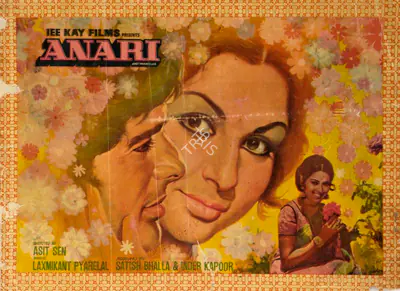
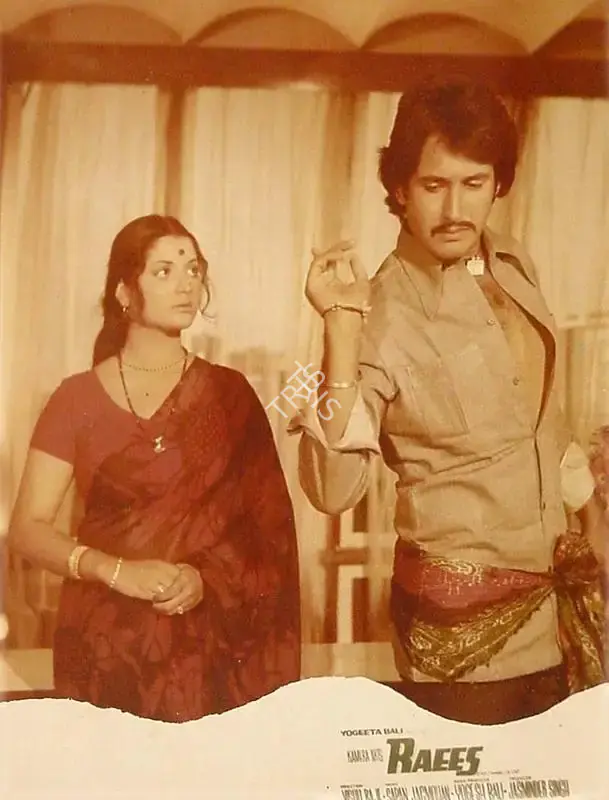
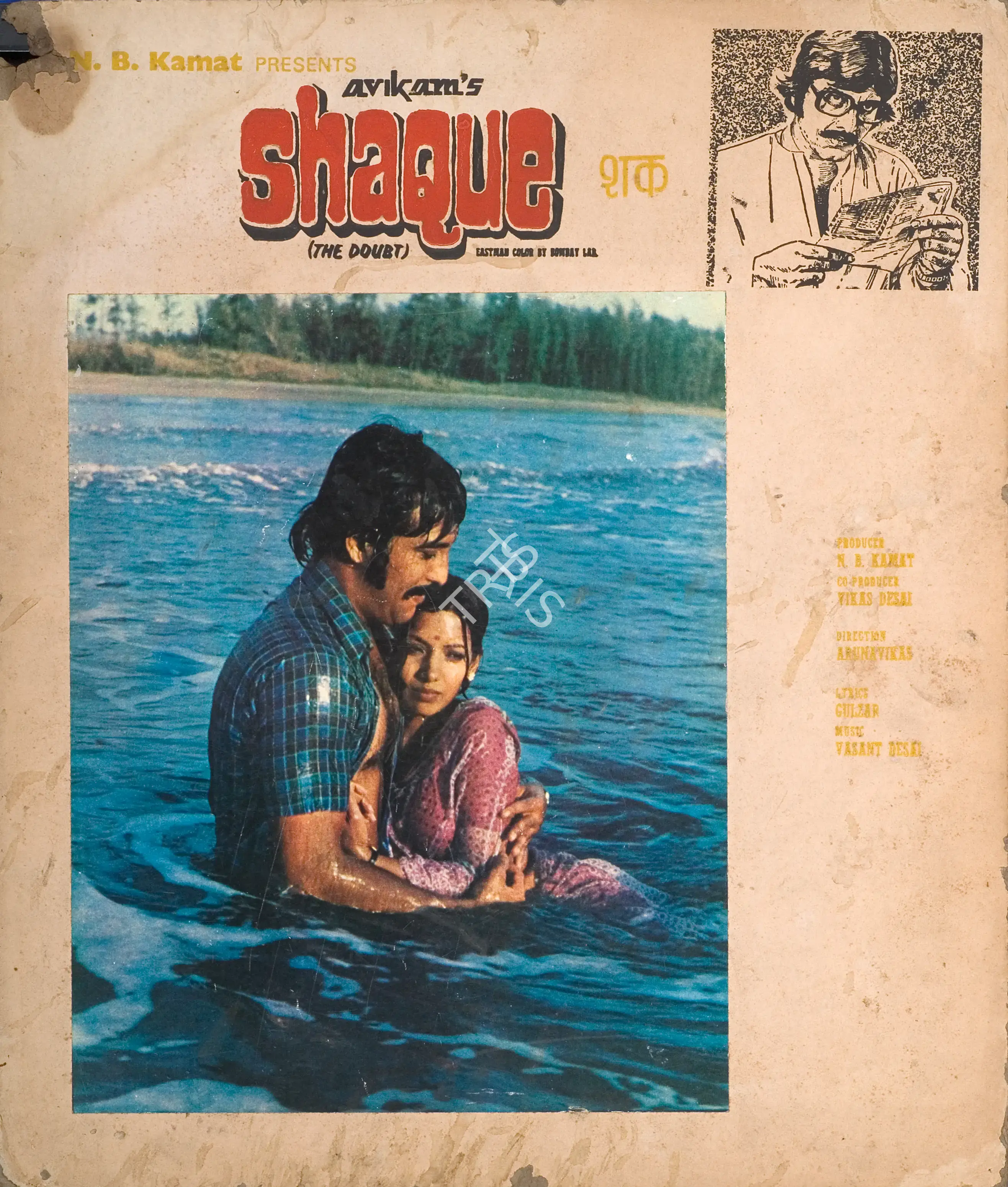
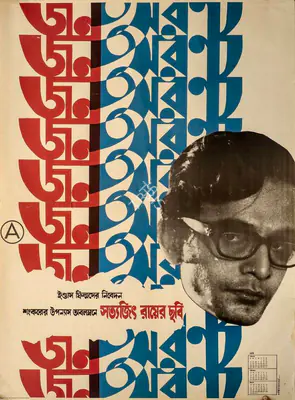
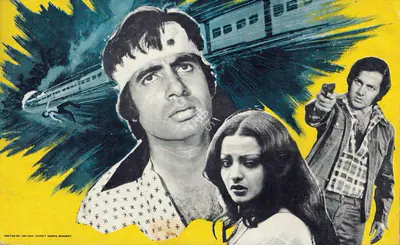
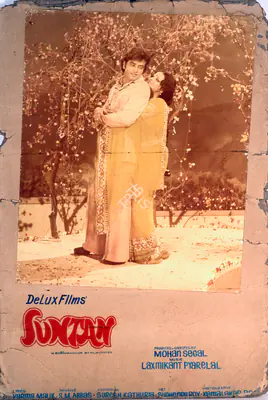
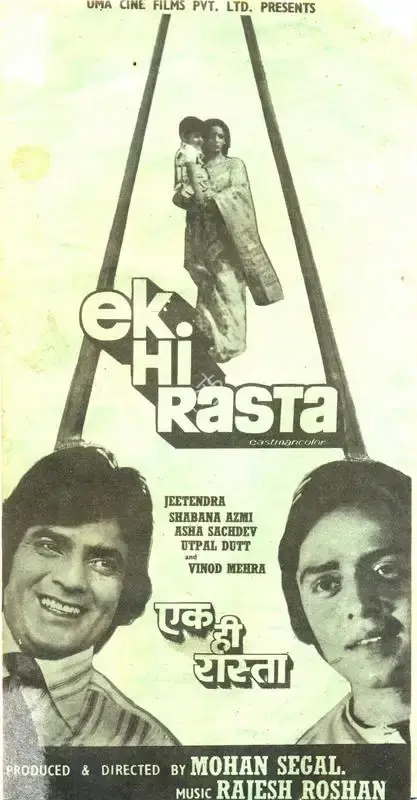
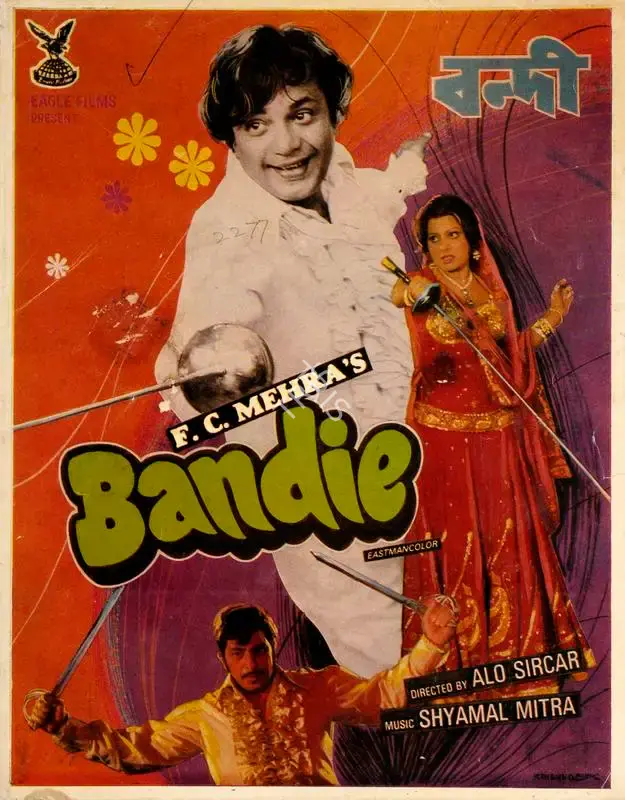
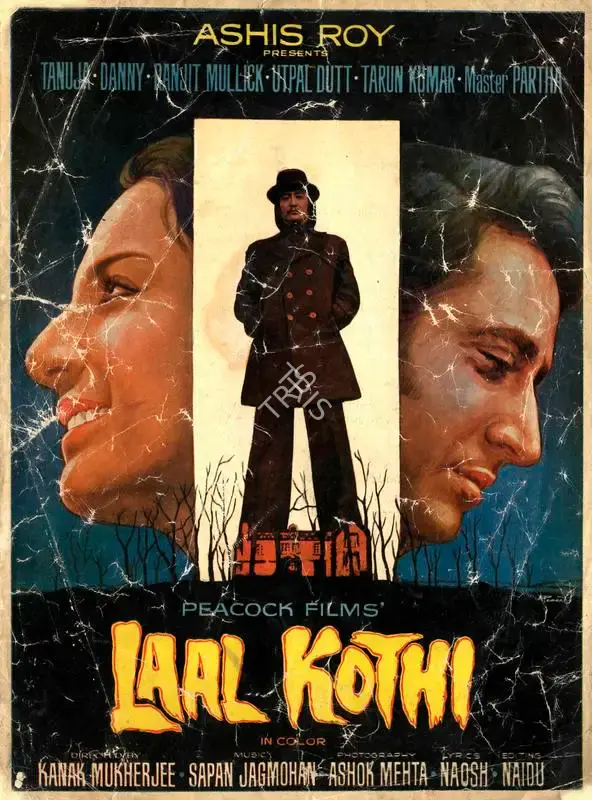
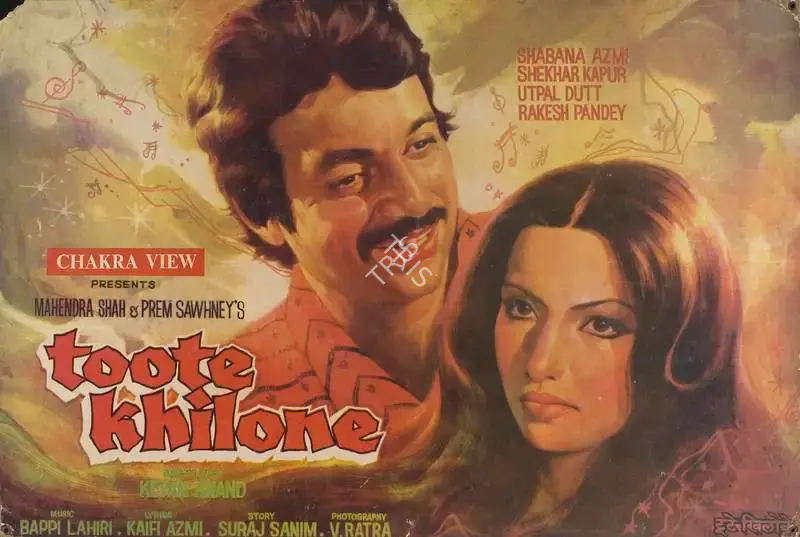
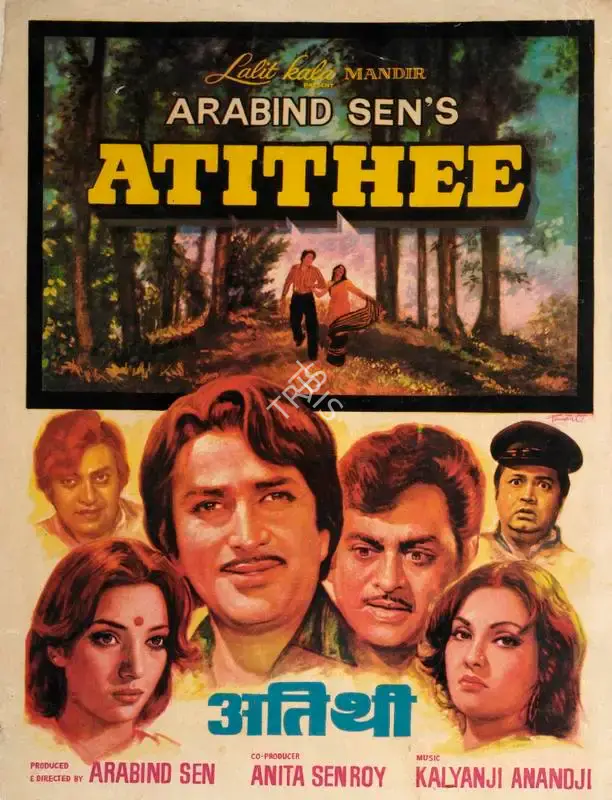
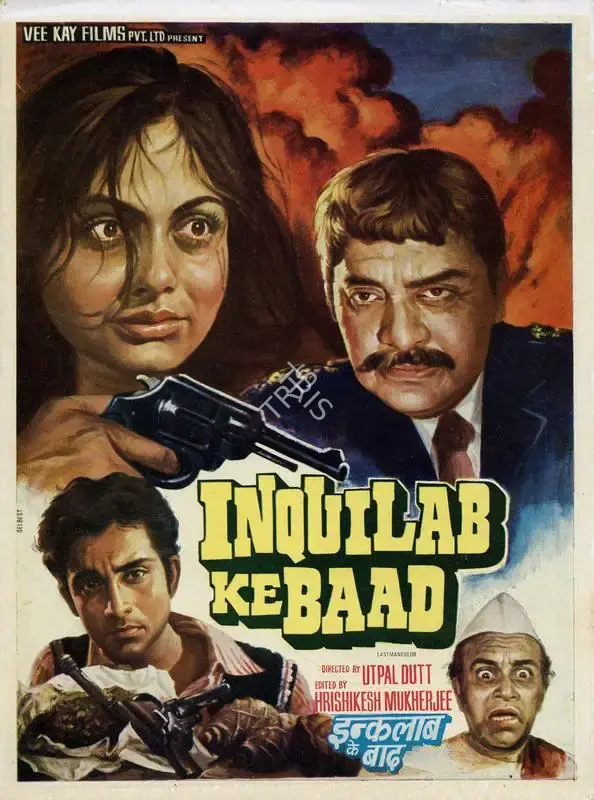
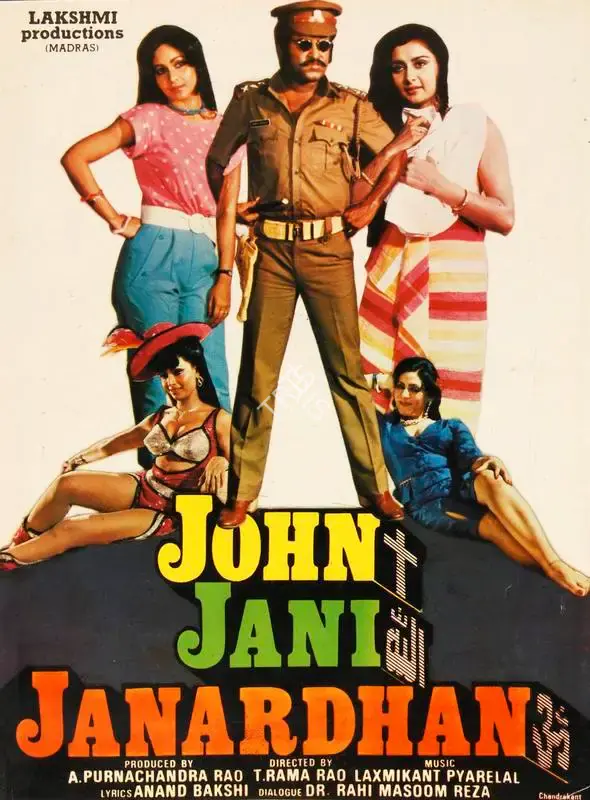
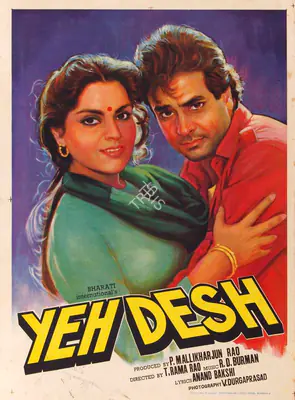
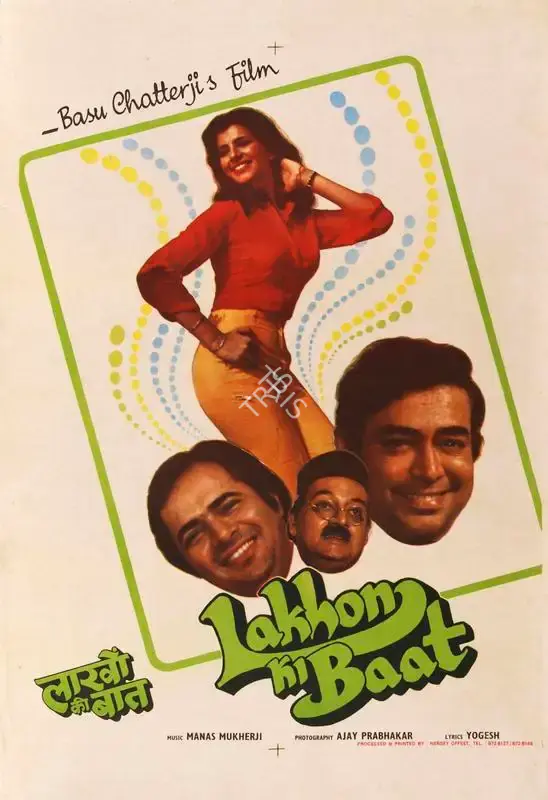
Filmography 235
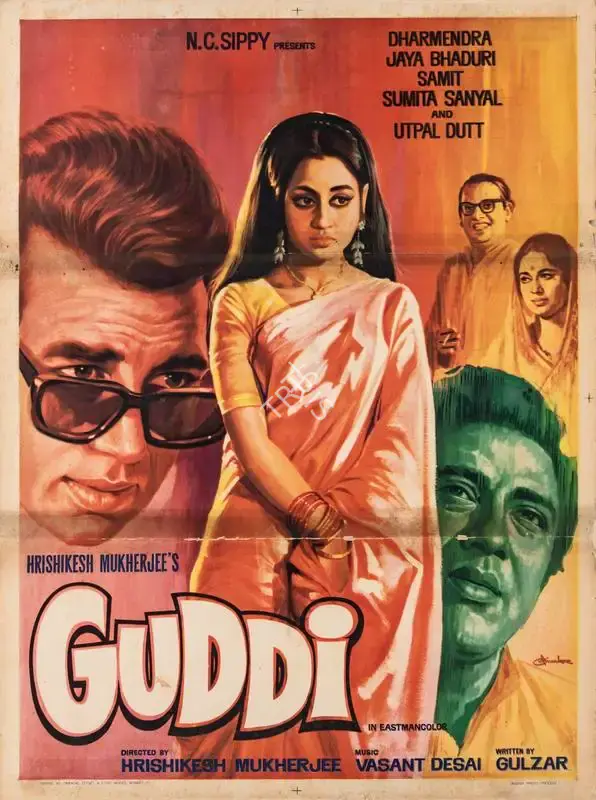
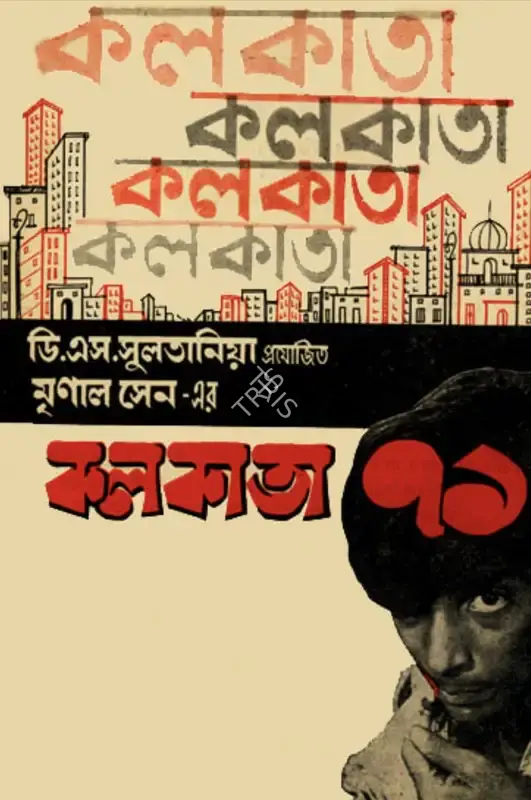
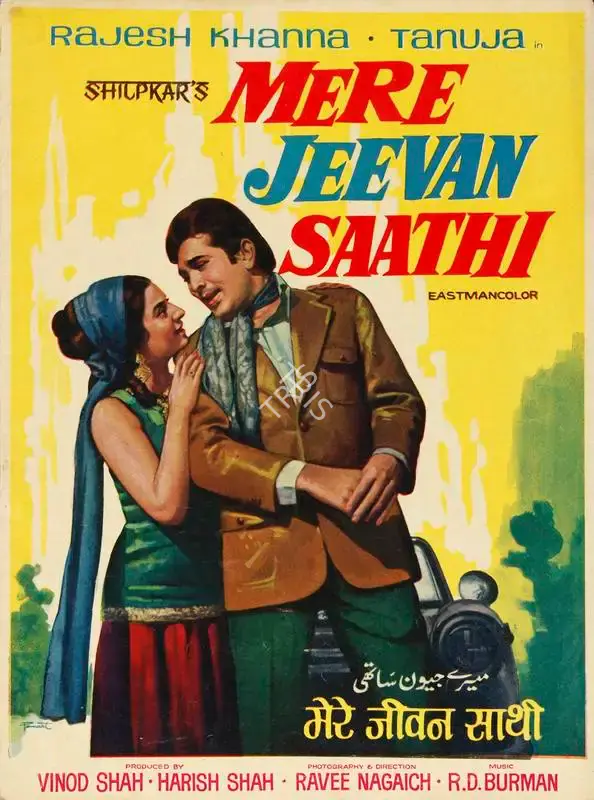
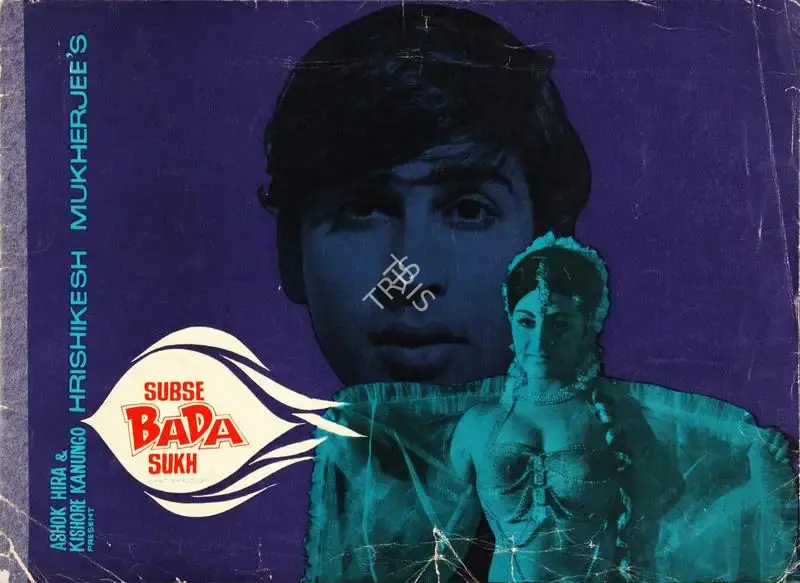
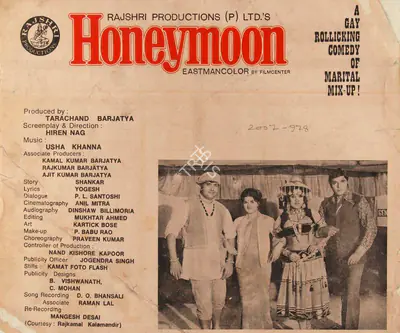
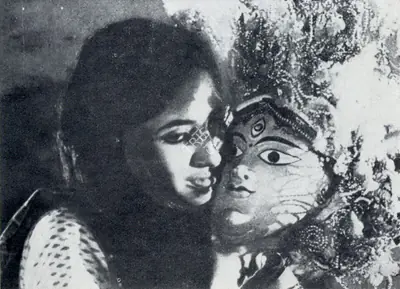
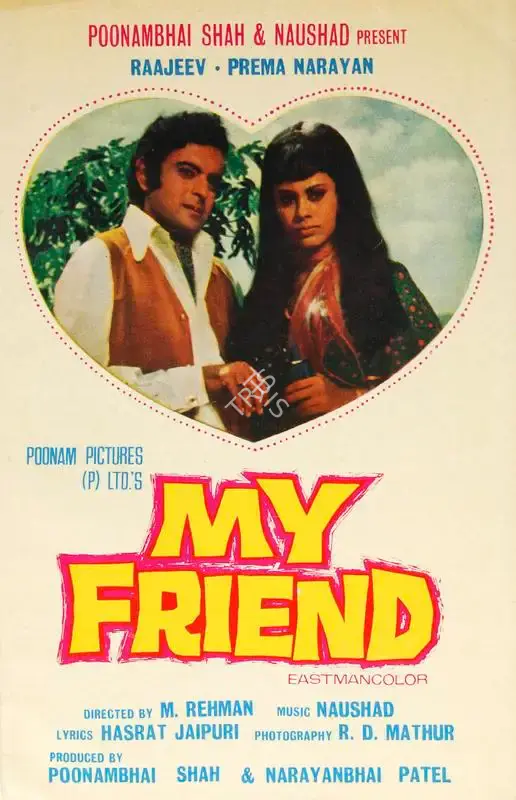
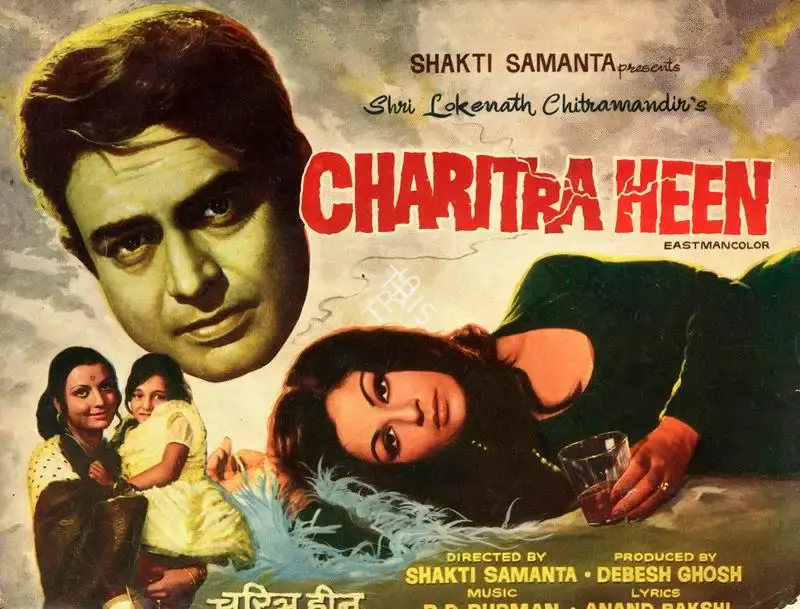
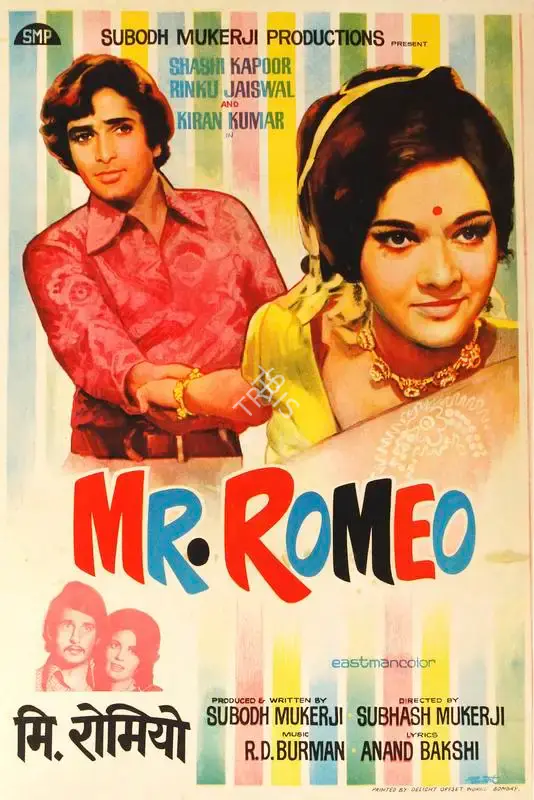
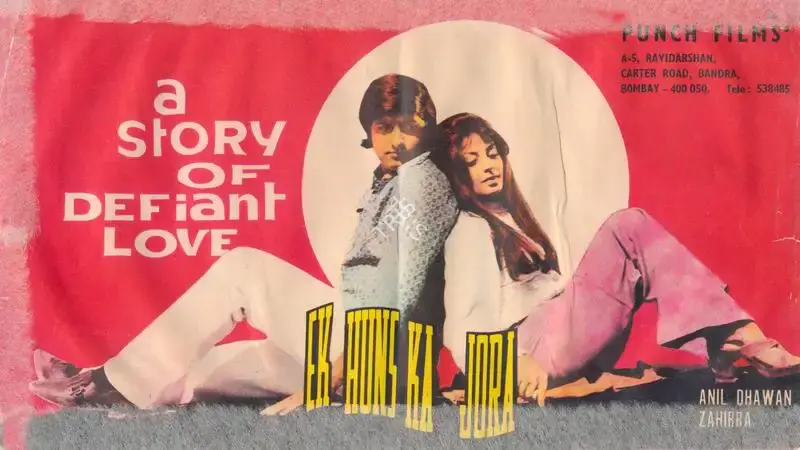
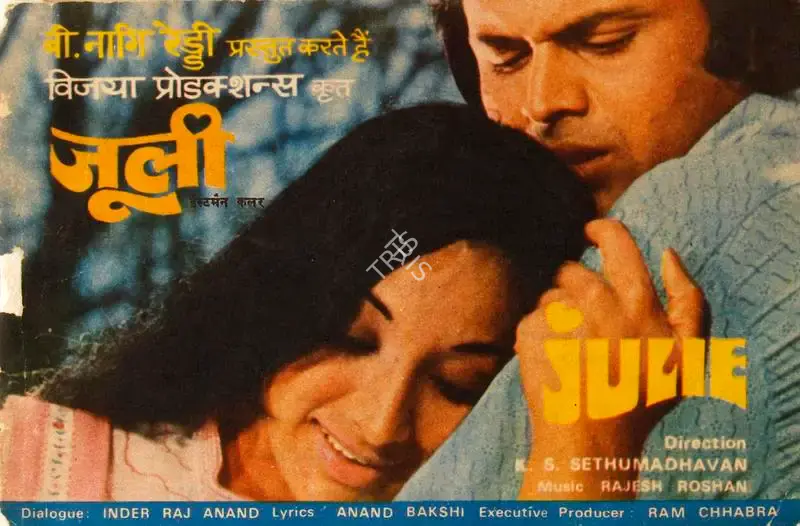
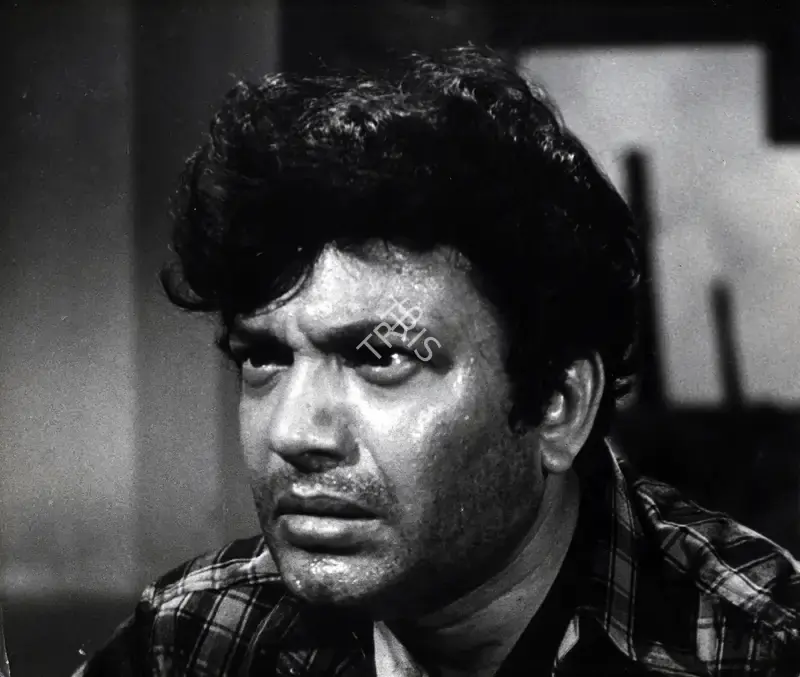
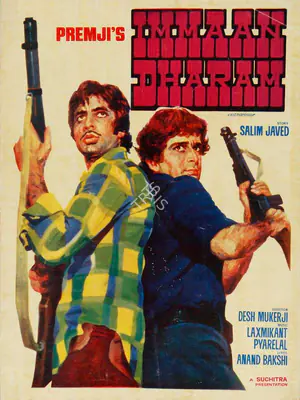
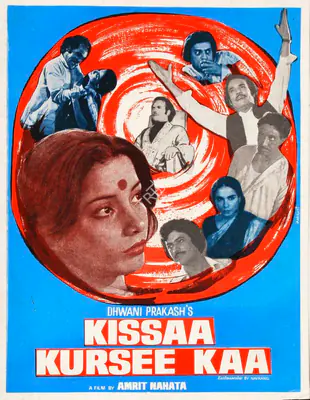
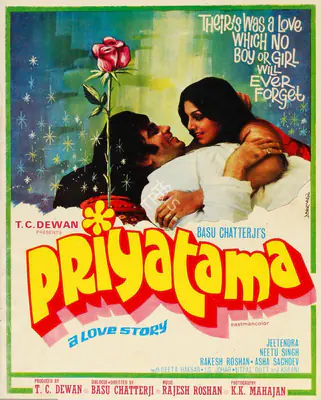
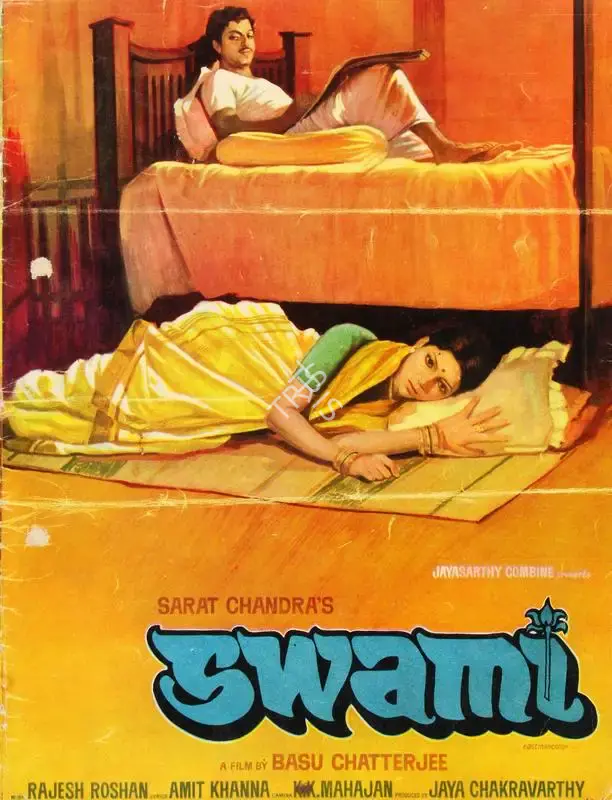
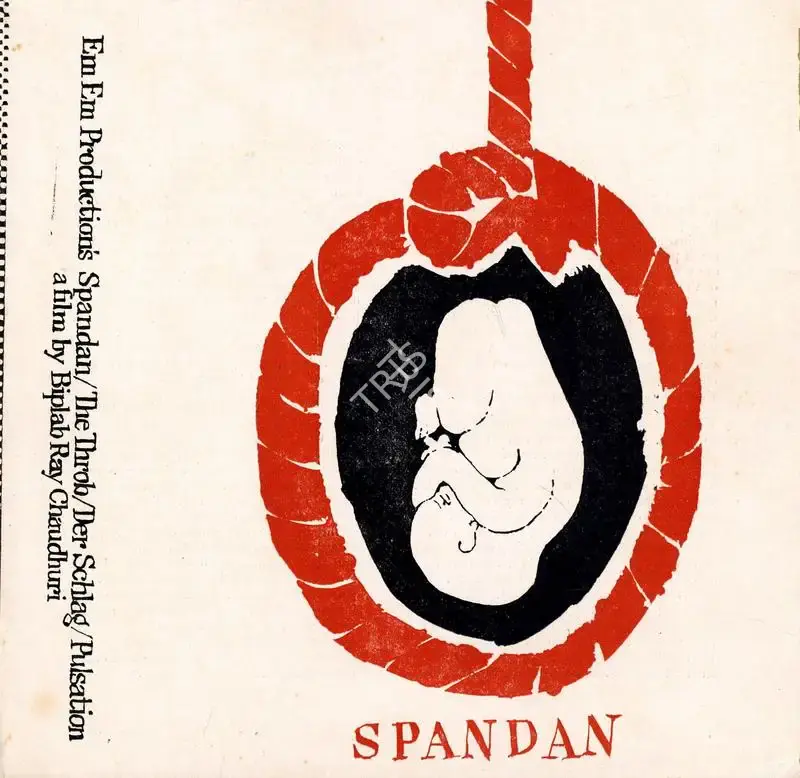
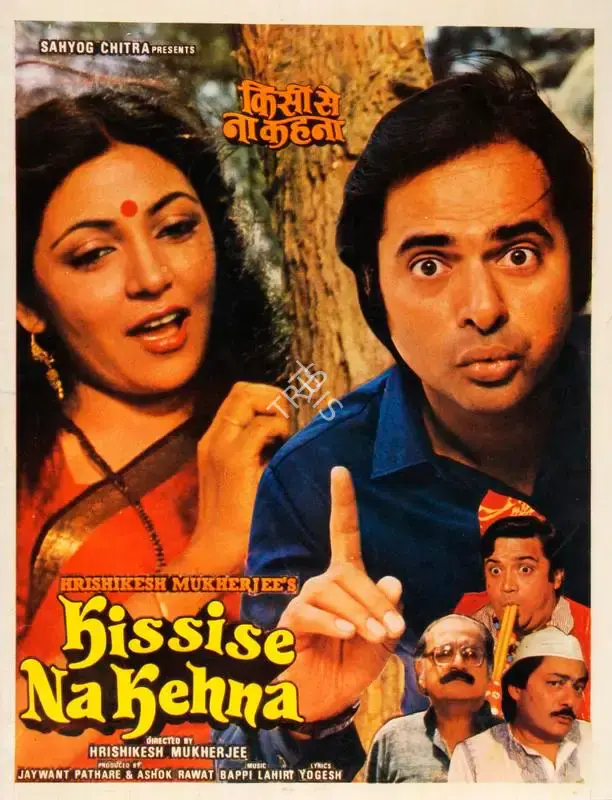
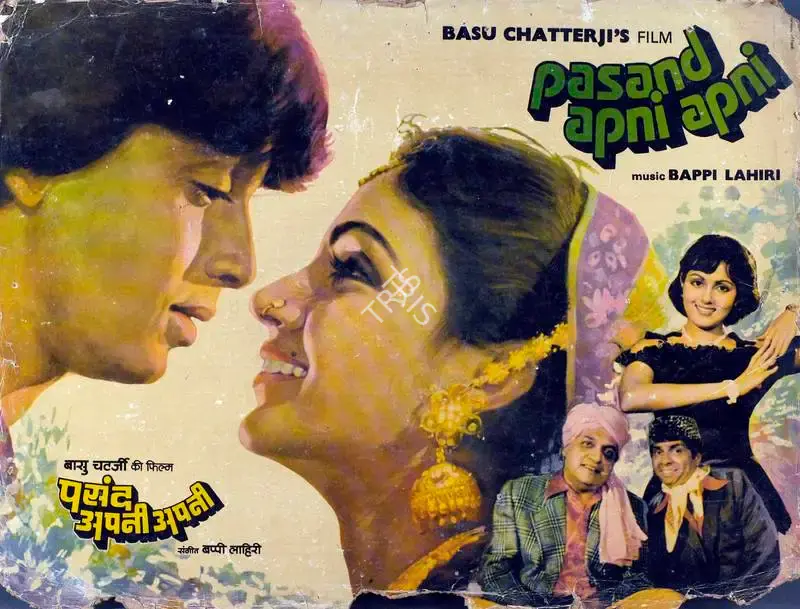
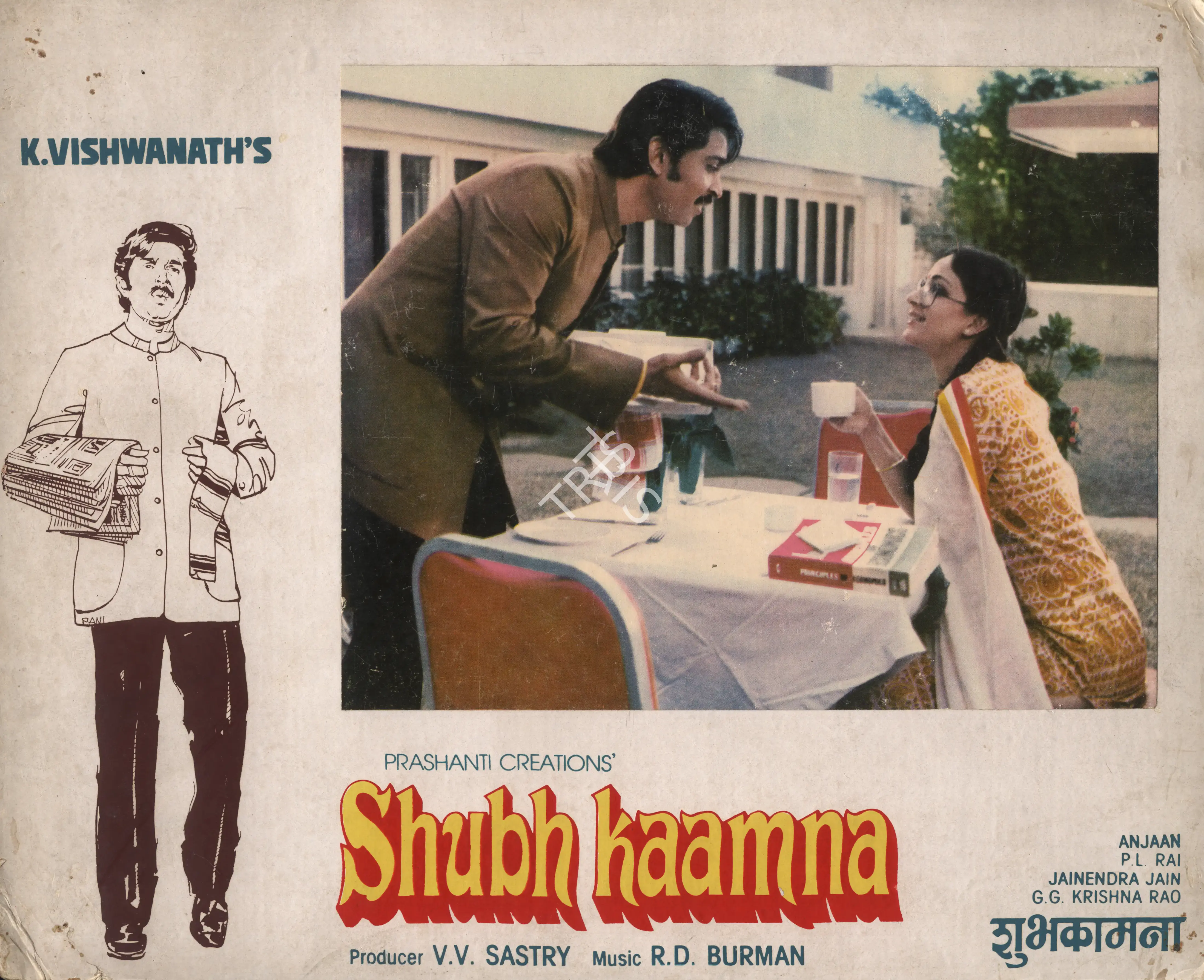
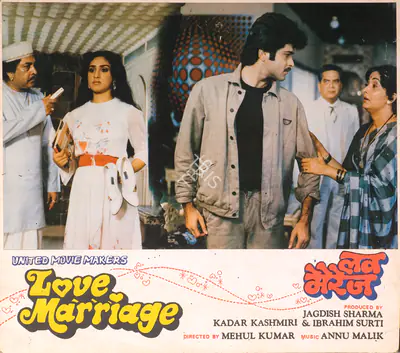
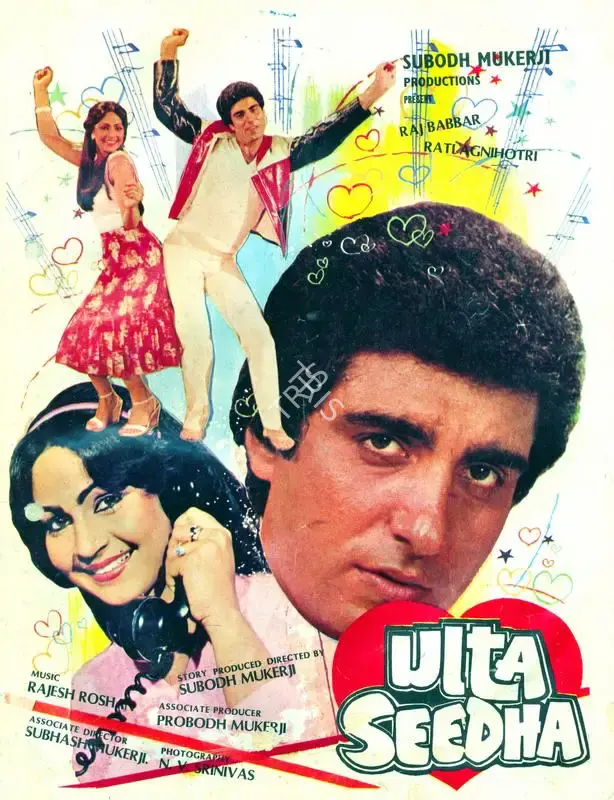
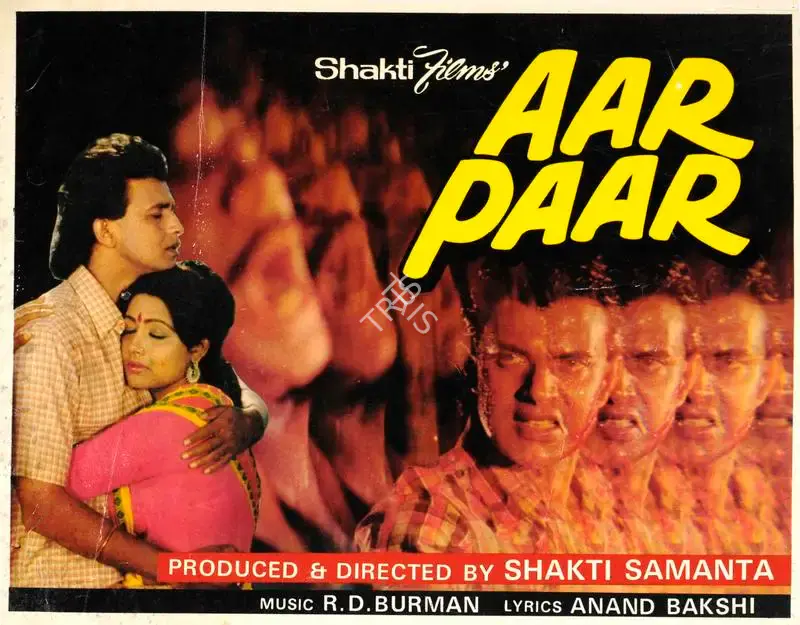
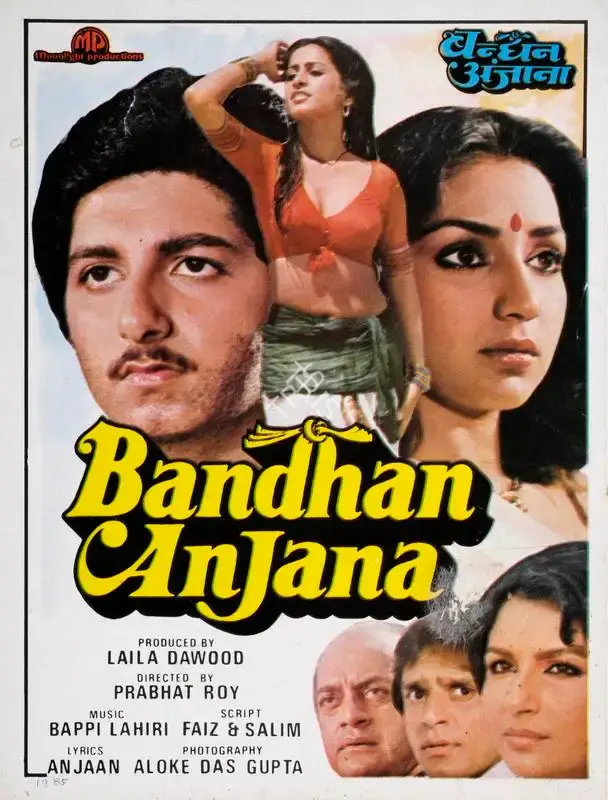
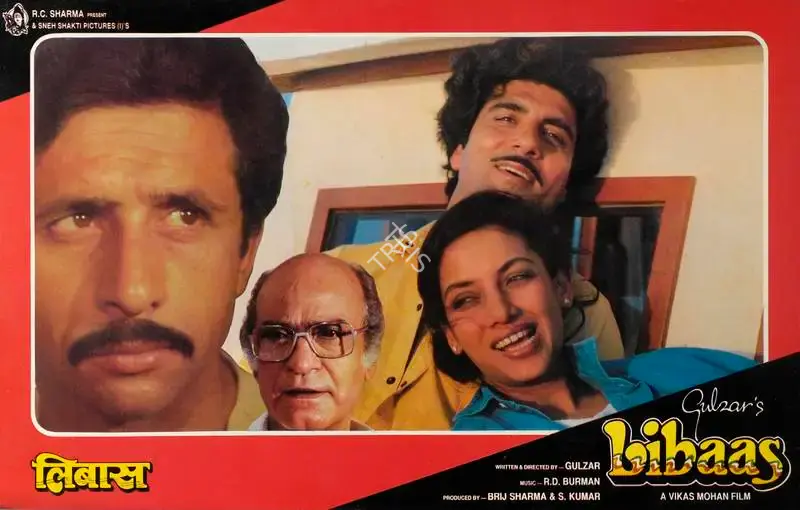
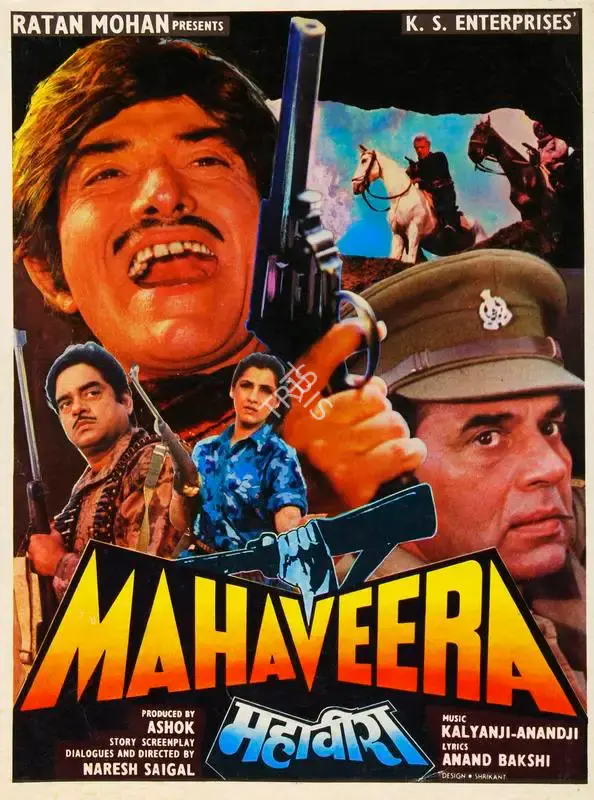
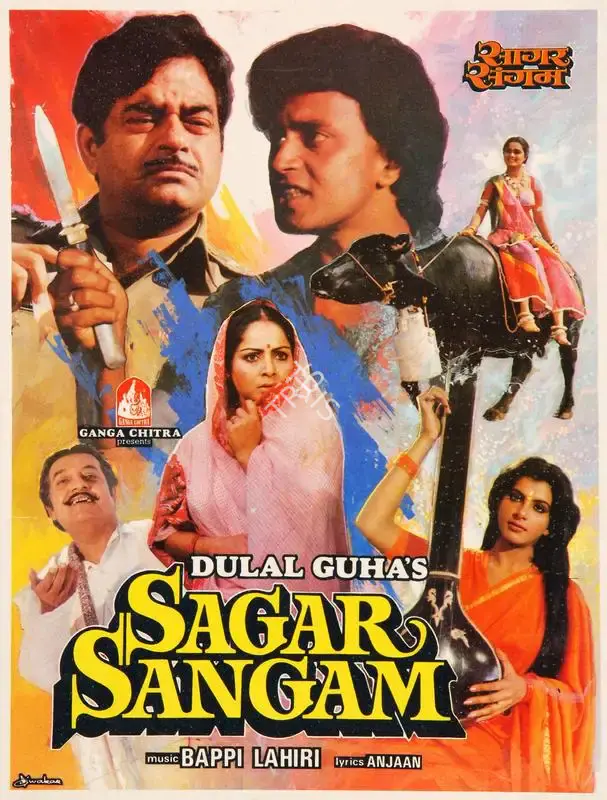
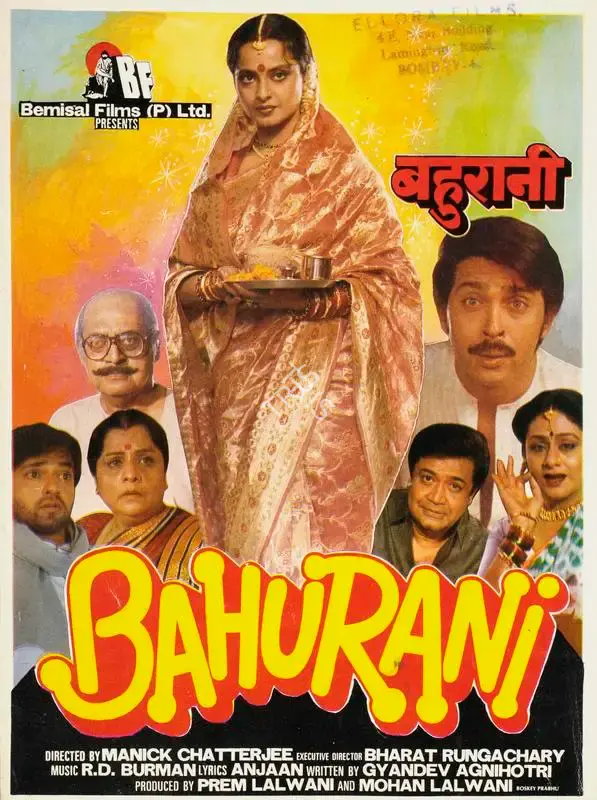
Integrated Timeline
8 entries
Economics of Cinema
2022
- Toronto International Film FestivalFilm Festival
Toronto, Ontario, Canada · 08 Sep 2022
- Bengal International Film FestivalFilm Festival
Kolkata · 24 Mar 2023
2024
- 55th International Film Festival of IndiaFilm Festival
20 Nov 2024
1970
- National Film Award
Best Actor (Male) · Ministry of Information and Broadcasting
1980
- Filmfare Award
Best Comedian · The Times Group
1982
- Filmfare Award
Best Comedian · The Times Group
1984
- Filmfare Award
Best Comedian · The Times Group
1990
- Sangeet Natak Akademi Fellowship
Sangeet Natak Akademi Fellowship for Lifetime Contribution to Theatre
1993
- BFJA Awards
Best Actor · Bengal Film Journalists Association
Research Centre
Related
35
Films
20
Personalities
14