

Mammo1994
Introduction
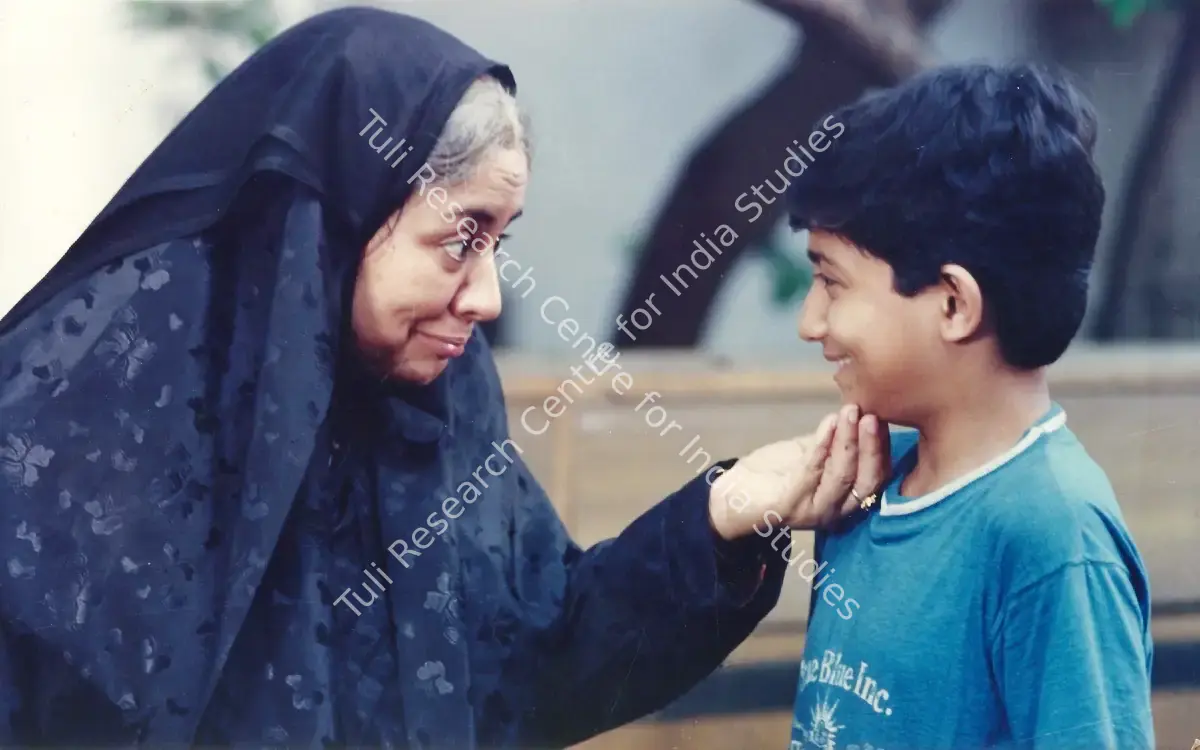
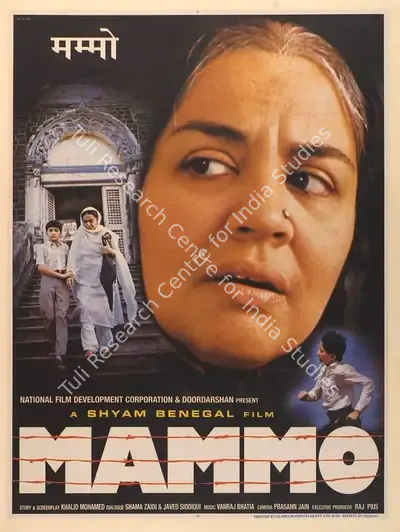
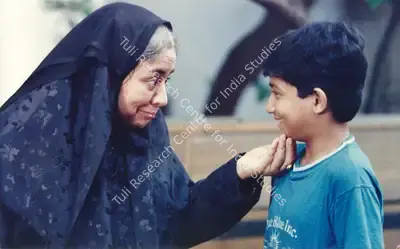
Mammo (1994) Directed by Shyam Benegal, the film is a poignant exploration of identity, memory, and displacement in post-Partition India. Starring Farida Jalal in the titular role alongside Surekha Sikri, Rajit Kapur, and Amit Phalke, the film received critical acclaim and won the National Film Award for Best Feature Film in Hindi (1995). Farida Jalal was honored with the Filmfare Critics Award for Best Performance, while Surekha Sikri earned the National Film Award for Best Supporting Actress, both lauded for their deeply nuanced portrayals.
Mammo marked the beginning of Benegal's celebrated “Muslim Trilogy,” followed by Sardari Begum (1996) and Zubeidaa (2001). The film's screenplay, written by journalist and critic Khalid Mohamed, was inspired by his own grandmother. Originally, the role of Mammo was written for Waheeda Rehman, who declined due to the politically sensitive nature of the subject. Farida Jalal was then cast, delivering one of the finest performances of her career.
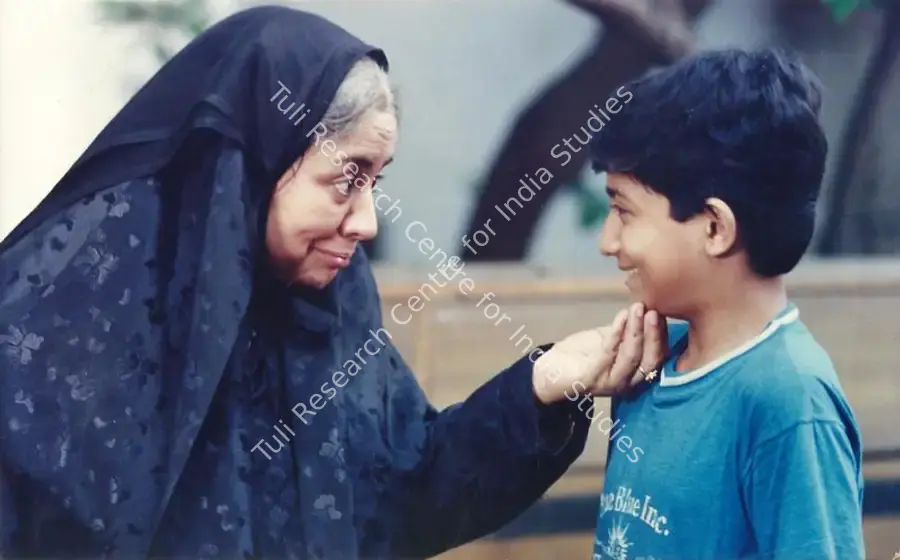
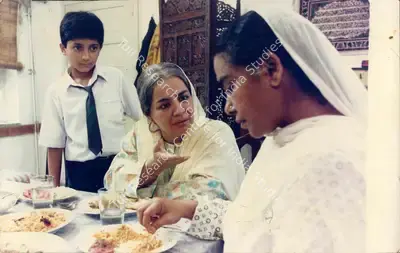
Set in the early 1990s, the film revolves around Mammo, a Pakistani widow who travels to Mumbai to live with her sister Fayyuzi (played by Surekha Sikri) and her teenage grandson Riyaz (Amit Phalke). Mammo's temporary visit soon becomes a prolonged stay, as her attempts to extend her visa are met with bureaucratic resistance and political indifference. The narrative subtly captures the emotional aftershocks of Partition, especially as experienced by those caught between two nations and two identities.
Mammo is not just a political film, it is a deeply human story. Through intimate domestic scenes and warm character interactions, Benegal brings to life the pain of exile and the longing for belonging. The film touches on themes of citizenship, memory, and familial bonds, asking who gets to belong and at what cost.
The film's melancholic score was composed by Vanraj Bhatia, with lyrics by Gulzar. The ghazal Yeh Faasle Teri Galiyon Ke Humse Taye Na Huye, sung soulfully by Jagjit Singh, beautifully underscores Mammo's sense of alienation and yearning.
Though critically celebrated, the film did not perform well commercially, grossing just ₹1.5 lakh against a budget of ₹15 lakh, and was labelled a "disaster" at the box office. Yet, over time, Mammo has earned its place as one of Benegal's most powerful and enduring works, celebrated for its quiet realism and emotional depth.
मम्मो के साथ बेनेगल की प्रसिद्ध “मुस्लिम त्रयी” फ़िल्मों की शुरुआत होती है जिसमें बाद में सरदारी बेगम (1996) और जुबैदा (2001) जैसी फ़िल्मों के नाम जुड़े। इस फ़िल्म की पटकथा पत्रकार और चर्चित फ़िल्म समीक्षक ख़ालिद मोहम्मद ने लिखी थी और यह उनकी अपनी दादी के किरदार से प्रेरित थी। फ़िल्म में मूल रूप से मम्मो की केंद्रीय भूमिका वहीदा रहमान को ध्यान में रखकर लिखी गई थी, लेकिन उन्होंने इस विषय की राजनैतिक संवेदनशीलता को देखते हुए इसे करने से इनकार कर दिया। इसके बाद इस भूमिका के लिए फ़रीदा जलाल को चुना गया जिन्होंने अपने करियर की सबसे यादगार भूमिका में से एक को करते हुए अविस्मरणीय अभिनय प्रस्तुत किया।
इस फ़िल्म की कहानी 1990 के दशक के शुरुआती हिस्से में घटित होती है। मम्मो का किरदार एक पाकिस्तानी विधवा स्त्री का किरदार है जो अपनी बहन फ़ैय्याज़ी (सुरेखा सीकरी) और किशोरवय पोते रियाज़ (अमित फाल्के) के साथ कुछ वक्त बिताने मुम्बई, हिन्दुस्तान आई है। उनका यह थोड़े समय का भारत प्रवास धीरे-धीरे लम्बा होता चला जाता है क्योंकि वीज़ा बढ़ाने की उनकी तमाम कोशिशें नौकरशाही के भ्रष्टाचार और राजनैतिक उदासीनता के चलते नक्कारखाने में तूती की तरह गूँजती रह जाती हैं। फ़िल्म की कथा बहुत बारीक़ी से विभाजन से जुड़े उस भावनात्मक तनाव को उभारती है जिसे दो मुल्कों में बंटे दो भिन्न पहचानों में खोकर रह गए इंसानों ने अपने दैनंदिन अनुभवों में रोज़ भुगता था।
मम्मो को बँटवारे पर बनी राजनैतिक फ़िल्म के खाँचे में कैद नहीं किया जा सकता। यह बहुत गहराई तक जाकर इंसानी दर्द की कहानी कहती है। घरेलू किस्म के दृश्यों और आत्मीय संवादों के माध्यम से बेनेगल निर्वासन के दर्द और अपनों से बिछड़े इंसानों के भीतर मौजूद आत्मीयता पाने की लालसा को ज़िन्दा करते हैं। यह फ़़िल्म नागरिकता, स्मृति और पारिवारिक रिश्तों जैसे प्रश्नों को उठाते हुए पूछती है कि आखिर किसी को अपनापन किन रिश्तों से मिलता है, और उसे इसकी क्या कीमत चुकानी पड़ती है।
इस फ़िल्म के मूड के मुताबिक इसका उदासी भरा संगीत वनराज भाटिया ने तैयार किया था और इसके लिए गीतों के बोल गुलज़ार ने लिखे थे। फ़िल्म के लिए मशहूर गज़ल गायक जगजीत सिंह की गाई ग़ज़ल “ये फ़ासले तेरी गलियों के हमसे तय न हुए” मम्मो के किरदार की पराया कर दिये जाने की चुभन और इस अलगाव से उपजी गहरी तड़प को बहुत खूबसूरती से अभिव्यक्त करती है।
हालाँकि आलोचकों ने इसे खूब सराहना मिली लेकिन व्यावसायिक रूप से यह फ़िल्म कामयाब नहीं रही। कुल 15 लाख रुपये के बजट में बनी मम्मो टिकट खिड़की पर सिर्फ़ 1 लाख 50 हज़ार रुपये की कमाई ही कर पाई और इसे व्यावसायिक रूप से एक 'डिज़ास्टर' घोषित किया गया। पर समय बीतने के साथ मम्मो ने बेनेगल की बनाई सबसे प्रभावशाली फ़िल्मों की सूची में स्थान हासिल किया, जिसे इसके संयत यथार्थवाद और जज़्बाती गहराई के लिए आज भी याद किया जाता है।
Body of Work
Research Centre
Related
1
Personalities
1