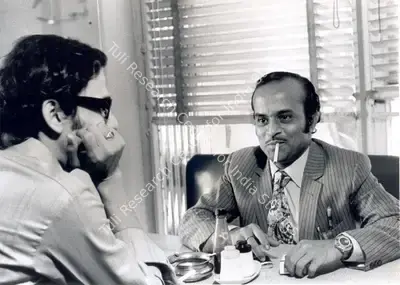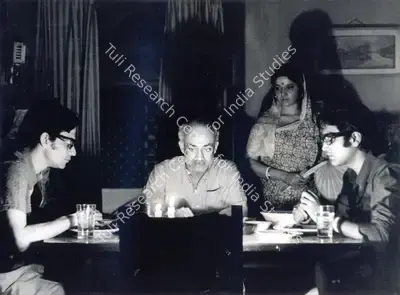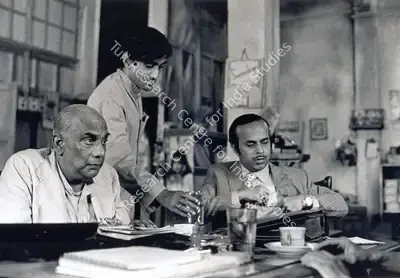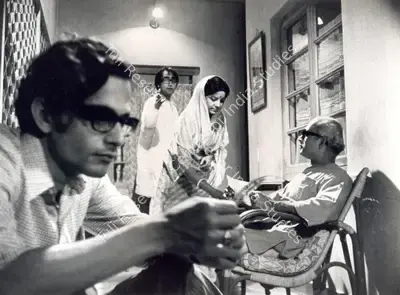

Jana Aranya1976
Introduction
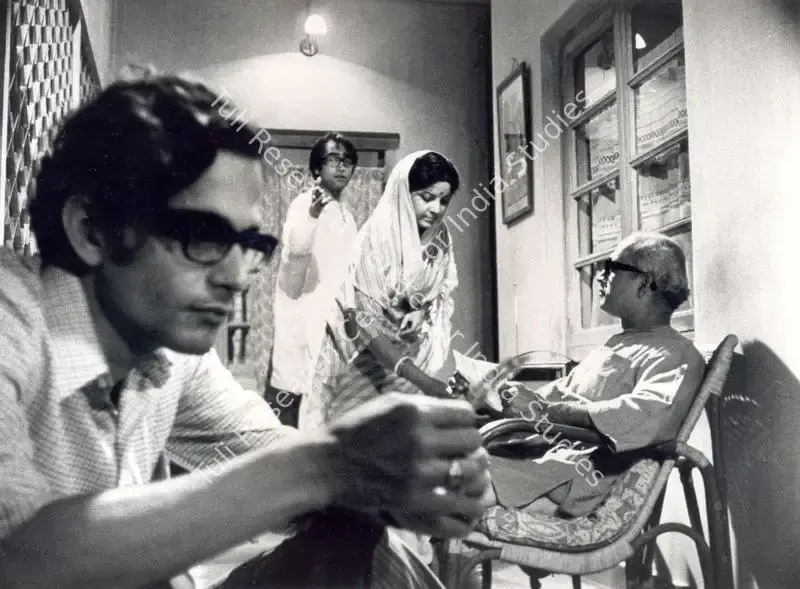
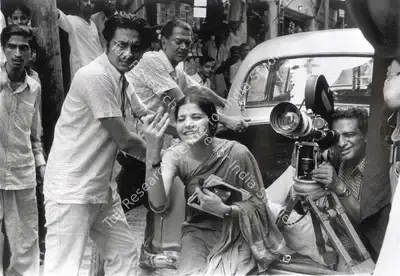
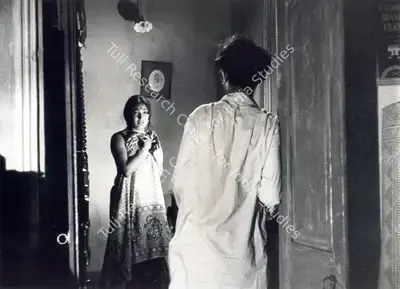
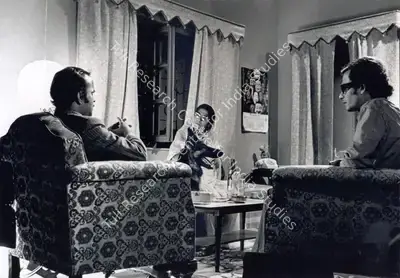
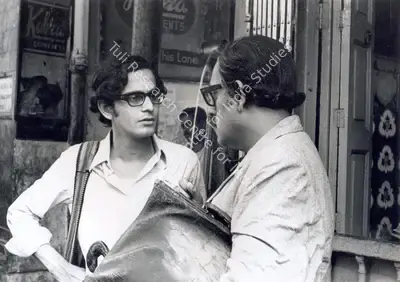
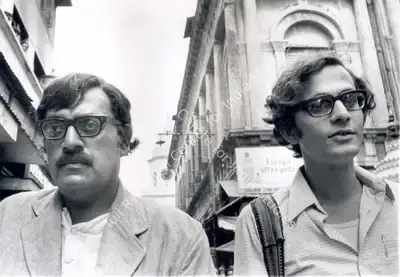
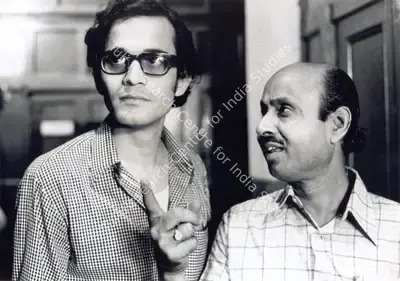
Jana Aranya (The Middleman, 1976) a sombre jewel in the crown of Indian cinema, the film stands as the final testament in Satyajit Ray's poignant Calcutta Trilogy, preceded by Pratidwandi (The Adversary, 1970) and Seemabaddha (Company Limited, 1971). Adapted from the novel by Mani Shankar Mukherjee, this Bengali film offers a searing, intimate portrait of a society caught in the vice-grip of moral erosion and economic desperation.
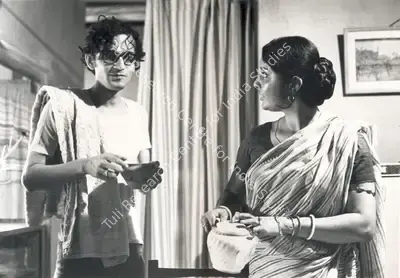
Led by the understated yet powerful performance of Pradip Mukherjee as Somnath Banerjee, the cast includes luminaries such as Satya Banerjee, Dipankar Dey, Lily Chakravarti, Aparna Sen, Gautam Chakraborty, Sudeshna Das, Utpal Dutt, and Rabi Ghosh. The ensemble is further enriched by evocative turns from Bimal Deb, Santosh Dutta, Soven Lahiri, and Padmadevi.
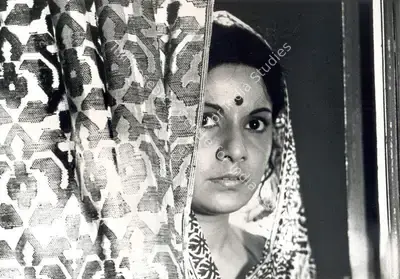
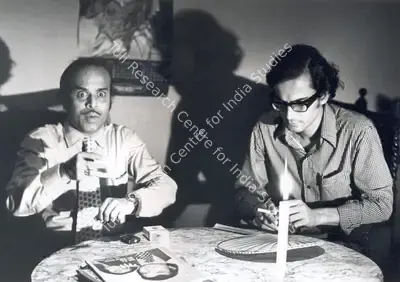
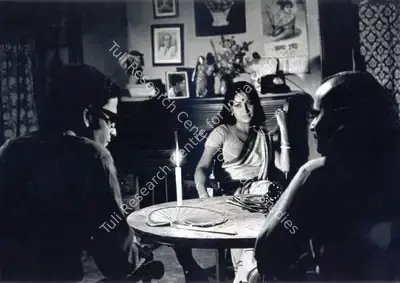
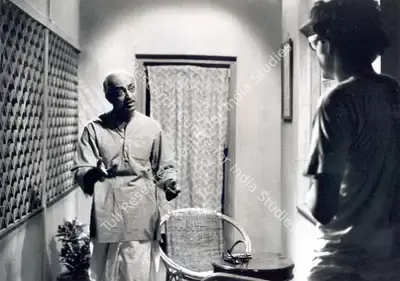
Shot in stark and evocative black and white, Ray employs chiaroscuro lighting to haunting effect, half-illuminated faces in the film's nocturnal scenes echo the fractured ethics and inner turmoil of its characters. The austere outer world of ruthless commerce and compromise is delicately juxtaposed against the tender sanctuary of home, especially through the quiet dignity and compassion of Somnath's sister-in-law.
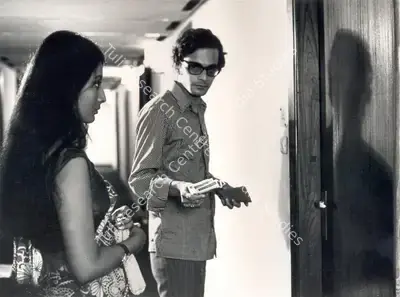
At its heart, Jana Aranya is a tragic elegy for a generation of educated youth adrift in the storm of post-colonial capitalism. The protagonist, Somnath, a young man full of quiet hope and inherited virtue, finds himself repeatedly thwarted by a job market that mocks merit. Pushed to the margins, he follows the counsel of the pragmatic Bishuda and ventures into the morally murky waters of freelance sales, becoming what the world calls a “middleman.”
What begins as enterprise soon degenerates into complicity. In a climactic moral nadir, Somnath is compelled to procure a woman for a client only to discover, with cruel irony, that she is none other than the sister of his close friend, Sukumar, who himself has turned taxi driver after suffering similar defeats. In that moment, the veil is torn: Somnath chooses profit over conscience, winning the contract, but losing a part of his soul.
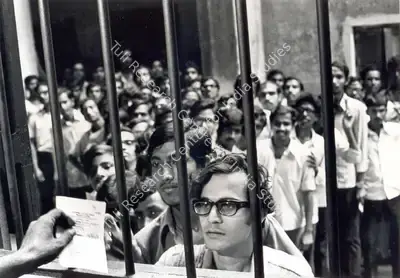
Ray's lens is unflinching, Jana Aranya is perhaps his most cynical and uncompromising work, and one he regarded with profound gravity. It is a film that whispers rather than declares, exposing the slow decay of ideals under the weight of familial expectation and societal indifference. Through silence and sound, most memorably in the exam hall, where ambient noise supplants musical score, Ray achieves a stark realism that borders on the poetic.
Critics have lauded its quiet power. Jonathan Rosenbaum of The Chicago Reader draws parallels to The Apartment and Faces, praising its performances and the realism of its mise-en-scène. Leah Garchik of SF Gate sees in Ray's work an elegant counterpoint to Roger & Me, noting the subtle, sophisticated critique that simmers beneath the surface. She invokes the “insidious amorality” birthed from the suffocating mandate to succeed, a force both personal and systemic.
Not all voices were unanimous. Elliott Stein of Film Comment criticized the film's predictability, but others like Vincent Canby of The New York Times, acknowledged its power, calling it “bleak and pessimistic,” yet a definitive expression of hopelessness.
Honoured with multiple accolades, including Best Direction (New Delhi, 1975) and the Karlovy Vary Prize (1976), Jana Aranya endures not merely as a film, but as a lament—elegant, harrowing, and uncomfortably true.
Preserved by the Academy Film Archive in 1996, this masterwork remains an enduring mirror held up to the faces of those who must navigate the perilous commerce between conscience and survival.
फ़िल्म में प्रदीप मुखर्जी द्वारा निभाया गया सोमनाथ बनर्जी का किरदार अपने संयमित लेकिन गहरे अभिनय के चलते याद किया जाता है। अन्य कलाकारों में सत्य बनर्जी, दीपांकर डे, लिली चक्रवर्ती, अपर्णा सेन, गौतम चक्रवर्ती, सुदेशना दास, उत्पल दत्त और रबी घोष जैसे कलाकारों के नाम शामिल हैं। इनके साथ बिमल देब, संतोष दत्ता, सोवेन लाहिड़ी और पद्मादेवी के अभिनय ने भी फ़िल्म को गहराई दी है।
स्याह और सफेद का तीव्र विरोधाभास रचकर फ़िल्माई गई इस फ़िल्म की दृश्यभाषा राय की प्रकाश और छाया की बेजोड़ समझ का उदाहरण है। रात के दृश्यों में आधे रौशन चेहरे इन किरदारों के भीतर के नैतिक द्वंद्व को प्रतिबिंबित करते हैं। पैसे पर चलते निर्दयी संसार की कठोरता के समांतर राय घरेलू जीवन की करुणा और गरिमा को रख देते हैं, ख़ासकर सोमनाथ की भाभी के शांत, विवेकवान और स्नेही किरदार के माध्यम से।
जन अरण्य मूलतः उस शिक्षित युवा पीढ़ी का शोकगीत है जो स्वतंत्रता के बाद निर्मित हुए पूंजीवादी समाज की दिशाहीनता में भटक गई है। इसका नायक सोमनाथ एक शांत, सदाचारी और आशावान युवा है। एक अदद नौकरी हासिल करने की कोशिश में वह बार-बार ठोकर खाता है। इस दुनिया में उसकी योग्यता का उपहास उड़ाया जाता है। हाशिये पर धकेल दिया गया सोमनाथ अपने अधिक चतुर मित्र बिशुदा की सलाह मानकर स्वतंत्र ख़रीद-फ़रोख्त के धंधे में उतरता है और धीरे-धीरे एक 'मिडिलमैन' या मध्यस्थ बनकर रह जाता है।
जो उद्यम के रूप में शुरू होता है वह देखते ही देखते एक नैतिक समझौते में बदल जाता है। फ़िल्म के एक उल्लेखनीय पल में सोमनाथ को अपने ग्राहक के लिए एक स्त्री की व्यवस्था करनी पड़ती है। उसे यह जानकर बड़ा सदमा लगता है कि वह स्त्री उसके जिगरी दोस्त रहे सुकुमार की बहन है। खुद सुकुमार बेरोज़गारी के चलते टैक्सी चालक बन चुका है। उस क्षण सत्य की इमारत भरभराकर ढह जाती है। सोमनाथ फ़ायदे को अंतःकरण पर वरीयता देता है और सौदा पटा लेता है, लेकिन उसकी आत्मा उसी दिन मृत समान हो जाती है।
सत्यजित राय का कैमरा यहाँ निर्मम है। जन अरण्य शायद उनकी सबसे निराशावादी और समझौताविहीन फ़िल्म है। राय ने इसे पूरी गंभीरता से बनाया है। यह घोषणा नहीं करती बल्कि फ़ुसफ़ुसाकर सत्य कहती है। यह दिखाती है कि किस तरह पारिवारिक अपेक्षाएँ और सामाजिक उदासीनता आदर्शों को धीरे-धीरे गलाती चली जाती हैं। फ़िल्म में मौन और ध्वनि का प्रयोग विलक्षण है। ख़ासतौर से परीक्षाहॉल वाले दृश्य में जहाँ संगीत के स्थान पर वातावरण से निकलती खुरदुरी आवाज़ें सुनाई देती हैं, यह फ़िल्म वहाँ काव्यात्मक यथार्थवाद को छू लेती है।
समीक्षकों ने इसके मौन की ताक़त की सराहना की है। 'दि शिकागो रीडर' के जोनाथन रोसेनबॉम ने इसकी तुलना बिली विल्डर की दि अपार्टमेंट (1960) और जॉन कासावेटेस की फेसेस (1968) से की और इसमें कलाकारों के अभिनय तथा दृश्य संरचना की प्रामाणिकता की प्रशंसा की। 'एसएफ़ गेट' की लिया गार्चिक ने इसे माइकल मूर की रॉजर एंड मी (1989) का नफ़ीस पूरक कहा और बताया कि कैसे राय सतह के नीचे मौजूद बारीक़ परिष्कृत सामाजिक आलोचना खड़ी करते हैं। यह ऐसी “धीरे-धीरे फ़ैलती अमानवीयता” का चित्रण है जो हर हाल में कामयाबी हासिल करने के सामाजिक दबाव से जन्म लेती है।
हालाँकि सभी समीक्षकों का मत ऐसा नहीं था। 'फ़िल्म कमेंट' के एलियट स्टाइन ने इस फ़िल्म के तयशुदा अन्त को लेकर आलोचना की। लेकिन 'दि न्यूयॉर्क टाइम्स' के विन्सेंट कैनबी ने फ़िल्म की गंभीरता को रेखांकित करते हुए लिखा कि यह “उदास और निराशावादी” है लेकिन निराशा को एक निर्णायक तरीके से प्रस्तुत करने का उम्दा उदाहरण भी है।
सन् 1975 में नई दिल्ली में 'सर्वश्रेष्ठ निर्देशन' का पुरस्कार और सन् 1976 में 'कार्लोवी वैरी' पुरस्कार हासिल करनेवाली जन अरण्य बस एक फ़िल्म भर नहीं, एक सिनेमाई विलापगीत है। उज्ज्वल, व्यथित करने वाला और असहज करने की हद तक सच्चा शोकगीत।
सन् 1996 में 'एकेडेमी फ़िल्म आर्काइव' द्वारा संरक्षित यह उम्दा रचना आज भी एक आईने की तरह मौजूद है। उन चेहरों का आईना जिन्हें अपनी आत्मा की रक्षा और अस्तित्व की रक्षा के बीच मौजूद इस कठिन द्वंद्व में रोज़ अपने आत्म की बलि देनी पड़ती है।
Body of Work