
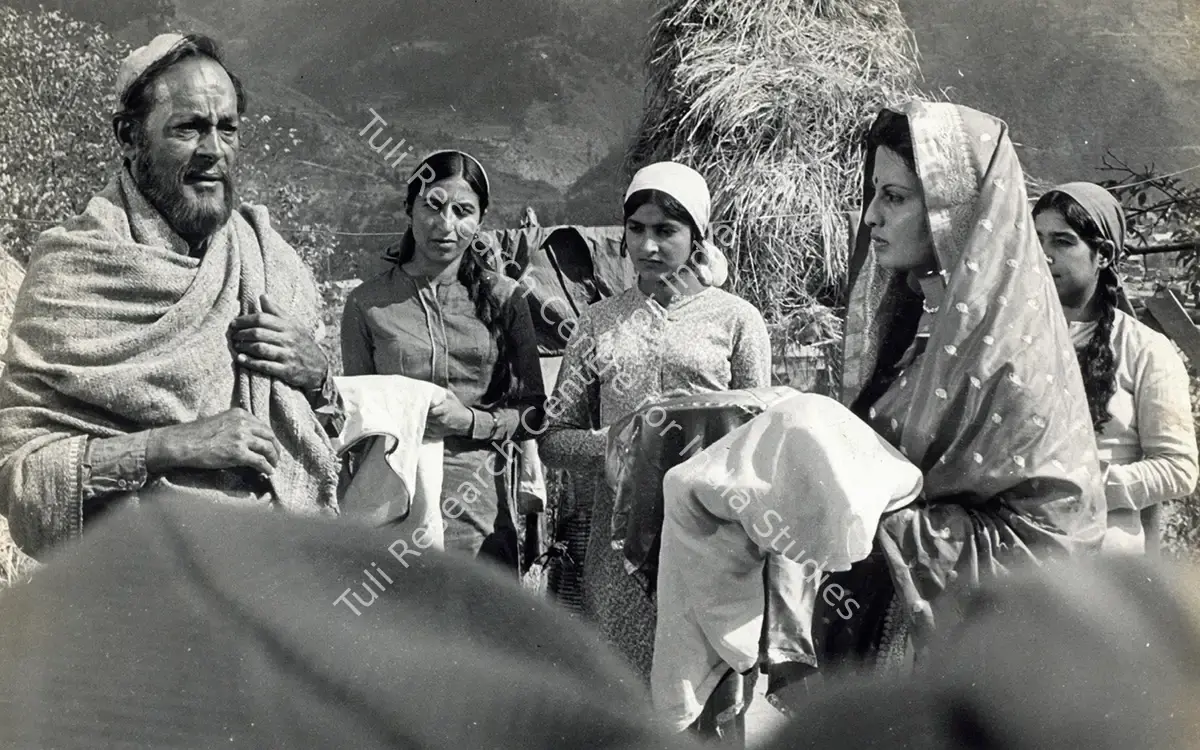
Iftekhar

Iftekhar
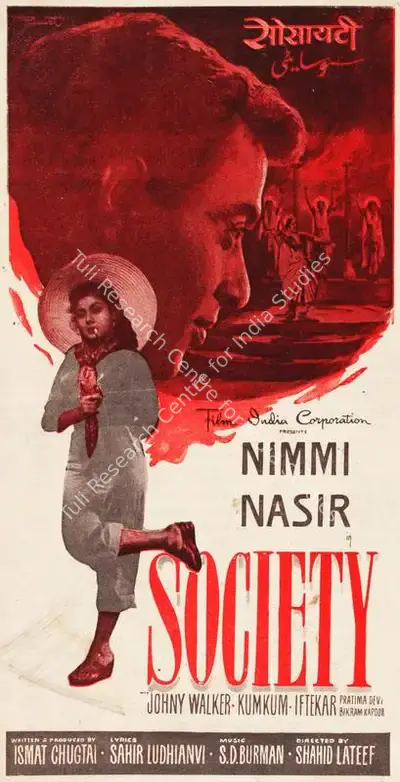
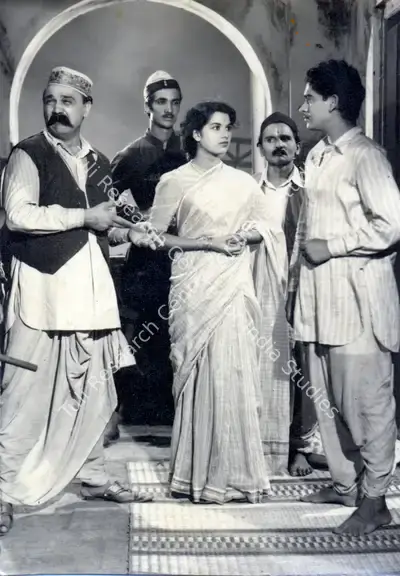
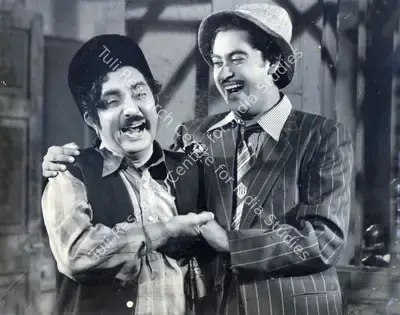
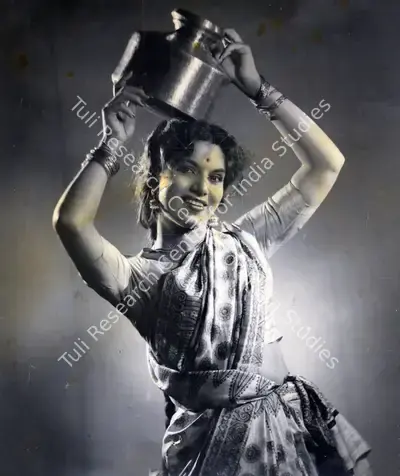
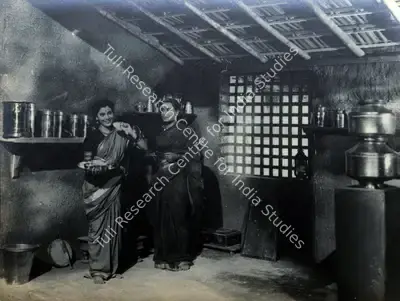
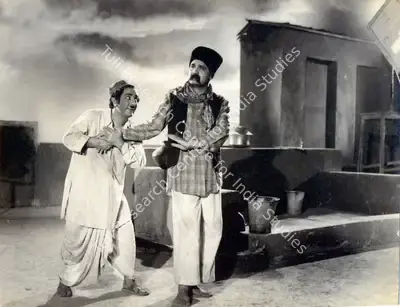
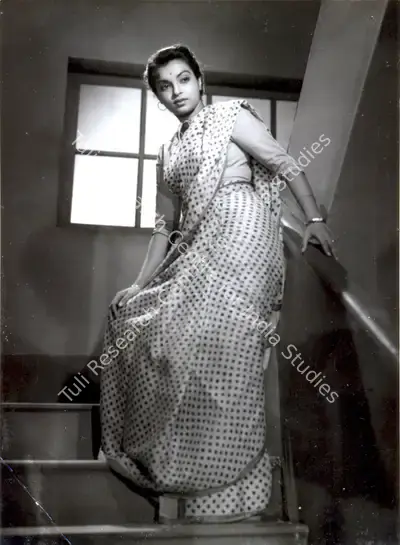
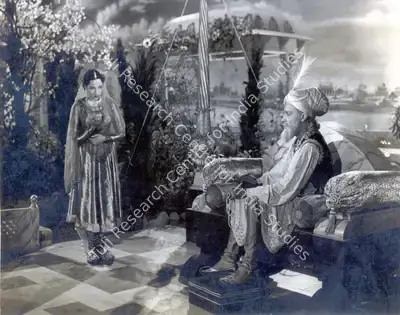
Iftekhar Ahmed Sharif (22 February 1920 – 4 March 1995) popularly known simply as Iftekhar or Iftikhar was a prolific Indian actor whose career in Hindi cinema spanned nearly five decades. Renowned for his dignified screen presence and commanding performances, he became one of cinema's most dependable character actors, particularly during the 1960s and 1970s. Born in Jalandhar, Iftekhar was the eldest of four brothers and a sister. After completing his matriculation, he pursued a diploma in painting from the Lucknow College of Arts. A gifted singer with a deep admiration for Kundan Lal Sehgal, he travelled to Calcutta in his early twenties to audition for music composer Kamal Dasgupta of His Master's Voice. Although he did not enter music professionally, Dasgupta was impressed by his personality and recommended him to M. P. Productions, paving the way for an acting career. Iftekhar made his film debut with Taqraar (1944), produced in Calcutta. The Partition of India proved to be a turning point in his life: while most of his family migrated to Pakistan, communal violence forced him to leave Calcutta. He relocated to Bombay with his wife and daughters, initially facing financial hardship. An earlier acquaintance with actor Ashok Kumar helped him secure a role in Muqaddar (1950) under the Bombay Talkies banner. Thereafter, his career gathered momentum, ultimately encompassing over 400 films from the 1940s to the early 1990s. Like many actors of his generation, Iftekhar began as a leading man before transitioning into character roles. Though frequently typecast as a police officer, he displayed remarkable versatility, portraying fathers, uncles, judges, doctors, advocates, and antagonists. His most memorable performances include the corrupt industrialist in Yash Chopra's Deewaar (1975), the principled police inspector in Zanjeer (1973), and key roles in Don (1978), Bandini, Sangam, Sholay, and numerous Rajesh Khanna films. Beyond Hindi cinema, Iftekhar appeared in international projects such as the American television series Maya (1967) and the English-language films Bombay Talkie (1970) and City of Joy (1992). He was married to Hannah Joseph, a Jewish woman from Calcutta who converted to Islam and took the name Hina Ahmed. They had two daughters; one, Sayeda, passed away shortly before Iftekhar's own death in 1995.
Iftekhar
Iftekhar Ahmed Sharif (22 February 1920 – 4 March 1995) popularly known simply as Iftekhar or Iftikhar was a prolific Indian actor whose career in Hindi cinema spanned nearly five decades. Renowned for his dignified screen presence and commanding performances, he became one of cinema's most dependable character actors, particularly during the 1960s and 1970s. Born in Jalandhar, Iftekhar was the eldest of four brothers and a sister. After completing his matriculation, he pursued a diploma in painting from the Lucknow College of Arts. A gifted singer with a deep admiration for Kundan Lal Sehgal, he travelled to Calcutta in his early twenties to audition for music composer Kamal Dasgupta of His Master's Voice. Although he did not enter music professionally, Dasgupta was impressed by his personality and recommended him to M. P. Productions, paving the way for an acting career. Iftekhar made his film debut with Taqraar (1944), produced in Calcutta. The Partition of India proved to be a turning point in his life: while most of his family migrated to Pakistan, communal violence forced him to leave Calcutta. He relocated to Bombay with his wife and daughters, initially facing financial hardship. An earlier acquaintance with actor Ashok Kumar helped him secure a role in Muqaddar (1950) under the Bombay Talkies banner. Thereafter, his career gathered momentum, ultimately encompassing over 400 films from the 1940s to the early 1990s. Like many actors of his generation, Iftekhar began as a leading man before transitioning into character roles. Though frequently typecast as a police officer, he displayed remarkable versatility, portraying fathers, uncles, judges, doctors, advocates, and antagonists. His most memorable performances include the corrupt industrialist in Yash Chopra's Deewaar (1975), the principled police inspector in Zanjeer (1973), and key roles in Don (1978), Bandini, Sangam, Sholay, and numerous Rajesh Khanna films. Beyond Hindi cinema, Iftekhar appeared in international projects such as the American television series Maya (1967) and the English-language films Bombay Talkie (1970) and City of Joy (1992). He was married to Hannah Joseph, a Jewish woman from Calcutta who converted to Islam and took the name Hina Ahmed. They had two daughters; one, Sayeda, passed away shortly before Iftekhar's own death in 1995.

Introduction

Filmography

Print
Loading...

Research Centre
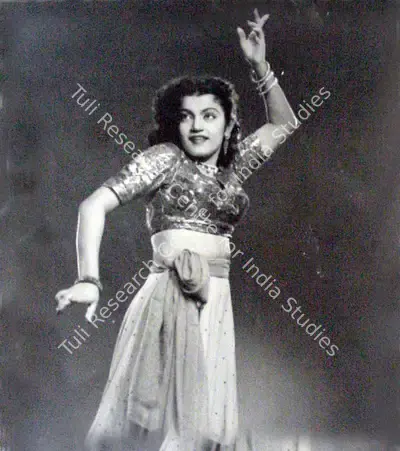
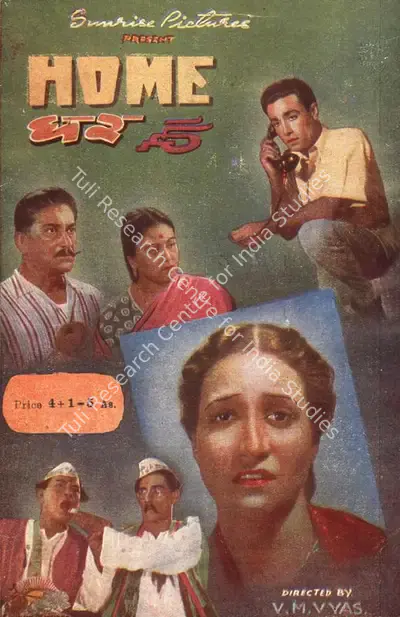
Vyas, V.M. (Director), Ghar, 1945 | Song-Synopsis Booklet

Vyas, V.M. (Director), Ghar, 1945 | Song-Synopsis Booklet

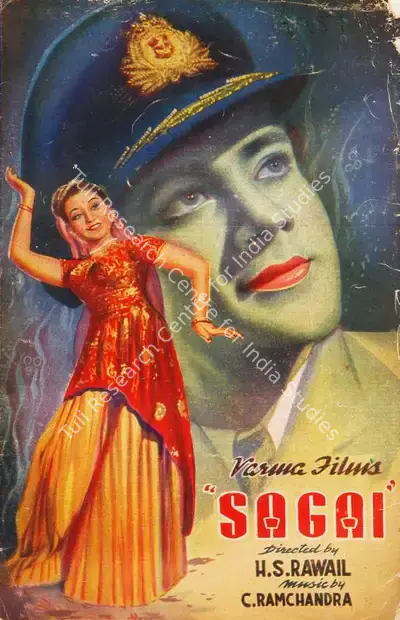
Rawail, H.S. (Director), Sagai, 1951 | Song-Synopsis Booklet

Rawail, H.S. (Director), Sagai, 1951 | Song-Synopsis Booklet

Rawail, H.S. (Director), Sagai, 1951 | Photographic Still

Rawail, H.S. (Director), Sagai, 1951 | Photographic Still

Rawail, H.S. (Director), Sagai, 1951 | Photographic Still

Rawail, H.S. (Director), Sagai, 1951 | Photographic Still

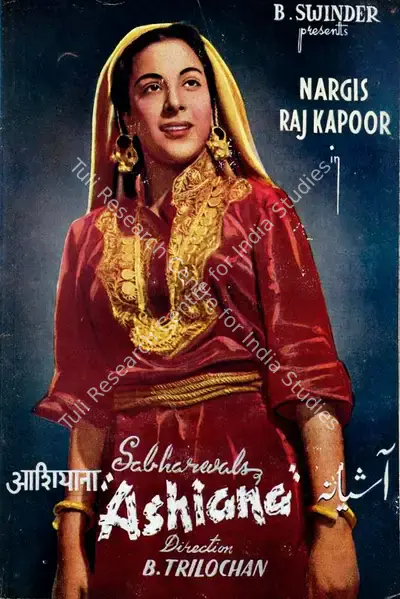
Sabharwal, B. Swinder Singh (Producer), Ashiana, 1952 | Song-Synopsis Booklet

Sabharwal, B. Swinder Singh (Producer), Ashiana, 1952 | Song-Synopsis Booklet

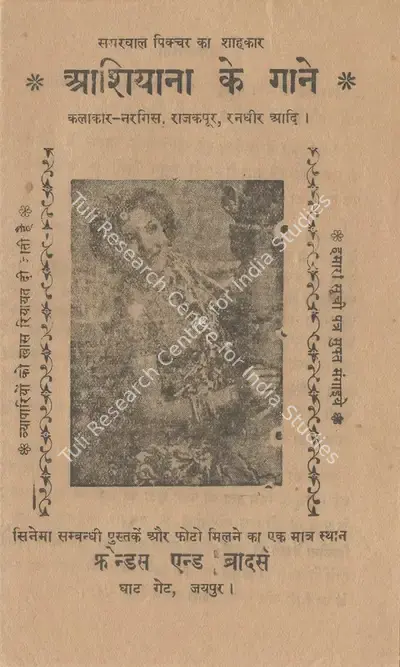
Sabharwal, B. Swinder Singh (Producer), Ashiana, 1952 | Cyclostyled Lyrics Leaflet

Sabharwal, B. Swinder Singh (Producer), Ashiana, 1952 | Cyclostyled Lyrics Leaflet

Avadhut, V. (Cinematographer), Ashiana, 1952 | Photographic Still

Avadhut, V. (Cinematographer), Ashiana, 1952 | Photographic Still

Avadhut, V. (Cinematographer), Ashiana, 1952 | Photographic Still

Avadhut, V. (Cinematographer), Ashiana, 1952 | Photographic Still

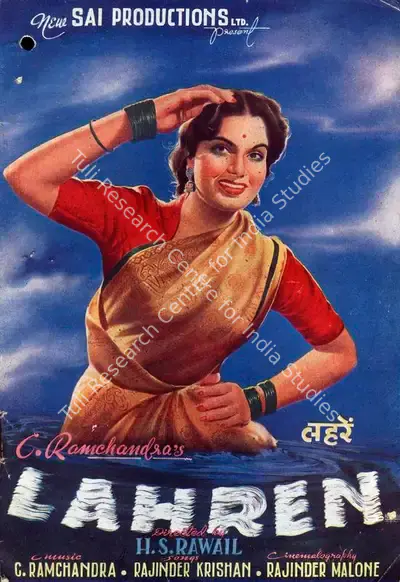
Ramchandra, C. (Producer), Lahren, 1953 | Song-Synopsis Booklet

Ramchandra, C. (Producer), Lahren, 1953 | Song-Synopsis Booklet

Ramchandra, C. (Producer), Lahren, 1953 | Photographic Still

Ramchandra, C. (Producer), Lahren, 1953 | Photographic Still

Ramchandra, C. (Producer), Lahren, 1953 | Photographic Still

Ramchandra, C. (Producer), Lahren, 1953 | Photographic Still

Ramchandra, C. (Producer), Lahren, 1953 | Photographic Still

Ramchandra, C. (Producer), Lahren, 1953 | Photographic Still

Ramchandra, C. (Producer), Lahren, 1953 | Photographic Still

Ramchandra, C. (Producer), Lahren, 1953 | Photographic Still

Ramchandra, C. (Producer), Lahren, 1953 | Photographic Still

Ramchandra, C. (Producer), Lahren, 1953 | Photographic Still

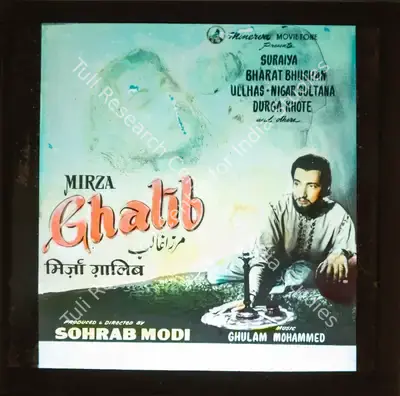
Modi, Sohrab (Producer), Mirza Ghalib, 1954 | Glass Slide

Modi, Sohrab (Producer), Mirza Ghalib, 1954 | Glass Slide

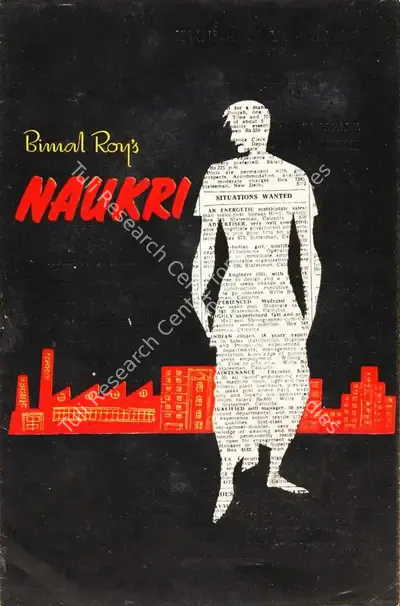
Roy, Bimal (Producer), Naukri, 1954 | Song-Synopsis Booklet

Roy, Bimal (Producer), Naukri, 1954 | Song-Synopsis Booklet

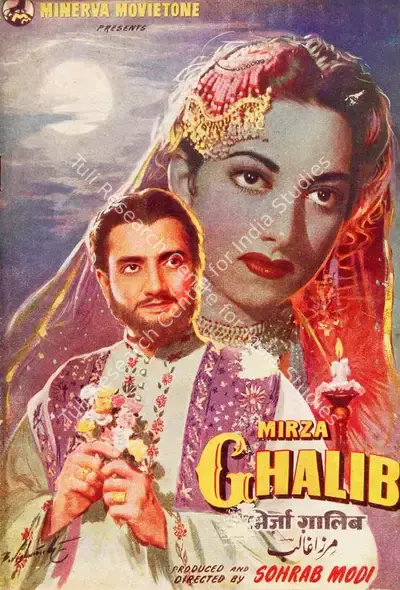
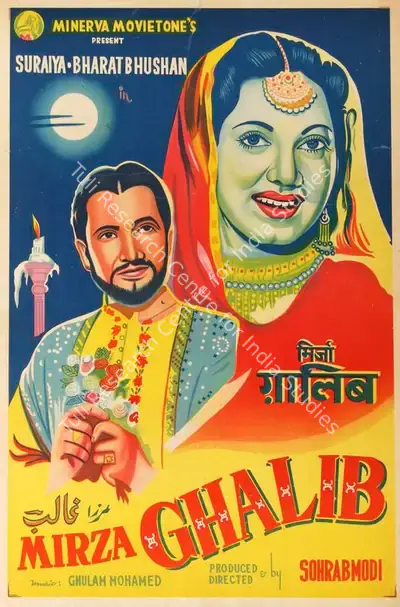
Modi, Sohrab (Producer), Mirza Ghalib, 1954 | Half Sheet Poster

Modi, Sohrab (Producer), Mirza Ghalib, 1954 | Half Sheet Poster

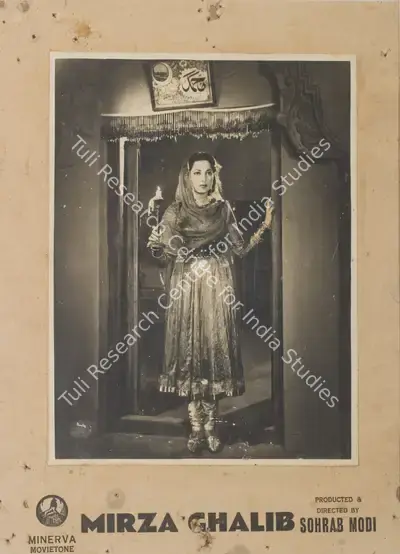
Avadhut, V. (Cinematographer), Mirza Ghalib, 1954 | Photographic Still Mounted on Lobby Card

Avadhut, V. (Cinematographer), Mirza Ghalib, 1954 | Photographic Still Mounted on Lobby Card

Avadhut, V. (Cinematographer), Mirza Ghalib, 1954 | Photographic Still Mounted on Lobby Card

Avadhut, V. (Cinematographer), Mirza Ghalib, 1954 | Photographic Still Mounted on Lobby Card

Modi, Sohrab (Producer), Mirza Ghalib, 1954 | Cyclostyled Lyrics Leaflet

Modi, Sohrab (Producer), Mirza Ghalib, 1954 | Cyclostyled Lyrics Leaflet

Loading...
TRIS logo image