
Introduction
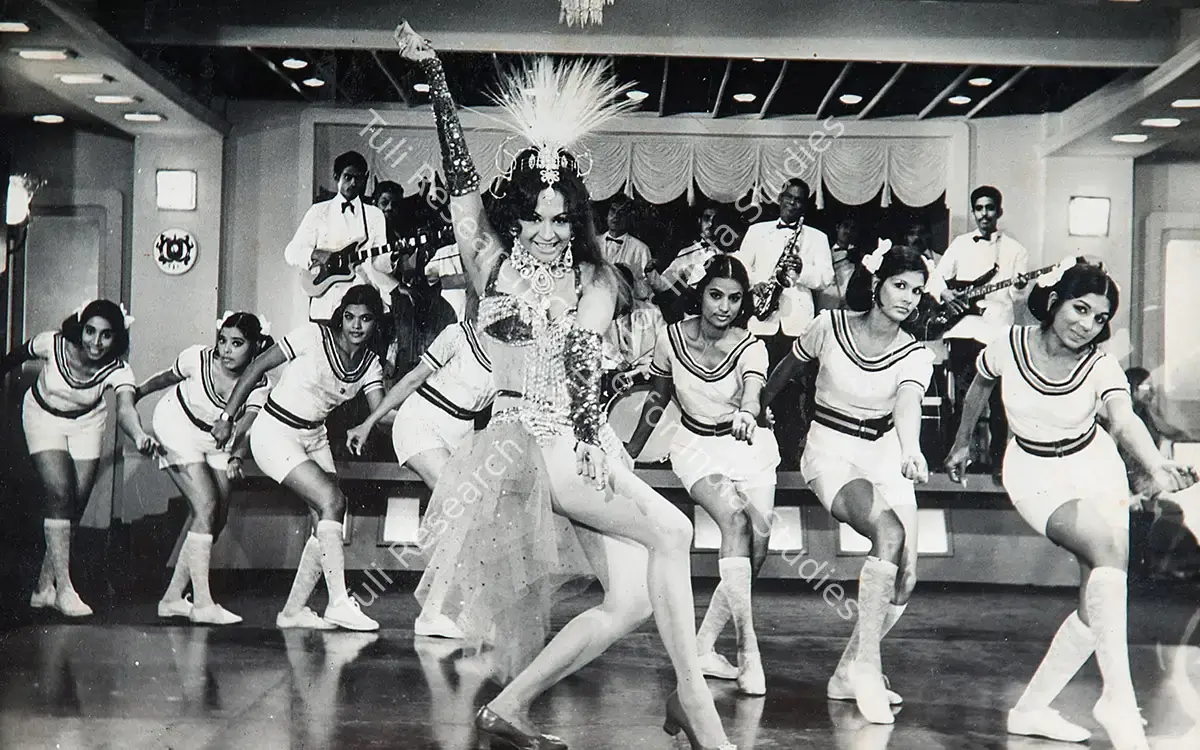
Helen stands apart as an indelible figure in the cultural history of Indian popular cinema, her artistry having profoundly enlarged its vocabulary of movement, music, and spectacle. More than a dancer or performer, she became one of Hindi cinema's defining screen personalities, transforming the visual and musical vocabulary of the film song through her distinctive technique, instinctive musicality, expressive movement, and magnetic presence. Trained in both classical Indian and Western dance traditions, she developed a style that brought together rhythm, gesture, costume, music, theatricality, and camera movement with extraordinary precision. She made dance not simply an embellishment to the narrative, but an event in itself.
Helen began her professional career in the early 1950s as a group dancer and gradually moved into solo performances. Her breakthrough came with Mera Naam Chin Chin Chu in Shakti Samanta's Howrah Bridge (1958). Its combination of energy, playfulness, precision, and cosmopolitan flair announced Helen as a performer with an unmistakable screen identity. From then on, she became a familiar and much-anticipated presence in Hindi cinema, particularly through the 1960s and 1970s.
The label “cabaret dancer,” often used to describe Helen, captures only one part of her contribution. Her repertoire drew on classical Indian forms, Western dance, cabaret, jazz, theatrical gesture, and popular stage traditions. What distinguished her was her ability to absorb these influences and turn them into a distinctly cinematic language. She responded to the particular rhythm and mood of each song, using her body, facial expressions, costume, and interaction with the camera to create performances that could be playful, glamorous, sensual, comic, dramatic, or exuberantly theatrical.
A series of celebrated songs illustrates this range. Aa Jaan-e-Jaan from Inteqam (1969) captures Helen at her most glamorous and seductive, yet the performance is also remarkably controlled. Every gesture and pause is calibrated to the music, creating an intimacy with the camera that became one of her trademarks. In Talaash (1969), Karle Pyar Karle brings a different energy: Helen uses rhythmic precision, movement, and theatrical suggestion to build a performance around anticipation and flirtation.
Piya Tu Ab To Aaja from Caravan (1971) pushed this vocabulary further. Set to R. D. Burman's exuberant composition and powered by Asha Bhosle's unmistakable playback, the sequence becomes a complete piece of musical theatre. Helen moves between restraint and abandon, using gesture, expression, costume, and physical rhythm to create a charged dialogue with the music and the camera. The “Monica, oh my darling” refrain is almost inseparable from her performance: voice, rhythm, movement, and visual persona converge into a single cinematic experience.
By contrast, Munghda from Inkaar (1977) demonstrates Helen's ability to work within a more recognisably Indian idiom while retaining the theatrical energy and precision that defined her. The performance reveals her extraordinary adaptability. Rather than being tied to one particular style, Helen continually reshaped her movement vocabulary according to the music, setting, character, and visual demands of the film.
Her long association with playback singer Asha Bhosle was particularly important to this evolution. Their collaborations created some of the most memorable singer-performer pairings in Hindi cinema. Bhosle's voice—playful, sensual, mischievous, and dramatic—found a natural physical counterpart in Helen. The result was a form of performance in which the voice seemed to inhabit the body of the dancer, while Helen's movements gave the music an additional visual dimension.
Helen also occupied a distinctive cultural position within the Hindi film. Often cast outside the conventional romantic or domestic framework assigned to the female protagonist, she represented glamour, cosmopolitanism, sensuality, and spectacle. Yet this position also gave her a degree of expressive freedom. Within the self-contained world of the song, she could be assertive, mischievous, knowing, seductive, comic, or flamboyantly theatrical. Her performances temporarily loosened the conventions of the narrative and created spaces where music, movement, and personality could take centre stage.
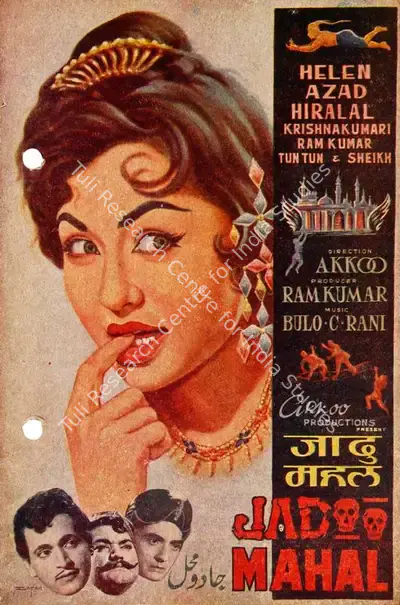
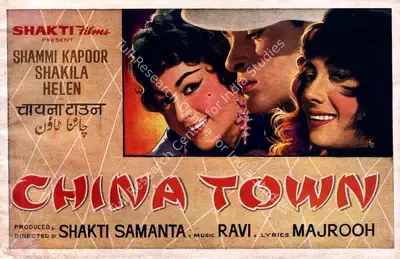
Her talents extended beyond dance. Helen demonstrated considerable dramatic versatility in films such as Gumnaam (1965), for which she received a Filmfare nomination, as well as China Town, Sachaai (1969), and Chhote Sarkar (1974). Her acclaimed performance in Mahesh Bhatt's Lahoo Ke Do Rang (1979) was particularly significant in revealing the dramatic depth beneath the glamorous screen persona with which she had become synonymous.
Although she stepped back from regular screen performance in the 1980s, Helen returned in memorable later appearances in films including Khamoshi: The Musical (1996), Hum Dil De Chuke Sanam (1999), and Mohabbatein (2000). Her contribution was recognised with the Filmfare Lifetime Achievement Award and the Padma Shri.
Helen's lasting importance lies in the vocabulary she created. From the cosmopolitan playfulness of Mera Naam Chin Chin Chu, the seductive control of Aa Jaan-e-Jaan, and the theatrical exuberance of Karle Pyar Karle, to the spectacular musicality of Piya Tu Ab Toh Aaja and the Indian-inflected energy of Munghda, her performances reveal an artist who continually expanded what a Hindi film song could look, sound, and feel like. Helen did not merely dance to the music; she translated music into movement, movement into character, and performance into spectacle. In doing so, she defined the possibilities of the Hindi film dancing diva.
https://en.wikipedia.org/wiki/Helen_(actress)
https://www.youtube.com/watch?v=aG11jbjUeyY
https://www.imdb.com/name/nm0374974/
Helen began her professional career in the early 1950s as a group dancer and gradually moved into solo performances. Her breakthrough came with Mera Naam Chin Chin Chu in Shakti Samanta's Howrah Bridge (1958). Its combination of energy, playfulness, precision, and cosmopolitan flair announced Helen as a performer with an unmistakable screen identity. From then on, she became a familiar and much-anticipated presence in Hindi cinema, particularly through the 1960s and 1970s.
The label “cabaret dancer,” often used to describe Helen, captures only one part of her contribution. Her repertoire drew on classical Indian forms, Western dance, cabaret, jazz, theatrical gesture, and popular stage traditions. What distinguished her was her ability to absorb these influences and turn them into a distinctly cinematic language. She responded to the particular rhythm and mood of each song, using her body, facial expressions, costume, and interaction with the camera to create performances that could be playful, glamorous, sensual, comic, dramatic, or exuberantly theatrical.
A series of celebrated songs illustrates this range. Aa Jaan-e-Jaan from Inteqam (1969) captures Helen at her most glamorous and seductive, yet the performance is also remarkably controlled. Every gesture and pause is calibrated to the music, creating an intimacy with the camera that became one of her trademarks. In Talaash (1969), Karle Pyar Karle brings a different energy: Helen uses rhythmic precision, movement, and theatrical suggestion to build a performance around anticipation and flirtation.
Piya Tu Ab To Aaja from Caravan (1971) pushed this vocabulary further. Set to R. D. Burman's exuberant composition and powered by Asha Bhosle's unmistakable playback, the sequence becomes a complete piece of musical theatre. Helen moves between restraint and abandon, using gesture, expression, costume, and physical rhythm to create a charged dialogue with the music and the camera. The “Monica, oh my darling” refrain is almost inseparable from her performance: voice, rhythm, movement, and visual persona converge into a single cinematic experience.
By contrast, Munghda from Inkaar (1977) demonstrates Helen's ability to work within a more recognisably Indian idiom while retaining the theatrical energy and precision that defined her. The performance reveals her extraordinary adaptability. Rather than being tied to one particular style, Helen continually reshaped her movement vocabulary according to the music, setting, character, and visual demands of the film.
Her long association with playback singer Asha Bhosle was particularly important to this evolution. Their collaborations created some of the most memorable singer-performer pairings in Hindi cinema. Bhosle's voice—playful, sensual, mischievous, and dramatic—found a natural physical counterpart in Helen. The result was a form of performance in which the voice seemed to inhabit the body of the dancer, while Helen's movements gave the music an additional visual dimension.
Helen also occupied a distinctive cultural position within the Hindi film. Often cast outside the conventional romantic or domestic framework assigned to the female protagonist, she represented glamour, cosmopolitanism, sensuality, and spectacle. Yet this position also gave her a degree of expressive freedom. Within the self-contained world of the song, she could be assertive, mischievous, knowing, seductive, comic, or flamboyantly theatrical. Her performances temporarily loosened the conventions of the narrative and created spaces where music, movement, and personality could take centre stage.
Her talents extended beyond dance. Helen demonstrated considerable dramatic versatility in films such as Gumnaam (1965), for which she received a Filmfare nomination, as well as China Town, Sachaai (1969), and Chhote Sarkar (1974). Her acclaimed performance in Mahesh Bhatt's Lahoo Ke Do Rang (1979) was particularly significant in revealing the dramatic depth beneath the glamorous screen persona with which she had become synonymous.
Although she stepped back from regular screen performance in the 1980s, Helen returned in memorable later appearances in films including Khamoshi: The Musical (1996), Hum Dil De Chuke Sanam (1999), and Mohabbatein (2000). Her contribution was recognised with the Filmfare Lifetime Achievement Award and the Padma Shri.
Helen's lasting importance lies in the vocabulary she created. From the cosmopolitan playfulness of Mera Naam Chin Chin Chu, the seductive control of Aa Jaan-e-Jaan, and the theatrical exuberance of Karle Pyar Karle, to the spectacular musicality of Piya Tu Ab Toh Aaja and the Indian-inflected energy of Munghda, her performances reveal an artist who continually expanded what a Hindi film song could look, sound, and feel like. Helen did not merely dance to the music; she translated music into movement, movement into character, and performance into spectacle. In doing so, she defined the possibilities of the Hindi film dancing diva.
https://en.wikipedia.org/wiki/Helen_(actress)
https://www.youtube.com/watch?v=aG11jbjUeyY
https://www.imdb.com/name/nm0374974/
भारतीय पॉपुलर सिनेमा के सांस्कृतिक इतिहास में हेलेन एक ऐसी हस्ती हैं जिन्हें कभी भुलाया नहीं जा सकता। उनकी कला ने सिनेमा में मूवमेंट, संगीत और भव्यता के दायरे को बहुत बढ़ाया। सिर्फ़ एक डांसर या परफ़ॉर्मर होने से कहीं ज़्यादा, वह हिंदी सिनेमा की एक ख़ास पहचान वाली स्क्रीन पर्सनैलिटी थी। उन्होंने अपनी अनोखी तकनीक, संगीत की स्वाभाविक समझ, भावपूर्ण मूवमेंट और आकर्षक मौजूदगी से फ़िल्मी गानों के विज़ुअल और म्यूज़िकल अंदाज़ को बदल दिया। भारतीय शास्त्रीय और पश्चिमी डांस परंपराओं में ट्रेनिंग लेने के बाद, उन्होंने एक ऐसा स्टाइल विकसित किया जिसमें रिदम, हाव-भाव, कॉस्ट्यूम, संगीत, नाटकीयता और कैमरा मूवमेंट का अद्भुत तालमेल था। उन्होंने डांस को कहानी का सिर्फ़ एक सजावटी हिस्सा नहीं, बल्कि अपने आप में एक ख़ास इवेंट बना दिया।
हेलेन ने 1950 के दशक की शुरुआत में एक ग्रुप डांसर के तौर पर अपना प्रोफ़ेशनल करियर शुरू किया और धीरे-धीरे सोलो परफ़ॉर्मेंस देने लगीं। उन्हें बड़ी पहचान शक्ति सामंता की फ़िल्म 'हावड़ा ब्रिज' (1958) के गाने 'मेरा नाम चिन चिन चू' से मिली। ऊर्जा, चंचलता, सटीकता और कॉस्मोपॉलिटन अंदाज़ के मेल ने हेलेन को एक ऐसी परफ़ॉर्मर के तौर पर स्थापित किया जिसकी स्क्रीन पर अपनी एक अलग पहचान थी। इसके बाद, वह हिंदी सिनेमा में एक जानी-पहचानी और बेसब्री से इंतज़ार की जाने वाली हस्ती बन गईं, ख़ासकर 1960 और 1970 के दशक में।
हेलेन के लिए अक्सर इस्तेमाल किया जाने वाला "कैबरे डांसर" का लेबल उनके योगदान के सिर्फ़ एक हिस्से को ही दिखाता है। उनकी कला में भारतीय शास्त्रीय शैलियों, पश्चिमी डांस, कैबरे, जैज़, नाटकीय हाव-भाव और पॉपुलर स्टेज़ परंपराओं का मिश्रण था। उनकी ख़ासियत यह थी कि वह इन प्रभावों को अपनाकर उन्हें एक ख़ास सिनेमाई भाषा में बदल देती थीं। वह हर गाने की ख़ास रिदम और मूड के हिसाब से अपने शरीर, चेहरे के हाव-भाव, कॉस्ट्यूम और कैमरे के साथ तालमेल बिठाकर ऐसी परफ़ॉर्मेंस देती थीं जो चंचल, ग्लैमरस, कामुक, मज़ेदार, ड्रामैटिक या बहुत ज़्यादा नाटकीय हो सकती थीं।
कई मशहूर गाने उनकी इस रेंज को दिखाते हैं। फ़िल्म 'इंतक़ाम' (1969) का गाना 'आ जाने-ए-जां' हेलेन के सबसे ग्लैमरस और आकर्षक रूप को दिखाता है, फिर भी उनकी परफ़ॉर्मेंस में ज़बरदस्त नियंत्रण था। हर हाव-भाव और ठहराव संगीत के हिसाब से तय होता था, जिससे कैमरे के साथ एक ऐसा जुड़ाव बनता था जो उनकी पहचान बन गया। 'तलाश' (1969) फ़िल्म में 'कर ले प्यार कर ले' गाना एक अलग ही ऊर्जा लेकर आता है। इसमें हेलेन लय की सटीकता, चाल-ढाल और नाटकीय अंदाज़ का इस्तेमाल करके बेसब्री और छेड़खानी से भरी परफ़ॉर्मेंस देती हैं।
फ़िल्म 'कारवां' (1971) का गाना 'पिया तू अब तो आजा' इस डांस स्टाइल को और आगे ले गया। आर. डी. बर्मन के जोश भरे संगीत और आशा भोसले की शानदार आवाज़ के साथ, यह गाना एक तरह का म्यूज़िकल थिएटर बन गया। हेलेन कभी संयम तो कभी बेबाकी दिखाती हैं। वे इशारों, हाव-भाव, कॉस्ट्यूम और शारीरिक लय का इस्तेमाल करके संगीत और कैमरे के साथ एक जीवंत संवाद बनाती हैं। "मोनिका, ओह माय डार्लिंग" लाइन उनके परफ़ॉर्मेंस का महत्वपूर्ण हिस्सा है। आवाज़, लय, हरकत और विज़ुअल पर्सनैलिटी मिलकर एक बेहतरीन सिनेमैटिक अनुभव बनाते हैं।
इसके उलट, फ़िल्म 'इनकार' (1977) का गाना 'मुंगड़ा' दिखाता है कि हेलेन भारतीय शैली में भी कितनी अच्छी तरह काम कर सकती थीं, जबकि उनकी पहचान थिएटर वाली ऊर्जा और सटीकता भी बरकरार रहती थी। यह परफ़ॉर्मेंस उनकी ज़बरदस्त क़ाबिलियत को दिखाती है। किसी एक ख़ास स्टाइल से बंधे रहने के बजाय, हेलेन ने फ़िल्म के संगीत, सेटिंग, किरदार और विज़ुअल ज़रूरतों के हिसाब से अपनी डांस शैली को लगातार बदला।
इस बदलाव में प्लेबैक सिंगर आशा भोसले के साथ उनका लंबा साथ बहुत अहम था। उनके सहयोग से हिंदी सिनेमा में सिंगर और परफ़ॉर्मर की कुछ सबसे यादगार जोड़ियां बनीं। भोसले की आवाज़, जो चंचल, कामुक, शरारती और ड्रामैटिक थी । उसे हेलेन के रूप में एक बेहतरीन साथी मिला। नतीजा यह हुआ कि परफ़ॉर्मेंस में आवाज़ डांसर के शरीर में बस गई, जबकि हेलेन की हरक़तों ने संगीत को एक नया विज़ुअल आयाम दिया।
हिंदी फ़िल्मों में हेलेन की एक ख़ास सांस्कृतिक जगह भी थी। उन्हें अक्सर हीरोइन के पारंपरिक रोमांटिक या घरेलू किरदारों से अलग भूमिकाएँ मिलती थीं। वे ग्लैमर, कॉस्मोपॉलिटन अंदाज़, कामुकता और शानदार नज़ारे का प्रतीक थीं। फिर भी, इस जगह ने उन्हें अपनी बात कहने की एक तरह की आज़ादी भी दी। गाने की अपनी अलग दुनिया में, वे आत्मविश्वास से भरी, शरारती, समझदार, आकर्षक, मज़ेदार या बहुत ज़्यादा नाटकीय हो सकती थीं। उनकी परफ़ॉर्मेंस कहानी के पारंपरिक नियमों को कुछ समय के लिए ढीला कर देती थी और ऐसी जगह बनाती थी जहाँ संगीत, हरकत और पर्सनैलिटी मुख्य आकर्षण बन जाते थे।
उनका हुनर सिर्फ़ डांस तक ही सीमित नहीं था। हेलेन ने 'गुमनाम' (1965) जैसी फ़िल्मों में ज़बरदस्त एक्टिंग का हुनर दिखाया, जिसके लिए उन्हें फ़िल्मफ़ेयर नॉमिनेशन भी मिला, साथ ही 'चाइना टाउन', 'सच्चाई' (1969) और 'छोटे सरकार' (1974) में भी उन्होंने अपनी एक्टिंग का लोहा मनवाया। महेश भट्ट की फ़िल्म 'लहू के दो रंग' (1979) में उनकी तारीफ़-ए-क़ाबिल परफ़ॉर्मेंस ने उनकी उस ग्लैमरस स्क्रीन इमेज के पीछे छिपी एक्टिंग की गहराई को सामने लाने में अहम भूमिका निभाई, जिससे उनकी पहचान बन गई थी।
हालाँकि 1980 के दशक में उन्होंने रेगुलर स्क्रीन परफ़ॉर्मेंस से दूरी बना ली थी, लेकिन हेलेन ने 'ख़ामोशी: द म्यूज़िकल' (1996), 'हम दिल दे चुके सनम' (1999) और 'मोहब्बतें' (2000) जैसी फ़िल्मों में यादगार भूमिकाओं के साथ वापसी की। उनके योगदान के लिये फ़िल्मफ़ेयर लाइफ़टाइम अचीवमेंट अवॉर्ड और पद्म श्री से सम्मानित किया गया।
हेलेन की अहमियत उस अंदाज़ में है, जिसे उन्होंने ख़ुद बनाया। 'मेरा नाम चिन चिन चू' के कॉस्मोपॉलिटन चुलबुलेपन, 'आ जाने-ए-जां' के आकर्षक अंदाज़ और 'कर ले प्यार कर ले' के नाटकीय जोश से लेकर 'पिया तू अब तो आजा' के शानदार म्यूज़िकल अंदाज़ और 'मुंगड़ा' की भारतीय रंग में रची-बसी ऊर्जा तक, उनकी परफ़ॉर्मेंस एक ऐसी कलाकार को दिखाती है जिसने लगातार यह दिखाया कि हिंदी फ़िल्म का गाना कैसा दिख, सुनाई और महसूस हो सकता है। हेलेन सिर्फ़ संगीत पर डांस नहीं करती थीं। वह संगीत को मूवमेंट में, मूवमेंट को किरदार में और परफ़ॉर्मेंस को एक शानदार नज़ारे में बदल देती थीं। ऐसा करके, उन्होंने हिंदी फ़िल्मों की डांसिंग दिवा की संभावनाओं को नई परिभाषा दी।
स्रोत:
https://en.wikipedia.org/wiki/Helen_(actress)
https://www.youtube.com/watch?v=aG11jbjUeyY
https://www.imdb.com/name/nm0374974/
हेलेन ने 1950 के दशक की शुरुआत में एक ग्रुप डांसर के तौर पर अपना प्रोफ़ेशनल करियर शुरू किया और धीरे-धीरे सोलो परफ़ॉर्मेंस देने लगीं। उन्हें बड़ी पहचान शक्ति सामंता की फ़िल्म 'हावड़ा ब्रिज' (1958) के गाने 'मेरा नाम चिन चिन चू' से मिली। ऊर्जा, चंचलता, सटीकता और कॉस्मोपॉलिटन अंदाज़ के मेल ने हेलेन को एक ऐसी परफ़ॉर्मर के तौर पर स्थापित किया जिसकी स्क्रीन पर अपनी एक अलग पहचान थी। इसके बाद, वह हिंदी सिनेमा में एक जानी-पहचानी और बेसब्री से इंतज़ार की जाने वाली हस्ती बन गईं, ख़ासकर 1960 और 1970 के दशक में।
हेलेन के लिए अक्सर इस्तेमाल किया जाने वाला "कैबरे डांसर" का लेबल उनके योगदान के सिर्फ़ एक हिस्से को ही दिखाता है। उनकी कला में भारतीय शास्त्रीय शैलियों, पश्चिमी डांस, कैबरे, जैज़, नाटकीय हाव-भाव और पॉपुलर स्टेज़ परंपराओं का मिश्रण था। उनकी ख़ासियत यह थी कि वह इन प्रभावों को अपनाकर उन्हें एक ख़ास सिनेमाई भाषा में बदल देती थीं। वह हर गाने की ख़ास रिदम और मूड के हिसाब से अपने शरीर, चेहरे के हाव-भाव, कॉस्ट्यूम और कैमरे के साथ तालमेल बिठाकर ऐसी परफ़ॉर्मेंस देती थीं जो चंचल, ग्लैमरस, कामुक, मज़ेदार, ड्रामैटिक या बहुत ज़्यादा नाटकीय हो सकती थीं।
कई मशहूर गाने उनकी इस रेंज को दिखाते हैं। फ़िल्म 'इंतक़ाम' (1969) का गाना 'आ जाने-ए-जां' हेलेन के सबसे ग्लैमरस और आकर्षक रूप को दिखाता है, फिर भी उनकी परफ़ॉर्मेंस में ज़बरदस्त नियंत्रण था। हर हाव-भाव और ठहराव संगीत के हिसाब से तय होता था, जिससे कैमरे के साथ एक ऐसा जुड़ाव बनता था जो उनकी पहचान बन गया। 'तलाश' (1969) फ़िल्म में 'कर ले प्यार कर ले' गाना एक अलग ही ऊर्जा लेकर आता है। इसमें हेलेन लय की सटीकता, चाल-ढाल और नाटकीय अंदाज़ का इस्तेमाल करके बेसब्री और छेड़खानी से भरी परफ़ॉर्मेंस देती हैं।
फ़िल्म 'कारवां' (1971) का गाना 'पिया तू अब तो आजा' इस डांस स्टाइल को और आगे ले गया। आर. डी. बर्मन के जोश भरे संगीत और आशा भोसले की शानदार आवाज़ के साथ, यह गाना एक तरह का म्यूज़िकल थिएटर बन गया। हेलेन कभी संयम तो कभी बेबाकी दिखाती हैं। वे इशारों, हाव-भाव, कॉस्ट्यूम और शारीरिक लय का इस्तेमाल करके संगीत और कैमरे के साथ एक जीवंत संवाद बनाती हैं। "मोनिका, ओह माय डार्लिंग" लाइन उनके परफ़ॉर्मेंस का महत्वपूर्ण हिस्सा है। आवाज़, लय, हरकत और विज़ुअल पर्सनैलिटी मिलकर एक बेहतरीन सिनेमैटिक अनुभव बनाते हैं।
इसके उलट, फ़िल्म 'इनकार' (1977) का गाना 'मुंगड़ा' दिखाता है कि हेलेन भारतीय शैली में भी कितनी अच्छी तरह काम कर सकती थीं, जबकि उनकी पहचान थिएटर वाली ऊर्जा और सटीकता भी बरकरार रहती थी। यह परफ़ॉर्मेंस उनकी ज़बरदस्त क़ाबिलियत को दिखाती है। किसी एक ख़ास स्टाइल से बंधे रहने के बजाय, हेलेन ने फ़िल्म के संगीत, सेटिंग, किरदार और विज़ुअल ज़रूरतों के हिसाब से अपनी डांस शैली को लगातार बदला।
इस बदलाव में प्लेबैक सिंगर आशा भोसले के साथ उनका लंबा साथ बहुत अहम था। उनके सहयोग से हिंदी सिनेमा में सिंगर और परफ़ॉर्मर की कुछ सबसे यादगार जोड़ियां बनीं। भोसले की आवाज़, जो चंचल, कामुक, शरारती और ड्रामैटिक थी । उसे हेलेन के रूप में एक बेहतरीन साथी मिला। नतीजा यह हुआ कि परफ़ॉर्मेंस में आवाज़ डांसर के शरीर में बस गई, जबकि हेलेन की हरक़तों ने संगीत को एक नया विज़ुअल आयाम दिया।
हिंदी फ़िल्मों में हेलेन की एक ख़ास सांस्कृतिक जगह भी थी। उन्हें अक्सर हीरोइन के पारंपरिक रोमांटिक या घरेलू किरदारों से अलग भूमिकाएँ मिलती थीं। वे ग्लैमर, कॉस्मोपॉलिटन अंदाज़, कामुकता और शानदार नज़ारे का प्रतीक थीं। फिर भी, इस जगह ने उन्हें अपनी बात कहने की एक तरह की आज़ादी भी दी। गाने की अपनी अलग दुनिया में, वे आत्मविश्वास से भरी, शरारती, समझदार, आकर्षक, मज़ेदार या बहुत ज़्यादा नाटकीय हो सकती थीं। उनकी परफ़ॉर्मेंस कहानी के पारंपरिक नियमों को कुछ समय के लिए ढीला कर देती थी और ऐसी जगह बनाती थी जहाँ संगीत, हरकत और पर्सनैलिटी मुख्य आकर्षण बन जाते थे।
उनका हुनर सिर्फ़ डांस तक ही सीमित नहीं था। हेलेन ने 'गुमनाम' (1965) जैसी फ़िल्मों में ज़बरदस्त एक्टिंग का हुनर दिखाया, जिसके लिए उन्हें फ़िल्मफ़ेयर नॉमिनेशन भी मिला, साथ ही 'चाइना टाउन', 'सच्चाई' (1969) और 'छोटे सरकार' (1974) में भी उन्होंने अपनी एक्टिंग का लोहा मनवाया। महेश भट्ट की फ़िल्म 'लहू के दो रंग' (1979) में उनकी तारीफ़-ए-क़ाबिल परफ़ॉर्मेंस ने उनकी उस ग्लैमरस स्क्रीन इमेज के पीछे छिपी एक्टिंग की गहराई को सामने लाने में अहम भूमिका निभाई, जिससे उनकी पहचान बन गई थी।
हालाँकि 1980 के दशक में उन्होंने रेगुलर स्क्रीन परफ़ॉर्मेंस से दूरी बना ली थी, लेकिन हेलेन ने 'ख़ामोशी: द म्यूज़िकल' (1996), 'हम दिल दे चुके सनम' (1999) और 'मोहब्बतें' (2000) जैसी फ़िल्मों में यादगार भूमिकाओं के साथ वापसी की। उनके योगदान के लिये फ़िल्मफ़ेयर लाइफ़टाइम अचीवमेंट अवॉर्ड और पद्म श्री से सम्मानित किया गया।
हेलेन की अहमियत उस अंदाज़ में है, जिसे उन्होंने ख़ुद बनाया। 'मेरा नाम चिन चिन चू' के कॉस्मोपॉलिटन चुलबुलेपन, 'आ जाने-ए-जां' के आकर्षक अंदाज़ और 'कर ले प्यार कर ले' के नाटकीय जोश से लेकर 'पिया तू अब तो आजा' के शानदार म्यूज़िकल अंदाज़ और 'मुंगड़ा' की भारतीय रंग में रची-बसी ऊर्जा तक, उनकी परफ़ॉर्मेंस एक ऐसी कलाकार को दिखाती है जिसने लगातार यह दिखाया कि हिंदी फ़िल्म का गाना कैसा दिख, सुनाई और महसूस हो सकता है। हेलेन सिर्फ़ संगीत पर डांस नहीं करती थीं। वह संगीत को मूवमेंट में, मूवमेंट को किरदार में और परफ़ॉर्मेंस को एक शानदार नज़ारे में बदल देती थीं। ऐसा करके, उन्होंने हिंदी फ़िल्मों की डांसिंग दिवा की संभावनाओं को नई परिभाषा दी।
स्रोत:
https://en.wikipedia.org/wiki/Helen_(actress)
https://www.youtube.com/watch?v=aG11jbjUeyY
https://www.imdb.com/name/nm0374974/
- Date of Birth
- 21 Nov 1938
- Age
- 87
- Nationality
- Indian
- Place of Birth
- Rangoon, Burma
- Spouse(s)
- P.N. Arora12 Jun 1912 – 03 Dec 1985Salim Khanb. 24 Nov 1935
- Year Marriage Registered
- 1957-1974 | 1981
- Children
- Arpita Khan
- Parent(s)
- MarleneGeorge Desmier
Filmography 344
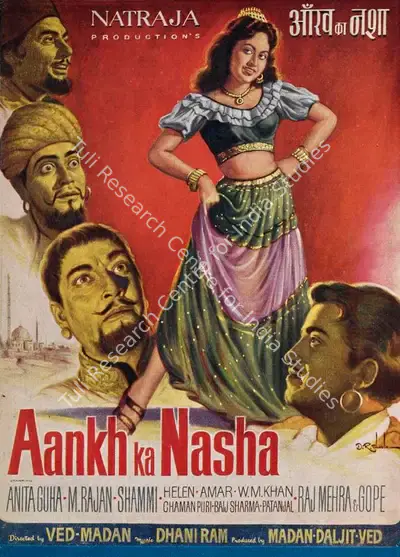
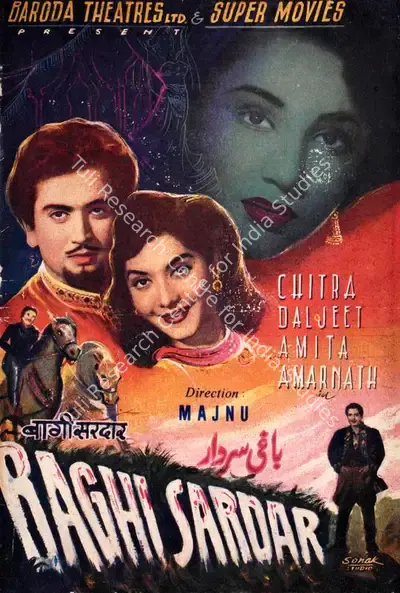
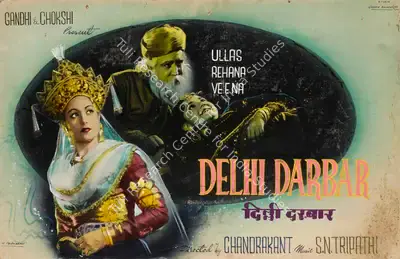
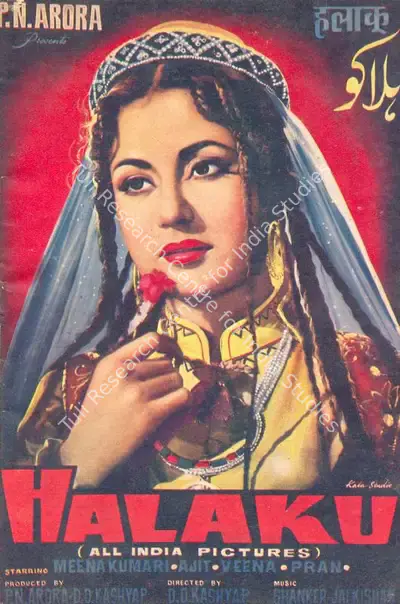
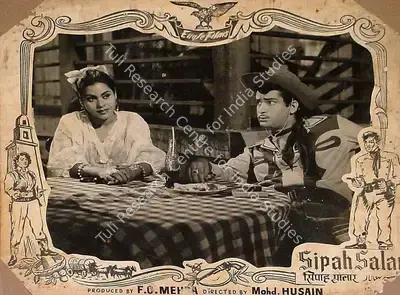
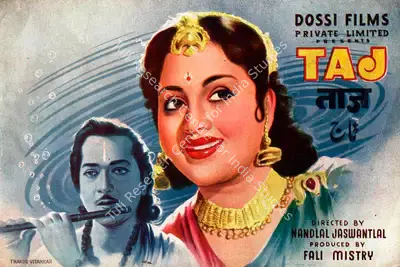
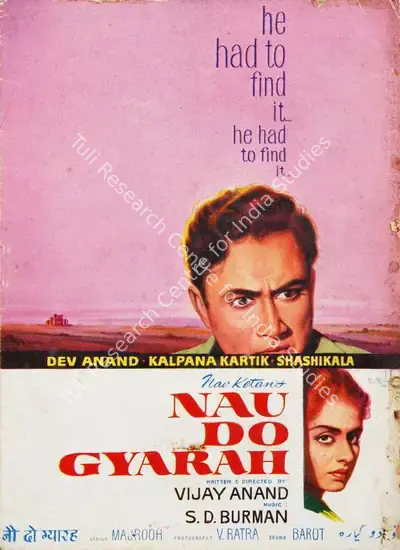
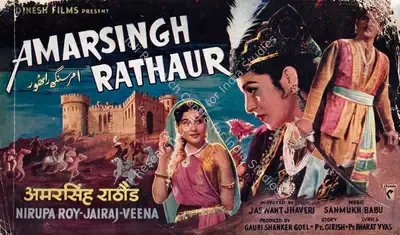
20 of 344
Integrated Timeline
10 entries
Economics of Cinema
1980
- Filmfare Award
Best Supporting Actress · The Times Group
1999
- Filmfare Award
Lifetime Achievement Award · The Times Group
2009
- Padma Shri
Civilian Honour · The Govt. Of India
Research Centre
20 of 1,408
20 of 24
20 of 1,384
Related
37
Films
19
Personalities
18