

Introduction
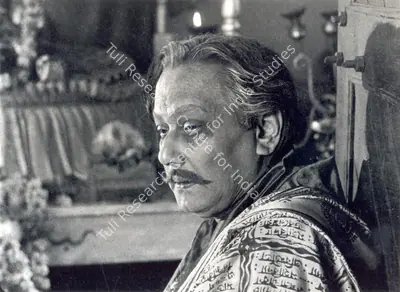
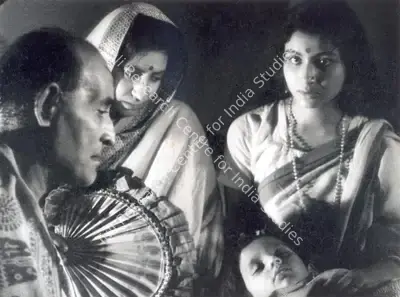
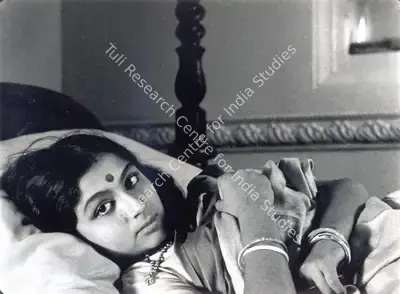
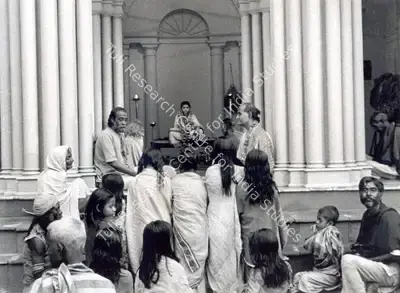
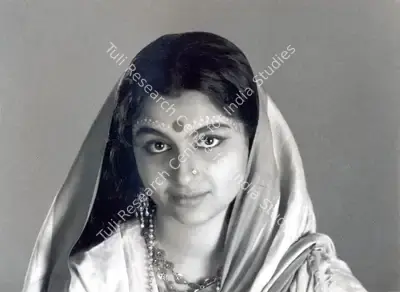
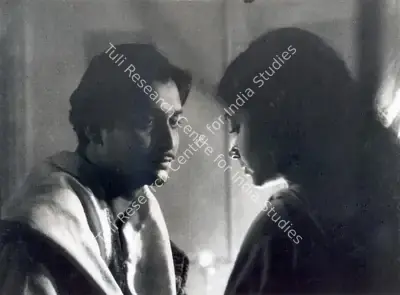
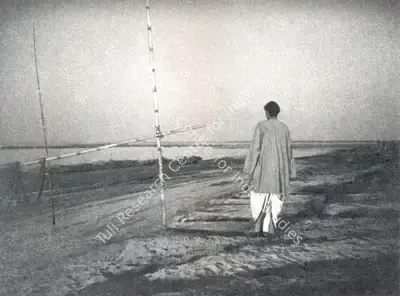
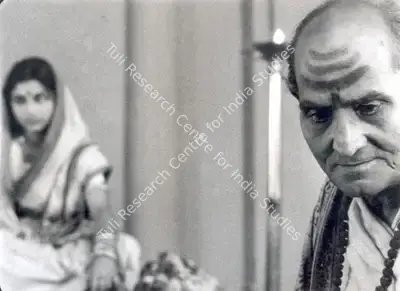
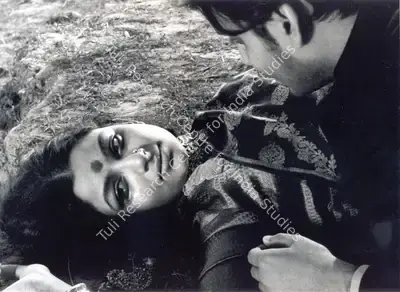
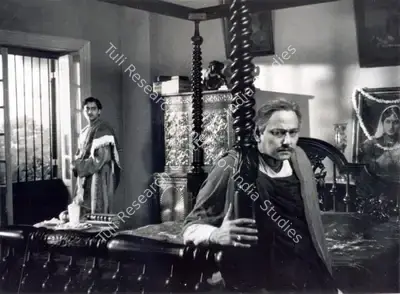
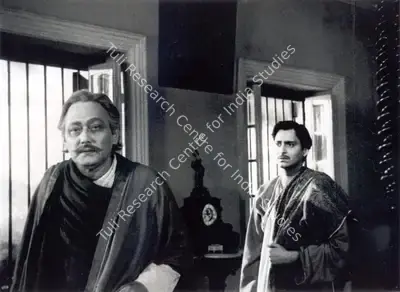
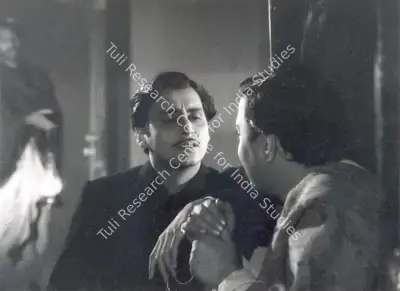
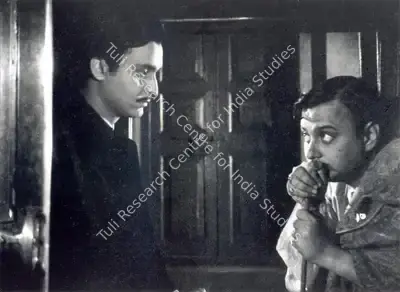
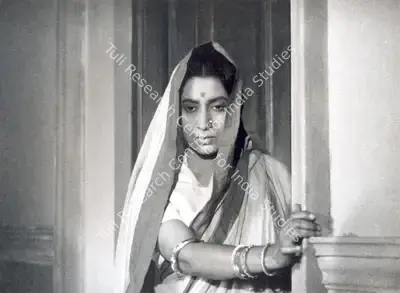
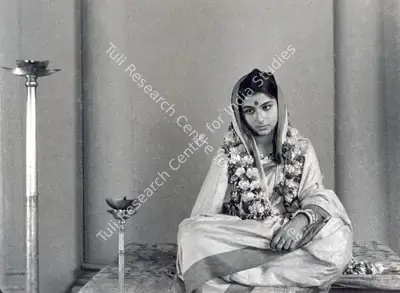
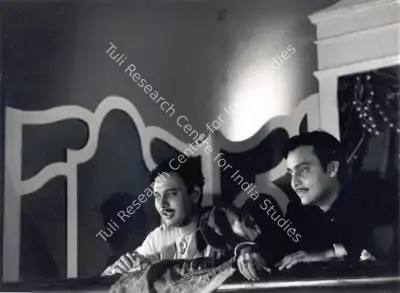
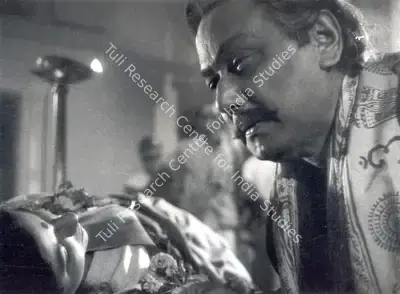
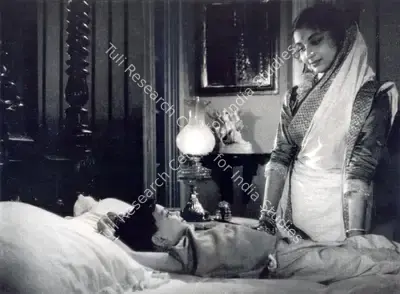
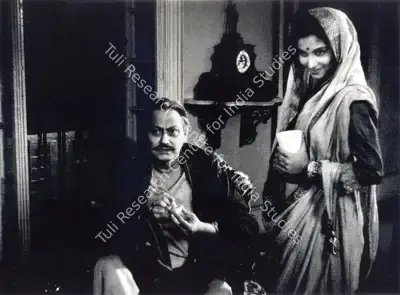
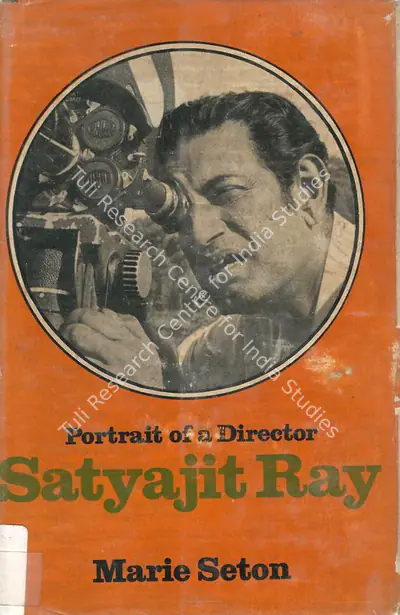
Devi (1960) Directed by the masterful Satyajit Ray, Devi ("The Goddess") unfolds as a haunting meditation on faith, identity, and the perilous deification of women. Based on a short story by Prabhat Kumar Mukhopadhyay, this lyrical and unsettling drama stars a luminous Sharmila Tagore, alongside Soumitra Chatterjee and the formidable Chhabi Biswas.
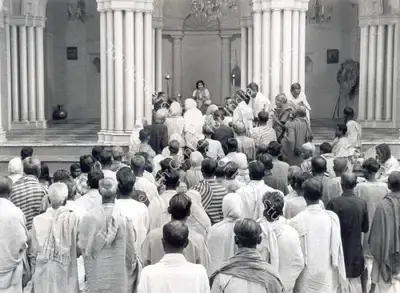
Set in 19th-century Bengal, the film tells the tragic tale of a 17-year-old bride, Doyamoyee. While her young husband departs for Calcutta to complete his final college exams, her father-in-law, after a fevered dream, becomes convinced she is the reincarnation of the goddess Kali. What begins as a vision spirals into a nightmare, as the girl is cloaked in divinity and stripped of her humanity.
This regressive and unnerving narrative, a mirror held up to blind devotion, faced fierce resistance. Indeed, Devi was initially banned in India, until Prime Minister Jawaharlal Nehru intervened, recognising its profound artistic and social resonance.
The supporting cast includes: Karuna Banerjee as Harasundari, the voice of reason; Purnendu Mukherjee as Taraprasad Roy, Kalikinkar's elder son; Arpan Chowdhury as Khoka, the innocent child drawn into the myth; Anil Chatterjee as Bhudeb, Umaprasad's friend in Calcutta; Mohammed Israil as Nibaran, a beggar devoted to his grandson; Kali Sarkar as Professor Sarkar; Khagesh Chakravarti as the Kaviraj; Santa Devi as Sarala and Nagendranath Kabyabyakarantirtha as the devout priest.
Behind the scenes, the film's evocative atmosphere was shaped by the visionary Bansi Chandragupta (Art Direction) and the meticulous Durgadas Mitra (Sound Design).
Though cloaked in period costume, Devi speaks to timeless themes—the erasure of female agency, the seductive danger of blind belief, and the societal impulse to elevate women into symbols while denying them personhood. Ray's vision is neither anti-religious nor cynical; rather, it is a sober critique of religious dogmatism and the cultural myopia that allows such myths to fester.
In Ray's own words, the film was not an assault on religion itself, but on its distortion—its weaponisation in the hands of the unsophisticated and unthinking. He dismissed criticism of the film as naïve, asserting that many had failed to perceive its nuanced, humanist core.
Devi was awarded the President's Silver Medal for Best Feature Film in Bengali at the 1960 National Film Awards, and went on to receive international acclaim, winning the Palme d'Or (Golden Palm) at the 1962 Cannes Film Festival. Directors William Wyler and Elia Kazan praised it as “poetry on celluloid”, and Francis Ford Coppola hailed it as Ray's finest work—a “cinematic milestone.”
In 1996, the Academy Film Archive preserved Devi, ensuring that its quiet power endures. The film also inspired a modern operatic adaptation, The Goddess, composed by Allen Shearer—a fitting transformation for a tale that remains as resonant and tragic as a myth whispered across time.
उन्नीसवीं सदी के बंगाल के परिप्रेक्ष्य में रची यह कहानी सत्रह वर्षीय दुल्हन दयामयी की त्रासदी का चित्रण करती है। दयामयी का युवा पति कॉलेज के अन्तिम वर्ष की परीक्षा देने कलकत्ता गया है। इसी बीच उसके ससुर को एक आवेग भरा स्वप्न आता है जिसके बाद उन्हें यह विश्वास हो जाता है कि उनकी तरुण बहू दयामयी देवी काली का अवतार है। स्वप्न में एक ईश्वरीय दर्शन के रूप में शुरू हुआ यह प्रसंग शीघ्र ही दयामयी के लिए एक दु:स्वप्न में बदल जाता है। तरुण लड़की को देवत्व का चोला पहना दिया जाता है और उसे उसकी इंसानी ज़िन्दगी, मानवीय पहचान से विरक्त कर दिया जाता है।
सामंती समय की दकियानूसी प्रथाओं को उजागर करती बेचैन करने वाली यह कथा अंधभक्ति के दुष्परिणामों को भी दिखाती है। लेकिन शुरुआत में इस फ़िल्म को बहुत प्रतिरोध का सामना करना पड़ा। देवी पर भारत में आरंभ में प्रतिबंध लगा दिया गया था और जब तक खुद प्रधानमंत्री जवाहरलाल नेहरु ने हस्तक्षेप नहीं किया इसे चुनौती का सामना करना पड़ा। पंडित नेहरु ने फ़िल्म की गहन कलात्मक उत्कृष्टता और सामाजिक प्रासंगिकता को पहचाना और मान्यता दी।
फ़िल्म के अन्य सहायक कलाकारों में विवेकवान हरसुंदरी के किरदार में करुणा बनर्जी, कालिकिंकर के बड़े बेटे ताराप्रसाद राय के किरदार में पुर्नेंदु मुखर्जी, मिथक में उलझे मासूम बच्चे खोका के किरदार में अर्पण चौधरी, उमाप्रसाद के कलकत्ता में रहनेवाले मित्र भूदेब के किरदार में अनिल चटर्जी, भिखारी निबारन के किरदार में मोहम्मद इस्राइल, प्रोफेसर सरकार की भूमिका में काली सरकार, कविराज की भूमिका में खगेश चक्रवर्ती, सरला की भूमिका में संता देवी और आस्थावान पुजारी के किरदार में नगेन्द्रनाथ काव्यव्याकरन्तीर्थ ने अभिनय किया है। परदे के पीछे फ़िल्म रहते हुए फ़िल्म का अद्भुत वातावरण रचने में फ़िल्म के कला निर्देशक बंसी चंद्रगुप्त और फ़िल्म के ध्वनि डिज़ाइनर दुर्गादास मित्र की बारीक़ नज़र और कलादृष्टि की बड़ी भूमिका रही।
हालाँकि यह फ़िल्म काल-विशेष की कहानी कहती है, देवी फ़िल्म की बड़ी चिंताएँ शाश्वत हैं। यह स्त्री की स्वायत्तता के क्षरण का सवाल उठाती है। धार्मिक अंधविश्वास के पीछे के खतरों से आगाह करती है और एक स्त्री को प्रतीक में बदल उनके निजी व्यक्तित्व को नष्ट कर देने वाली सामाजिक वृत्ति के प्रति चेताती है। राय का नज़रिया यहाँ न तो धर्मविरोधी है और न ही निंदाभाव वाला है, वे तो बस धार्मिक कट्टरता और सांस्कृतिक कूपमंडूकता की यथार्थवादी आलोचना पेश करते हैं। यही कट्टरता और कूपमंडूकता है जो ऐसे हानिकारक मिथकों को फलने-फूलने देती है। स्वयं राय ने बोलकर स्पष्ट किया है कि यह फ़िल्म धर्म पर आक्रमण नहीं है, बल्कि उसके विकृतिकरण पर प्रश्न उठाती है। यह धर्म के उस दुरुपयोग पर प्रश्न है जो अज्ञानी और भ्रष्ट हाथों में होता है। फ़िल्म की आलोचनाओं को उन्होंने नादान करार दिया और कहा कि लगता है बहुत से लोगों ने इस फ़िल्म की बारीक़ मानवीय भावना को समझा ही नहीं।
देवी को सन् 1960 के राष्ट्रीय फ़िल्म पुरस्कारों में सर्वश्रेष्ठ बांग्ला फ़ीचर फ़िल्म का राष्ट्रपति का रजत पदक सम्मान मिला। सन् 1962 के कान फ़िल्म फ़ेस्टिवल में 'पाल्मे द'ओर' (गोल्डन पाम) पुरस्कार जीतकर इसने अंतरराष्ट्रीय ख्याति भी हासिल की। निर्देशक विलियम वायलर और एलिया कज़ान ने इस फ़िल्म को “सेल्युलॉइड पर कविता” का दर्जा दिया और फ्रांसिस फोर्ड कॉपोला ने इसे राय की सर्वोत्तम कृति और “सिनेमाई मील का पत्थर” बताया।
सन् 1996 में एकेडमी फ़िल्म आर्काइव ने देवी को संरक्षित फ़िल्म घोषित किया है और यह सुनिश्चित किया कि फ़िल्म धरोहर के बतौर सुरक्षित रहे। इस फ़िल्म ने संगीतकार एलेन शीरर द्वारा रचित एक आधुनिक ओपेरा रूपांतरण 'दि गॉडेस' को भी प्रेरित किया। एक ऐसी कथा जो आज भी उतनी ही मार्मिक और प्रासंगिक है जैसे कालातीत समय से चला आता कोई मिथक हो।
Body of Work
Research Centre
Calendar 1
- ArchivedExhibitionProject 2Self-Discovery via Rediscovering India Series Part II India's Cinematic Heritage12th - 24th August 2024Self-Discovery via Rediscovering India Series Part IIRead More →