
TRIS logo image
Search275,000+ actors, artists, objects, artworks, films, exhibitions, archives

EN

EN

English

HI

Hindi

EN

EN

English

HI

Hindi

TRIS logo image

Tuli Research Centre for India Studies

Vision

Manifesto

Archive & Library

Vanraja Sanctuary & Hospice

Home

Research Categories

Browse All

ICore

1_CinemaEducation_Cinema as a Critical Educational Resource

2_FineArts_Modern and Contemporary Indian Fine Arts

3_Photography_Photography in India

4_PopCulture_The Printed Image, Popular Arts, and Crafts

IIMaterial

5_ArcHeritage_India's Architectural Heritage as Inspiration

6_EconomicsArt_Economics of Art & Cultural Industry

7_Travel test value_Automobile, Transport and Travel Heritage

8_Uncertainty_Uncertainty

IIICritical

9_SocialDuty_Social Responsibility of the Creative Mind

10_Childhood_The Changing Smile of Childhood & Its Second Coming

11_Sensuality_The Sensual Discipline within Creativity

12_Scholarship_The History & Historiography of Scholarship in the Arts, Humanities, and Social Sciences

IVMeaningful

13_SeekJustice_Seeking Justice and Political Integrity

14_IndoWorld_India and her Relationship with the World

15_SpiritualPoetics_The Religious-Spiritual-Poetic-Philosophical Framework

16_Continuum_The Animal-Human-Nature Continuum

Explore

All

Posts

Masterlists

Calendar

Live | Upcoming

All Events

Timetable

Search275,000+ actors, artists, objects, artworks, films, exhibitions, archives

EN

EN

English

HI

Hindi

A Musical Glue for Nation-Building - Deconstructing the Film Song

A Musical Glue for Nation-Building - Deconstructing the Film Song

23 Jul 2026 – 22 Aug 2026

Event.Offline-Online Discussion
Contents
Introduction
Body of Work
Research Centre21
Posts11
Calendar1

Calendar

1

A Musical Glue for Nation-Building
23rd July - 22nd August 2026
6:00 PM
A Musical Glue for Nation-Building
Live

Related

1

Personalities

1

Neville TuliEvent Curator
Home/1_CinemaEducation/Event · Film Festival/A Musical Glue for Nation-Building - Deconstructing the Film Song
A Musical Glue for Nation-Building - Deconstructing the Film Song — featured artwork

Introduction

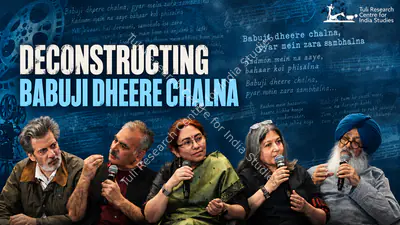
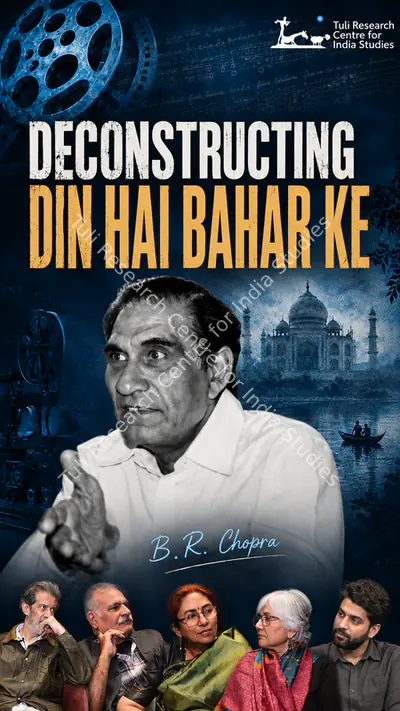
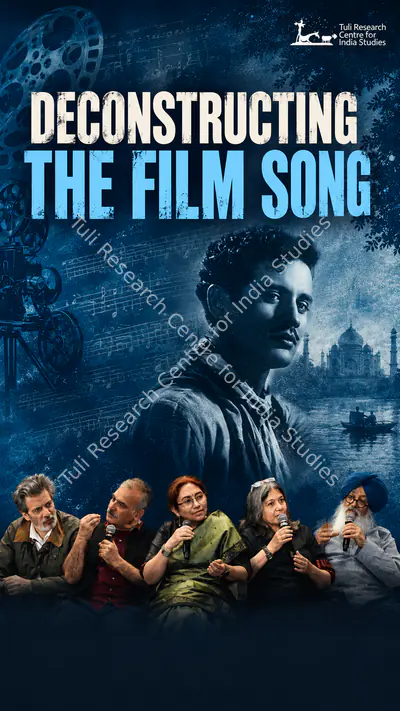
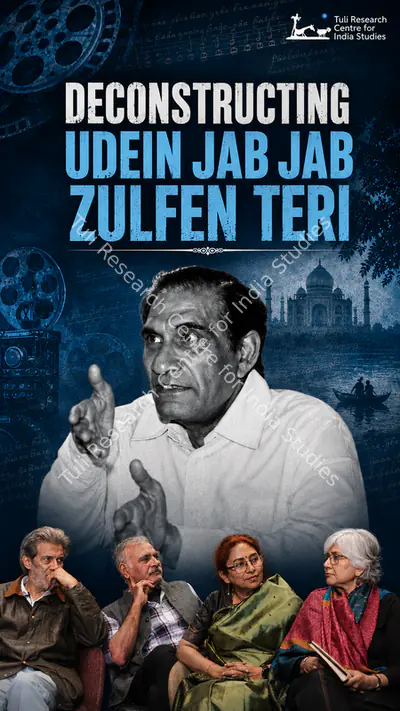
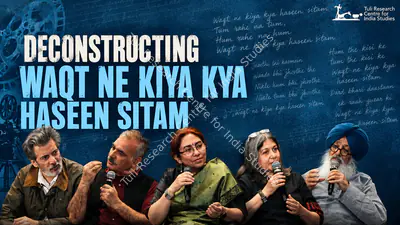
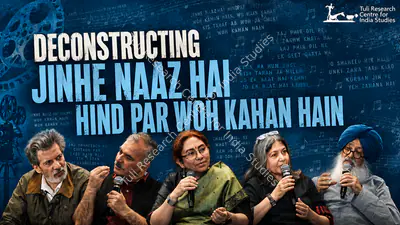
A key section of the India Studies framework at The Tuli Research Centre for India Studies (T.R.I.S.) is “Deconstructing the Film Song”. It began with a series of four workshops during our Self-Discovery via Rediscovering India Festival Series that brought together leading scholars & academics, film practitioners & students, along with fans of the Hindi film song. The objective of these workshops was to deconstruct iconic Hindi film songs to examine their formation across music, lyrics, playback, choreography, directorial visualisation, as they fuse into sites where aesthetics, ideology, and performance intersect, so as to help clarify the nature of India and her relationship to the film song. The Hindi Film Song functions as a narrative device, conveying myriad textures of emotion through melody, voice and poetry. As cultural texts that encode memory, desire, and ideology, songs are integral to the circulation and resonance of films in the public realm. Over time they have become autonomous bundles of creative energy - the glue that binds us over time, articulating and perhaps even defining the idea of Indianness. These first Workshops were an attempt to understand the nature and power of this glue, while contemplating the ways to situate it within TRIS' academic framework for Contemporary India Studies.
Dates23 Jul 2026 – 22 Aug 2026
VenueM.L. Bhartia Auditorium, Alliance Francaise de Delhi, Birla Lane, Lodi Estate
OrganiserTuli Research Centre for India Studies

Curators

Neville Tuli

Ravikant

Ravikant is an Indian intermedia historian, archivist, translator, and writer whose scholarship explores the intersections of language, media, cinema, and music in South Asia. He is a Professor at the Centre for the Study of Developing Societies (CSDS), New Delhi, where he directs the Indian Languages Programme and edits the peer-reviewed journal Pratiman.

A co-founder of the CSDS Sarai Programme, he has played a pioneering role in developing digital archives, language technologies, and research initiatives on popular culture and media history.

His work on the social history of Hindi cinema, radio, and film music has established him as an important voice in Indian music and media studies. Through archival projects on Hindi-Urdu print culture, folk traditions, and early cinema, he has helped preserve significant aspects of India's musical heritage.

Ravikant is the author of Media ki Bhasha-leela and has co-edited several influential books, including Translating Partition and the Deewan-e-Sarai series. His research continues to illuminate the historical relationship between music, broadcasting, cinema, and language, making him a respected scholar of India's cultural and sonic history. He is editor of Pratiman, a peer reviewed journal on culture and society.

Ketan Anand

Ketan Anand is an Indian film director and producer, son of filmmaker Chetan Anand and actress Uma Anand, and cousin of director Shekhar Kapur. As a child, he appeared with his brother Vivek Anand in a song from Funtoosh (1956) alongside Dev Anand and Sheila Ramani.

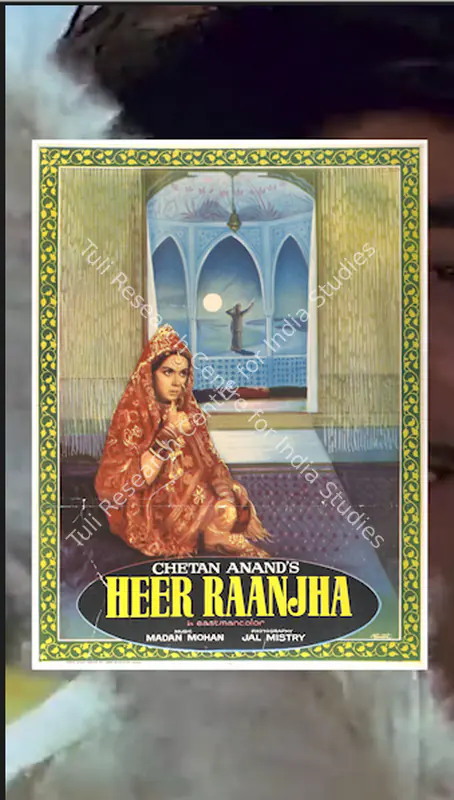
He later assisted his father as associate producer on Heer Raanjha (1970) and worked as assistant director on Tere Mere Sapne (1971), experiences that shaped his early understanding of filmmaking.

He made his directorial debut with Toote Khilone (1978) and followed it the same year with Trishala Ka Laal (1978), establishing himself as a filmmaker in social and mythological drama.

In the 1980s, he co-directed Hum Rahe Na Hum (1984) with his father, directed Shart (1986), and appeared in acting roles in Raavan (1984) and Sheeshay Ka Ghar (1984). The 1990s saw him direct Aaja Meri Jaan (1993) and Agnichakra (1997), expanding into commercial cinema.

In 2007, he co-authored the book Chetan Anand: The Poetics of Film and in 2008 revived his father's banner Himalaya Films, also directing the tribute documentary Chetan Anand: The Poetics of Film (2008). Later credits include the Irish-Indian horror film Hexing (2017) and a supporting role in Bhagyavidhata (2020).

Anand was arrested in connection with the 2000 death of actress Priya Rajvansh alongside his brother Vivek Anand and others. He was later convicted in 2002, granted bail the same year, and subsequently acquitted on appeal in 2013 by the Delhi High Court.

His career spans more than five decades across mainstream and parallel Indian cinema work and cinematic practice.

Antara Mondal

Antara Nanda Mondal She is an Indian writer, editor, and researcher specializing in the history of Indian cinema and film music. She serves as Editor-in-Chief of Learning and Creativity and Consulting Editor of Silhouette Magazine. Her articles are known for their detailed archival research and focus on the lives and works of legendary composers, singers, and filmmakers. She has co-authored a chapter on the Bengali music of Hemant Kumar in a book by Manek Premchand. Through her writing, she promotes a deeper understanding of India's rich musical and cinematic heritage. Her work combines historical scholarship with accessible storytelling for a broad readership.

Amit Khanna

Amit Khanna (1 March 1951) is an Indian film producer, director, writer, lyricist, journalist, and media entrepreneur whose work has played a defining role in shaping the modern Indian entertainment industry. Widely regarded as one of the architects of Indiaâs contemporary media culture, Khanna has contributed significantly to cinema, television, music, publishing, and corporate entertainment over a career spanning more than five decades. He is the founder chairman of Reliance Entertainment, former president of the Producers Guild of India, and founder trustee of the Mumbai Academy of the Moving Image. He is also frequently credited with popularising the term Bollywood in international media discourse. As a producer and lyricist, he has received three National Film Awards, reflecting the breadth of his artistic and institutional contributions.

Internationally, Khanna has been recognised by Time, Newsweek, Variety, and The Hollywood Reporter among the influential global figures in film and television. His academic engagements have included guest lectures at New York University and University of Southern California. He served three times on the Indian Panorama jury representing western India and became the first Indian invited to serve on the jury of the International Emmy Awards, marking an important moment in the international recognition of Indian media professionals.

Born in New Delhi to Hem Khanna and Jawaharlal Khanna, Amit Khanna received his schooling at St. Columba's School before graduating from St. Stephenâs College. His early years were deeply shaped by literature, theatre, radio, and journalism. He began writing poetry in Hindi at the age of fourteen and actively participated in student theatre productions and radio broadcasts, including childrenâs programming for All India Radio. These formative experiences cultivated both his literary sensibility and his understanding of mass communication, eventually leading him to Bombayâs expanding film industry in the early 1970s.

Khanna entered the film world in 1971 as an executive producer with Navketan Films, the banner founded by Dev Anand. During his tenure there, he worked on films such as Shareef Budmaash (1973), Ishq Ishq Ishq (1974), Des Pardes (1978), and Lootmaar (1980). He later made his independent debut as a producer with Man Pasand (1980) and subsequently produced films including Sheeshay Ka Ghar (1984) and Shesh (1988). Alongside filmmaking, he established himself as a prolific lyricist and writer, authoring more than 400 film and non-film songs as well as numerous screenplays and journalistic essays.

The rise of Indian television in the 1980s opened a new phase in Khannaâs career. In 1989, he helped establish Plus Channel, Indiaâs first integrated entertainment conglomerate, where he served as Managing Director and Group Editor. Under his leadership, the company expanded into television production, cinema, music, publishing, and event management, becoming one of the countryâs most influential independent media enterprises. Plus Channel also pioneered several innovations in Indian broadcasting, including some of Indiaâs earliest audiobooks and business news programming on television.

As a producer during this period, Khanna backed several critically acclaimed films, including Papa Kehte Hain (1996), Sardari Begum (1996), Gudia (1997), Do Rahain (1997), and Saaz (1998). At the 44th National Film Awards, he received two National Awards as producer for Gudia, which won Best Hindi Feature Film, and Sardari Begum, which won Best Urdu Feature Film. He also won the National Film Award for Best Lyrics for Bhairavi, further establishing his reputation as a creative figure capable of moving between artistic and managerial domains.

In 2000, Khanna left Plus Channel to join Reliance Entertainment, where he served as chairman for nearly fifteen years. Under his leadership, the company expanded into a major global entertainment enterprise with significant investments in Hollywood. In 2008, Reliance Entertainment entered into partnerships with internationally recognised actors including Tom Hanks, Brad Pitt, George Clooney, Jim Carrey, and Nicolas Cage. The same year, the company formed a landmark joint venture with Steven Spielbergâs DreamWorks Studios, followed by a major production and distribution agreement that consolidated Reliance Entertainmentâs international position.

Khanna later expanded into directing, working across cinema and digital media. His directorial projects include the romantic comedies Tutiya Dil (2012) and Badmashiyaan (2015), the award-winning short film An Untold Story of Paper Boats (2016), and the LGBTQ-themed crossover feature Friends in Law (2018). In the digital sphere, he created and directed All About Section 377 (2016), considered among Indiaâs earliest LGBTQ-focused web series, followed by Still About Section 377 (2018).

Beyond filmmaking, Khanna has served on the Central Board of Film Certification and committees associated with the Indian Broadcasting Foundation, Indian Music Industry, and the Film Federation of India. Notably, he remains the only permanent member of the Council of Management of the Producers Guild of India after V. Shantaram and Raj Kapoor, a distinction that underscores his enduring influence on Indian media and cultural institutions.

Juhi Saklani

Juhi Saklani A Delhi-based writer, editor, and photographer known for her work at the intersection of visual storytelling, ecology, and cultural writing. She began her career as a travel writer for a national magazine, a trajectory that gradually led her into photography, where she found a more sustained creative practice.

Her photographic work is distinguished by its focus on the fragile relationship between nature and urban development. Through long-term projects, she has documented trees growing through buildings, walls, and abandoned urban spaces, using these images to reflect on environmental loss and the rapid transformation of Indian cities. Her acclaimed series Human/Nature, exhibited under the India Habitat Centreâs Photosphere Fellowship, explores deforestation, redevelopment, and the disappearing green cover in Delhiâs colonies, particularly Sarojini Nagar and Netaji Nagar.

Alongside photography, Saklani has an established career as a writer on art, cinema, music, travel, and contemporary culture. She has contributed essays and reportage to several major publications and has also served as an editor, including work on volumes related to Satyajit Ray and Somnath Hore. Her editorial practice reflects a sustained engagement with Indian modern art and intellectual history. Saklaniâs interdisciplinary practice bridges text and image. Her work often treats photography not as documentation alone but as a narrative and archival form, blending memoir, observation, and environmental critique. She has also received recognition through fellowships such as the India Habitat Centre Photosphere programme.

Across both writing and photography, her work is marked by a consistent attention to place, memory, and ecological consciousness, positioning her as a distinctive voice in contemporary Indian documentary and cultural practice.

Shikha Jhingan

Shikha Jhingan She is an Indian scholar of cinema and sound studies, currently associated with the School of Arts and Aesthetics at Jawaharlal Nehru University (JNU), New Delhi. Her academic work sits at the intersection of film, performance, and media studies, with a particular focus on the cultural and technological histories of sound in Indian cinema.

She holds a PhD in Cinema Studies from JNU and an MFA in Performance Studies (Film) from the University of WisconsinâMilwaukee. She also earned an MA in Mass Communication from the A.J.K. Mass Communication Research Centre, Jamia Millia Islamia, and a BA (Hons) in Political Science from Lady Shri Ram College, University of Delhi. This interdisciplinary training informs her research approach, which combines textual analysis, media history, and performance theory.

Jhinganâs scholarship centres on voice, music, and technology in Hindi cinema, with a focus on playback singing and sound culture. Her work traces the movement of film music across radio, gramophone, cassette, television, and digital platforms, examining how these shifts reshape notions of stardom, gender, and spectatorship.

Prior to her academic career, she worked as a documentary filmmaker and was a founding member of Mediastorm, a womenâs film collective active in independent media practice. Her films explored themes of gender, labour, and representation.

She has published widely in academic journals and edited volumes. Her book The Female Playback in Bombay Cinema: Voice, Body, Technology (2025) reflects her sustained engagement with the politics of the female singing voice in Indian cinema.

Madan Gopal Singh

Madan Gopal Singh A multifaceted Indian composer, singer, lyricist, actor, screenwriter, film theorist, editor, and polyglot whose work spans music, cinema, and cultural scholarship, he currently serves as Senior Fellow at the Nehru Memorial Museum and Library, New Delhi, and is on leave from Satyawati College (Evening Classes), where he taught English literature.

Born into a literary family as the son of noted Punjabi poet Harbhajan Singh, he has built an interdisciplinary career shaped by both academic inquiry and artistic experimentation. Singh has written and lectured extensively on cinema, visual culture, and cultural history, while also performing internationally as the lead voice of his ensemble Chaar Yaar, known for blending Sufi poetry with contemporary musical expression.

In film, he has contributed as a screenwriter, lyricist, and dialogue writer to several critically acclaimed projects. His work includes the award-winning short film Rasayatra, based on Hindustani classical vocalist Mallikarjun Mansur, and Ekti Nadir Naam (The Name of a River), a feature exploring the life and legacy of filmmaker Ritwik Ghatak. He also wrote lyrics and adaptations for Mira Nairâs Kama Sutra: A Tale of Love, and dialogues for Kaya Taran, which examines the 1984 anti-Sikh riots.

Singhâs musical practice draws deeply on Sufi and classical traditions, composing and performing poetry by Rumi, Bulle Shah, Shah Hussain, and Sultan Bahu, while also translating global voices such as Brecht, Lorca, and John Lennon into Hindustani. He has collaborated widely in India and abroad, composed for films and documentaries, and performed at major international festivals, establishing himself as a significant bridge between South Asian literary heritage and global contemporary arts.

Neville Tuli

Neville Tuli (born 24 April 1964, London, UK) is a distinguished art collector, cultural historian, author, curator, and archivist of Indian origin, widely recognised for his pioneering contributions to the preservation and promotion of India's artistic and cinematic heritage. Educated in economics and developmental theory at the London School of Economics and St Catherine's College, Oxford, Tuli returned to India after nearly twenty-five years abroad and embarked upon extensive travels across the country, documenting its visual arts, cinema, architecture, and material culture. In 1996, he published The Flamed Mosaic: Indian Contemporary Painting, an influential study exploring the aesthetics and historical evolution of modern and contemporary Indian art.

Since relocating to India in 1993, Tuli has devoted over three decades to documenting, conserving, and interpreting the nation's cultural legacy while fostering broader public engagement through scholarship, exhibitions, education, and digital initiatives. He has assembled one of the world's most comprehensive archives of Indian fine art, cinema memorabilia, manuscripts, photographs, and cultural artefacts, comprising more than 400,000 objects. Tuli has curated more than forty landmark auctions-cum-exhibitions that went beyond modern and contemporary Indian art to encompass cinema memorabilia, popular culture, sports collectibles and international works, achieving global visibility and recognition.

Driven by his lifelong vision of cultural self-discovery through India's artistic and intellectual heritage and guided by values of cultural stewardship, intellectual inquiry, and resilience, he has created enduring institutions dedicated to its study and dissemination.

The Tuli Research Centre for India Studies (TRIS) was established in 2023. Through its website tuliresearchcentre.org TRIS makes its unparalleled archives, library, and research resources accessible for students, scholars and lifelong learners across the areas of modern and contemporary fine arts, Indian and world cinema, ecology, animal welfare, the social sciences and the humanities.

The Tuli Research Centre for India Studies (TRIS) remains an independent, non-political institution dedicated to advancing interdisciplinary research, fostering a deeper understanding of India's cultural past while inspiring informed dialogue about its future.

Pavan Jha

Pavan Jha He is an Indian musicologist, cultural historian, researcher, and commentator specializing in the history of Indian music, particularly Hindi film music, folk traditions, and the evolution of popular musical forms in South Asia. His work is distinguished by meticulous archival research, close attention to early recordings, and an emphasis on tracing the historical origins of songs and musical idioms that have entered popular culture. Rather than focusing exclusively on aesthetic criticism, Jha approaches music through the lenses of cultural history, oral tradition, recording technology, and historical documentation. His scholarship frequently seeks to correct misconceptions surrounding authorship, composition, and the genealogy of well-known songs. He lives in Jaipur.

Body of Work

  1. 2026

    1. A Musical Glue for Nation Building - Four Classic Songs from the cinema of Guru Dutt and the genius of S.D. Burman, O.P. Nayyar, Sahir Ludhianvi, Majrooh Sultanpuri, Geeta Dutt & Mohammed Rafi

      Tuli Research Centre for India Studies · 6:30 PM, 17 February 2026 · M.L. Bhartia Auditorium, Alliance Francaise de Delhi, Birla Lane, Lodi Estate, New Delhi

    2. A Musical Glue for Nation Building - Four Classic Songs from the cinema of Chetan Anand and the genius of Madan Mohan, Kaifi Azmi, Lata Mangeshkar & Mohammed Rafi

      Tuli Research Centre for India Studies · 3:30 PM, 16 February 2026 · M.L. Bhartia Auditorium, Alliance Francaise de Delhi, Birla Lane, Lodi Estate, New Delhi

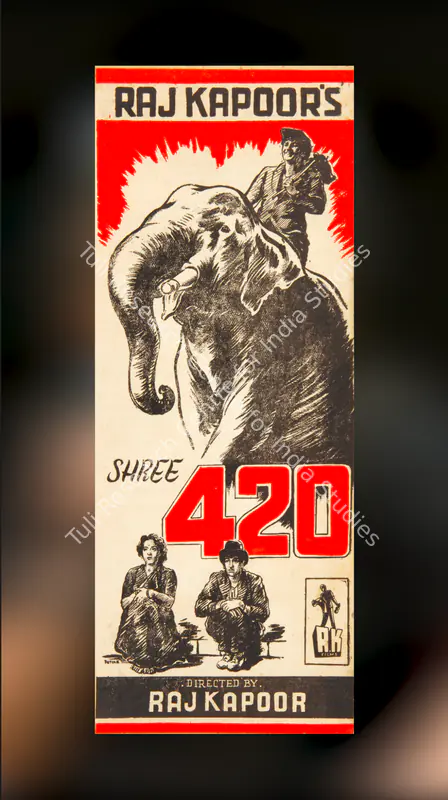
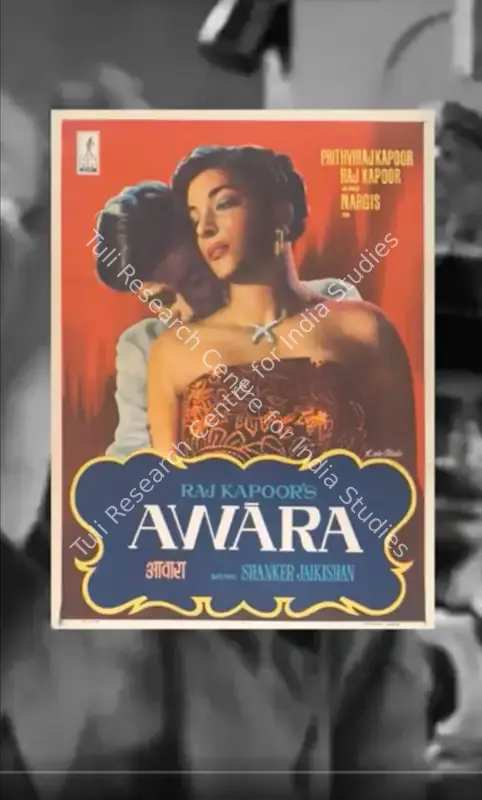
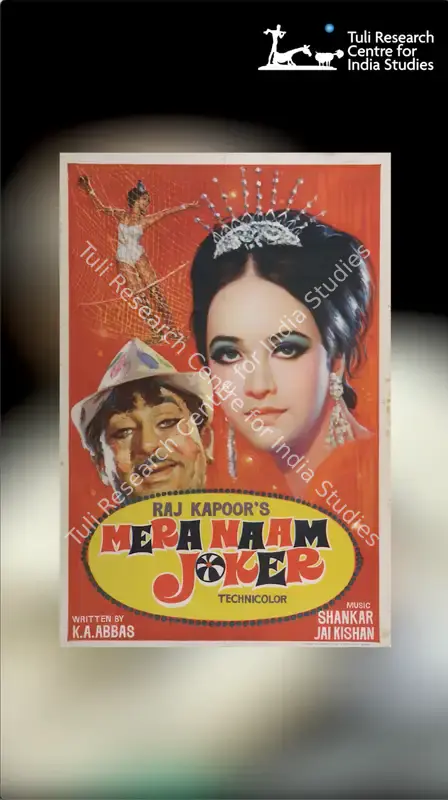
    3. A Musical Glue for Nation Building - Four Classic Songs from the cinema of Raj Kapoor and the genius of Shankar-Jaikishan, Shailendra, Lata Mangeshkar, Mukesh, Manna Dey & Mohammed Rafi

      Tuli Research Centre for India Studies · 5:00 PM, 17 February 2026 · M.L. Bhartia Auditorium, Alliance Francaise de Delhi, Birla Lane, Lodi Estate, New Delhi

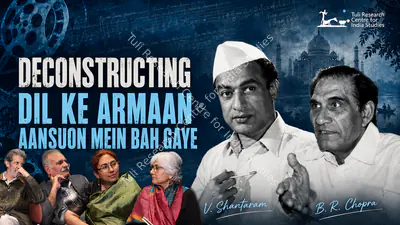
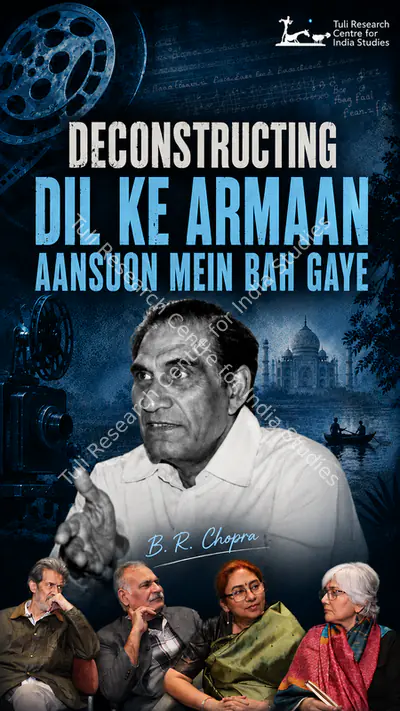
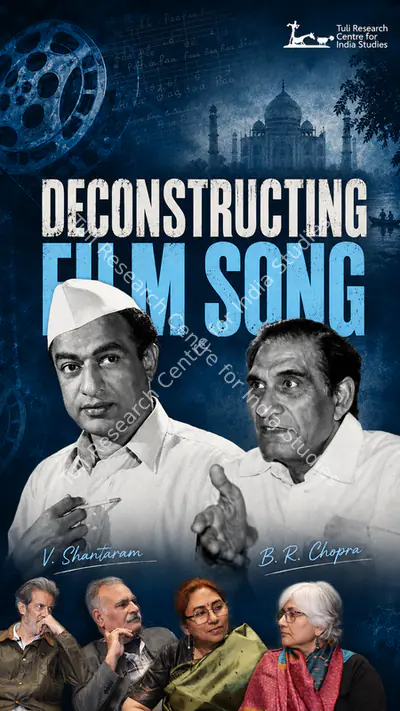
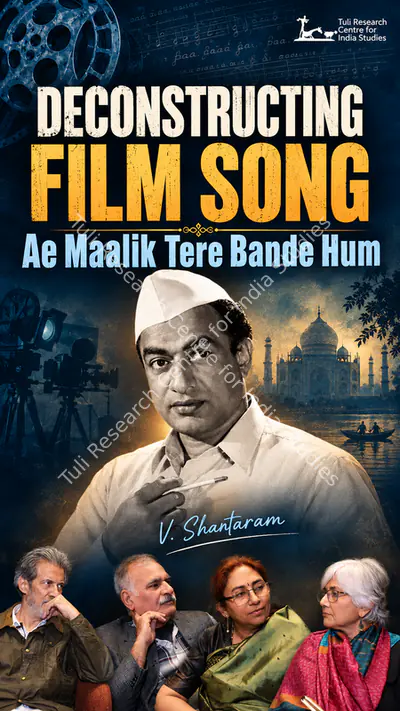
    4. A Musical Glue for Nation Building - Four Classic Songs from the cinema of V. Shantaram and B.R. Chopra and the genius of Vasant Desai, O.P. Nayyar, Ravi, Bharat Vyas, Sahir Ludhianvi, Hasan Kamal, Asha Bhosle, Salma Agha & Mohammed Rafi

      Tuli Research Centre for India Studies · 11:30 AM, 19 February 2026 · M.L. Bhartia Auditorium, Alliance Francaise de Delhi, Birla Lane, Lodi Estate, New Delhi

Research Centre
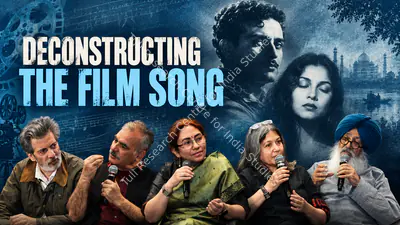
Posts 11

  1. "The Pain of Human Stupidity" | Ketan Anand on His Father
    "The Pain of Human Stupidity" | Ketan Anand on His Father
    "Who was Chetan Anand — and why does his cinema still carry such a deep, emotional charge? In this clip, his son Ketan Anand introduces the filmmaker behind Haqeeqat (1964), a man who ""suffered in silence for a long time,"" and the learning he received from that pain, which poured into his films. It was during this time that Kaifi Azmi wrote some of his most remarkable poems for him. The product of this collaboration was a war song that became part of India's collective memory. As Ketan Anand puts it, ""This is not a jingoistic song… this is the pain of human stupidity."" No chest-beating, but a meditation or rather a question on why we go on fighting and killing while talking of love and peace. Somewhere, it is out of this pain that one must evolve. And Anand's cinema did exactly that. This video is an excerpt from the session with Ketan Anand, Ravikant, Pavan Jha and Neville Tuli, part of the series 'Deconstructing the Film Song: A Musical Glue for Nation-Building,' presented by the Tuli Research Centre for India Studies (TRIS) as part of the 7th Self-Discovery via Rediscovering India Festival."
    1_CinemaEducation
    Chetan AnandHaqeeqatKaifi AzmiNida FazliKetan AnandA Musical Glue for Nation-Building - Deconstructing the Film SongNeville Tuli
    Read Post →
  2. How a Film Song Builds a Nation | Kar Chale Hum Fida | Haqeeqat 1964
    How a Film Song Builds a Nation | Kar Chale Hum Fida | Haqeeqat 1964
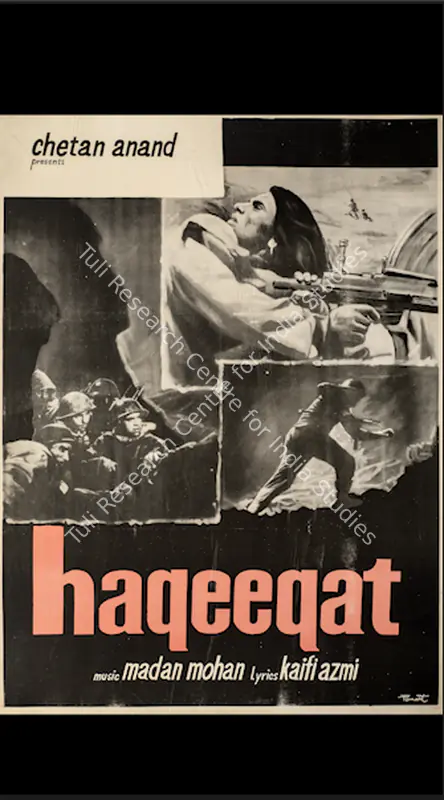
    "What does a patriotic song sound like when it refuses to celebrate aggression? ""Kar Chale Hum Fida"" from Chetan Anand's Haqeeqat (1964) answers that question with a stillness that has stayed with the Indian audiences for over six decades. In this discussion, Ravikant, Professor, CSDS (The Centre for the Study of Developing Societies), highlights that although it is a song about war, it subverts expectations by being devoid of any swashbuckling aggression. The song speaks not of conquest or victory but of sacrifice and collective responsibility; a burden shared equally by soldiers, women, and the young. Kaifi Azmi's lyrics carry no triumphalism of epic proportions, rather only a quiet, devastating sense of duty. Chetan Anand's Haqeeqat released at the time when the idealism of the early independence years was falling apart and the Nehruvian generation, which had carried the dream of a new India, was fading away. The song, with war as it's background, mourns the dead, but it also speaks directly to the living, asking them what they will do with the nation left in their hands. This video is an excerpt from the session with Ketan Anand, Ravikant, Pavan Jha and Neville Tuli, ""A Musical Glue for Nation-Building: Deconstructing the Film Song"", presented by the Tuli Research Centre for India Studies (T.R.I.S.) at the 7th Self-Discovery via Rediscovering India Festival."
    1_CinemaEducation
    Chetan AnandHaqeeqatKaifi AzmiRavikantA Musical Glue for Nation-Building - Deconstructing the Film SongNeville Tuli
    Read Post →
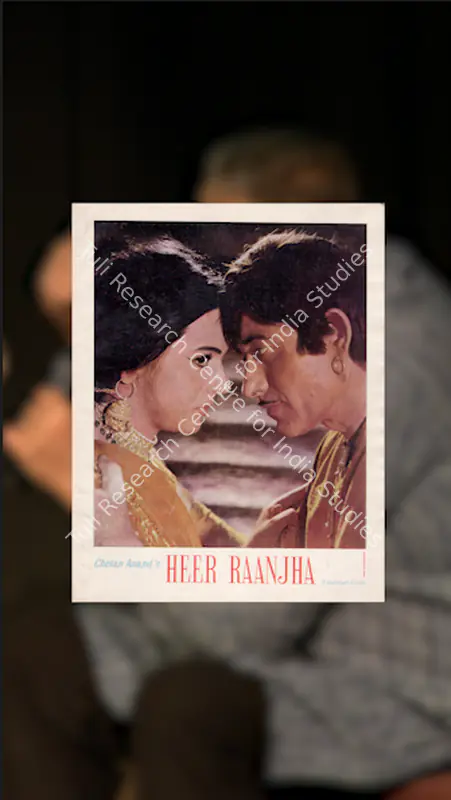
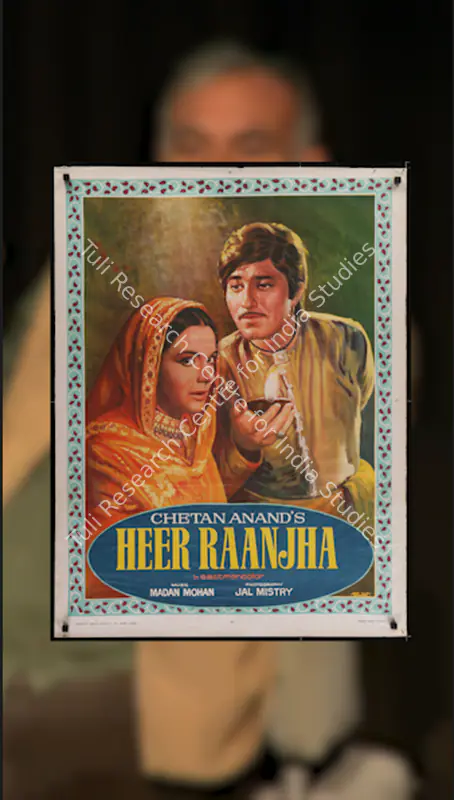
  3. "He went bananas with this song" Ketan Anand on Chetan Anand's Heer Raanjha (1970)
    "He went bananas with this song" Ketan Anand on Chetan Anand's Heer Raanjha (1970)
    “Milo Na Tum to hum Ghabrayen” from Chetan Anand's Heer Raanjha (1970) is the film's song of joy. Sung by Lata Mangeshkar and Mohammed Rafi, with music by Madan Mohan and lyrics by Kaifi Azmi, it captures the first flush of love as playful delight, capturing the confusion, the shyness, the sudden overflow of happiness that makes the heart ask, “What has happened to us?” Reminiscing about the song, filmmaker Ketan Anand revealed that this was the first time in the film that the colour yellow floods the screen. This change of palette signals the change of mood. After the earlier, more restrained tones, the arrival of yellow signals spring, joy and the fullness of life. “He went bananas with this song,” said Ketan Anand about his father, who expressed that joy in this song through Bhangra (traditional Punjabi folk dance) and the vibrant colours. This video is from 'A Musical Glue for Nation-Building: Deconstructing the Film Song', presented by the Tuli Research Centre for India Studies (T.R.I.S.) at the 7th Self-Discovery via Rediscovering India Festival.
    1_CinemaEducation
    Chetan AnandHeer RaanjhaLata MangeshkarKaifi AzmiKetan AnandA Musical Glue for Nation-Building - Deconstructing the Film SongNeville Tuli
    Read Post →
  4. Yeh Duniya Yeh Mehfil (Heer Raanjha 1970) | The Sufi Heart of Rafi's Greatest Heartbreak Song
    Yeh Duniya Yeh Mehfil (Heer Raanjha 1970) | The Sufi Heart of Rafi's Greatest Heartbreak Song
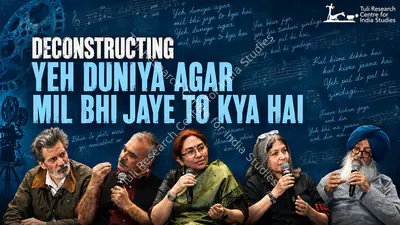
    "Yeh Duniya Yeh Mehfil Mere Kaam Ki Nahi" from Chetan Anand's Heer Raanjha (1970) is more than a sad song, it is a declaration that love is above all. Sung by Mohammed Rafi, with lyrics by Kaifi Azmi and music by Madan Mohan, it turns the pain of separation into a universal cry about the world, its gatherings and its celebrations; none of which matters once the love is lost. In this reel, film historian Pavan Jha examines the Sufi love at the song's core, where longing for the beloved doubles as a spiritual quest, and "duniya" and "mehfil" stand for everything that feels empty in absence of love. Madan Mohan's genius lies in keeping this firmly within the idiom of a popular film song, never pushing it into another genre, but crafting a melody that is soulful, accessible and instantly memorable. A deeply philosophical, Sufi-inflected lyric, the song reached the masses as a hit film number, and this is the reason why, decades later, the song remains a touchstone for heartbreak, longing, and the simple, powerful idea that love is the only thing that truly matters. This video is from 'A Musical Glue for Nation-Building: Deconstructing the Film Song', presented by the Tuli Research Centre for India Studies (T.R.I.S.) at the 7th Self-Discovery via Rediscovering India Festival.
    Chetan AnandHeer RaanjhaMadan MohanA Musical Glue for Nation-Building - Deconstructing the Film SongNeville Tuli
    Read Post →
  5. "Yeh Duniya Yeh Mehfil" - Ravikant on Loss, Landscape & Rafi's Heartbreak Cry | Heer Ranjha (1970)
    "Yeh Duniya Yeh Mehfil" - Ravikant on Loss, Landscape & Rafi's Heartbreak Cry | Heer Ranjha (1970)
    Chetan Anand shot heartbreak the way other directors shot war, against a landscape vast enough to hold it. "Yeh Duniya Yeh Mehfil Mere Kaam Ki Nahi" from Heer Raanjha (1970) is a song of heartbreak staged against stunning visuals. Sung by Mohammed Rafi, with music by Madan Mohan and lyrics by Kaifi Azmi, it turns separation into philosophy. In this clip, Ravikant, Professor, CSDS (Centre for the Study of Developing Societies), calls the song one of the best statements on loss and the ambition to win it back. What makes the song unforgettable is the way voice, music and visuals come together, and Chetan Anand's use of landscape gives it a vast, almost mythical quality, creating a fantasy space where pain can be larger than life, where the song can say what the narrative cannot. The result is a beautiful moment in Indian cinema, where heartbreak, spirituality and landscape fuse into a deeply moving, visually rich film song that has become a timeless expression of love. This video is from 'A Musical Glue for Nation-Building: Deconstructing the Film Song', presented by the Tuli Research Centre for India Studies (T.R.I.S.) at the 7th Self-Discovery via Rediscovering India Festival.
    1_CinemaEducation
    Chetan AnandHeer RaanjhaMadan MohanMohammad RafiSadanandRavikantA Musical Glue for Nation-Building - Deconstructing the Film SongNeville Tuli
    Read Post →
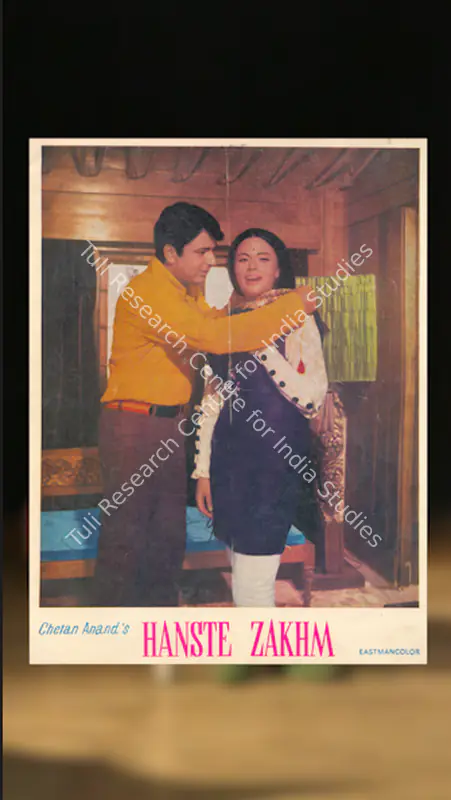
  6. Hanste Zakhm (1973) | How Navin Nischol Bagged The Lead Role
    Hanste Zakhm (1973) | How Navin Nischol Bagged The Lead Role
    In this clip from the workshop ""A Musical Glue for Nation-Building: Deconstructing the Film Song,"" Ketan Anand, son of legendary filmmaker Chetan Anand, recalls how he brokered the casting of Navin Nischol in the lead role of Hanste Zakhm (1973), sharing a first-hand account of the decisions that shaped the film. Featuring Ketan Anand, Ravikant, Pavan Jha, and Neville Tuli as panelists, this session was presented by the Tuli Research Centre for India Studies (T.R.I.S.) at the 7th Self-Discovery via Rediscovering India Festival.
    1_CinemaEducation
    Chetan AnandHanste ZakhmKetan AnandA Musical Glue for Nation-Building - Deconstructing the Film SongNeville Tuli
    Read Post →
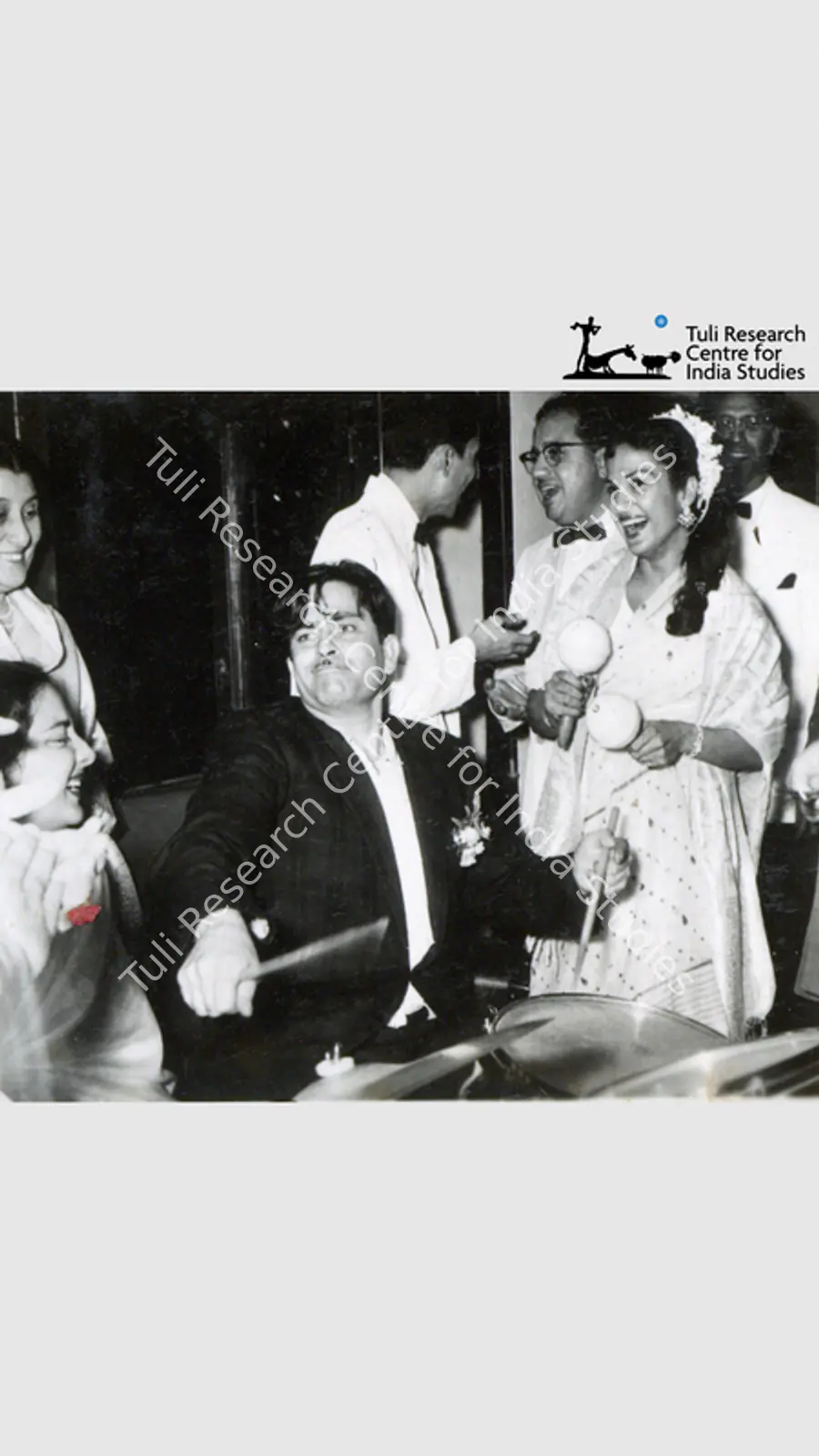
  7. Raj Kapoor's Film Songs Decoded | Awara Hoon, Pyar Hua Ikrar Hua & More (Trailer)
    Raj Kapoor's Film Songs Decoded | Awara Hoon, Pyar Hua Ikrar Hua & More (Trailer)
    "Raj Kapoor's tramp, the wide-eyed wanderer in oversized clothes and a battered hat, was one of Hindi cinema's most deliberate creative constructions. Borrowed in spirit from Charlie Chaplin but rooted firmly in the anxieties of post-independence India, the figure carried the dreams and displacements of a nation still finding its footing. "Awara Hoon" from Awara (1951) became the song that gave that figure its voice, and its reach was extraordinary. In this clip, the panel discusses how the film introduced Raj Kapoor to audiences across the erstwhile Soviet Union, China and beyond. Composer-Writer Madan Gopal Singh points to ""Ramaiya Vastavaiya"" from Shree 420 (1955) as a moment of genuine creative risk, where Lata Mangeshkar's voice moves the song from a collective street chorus into something laden with intimate individuality. The panel also deconstructs two more songs from Raj Kapoor's career: "Pyar Hua Ikrar Hua" from Shree 420 (1955) and "Jeena Yahan Marna Yahan" from Mera Naam Joker (1970), examining what makes them endure across generations. In the workshop "A Musical Glue for Nation-Building: Deconstructing the Film Song," organised by the Tuli Research Centre for India Studies (T.R.I.S.), Madan Gopal Singh, Juhi Saklani, Ravikant, and Amit Khanna, in conversation with Neville Tuli, explore the lasting appeal of these songs and what they reveal about India's greatest showman's vision of cinema, emotion, and India itself.
    1_CinemaEducation
    Raj KapoorShailendraMukeshMera Naam JokerAwaraShree 420Khwaja Ahmad AbbasRavikant+4 more
    Read Post →
  8. "Ramaiya Vastavaiya" - When Innocence Became a Political Act | Shree 420 (1955)
    "Ramaiya Vastavaiya" - When Innocence Became a Political Act | Shree 420 (1955)
    "Ramaiya Vastavaiya" from Shree 420 (1955) is much more than a folk street song. In this clip, the panel unpacks the layers beneath its apparent simplicity. Writer and Cinephile Juhi Saklani reflects on Shailendra's contribution to the building of the Raj Kapoor persona, noting that his lyrics carry a quality of innocence and moral incorruptibility that is, in its own way, a political stance. To sound that guileless in a world of compromise is itself an act of resistance. Ravikant picks up on a related thread, observing that the image of the worker or peasant singing while working, as in this song, is a recurring and almost static theme in Hindi cinema's representation of labouring life. This clip is from the workshop "A Musical Glue for Nation-Building: Deconstructing the Film Song", presented by the Tuli Research Centre for India Studies (T.R.I.S.) at the 7th Self-Discovery via Rediscovering India Festival, featuring Madan Gopal Singh, Amit Khanna, Ravikant and Juhi Saklani in conversation with Neville Tuli.
    1_CinemaEducation
    Raj KapoorShailendraShree 420RavikantA Musical Glue for Nation-Building - Deconstructing the Film SongNeville Tuli
    Read Post →
  9. Uncertainty, Destiny and the Tramp in Raj Kapoor's "Awara Hoon" | Awara (1951)
    Uncertainty, Destiny and the Tramp in Raj Kapoor's "Awara Hoon" | Awara (1951)
    What exactly is “Awaara Hoon” from Raj Kapoor's Awaara (1951) about? A song that lives inside too many uncertainties keeps asking the question, am I a wanderer, or a star in orbit (Gardish mein hun ya aasman ka taara hoon). There is no home, no belongingness, no clear destiny, only movement, longing, and doubt. It is the sound of a world that's unsure of itself, and still singing joyously. Visually, the influence of Charlie Chaplin is unmistakable. From Raj Kapoor's attire to his tramp's gait, the vagabond persona is shaped by Chaplin's image of the little man buffeted by forces beyond his control. The song turns that figure into a symbol of the post-independence anxiety about entitlement, class, and the future; yet capturing the emotion of being spirited, hopeful, and strangely free. The collaboration of Raj Kapoor, the lyricist Shailendra, composers Shankar–Jaikishan, and singer Mukesh, creates a song that is at once both philosophical and popular. It poses questions about destiny and identity while also reaching millions as an unforgettable film hit. Panelists Amit Khanna, Madan Gopal Singh, Ravikant, Juhi Saklani, and Neville Tuli, examine this iconic song, sung by Mukesh, with lyrics by Shailendra and music by Shankar–Jaikishan in this video from 'A Musical Glue for Nation-Building: Deconstructing the Film Song' session, presented by the Tuli Research Centre for India Studies (T.R.I.S.) at the 7th Self-Discovery via Rediscovering India Festival.
    1_CinemaEducation
    Raj KapoorShailendraMukeshShankar-JaikishanAwaraRavikantMadan Gopal SinghAmit Khanna+2 more
    Read Post →
  10. The Nature of Philosophical and Materialistic Existence in Raj Kapoor's "Jeena Yahan Marna Yahan"| Mera Naam Joker (1970)
    The Nature of Philosophical and Materialistic Existence in Raj Kapoor's "Jeena Yahan Marna Yahan"| Mera Naam Joker (1970)
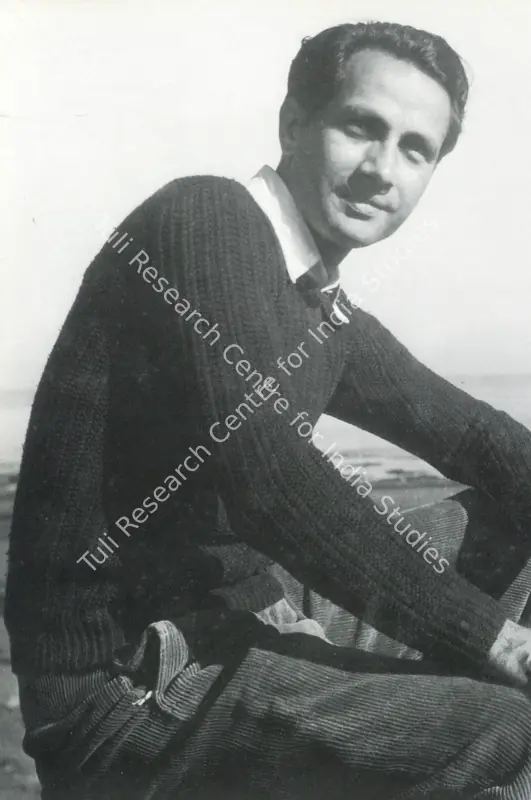
    "Jeena Yahan Marna Yahan" from Mera Naam Joker (1970) was penned by Shailendra, composed by Shankar-Jaikishan, and sung by Mukesh. The song is situated at the philosophical heart of Raj Kapoor's most personal and ambitious film. The film was a commercial disaster on release, and as Neville Tuli notes, both the song and the film found the audiences' acknowledgement only years later. Filmmaker-Lyricist Amit Khanna reveals a lesser-known detail about its making: the song was shot in Delhi at the Gemini Circus, but it had become extremely difficult to gather all the stars, who by that point had become huge in their own careers, at one point of time. The scenes featuring them were shot solo and then later assembled in Bombay to be inserted into the song sequence. Ravikant, Professor, CSDS (The Centre for the Study of Developing Societies), reads the song as both a philosophical and a deeply materialistic reflection on existence. There is a continuity in the persona that may take rebirth, he argues, but it is not the same person who returns. The world itself is one's heaven and hell simultaneously, and that, he suggests, is why we return to this song whenever life demands reflection. This clip is from the workshop "A Musical Glue for Nation-Building: Deconstructing the Film Song," conducted by the Tuli Research Centre for India Studies (T.R.I.S.) at the 7th Self-Discovery via Rediscovering India Festival, featuring Madan Gopal Singh, Amit Khanna, Ravikant, Juhi Saklani, and Neville Tuli.
    1_CinemaEducation
    Raj KapoorMera Naam JokerShailendraMukeshAmit KhannaRavikantMadan Gopal SinghNeville Tuli+1 more
    Read Post →
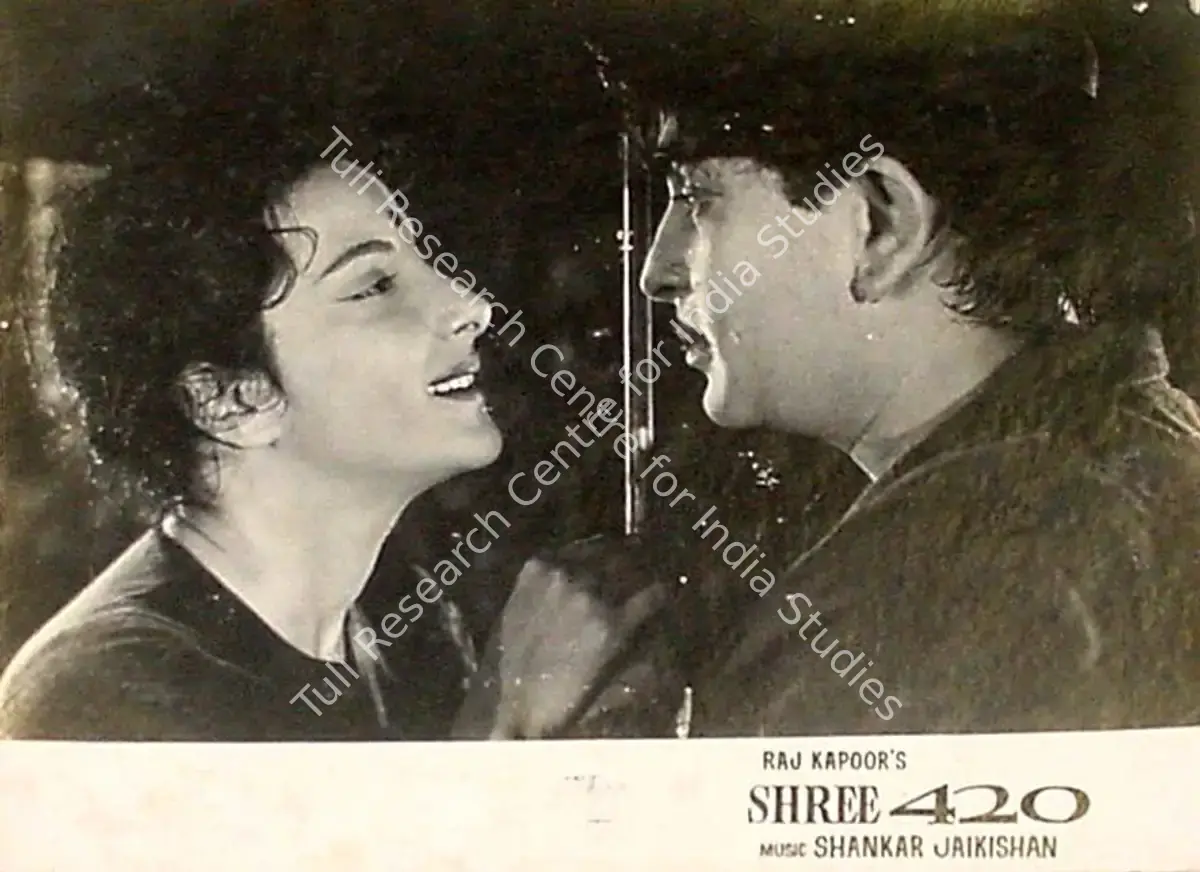
  11. "Pyar Hua Ikrar Hua"- Love, Romance and the Idea of India | Shree 420 (1955)
    "Pyar Hua Ikrar Hua"- Love, Romance and the Idea of India | Shree 420 (1955)
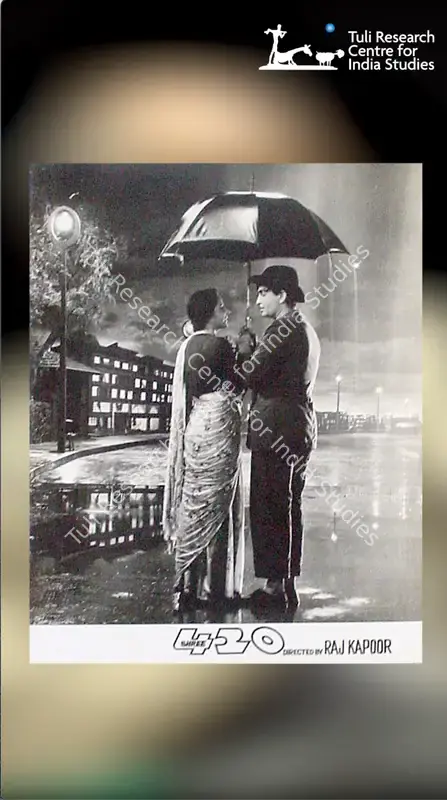
    "Pyar Hua Ikrar Hua" from Shree 420 (1955) at first glance is a song about two people standing in the rain, declaring their love for each other with nothing to their names. This conversation between the panelists peels back the layers, finding in it a richness that a casual listen rarely reveals. Filmmaker-Lyricist Amit Khanna opens with an anecdote about the battle between Raj Kapoor and Shankar-Jaikishan over whether Manna Dey or Mukesh should sing the song. It was Manna Dey who finally got the opportunity, and his voice immortalised it. Ravikant, Professor, CSDS (The Centre for the Study of Developing Societies), draws a parallel between the song and Roland Barthes' A Lover's Discourse, noting how the lovers believe their love to be eternal and absolute. For Ravikant, that sense of transcendence finds its most powerful visual expression when the camera pans to three young children, an image of radiant vitality that lifts the moment beyond the two figures standing in the rain. Composer-Writer Madan Gopal Singh reads the song through a different lens, comparing the condition of the two destitute lovers to that of newly independent India itself, a nation full of longing, uncertain of its footing, but reaching toward something better. This clip is from the workshop "A Musical Glue for Nation-Building: Deconstructing the Film Song" presented by the Tuli Research Centre for India Studies (T.R.I.S.) at the 7th Self-Discovery via Rediscovering India Festival, featuring Madan Gopal Singh, Amit Khanna, Ravikant, Juhi Saklani, and Neville Tuli.
    1_CinemaEducation
    Raj KapoorShree 420Shankar-JaikishanManna DeyAmit KhannaRavikantMadan Gopal SinghNeville Tuli+1 more
    Read Post →

Calendar 1

View All →
  1. A Musical Glue for Nation-Building
    LiveOffline-Online EventProject 80
    A Musical Glue for Nation-Building
    Deconstructing the Film Song
    23rd July - 22nd August 2026
    Ketan Anand | Ravikant | Pavan Jha | Madan Gopal Singh | Amit Khanna | Juhi Saklani | Antara Mondal | Shikha Jhingan | Neville Tuli
    A key section of the India Studies framework at The Tuli Research Centre for India Studies (T.R.I.S.) is “Deconstructing the Film Song”. It began with a series of four workshops during our Self-Discovery via Rediscovering India Festival Series that brought together leading scholars & academics, film practitioners & students, along with fans of the Hindi film song. The objective of these workshops was to deconstruct iconic Hindi film songs to examine their formation across music, lyrics, playback, choreography, directorial visualisation, as they fuse into sites where aesthetics, ideology, and performance intersect, so as to help clarify the nature of India and her relationship to the film song. The Hindi Film Song functions as a narrative device, conveying myriad textures of emotion through melody, voice and poetry. As cultural texts that encode memory, desire, and ideology, songs are integral to the circulation and resonance of films in the public realm. Over time they have become autonomous bundles of creative energy - the glue that binds us over time, articulating and perhaps even defining the idea of Indianness. These first Workshops were an attempt to understand the nature and power of this glue, while contemplating the ways to situate it within TRIS' academic framework for Contemporary India Studies.
    Read More →
    1_CinemaEducation·12_Scholarship
    +34 more
                          A Musical Glue for Nation Building - Four Classic Songs from the cinema of Raj Kapoor and the genius of Shankar-Jaikishan, Shailendra, Lata Mangeshkar, Mukesh, Manna Dey & Mohammed Rafi

                          A Musical Glue for Nation Building - Four Classic Songs from the cinema of Raj Kapoor and the genius of Shankar-Jaikishan, Shailendra, Lata Mangeshkar, Mukesh, Manna Dey & Mohammed Rafi

                          Time and Date5:00 PM, 17 February 2026
                          OrganiserTuli Research Centre for India Studies
                          VenueM.L. Bhartia Auditorium, Alliance Francaise de Delhi, Birla Lane, Lodi Estate, New Delhi