Bhupendra Singh

Bhupendra Singh
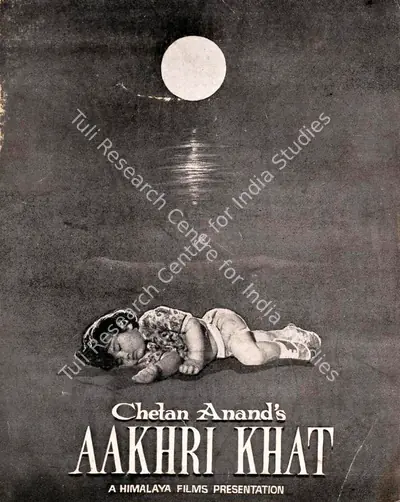
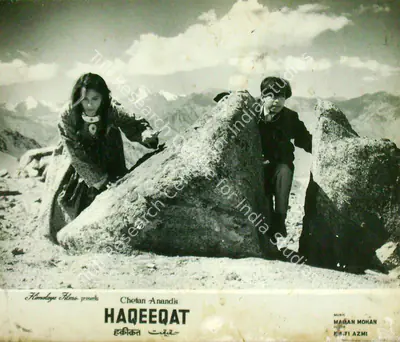
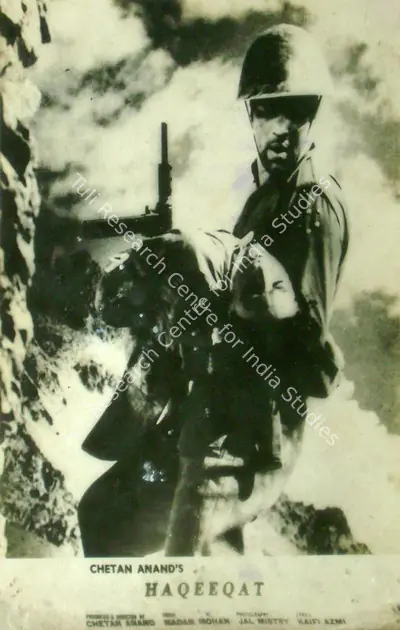
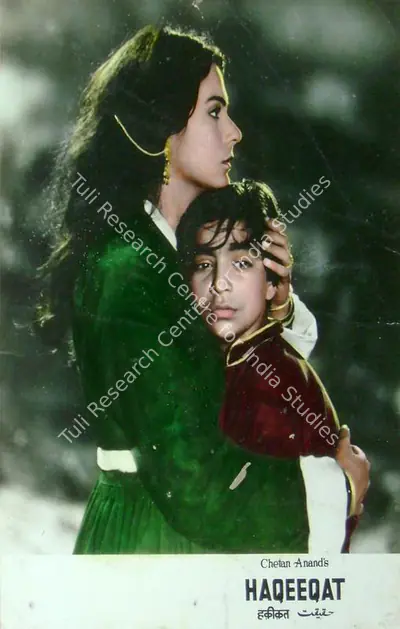
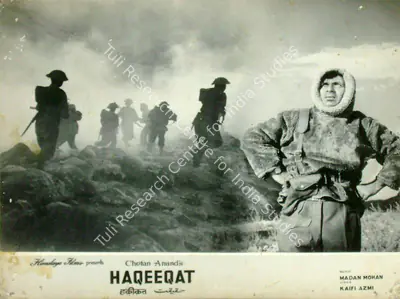
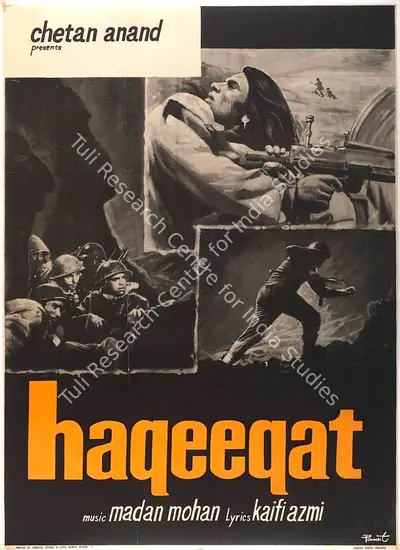
Bhupinder Singh (born Bhupinder Soin, 6 February 1940–18 July 2022) was an eminent Indian musician, ghazal exponent, guitarist, and Bollywood playback singer whose distinctive baritone voice and innovative musical sensibilities left a lasting impact on Indian music. Born in Amritsar, Punjab, into a musical family, he received his early training from his father, Natha Singh, a noted musician whose rigorous discipline shaped Bhupinder's musical foundation despite initially fostering a dislike for music. Singh began his professional career as a casual artist with All India Radio, New Delhi, under producer Satish Bhatia, and later worked at Doordarshan while developing his skills as a guitarist. His career took a decisive turn in 1962 when music director Madan Mohan discovered him at a musical gathering and invited him to Bombay. He made his playback debut with the ensemble song Hoke Majboor Mujhe Usne Bulaya Hoga in Haqeeqat (1964), alongside Mohammed Rafi, Talat Mahmood, and Manna Dey. His first solo playback opportunity came in Aakhri Khat (1966) under the music direction of Khayyam. Beyond playback singing, Bhupinder Singh significantly enriched the ghazal tradition through his private albums, incorporating Western instruments such as the Spanish guitar, bass, and drums into the genre. He was also instrumental in popularising the twelve-string guitar in Bollywood studio recordings. Among his most celebrated songs are Dil Dhoondta Hai, Beeti Na Beetai Raina, Naam Gum Jayega, Ek Akela Is Sheher Mein, and Kisi Nazar Ko Tera Intezaar. His collaborations with composers including R. D. Burman, Madan Mohan, and Khayyam further enhanced his artistic legacy. Following his marriage to Bangladeshi singer Mitali Mukherjee, Singh largely withdrew from playback singing in the mid-1980s to focus on ghazal albums and live performances with his wife. In recognition of his outstanding contribution to Sugam Sangeet, he received the prestigious Sangeet Natak Akademi Award in 2015, affirming his enduring influence on Indian light classical and popular music.
Bhupendra Singh
Bhupinder Singh (born Bhupinder Soin, 6 February 1940–18 July 2022) was an eminent Indian musician, ghazal exponent, guitarist, and Bollywood playback singer whose distinctive baritone voice and innovative musical sensibilities left a lasting impact on Indian music. Born in Amritsar, Punjab, into a musical family, he received his early training from his father, Natha Singh, a noted musician whose rigorous discipline shaped Bhupinder's musical foundation despite initially fostering a dislike for music. Singh began his professional career as a casual artist with All India Radio, New Delhi, under producer Satish Bhatia, and later worked at Doordarshan while developing his skills as a guitarist. His career took a decisive turn in 1962 when music director Madan Mohan discovered him at a musical gathering and invited him to Bombay. He made his playback debut with the ensemble song Hoke Majboor Mujhe Usne Bulaya Hoga in Haqeeqat (1964), alongside Mohammed Rafi, Talat Mahmood, and Manna Dey. His first solo playback opportunity came in Aakhri Khat (1966) under the music direction of Khayyam. Beyond playback singing, Bhupinder Singh significantly enriched the ghazal tradition through his private albums, incorporating Western instruments such as the Spanish guitar, bass, and drums into the genre. He was also instrumental in popularising the twelve-string guitar in Bollywood studio recordings. Among his most celebrated songs are Dil Dhoondta Hai, Beeti Na Beetai Raina, Naam Gum Jayega, Ek Akela Is Sheher Mein, and Kisi Nazar Ko Tera Intezaar. His collaborations with composers including R. D. Burman, Madan Mohan, and Khayyam further enhanced his artistic legacy. Following his marriage to Bangladeshi singer Mitali Mukherjee, Singh largely withdrew from playback singing in the mid-1980s to focus on ghazal albums and live performances with his wife. In recognition of his outstanding contribution to Sugam Sangeet, he received the prestigious Sangeet Natak Akademi Award in 2015, affirming his enduring influence on Indian light classical and popular music.

Introduction

Filmography

Print
filter
1975

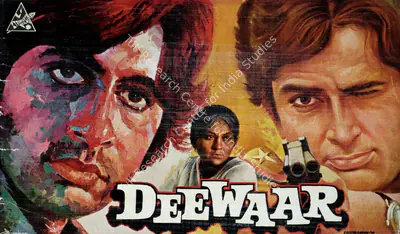
Deewaar | Hindi | Playback Singer

Feature | Fiction | Colour | 176 mins | Booklet
1975

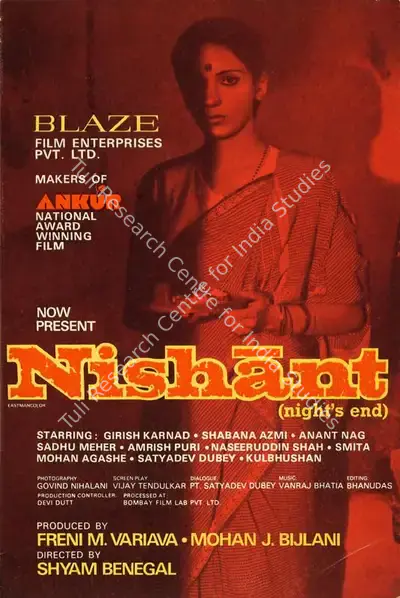
Nishant | Hindi | Playback Singer

Feature | Fiction | Colour | Booklet

Research Centre
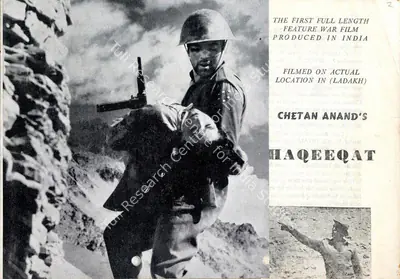
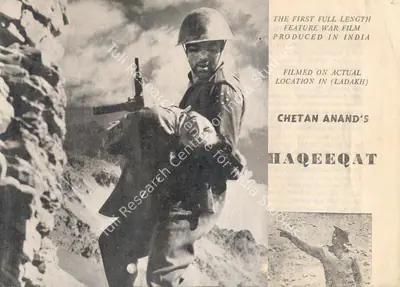
Anand, Chetan (Director), Haqeeqat, 1964 | Song-Synopsis Booklet

Anand, Chetan (Director), Haqeeqat, 1964 | Song-Synopsis Booklet

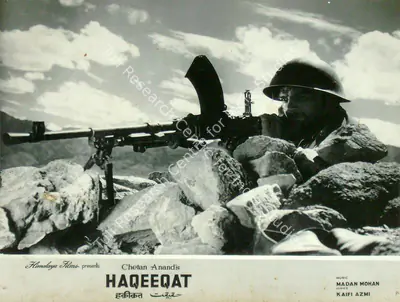
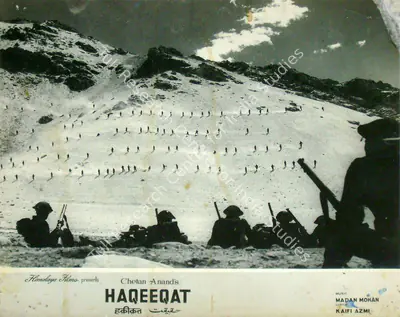
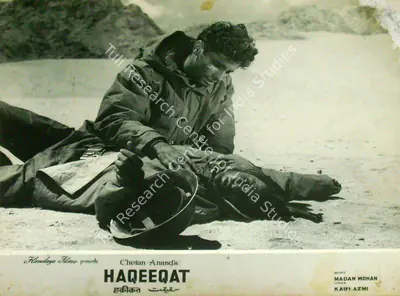
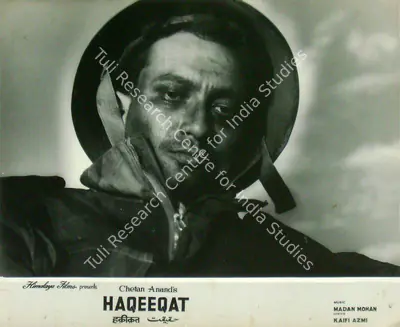
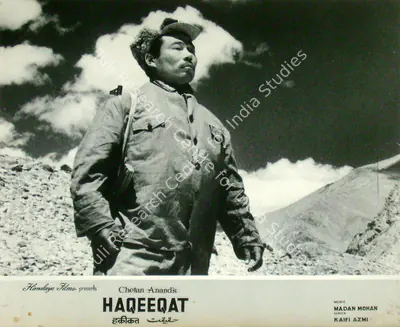
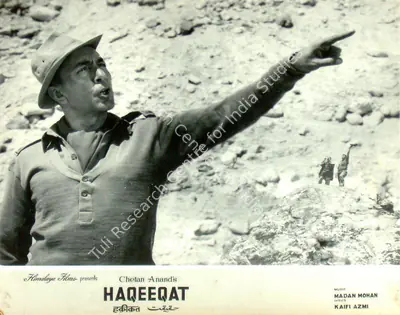
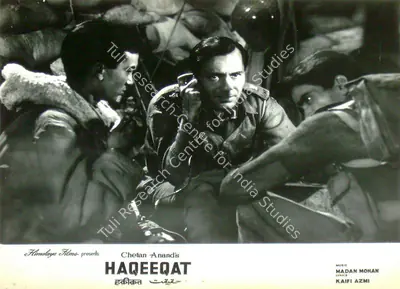
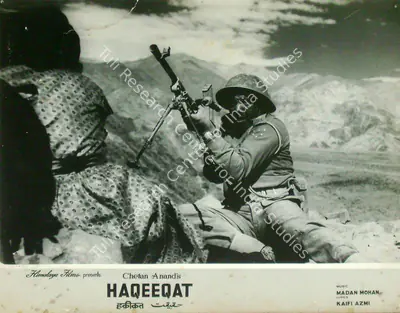
Sadanand (Cinematographer), Haqeeqat, 1964 | Lobby Card

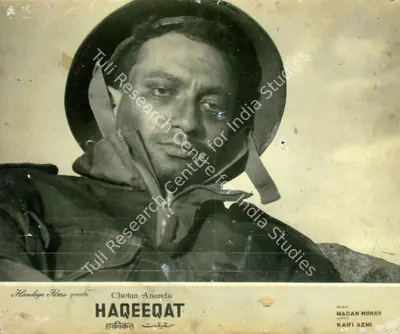
Sadanand (Cinematographer), Haqeeqat, 1964 | Lobby Card

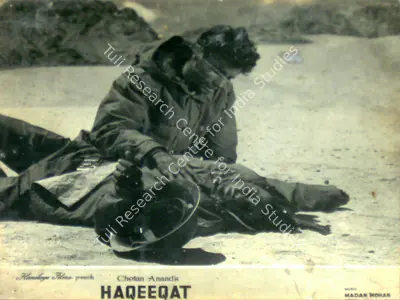
Sadanand (Cinematographer), Haqeeqat, 1964 | Lobby Card

Sadanand (Cinematographer), Haqeeqat, 1964 | Lobby Card

Sadanand (Cinematographer), Haqeeqat, 1964 | Lobby Card

Sadanand (Cinematographer), Haqeeqat, 1964 | Lobby Card

Sadanand (Cinematographer), Haqeeqat, 1964 | Lobby Card

Sadanand (Cinematographer), Haqeeqat, 1964 | Lobby Card

Sadanand (Cinematographer), Haqeeqat, 1964 | Lobby Card

Sadanand (Cinematographer), Haqeeqat, 1964 | Lobby Card

Sadanand (Cinematographer), Haqeeqat, 1964 | Lobby Card

Sadanand (Cinematographer), Haqeeqat, 1964 | Lobby Card

Sadanand (Cinematographer), Haqeeqat, 1964 | Lobby Card

Sadanand (Cinematographer), Haqeeqat, 1964 | Lobby Card

Sadanand (Cinematographer), Haqeeqat, 1964 | Lobby Card

Sadanand (Cinematographer), Haqeeqat, 1964 | Lobby Card

Sadanand (Cinematographer), Haqeeqat, 1964 | Lobby Card

Sadanand (Cinematographer), Haqeeqat, 1964 | Lobby Card

Sadanand (Cinematographer), Haqeeqat, 1964 | Lobby Card

Sadanand (Cinematographer), Haqeeqat, 1964 | Lobby Card

Sadanand (Cinematographer), Haqeeqat, 1964 | Lobby Card

Sadanand (Cinematographer), Haqeeqat, 1964 | Lobby Card

Sadanand (Cinematographer), Haqeeqat, 1964 | Lobby Card

Sadanand (Cinematographer), Haqeeqat, 1964 | Lobby Card

Sadanand (Cinematographer), Haqeeqat, 1964 | Lobby Card

Sadanand (Cinematographer), Haqeeqat, 1964 | Lobby Card

Sadanand (Cinematographer), Haqeeqat, 1964 | Lobby Card

Sadanand (Cinematographer), Haqeeqat, 1964 | Lobby Card

Anand, Chetan (Director), Haqeeqat, 1964 | Song-Synopsis Booklet

Anand, Chetan (Director), Haqeeqat, 1964 | Song-Synopsis Booklet

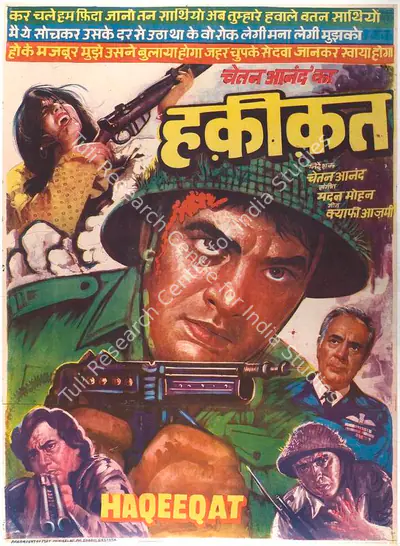
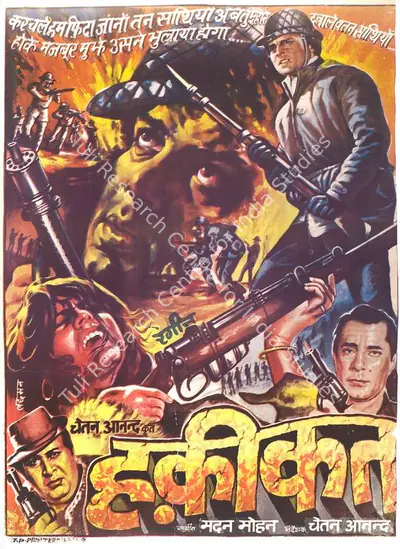
Anand, Chetan (Director), Haqeeqat, 1964 | Full Sheet Poster

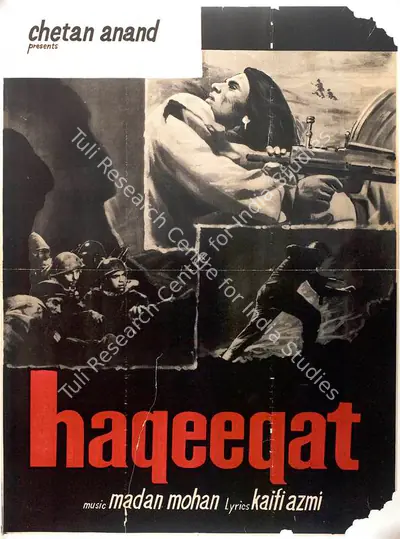
Anand, Chetan (Director), Haqeeqat, 1964 | Full Sheet Poster

Anand, Chetan (Director), Haqeeqat, 1964 | Full Sheet Poster

Anand, Chetan (Director), Haqeeqat, 1964 | Full Sheet Poster

Anand, Chetan (Director), Haqeeqat, 1964 | Full Sheet Poster

Anand, Chetan (Director), Haqeeqat, 1964 | Full Sheet Poster

Anand, Chetan (Director), Haqeeqat, 1964 | Full Sheet Poster

Anand, Chetan (Director), Haqeeqat, 1964 | Full Sheet Poster

Loading...
TRIS logo image