
Sharda1957
Introduction
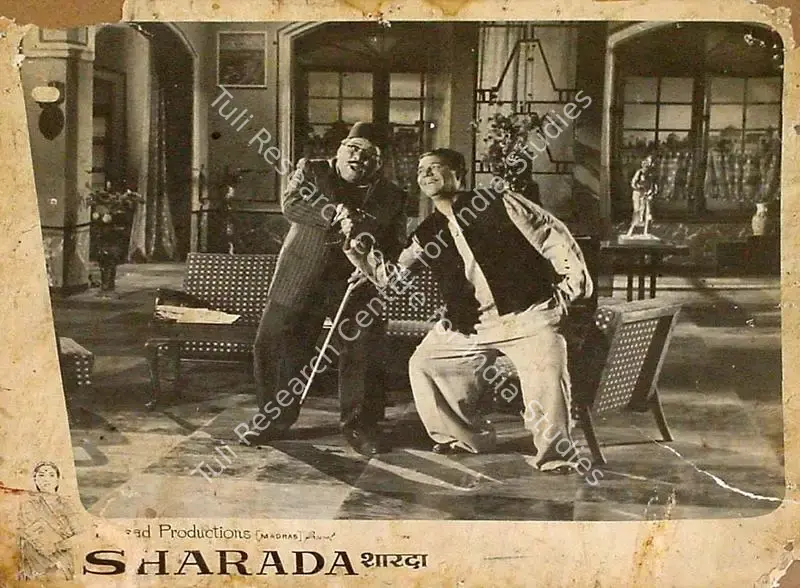
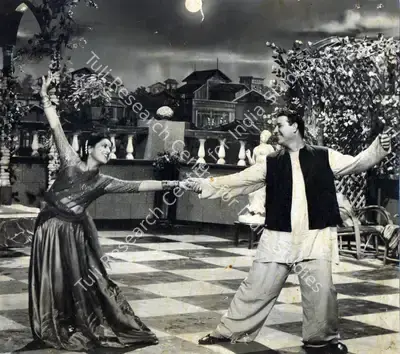
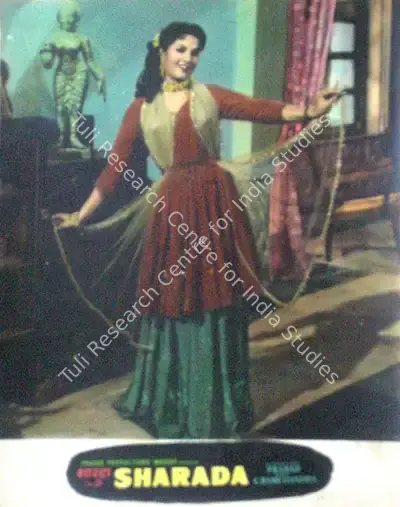
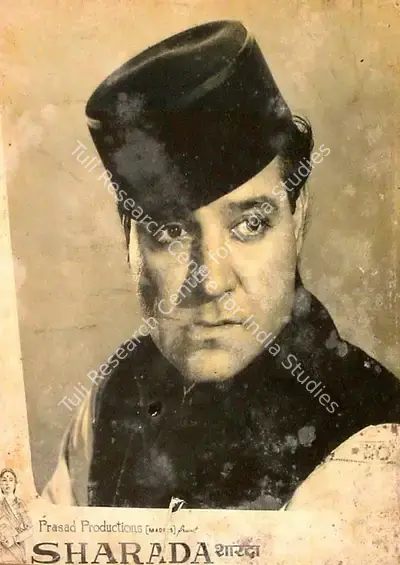
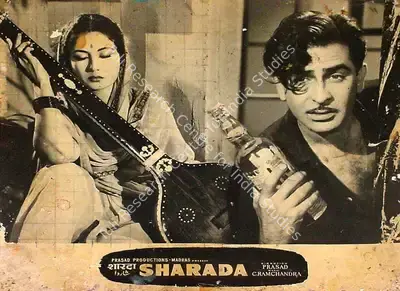
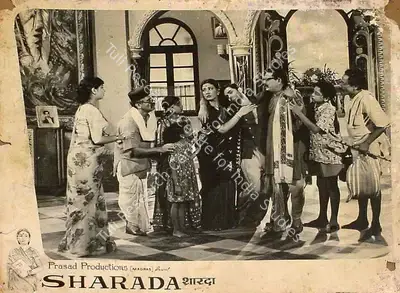
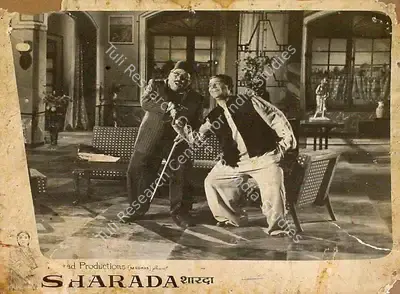
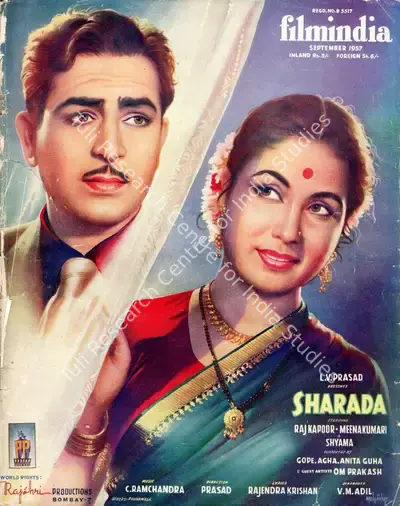
Sharada (1957), directed by L. V. Prasad, starred Raj Kapoor and Meena Kumari in a poignant drama. A remake of the 1954 Tamil film Edhir Paradhathu, it was the ninth-highest-grossing Indian film of 1957 and performed above average at the box office.
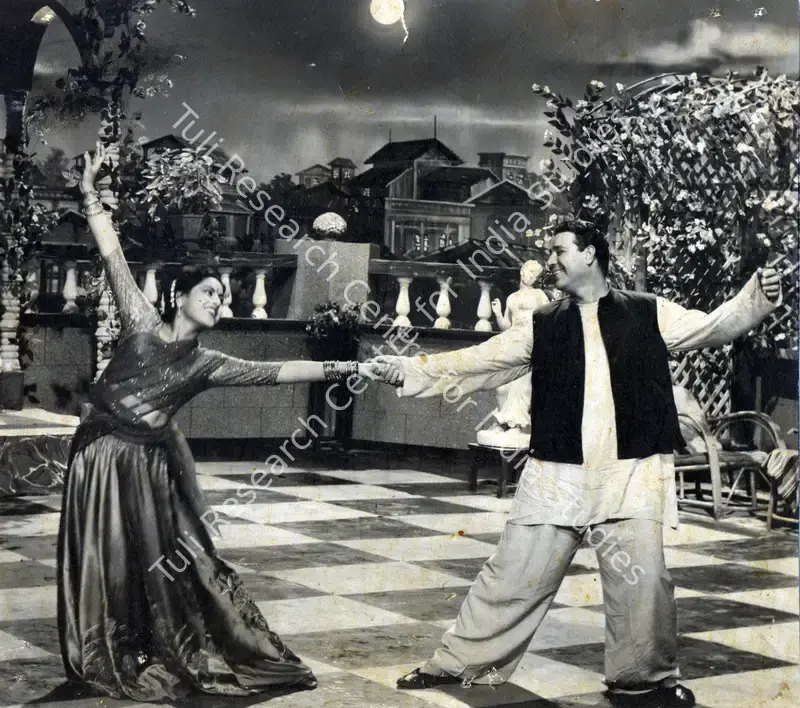
The film's music was composed by C. Ramchandra. While the overall score was considered below his usual standard, the standout was the evergreen duet O Chand Jahan Wo Jaayein, sung by Lata Mangeshkar and Asha Bhosle and picturized on Meena Kumari and Shyama. The lyrics, penned by Rajendra Krishan, were also seen as less impactful compared to his previous work.
The plot centres on an emotional love triangle, with both female characters, portrayed by Meena Kumari and Shyama, praying for the safety and wellbeing of Raj Kapoor's character. The song O Chand reflects their inner turmoil and devotion. The debate over which singer excelled more in the duet is subjective—Lata is known for her smooth, delicate voice, while Asha's rendition carries expressive power and technical agility. While personal preference plays a major role, many listeners feel Asha Bhosle stood out with her fluid taans and effortless style in this particular track.
Though Meena Kumari did not win the Filmfare Award that year—Nargis received Best Actress for Mother India—she was honored with the Best Actress award by the Bengal Film Journalists' Association, recognizing her compelling performance in Sharada. Raj Kapoor and Meena Kumari would later reunite on screen in Char Dil Char Rahen (1959), further strengthening their cinematic pairing.
इस फ़िल्म के लिए संगीत सी. रामचंद्र ने तैयार किया था। हालाँकि कुल मिलाकर इस फ़िल्म के संगीत को उतना शानदार नहीं माना गया जैसा सी. रामचंद्र जैसे मंझे हुए संगीतकार से उम्मीद की जाती थी, लेकिन फ़िल्म में लता मंगेशकर और आशा भोंसले के गाये युगल गीत “ओ चाँद जहाँ वो जाएँ” को विशेष सराहना मिली। यह गीत अभिनेत्री मीना कुमारी और श्यामा पर फ़िल्माया गया था। इस फ़िल्म के लिए गीत उस दौर के नामी गीतकार राजेंद्र कृष्ण ने लिखे थे, लेकिन उनके पिछले काम की तुलना में इसे उतनी तारीफ़ नहीं मिली।
फ़िल्म की कहानी एक भावनात्मक प्रेम त्रिकोण पर आधारित है। मीना कुमारी का किरदार और श्यामा द्वारा निभाया गया किरदार, दोनों पात्र राज कपूर के किरदार की सलामती और सुख-शांति के लिए खुद को न्यौछावर करने को तैयार हैं। “ओ चाँद जहाँ वो जाएँ” गीत दोनों स्त्री किरदारों के भीतर मौजूद द्वंद्व और उनके समर्पण को दिखाता है। एक बहस यह भी चलती है कि इस युगल गीत में लता बेहतर तरीके से उभरकर सामने आई हैं या आशा ने उन्हें बराबरी की चुनौती दी है। हालाँकि यह निर्णय पूरी तरह से व्यक्तिगत पसन्द पर आधारित है। लता अपनी मृदु और कोमल आवाज़ के लिए जानी जाती हैं जबकि आशा की गायकी में जज़्बातों का उतार-चढ़ाव और तकनीकी कुशलता दिखाई देती है। हालाँकि जैसा हमने ऊपर कहा कि यह सुननेवाले की पसंद पर निर्भर करता है, लेकिन कई संगीत प्रेमी ऐसा मानते हैं कि इस गीत में आशा भोंसले अपनी ऊँची तान और सहज अंदाज़ से अपनी बड़ी बहन से बाज़ी मार ले जाती हैं।
हालाँकि इस भूमिका के लिए मीना कुमारी को उस वर्ष फ़िल्मफेयर पुरस्कार नहीं मिल पाया क्योंकि यह सम्मान उस वर्ष मदर इंडिया में शीर्षक भूमिका के लिए नर्गिस को मिला था, लेकिन 'बंगाल फ़िल्म जर्नलिस्ट्स एसोसिएशन' ने मीना कुमारी को शारदा में उनके प्रभावशाली अभिनय के लिए सर्वश्रेष्ठ अभिनेत्री का पुरस्कार प्रदान किया। राज कपूर और मीना कुमारी इसके बाद सन् 1959 में चार दिल चार राहें नामक फ़िल्म में फिर से साथ नज़र आए और उनकी सिनेमाई जोड़ी को लोकप्रियता मिली।
Body of Work
Research Centre


Related
12
Personalities
11
Themes
1