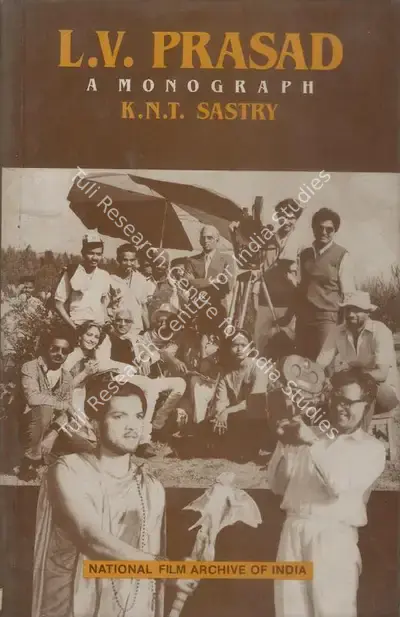
L.V. Prasad
Akkineni Lakshmi Vara Prasada Rao (17 January 1907 – 22 June 1994) Professionally known as L. V. Prasad, he was an eminent Indian film director, producer, actor, studio founder, and entrepreneur whose contributions significantly shaped the evolution of Indian cinema, particularly Telugu cinema. Widely regarded as one of the pioneers of the Telugu film industry, Prasad holds the unique distinction of appearing in the first talkie films of three major Indian languages: Alam Ara (1931), India's first Hindi sound film; Kalidas (1931), the first Tamil–Telugu bilingual talkie; and Bhakta Prahlada (1932), the first Telugu talkie. His distinguished career, spanning more than five decades, reflects his remarkable contributions to filmmaking, film production, and the institutional development of Indian cinema.
Born on 17 January 1907 in Somavarappadu village, West Godavari district, Andhra Pradesh, Prasad was raised in an agricultural family. Although he showed little interest in formal education, he possessed exceptional determination and creativity. Following his marriage to Soundarya Manoharamma in 1924, financial difficulties prompted him to relocate to Bombay in pursuit of a career in cinema. Beginning as an errand boy at Venus Film Company and India Pictures, he gradually acquired practical experience in filmmaking. His association with filmmaker H. M. Reddy enabled him to participate in landmark productions and paved the way for his transition into film direction.
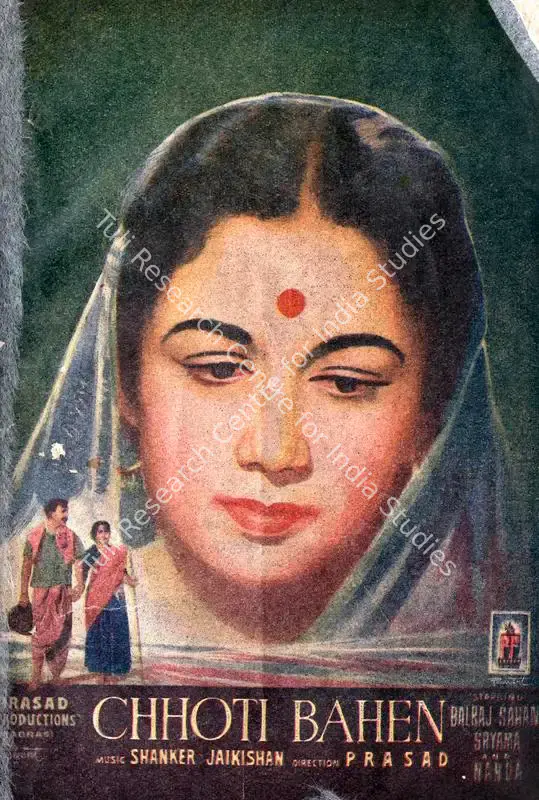
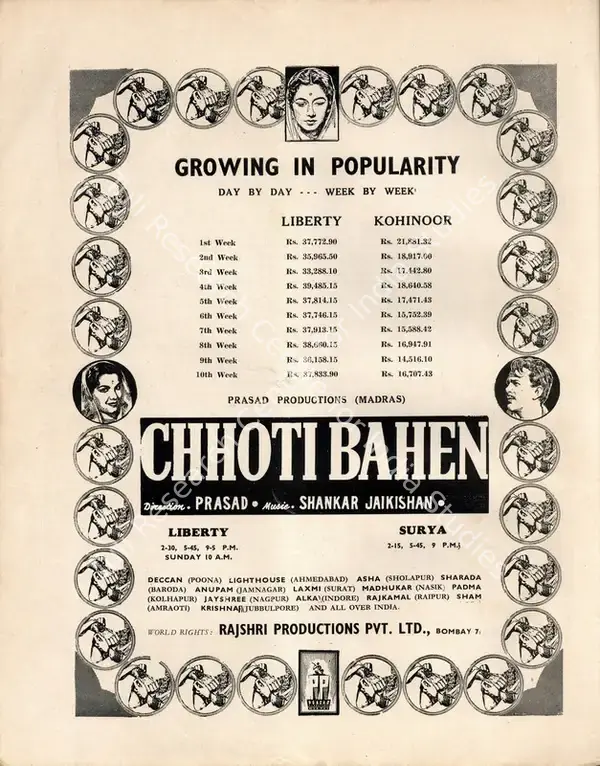
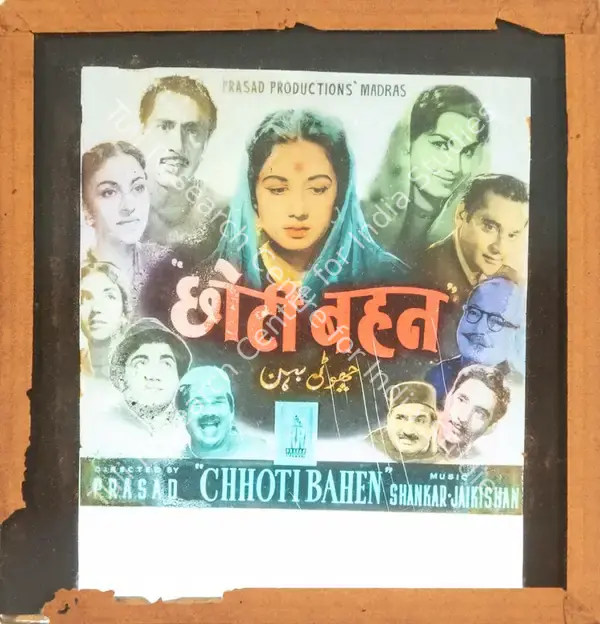
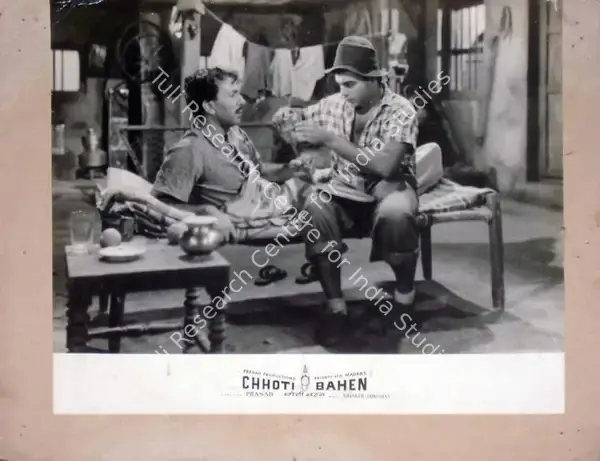
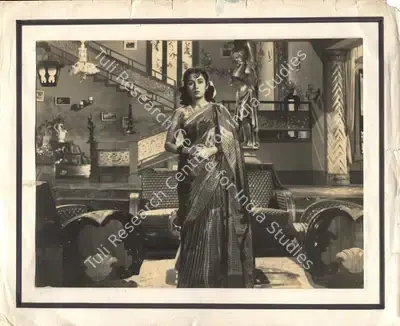
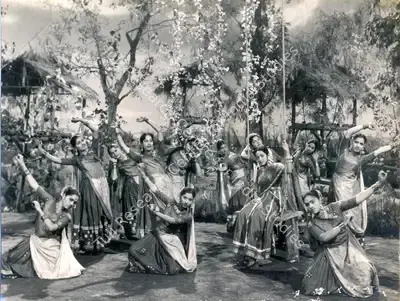
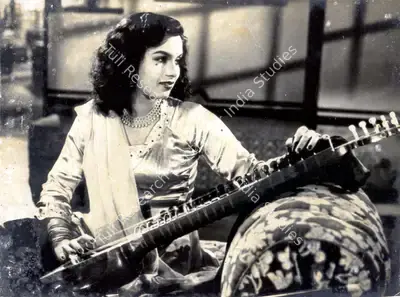
Prasad's directorial career gained prominence with Gruha Pravesam (1946), in which he served as both director and lead actor. The film achieved critical acclaim and established him as a major creative force in Telugu cinema. He subsequently directed Palnati Yudham (1947), Mana Desam (1949), which introduced N. T. Rama Rao in an early screen role, Shavukaru (1950), and Samsaram (1950), a landmark social drama featuring N. T. Rama Rao and Akkineni Nageswara Rao. His subsequent successes included Pelli Chesi Choodu (1952), Rani (1952), Manohara (1954), and Missamma (1955), films that strengthened his reputation for combining artistic excellence with popular appeal. As a producer, he established Lakshmi Productions and Prasad Productions, which produced acclaimed films such as Sasural (1961), Beti Bete (1964), Milan (1967), Khilona (1970), and Ek Duuje Ke Liye (1981), each achieving considerable commercial and critical success.
In 1956, Prasad founded the Prasad Group, comprising Prasad Studios, Prasad Art Pictures, Prasad Film Laboratories, Prasad IMAX, and later the renowned L. V. Prasad Eye Institute, reflecting his enduring commitment to both cinematic excellence and public service. He also held several influential leadership positions, including Chairman of the National Film Awards Selection Committee (1980), Chairman of the Indian Panorama Selection Panel (1981), Chairman of the International Jury for the Children's Film Festival (1981), Member of the Central Board of Film Censors (1980–1987), Chairman of the Studio Owners' Council of the Film Federation of India, and President of the South Indian Film Chamber of Commerce (1982–83).
Prasad's exceptional contributions earned him numerous honours, including the Raghupathi Venkaiah Award (1980) and the Dadasaheb Phalke Award (1982), India's highest recognition in cinema. He also received the National Film Award Certificate of Merit for Mangayar Thilakam (1956), the National Film Award for Best Telugu Feature Film for Bharya Bhartalu (1961), the Filmfare Award for Best Film for Khilona (1970), and the Filmfare Lifetime Achievement Award–South (1992). Following his death on 22 June 1994, the Government of India honoured his enduring legacy by issuing a commemorative postage stamp in 2006. L. V. Prasad remains an enduring symbol of artistic innovation, entrepreneurial vision, and institutional leadership in Indian cinema.
17 जनवरी 1907 को आंध्र प्रदेश के पश्चिम गोदावरी जिले के सोमवरप्पाडु गांव में जन्मे प्रसाद एक किसान परिवार में पले-बढ़े। हालांकि औपचारिक शिक्षा में उनकी रुचि कम थी, लेकिन उनमें असाधारण दृढ़ संकल्प और रचनात्मकता थी। 1924 में सौंदर्या मनोहरम्मा से शादी के बाद, आर्थिक तंगी के कारण उन्हें सिनेमा में करियर बनाने के लिए बॉम्बे जाना पड़ा। वीनस फ़िल्म कंपनी और इंडिया पिक्चर्स में छोटे-मोटे काम करने से शुरुआत करते हुए, उन्होंने धीरे-धीरे फ़िल्म निर्माण का व्यावहारिक अनुभव हासिल किया। फ़िल्म निर्माता एच. एम. रेड्डी के साथ जुड़ने से उन्हें महत्वपूर्ण फ़िल्मों में काम करने का मौका मिला और फ़िल्म निर्देशन की ओर बढ़ने का रास्ता खुला।
प्रसाद के निर्देशन करियर को 'गृह प्रवेशम' (1946) से पहचान मिली, जिसमें उन्होंने निर्देशक और मुख्य अभिनेता दोनों की भूमिका निभाई। फ़िल्म को आलोचकों की काफ़ी सराहना मिली और इसने उन्हें तेलुगु सिनेमा में एक प्रमुख रचनात्मक हस्ती के रूप में स्थापित किया। इसके बाद उन्होंने 'पलनाटी युद्धम' (1947), 'माना देशम' (1949), जिसमें एन. टी. रामा राव ने शुरुआती स्क्रीन भूमिका निभाई थी। 'शावुकारू' (1950) और 'संसारम' (1950) का निर्देशन किया। 'संसारम' एक महत्वपूर्ण सामाजिक ड्रामा फ़िल्म थी जिसमें एन. टी. रामा राव और अक्किनेनी नागेश्वर राव ने अभिनय किया था। उनकी बाद की सफल फ़िल्मों में 'पेल्ली चेसी चूडू' (1952), 'रानी' (1952), 'मनोहरा' (1954) और 'मिसम्मा' (1955) शामिल थीं। इन फ़िल्मों ने कलात्मक उत्कृष्टता और लोकप्रियता को एक साथ लाने के लिए उनकी पहचान को और मज़बूत किया। एक प्रोड्यूसर के तौर पर उन्होंने 'लक्ष्मी प्रोडक्शन्स' और 'प्रसाद प्रोडक्शन्स' की स्थापना की। इन बैनर तले बनी फ़िल्मों, जैसे 'ससुराल' (1961), 'बेटी-बेटे' (1964), 'मिलन' (1967), 'खिलौना' (1970) और 'एक दूजे के लिए' (1981) को व्यावसायिक और समीक्षकों, दोनों ही स्तरों पर बड़ी सफलता मिली।
1956 में प्रसाद ने 'प्रसाद ग्रुप' की स्थापना की, जिसमें प्रसाद स्टूडियोज़, प्रसाद आर्ट पिक्चर्स, प्रसाद फ़िल्म लैबोरेटरीज़, प्रसाद आईमैक्स और बाद में मशहूर 'एल. वी. प्रसाद आई इंस्टीट्यूट' शामिल थे। ये सभी फ़िल्मों में बेहतरीन काम और जनसेवा के प्रति उनके लंबे समय से चले आ रहे समर्पण को दिखाते हैं। उन्होंने कई अहम लीडरशिप पद भी संभाले, जैसे नेशनल फ़िल्म अवॉर्ड्स सिलेक्शन कमिटी के चेयरमैन (1980), इंडियन पैनोरमा सिलेक्शन पैनल के चेयरमैन (1981), चिल्ड्रन्स फ़िल्म फ़ेस्टिवल की इंटरनेशनल जूरी के चेयरमैन (1981), सेंट्रल बोर्ड ऑफ़ फ़िल्म सेंसर्स के सदस्य (1980–1987), फ़िल्म फ़ेडरेशन ऑफ़ इंडिया की स्टूडियो ओनर्स काउंसिल के चेयरमैन और साउथ इंडियन फ़िल्म चैंबर ऑफ़ कॉमर्स के प्रेसिडेंट (1982–83)।
प्रसाद के शानदार योगदान के लिए उन्हें कई सम्मान मिले, जिनमें रघुपति वेंकैया अवॉर्ड (1980) और दादा साहब फाल्के अवॉर्ड (1982) शामिल हैं, जो भारत में फ़िल्मों के क्षेत्र का सबसे बड़ा सम्मान है। उन्हें 'मंगयार थिलाकम' (1956) के लिए नेशनल फ़िल्म अवॉर्ड का 'सर्टिफ़िकेट ऑफ़ मेरिट', 'भार्या भर्तलु' (1961) के लिए बेस्ट तेलुगु फ़ीचर फ़िल्म का नेशनल फ़िल्म अवॉर्ड, 'खिलौना' (1970) के लिए बेस्ट फ़िल्म का फ़िल्मफ़ेयर अवॉर्ड और फ़िल्मफ़ेयर लाइफ़टाइम अचीवमेंट अवॉर्ड–साउथ (1992) भी मिला। 22 जून 1994 को उनके निधन के बाद, भारत सरकार ने 2006 में एक डाक टिकट जारी करके उनकी शानदार विरासत का सम्मान किया। एल. वी. प्रसाद भारतीय सिनेमा में कलात्मक इनोवेशन, बिज़नेस की दूरदर्शी सोच और संस्थागत लीडरशिप की एक स्थायी मिसाल बने हुए हैं।