
Sadgati1981
Introduction
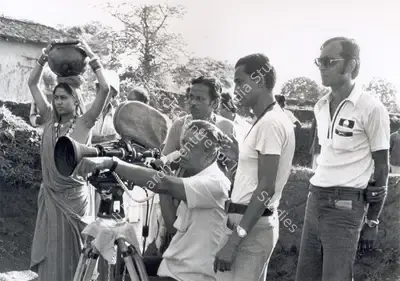
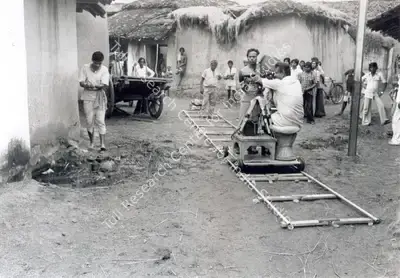
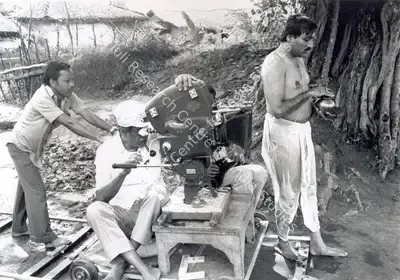
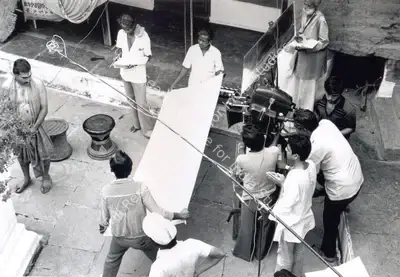
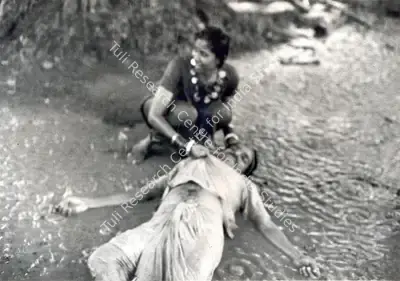
Sadgati (Deliverance, 1981) is a Hindi-language television film directed by the legendary Satyajit Ray, adapted from the eponymous short story by the acclaimed Hindi writer Munshi Premchand. Ray described the film, which centres on the plight of a poor Dalit, as "a deeply angry film [...] not the anger of an exploding bomb but of a bow stretched taut and quivering."
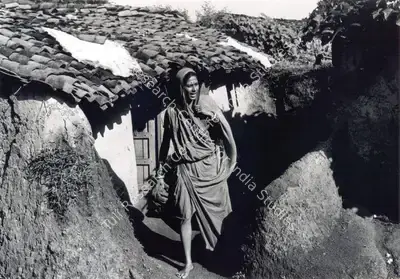
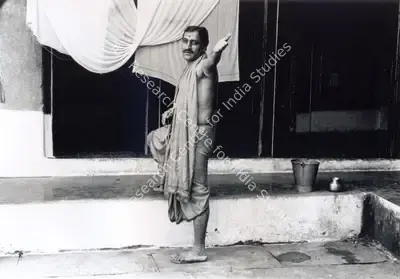
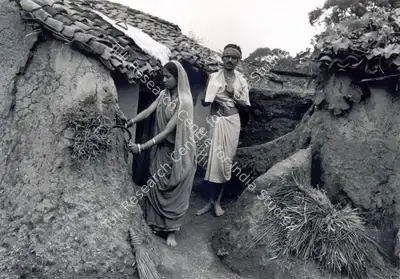
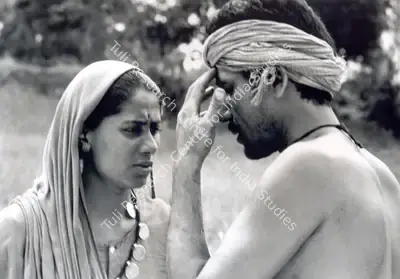
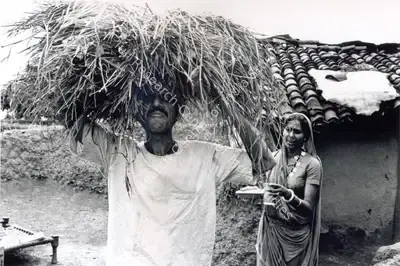
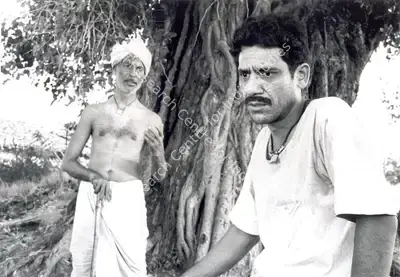
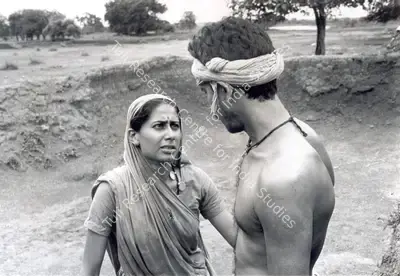
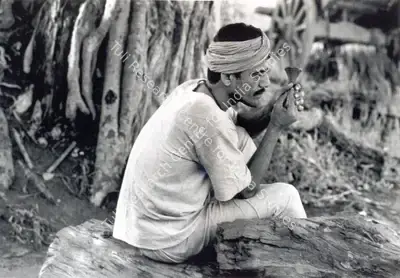
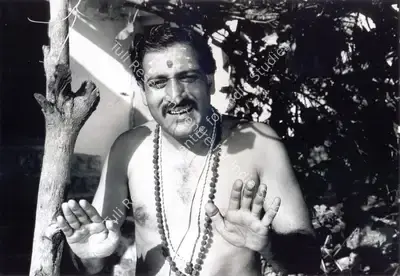
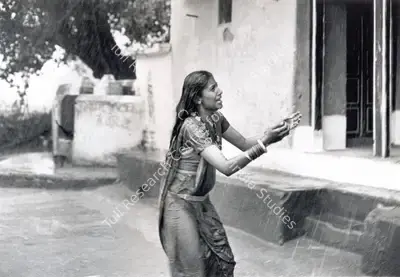
Featuring powerful performances by Om Puri as Dukhi, Smita Patil as Jhuria, Mohan Agashe as the Priest, Gita Siddharth as the Priest's wife, Bhaiyalal Hedao as the Gond, and Richa Mishra as Dhania, Sadgati also holds the distinction of being Doordarshan's first colour telecast.
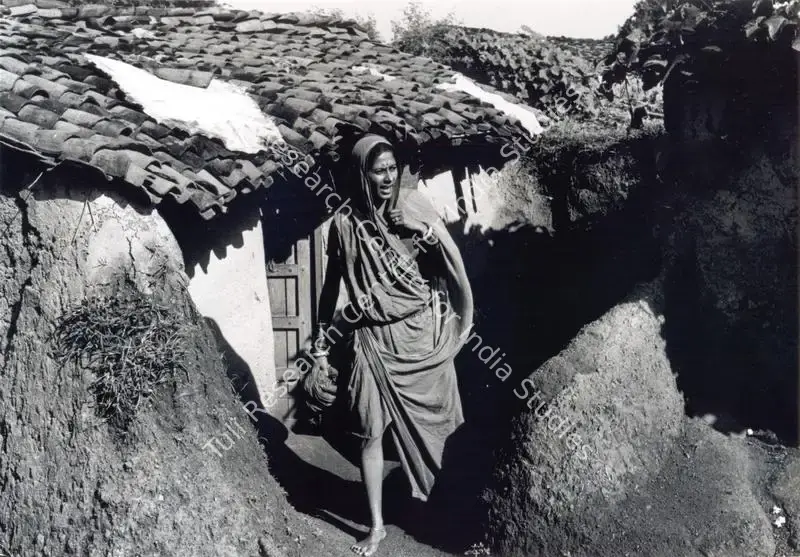
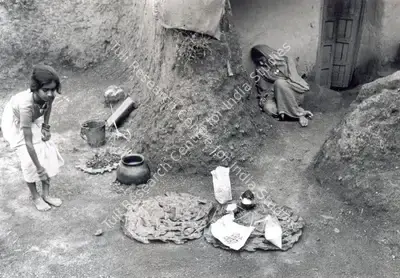
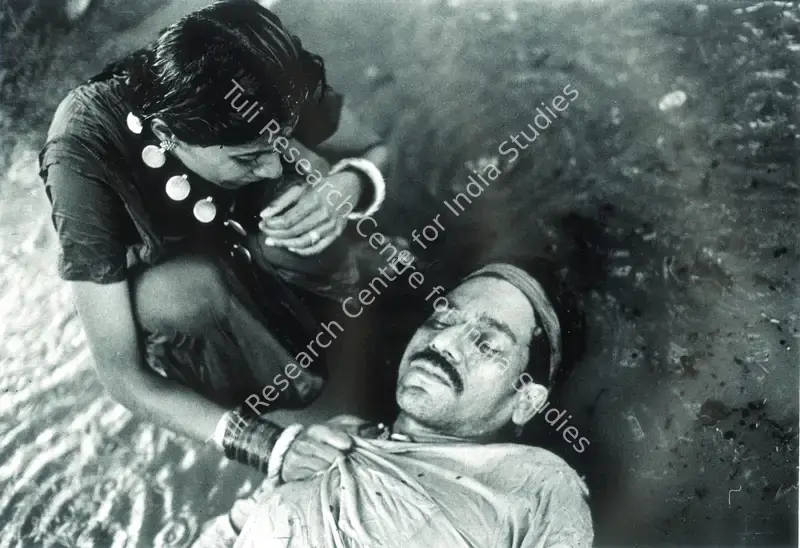
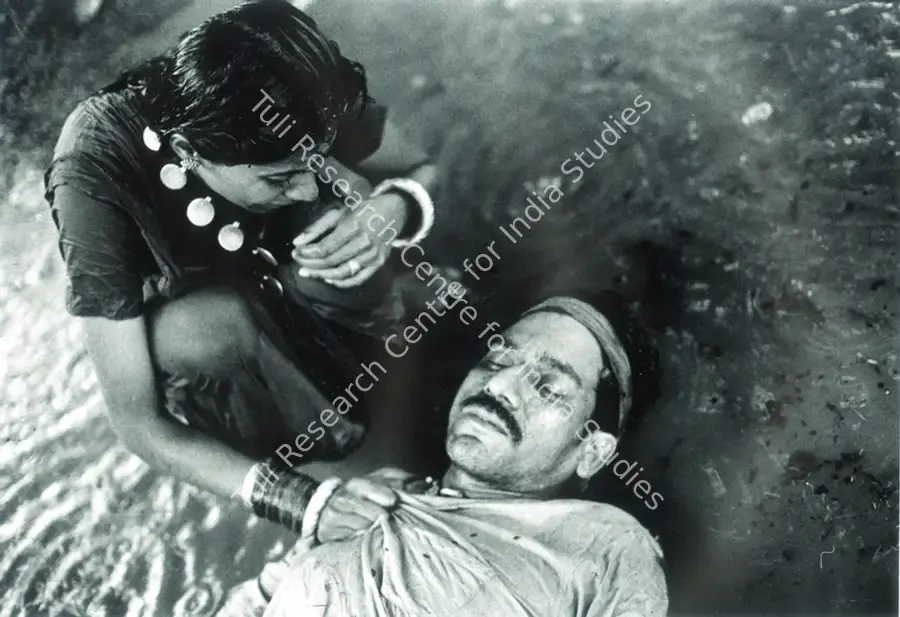
Though more than four decades have passed since its release, the film's message remains strikingly relevant. Sadgati is an unflinching critique of India's oppressive caste system, exposing the brutal realities of untouchability and systemic discrimination. The narrative follows Dukhi, an "untouchable" cobbler, who visits a Brahmin priest to request assistance in arranging his daughter's marriage. Rather than offering help, the Brahmin exploits Dukhi's desperation, coercing him into hard labour without pay.
Originally published in 1931, Premchand's short story is a stark condemnation of caste-based hierarchies, and Ray's adaptation transforms it into a visual parable of social injustice. By casting leading figures of the Parallel Cinema movement—Om Puri and Smita Patil—alongside Mohan Agashe, Ray aligned the film with a broader wave of socially conscious rural dramas that gained prominence in 1970s Indian cinema.
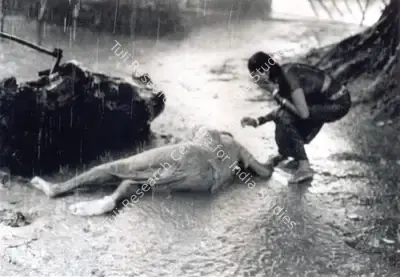
What sets Sadgati apart is Ray's ability to portray the cruelty of the caste system not with overt didacticism, but through quiet, simmering rage. One critic aptly observed that Dukhi's death does not simply evoke pity—it implicates the viewer, making them feel complicit in the systemic violence depicted on the screen.
Despite its emotional power and the stature of its director, Sadgati remains one of Ray's lesser-known works. Nevertheless, it earned him the National Film Award – Special Jury Award (Feature Film) in the year following its release, further cementing the film's importance as both cinematic achievement and social commentary.
फ़िल्म दुखी की भूमिका में ओम पुरी, दुखी की पत्नी झुरिया की भूमिका में स्मिता पाटिल, गाँव के पंडित के किरदार में मोहन आगाशे, उनकी पत्नी के किरदार में गीता सिद्धार्थ, गोंड की भूमिका में भैयालाल हेडाओ और धनिया की भूमिका में ऋचा मिश्रा जैसे उम्दा कलाकारों के सशक्त अभिनय से सजी है। यह फ़िल्म सद्गति दूरदर्शन के इतिहास में निर्मित और दिखाई जानेवाली पहली रंगीन फ़िल्म होने का गौरव भी रखती है।
फ़िल्म की रिलीज़ के चार दशक से अधिक समय बीत जाने के बाद भी इस फ़िल्म का संदेश उतना ही प्रासंगिक बना हुआ है। सद्गति भारत की दमनकारी जाति व्यवस्था की एक निडर आलोचना है। यह एक ऐसी फ़िल्म है जो अस्पृश्यता के दंश और सामाजिक अन्याय की क्रूर सच्चाई को अपनी बेधक दृष्टि से उजागर करती है। कथा के केंद्र में दुखी का किरदार है। दुखी एक 'अछूत' जाति से आनेवाला मोची है जो अपनी बेटी के विवाह की व्यवस्था के लिए मदद माँगने गाँव के एक सम्मानित ब्राह्मण पंडित के पास जाता है। लेकिन उसे मदद करने के बजाए वह दुष्ट पंडित उसकी मजबूरी का फ़ायदा उठाता है और उसे बगैर कोई मेहनताना दिए बेगारी में झोंक देता है।
प्रेमचंद की लिखी यह कहानी पहली बार सन् 1931 में प्रकाशित हुई थी। यह कहानी जाति आधारित शोषणकारी समाज व्यवस्था की तीखी आलोचना पेश करती है। सत्यजित राय ने इसे एक दृश्यों में बदलते हुए जातिगत अन्याय के एक ऐसे रूपक के तौर पर रचा जो शब्दों से अधिक छवियों से बोलता है। उन्होंने उस दौर के समांतर सिनेमा के प्रमुख कलाकारों ओम पुरी और स्मिता पाटिल और साथ में मोहन आगाशे को लेकर इस फ़िल्म का निर्माण किया। राय ने इसे सत्तर के दशक की उग्र सामाजिक चेतना और भारतीय ग्राम का चेहरा दिखानेवाली समांतर सिनेमा की चेतन परम्परा से जोड़ा।
सद्गति को विशिष्ट बनाता है राय की सिनेमाई भाषा में छिपा वह संयमित नज़रिया जिसके माध्यम से वे जाति-व्यवस्था की क्रूरता को बिना किसी नारेबाज़ी के, एक भीतर ही भीतर सुलगते हुए आक्रोश के रूप में प्रस्तुत करते हैं। एक समीक्षक ने ठीक ही लिखा है कि दुखी की मृत्यु दर्शक में केवल दयाभाव नहीं जगाती, बल्कि वह तो दर्शक को एक गहरे अपराधबोध से भर देती है। देखनेवाले को अहसास होता है कि जैसे वे खुद उस हिंसक व्यवस्था का हिस्सा हैं जिसके चक्के तले दुखी का किरदार पिस रहा है।
जज़्बाती तीव्रता और निर्देशक के बड़े नाम के बावजूद सद्गति को राय की कम पहचानी गई फ़िल्मों में से एक माना जायेगा। पर इसने अगले वर्ष के राष्ट्रीय फ़िल्म पुरस्कारों में सत्यजित राय को फ़ीचर फ़िल्म खण्ड में 'विशेष जूरी पुरस्कार' दिलवाया। कह सकते हैं कि सत्यजित राय के चमकदार फ़िल्म करियर में यह फ़िल्म न सिर्फ़ एक कलात्मक उपलब्धि रही, इसने एक सशक्त सामाजिक टिप्पणी के रूप में भी सिनेमा इतिहास में अपनी मज़बूत जगह बनायी है।
Body of Work