Introduction
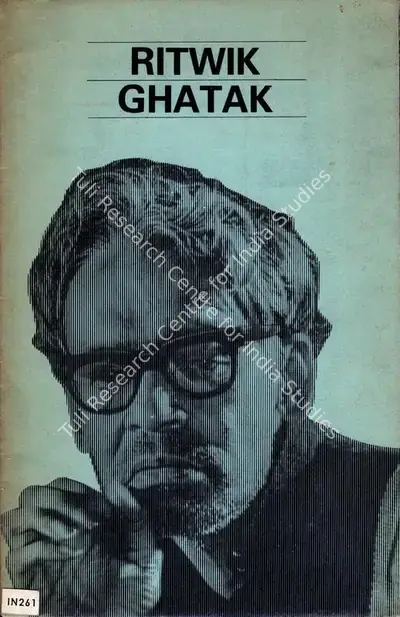
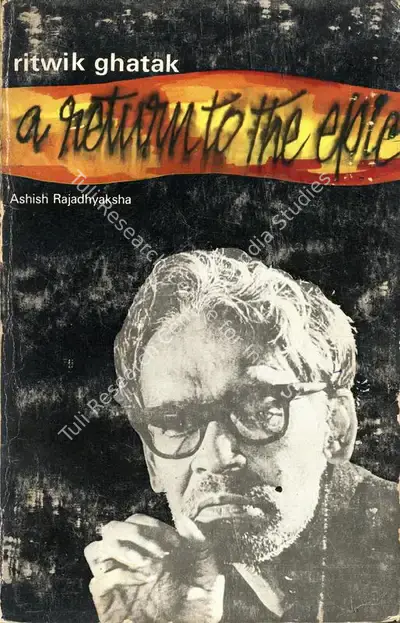
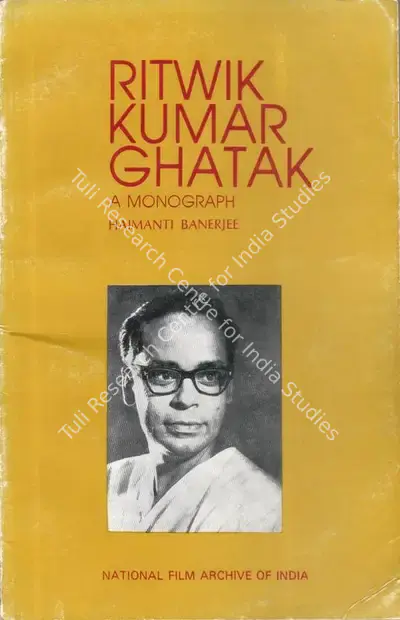
Ritwik Kumar Ghatak stands as one of the most visionary yet tragically overlooked auteurs in the history of Indian cinema. A filmmaker, screenwriter, actor, playwright, and theorist, Ghatak occupies a singular place in the artistic landscape of Bengal and beyond through his body of work. Alongside contemporaries such as Satyajit Ray, Tapan Sinha, and Mrinal Sen, he explored the complexities of social realism, the wounds of Partition, and the indomitable spirit of womanhood. Yet, during his lifetime, much of his work remained underappreciated, its profundity only recognized posthumously.
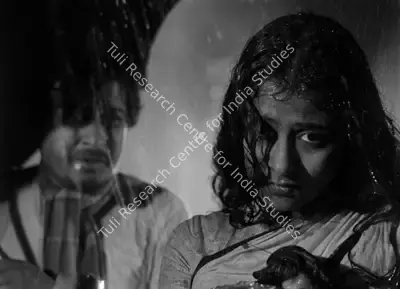
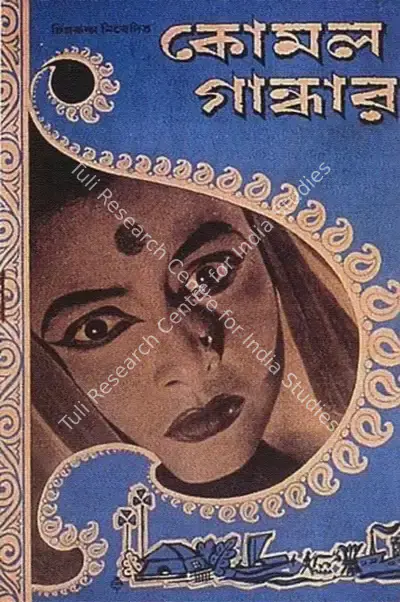
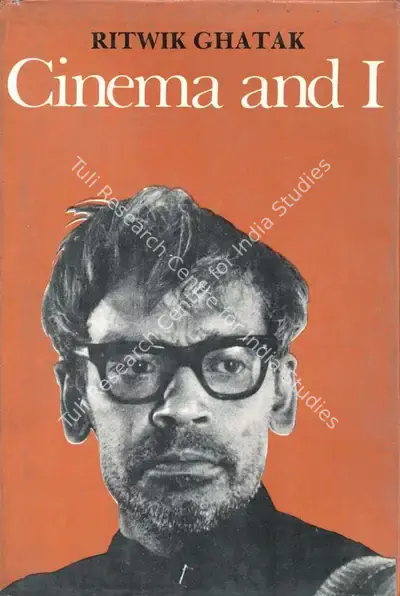
Ritwik Ghatak's cinema was indelibly marked by the psychic and historical trauma of the Partition of Bengal in 1947—an upheaval that fractured not merely a geographical territory but the very fabric of a collective consciousness. His celebrated trilogy—Meghe Dhaka Tara (1960), Komal Gandhar (1961), and Subarnarekha (1962)—constitutes a profound cinematic elegy for displacement, dispossession, and loss, animated by an intricate interplay of mythic resonance and political urgency. A committed communist and formidable intellectual, Ghatak regarded filmmaking not simply as an aesthetic enterprise but as a moral vocation: a mode of bearing witness to human suffering, resisting historical amnesia, and awakening the political and ethical consciousness of his audience. His essays, reflections, and lectures, subsequently brought together in Cinema and I, disclose a sustained philosophical engagement with the nature of art, the structures of society, and the latent revolutionary possibilities of the cinematic medium.
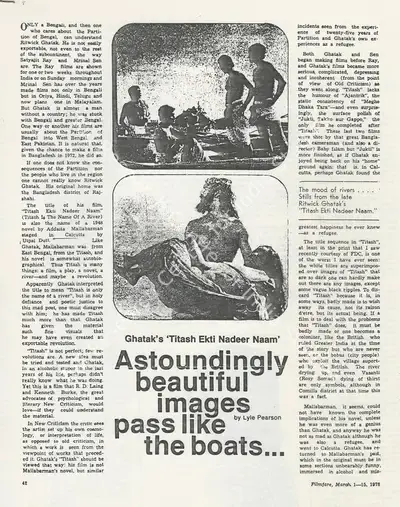
Ghatak's artistic trajectory began with his work as an actor and assistant director on Nimai Ghosh's Chinnamul (1950). His first directorial effort, Nagarik (1952), completed before Satyajit Ray's Pather Panchali, anticipated a radically distinctive cinematic idiom in India—one that brought together the immediacy of documentary realism, the heightened expressiveness of theatrical stylization, and the critical estrangement associated with Brechtian aesthetics. With Ajantrik (1955), Ghatak produced one of the earliest instances in world cinema of imbuing a machine with an almost human presence, unsettling the conventional boundaries between the mechanical and the sentient. Titash Ekti Nadir Naam (1973), meanwhile, demonstrated his remarkable command of an intricate, polyphonic narrative architecture, employing multiple characters, temporalities, and intersecting narrative strands in a manner that would resonate with—and in certain respects anticipate—later developments in global cinematic form.
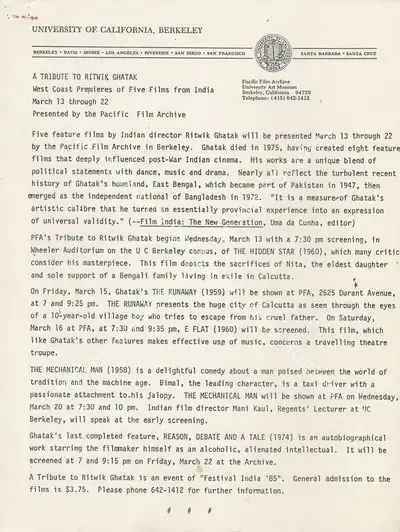
Despite limited commercial success, Ghatak received significant recognition: the Padma Shri (1970), the National Award for Best Story for Jukti Takko Aar Gappo (1974), and the Best Director's Award from the Bangladesh Cine Journalists' Association. His influence endures through the filmmakers he mentored at the Film and Television Institute of India—Mani Kaul, Kumar Shahani, and Adoor Gopalakrishnan among them—who carried forward his radical cinematic philosophy.
In later decades, retrospectives and restorations have revived global interest in Ghatak's work. His films now feature prominently in critics' polls and academic discourse, their emotional ferocity and formal innovation reaffirming his place among the immortals of world cinema—a poet of exile whose art transformed despair into transcendence.
Ritwik Ghatak has long occupied a singular position within the canon of world cinema, his work continuing to command the attention of filmmakers, scholars, critics, and students of cinema across the globe. Although deeply rooted in the historical and cultural experience of Bengal, his films possess a universality that transcends geographical and linguistic boundaries, engaging with such enduring human questions as exile, fractured identity, memory, dispossession, and the longing for belonging. His audacious synthesis of realism, theatricality, montage, music, folklore, and Brechtian estrangement has made his cinema an enduring object of study in film schools and universities worldwide. Generations of cinephiles and practitioners continue to return to Ghatak not merely for the historical testimony embedded in his films, but for the radical possibilities of cinematic form that his oeuvre continues to reveal. His influence extends well beyond the conventional boundaries of Indian cinema, securing his place as a distinctive and internationally resonant figure in the history of modern filmmaking.
Source:
https://en.wikipedia.org/wiki/Ritwik_Ghatak
https://www.bfi.org.uk/features/where-begin-with-ritwik-ghatak
https://www.sahapedia.org/ritwik-ghatak-filmmakers-filmmaker
भारतीय सिनेमा के इतिहास में ऋत्विक कुमार घटक एक ऐसे दूरदर्शी फ़िल्मकार रहे हैं जिन्हें दुर्भाग्य से वह पहचान नहीं मिली जिसके वे हक़दार थे। फ़िल्मकार, पटकथा लेखक, अभिनेता, नाटककार और सिद्धांतकार के तौर पर, घटक ने बंगाल और उसके बाहर अपनी कला के ज़रिए एक ख़ास जगह बनाई। सत्यजीत रे, तपन सिन्हा और मृणाल सेन जैसे अपने समकालीनों के साथ मिलकर उन्होंने सामाजिक यथार्थवाद की जटिलताओं, बंटवारे के ज़ख्मों और नारी-शक्ति की अटूट भावना को पर्दे पर उतारा। फिर भी, जीते-जी उनके काम को ज़्यादा सराहना नहीं मिली। उनके काम की गहराई को उनके गुज़रने के बाद ही समझा गया।
ऋत्विक घटक का सिनेमा 1947 में बंगाल के बंटवारे से उपजे मानसिक और ऐतिहासिक सदमे से बहुत प्रभावित था। एक ऐसी उथल-पुथल जिसने न केवल भौगोलिक क्षेत्र को बल्कि सामूहिक चेतना के ताने-बाने को भी छिन्न-भिन्न कर दिया था। उनकी मशहूर त्रयी, 'मेघे ढाका तारा' (1960), 'कोमल गांधार' (1961) और 'सुवर्णरेखा' (1962) विस्थापन, बेदखली और नुक़सान का एक गहरा सिनेमाई शोक-गीत है, जिसमें पौराणिक संदर्भों और राजनीतिक तात्कालिकता का जटिल मेल देखने को मिलता है। एक प्रतिबद्ध कम्युनिस्ट और ज़बरदस्त बुद्धिजीवी होने के नाते, घटक फिल्म निर्माण को केवल कलात्मक काम नहीं, बल्कि एक नैतिक दायित्व मानते थे। यह मानवीय पीड़ा का साक्षी बनने, ऐतिहासिक विस्मृति का विरोध करने और दर्शकों की राजनीतिक व नैतिक चेतना को जगाने का एक ज़रिया था। उनके निबंध, विचार और व्याख्यान, जिन्हें बाद में 'सिनेमा एंड आई' (Cinema and I) में संकलित किया गया। कला की प्रकृति, समाज की संरचनाओं और सिनेमाई माध्यम की छिपी हुई क्रांतिकारी संभावनाओं के साथ उनके निरंतर दार्शनिक जुड़ाव को उजागर करते हैं।
घटक के कलात्मक सफ़र की शुरुआत निमाई घोष की फ़िल्म 'छिन्नमूल' (1950) में एक एक्टर और असिस्टेंट डायरेक्टर के तौर पर काम करने से हुई। सत्यजीत रे की 'पाथेर पांचाली' से पहले बनी उनकी पहली डायरेक्टोरियल फ़िल्म 'नागरिक' (1952) ने भारत में एक बिल्कुल अलग तरह की सिनेमाई शैली की झलक दिखाई। एक ऐसी शैली जिसमें डॉक्यूमेंट्री रियलिज़्म (हक़ीक़त दिखाने का अंदाज़), थिएटर जैसी ज़बरदस्त अभिव्यक्ति और ब्रेख्तियन सौंदर्यशास्त्र से जुड़ी आलोचनात्मक दूरी का संगम था। 'अजांत्रिक' (1955) के साथ, घटक ने वर्ल्ड सिनेमा में मशीनों को लगभग इंसानी रूप देने का एक शुरुआती उदाहरण पेश किया, जिससे मशीन और जीवित प्राणी के बीच की पारंपरिक सीमाएँ धुंधली हो गईं। वहीं, 'तिताश एकटी नदीर नाम' (1973) ने एक जटिल और कई आवाज़ों वाली कहानी कहने की कला पर उनकी ज़बरदस्त पकड़ को दिखाया। इसमें कई किरदारों, अलग-अलग समय-कालों और आपस में जुड़ी कहानी की कड़ियों का इस्तेमाल इस तरह किया गया कि इसने ग्लोबल सिनेमा के बाद के विकास को प्रभावित किया और कुछ मामलों में उसका पहले से ही अंदाज़ा लगा लिया।
कमर्शियल सफलता सीमित होने के बावजूद, घटक को काफ़ी पहचान मिली। उन्हें पद्म श्री (1970), 'जुक्ति तक्को आर गप्पो' (1974) के लिए बेस्ट स्टोरी का नेशनल अवॉर्ड, और बांग्लादेश सिने जर्नलिस्ट्स एसोसिएशन से बेस्ट डायरेक्टर का अवॉर्ड मिला। उनका असर उन फ़िल्ममेकर्स के ज़रिए आज भी बना हुआ है, जिन्हें उन्होंने फ़िल्म एंड टेलीविज़न इंस्टीट्यूट ऑफ़ इंडिया में गाइड किया था। इनमें मणि कौल, कुमार साहनी और अडूर गोपालकृष्णन शामिल हैं और जिन्होंने उनकी क्रांतिकारी सिनेमाई सोच को आगे बढ़ाया।
बाद के दशकों में, रेट्रोस्पेक्टिव (पुरानी फ़िल्मों के विशेष प्रदर्शन) और फ़िल्मों के रेस्टोरेशन (मूल रूप में बहाली) ने घटक के काम में दुनिया भर में फिर से दिलचस्पी जगाई है। उनकी फ़िल्में अब समीक्षकों के पोल और एकेडमिक चर्चाओं में अहम जगह रखती हैं। उनकी फ़िल्मों की भावनात्मक तीव्रता और बनावट में नयापन उन्हें विश्व सिनेमा के महानतम कलाकारों में एक बार फिर स्थापित करता है। वे निर्वासन के ऐसे कवि थे जिनकी कला ने निराशा को एक ऊँचे आध्यात्मिक अनुभव में बदल दिया।
विश्व सिनेमा की महान कृतियों में ऋत्विक घटक का स्थान हमेशा से अनोखा रहा है। उनके काम ने दुनिया भर के फ़िल्मकारों, विद्वानों, समीक्षकों और फ़िल्म के छात्रों का ध्यान आकर्षित करना जारी रखा है। भले ही उनकी फ़िल्में बंगाल के ऐतिहासिक और सांस्कृतिक अनुभवों पर गहराई से आधारित हैं, फिर भी उनमें एक ऐसी व्यापकता है जो भौगोलिक और भाषाई सीमाओं से परे है। वे निर्वासन, टूटी हुई पहचान, यादें, बेदखली और अपनापन पाने की चाहत जैसे इंसानी जीवन के अहम और सदाबहार सवालों को उठाती हैं। यथार्थवाद, नाटकीयता, मोंटाज, संगीत, लोक-संस्कृति और ब्रेख्तियन 'एस्ट्रेंजमेंट' (अलगाव या दूरी का भाव) का उनका साहसिक मेल ही है जिसने उनके सिनेमा को दुनिया भर के फ़िल्म स्कूलों और विश्वविद्यालयों में अध्ययन का एक महत्वपूर्ण विषय बना दिया है। फ़िल्म प्रेमी और फ़िल्मकार पीढ़ियों से घटक की ओर लौटते रहे हैं। सिर्फ़ इसलिए नहीं कि उनकी फ़िल्मों में इतिहास की झलक मिलती है, बल्कि इसलिए भी कि उनके काम में सिनेमाई रूप-रंग की नई और क्रांतिकारी संभावनाएँ लगातार सामने आती रहती हैं। उनका प्रभाव भारतीय सिनेमा की पारंपरिक सीमाओं से कहीं आगे तक फैला हुआ है, जिससे आधुनिक फ़िल्म-निर्माण के इतिहास में उनकी पहचान एक विशिष्ट और अंतरराष्ट्रीय स्तर पर सराहे जाने वाले कलाकार के तौर पर बनी है।
स्रोत:
https://en.wikipedia.org/wiki/Ritwik_Ghatak
https://www.bfi.org.uk/features/where-begin-with-ritwik-ghatak
https://www.sahapedia.org/ritwik-ghatak-filmmakers-filmmaker
- Date of Birth
- 04 Nov 1925
- Zodiac sign
- Scorpio
- Date of Death
- 06 Feb 1976
- Age
- 50
- Nationality
- British-Indian | Indian
- Place of Birth
- Dhaka
- Place of Death
- Kolkata
- Spouse(s)
- Surama Ghatak (14 Nov 1926 – 07 May 2018)
- Year Marriage Registered
- 1955
- Children
- Parent(s)
- Siblings
- Sudhish Ghatak (19 Mar 1905 – 21 Oct 1966), Pratiti Datta (04 Nov 1925 – 12 Jan 2020), Manish Ghatak (09 Feb 1902 – 27 Dec 1979)
- Mission School, Mymensingh
1947
- Krishnanath College, Baharampur
- Calcutta University, Calcutta
1947 – 1948
- Rito ProductionsAssociated Institution
1948
- Actor, Director and Playwright at Indian People's Theatre AssociationAssociated Institution
1948 – 1954
1954
- Theatre Director at Group TheatreAssociated Institution
1965
- Vice Principle at Film and Television Institute of IndiaOfficial Position
1965 – 1966
Filmography 26
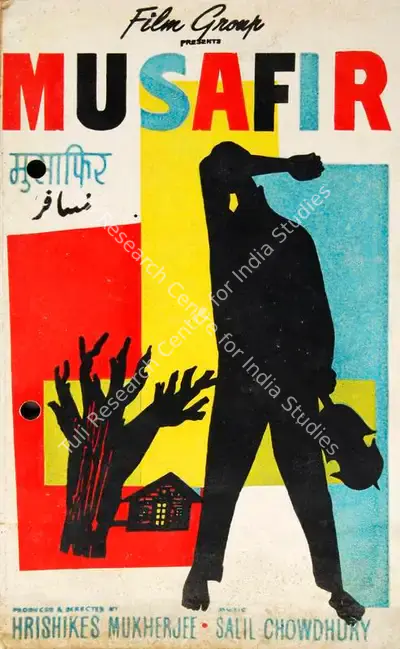
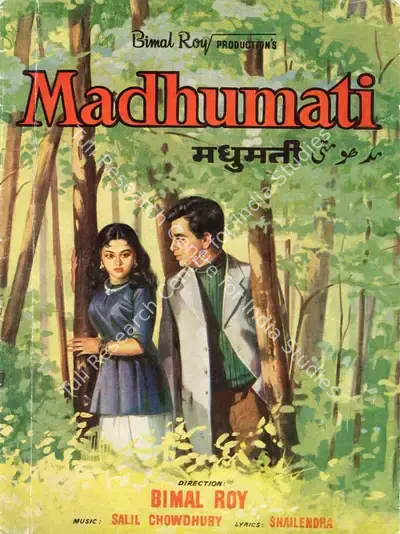
20 of 26
Integrated Timeline
120 entries
Economics of Cinema
1985
- Jadavpur University Film Society ScreeningMovie Screening
Jadavpur University, Kolkata · 1985
2006
- Jeonju International Film Festival | Jeonju, South Korea | Film FestivalFilm Festival
Jeonju, South Korea · 2006
2016
- Ritwik Ghatak RetrospectiveRetrospective
Bangladesh National Museum, Dhaka · 13 Feb 2016
- Ritwik Ghatak Film FestivalFilm Festival
Priya Cinema, Kolkata · 08 Apr 2016
2018
- Ritwik Ghatak RetrospectiveRetrospective
Dundee Contemporary Arts, United Kingdom · 05 May 2018
- Homage: Supriya DeviFilm Festival
Kolkata · 10 Nov 2018
2019
- Poetry and Partition: The Films of Ritwik GhatakRetrospective
Lincoln Centre, New York · 01 Nov 2019
- Indian New Wave CinemaFilm Festival
Pingyao, China · 2019
1957
- National Film Awards
Certificate of Merit for Third Best Feature Film · Indian Directorate of Film Festivals
1966
- National Film Awards
Certificate of Merit for Second Best Feature Film in Bengali · Indian Directorate of Film Festivals
1970
- Padma Shri
Government of India
1974
- Bangladesh Cine AwardsInternational
Best Director · Bangladesh Cine Journalist's Association
1975
- National Film Award
Rajat Kamal Award for Best Story · Indian Directorate of Film Festivals
Research Centre
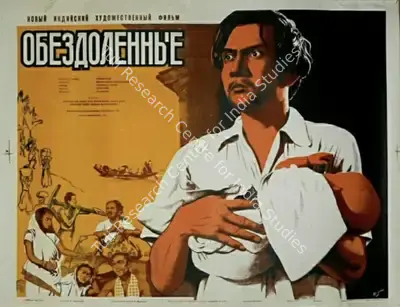
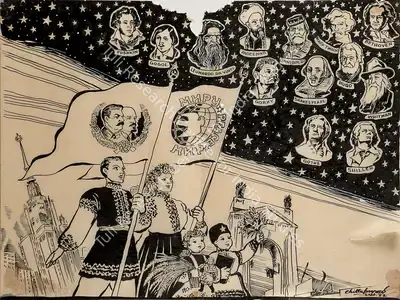
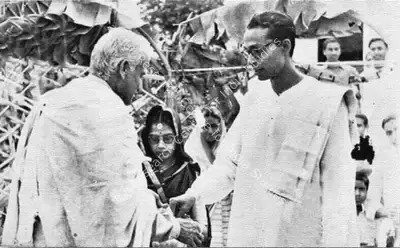
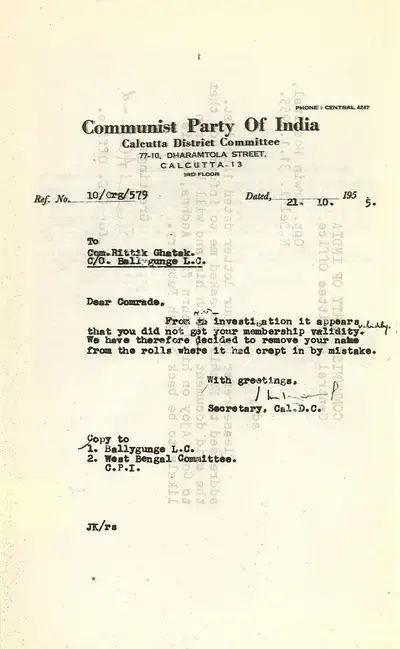

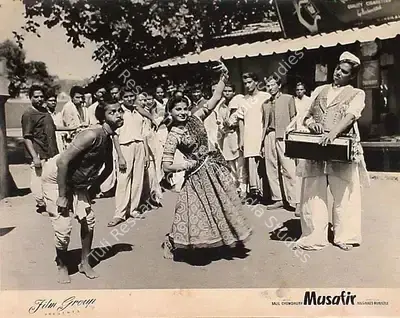
20 of 218
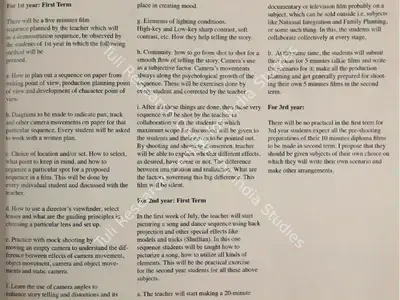
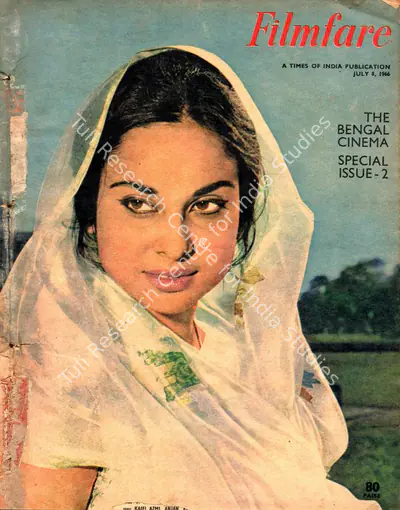
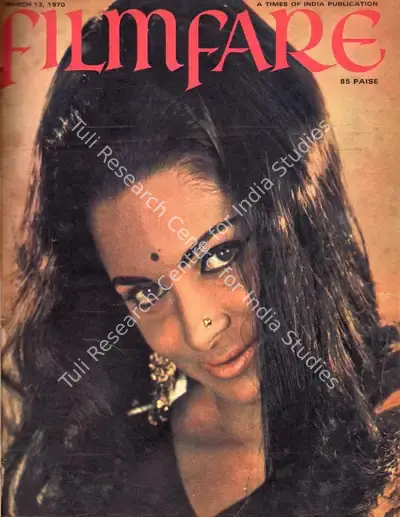
20 of 58
20 of 160
Calendar 2
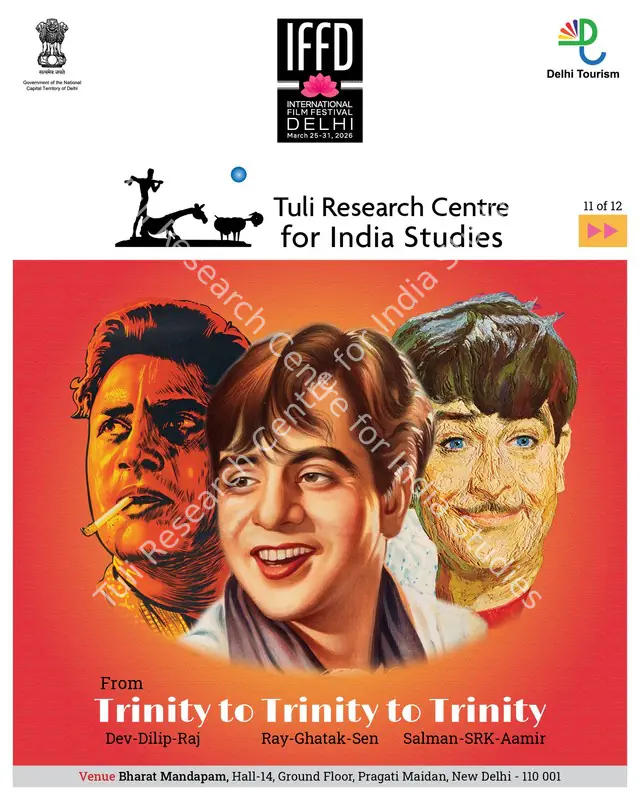
- ArchivedExhibitionProject 76From Trinity to Trinity to TrinityDev-Dilip-Raj | Ray-Ghatak-Sen | Salman-SRK-Aamir25th - 31st March 202611:00am - 7:00pmBharat Mandapam, Hall-14, Ground Floor, Pragati Maidan, New Delhi - 110011The Exhibition 'From Trinity to Trinity to Trinity | Dev-Raj-Dilip to Ray-Ghatak-Sen to Salman-Aamir-SRK', celebrates three iconic trios that have come to symbolize defining moments in Indian cinema and reflect the diverse heroic characteristics which the Indian public demands.Read More →
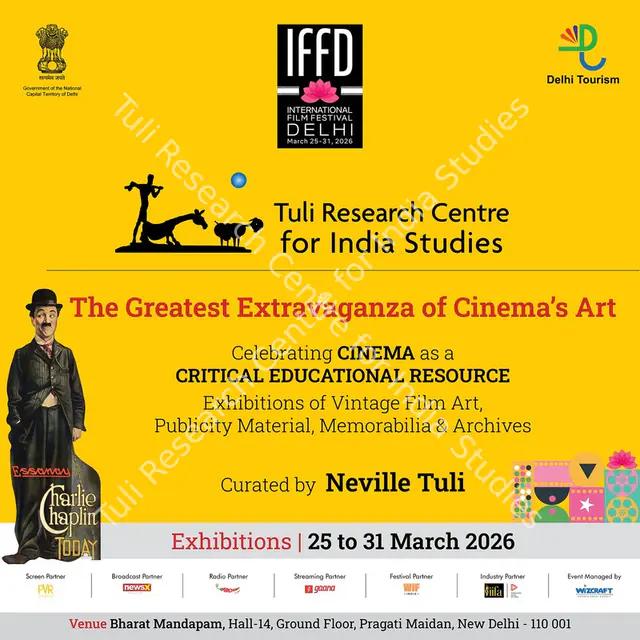
- ArchivedExhibitionProject 65The Greatest Extravaganza of Cinema's Art25th - 31st March 202611:00am - 7:00pmBharat Mandapam, Hall-14, Ground Floor, Pragati Maidan, New Delhi - 110001As we near sharing the vast online India Studies knowledge base on tuliresearchcentre.org with the world, we end with our last grand archival Exhibition on the rare and vintage cinematic arts. The Expo covers over 110 years of cinematic art, created by some of the finest film directors, cinematographers, art directors, technicians and designers working in cinema from India, Hollywood, Japan, Germany, France, and Poland. It is also a key principle at the Tuli Research Centre for India Studies (TRIS) to support new and nascent International Film Festivals in whatever capacity possible. Hence it is our privilege to help the International Film Festival of Delhi (IFFD) successfully launch its first edition on 25th March 2026. In the pioneering tradition of IFFI, and as Head of the erstwhile and much respected Osian's-Cinefan Festival for Asian and Arab Cinema with my dearly departed friend and Founder of Cinefan - Aruna Vasudev - we know what energy, expertise and commitment is required to galvanise and inspire the cinematic fraternities of Delhi, India and the rest of the world. It is a very serious and difficult task. Our audiences are demanding and to attract the young and non-cinephile is also no easy task. I hope these exhibitions will help the public grasp how deeply history is living in the contemporary. That contemporary life or creativity cannot achieve its best version without knowing and respecting the work of the best who came before us, nurturing and guiding our path with their service and vision. We look forward to welcoming you to Bharat Mandapam Hall 14 in the days to come. Please register at https://www.iffdelhi.com for the films and other events, it is free to all.Read More →
Related
34
Personalities
19
Films
14