

Introduction
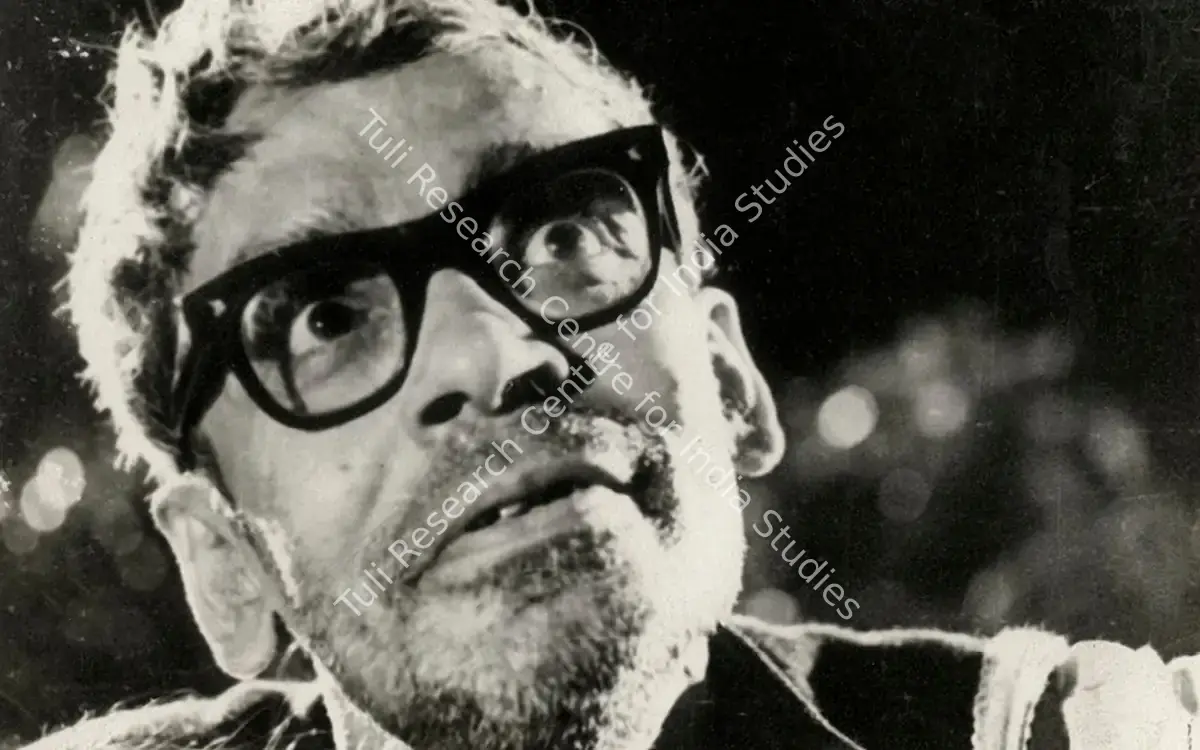
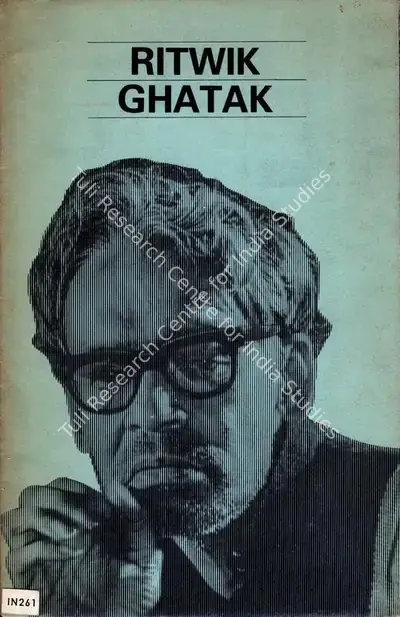
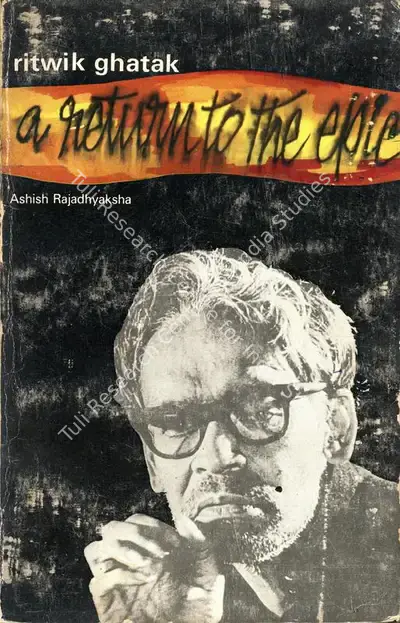
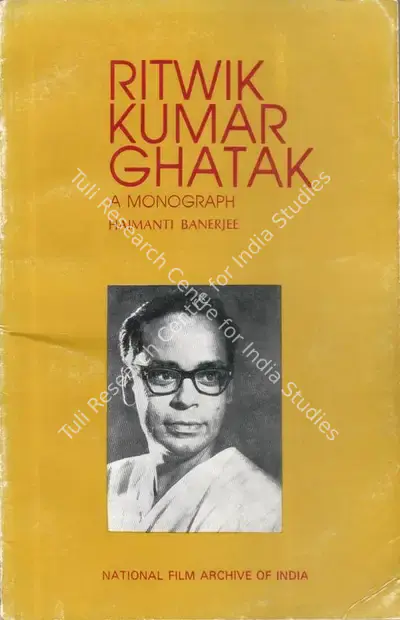
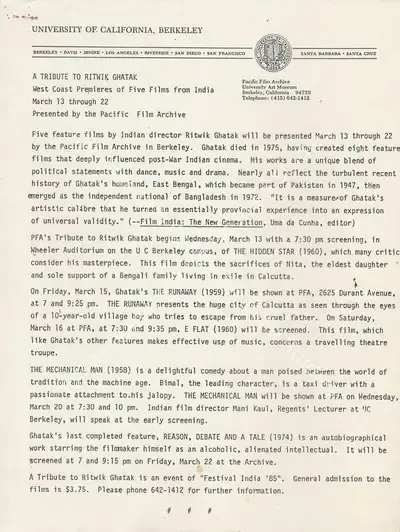
Ritwik Kumar Ghatak (4 November 1925 – 6 February 1976) remains one of the most original and influential figures in Indian cinema, though the full measure of his genius was recognised only posthumously. A filmmaker, screenwriter, actor, playwright, and film theorist of exceptional range, Ghatak occupies a singular position in the cultural history of Bengal and South Asia. Alongside contemporaries such as Satyajit Ray, Mrinal Sen, and Tapan Sinha, he explored themes of social injustice, displacement, and human resilience with uncommon depth and rigour. Yet unlike many of his peers, his work remained largely marginalised during his lifetime, attaining widespread critical recognition only in the decades that followed.
The defining influence on Ghatak's artistic sensibility was the Partition of Bengal in 1947 — a historical catastrophe that shattered communities, severed identities, and generated a profound crisis of belonging across the region. This experience became the emotional and political nucleus of his cinema, informing its recurring preoccupations with exile, loss, and cultural dissolution.
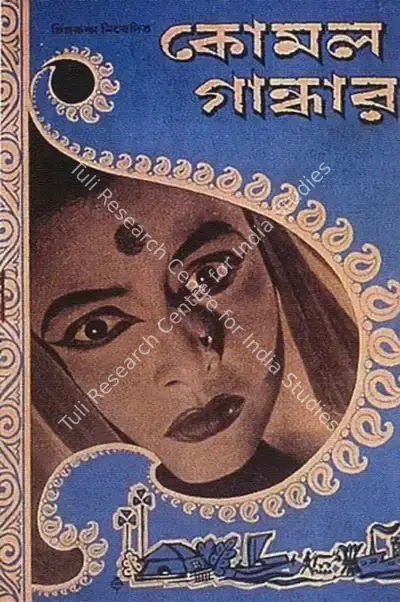
His celebrated trilogy — Meghe Dhaka Tara (1960), Komal Gandhar (1961), and Subarnarekha (1962) — stands as a landmark meditation on these themes, transmuting personal and collective suffering into cinematically profound expression. Drawing upon a synthesis of realism and mythic symbolism, the trilogy transformed the raw material of historical trauma into a body of work of enduring aesthetic and moral significance.
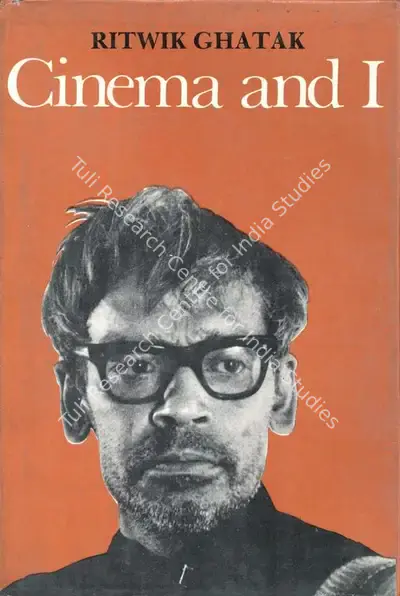
A committed communist and public intellectual, Ghatak conceived of cinema as, simultaneously, an artistic and political instrument — one capable of confronting entrenched social realities and cultivating a critical consciousness in its audience. His philosophical reflections on film and society, subsequently collected in Cinema and I, reveal the extraordinary depth of his theoretical engagement with the medium and its possibilities.
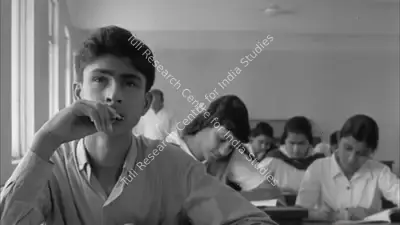
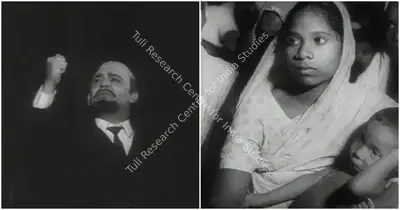
Ghatak commenced his cinematic career as an actor and assistant director on Chinnamul (1950). His first feature, Nagarik (1952), anticipated numerous subsequent developments in Indian parallel cinema through its innovative synthesis of documentary realism and theatrical stylisation — a formal duality that would become characteristic of his practice.
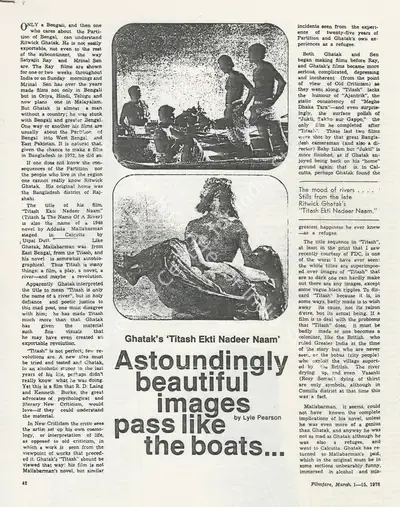
He continued to pursue bold formal experimentation across his filmography. Ajantrik (1955) stands as one of the earliest cinematic works to attribute emotional interiority to a machine, while Titash Ekti Nadir Naam (1973), with its remarkably intricate narrative architecture, demonstrated a structural complexity that was considerably ahead of its era. Throughout his career, Ghatak remained committed to challenging prevailing conventions of cinematic form, consistently subordinating commercial imperatives to artistic and intellectual purpose.
Although his films achieved limited commercial success during his lifetime, Ghatak received significant institutional recognition, including the Padma Shri in 1970 and the National Award for Best Story for Jukti Takko Aar Gappo. His influence upon subsequent generations of Indian filmmakers was further consolidated through his tenure as a teacher at the Film and Television Institute of India, where he mentored figures who would themselves become masters of the medium — among them Mani Kaul, Kumar Shahani, and Adoor Gopalakrishnan.
The restoration of his films, international retrospectives, and sustained scholarly reassessment have firmly secured Ghatak's place among the great auteurs of world cinema. His work endures for its emotional intensity, formal innovation, and unflinching engagement with history and politics. In the fullness of critical time, Ritwik Kumar Ghatak has been affirmed as a poet of exile — an artist who transformed collective trauma into enduring cinematic art, and whose legacy grows only more formidable with the passage of years.
घटक की कलात्मक सोच पर सबसे गहरा असर 1947 में हुए देश के बंटवारे का पड़ा। यह एक ऐसी ऐतिहासिक त्रासदी थी जिसने समुदायों को तोड़ दिया, पहचानें खत्म कर दीं और पूरे इलाके में 'अपनापन' या 'जुड़ाव' का गहरा संकट पैदा कर दिया। यह अनुभव उनके सिनेमा का भावनात्मक और राजनीतिक केंद्र बन गया, जिससे उनके काम में बार-बार देश-निकाले, नुकसान और सांस्कृतिक बिखराव जैसे विषय उभरकर सामने आए।
उनकी मशहूर त्रयी (तीन फ़िल्मों की सीरीज़) — 'मेघे ढाका तारा' (1960), 'कोमल गांधार' (1961) और 'सुबर्णरेखा' (1962) विश्थापन जैसे विषयों पर एक अहम चिंतन केंद्र में लाया, जो व्यक्तिगत और सामूहिक दुख को सिनेमाई रूप में गहरे ढंग से पेश करती है। यथार्थवाद और पौराणिक प्रतीकों के मेल से बनी यह त्रयी ऐतिहासिक सदमे (ट्रॉमा) के कच्चे माल को ऐसे काम में बदल देती है जिसका सौंदर्य और नैतिकता के लिहाज़ से लंबे समय तक महत्व बना रहता है।
एक प्रतिबद्ध कम्युनिस्ट और जन-बुद्धिजीवी के तौर पर, घटक सिनेमा को एक साथ कलात्मक और राजनैतिक माध्यम मानते थे। एक ऐसा माध्यम जो समाज की गहरी जमी हुई सच्चाइयों का सामना करने और दर्शकों में आलोचनात्मक सोच विकसित करने की क्षमता रखता हो। फ़िल्म और समाज पर उनके दार्शनिक विचार, जो बाद में 'सिनेमा एंड आई' (Cinema and I) में संकलित किए गए, इस माध्यम और इसकी संभावनाओं के साथ उनके सैद्धांतिक जुड़ाव की असाधारण गहराई को उजागर करते हैं
घटक ने अपने फ़िल्मी करियर की शुरुआत 'छिन्नमूल' (1950) में एक एक्टर और असिस्टेंट डायरेक्टर के तौर पर की थी। उनकी पहली फ़ीचर फ़िल्म, 'नागरिक' (1952), ने डॉक्यूमेंट्री रियलिज़्म और थिएट्रिकल स्टाइल के अनोखे मेल से भारतीय पैरेलल सिनेमा में आगे होने वाले कई बदलावों की झलक दिखा दी थी। यह एक तरह का दोहरापन था जो बाद में उनके काम की पहचान बन गया।
उन्होंने अपनी फ़िल्मों में नए-नए प्रयोग करना जारी रखा। 'अयांत्रिक' (1955) उन शुरुआती फ़िल्मों में से एक है जिसमें एक मशीन को इंसानी जज़्बात दिए गए थे, जबकि 'तिताश एकटी नदीर नाम' (1973) की कहानी कहने का तरीका इतना पेचीदा और शानदार था कि वह अपने समय से काफी आगे की चीज़ थी। अपने पूरे करियर के दौरान, घटक फ़िल्म बनाने के प्रचलित तरीक़ों को चुनौती देने के लिए प्रतिबद्ध रहे और हमेशा कमर्शियल ज़रूरतों के बजाय कलात्मक और बौद्धिक मक़सद को अहमियत दी।
हालांकि उनकी ज़िंदगी में उनकी फ़िल्मों को कमर्शियल तौर पर ज़्यादा क़ामयाबी नहीं मिली, लेकिन घटक को संस्थागत स्तर पर काफी पहचान मिली, जिसमें 1970 में पद्म श्री और 'जुक्ति टक्को आर गप्पो' के लिए बेस्ट स्टोरी का नेशनल अवॉर्ड शामिल है। भारतीय फ़िल्मकारों की आने वाली पीढ़ियों पर उनका असर तब और मज़बूत हुआ जब उन्होंने फ़िल्म एंड टेलीविज़न इंस्टीट्यूट ऑफ़ इंडिया में टीचर के तौर पर काम किया। वहां उन्होंने ऐसे लोगों को गाइड किया जो ख़ुद इस माध्यम के उस्ताद बने। इनमें मणि कौल, कुमार साहनी और अडूर गोपालकृष्णन शामिल हैं।
उनकी फ़िल्मों को फ़िर से तैयार करने, अंतरराष्ट्रीय स्तर पर उनके काम की प्रदर्शनी (रेट्रोस्पेक्टिव) और लगातार हो रहे विद्वानों के विश्लेषण ने विश्व सिनेमा के महान फ़िल्मकारों में घटक की जगह पक्की कर दी है। उनका काम अपनी भावनात्मक गहराई, नए तरह के फ़िल्मी प्रयोगों और इतिहास व राजनीति से बेबाक जुड़ाव के कारण आज भी अहम बना हुआ है। समय के साथ, ऋत्विक कुमार घटक को 'निर्वासन के कवि' के तौर पर मान्यता मिली है। एक ऐसे कलाकार जिन्होंने सामूहिक दुख-दर्द को सदाबहार फ़िल्मी कला में बदला, और जिनकी विरासत समय बीतने के साथ और भी मज़बूत होती गई है।
- Date of Birth
- 04 Nov 1925
- Zodiac sign
- Scorpio
- Date of Death
- 06 Feb 1976
- Age
- 50
- Nationality
- British-Indian | Indian
- Place of Birth
- Dhaka
- Place of Death
- Kolkata
- Spouse(s)
- Surama Ghatak14 Nov 1926 – 07 May 2018
- Year Marriage Registered
- 1955
- Parent(s)
- Siblings
- Sudhish Ghatak19 Mar 1905 – 21 Oct 1966Pratiti Datta04 Nov 1925 – 12 Jan 2020Manish Ghatak09 Feb 1902 – 27 Dec 1979
- Mission School, Mymensingh
1947
- Krishnanath College, Baharampur
- Calcutta University, Calcutta
1947 – 1948
- Rito ProductionsAssociated Institution
1948
- Actor, Director and Playwright at Indian People's Theatre AssociationAssociated Institution
1948 – 1954
1954
- Theatre Director at Group TheatreAssociated Institution
1965
- Vice Principle at Film and Television Institute of IndiaOfficial Position
1965 – 1966
Filmography 26
Integrated Timeline
Economics of Cinema
1985
- Jadavpur University Film Society ScreeningMovie Screening
Jadavpur University, Kolkata · 1985
2006
- Jeonju International Film Festival | Jeonju, South Korea | Film FestivalFilm Festival
Jeonju, South Korea · 2006
2016
- Ritwik Ghatak RetrospectiveRetrospective
Bangladesh National Museum, Dhaka · 13 Feb 2016
- Ritwik Ghatak Film FestivalFilm Festival
Priya Cinema, Kolkata · 08 Apr 2016
2018
- Ritwik Ghatak RetrospectiveRetrospective
Dundee Contemporary Arts, United Kingdom · 05 May 2018
- Homage: Supriya DeviFilm Festival
Kolkata · 10 Nov 2018
2019
- Poetry and Partition: The Films of Ritwik GhatakRetrospective
Lincoln Centre, New York · 01 Nov 2019
- Indian New Wave CinemaFilm Festival
Pingyao, China · 2019
1957
- National Film Awards
Certificate of Merit for Third Best Feature Film · Indian Directorate of Film Festivals
1966
- National Film Awards
Certificate of Merit for Second Best Feature Film in Bengali · Indian Directorate of Film Festivals
1970
- Padma Shri
Government of India
1974
- Bangladesh Cine AwardsInternational
Best Director · Bangladesh Cine Journalist's Association
1975
- National Film Award
Rajat Kamal Award for Best Story · Indian Directorate of Film Festivals
Research Centre
Calendar 2
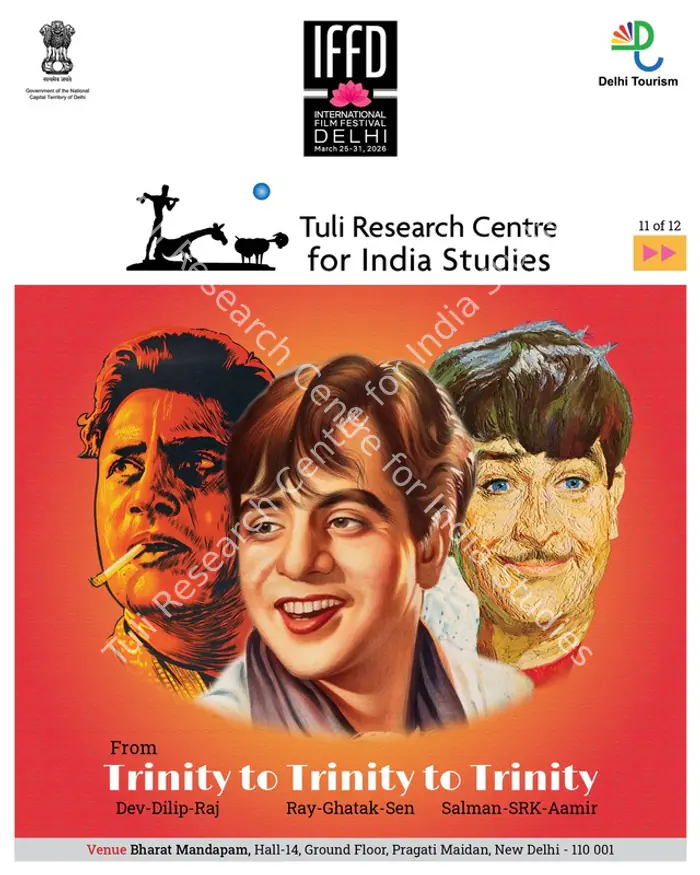
- ArchivedExhibitionProject 76From Trinity to Trinity to TrinityDev-Dilip-Raj | Ray-Ghatak-Sen | Salman-SRK-Aamir25th - 31st March 202611:00am - 7:00pmBharat Mandapam, Hall-14, Ground Floor, Pragati Maidan, New Delhi - 110011The Exhibition 'From Trinity to Trinity to Trinity | Dev-Raj-Dilip to Ray-Ghatak-Sen to Salman-Aamir-SRK', celebrates three iconic trios that have come to symbolize defining moments in Indian cinema and reflect the diverse heroic characteristics which the Indian public demands.Read More →
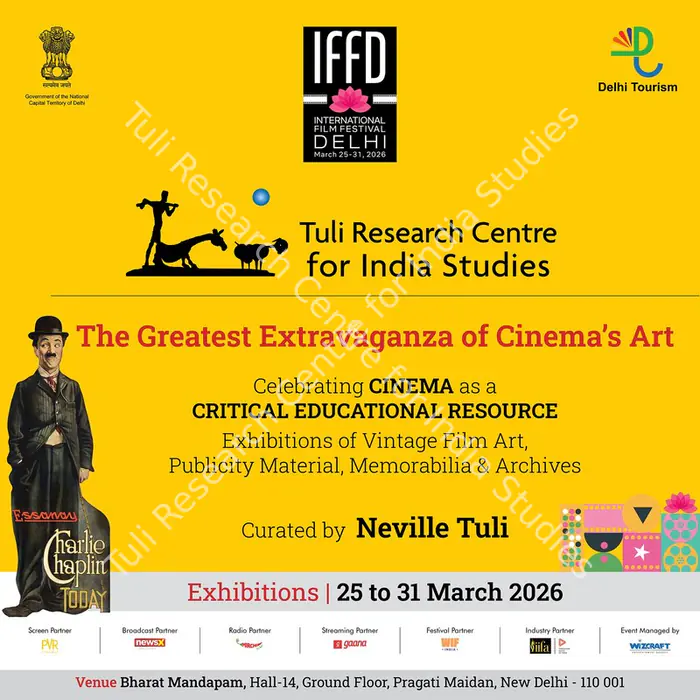
- ArchivedExhibitionProject 65The Greatest Extravaganza of Cinema's Art25th - 31st March 202611:00am - 7:00pmBharat Mandapam, Hall-14, Ground Floor, Pragati Maidan, New Delhi - 110001As we near sharing the vast online India Studies knowledge base on tuliresearchcentre.org with the world, we end with our last grand archival Exhibition on the rare and vintage cinematic arts. The Expo covers over 110 years of cinematic art, created by some of the finest film directors, cinematographers, art directors, technicians and designers working in cinema from India, Hollywood, Japan, Germany, France, and Poland. It is also a key principle at the Tuli Research Centre for India Studies (TRIS) to support new and nascent International Film Festivals in whatever capacity possible. Hence it is our privilege to help the International Film Festival of Delhi (IFFD) successfully launch its first edition on 25th March 2026. In the pioneering tradition of IFFI, and as Head of the erstwhile and much respected Osian's-Cinefan Festival for Asian and Arab Cinema with my dearly departed friend and Founder of Cinefan - Aruna Vasudev - we know what energy, expertise and commitment is required to galvanise and inspire the cinematic fraternities of Delhi, India and the rest of the world. It is a very serious and difficult task. Our audiences are demanding and to attract the young and non-cinephile is also no easy task. I hope these exhibitions will help the public grasp how deeply history is living in the contemporary. That contemporary life or creativity cannot achieve its best version without knowing and respecting the work of the best who came before us, nurturing and guiding our path with their service and vision. We look forward to welcoming you to Bharat Mandapam Hall 14 in the days to come. Please register at https://www.iffdelhi.com for the films and other events, it is free to all.Read More →
Related
33
Personalities
18
Films
14