

Introduction
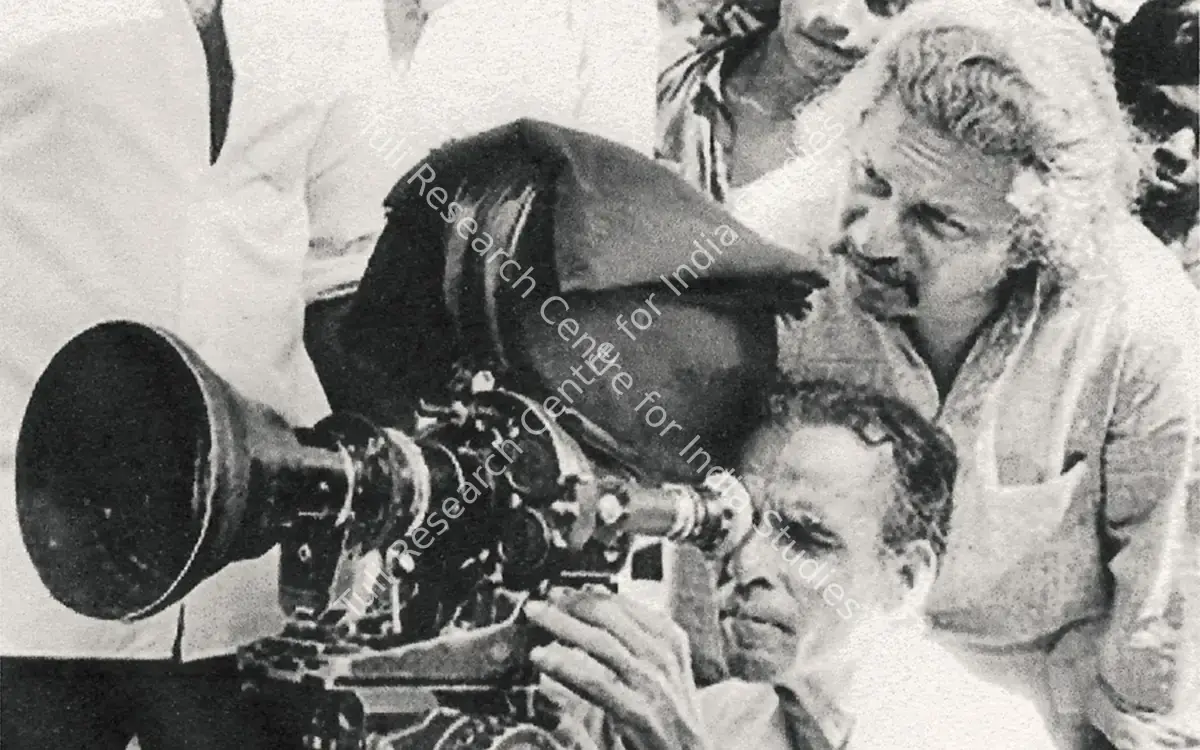
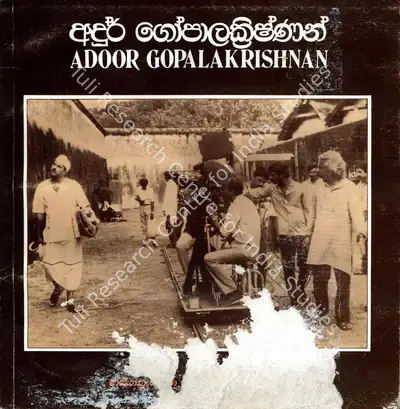
Adoor Gopalakrishnan (born Mouttathu Gopalakrishnan Unnithan on 3 July 1941 in Pallickal near Adoor in present-day Kerala) He stands as one of the most distinguished figures in Indian cinema. A filmmaker of rare intellectual rigor and aesthetic precision, he emerged as a pioneering force in Malayalam cinema with his debut feature Swayamvaram (1972), a work widely regarded as inaugurating the region's “new wave” movement. The film not only secured national recognition but also travelled extensively across international film festivals in Moscow, Melbourne, London, and Paris, announcing the arrival of a major cinematic voice.
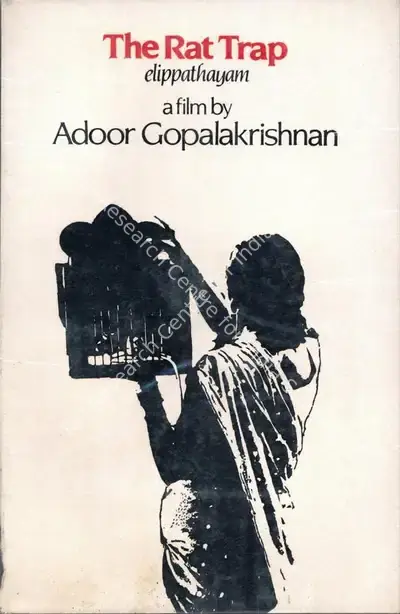
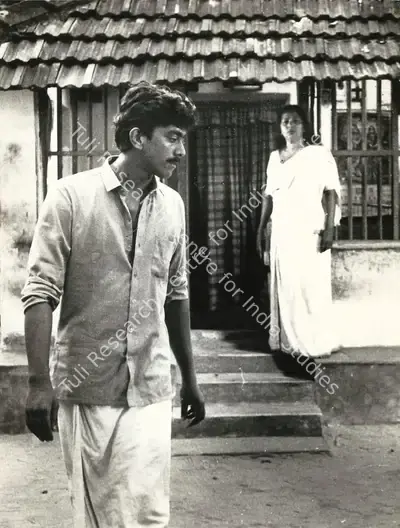
Over a career spanning more than five decades, Gopalakrishnan has crafted a compact yet formidable body of twelve feature films, each marked by a profound engagement with the social, cultural, and psychological textures of Kerala. Subsequent works such as Kodiyettam (1977), Elippathayam (1981), Mukhamukham (1984), Anantaram (1987), Mathilukal (1989), Vidheyan (1993), and Kathapurushan (1995) consolidated his reputation as an auteur of international standing. While Mukhamukham (1984) provoked controversy within Kerala for its political subtext, and Vidheyan (1993) sparked debate over its literary adaptation, these tensions only underscored the intellectual seriousness and interpretive openness of his cinema.
Gopalakrishnan's films have been regular fixtures at premier global festivals including Cannes, Venice, and Toronto, situating him alongside luminaries such as Satyajit Ray and Mrinal Sen in the canon of world cinema. His later works, notably Nizhalkkuthu (2002)—a haunting meditation on guilt and justice—and Naalu Pennungal (2007), adapted from the stories of Thakazhi Sivasankara Pillai, further exemplify his enduring commitment to narrative innovation and moral inquiry. Beyond feature filmmaking, he has directed over thirty short films and documentaries, expanding his artistic reach across forms.
Educated at the Gandhigram Rural Institute, where he completed a degree in Economics, Political Science, and Public Administration in 1961, Gopalakrishnan initially worked as a statistical investigator before enrolling at the Film and Television Institute of India, Pune, in 1962. There, supported by a Government of India scholarship, he honed his craft in screenwriting and direction. He later co-founded the Chithralekha Film Society and the Chalachithra Sahakarana Sangham, pioneering institutional frameworks for film culture and cooperative production in Kerala.
His contributions have been recognised with an extraordinary array of honours. He has received sixteen National Film Awards, including Best Director five times and Best Film twice, as well as seventeen Kerala State Film Awards. Elippathayam (1981) earned the British Film Institute Award for the most original and imaginative film in 1982, while a remarkable sequence of films—Mukhamukham (1984), Anantaram (1987), Mathilukal (1989), Vidheyan (1993), Kathapurushan (1995), and Nizhalkkuthu (2002)—won the International Federation of Film Critics (FIPRESCI) Prize consecutively. His international accolades include distinctions from Venice, Amiens, and Mannheim, among others.
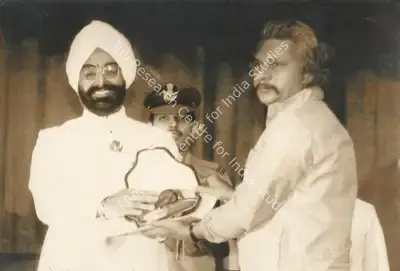
The Government of India honoured him with the Padma Shri in 1984, the Dadasaheb Phalke Award in 2004, and the Padma Vibhushan in 2006. His global stature is further reflected in recognitions such as France's Ordre des Arts et des Lettres and the Legion of Honour. In 2016, he received the J. C. Daniel Award, Kerala's highest cinematic honour. The establishment of the Adoor Gopalakrishnan Film Archive and Research Center at the University of Wisconsin–Milwaukee stands as a testament to his enduring scholarly and artistic legacy.
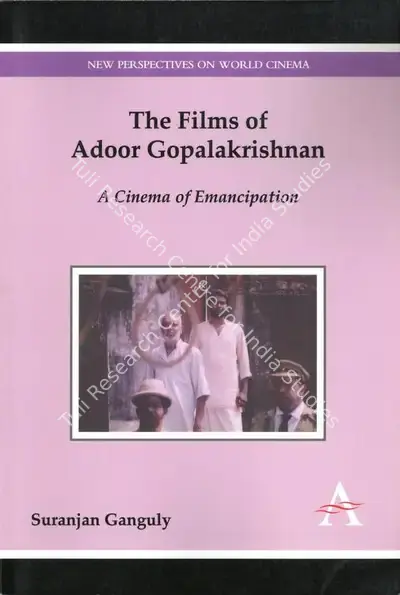
Beyond cinema, Gopalakrishnan has remained engaged with public discourse, exemplified by his participation in a 2023 open letter calling for a ceasefire in Gaza and humanitarian access. His life and work, documented in Face to Face: The Cinema of Adoor Gopalakrishnan (2016) by Parthajit Baruah, continue to inspire critical reflection and cinematic practice worldwide.
पांच दशकों से अधिक के अपने करियर में, गोपालकृष्णन ने बारह फ़ीचर फ़िलल्मों का एक संक्षिप्त लेकिन प्रभावशाली संग्रह तैयार किया है, जिनमें से प्रत्येक केरल के सामाजिक, सांस्कृतिक और मनोवैज्ञानिक पहलुओं के साथ गहन जुड़ाव को दर्शाती है। कोडियेट्टम (1977), एलिप्पथायम (1981), मुखामुखम (1984), अनंतराम (1987), मथिलुकल (1989), विधेयन (1993) और कथापुरुषन (1995) जैसी बाद की रचनाओं ने उन्हें अंतरराष्ट्रीय स्तर के एक प्रतिष्ठित फ़िलल्म निर्माता के रूप में स्थापित किया। मुखामुखम (1984) के उसके राजनीतिक संदेश के कारण केरल में विवाद उत्पन्न हो गया, और विधेयन (1993) ने अपने साहित्यिक रूपांतरण को लेकर बहस छेड़ दी, लेकिन इन विवादों ने उनके सिनेमा की बौद्धिक गंभीरता और व्याख्यात्मक खुलेपन को ही रेखांकित किया।
गोपालकृष्णन की फ़िलल्में कान, वेनिस और टोरंटो जैसे प्रमुख वैश्विक फ़िलल्म समारोहों में नियमित रूप से प्रदर्शित होती रही हैं, जिससे उन्हें सत्यजीत रे और मृणाल सेन जैसे दिग्गजों के साथ विश्व सिनेमा के प्रतिष्ठित मंच पर स्थान मिला है। उनकी बाद की फ़िल्में, विशेष रूप से निज़ल्कुथु (2002) - जो अपराधबोध और न्याय पर एक मार्मिक चिंतन है और नालू पेन्नुंगल (2007), जो थकज़ी शिवशंकर पिल्लई की कहानियों पर आधारित है, कथात्मक नवाचार और नैतिक अन्वेषण के प्रति उनकी अटूट प्रतिबद्धता का और भी बेहतर उदाहरण प्रस्तुत करती हैं। फ़ीचर फ़िलल्म निर्माण के अलावा, उन्होंने तीस से अधिक लघु फ़िलल्मों और डॉक्यूमेंट्रीज़ का निर्देशन किया है, जिससे विभिन्न विधाओं में उनकी कलात्मक पहुँच का विस्तार हुआ है।
गोपालकृष्णन ने गांधीग्राम ग्रामीण संस्थान से शिक्षा प्राप्त की, जहाँ उन्होंने 1961 में अर्थशास्त्र, राजनीति विज्ञान और लोक प्रशासन में डिग्री पूरी की। उन्होंने आरंभ में सांख्यिकी अन्वेषक के रूप में काम किया, फ़िलर 1962 में पुणे स्थित भारतीय फ़िलल्म एवं टेलीविज़न संस्थान में दाख़िला लिया। वहाँ, भारत सरकार की छात्रवृत्ति से उन्होंने पटकथा लेखन और निर्देशन में अपनी कला को निखारा। बाद में उन्होंने चित्रलेखा फ़िलल्म सोसाइटी और चलचित्र सहकारणा संघम की स्थापना की, जो केरल में फ़िलल्म संस्कृति और सहकारी निर्माण के लिए संस्थागत ढाँचे की नींव रखने वाले अग्रणी संगठन थे।
उनके योगदान को अनेकों सम्मानों से नवाज़ा गया है। उन्हें सोलह राष्ट्रीय फ़िलल्म पुरस्कार प्राप्त हुए हैं, जिनमें सर्वश्रेष्ठ निर्देशक का पुरस्कार पाँच बार और सर्वश्रेष्ठ फ़िलल्म का पुरस्कार दो बार शामिल है, साथ ही सत्रह केरल राज्य फ़िलल्म पुरस्कार भी। उनकी फ़िलल्म 'एलिप्पथायम' (1981) को 1982 में सबसे मौलिक और कल्पनाशील फ़िलल्म के लिए ब्रिटिश फ़िलल्म इंस्टीट्यूट पुरस्कार मिला, जबकि उनकी उल्लेखनीय फ़िलल्मों की श्रृंखला - ' मुखामुखम ' (1984), 'अनंतराम' (1987), 'मथिलुकल' (1989), 'विधेयन' (1993), 'कथापुरुषन' (1995) और ' निज़ल्कुथु ' (2002) को अंतर्राष्ट्रीय फ़िलल्म समीक्षक संघ (FIPRESCI) पुरस्कार का पुरुस्कार लगातार मिला। उनके अंतर्राष्ट्रीय सम्मानों में वेनिस, एमियंस और मैनहेम आदि के पुरस्कार शामिल हैं।
भारत सरकार ने उन्हें 1984 में पद्म श्री, 2004 में दादासाहेब फाल्के पुरस्कार और 2006 में पद्म विभूषण से सम्मानित किया। फ्रांस के ऑर्डर ऑफ आर्ट्स एंड लेटर्स और लीज़न ऑफ़ ऑनर जैसे सम्मानों से उनकी वैश्विक प्रतिष्ठा और भी स्पष्ट होती है। 2016 में, उन्हें केरल का सर्वोच्च सिनेमाई सम्मान, जे. सी. डैनियल पुरस्कार प्राप्त हुआ। विस्कॉन्सिन- मिलवॉकी विश्वविद्यालय में अडूर गोपालकृष्णन फ़िलल्म अभिलेखागार और अनुसंधान केंद्र की स्थापना उनकी स्थायी विद्वतापूर्ण और कलात्मक विरासत का प्रमाण है।
सिनेमा से परे, गोपालकृष्णन सार्वजनिक चर्चाओं में सक्रिय रूप से शामिल रहे हैं, जिसका उदाहरण 2023 में गाज़ा में युद्धविराम और मानवीय सहायता पहुंचाने की मांग करने वाले एक खुले पत्र में उनकी भागीदारी है। पार्थजीत बरुआ द्वारा लिखित पुस्तक "फेस टू फेस: द सिनेमा ऑफ अडूर गोपालकृष्णन" (2016) में उनके जीवन और कार्यों का दस्तावेज़ीकरण किया गया है, जो विश्व स्तर पर आलोचनात्मक चिंतन और सिनेमाई अभ्यास को प्रेरित करता रहता है।
Filmography 36

Research Centre





Related
17
Films
15