Poetry, Music and Melancholy in Guru Dutt’s Film Songs
Tuli Research Centre for India Studies (Editor)
Document TypeIn-house Video
Date31 August 2026
Duration1 min 07 sec
FormatVertical Video
Description
Guru Dutt remains one of the most enigmatic figues in Indian cinema. Here, his cinema is explored through four of his most enduring songs: "Babuji Dheere Chalna" (Aar Paar, 1954), "Jinhe Naaz Hai Hind Par"" (Pyaasa, 1957), "Yeh Duniya Agar Mil Bhi Jaye" (Pyaasa, 1957), and "Waqt Ne Kiya Kya Haseen Sitam" (Kaagaz Ke Phool, 1959).
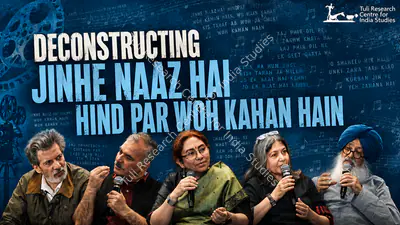
While discussing "Jinhe Naaz Hai Hind Par", Writer and Cinephile Juhi Saklani juxtaposes the grandeur of the Indian national anthem and its celebratory descriptions of the nation's landscapes with the grim reality that Sahir Ludhianvi's lyrics lay bare: "Ye kooche ye neelam-ghar dilkashi ke... ye sadiyon se bekhaab, sehmi si galiyan" (These lanes and markets where beauty is auctioned...These dreamless alleys, gripped by centuries of fear). Where the anthem sees glory, the song sees streets centuries-old in their exhaustion, and people living at the margins of the very nation being celebrated. Ravikant, Professor, Centre for the Study of Developing Societies (CSDS), adds that Sahir Ludhianvi's pen is posing a direct and piercing question to the powers that be, holding a newly independent government accountable to the promises it made to its most vulnerable citizens.
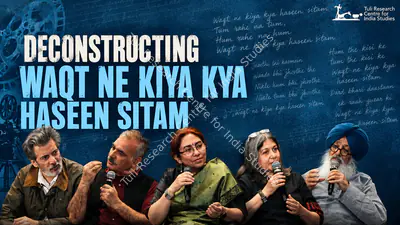
Reflecting on ""Waqt Ne Kiya Kya Haseen Sitam,"" Composer-Writer, Madan Gopal Singh observes that it is perhaps the only song in Indian cinema where the process of making the song itself becomes part of what we see on screen.
Turning to "Yeh Duniya Agar Mil Bhi Jaye," Writer Antara Mondal interprets the line "Ye mahalon, ye takhton, ye taajon ki duniya" (This world of palaces, thrones, and crowns) as an allusion to British rule, suggesting that Guru Dutt saw colonial hierarchies continuing to shape post-Independence India.
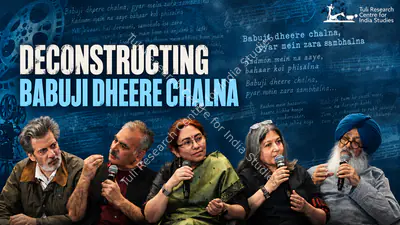
On "Babuji Dheere Chalna," she argues that the song offers a remarkably nuanced portrait of a woman living on the fringes of society. In a single sequence, the song reveals how such women are often looked at, desired, and judged, yet rarely understood on their own terms.
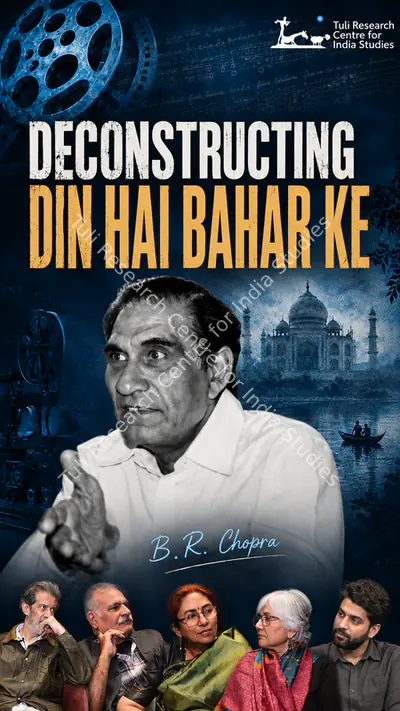
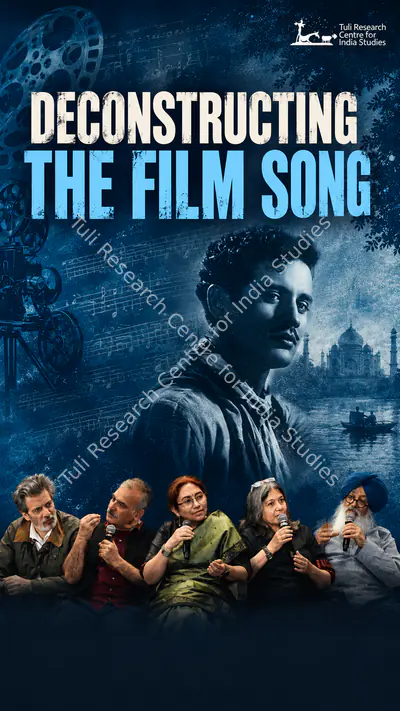
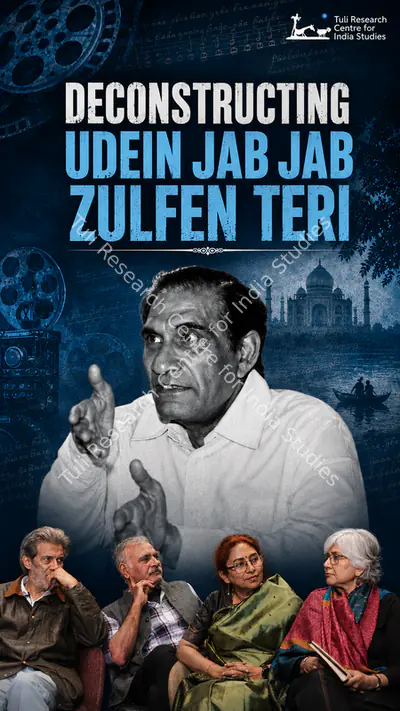
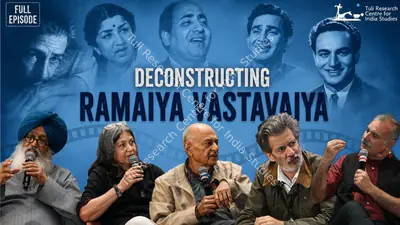
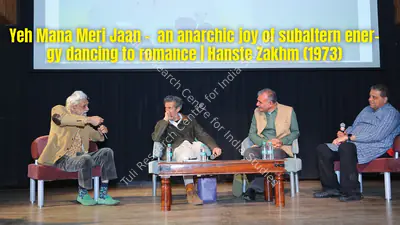
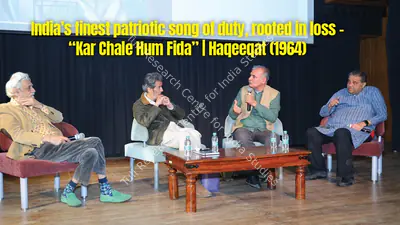
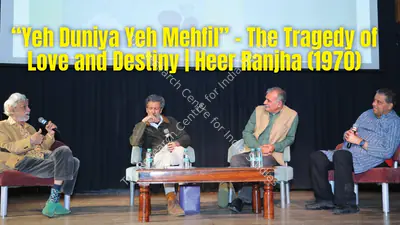
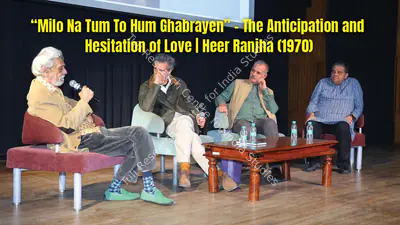
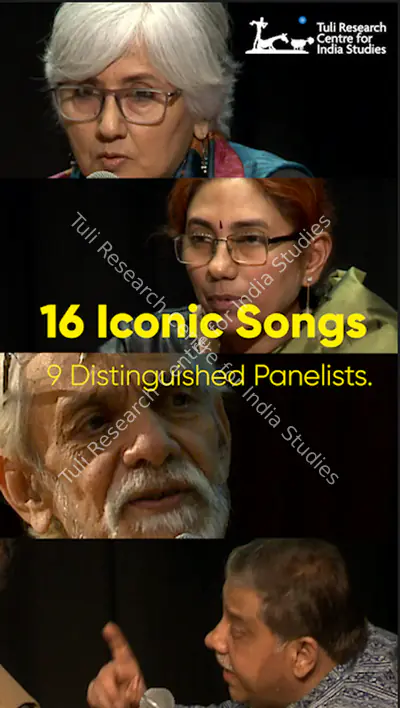
This segment is part of the workshop series "A Musical Glue for Nation-Building: Deconstructing the Film Song," featuring Madan Gopal Singh, Ravikant, Antara Nanda Mondal, Juhi Saklani, and Neville Tuli, presented by the Tuli Research Centre for India Studiesv(T.R.I.S.) at the 7th Self-Discovery via Rediscovering India Festival.