Raj Kapoor's Film Songs: The Soul and Social Vision That Changed Indian Cinema
Tuli Research Centre for India Studies (Editor)
Document TypeIn-house Video
Date04 August 2026
Duration1 hr 33 min
FormatLong-form Video
Description
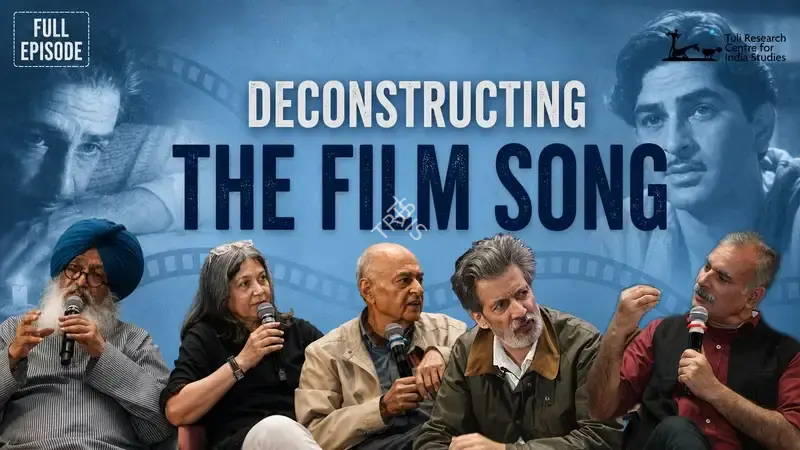
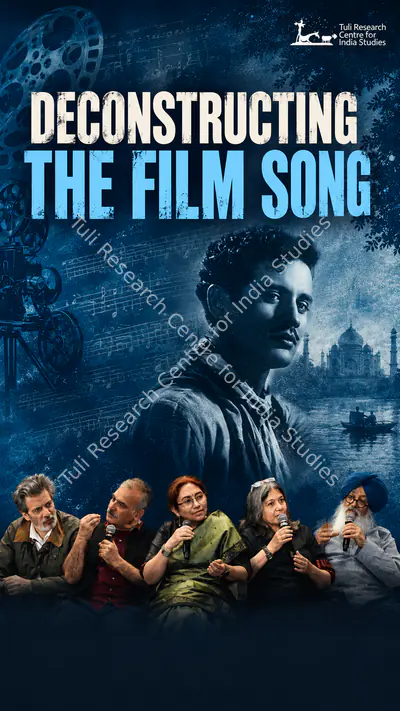
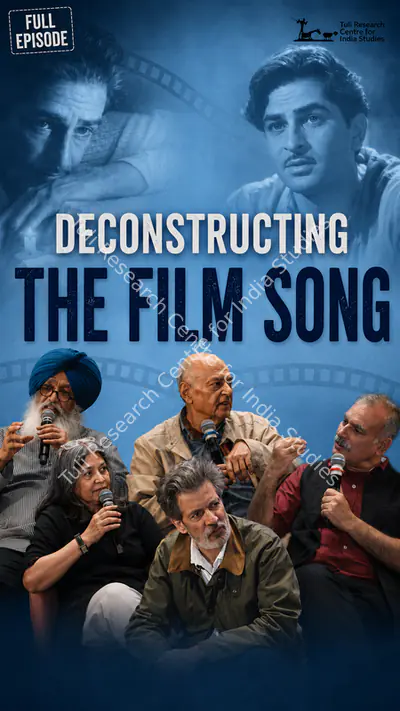
Raj Kapoor's tramp, the wide-eyed wanderer in oversized clothes and a battered hat, was one of Hindi cinema's most deliberate creative constructions. Borrowed in spirit from Charlie Chaplin but rooted firmly in the anxieties of post-independence India, the figure carried the dreams and displacements of a nation still finding its footing.
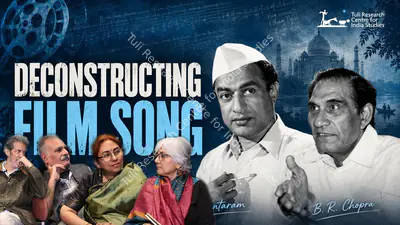
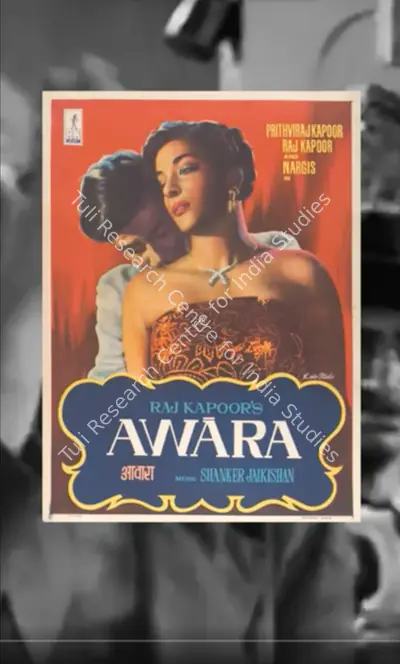
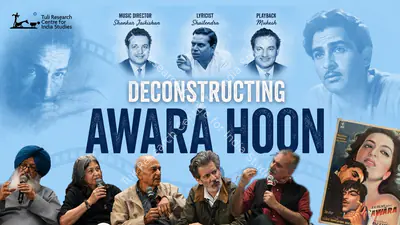
"Awara Hoon" from Awara (1951) became the song that gave that figure its voice, and its reach was extraordinary. In this clip, the panel discusses how the film introduced Raj Kapoor to audiences across the erstwhile Soviet Union, China and beyond.
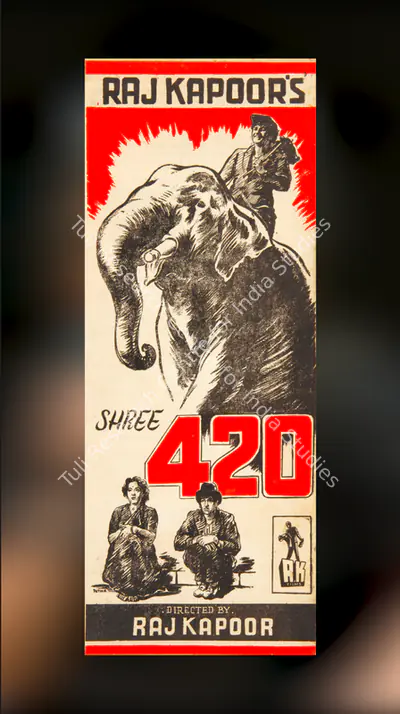
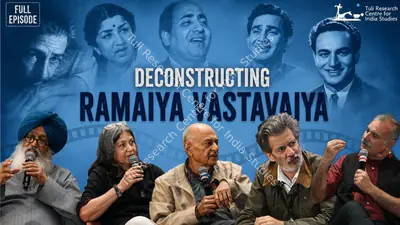
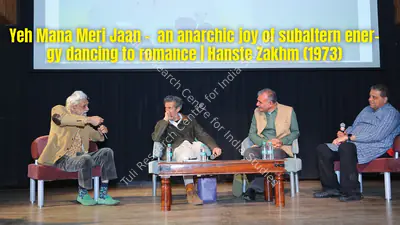
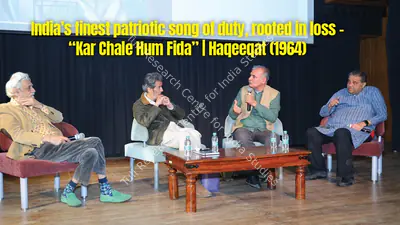
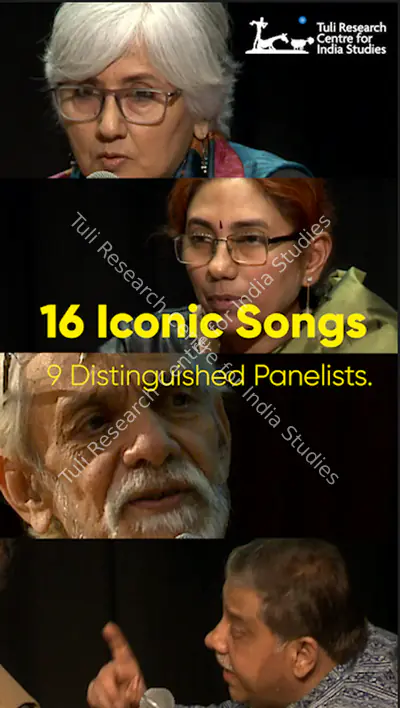
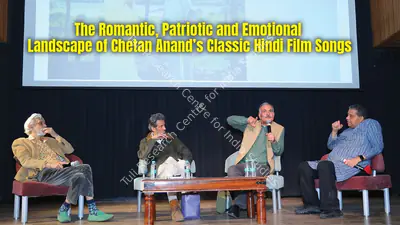
Composer-Writer Madan Gopal Singh points to "Ramaiya Vastavaiya" from Shree 420 (1955) as a moment of genuine creative risk, where Lata Mangeshkar's voice moves the song from a collective street chorus into something laden with intimate individuality.
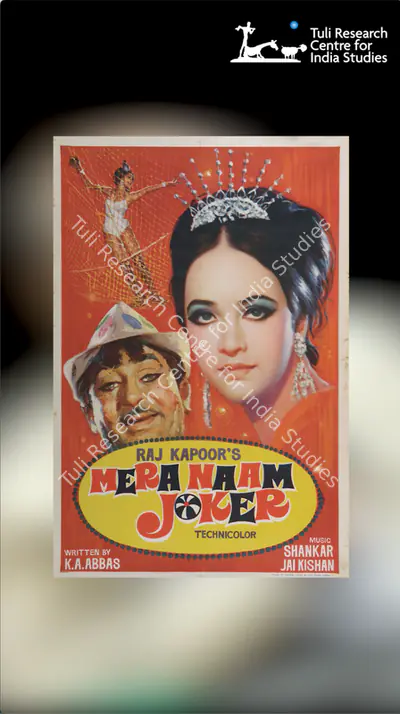
The panel also deconstructs two more songs from Raj Kapoor's career: "Pyar Hua Ikrar Hua" from Shree 420 (1955) and "Jeena Yahan Marna Yahan" from Mera Naam Joker (1970), examining what makes them endure across generations.
00:00 Introduction – Deconstructing the Hindi Film Song
00:44 Building an Academic Framework for Film Songs
02:41 Song 1: "Awaara Hoon" (Awaara)
06:08 Why "Awaara Hoon" Became a Global Phenomenon
06:58 Raj Kapoor, Charlie Chaplin & the Birth of the Tramp Persona
08:36 The Creative Team Behind Raj Kapoor's Musical Legacy
09:14 Collaboration as the Secret to Great Film Songs
12:38 Teaching "Awaara Hoon" to a New Generation
13:04 Nationhood, Shailendra & Post-Independence India
17:37 The Music of "Awaara Hoon" – Simplicity, Melody & Social Change
20:14 Cinema, Neorealism & the Uncertain India of the 1950s
24:14 Why the Song Resonated Across Russia, China & the World
26:02 Song 2: "Ramaiya Vastavaiya" (Shree 420)
31:54 Love, Idealism & Raj Kapoor's Romantic Cinema
33:05 Community, Home & the Moral Imagination of Shree 420
35:22 How "Ramaiya Vastavaiya" Was Created
37:12 Shailendra's Lyrics, Innocence & Social Conscience
41:20 Folk Music, Community & Musical Structure
43:20 Raj Kapoor's Creative Process & Literary Influences
48:27 Song 3: "Pyar Hua Ikrar Hua" (Shree 420)
53:11 The Triumph of Love Over Logic
54:18 Music, Nationhood & Newly Independent India
56:13 Love as a Binding Force in Indian Cinema
01:00:15 Classical vs Folk Musical Resolution
01:01:24 Film Lyrics, Rebellion & Social Assertion
01:03:46 Nargis, Desire & the Female Gaze
01:06:17 Why Manna Dey Sang This Iconic Song
01:07:58 Radhu Karmakar's Cinematography & the Magic of Rain
01:08:47 Audience Discussion
01:09:22 Song 4: "Jeena Yahan Marna Yahan" (Mera Naam Joker)
01:14:10 Revisiting Mera Naam Joker
01:15:11 Literature, Philosophy & the Ecology of Cinema
01:17:46 Why the Film Failed Initially but Endured
01:21:05 Raj Kapoor, Shailendra & the Making of the Song
01:27:03 Personal Reflections: Death, India & Cinema
01:30:10 Looking Ahead to Guru Dutt