

Introduction
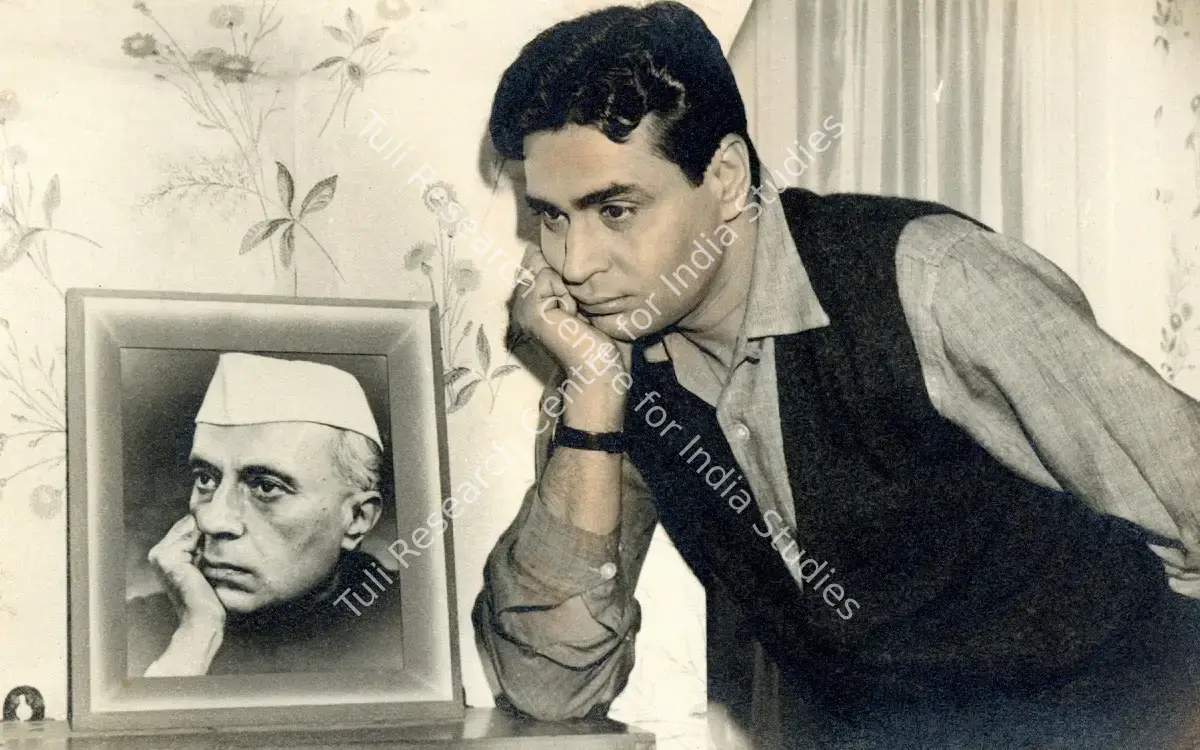
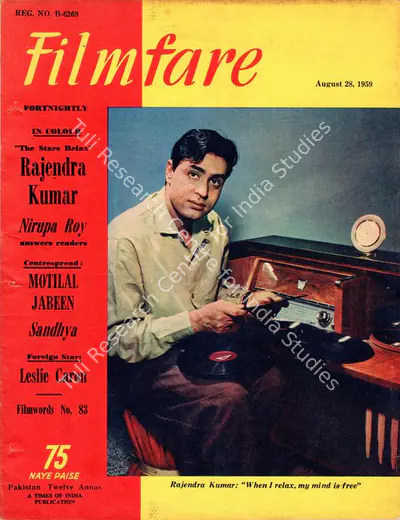
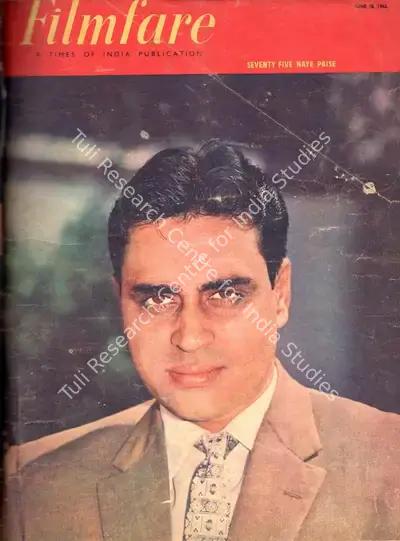
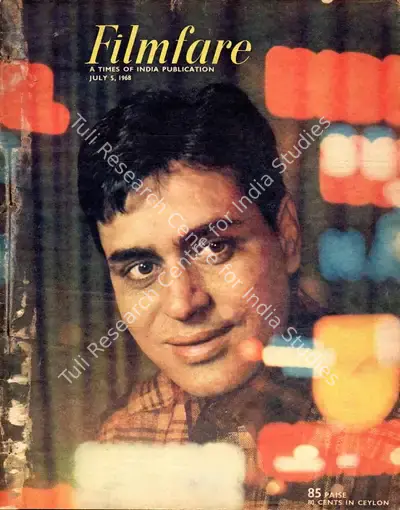
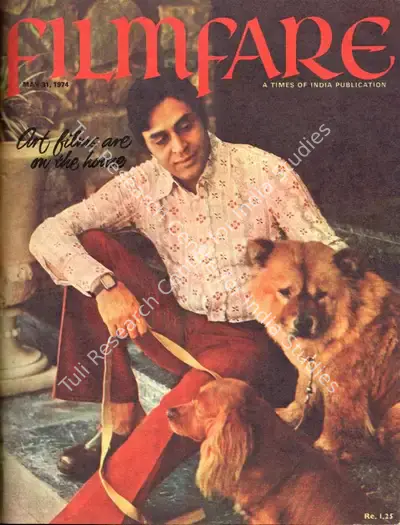
Rajendra Kumar (born Rajendra Kumar Tuli; 20 July 1927 – 12 July 1999) He occupies a distinguished place in the annals of Hindi cinema, remembered as one of its most bankable and enduring stars. Over a career spanning more than four decades and encompassing upwards of eighty films, he became emblematic of commercial success in post-independence Bollywood. His remarkable run of consecutive hits during the late 1950s and 1960s earned him the sobriquet “Jubilee Kumar,” a reference to the extended theatrical runs—often exceeding 25 weeks—of many of his films. This phenomenon cemented his reputation as a bona fide superstar in an era when box-office longevity was the ultimate measure of cinematic triumph.
Despite his extraordinary popularity, Kumar's career presents a curious paradox: he never secured a competitive Filmfare Awards honour. Nevertheless, his dominance is reflected in his repeated presence atop industry rankings, including multiple appearances in Box Office India's “Top Actors” list, which he led consistently between 1963 and 1968. At the height of his career, he was also among the highest-paid actors in the industry.
Born in Sialkot, in the Punjab province of British India (now in Pakistan), Kumar hailed from a Punjabi Hindu Khatri family with established business roots. The upheaval of the Partition of India forced his family to migrate to Bombay, where he initially pursued work behind the camera. Under the mentorship of director H. S. Rawail, he apprenticed as an assistant for several years before transitioning to acting—despite never having initially aspired to stardom.
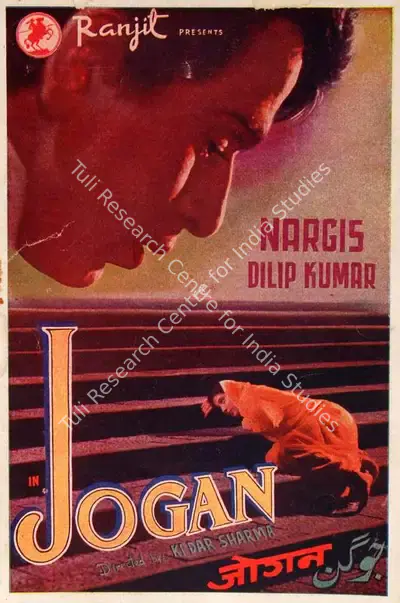
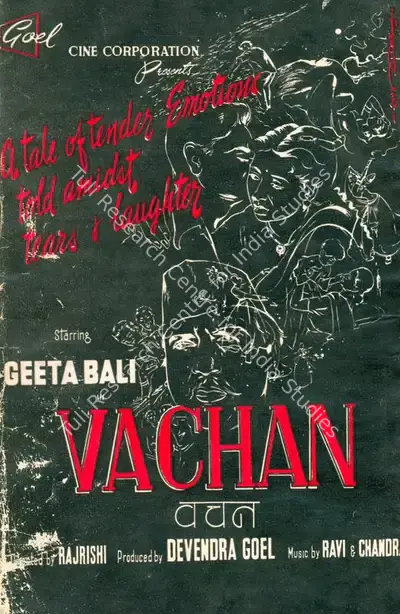
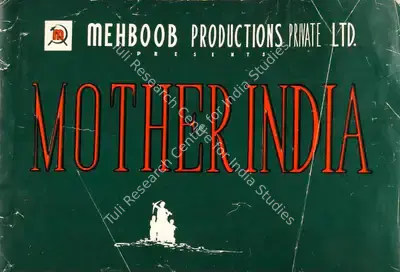
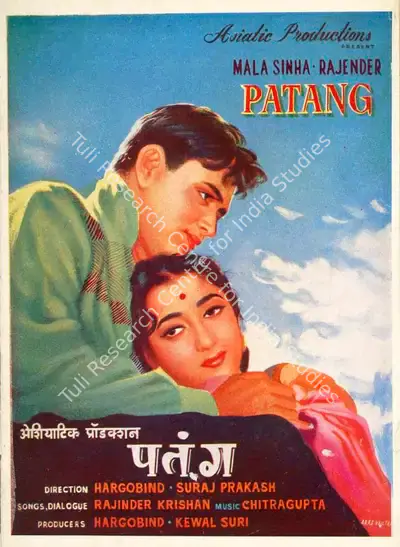
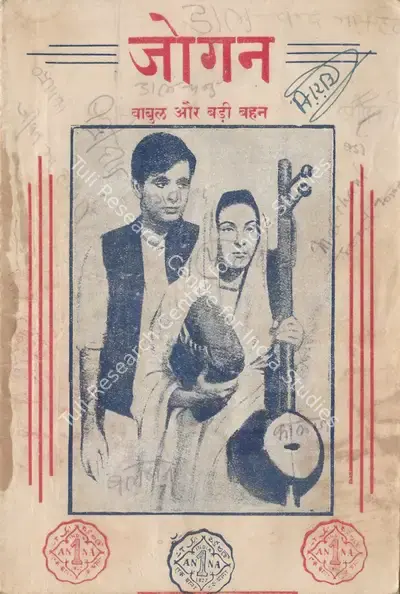
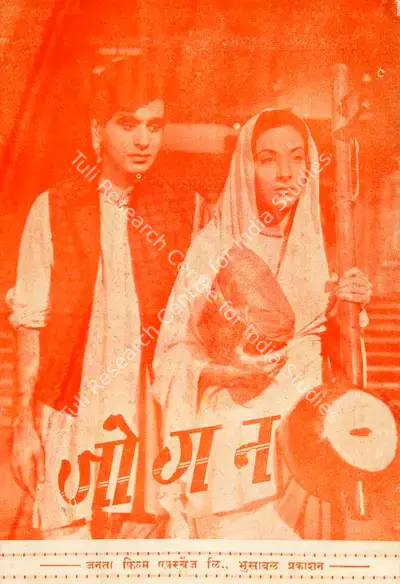
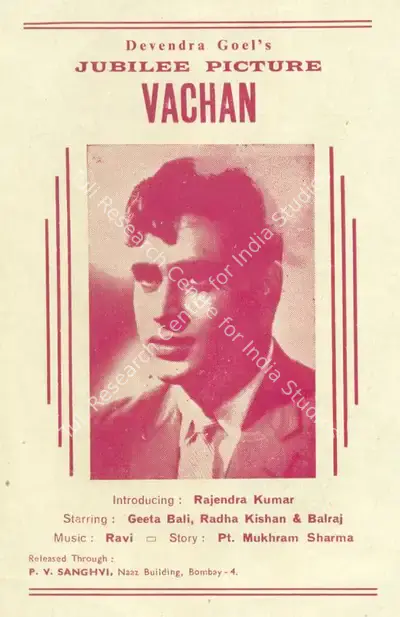
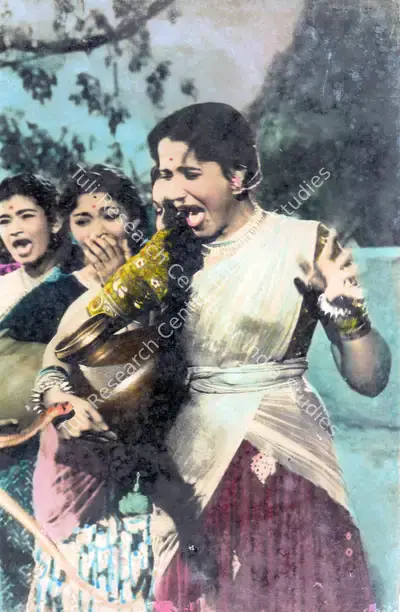
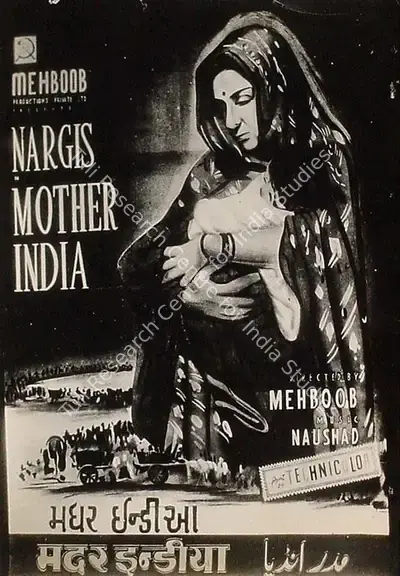
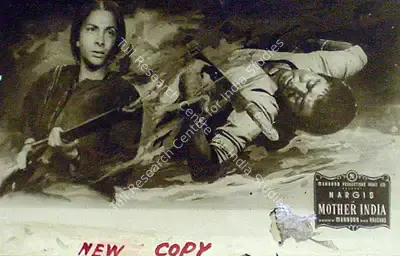
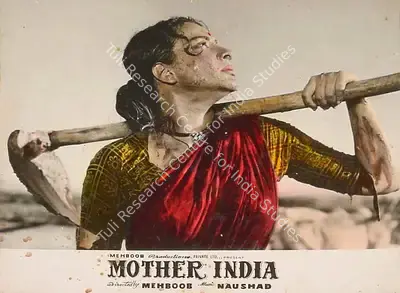
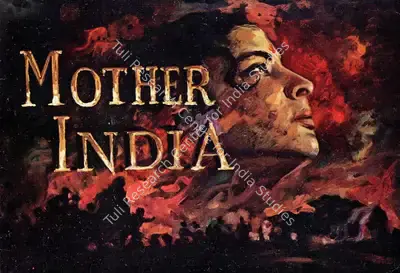
Kumar's early roles in films such as Patanga (1949) and Jogan (1950) were modest, but his breakthrough arrived with Vachan (1955). His ascent accelerated with Mother India (1957), directed by Mehboob Khan, a landmark production that achieved both critical acclaim and monumental commercial success. The film, featuring Nargis and Sunil Dutt, became one of Indian cinema's most celebrated works, winning the National Film Award for Best Feature Film (Hindi) and securing a place in global cinematic canons.
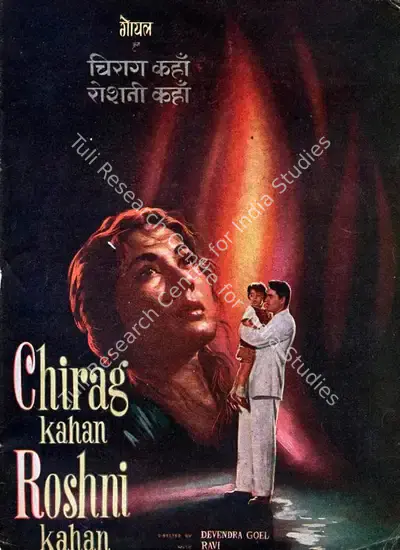
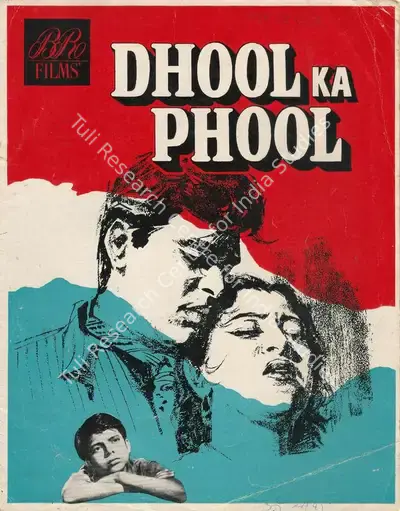
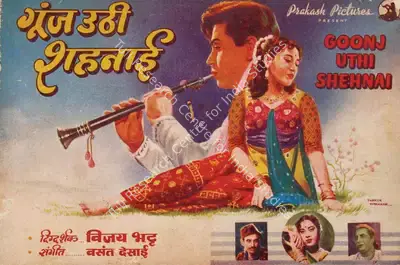
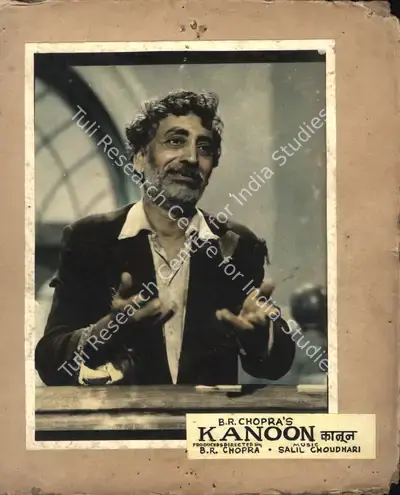
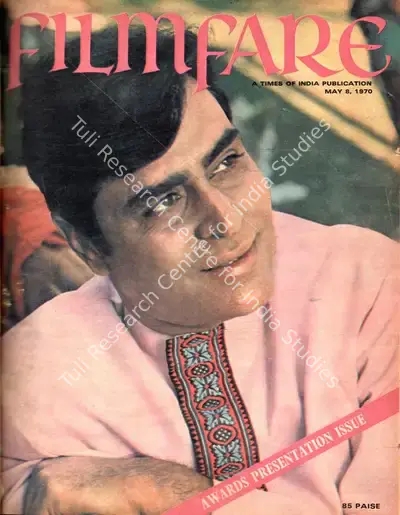
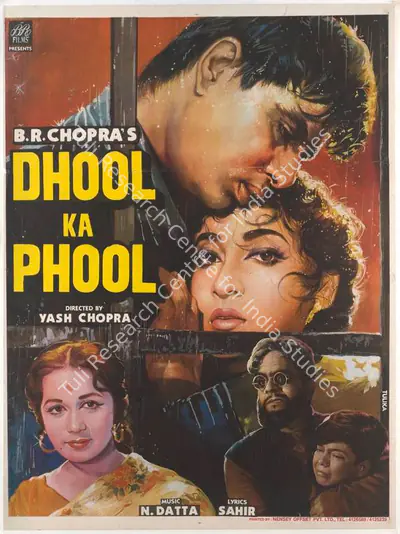
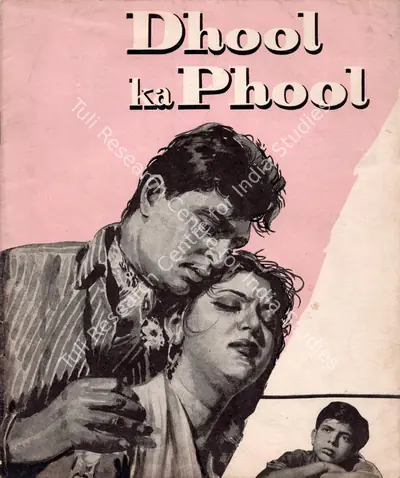
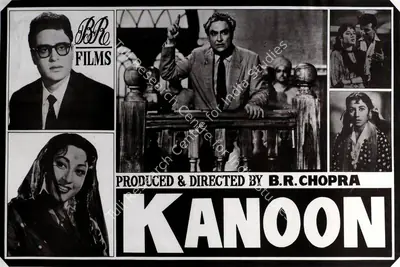
The year 1959 proved pivotal, with a succession of major hits including Goonj Uthi Shehnai (1959), Chirag Kahan Roshni Kahan (1959), and Dhool Ka Phool (1959), the latter marking Yash Chopra's directorial debut. Kumar's momentum continued with Kanoon (1960), an unconventional, songless courtroom drama, followed by a series of successes in 1961: Zindagi Aur Khwab (1961), Aas Ka Panchhi (1961), Gharana (1961), Sasural (1961), and Pyaar Ka Saagar (1961), a year widely regarded as the zenith of his career.Beyond cinema, Kumar maintained close personal and professional relationships within the industry, notably with Raj Kapoor and Sunil Dutt. He was honored with the Padma Shri in 1970 and participated in philanthropic initiatives.
Kumar's life concluded on 12 July 1999, when he died of a heart attack at the age of 71, following a battle with cancer. His legacy endures as a testament to an era defined by star power, audience devotion, and the enduring magic of the silver screen.
असाधारण लोकप्रियता के बावजूद, कुमार का करियर एक रोचक विरोधाभास प्रस्तुत दिखाई देता है। उन्हें कभी भी किसी प्रतिष्ठित फ़िल्मफ़ेयर पुरस्कार से सम्मानित नहीं किया गया। फ़िर भी, फ़िल्म उद्योग जगत में उनकी लगातार शीर्ष रैंकिंग में उपस्थिति उनकी प्रभुत्व को दर्शाती है, जिसमें बॉक्स ऑफ़िस इंडिया की "शीर्ष अभिनेताओं" की सूची में कई बार होना भी शामिल है, जिसमें वे 1963 से 1968 के बीच लगातार शीर्ष पर रहे। अपने करियर के चरम पर, वे फ़िल्म उद्योग के सबसे अधिक मेहनताना पाने वाले अभिनेताओं में भी शामिल थे।
ब्रिटिश भारत के पंजाब प्रांत (अब पाकिस्तान में) के सियालकोट में जन्मे कुमार एक प्रतिष्ठित पंजाबी हिंदू खत्री परिवार से थे, जिनके व्यापारिक संबंध बहुत मज़बूत थे। भारत के विभाजन के कारण हुए उथल-पुथल ने उनके परिवार को बंबई में पलायन करने के लिए मज़बूर कर दिया, जहाँ उन्होंने शुरू में कैमरे के पीछे काम करना शुरू किया। निर्देशक एचएस रवैल के मार्गदर्शन में उन्होंने अभिनय में कदम रखने से पहले कई वर्षों तक सहायक के रूप में काम किया—हालाँकि उन्होंने कभी भी स्टार बनने की ख़्वाहिश नहीं रखी थी।
कुमार ने पतंगा (1949) और जोगन (1950) जैसी फ़िल्मों में शुरुआती दौर में मामूली भूमिकाएँ निभाईं, लेकिन उन्हें असली पहचान वचन (1955) से मिली। महबूब ख़ान द्वारा निर्देशित मदर इंडिया (1957) से उनकी तरक़्क़ी में तेज़ी आई। यह एक ऐतिहासिक फ़िल्म थी जिसे आलोचकों की ख़ूब सराहना मिली और इसने ज़बरदस्त व्यावसायिक सफलता हासिल की। नरगिस और सुनील दत्त अभिनीत यह फ़िल्म भारतीय सिनेमा की सबसे चर्चित फ़िल्मों में से एक बन गई, जिसने सर्वश्रेष्ठ फ़ीचर फ़िल्म (हिंदी) का राष्ट्रीय फ़िल्म पुरस्कार जीता और वैश्विक सिनेमाई इतिहास में अपना स्थान बना लिया।
वर्ष 1959 उनके लिए निर्णायक साबित हुआ, जिसमें गूंज उठी शहनाई (1959), चिराग कहां रोशनी कहां (1959) और धूल का फूल (1959) जैसी कई बड़ी हिट फ़िल्में आईं। धूल का फूल यश चोपड़ा की पहली निर्देशित फ़िल्म थी। कुमार की सफलता का सिलसिला क़ानून (1960) के साथ जारी रहा, जो एक अपरंपरागत, गीतहीन दरबारी नाटक था। इसके बाद 1961 में भी उन्हें कई सफलताएं मिलीं, जिंदगी और ख़्वाब (1961), आस का पंछी (1961), घराना (1961), ससुराल (1961) और प्यार का सागर (1961)। इस वर्ष को उनके करियर का शिखर माना जाता है। सिनेमा से परे कुमार ने फ़िल्म उद्योग में विशेष रूप से राज कपूर और सुनील दत्त के साथ, घनिष्ठ व्यक्तिगत और व्यावसायिक संबंध बनाए रखे। उन्हें 1970 में पद्म श्री से सम्मानित किया गया और उन्होंने परोपकारी एवं सामाजिक पहलों में भी भाग लिया।
कुमार का जीवन 12 जुलाई 1999 को समाप्त हो गया, जब 71 वर्ष की आयु में कैंसर से लंबे संघर्ष के बाद हृदयाघात के कारण उनका निधन हो गया। उनकी विरासत सितारों की शक्ति, दर्शकों की अटूट भक्ति और सिल्वर स्क्रीन के स्थायी जादू से परिभाषित एक युग की गवाही के रूप में अमर है।
- Age
- 70
Filmography 74


Research Centre




Related
40
Films
20
Personalities
20