Introduction
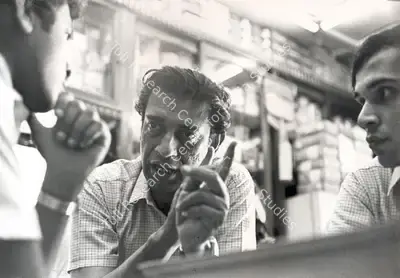
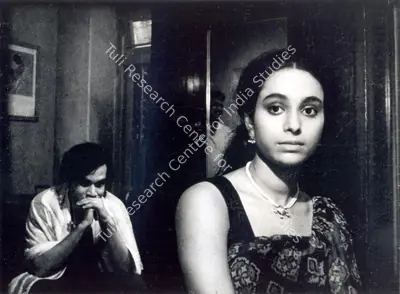
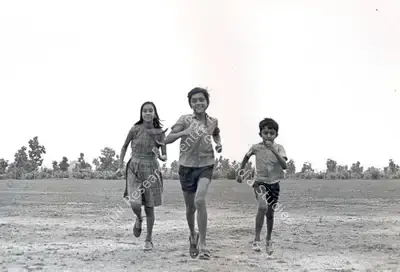
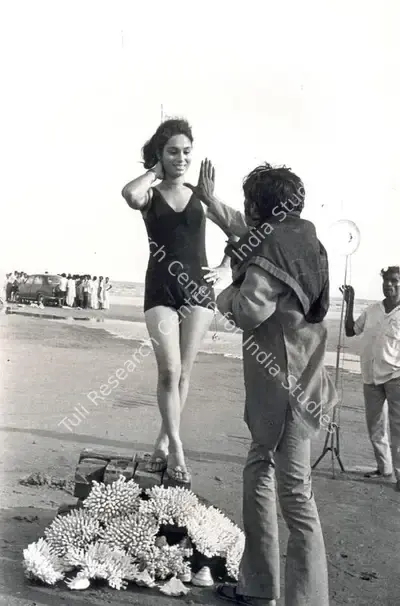
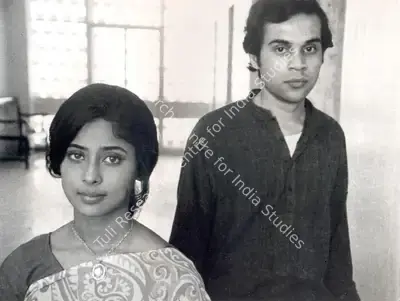
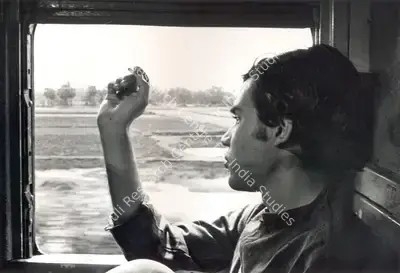
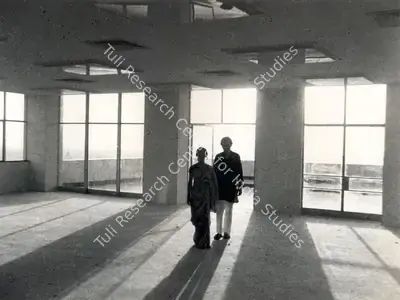
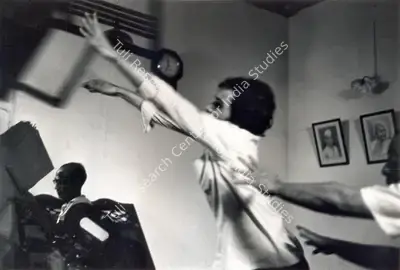
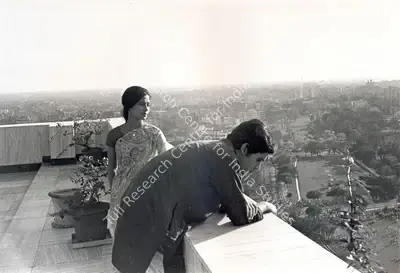
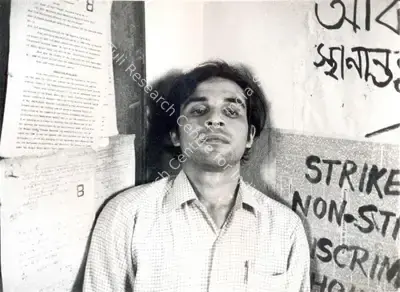
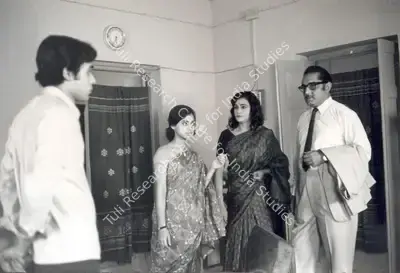
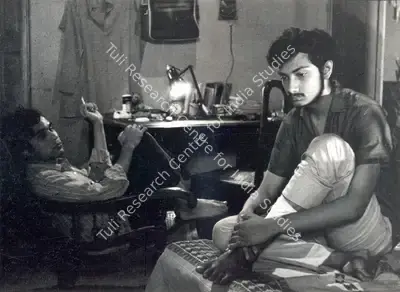
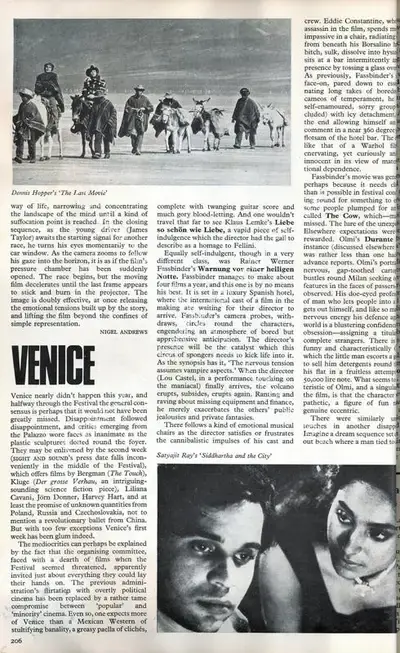
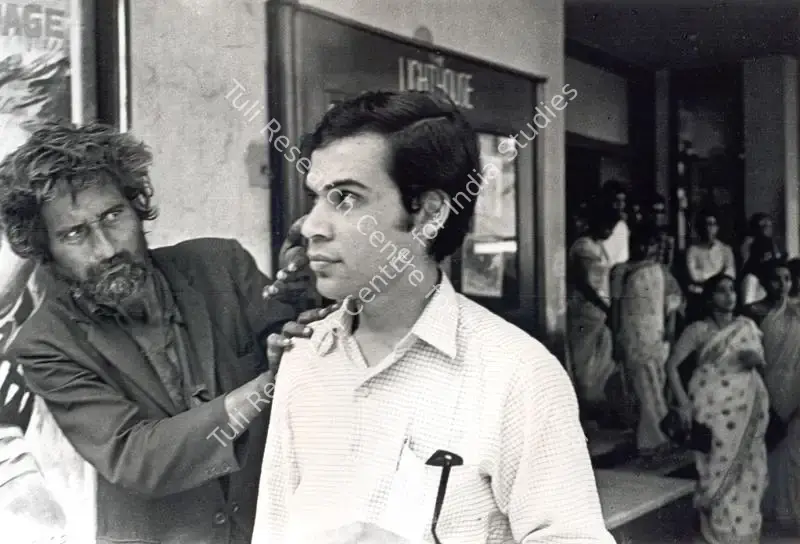
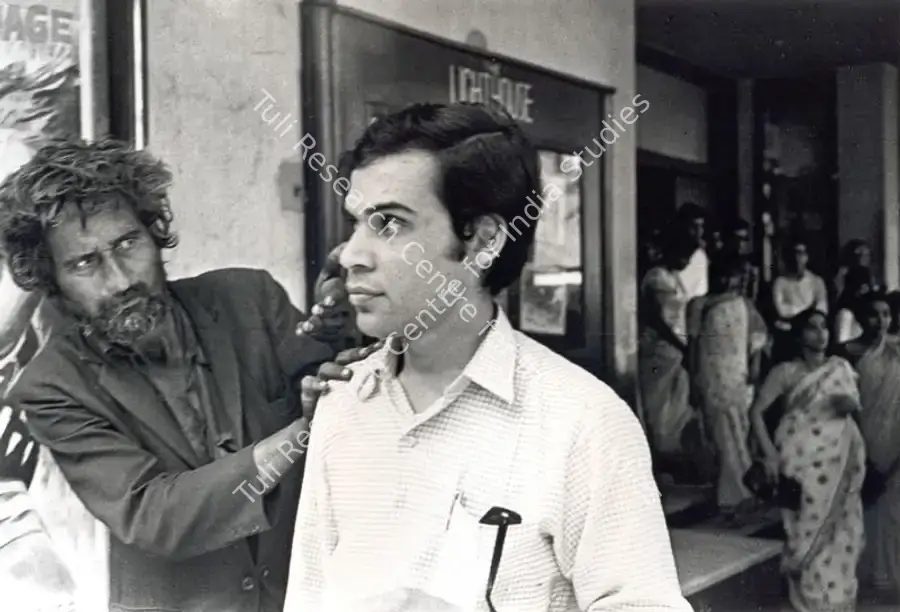
Pratidwandi (The Adversary, also known as Siddharta and the City, 1970), directed and written by Satyajit Ray, is a searing Bengali-language drama based on the novel by Sunil Gangopadhyay. The first instalment in Ray's seminal Calcutta Trilogy, the film chronicles the inner and outer struggles of Siddhartha, a young, educated man adrift in the volatile sociopolitical landscape of late 1960s Calcutta.
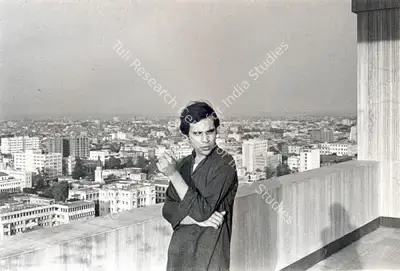
After the sudden death of his father, Siddhartha is forced to abandon his medical studies and enter the job market to support his family. But what he finds is a world riddled with corruption, suffocating bureaucracy, and moral compromise. During a pivotal job interview, he boldly names the courage of the Vietnamese people and not the American moon landing as the most significant global event of the decade, a choice that costs him the position and reveals his unbending moral compass.
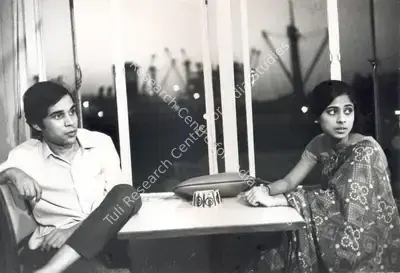
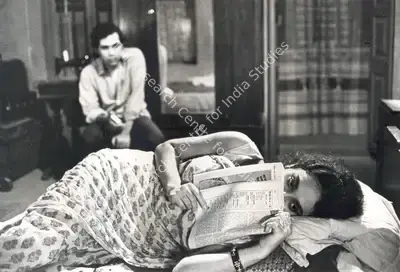
Torn between the radical activism of his Naxalite brother and the material aspirations of his career-driven sister, Siddhartha floats through the city's chaos encountering idealism, disillusionment, fleeting romance, and existential fatigue. His inner turmoil is mirrored through Ray's inventive use of photo-negative flashbacks, surreal visual interludes that evoke memory, trauma, and disorientation.
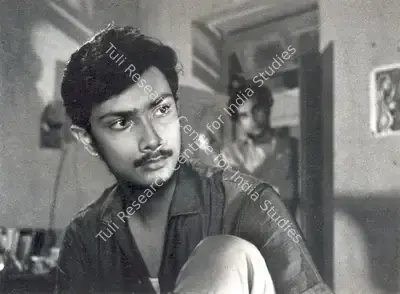
Dhritiman Chatterjee delivers a haunting performance as Siddhartha, supported by Jayashree Roy as Keya and Krishna Bose as Sutapa. The ensemble includes Indira Roy, Kalyan Chatterjee, Debraj Roy, Biplab Chatterjee, and others.
Critics praised the film's bold departure from Ray's earlier lyrical realism. Vincent Canby of The New York Times awarded it 4.5 out of 5 stars, calling it a "particularly moving comedy" about a man "seething with rage about social injustice and economic corruption, yet powerless to act." Dennis Schwartz described it as a "beautifully observed political film of disenfranchisement," noting Ray's alignment with the global youth revolt, while underscoring India's distinct postcolonial psyche. Ray, he wrote, argues that before change can come, Indian youth must reclaim their own identities. Schwartz also lauded Ray's "wickedly droll sense of humour," likening his visual metaphors—such as the use of X-ray images to revelations of society's stark truths.
James Travers gave the film a perfect score, highlighting its "significant stylistic shift" and cinéma vérité aesthetic, which, he said, delivers a film that is "uncomfortable, austere," and unsoftened by Ray's usual poetic ironies.
Pratidwandi received three National Film Awards, including Best Direction, and was nominated for the Gold Hugo at the 1971 Chicago International Film Festival. It remains a turning point in Ray's oeuvre, a film of angry quietude and disillusioned beauty.
In 2012, filmmaker Ashim Ahluwalia included Pratidwandi in his Sight & Sound Top 10 Films of All Time, writing: "Pratidwandi sees Ray drop his early style for a gritty hand-held Godardian romp through '70s Calcutta. Incredible."
पिता की अचानक मृत्यु के बाद सिद्धार्थ को अपनी मेडिकल की पढ़ाई अधूरी छोड़कर परिवार का भरण-पोषण करने के लिए नौकरी की तलाश में निकलना पड़ता है। लेकिन उसका जिस हृदयहीन दुनिया से सामना होता है वह भ्रष्टाचार, घुटनभरी नौकरशाही और अनैतिक समझौतों से भरी हुई है। एक नौकरी के साक्षात्कार में निर्णायक मौके पर वह निर्भीक होकर चाँद पर इंसान के उतरने के अमेरिकी कारनामे के बजाए युद्ध में वियतनामी जनता के साहस को दशक की सबसे महत्वपूर्ण वैश्विक घटना बताता है। उसकी यह ईमानदार टिप्पणी उससे उसके हिस्से की नौकरी छीन लेती है, लेकिन उसके चरित्र की अडिग नैतिकता इससे बखूबी उजागर होती है।
सिद्धार्थ अपने नक्सलवादी भाई के क्रांतिकारी आंदोलन और करियर की चिंता करती बहन की भौतिक आकांक्षाओं के बीच झूलता है। साठ के दशक के कोलकाता के उथल-पुथल भरे जीवन में वह आदर्शवाद, मोहभंग, क्षणिक प्रेम और अस्तित्ववादी थकन से जूझ रहा है। राय फ़ोटो-नेगेटिव फ़्लैशबैक और अतियथार्थवादी दृश्यांतरणों के जरिए उसकी मानसिक स्थिति को पर्दे पर उकेरते हैं, स्मृतियाँ, आघात और असमंजस से घिरी उसकी मनोस्थिति को दर्शाते हुए।
धृतिमान चटर्जी ने सिद्धार्थ की शीर्षक भूमिका में गहराई लिए और बेचैन कर देने वाला अभिनय किया है। उनके साथ जयश्री राय काया की भूमिका में और कृष्णा बोस सुतपा की भूमिका में हैं। अन्य सहायक कलाकारों में इंदिरा राय, कल्याण चटर्जी, देब्राज राय, बिप्लब चटर्जी आदि कलाकार शामिल हैं।
आलोचकों ने इस फ़िल्म को राय के इससे पहले के सिनेमाई 'कवितामय यथार्थवाद' से एक साहसी विचलन बताया। 'दि न्यूयॉर्क टाइम्स' के विन्सेंट कैनबी ने इसे 5 में से 4.5 अंक देते हुए कहा कि यह एक "उल्लेखनीय भावुक कॉमेडी" है जिसमें एक ऐसे व्यक्ति की कहानी कही गई है जो "सामाजिक अन्याय और आर्थिक भ्रष्टाचार देखकर उबल रहा है, लेकिन कुछ भी कर पाने में असमर्थ है।" डेनिस श्वार्ट्ज ने इसे "वंचना पर आधारित खूबसूरती से परखी राजनैतिक फ़िल्म" कहा और रेखांकित किया कि राय ने वैश्विक स्तर पर चलते युवा आन्दोलनों के साथ अपनी आवाज़ मिलाई है लेकिन भारत की विशिष्ट उत्तर-औपनिवेशिक मानसिकता को भी रेखांकित किया है। उनके अनुसार राय का तर्क है कि कुछ भी बदलने से पहले भारतीय युवाओं को अपनी खुद की पहचान को वापस हासिल करना होगा। श्वार्ट्ज ने राय के "तेज़तर्रार, व्यंग्यपूर्ण हास्य" और उनके रचे दृश्य रूपकों जैसे एक्स-रे छवियों के इस्तेमाल की भी सराहना की और कहा कि यह समाज की नंगी सच्चाइयों को प्रकट करते हैं।
जेम्स ट्रेवर्स ने फ़िल्म को पूरे में से पूरे अंक दिए और कहा कि इसमें एक "महत्वपूर्ण शैलीगत बदलाव" दिखाई देता है और इसकी तुलना 'सिनेमा वेरिते' शैली से की। उन्होंने कहा कि यह फ़िल्म "असुविधाजनक, कठोर" और राय की इससे पहले की विडम्बनाओं को दिखाने की कवितामय सिनेमाई शैली से बहुत भिन्न है।
प्रतिद्वन्द्वी ने तीन राष्ट्रीय फ़िल्म पुरस्कार जीते जिनमें 'सर्वश्रेष्ठ निर्देशक' का पुरस्कार भी शामिल है। सन् 1971 के शिकागो अंतरराष्ट्रीय फ़िल्म महोत्सव में 'गोल्ड ह्यूगो' पुरस्कार के लिए यह फ़िल्म नामांकित हुई। यह फ़िल्म सत्यजित राय के यादगार सिनेमाई सफ़र में एक निर्णायक मोड़ मानी जाती है। एक ऐसी रचना, जिसमें मूक क्रोध और मोहभंग की उदासीन खूबसूरती दर्ज की गई है।
सन् 2012 में फ़िल्मकार असीम अहलूवालिया ने प्रतिद्वन्द्वी को अपने 'साइट एंड साउंड टॉप 10 फ़िल्म्स ऑफ़ ऑल टाइम्स' सूची में शामिल किया और लिखा, “प्रतिद्वन्द्वी में राय अपने शुरुआती अंदाज को छोड़कर 70 के दशक की कोलकाता की गलियों में आँवागर्द शैली में एक चुभनेवाली लेकिन वास्तविक यात्रा पर निकलते हैं। अविश्वसनीय।”
Body of Work