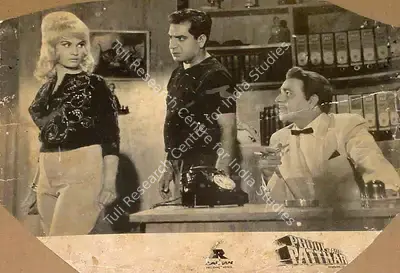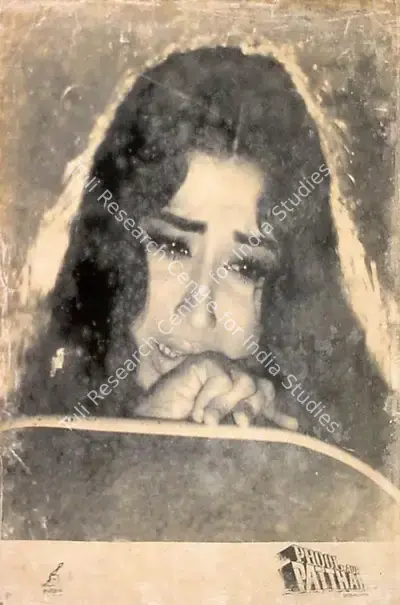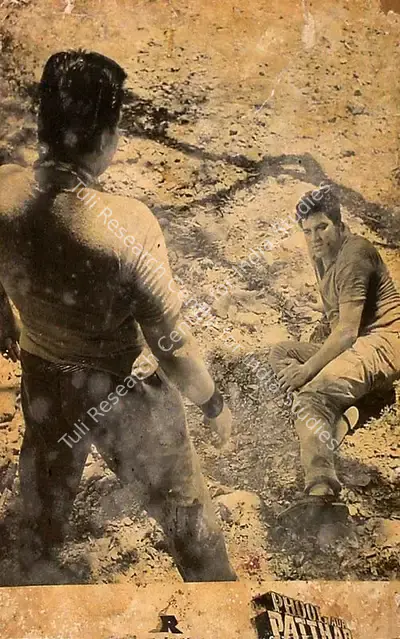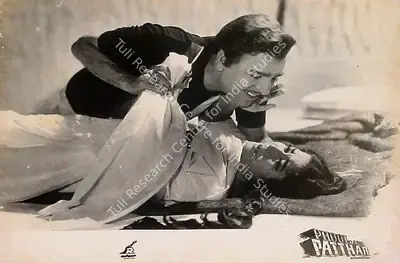

Introduction
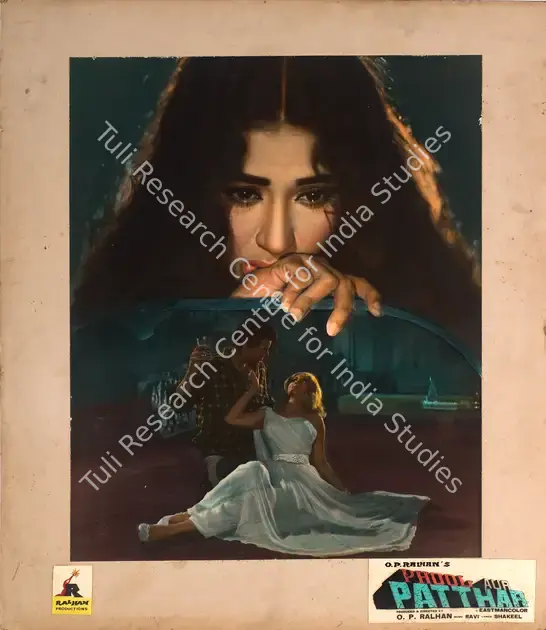
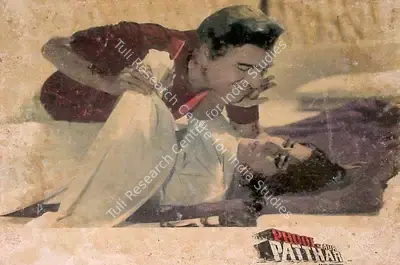
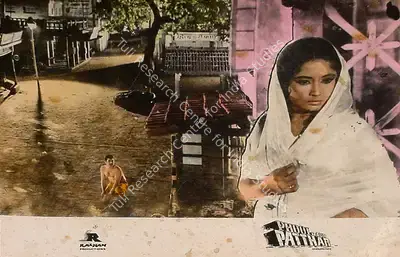
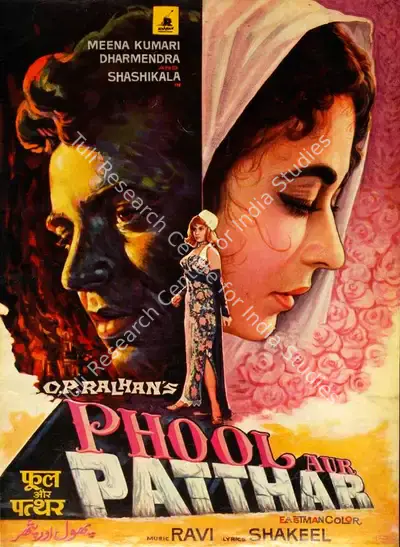
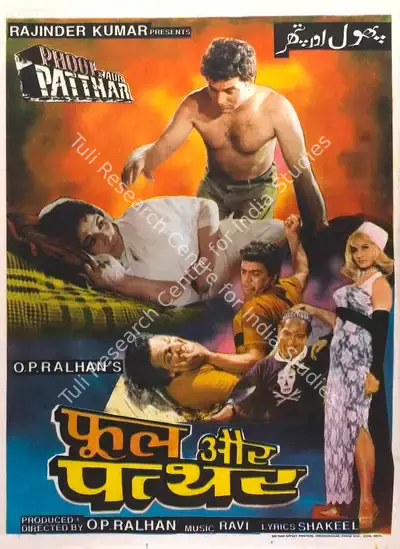
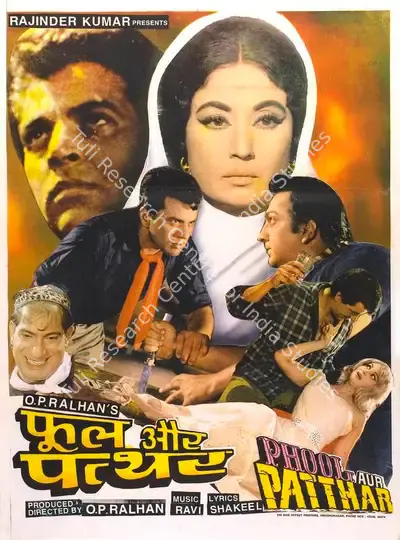
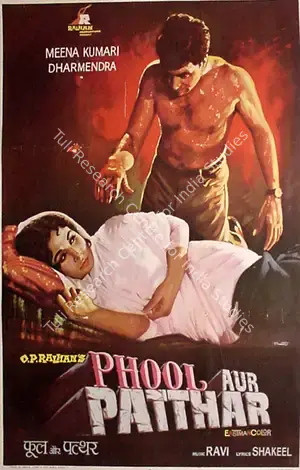
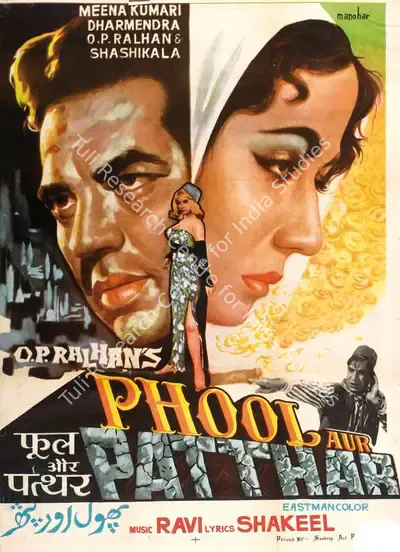
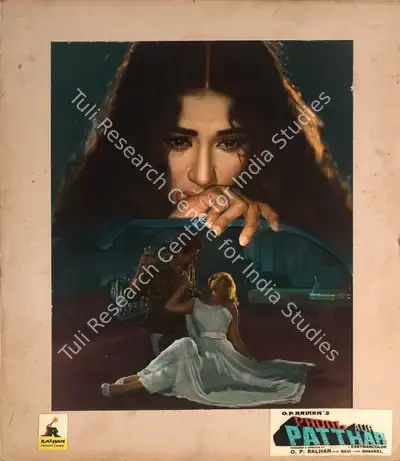
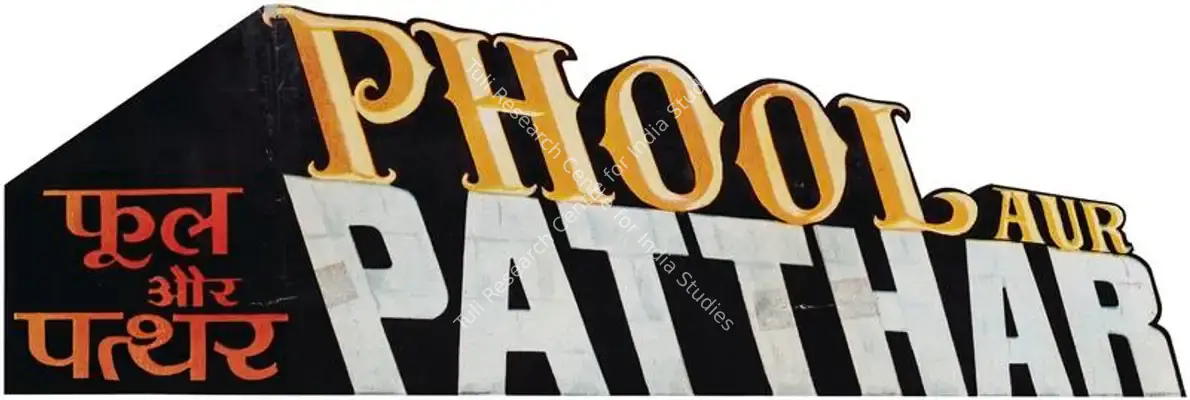
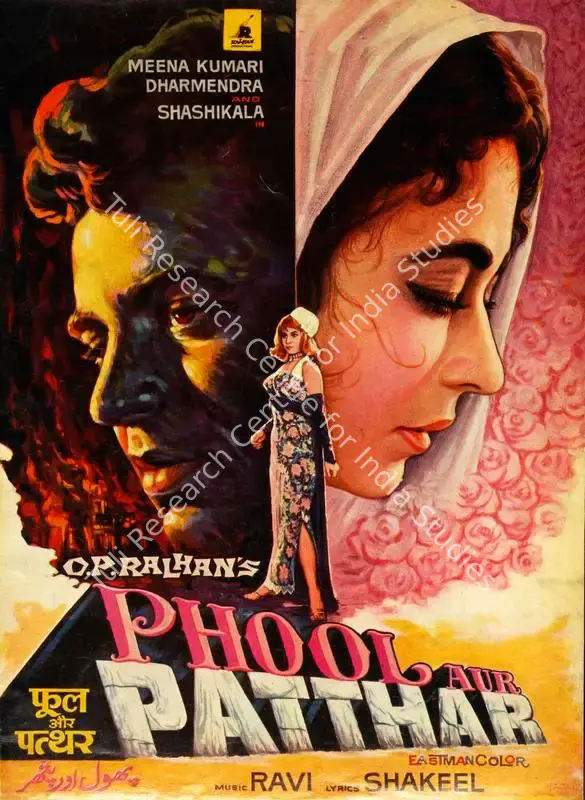
Phool Aur Patthar (1966), directed and produced by O. P. Ralhan, is a landmark romantic drama that propelled its lead actor, Dharmendra, to stardom. Written by Ralhan, Akhtar ul Iman, and Ahsan Rizvi, the film features an intriguing narrative about contrasting characters brought together by fate. Dharmendra plays a tough criminal, symbolized by the "Stone," while his co-star Meena Kumari portrays a character of purity and goodness, embodying the "Flower." This juxtaposition forms the core of the film's emotional tension and appeal.
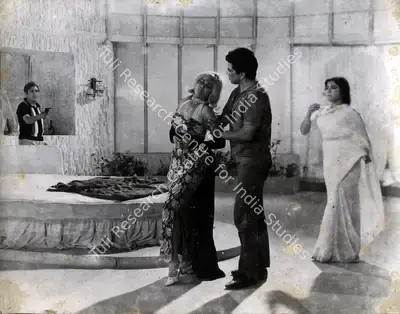
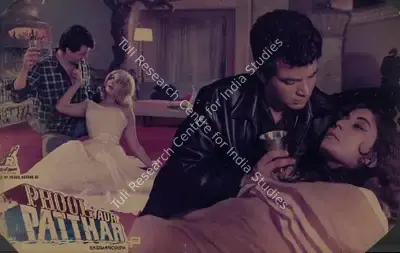
The film, which also starred Shashikala, Lalita Pawar, Madan Puri, and Iftekhar, became a golden jubilee hit, emerging as the highest-grossing film of 1966. Dharmendra's rugged good looks and commanding screen presence earned him the moniker of the "He-Man" of the Indian film industry, a label cemented by his portrayal of the complex protagonist. One of the film's iconic scenes, where Dharmendra removes his shirt to cover the ailing Leela Chitnis, showcased his well-toned physique, becoming a defining moment of the film and reinforcing his status as a heartthrob.
His powerful performance earned him a Filmfare nomination for Best Actor, and his lack of involvement in any musical numbers in the film was also notable for the time, as leading men typically sang their own songs. Phool Aur Patthar was instrumental in establishing the on-screen chemistry between Dharmendra and Meena Kumari, making them a popular pair. They went on to act together in films like Chandan Ka Palna, Majhli Didi, and Baharon Ki Manzil, sparking rumors of a real-life romance.
There were reports of a tiff between Dharmendra and director O. P. Ralhan during the filming, with Dharmendra allegedly considering quitting the project due to Ralhan's arrogant attitude. However, the issue was resolved, and production continued without further disruption.
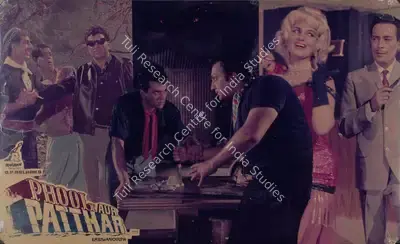
The film's music, composed by Ravi with lyrics by Shakeel Badayuni, was a major highlight, particularly the songs sung by Asha Bhosle. Tracks like Sun Le Pukar (sung for Meena Kumari) and two dance numbers featuring Shashikala, Sheeshe Se Pee Ya and Zindagi Mein Pyar Karna, became instant hits.
At the 14th Filmfare Awards, Phool Aur Patthar garnered two accolades: Shanti Dass won Best Art Director, and Vasant Borkar received the award for Best Editor. The film's commercial success was extraordinary, with an estimated worldwide box office revenue of ₹171.7 million (approximately $24.68 million), translating to around 91.4 million ticket sales.
The movie's success led to multiple remakes across various languages, including Tamil (Oli Vilakku with M. G. Ramachandran), Telugu (Nindu Manasulu with N. T. Ramarao), and Malayalam (Puthiya Velicham with Jayan), further solidifying its cultural impact and lasting legacy in Indian cinema.
दिलचस्प कहानी कहता है। धर्मेंद्र फ़िल्म में एक आदतन अपराधी की भूमिका में हैं जिसे शीर्षक में 'पत्थर' कहकर पुकारा गया है जबकि नायिका मीना कुमारी का किरदार पवित्रता और अच्छाई की मूरत है और शीर्षक में 'फूल' का प्रतीक है। इन्हीं आग और पानी प्रकृति के विपरीत किरदारों के बीच का भावनात्मक तनाव और उससे उपजी परिस्थितियाँ फ़िल्म का कथानक आगे बढ़ाती हैं।
इस फ़िल्म में शशिकला, ललिता पवार, मदन पुरी और इफ़्तिख़ार जैसे सहायक अभिनेता थे। फ़िल्म 'गोल्डन जुबली' हिट रही और साल 1966 की सबसे ज़्यादा कमाई करने वाली फ़िल्म बन गई। धर्मेंद्र की गबरू जवान छवि और पर्दे पर उनकी प्रभावशाली उपस्थिति ने उन्हें भारतीय फ़िल्म उद्योग के 'ही-मैन' का तमगा दिला दिया। फ़िल्म के एक चर्चित दृश्य में जहाँ सड़क किनारे ठिठुर रही बीमार लीला चिटनिस को धर्मेंद्र अपनी कमीज़ ओढ़ा देते हैं, उनका तराशा हुआ सुगढ़ शरीर पर्दे पर देखकर लाखों चाहनेवालों की आह निकल गई। फ़िल्म से हासिल ऐसी ही दिलफ़रेब छवियों ने अभिनेता धर्मेंद्र को लाखों दिलों की धड़कन बना दिया।
फूल और पत्थर में दमदार अभिनय के लिए धर्मेंद्र को सर्वश्रेष्ठ अभिनेता का फ़िल्मफ़ेयर नामांकन मिला। यहाँ यह देखना भी दिलचस्प था कि इस फ़िल्म के किसी भी गीत में धर्मेंद्र का किरदार सक्रिय भागीदारी नहीं करता, जबकि उस दौर में पुरुष नायक आमतौर पर पर्दे पर गाने खुद गाते थे। फूल और पत्थर के साथ पर्दे पर धर्मेंद्र और मीना कुमारी की लोकप्रिय जोड़ी भी स्थापित होती है। आगे उन्होंने
चंदन का पालना (1967), मँझली दीदी (1867) और बहारों की मंजिल (1968) जैसी फिल्मों में साथ काम किया। उस दौर में उनके बीच असल जीवन में रोमांस की अफवाहें भी उड़ने लगी थीं।
फ़िल्म की शूटिंग के दौरान नायक धर्मेंद्र और निर्देशक ओ.पी. रल्हन के बीच झगड़े की खबरें भी आईं थीं और बताया गया कि धर्मेंद्र ने तो कथित तौर पर रल्हन के अहंकारी रवैये के कारण फ़िल्म छोड़ने का मन बना लिया था। पर किसी तरह यह मुद्दा सुलझा लिया गया और फ़िल्म पूरी बनी।
फ़िल्म में संगीत रवि ने दिया था और गीतों के बोल शकील बदांयुनी ने लिखे थे। गाने इस फ़िल्म का प्रमुख आकर्षण थे और ख़ासतौर पर आशा भोंसले के गाए गीत तो खूब लोकप्रिय हुए। मीना कुमारी पर फ़िल्माया "सुन ले पुकार" और शशिकला पर फ़िल्माए दो डांस नंबर "शीशे से पी या" और "ज़िंदगी में प्यार करना" तो फ़ौरन लोकप्रियता के शीर्ष पर पहुँच गए।
चौदहवें फ़िल्मफ़ेयर पुरस्कारों में फूल और पत्थर ने दो पुरस्कार जीते। फ़िल्म के कला निर्देशक शांति दास ने सर्वश्रेष्ठ कला निर्देशन का फ़िल्मफ़ेयर पुरस्कार जीता और फ़िल्म के संपादक वसंत बोरकर को सर्वश्रेष्ठ संपादक का फ़िल्मफ़ेयर पुरस्कार मिला। फ़िल्म की व्यावसायिक कामयाबी तो कमाल की थी। फ़िल्म ने दुनियाभर में मिलाकर 9 करोड़ से ज़्यादा की टिकट बिक्री से 17 करोड़ से ज़्यादा की आय हासिल की।
हिन्दी भाषा में फ़िल्म की सफलता से प्रेरित होकर इसके कई भाषाओं में रीमेक बने। इनमें तमिल में एम.जी.रामचंद्रन के साथ ओली विलाक्कु, तेलुगु में एन.टी. रामाराव के साथ निंदु मनासुलु और मलयालम में जयन के साथ पुथिया वेलिचम प्रमुख हैं। ये तमाम रीमेक भी फूल और पत्थर के भारतीय सिनेमा पर पड़े गहरे सांस्कृतिक प्रभाव और फ़िल्म की स्थायी विरासत को दिखाते हैं।