Introduction
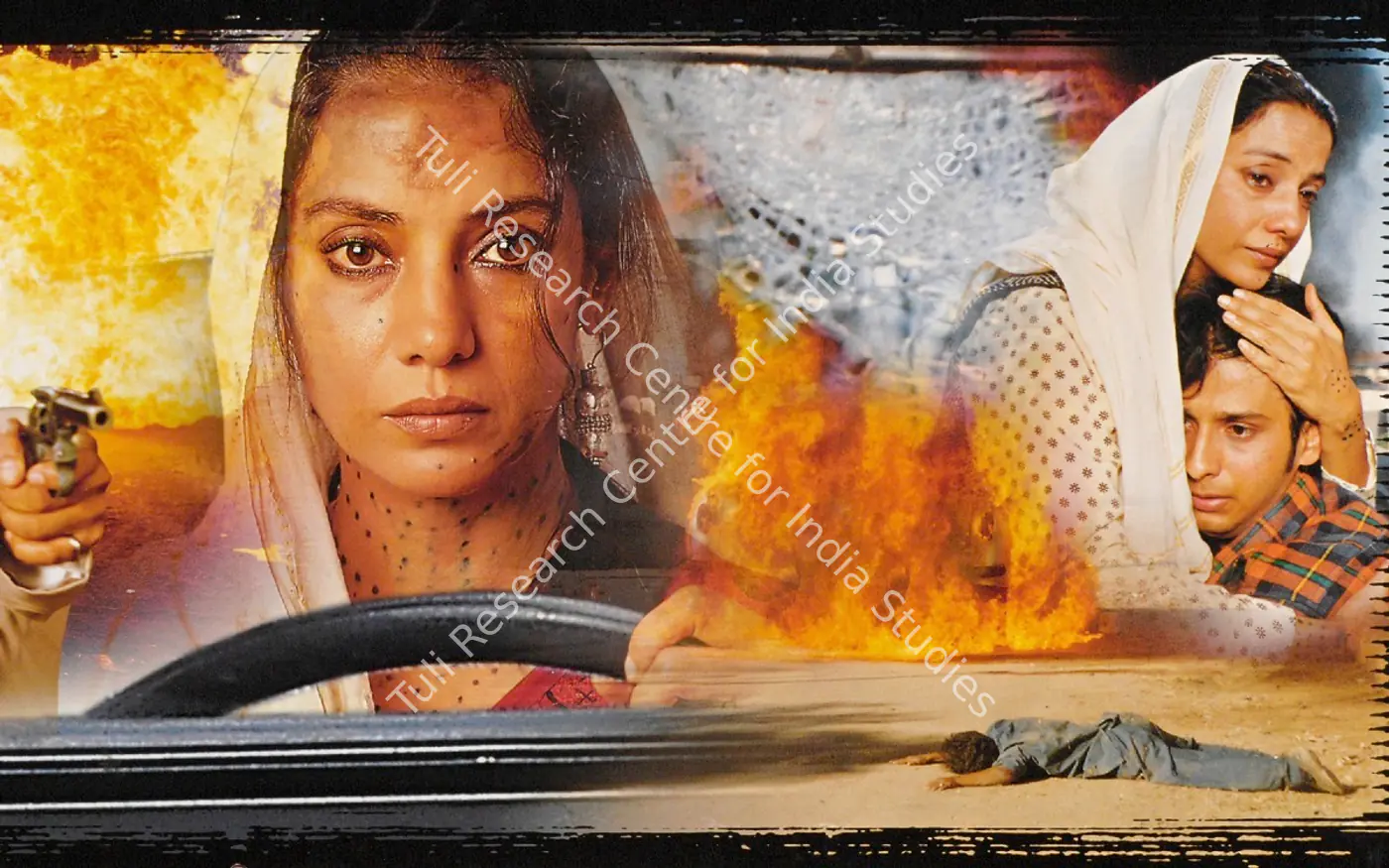
Shabana Azmi (born 18 September 1950) stands as one of India's most illustrious and intellectually resonant actors, whose contributions to film, theatre, and television have indelibly shaped the landscape of modern Indian cinema. Over a career encompassing more than 160 films, she has been a defining force of the independent and neorealist “parallel cinema” movement, even as she moved with equal assurance through mainstream productions and a wide spectrum of international projects. Renowned for her nuanced portrayals of complex, often unconventional women, Azmi has amassed a record five National Film Awards for Best Actress, alongside five Filmfare Awards and numerous international honours. The Government of India has recognised her cultural legacy with the Padma Shri in 1998 and the Padma Bhushan in 2012.
Born to the celebrated poet Kaifi Azmi and distinguished stage actor Shaukat Azmi, she inherited a formidable artistic heritage. An alumna of the Film and Television Institute of India, Pune, she made a luminous debut with Shyam Benegal's Ankur (1974), a film that not only heralded her arrival but earned her recognition as delivering one of the finest Bollywood debuts of all time. As a central figure of parallel cinema, she became emblematic of a new wave that championed realism, social engagement, and aesthetic integrity, with several of her films widely regarded as cinematic interventions in India's socio-cultural discourse.
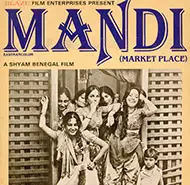
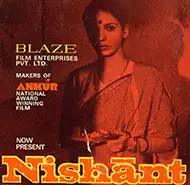
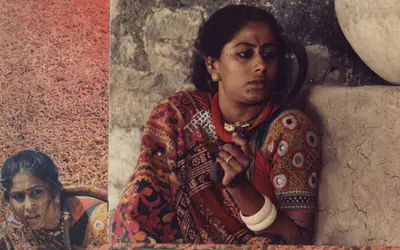
Her career-defining films include socially potent and emotionally rich works such as Nishant (1975), Manthan (1976), Arth (1982), Khandhar (1984), Paar (1984), Masoom (1983), Mandi (1983) and Fire (1996). In these films she delivered searing performances — from feudal oppression in Nishant and Manthan to raw emotional resilience in Arth and Masoom, haunting solitude in Khandhar, desperate survival in Paar, dark satire in Mandi, and bold exploration of taboo in Fire. Together, they define her as a versatile artist committed to realism, social depth and transformative storytelling
Her performances in films such as Mandi and Arth, both featured in Filmfare's list of “80 Iconic Performances of Bollywood,” reflect her singular ability to inhabit characters with restraint, emotional depth, and an unstudied naturalism. Her body of work extends far beyond India, with acclaimed roles in John Schlesinger's Madame Sousatzka, Roland Joffé's City of Joy, and Ismail Merchant's In Custody, among others. International festivals have repeatedly acknowledged her craft, with awards from North Korea to Taormina, Chicago, and Los Angeles marking her global stature. Over the years, leading universities—including Jadavpur University, Leeds Metropolitan University, Jamia Millia Islamia, Simon Fraser University, and TERI University—have conferred honorary doctorates upon her. In 2025, she received the Lifetime Achievement Award at the 16th Bengaluru International Film Festival.
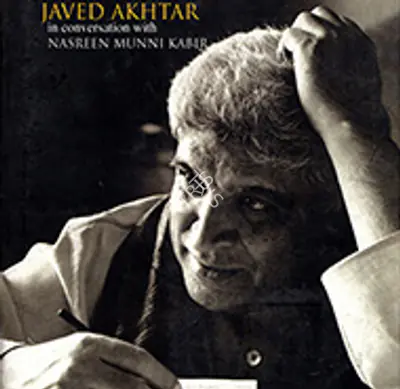
Beyond her artistic achievements, Azmi is a formidable advocate for social justice and women's rights. Married to the poet and lyricist Javed Akhtar, she serves as a Goodwill Ambassador for the United Nations Population Fund. In recognition of her public life and influence, she was appointed to the Rajya Sabha, underscoring her enduring commitment to the cultural and civic life of the nation.
Born to the celebrated poet Kaifi Azmi and distinguished stage actor Shaukat Azmi, she inherited a formidable artistic heritage. An alumna of the Film and Television Institute of India, Pune, she made a luminous debut with Shyam Benegal's Ankur (1974), a film that not only heralded her arrival but earned her recognition as delivering one of the finest Bollywood debuts of all time. As a central figure of parallel cinema, she became emblematic of a new wave that championed realism, social engagement, and aesthetic integrity, with several of her films widely regarded as cinematic interventions in India's socio-cultural discourse.
Her career-defining films include socially potent and emotionally rich works such as Nishant (1975), Manthan (1976), Arth (1982), Khandhar (1984), Paar (1984), Masoom (1983), Mandi (1983) and Fire (1996). In these films she delivered searing performances — from feudal oppression in Nishant and Manthan to raw emotional resilience in Arth and Masoom, haunting solitude in Khandhar, desperate survival in Paar, dark satire in Mandi, and bold exploration of taboo in Fire. Together, they define her as a versatile artist committed to realism, social depth and transformative storytelling
Her performances in films such as Mandi and Arth, both featured in Filmfare's list of “80 Iconic Performances of Bollywood,” reflect her singular ability to inhabit characters with restraint, emotional depth, and an unstudied naturalism. Her body of work extends far beyond India, with acclaimed roles in John Schlesinger's Madame Sousatzka, Roland Joffé's City of Joy, and Ismail Merchant's In Custody, among others. International festivals have repeatedly acknowledged her craft, with awards from North Korea to Taormina, Chicago, and Los Angeles marking her global stature. Over the years, leading universities—including Jadavpur University, Leeds Metropolitan University, Jamia Millia Islamia, Simon Fraser University, and TERI University—have conferred honorary doctorates upon her. In 2025, she received the Lifetime Achievement Award at the 16th Bengaluru International Film Festival.
Beyond her artistic achievements, Azmi is a formidable advocate for social justice and women's rights. Married to the poet and lyricist Javed Akhtar, she serves as a Goodwill Ambassador for the United Nations Population Fund. In recognition of her public life and influence, she was appointed to the Rajya Sabha, underscoring her enduring commitment to the cultural and civic life of the nation.
शबाना आज़मी (जन्म 18 सितंबर 1950) भारत की सबसे प्रतिष्ठित और बौद्धिक रूप से प्रभावशाली अभिनेत्रियों में से एक हैं, जिन्होंने फ़िल्म, रंगमंच और टेलीविजन में अपने योगदान से आधुनिक भारतीय सिनेमा के परिदृश्य पर अमिट छाप छोड़ी है। 160 से अधिक फ़िल्मों के अपने करियर में, उन्होंने स्वतंत्र और नवयथार्थवादी "समानांतर सिनेमा" आंदोलन में महत्वपूर्ण भूमिका निभाई है, साथ ही मुख्यधारा की फ़िल्मों और अंतरराष्ट्रीय परियोजनाओं की एक बड़ी श्रृंखला में भी समान आत्मविश्वास के साथ काम किया है। जटिल और अक्सर अपरंपरागत महिलाओं के बहुअयामी चित्रण के लिए प्रसिद्ध, आज़मी ने सर्वश्रेष्ठ अभिनेत्री के लिए रिकॉर्ड पांच राष्ट्रीय फ़िल्म पुरस्कार, पांच फ़िल्मफेयर पुरस्कार और कई अंतरराष्ट्रीय सम्मान प्राप्त किए हैं। भारत सरकार ने 1998 में पद्म श्री और 2012 में पद्म भूषण से उनकी सांस्कृतिक विरासत को सम्मानित किया है।
प्रसिद्ध कवि क़ैफ़ी आज़मी और प्रतिष्ठित रंगमंच अभिनेता शौकत आज़मी की पुत्री, उन्हें एक सशक्त कलात्मक विरासत मिली। पुणे स्थित भारतीय फ़िल्म एवं टेलीविजन संस्थान की पूर्व छात्रा, उन्होंने श्याम बेनेगल की फ़िल्म अंकुर (1974) से शानदार पदार्पण किया। इस फ़िल्म ने न केवल उन्हें बॉलीवुड में पहचान दिलाई, बल्कि उन्हें सर्वकालिक सर्वश्रेष्ठ बॉलीवुड पदार्पण करने वाली अभिनेत्रियों में से एक के रूप में भी पहचान मिली। समानांतर सिनेमा की एक प्रमुख हस्ती के रूप में, वह यथार्थवाद, सामाजिक जुड़ाव और कलात्मक अखंडता का समर्थन करने वाली एक नई लहर की प्रतीक बन गईं, और उनकी कई फ़िल्मों को भारत के सामाजिक-सांस्कृतिक विमर्श में सिनेमाई हस्तक्षेप के रूप में व्यापक रूप से जाना जाता है।
उनके करियर को परिभाषित करने वाली फ़िल्मों में निशांत (1975), मंथन (1976), अर्थ (1982), खंडहर (1984), पार (1984), मासूम (1983), मंडी (1983) और फायर (1996) जैसी सामाजिक रूप से सशक्त और भावनात्मक रूप से समृद्ध फ़िल्में शामिल हैं। इन फ़िल्मों में उन्होंने दमदार अभिनय किया - निशांत और मंथन में सामंती दमन से लेकर अर्थ और मासूम में भावनात्मक दृढ़ता, खंडहर में मार्मिक एकांत, पार में हताश अस्तित्व, मंडी में गहरा व्यंग्य और फायर में वर्जित विषयों की साहसिक खोज तक। ये सभी फ़िल्में मिलकर उन्हें यथार्थवाद, सामाजिक गहराई और परिवर्तनकारी कहानी कहने के प्रति समर्पित एक बहुमुखी कलाकार के रूप में परिभाषित करती हैं।
फ़िल्मफेयर की "बॉलीवुड के 80 यादगार अभिनय" की सूची में शामिल 'मंडी' और 'अर्थ' जैसी फ़िल्मों में उनके अभिनय से पात्रों में सहजता, भावनात्मक गहराई और स्वाभाविक ढंग से ढलने की उनकी अनूठी क्षमता झलकती है। उनका कार्यक्षेत्र भारत से कहीं आगे तक फैला हुआ है, जिसमें जॉन श्लेसिंगर की 'मैडम सूसात्स्का', रोलैंड जॉफ की 'सिटी ऑफ जॉय' और इस्माइल मर्चेंट की 'इन कस्टडी' जैसी फ़िल्मों में उनकी प्रशंसित भूमिकाएं शामिल हैं। उत्तर कोरिया से लेकर टॉर्मिना, शिकागो और लॉस एंजिल्स तक के अंतरराष्ट्रीय फ़िल्म समारोहों में उनकी कला को बार-बार सराहा गया है और उन्हें मिले पुरस्कारों ने उनकी वैश्विक प्रतिष्ठा को दर्शाया है। वर्षों से, जादवपुर विश्वविद्यालय, लीड्स मेट्रोपॉलिटन विश्वविद्यालय, जामिया मिलिया इस्लामिया, साइमन फ्रेजर विश्वविद्यालय और टीआरआई विश्वविद्यालय सहित कई प्रमुख विश्वविद्यालयों ने उन्हें मानद डॉक्टरेट की उपाधि से सम्मानित किया है। 2025 में, उन्हें 16वें बेंगलुरु अंतरराष्ट्रीय फ़िल्म महोत्सव में लाइफटाइम अचीवमेंट पुरस्कार से सम्मानित किया गया।
अपनी कलात्मक उपलब्धियों के अलावा, आज़मी सामाजिक न्याय और महिला अधिकारों की प्रबल समर्थक हैं। कवि और गीतकार जावेद अख्तर से विवाहित, वह संयुक्त राष्ट्र जनसंख्या कोष की सद्भाव एम्बेसडर के रूप में कार्यरत हैं। उनके सार्वजनिक जीवन और प्रभाव को देखते हुए, उन्हें राज्यसभा में नियुक्त किया गया, जो राष्ट्र के सांस्कृतिक और नागरिक जीवन के प्रति उनकी अटूट प्रतिबद्धता को दर्शाता है।
प्रसिद्ध कवि क़ैफ़ी आज़मी और प्रतिष्ठित रंगमंच अभिनेता शौकत आज़मी की पुत्री, उन्हें एक सशक्त कलात्मक विरासत मिली। पुणे स्थित भारतीय फ़िल्म एवं टेलीविजन संस्थान की पूर्व छात्रा, उन्होंने श्याम बेनेगल की फ़िल्म अंकुर (1974) से शानदार पदार्पण किया। इस फ़िल्म ने न केवल उन्हें बॉलीवुड में पहचान दिलाई, बल्कि उन्हें सर्वकालिक सर्वश्रेष्ठ बॉलीवुड पदार्पण करने वाली अभिनेत्रियों में से एक के रूप में भी पहचान मिली। समानांतर सिनेमा की एक प्रमुख हस्ती के रूप में, वह यथार्थवाद, सामाजिक जुड़ाव और कलात्मक अखंडता का समर्थन करने वाली एक नई लहर की प्रतीक बन गईं, और उनकी कई फ़िल्मों को भारत के सामाजिक-सांस्कृतिक विमर्श में सिनेमाई हस्तक्षेप के रूप में व्यापक रूप से जाना जाता है।
उनके करियर को परिभाषित करने वाली फ़िल्मों में निशांत (1975), मंथन (1976), अर्थ (1982), खंडहर (1984), पार (1984), मासूम (1983), मंडी (1983) और फायर (1996) जैसी सामाजिक रूप से सशक्त और भावनात्मक रूप से समृद्ध फ़िल्में शामिल हैं। इन फ़िल्मों में उन्होंने दमदार अभिनय किया - निशांत और मंथन में सामंती दमन से लेकर अर्थ और मासूम में भावनात्मक दृढ़ता, खंडहर में मार्मिक एकांत, पार में हताश अस्तित्व, मंडी में गहरा व्यंग्य और फायर में वर्जित विषयों की साहसिक खोज तक। ये सभी फ़िल्में मिलकर उन्हें यथार्थवाद, सामाजिक गहराई और परिवर्तनकारी कहानी कहने के प्रति समर्पित एक बहुमुखी कलाकार के रूप में परिभाषित करती हैं।
फ़िल्मफेयर की "बॉलीवुड के 80 यादगार अभिनय" की सूची में शामिल 'मंडी' और 'अर्थ' जैसी फ़िल्मों में उनके अभिनय से पात्रों में सहजता, भावनात्मक गहराई और स्वाभाविक ढंग से ढलने की उनकी अनूठी क्षमता झलकती है। उनका कार्यक्षेत्र भारत से कहीं आगे तक फैला हुआ है, जिसमें जॉन श्लेसिंगर की 'मैडम सूसात्स्का', रोलैंड जॉफ की 'सिटी ऑफ जॉय' और इस्माइल मर्चेंट की 'इन कस्टडी' जैसी फ़िल्मों में उनकी प्रशंसित भूमिकाएं शामिल हैं। उत्तर कोरिया से लेकर टॉर्मिना, शिकागो और लॉस एंजिल्स तक के अंतरराष्ट्रीय फ़िल्म समारोहों में उनकी कला को बार-बार सराहा गया है और उन्हें मिले पुरस्कारों ने उनकी वैश्विक प्रतिष्ठा को दर्शाया है। वर्षों से, जादवपुर विश्वविद्यालय, लीड्स मेट्रोपॉलिटन विश्वविद्यालय, जामिया मिलिया इस्लामिया, साइमन फ्रेजर विश्वविद्यालय और टीआरआई विश्वविद्यालय सहित कई प्रमुख विश्वविद्यालयों ने उन्हें मानद डॉक्टरेट की उपाधि से सम्मानित किया है। 2025 में, उन्हें 16वें बेंगलुरु अंतरराष्ट्रीय फ़िल्म महोत्सव में लाइफटाइम अचीवमेंट पुरस्कार से सम्मानित किया गया।
अपनी कलात्मक उपलब्धियों के अलावा, आज़मी सामाजिक न्याय और महिला अधिकारों की प्रबल समर्थक हैं। कवि और गीतकार जावेद अख्तर से विवाहित, वह संयुक्त राष्ट्र जनसंख्या कोष की सद्भाव एम्बेसडर के रूप में कार्यरत हैं। उनके सार्वजनिक जीवन और प्रभाव को देखते हुए, उन्हें राज्यसभा में नियुक्त किया गया, जो राष्ट्र के सांस्कृतिक और नागरिक जीवन के प्रति उनकी अटूट प्रतिबद्धता को दर्शाता है।
- Date of Birth
- 18 Sep 1950
- Age
- 75
Filmography
Loading...
Research Centre
Loading...
Related
53
Personalities
32








Films
20