Kissaa Kursee Kaa1977
Introduction
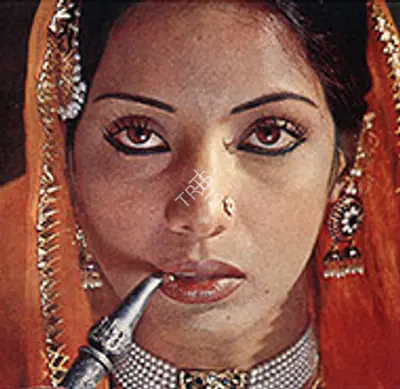
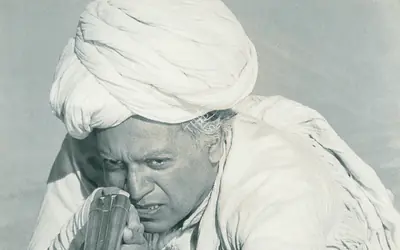
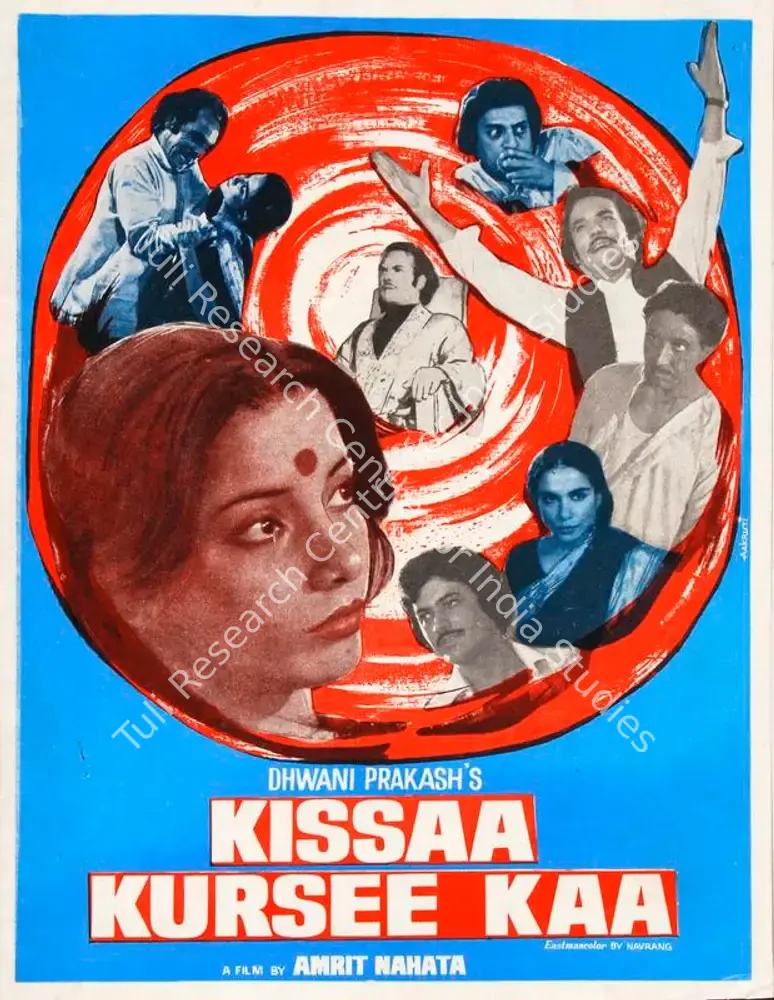
Kissa Kursi Ka (1977) Directed by Amrit Nahata, it occupies a unique and controversial position in the history of Indian cinema as one of the most politically significant films ever produced in the country. political satire film directed by Amrit Nahata, who was a member of the Indian Parliament, and produced by Badri Prasad Joshi. The film was a satire on the politics of Indira Gandhi and her son Sanjay Gandhi and was banned by the Indian Government during the Emergency period, and all prints were confiscated. The complete cast features Shabana Azmi, Raj Babbar, Chaman Bagga, Utpal Dutt, Raj Kiran, Katy Mirza, Surekha Sikri, Manohar Singh, Rehana Sultan, and Swapna Sundari.
The music of the film was composed by Jaidev Verma. Conceived as a satirical critique of authoritarian politics, personality cults, and the misuse of state power, the film became inseparable from the political turmoil of the Emergency (1975–1977), a period marked by the suspension of civil liberties, censorship, and extensive governmental control over the media. More than a cinematic text, Kissa Kursi Ka emerged as a symbol of the struggle between artistic freedom and political authority, illustrating the extent to which cinema can function as an instrument of political dissent.
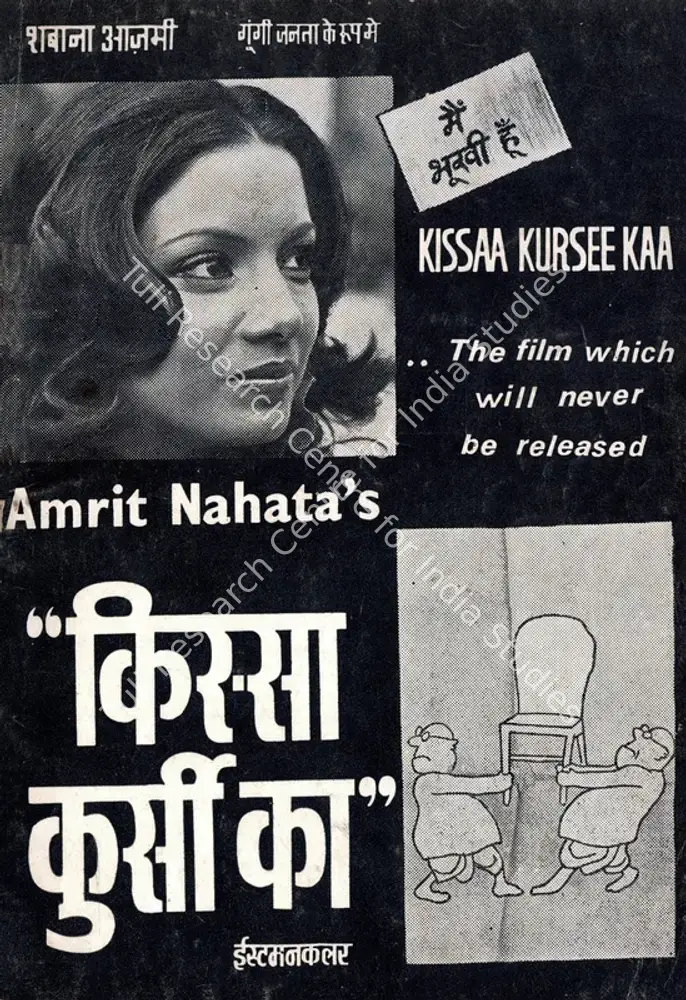
The plot revolved around a corrupt and evil politician Gangaram or Gangu, played by Manohar Singh, trying to woo the personified public, depicted as mute and helpless-looking (Shabana Azmi.) The movie is a humorous comment on the system and the selfishness of the politicians, regarded as a motion picture version of the cartoonist columns that are the most brutal taunt over politics.
The film satirizes the functioning of democratic institutions by exposing the nexus between political ambition, bureaucratic manipulation, corruption, and public deception. Through allegorical characters and sharp political humour, it critiques the concentration of power in the hands of political elites and questions the erosion of democratic values under authoritarian governance. Although the narrative employs fictional characters, its political references were widely understood to allude to the contemporary leadership of Prime Minister Indira Gandhi and the growing influence of her son, Sanjay Gandhi, making the film one of the most contentious political satires in Indian cinematic history.
The controversy surrounding Kissa Kursi Ka extended far beyond its narrative content. Before its release, the film was denied public exhibition during the Emergency, and its prints were confiscated and reportedly destroyed. The subsequent legal proceedings became one of the most significant instances of political interference in Indian cinema, highlighting the vulnerability of filmmakers to state censorship and executive power. Following the restoration of democracy in 1977, the film was reconstructed from the original script and surviving materials and eventually released, transforming it into a powerful historical document that reflects the complex relationship between cinema, politics, and freedom of expression in India.
The legal case ran for 11 months, and the court gave its judgment on 27 February 1979. Both Sanjay Gandhi and Shukla were sentenced to a one-month jail term and a two-year jail term. Sanjay Gandhi was denied bail. The verdict was later overturned. In his judgment, District Judge O. N. Vohra at Tis Hazari Court in Delhi found the accused guilty of "criminal conspiracy, breach of trust, mischief by fire, dishonestly receiving criminal property, concealing stolen property and disappearance of evidence".
From a film studies perspective, Kissa Kursi Ka represents a landmark in the tradition of political satire in Indian cinema. Its importance lies not merely in its cinematic techniques but in its historical context, ideological intervention, and enduring relevance to debates concerning censorship, democratic accountability, and the role of filmmakers in challenging political authority. The film demonstrates how satire can transcend entertainment to become an effective mode of political critique, exposing the contradictions of power while encouraging public reflection on governance and democratic responsibility. Consequently, Kissa Kursi Ka remains an indispensable text for understanding the intersections of cinema, state power, political communication, and resistance in postcolonial India.
The music of the film was composed by Jaidev Verma. Conceived as a satirical critique of authoritarian politics, personality cults, and the misuse of state power, the film became inseparable from the political turmoil of the Emergency (1975–1977), a period marked by the suspension of civil liberties, censorship, and extensive governmental control over the media. More than a cinematic text, Kissa Kursi Ka emerged as a symbol of the struggle between artistic freedom and political authority, illustrating the extent to which cinema can function as an instrument of political dissent.
The plot revolved around a corrupt and evil politician Gangaram or Gangu, played by Manohar Singh, trying to woo the personified public, depicted as mute and helpless-looking (Shabana Azmi.) The movie is a humorous comment on the system and the selfishness of the politicians, regarded as a motion picture version of the cartoonist columns that are the most brutal taunt over politics.
The film satirizes the functioning of democratic institutions by exposing the nexus between political ambition, bureaucratic manipulation, corruption, and public deception. Through allegorical characters and sharp political humour, it critiques the concentration of power in the hands of political elites and questions the erosion of democratic values under authoritarian governance. Although the narrative employs fictional characters, its political references were widely understood to allude to the contemporary leadership of Prime Minister Indira Gandhi and the growing influence of her son, Sanjay Gandhi, making the film one of the most contentious political satires in Indian cinematic history.
The controversy surrounding Kissa Kursi Ka extended far beyond its narrative content. Before its release, the film was denied public exhibition during the Emergency, and its prints were confiscated and reportedly destroyed. The subsequent legal proceedings became one of the most significant instances of political interference in Indian cinema, highlighting the vulnerability of filmmakers to state censorship and executive power. Following the restoration of democracy in 1977, the film was reconstructed from the original script and surviving materials and eventually released, transforming it into a powerful historical document that reflects the complex relationship between cinema, politics, and freedom of expression in India.
The legal case ran for 11 months, and the court gave its judgment on 27 February 1979. Both Sanjay Gandhi and Shukla were sentenced to a one-month jail term and a two-year jail term. Sanjay Gandhi was denied bail. The verdict was later overturned. In his judgment, District Judge O. N. Vohra at Tis Hazari Court in Delhi found the accused guilty of "criminal conspiracy, breach of trust, mischief by fire, dishonestly receiving criminal property, concealing stolen property and disappearance of evidence".
From a film studies perspective, Kissa Kursi Ka represents a landmark in the tradition of political satire in Indian cinema. Its importance lies not merely in its cinematic techniques but in its historical context, ideological intervention, and enduring relevance to debates concerning censorship, democratic accountability, and the role of filmmakers in challenging political authority. The film demonstrates how satire can transcend entertainment to become an effective mode of political critique, exposing the contradictions of power while encouraging public reflection on governance and democratic responsibility. Consequently, Kissa Kursi Ka remains an indispensable text for understanding the intersections of cinema, state power, political communication, and resistance in postcolonial India.
क़िस्सा कुर्सी का' (1977) फ़िल्म अमृत नाहटा की निर्देशित की हुई है, जो भारतीय सिनेमा के इतिहास में विवादित होने के बावजूद ख़ास जगह रखती है। यह देश में बनी राजनीतिक रूप से अहम फ़िल्मों में से एक है। यह एक राजनीतिक रूप से व्यंग्यात्मक फ़िल्म थी जिसे अमृत नाहटा ने डायरेक्ट किया था (जो भारतीय संसद के सदस्य थे) और इसे बद्री प्रसाद जोशी ने निर्मित किया था। यह फ़िल्म इंदिरा गांधी और उनके बेटे संजय गांधी की राजनीति पर एक व्यंग्य थी। इमरजेंसी के दौरान भारत सरकार ने इस पर रोक लगा दी थी और इसके सभी प्रिंट ज़ब्त कर लिए गए थे। फ़िल्म की पूरी कास्ट में शबाना आज़मी, राज बब्बर, चमन बग्गा, उत्पल दत्त, राज किरण, केटी मिर्ज़ा, सुरेखा सीकरी, मनोहर सिंह, रेहाना सुल्तान और स्वप्ना सुंदरी शामिल थे।
इस फ़िल्म का संगीत जयदेव वर्मा ने तैयार किया था। सत्तावादी राजनीति, व्यक्ति-पूजा और सरकारी ताक़त के ग़लत इस्तेमाल पर व्यंग्य के तौर पर बनी यह फ़िल्म इमरजेंसी (1975-1977) के राजनीतिक उथल-पुथल से गहराई से जुड़ गई। यह वह दौर था जब नागरिकों की आज़ादी छीन ली गई थी, सेंसरशिप लागू थी और मीडिया पर सरकार का कड़ा नियंत्रण था। 'क़िस्सा कुर्सी का' सिर्फ़ एक फ़िल्म नहीं, बल्कि कलात्मक आज़ादी और राजनीतिक सत्ता के बीच संघर्ष का प्रतीक बनकर उभरी। इसने दिखाया कि सिनेमा किस हद तक राजनीतिक असहमति ज़ाहिर करने का ज़रिया बन सकता है।
इस फ़िल्म की कहानी गंगाराम या गंगू नाम के एक भ्रष्ट और बुरे नेता (मनोहर सिंह) के इर्द-गिर्द घूमती है, जो आम जनता (शबाना आज़मी) को लुभाने की कोशिश करता है। जनता को यहाँ एक ऐसी महिला के रूप में दिखाया गया है जो बोल नहीं सकती और बेबस लगती है। यह फ़िल्म सिस्टम और नेताओं के स्वार्थ पर एक मज़ेदार टिप्पणी है। इसे कार्टूनिस्ट के उन कॉलम का फ़िल्मी रूप माना जाता है जो राजनीति पर तंज होते हैं।
यह फ़िल्म राजनीतिक महत्वाकांक्षा, अफ़सरशाही की चालबाज़ी, भ्रष्टाचार और जनता को धोखा देने के गठजोड़ को उजागर करके लोकतांत्रिक संस्थाओं के कामकाज़ पर व्यंग्य करती है। प्रतीकात्मक किरदारों और तीखे राजनीतिक हास्य के ज़रिए, यह राजनीतिक रसूख़दार लोगों के हाथों में सत्ता के जमावड़े की आलोचना करती है और तानाशाही शासन में लोकतांत्रिक मूल्यों के कमज़ोर होने पर सवाल उठाती है। हालाँकि कहानी में काल्पनिक किरदारों का इस्तेमाल किया गया है, लेकिन इसके राजनीतिक संदर्भों को व्यापक रूप से तत्कालीन प्रधानमंत्री इंदिरा गांधी के नेतृत्व और उनके बेटे संजय गांधी के बढ़ते प्रभाव की ओर इशारा करने वाला माना गया, जिससे यह फ़िल्म भारतीय सिनेमा के इतिहास की सबसे विवादित राजनीतिक व्यंग्य फ़िल्मों में से एक बन गई।
'क़िस्सा कुर्सी का' से जुड़ा विवाद सिर्फ़ इसकी कहानी तक ही सीमित नहीं था। रिलीज़ होने से पहले, इमरजेंसी के दौरान इस फ़िल्म को जनता के सामने दिखाने की इजाज़त नहीं दी गई और इसके प्रिंट ज़ब्त करके कथित तौर पर नष्ट कर दिए गए। इसके बाद हुई कानूनी कार्यवाही को भारतीय सिनेमा में राजनीतिक दखलंदाज़ी के सबसे अहम मामलों में से एक माना जाता है, जिसने सरकारी सेंसरशिप और कार्यकारी सत्ता के सामने फ़िल्म निर्माताओं की कमज़ोरी को उजागर किया। 1977 में लोकतंत्र की बहाली के बाद, मूल स्क्रिप्ट और बची-खुची सामग्री से फ़िल्म को फ़िर से तैयार किया गया और आख़िरकार रिलीज़ किया गया। इस तरह यह एक शक्तिशाली ऐतिहासिक दस्तावेज़ बन गई, जो भारत में सिनेमा, राजनीति और अभिव्यक्ति की आज़ादी के बीच जटिल रिश्ते को दर्शाती है।
यह कानूनी मामला 11 महीने तक चला और अदालत ने 27 फरवरी 1979 को अपना फ़ैसला सुनाया। संजय गांधी और शुक्ला, दोनों को क्रमश एक महीने और दो साल की जेल की सज़ा सुनाई गई। संजय गांधी को ज़मानत नहीं दी गई। बाद में यह फ़ैसला पलट दिया गया। दिल्ली की तीस हज़ारी अदालत के ज़िला जज ओ. एन. वोहरा ने अपने फ़ैसले में आरोपियों को "आपराधिक साज़िश, विश्वासघात, आग से नुक़सान पहुँचाने, बेईमानी से आपराधिक संपत्ति हासिल करने, चोरी की संपत्ति छिपाने और सबूत मिटाने" का दोषी पाया।
फ़िल्म स्टडीज़ के नज़रिए से, 'क़िस्सा कुर्सी का' भारतीय सिनेमा में राजनीतिक व्यंग्य की परंपरा में एक अहम पड़ाव है। इसकी अहमियत सिर्फ़ इसकी फ़िल्मी तकनीकों में ही नहीं, बल्कि इसके ऐतिहासिक संदर्भ, वैचारिक दख़ल और सेंसरशिप, लोकतांत्रिक जवाबदेही और राजनीतिक सत्ता को चुनौती देने में फ़िल्मकारों की भूमिका से जुड़ी बहसों में इसकी लगातार बनी रहने वाली प्रासंगिकता में भी है। यह फ़िल्म दिखाती है कि कैसे व्यंग्य मनोरंजन से आगे बढ़कर राजनीतिक आलोचना का एक असरदार ज़रिया बन सकता है। यह सत्ता के विरोधाभासों को उजागर करती है और साथ ही शासन-व्यवस्था व लोकतांत्रिक ज़िम्मेदारी पर जनता को सोचने के लिए प्रेरित करती है। नतीजतन, आज़ादी के बाद के भारत में सिनेमा, सरकारी सत्ता, राजनीतिक संचार और प्रतिरोध के आपसी संबंधों को समझने के लिए 'क़िस्सा कुर्सी का' एक ज़रूरी फ़िल्म है।
इस फ़िल्म का संगीत जयदेव वर्मा ने तैयार किया था। सत्तावादी राजनीति, व्यक्ति-पूजा और सरकारी ताक़त के ग़लत इस्तेमाल पर व्यंग्य के तौर पर बनी यह फ़िल्म इमरजेंसी (1975-1977) के राजनीतिक उथल-पुथल से गहराई से जुड़ गई। यह वह दौर था जब नागरिकों की आज़ादी छीन ली गई थी, सेंसरशिप लागू थी और मीडिया पर सरकार का कड़ा नियंत्रण था। 'क़िस्सा कुर्सी का' सिर्फ़ एक फ़िल्म नहीं, बल्कि कलात्मक आज़ादी और राजनीतिक सत्ता के बीच संघर्ष का प्रतीक बनकर उभरी। इसने दिखाया कि सिनेमा किस हद तक राजनीतिक असहमति ज़ाहिर करने का ज़रिया बन सकता है।
इस फ़िल्म की कहानी गंगाराम या गंगू नाम के एक भ्रष्ट और बुरे नेता (मनोहर सिंह) के इर्द-गिर्द घूमती है, जो आम जनता (शबाना आज़मी) को लुभाने की कोशिश करता है। जनता को यहाँ एक ऐसी महिला के रूप में दिखाया गया है जो बोल नहीं सकती और बेबस लगती है। यह फ़िल्म सिस्टम और नेताओं के स्वार्थ पर एक मज़ेदार टिप्पणी है। इसे कार्टूनिस्ट के उन कॉलम का फ़िल्मी रूप माना जाता है जो राजनीति पर तंज होते हैं।
यह फ़िल्म राजनीतिक महत्वाकांक्षा, अफ़सरशाही की चालबाज़ी, भ्रष्टाचार और जनता को धोखा देने के गठजोड़ को उजागर करके लोकतांत्रिक संस्थाओं के कामकाज़ पर व्यंग्य करती है। प्रतीकात्मक किरदारों और तीखे राजनीतिक हास्य के ज़रिए, यह राजनीतिक रसूख़दार लोगों के हाथों में सत्ता के जमावड़े की आलोचना करती है और तानाशाही शासन में लोकतांत्रिक मूल्यों के कमज़ोर होने पर सवाल उठाती है। हालाँकि कहानी में काल्पनिक किरदारों का इस्तेमाल किया गया है, लेकिन इसके राजनीतिक संदर्भों को व्यापक रूप से तत्कालीन प्रधानमंत्री इंदिरा गांधी के नेतृत्व और उनके बेटे संजय गांधी के बढ़ते प्रभाव की ओर इशारा करने वाला माना गया, जिससे यह फ़िल्म भारतीय सिनेमा के इतिहास की सबसे विवादित राजनीतिक व्यंग्य फ़िल्मों में से एक बन गई।
'क़िस्सा कुर्सी का' से जुड़ा विवाद सिर्फ़ इसकी कहानी तक ही सीमित नहीं था। रिलीज़ होने से पहले, इमरजेंसी के दौरान इस फ़िल्म को जनता के सामने दिखाने की इजाज़त नहीं दी गई और इसके प्रिंट ज़ब्त करके कथित तौर पर नष्ट कर दिए गए। इसके बाद हुई कानूनी कार्यवाही को भारतीय सिनेमा में राजनीतिक दखलंदाज़ी के सबसे अहम मामलों में से एक माना जाता है, जिसने सरकारी सेंसरशिप और कार्यकारी सत्ता के सामने फ़िल्म निर्माताओं की कमज़ोरी को उजागर किया। 1977 में लोकतंत्र की बहाली के बाद, मूल स्क्रिप्ट और बची-खुची सामग्री से फ़िल्म को फ़िर से तैयार किया गया और आख़िरकार रिलीज़ किया गया। इस तरह यह एक शक्तिशाली ऐतिहासिक दस्तावेज़ बन गई, जो भारत में सिनेमा, राजनीति और अभिव्यक्ति की आज़ादी के बीच जटिल रिश्ते को दर्शाती है।
यह कानूनी मामला 11 महीने तक चला और अदालत ने 27 फरवरी 1979 को अपना फ़ैसला सुनाया। संजय गांधी और शुक्ला, दोनों को क्रमश एक महीने और दो साल की जेल की सज़ा सुनाई गई। संजय गांधी को ज़मानत नहीं दी गई। बाद में यह फ़ैसला पलट दिया गया। दिल्ली की तीस हज़ारी अदालत के ज़िला जज ओ. एन. वोहरा ने अपने फ़ैसले में आरोपियों को "आपराधिक साज़िश, विश्वासघात, आग से नुक़सान पहुँचाने, बेईमानी से आपराधिक संपत्ति हासिल करने, चोरी की संपत्ति छिपाने और सबूत मिटाने" का दोषी पाया।
फ़िल्म स्टडीज़ के नज़रिए से, 'क़िस्सा कुर्सी का' भारतीय सिनेमा में राजनीतिक व्यंग्य की परंपरा में एक अहम पड़ाव है। इसकी अहमियत सिर्फ़ इसकी फ़िल्मी तकनीकों में ही नहीं, बल्कि इसके ऐतिहासिक संदर्भ, वैचारिक दख़ल और सेंसरशिप, लोकतांत्रिक जवाबदेही और राजनीतिक सत्ता को चुनौती देने में फ़िल्मकारों की भूमिका से जुड़ी बहसों में इसकी लगातार बनी रहने वाली प्रासंगिकता में भी है। यह फ़िल्म दिखाती है कि कैसे व्यंग्य मनोरंजन से आगे बढ़कर राजनीतिक आलोचना का एक असरदार ज़रिया बन सकता है। यह सत्ता के विरोधाभासों को उजागर करती है और साथ ही शासन-व्यवस्था व लोकतांत्रिक ज़िम्मेदारी पर जनता को सोचने के लिए प्रेरित करती है। नतीजतन, आज़ादी के बाद के भारत में सिनेमा, सरकारी सत्ता, राजनीतिक संचार और प्रतिरोध के आपसी संबंधों को समझने के लिए 'क़िस्सा कुर्सी का' एक ज़रूरी फ़िल्म है।
Body of Work
13
01 / 13
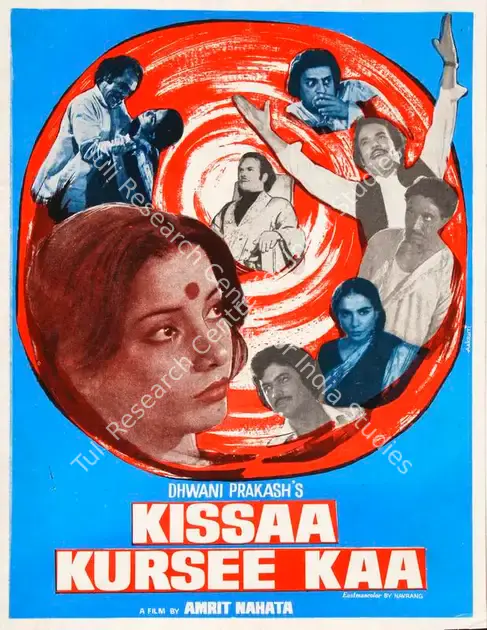
Kissaa Kursee Kaa (1978) was a political satire so pointed that the government banned it, impounded its reels, and allegedly destroyed the negative despite a Supreme Court order to preserve it. Published in the wake of Emergency, this rare brochure documents a film that audiences were never allowed to see. It includes Amrit Nahata's account of what inspired him to make the film, a complete synopsis, and an explanation of the controversy that led to its ban. Today, it remains an important record of one of the most significant episodes of censorship in the history of Indian cinema.
Director
Lead Cast
Lead Cast Rest
Producer
Research Centre
Related
2