

Introduction
Pather Panchali (1955) A landmark in cinematic history, Pather Panchali (Song of the Little Road), written and directed by the visionary Satyajit Ray, heralded a new era for Indian and world cinema. This Bengali-language masterpiece, adapted from Bibhutibhushan Bandyopadhyay's 1929 novel of the same name, marked Ray's directorial debut and laid the foundation for what would become the legendary Apu Trilogy. With deeply affecting performances by Subir Banerjee, Kanu Banerjee, Karuna Banerjee, Uma Dasgupta, and the unforgettable Chunibala Devi, the film stands as a timeless meditation on childhood, familial bonds, and the quiet dignity of life amidst poverty. It was praised by the critics for being "pure cinema," with no trace of theatrical elements, an approach that made it unique for its time.
Set in the rustic village of Nischindipur during the 1910s, the narrative traces the tender yet heartrending journey of young Apu and his spirited sister Durga as they navigate the vicissitudes of rural life under the shadow of poverty. Their father, Harihar Roy (Kanu Banerjee), is a hopeful yet impractical priest and poet, while their mother, Sarbajaya (Karuna Banerjee), bears the burdens of domestic hardship with stoic grace. The poignant character of Indir Thakrun (Chunibala Devi), the aged relative unjustly cast aside, adds a tragic yet soulful dimension to the story.
The film's core lies in the unfiltered innocence of Apu and Durga as they wander through a pastoral world, chasing dragonflies, marvelling at nature, and longing to witness the distant wonder of a train, a symbol of the greater world beyond their village. Their youthful reveries, however, are soon pierced by tragedy. As monsoon rains drench the earth, Durga falls gravely ill and succumbs to a fever, a loss that devastates the family. Harihar, returning from his long search for work with gifts in hand, is shattered by this news. With their home in ruins and hearts heavy with grief, the family departs for Varanasi, seeking renewal amidst sorrow, a transition that seamlessly sets the stage for Aparajito (1956), the second chapter of the trilogy.
Despite being made with scant resources, non-professional actors, and a largely inexperienced crew, Pather Panchali emerged as a work of lyrical profundity. Filmed over several years due to financial constraints, its completion was made possible through state intervention, with the West Bengal government purchasing distribution rights and later earning substantial profits. Pandit Ravi Shankar's evocative sitar compositions, Subrata Mitra's naturalistic cinematography, and Dulal Dutta's deft editing coalesced into a work of haunting beauty.
Premiering at the Museum of Modern Art in New York on May 3, 1955, the film received thunderous acclaim, culminating in its recognition as Best Human Document at the Cannes Film Festival. Much like Kurosawa's Rashomon did for Japanese cinema, Pather Panchali introduced the West to the artistic soul of Indian filmmaking. It departed radically from the flamboyance of mainstream Bollywood, embracing neorealist aesthetics and psychological depth. Ray's humanistic vision, drawn from his essay What Is Wrong with Indian Cinema? found sublime expression in this debut, a film that is as much a lament as it is a celebration of life's fragility and resilience.
Its international success enabled Satyajit Ray to resign from his advertising job and fully devote himself to the art of filmmaking. This breakthrough marked the beginning of an illustrious career, leading him to direct numerous acclaimed works, including the two sequels that would complete the Apu Trilogy. While the film garnered global recognition following its 1955 release, bolstered by the support of Prime Minister Jawaharlal Nehru, it also received widespread admiration and heartfelt appreciation within India. Its impact resonated deeply both at home and abroad, firmly establishing Ray as a pioneer of Indian cinema.
Legendary singer Kishore Kumar made a significant contribution to Satyajit Ray's Pather Panchali with financial support during a critical juncture in the film's production. When the project was on the verge of collapse due to a severe budget shortfall, Kumar generously lent Ray ₹5,000, an act that played a crucial role in keeping the film alive. His involvement was not merely philanthropic; he also shared a personal connection to the project. His first wife, Ruma Guha Thakurta, was Satyajit Ray's niece, further strengthening the emotional investment. A passionate patron of the arts, Kishore Kumar's timely support underscored both his commitment to creative expression and his belief in Ray's visionary work.
सन् 1910 के दशक के निश्चिंदीपुर गाँव की पृष्ठभूमि पर आधारित इस कथा में नन्हे से अपु और उसकी उत्साही बड़ी बहन दुर्गा के कोमल किंतु हृदयविदारक बालमन के सफ़र का चित्रण है। दोनों बच्चे गरीबी के साये में पले हैं और ग्रामीण जीवन की कठिनाइयों से जूझते हैं। उनके पिता हरिहर राय (कानू बनर्जी) एक आशावादी किंतु अव्यावहारिक पुजारी और कवि हैं, जबकि उनकी माँ सरबज्या (करुणा बनर्जी) घरेलू अभाव को धैर्य और संबल के साथ संभालती हैं। वृद्ध दादी इंदी ठाकुरुन (चुन्नीबाला देवी) का मार्मिक चरित्र पहले अपने दारुण जीवन और फिर हृदयविदारक मृत्यु से कहानी को करुणा और आत्मीयता से भर देता है।
इस फ़िल्म के केंद्र में अपु और दुर्गा की निष्कलुष मासूमियत है। जब वे बंगाल के ग्रामीण देहात पके परिवेश में इधर-उधर घूम रहे हैं। तितलियों का पीछा करते हैं। प्रकृति पर मुग्ध होते हैं और दूर से गुजरती ट्रेन को देखने की उत्कंठा में उस दिशा में दौड़ लगाते हैं, सब कुछ विस्मयकारी है। रेलगाड़ी यहाँ उनके गाँव से परे की वृहत्तर दुनिया का प्रतीक है। किंतु उनका यह स्वप्निल बचपन शीघ्र ही त्रासदी में डूब जाता है। निरंतर बरसात के कठोर मौसम में बड़ी बहन दुर्गा गंभीर रूप से बीमार पड़ जाती है और बुखार अन्तत: उसके प्राण ले लेता है। समूचा परिवार इस अकाल मृत्यु से बुरी तरह टूट जाता है। पिता हरिहर जब काम के सिलसिले में लम्बे प्रवास के बाद उपहारों को थामे घर वापस लौटते हैं तो इस त्रासद समाचार से चकनाचूर हो जाते हैं। फ़िल्म के आखिरी हिस्से में वे जर्जर होते घर को छोड़कर और शोक से भरे दिलों के साथ वाराणसी शहर के लिए प्रस्थान करते हैं। अब वे वहीं अपने नये जीवन की तलाश करना चाहते हैं। फ़िल्म का यह अंत सहज रूप से त्रयी के दूसरे भाग, अपराजितो (1956) की भूमिका तैयार कर देता है।
सीमित संसाधनों, गैर-पेशेवर अभिनेताओं और करीब करीब अनुभवहीन दल के बावजूद पाथेर पांचाली ने एक रचना के बतौर काव्यात्मक गहराई हासिल की। वित्तीय कठिनाइयों के कारण इसे कई वर्षों के अन्तराल में फ़िल्माया जा सका था और इसके पूर्ण होने में राज्य सरकार के दखल की भूमिका रही, जब पश्चिम बंगाल सरकार ने फ़िल्म के वितरण अधिकार खरीदे। बाद में उन्होंने इससे पर्याप्त लाभ भी अर्जित किया। पंडित रविशंकर के अद्भुत सितार पर निर्मित भावपूर्ण धुनें, सुब्रत मित्रा की स्वाभाविक सिनेमैटोग्राफ़ी और दुलाल दत्ता का सधा हुआ संपादन इस फ़िल्म को एक अदम्य सुंदरता की माला में पिरो देते हैं।
3 मई, 1955 के दिन न्यूयॉर्क के 'म्यूज़ियम ऑफ़ मॉडर्न आर्ट' में प्रीमियर के समय फ़िल्म को जबरदस्त सराहना मिली और अंततः इसे 'कान फ़िल्म फ़ेस्टिवल' में 'बेस्ट ह्यूमन डॉक्यूमेंट' का सम्मान मिला। जिस तरह महान जापानी फ़िल्मकार अकीरा कुरोसावा की राशोमोन (1950) ने जापानी सिनेमा के द्वार पश्चिम के लिए खोल दिये थे, उसी तरह राय की पाथेर पांचाली ने भारतीय सिनेमा की कलात्मक आत्मा को दुनिया के सामने प्रस्तुत किया। यह मुख्यधारा बॉलीवुड की चकाचौंध से नितांत भिन्न सिनेमा था और इसमें नवयथार्थवादी सौंदर्य दृष्टि और मनोवैज्ञानिक गहराई थी। राय की मानवीय दृष्टि, जिसे उनके निबंध “व्हाट इज़ रॉन्ग विद इंडियन सिनेमा?” को पढ़कर बेहतर समझा जा सकता है, इस पहली फ़िल्म में ही बेहतरीन तरीके से प्रकट होती है। यह एक ऐसी फ़िल्म है जो एकसाथ जीवन की नश्वरता का शोकगीत और इंसानी धैर्य व जिजीविषा का उत्सव है।
पाथेर पांचाली की अंतरराष्ट्रीय सफलता ने सत्यजीत राय को मौका उपलब्ध करवाया कि वे अपनी विज्ञापन की दुनिया वाली नौकरी छोड़ पूरी तरह फ़िल्म निर्माण में खुद को डुबो सकते हैं। इस सिनेमाई उपलब्धि के साथ उनके चार दशक लम्बे विलक्षण सिनेमा करियर की शुरुआत भी होती है, जिसमें उन्होंने अपु त्रयी की शेष कड़ियों समेत कई अन्य प्रशंसित फ़िल्मों का निर्देशन किया। सन् 1955 में रिलीज़ होने के बाद पाथेर पांचाली ने वैश्विक पहचान हासिल की, जिसमें प्रधानमंत्री जवाहरलाल नेहरू के समर्थन की भी भूमिका रही। भारत में भी इसे ज़रूरी सराहना और भावपूर्ण स्वीकार्यता हासिल हुई। इसकी गूंज देश और विदेश दोनों जगहों पर पूरी ठसक के साथ महसूस की गई और राय विश्व सिनेमा के एक अग्रणी फ़िल्मकार के रूप में स्थापित हो गए।
इस फ़िल्म के निर्माण में महान गायक किशोर कुमार का भी महत्वपूर्ण योगदान रहा। जब इस फ़िल्म का निर्माण एक गंभीर आर्थिक संकट के कारण लगभग ठप पड़ने वाला था तो किशोर कुमार ने निर्देशक सत्यजित राय को आर्थिक सहायता का संबल दिया। उस निर्णायक मौके पर किशोर कुमार ने उदारता से फ़िल्म के निर्माण के लिए 5,000 रुपए उधार दिए। यह उनका एक ऐसा कदम था जिसने फ़िल्म को जिलाये रखने में अहम भूमिका निभाई। किशोर कुमार की फ़िल्म में भागीदारी मात्र सहृदयता भर नहीं थी, बल्कि उनका एक व्यक्तिगत संबंध भी था राय से। किशोर दा की पहली पत्नी रमा गुहा ठाकुरता, सत्यजित राय की भतीजी थीं। इस रिश्ते के चलते उनका भावनात्मक लगाव और गहरा हो गया। उत्कृष्ट कला के एक जोशीले संरक्षक की भूमिका में किशोर कुमार का यह मौके पर मिला समर्थन उनकी मौलिक रचनात्मक अभिव्यक्तियों के प्रति निष्ठा दिखाता है और राय के कलाकर्म पर उनके गहरे विश्वास को दर्शाता है।
Body of Work
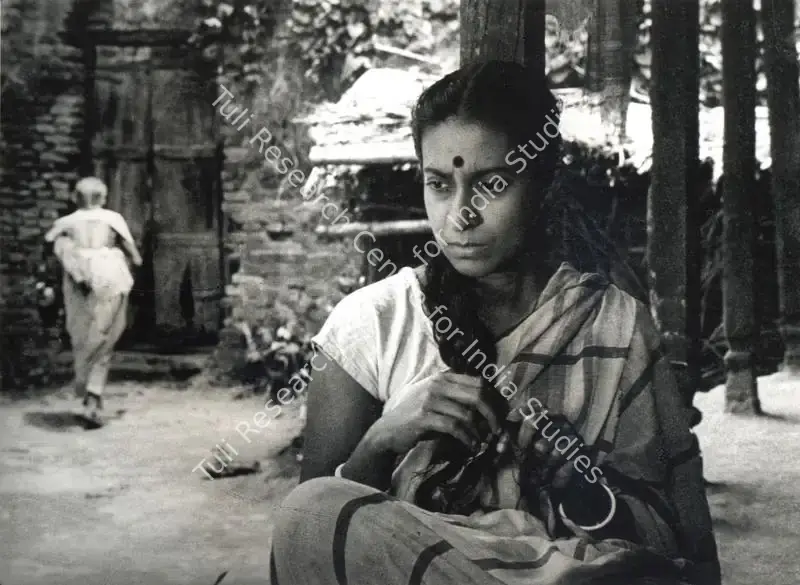
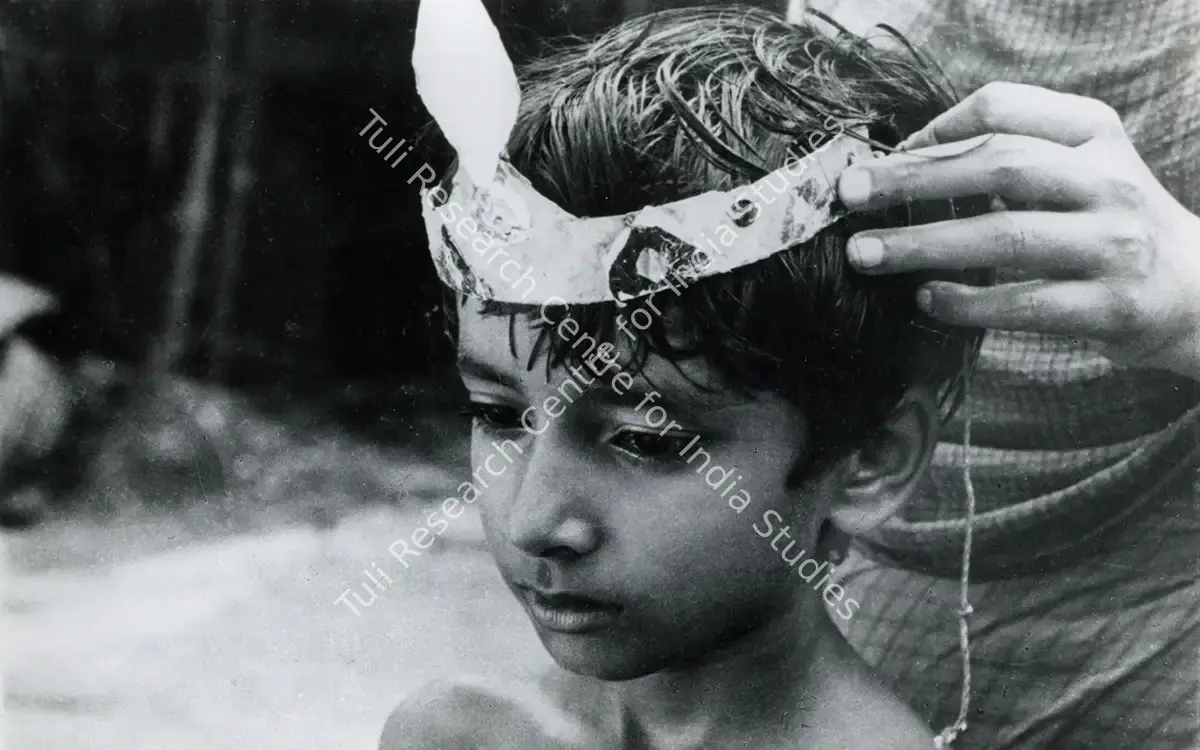
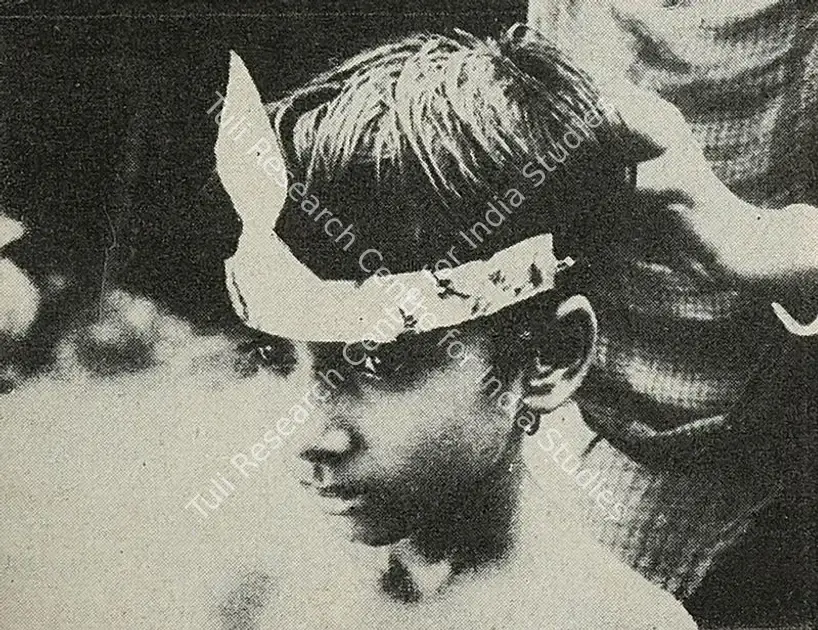
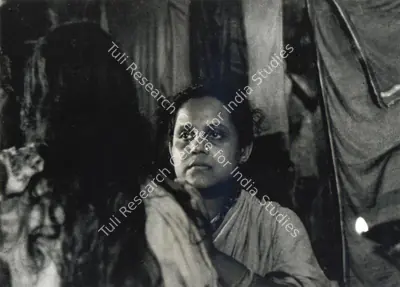
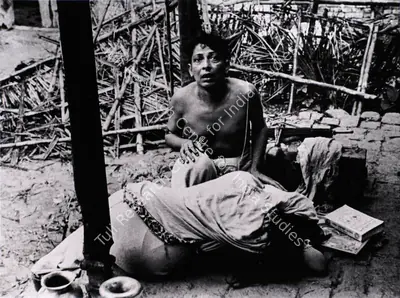
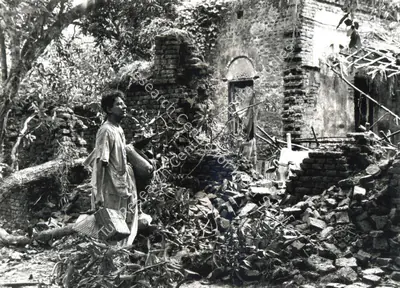
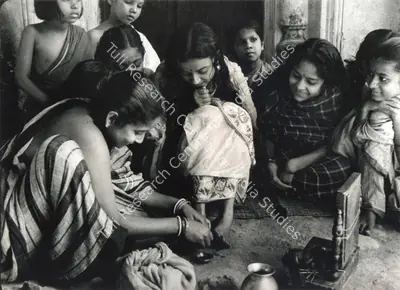
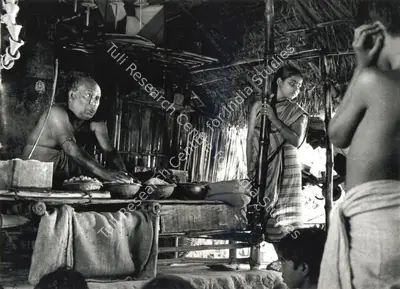
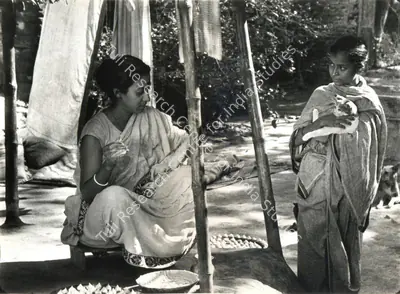
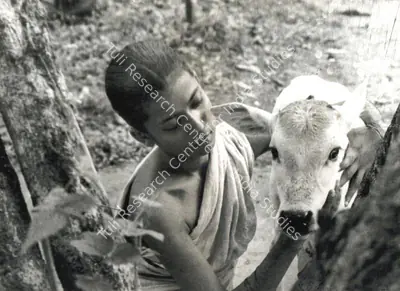
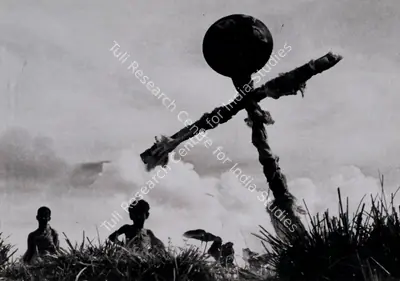
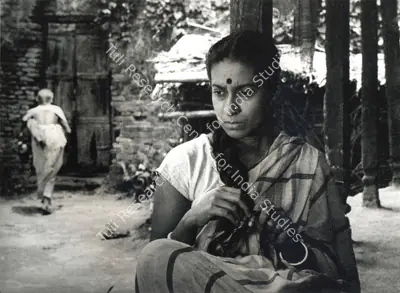
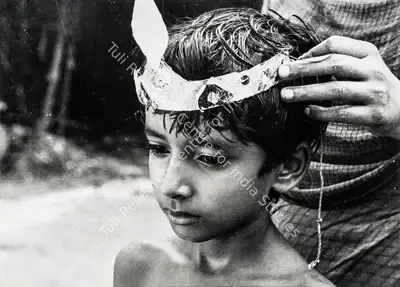
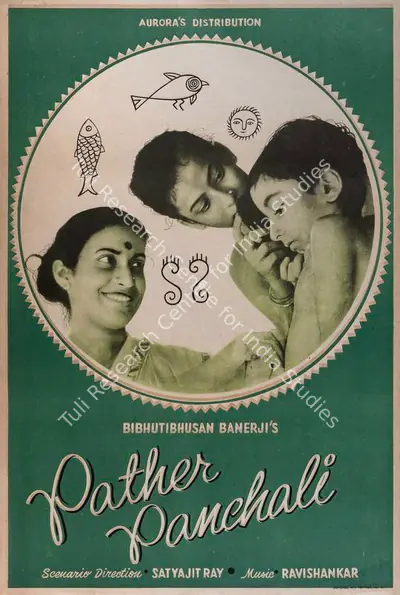
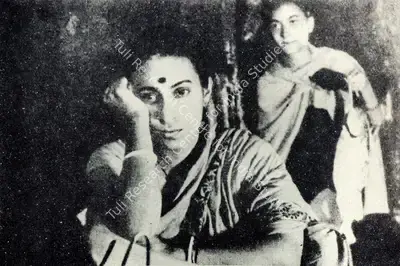
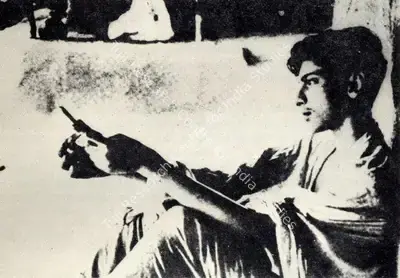
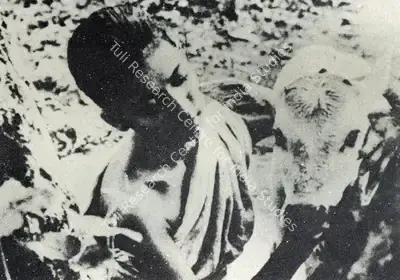
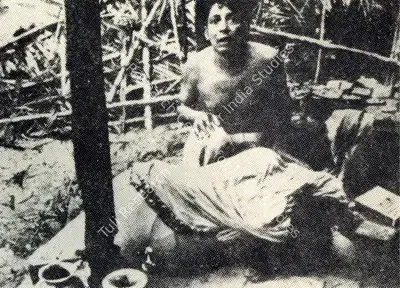
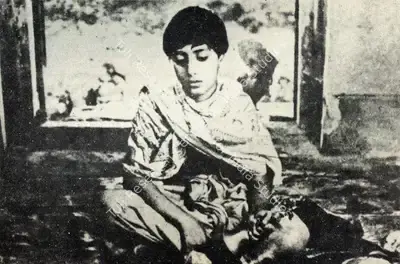
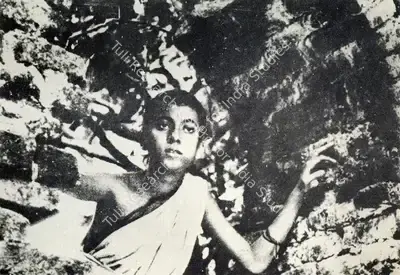
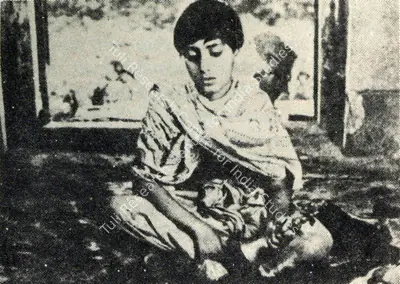
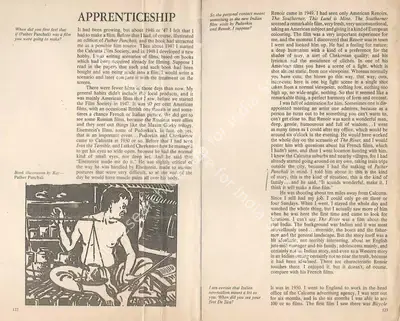
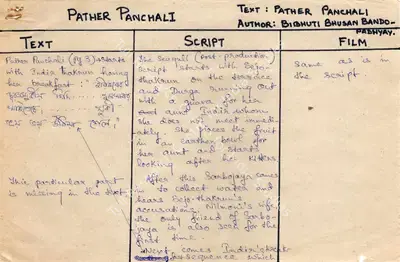
Satyajit Ray's debut film, Pather Panchali, is the first film of his 'Apu Trilogy'. It represents the beginning of an alternative tradition in Indian cinema, and is the first in a long line of exceptional works that earned Ray a place amongst the world's greatest filmmakers. Enormously touching in its simplicity and visual beauty, Pather Panchali was the first Indian film to achieve widespread international acclaim. Its freshness, its lyrical visual and narrative style and poetic tension established Ray as a master filmmaker and brought Indian cinema into international limelight. The time is early 20th century. In a remote village in Bengal, a Brahmin family - a priest. Harihar, his wife Sarbajaya, daughter Durga, son Apu and his aged cousin Indira Thakrun - struggles to make ends meet. Though the film deals with a poor family's grim battle for survival, it has no trace of melodrama. What is projected instead is the respect for human dignity. Without any experience in filmmaking, Ray started shooting the film in 1952 but was forced to stop for more than a year because of financial constraints. Dr B. C. Roy, the then Chief Minister of West Bengal, was shown the portion of film which had been shot till then. He agreed to give the money but misunderstood the film's nature, seeing it as a documentary promoting rural upliftment and development! Photographs by Nemai Ghosh from the Tuli Family Library & Archive Collection.
Research Centre


Calendar 1
- ArchivedExhibitionProject 2Self-Discovery via Rediscovering India Series Part II India's Cinematic Heritage12th - 24th August 2024Self-Discovery via Rediscovering India Series Part IIRead More →