

Introduction
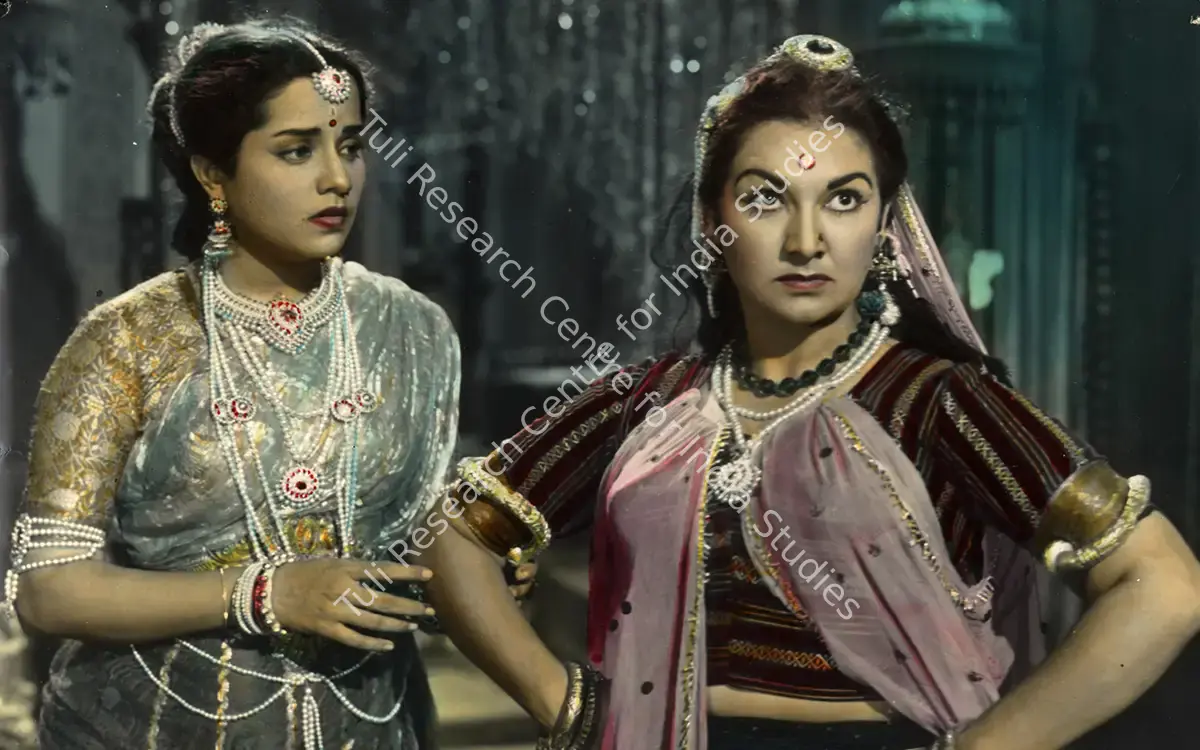
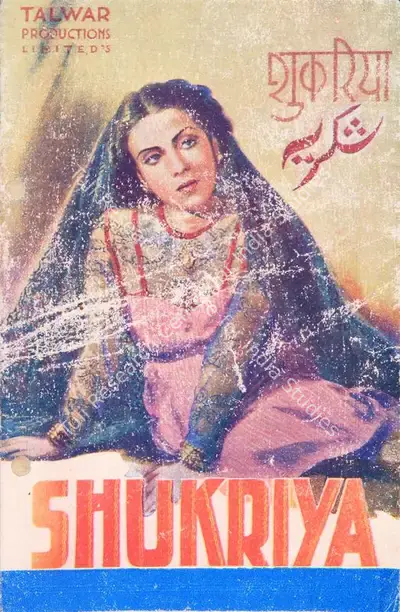
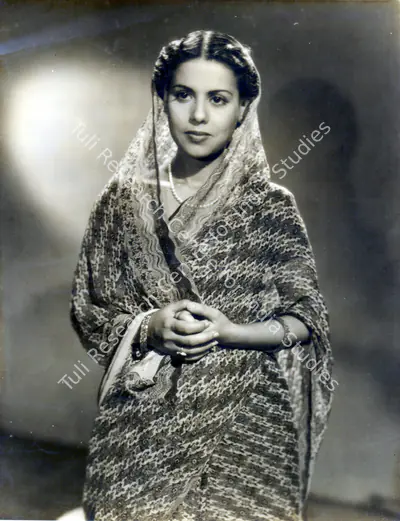
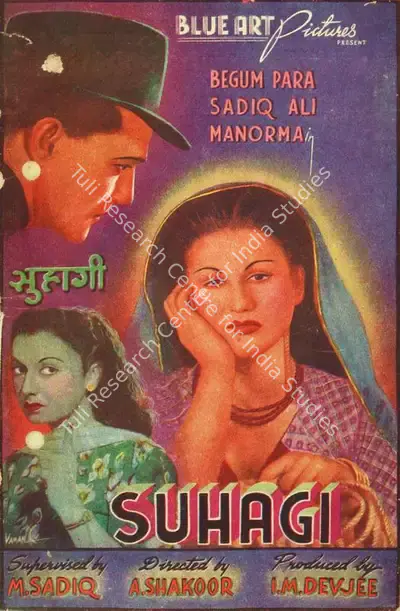
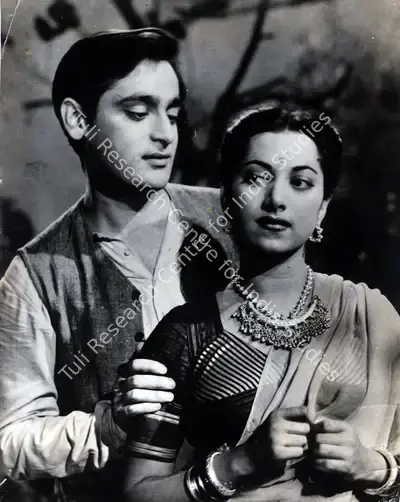
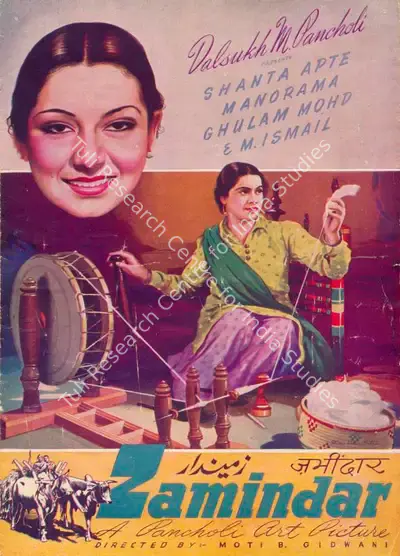
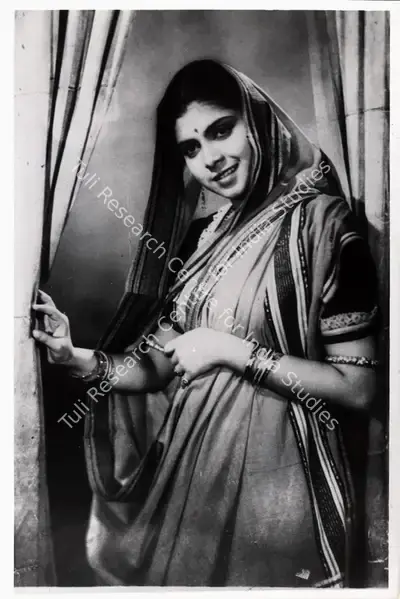
Manorama* (born Erin Isaac Daniels, 16 August 1926 – 15 February 2008) was a luminous presence in Indian cinema, revered for her versatile performances across six decades. Best remembered as the hilariously imperious aunt in Seeta Aur Geeta (1972), she lent her distinctive blend of wit, warmth, and theatricality to more than 160 films that charted the evolution of Hindi cinema itself.
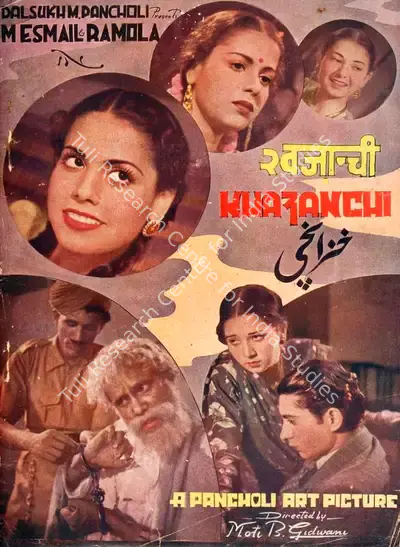
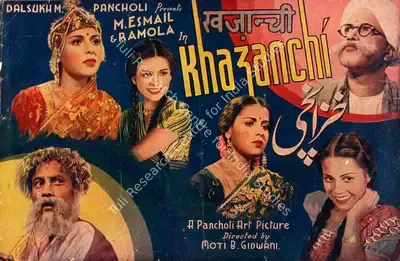
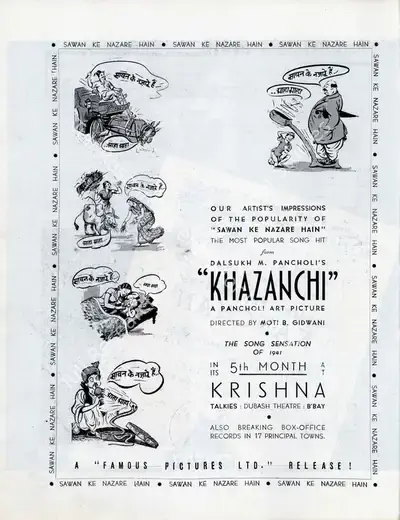
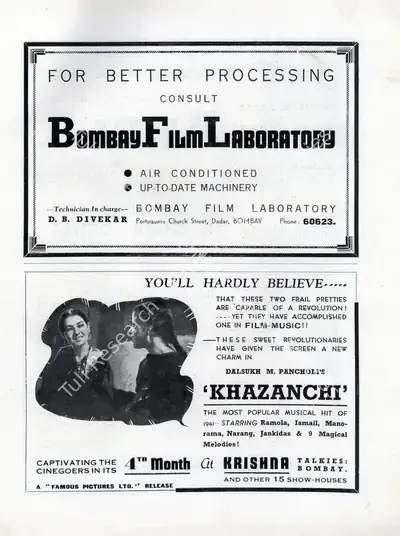
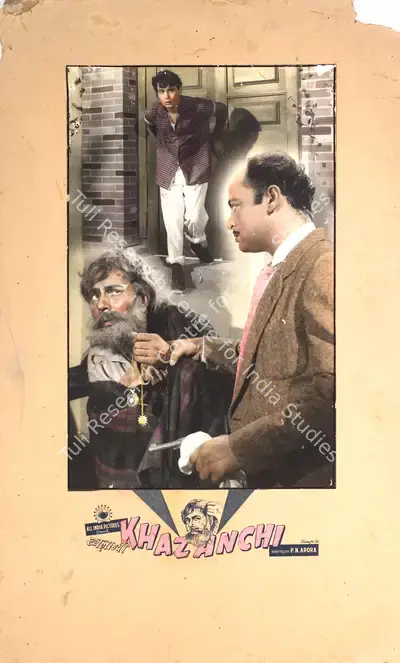
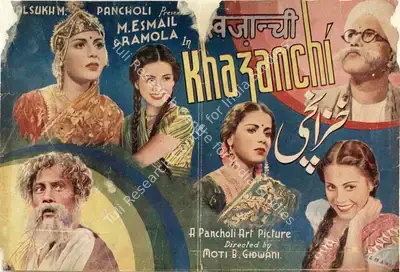
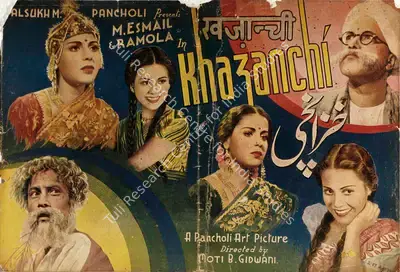
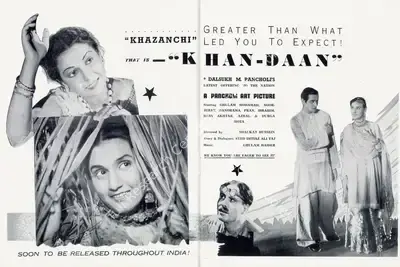
Born in Lahore to an Irish mother and an Indian Christian father—an engineering professor—Erin inherited both discipline and artistry. Trained in classical singing and dance, she began performing in Red Cross stage shows as a child. At nine, filmmaker Roop K. Shorey discovered her at a school concert and rechristened her Manorama for her debut in Khazanchi (1941). She soon became one of Lahore's highest-paid young stars. Following Partition, she moved to Bombay, where actor Chandramohan helped her re-establish her career.
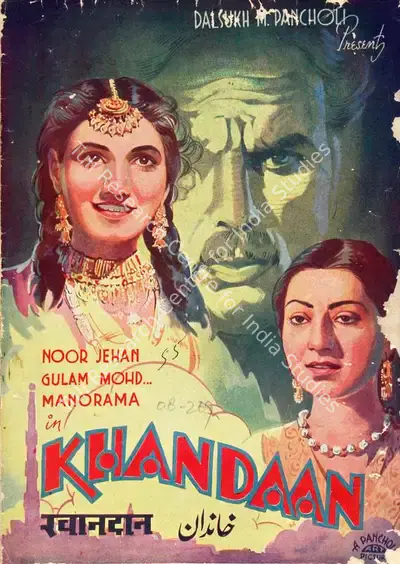
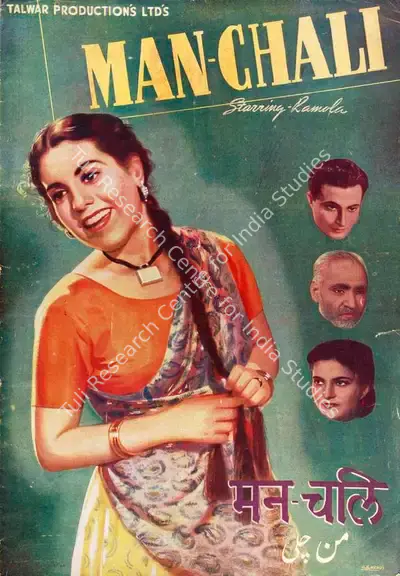
Initially cast as a heroine in the early 1940s, Manorama soon found her métier in comic and villainous roles that showcased her timing and expressive flair. Her performances in Half Ticket (1962), alongside Kishore Kumar and Madhubala, and in Do Kaliyaan (1968), Ek Phool Do Maali (1969), and Caravan (1971), remain cherished. Among her notable works are Ghar Ki Izzat (1948), Parineeta (1953), Mujhe Jeene Do (1963), Dus Lakh (1966), Mehboob Ki Mehndi (1971), Bombay to Goa (1971), Shor (1972), Laawaris (1981), and Haadsa (1983).
After her marriage to actor Rajan Haksar, Manorama was often cast in character and comic parts, roles she inhabited with unflagging zest. The couple later divorced, and she continued to work steadily in film and television, appearing in series such as Dustak, Kashti, Kundali, and Kutumb.
Her final screen appearance came in Deepa Mehta's internationally acclaimed Water (2005), where she portrayed Madhumati with remarkable poignancy—her performance hailed by critics worldwide.
Manorama suffered a stroke in 2007 and passed away in Mumbai the following year, survived by her daughter, Rita Haksar. A performer of rare grace and resilience, she remains an enduring figure in the tapestry of Indian cinema.
लाहौर में एक आयरिश माँ और भारतीय ईसाई पिता (जो इंजीनियरिंग के प्रोफ़ेसर थे) के घर जन्मी एरिन को अनुशासन और कलात्मकता, दोनों विरासत में मिले। शास्त्रीय गायन और नृत्य में प्रशिक्षित एरिन ने बचपन में ही रेड क्रॉस के स्टेज़ शो में परफॉर्म करना शुरू कर दिया था। नौ साल की उम्र में फिल्ममेकर रूप के. शौरी ने उन्हें एक स्कूल कॉन्सर्ट में देखा और 'ख़ज़ांची' (1941) में उनकी पहली फिल्म के लिए उनका नाम बदलकर मनोरमा रख दिया। जल्द ही वह लाहौर की सबसे ज़्यादा फ़ीस पाने वाली युवा स्टार्स में से एक बन गईं। बंटवारे के बाद, वह बॉम्बे चली गईं, जहाँ एक्टर चंद्रमोहन ने उनके करियर को फिर से जमाने में उनकी मदद की।
1940 के दशक की शुरुआत में नायिका के रूप में काम करने वाली मनोरमा को जल्द ही हास्य और खलनायिका भूमिकाओं में अपना आदर्श मिल गया, जिसमें उनकी समयबद्धता और अभिव्यंजक प्रतिभा का प्रदर्शन हुआ। किशोर कुमार और मधुबाला के साथ हाफ़ टिकट (1962), और दो कलियाँ (1968), एक फूल दो माली (1969), और कारवां (1971) में उनका अभिनय आज भी सराहनीय है। उनकी उल्लेखनीय कृतियों में घर की इज़्ज़त (1948), परिणीता (1953), मुझे जीने दो (1963), दस लाख (1966), मेहबूब की मेहंदी (1971), बॉम्बे टू गोवा (1971), शोर (1972), लावारिस (1981) और हादसा (1983) शामिल हैं।
एक्टर राजन हक्सर से शादी के बाद मनोरमा को अक्सर कैरेक्टर और कॉमेडी रोल मिलते थे, जिन्हें उन्होंने हमेशा पूरे जोश के साथ निभाया। बाद में दोनों का तलाक़ हो गया, लेकिन उन्होंने फ़िल्मों और टेलीविज़न में लगातार काम करना जारी रखा। इसके आलावा 'दस्तक', 'कश्ती', 'कुंडली' और 'कुटुंब' जैसे सीरियल्स में भी काम किया।
स्क्रीन पर उनकी आखिरी मौजूदगी दीपा मेहता की इंटरनेशनल लेवल पर सराही गई फ़िल्म 'वॉटर' (2005) में थी, जिसमें उन्होंने 'मधुमती' का किरदार बहुत ही मार्मिक ढंग से निभाया—उनकी इस परफॉर्मेंस की दुनिया भर के क्रिटिक्स ने तारीफ़ की।
2007 में मनोरमा को स्ट्रोक आया और अगले साल मुंबई में उनका निधन हो गया; उनके परिवार में उनकी बेटी रीता हक्सर हैं। अद्भुत शालीनता और मज़बूती की मिसाल रहीं मनोरमा, भारतीय सिनेमा की दुनिया में हमेशा एक यादगार हस्ती बनी रहेंगी।
Filmography 107
Research Centre

Related
31
Films
21
Personalities
10