Jairaj

Jairaj
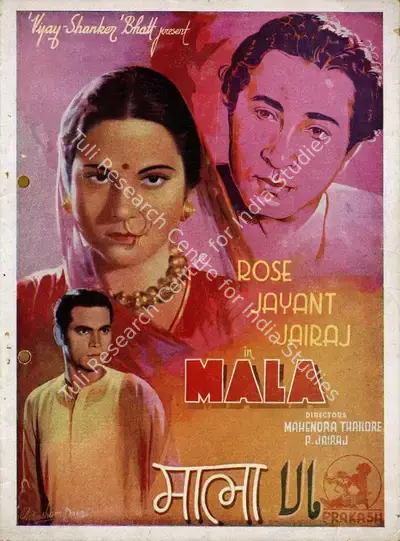
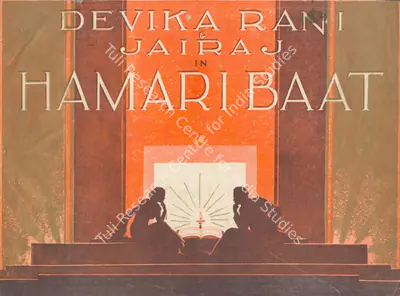
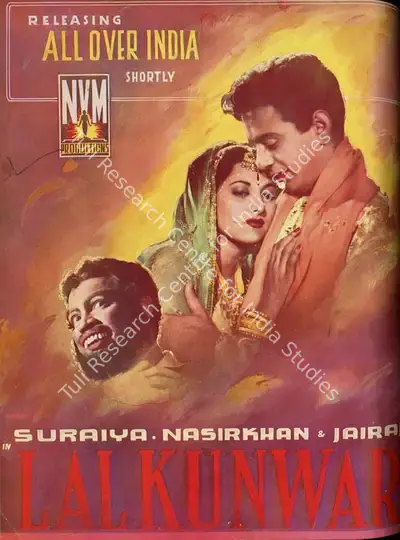
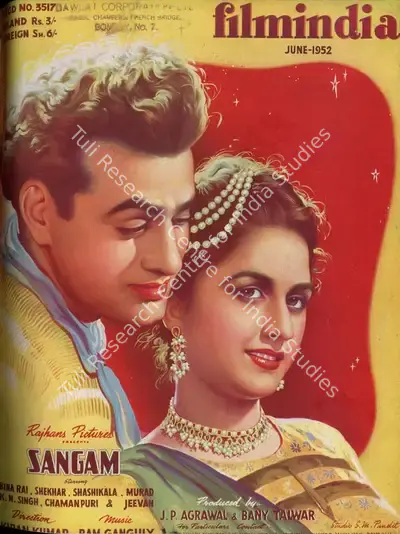
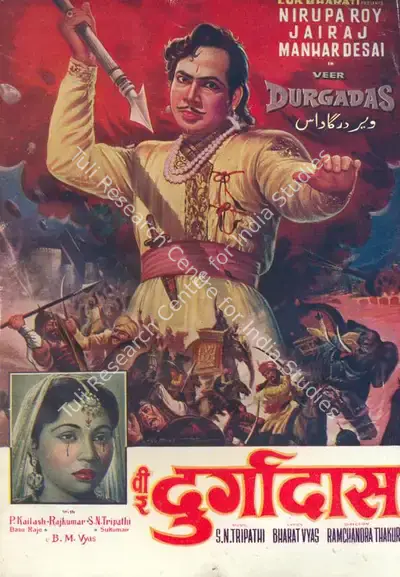
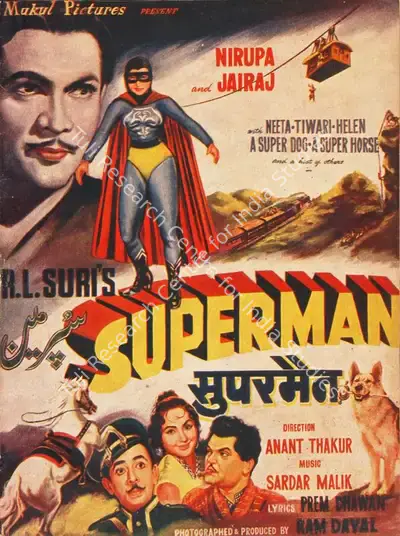
Paidipati Jairaj (28 September 1909 – 2009) was an Indian actor who was born in Sircilla in the erstwhile Hyderabad State, who emerged as a pioneering figure in Indian cinema, distinguished as an actor, director, and producer whose career spanned several linguistic traditions, including Hindi, Marathi, Gujarati, and Telugu, as well as Telugu theatre. Beginning his journey in the silent era with Star Kling Youth (1929), he went on to appear in numerous silent productions such as Triangle of Love (1929), Mathru Bhoomi (1930), and Flight into Death (1930), before successfully transitioning into the talkie era with Shikari (1931), performed in Urdu and English. From the early 1930s onward, Jairaj established himself as a leading actor for nearly two decades, working alongside prominent contemporaries such as V. Shantaram, Ashok Kumar, Prithviraj Kapoor and Motilal. Over the course of his prolific career, he appeared in approximately 170 feature films, demonstrating remarkable versatility across historical, mythological, and social genres. His portrayals of iconic historical figures in films such as Amar Singh Rathore (1957), Prithviraj Chauhan (1959), and Maharana Pratap (1960) were widely noted. He also depicted figures such as Shah Jahan in Shah Jahan (1947), Tipu Sultan in Tipu Sultan (1959), and Haider Ali in Haider Ali (1962), contributing to the popular cinematic imagination of Indian history. Jairaj also ventured into filmmaking, directing works such as Mala (1943), Pratima (1945), Rajghar (1946), and later producing and directing Saagar (1951). Although some of his directorial ventures met with limited commercial success, they reflected his sustained commitment to the craft of cinema. His collaborations with actress Suraiya in films including Humaari Baat (1943), Singaar (1949), Amar Kahani (1949), Rajput (1951), and Resham (1952) further underscored his prominence as a leading man during the period. Beyond his cinematic achievements, Jairaj was noted for his disciplined lifestyle and emphasis on physical fitness, making him one of the earliest figures in Indian cinema to advocate structured exercise and dietary regimens. This commitment contributed to both his screen presence and longevity. In recognition of his immense contribution to Indian cinema, he was honoured with the Dadasaheb Phalke Award in 1980, the country's highest film honor. His extraordinary career, spanning approximately seventy years, was also acknowledged with a Guinness World Record for the longest acting career in Indian cinema. In his personal life, Jairaj married Savitri, in an arranged alliance facilitated through familial connections. He had a large family and spent his later years under the care of his daughter Geeta Gupta. He passed away in Mumbai on 11 August 2000, leaving behind a legacy deeply embedded in the evolution of Indian film. His life and work were commemorated in the documentary, Life Journey of Jairaj (2018), produced by the Government of Telangana, serving as a lasting tribute to his enduring influence.
Jairaj
Paidipati Jairaj (28 September 1909 – 2009) was an Indian actor who was born in Sircilla in the erstwhile Hyderabad State, who emerged as a pioneering figure in Indian cinema, distinguished as an actor, director, and producer whose career spanned several linguistic traditions, including Hindi, Marathi, Gujarati, and Telugu, as well as Telugu theatre. Beginning his journey in the silent era with Star Kling Youth (1929), he went on to appear in numerous silent productions such as Triangle of Love (1929), Mathru Bhoomi (1930), and Flight into Death (1930), before successfully transitioning into the talkie era with Shikari (1931), performed in Urdu and English. From the early 1930s onward, Jairaj established himself as a leading actor for nearly two decades, working alongside prominent contemporaries such as V. Shantaram, Ashok Kumar, Prithviraj Kapoor and Motilal. Over the course of his prolific career, he appeared in approximately 170 feature films, demonstrating remarkable versatility across historical, mythological, and social genres. His portrayals of iconic historical figures in films such as Amar Singh Rathore (1957), Prithviraj Chauhan (1959), and Maharana Pratap (1960) were widely noted. He also depicted figures such as Shah Jahan in Shah Jahan (1947), Tipu Sultan in Tipu Sultan (1959), and Haider Ali in Haider Ali (1962), contributing to the popular cinematic imagination of Indian history. Jairaj also ventured into filmmaking, directing works such as Mala (1943), Pratima (1945), Rajghar (1946), and later producing and directing Saagar (1951). Although some of his directorial ventures met with limited commercial success, they reflected his sustained commitment to the craft of cinema. His collaborations with actress Suraiya in films including Humaari Baat (1943), Singaar (1949), Amar Kahani (1949), Rajput (1951), and Resham (1952) further underscored his prominence as a leading man during the period. Beyond his cinematic achievements, Jairaj was noted for his disciplined lifestyle and emphasis on physical fitness, making him one of the earliest figures in Indian cinema to advocate structured exercise and dietary regimens. This commitment contributed to both his screen presence and longevity. In recognition of his immense contribution to Indian cinema, he was honoured with the Dadasaheb Phalke Award in 1980, the country's highest film honor. His extraordinary career, spanning approximately seventy years, was also acknowledged with a Guinness World Record for the longest acting career in Indian cinema. In his personal life, Jairaj married Savitri, in an arranged alliance facilitated through familial connections. He had a large family and spent his later years under the care of his daughter Geeta Gupta. He passed away in Mumbai on 11 August 2000, leaving behind a legacy deeply embedded in the evolution of Indian film. His life and work were commemorated in the documentary, Life Journey of Jairaj (2018), produced by the Government of Telangana, serving as a lasting tribute to his enduring influence.

Introduction

Filmography

Print
filter

Research Centre
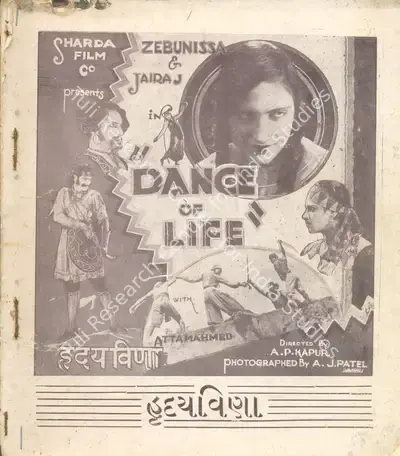
Kapur, A.P. (Director), Hridaya Veena, 1932 | Synopsis Booklet

Kapur, A.P. (Director), Hridaya Veena, 1932 | Synopsis Booklet

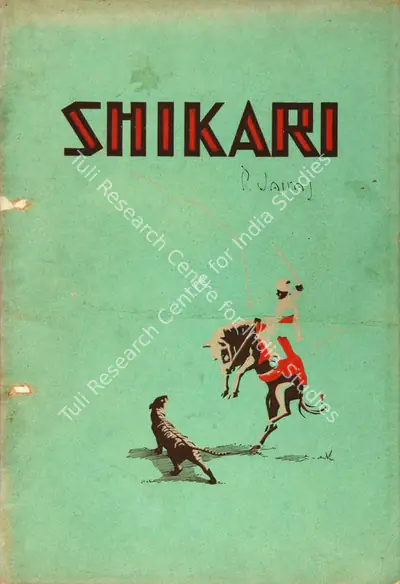
Gandhi, Naval D. (Director), Shikari, 1932 | Song-Synopsis Booklet

Gandhi, Naval D. (Director), Shikari, 1932 | Song-Synopsis Booklet

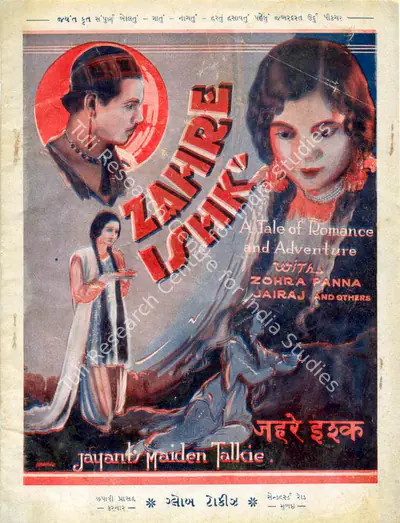
Advani, J.P. (Director), Zahre Ishk, 1933 | Song-Synopsis Booklet

Advani, J.P. (Director), Zahre Ishk, 1933 | Song-Synopsis Booklet

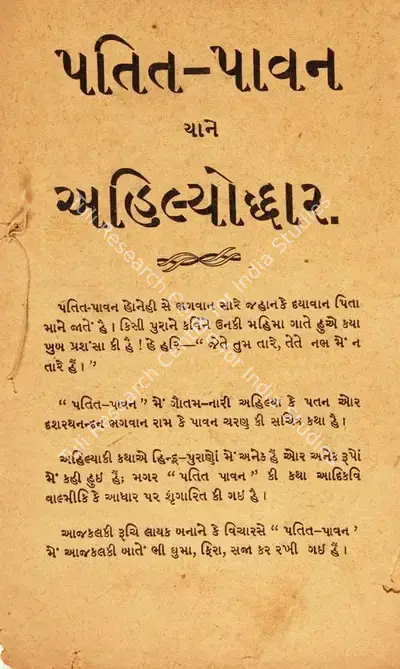
Majumdar, Nagendra (Director), Patit Pavan, 1933 | Song-Synopsis Booklet

Majumdar, Nagendra (Director), Patit Pavan, 1933 | Song-Synopsis Booklet

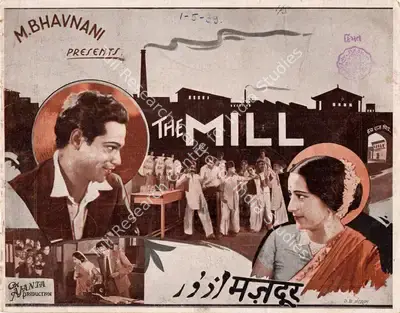
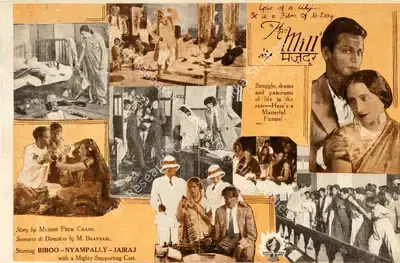
Bhavnani, M. (Director), Mazdoor, 1934 | Song-Synopsis Booklet

Bhavnani, M. (Director), Mazdoor, 1934 | Song-Synopsis Booklet

Bhavnani, M. (Director), Mazdoor, 1934 | Handbill

Bhavnani, M. (Director), Mazdoor, 1934 | Handbill

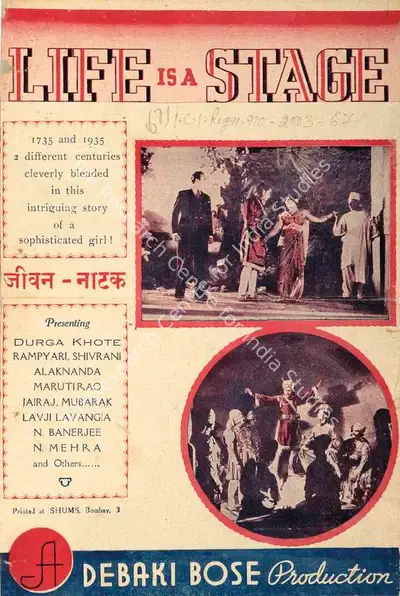
Bose, Debaki (Director), Jeevan Natak, 1935 | Handbill

Bose, Debaki (Director), Jeevan Natak, 1935 | Handbill

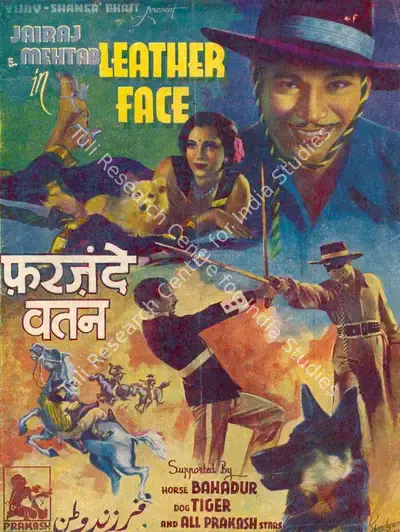
Bhatt, Vijay (Director), Farjande Vatan, 1939 | Song-Synopsis Booklet

Bhatt, Vijay (Director), Farjande Vatan, 1939 | Song-Synopsis Booklet

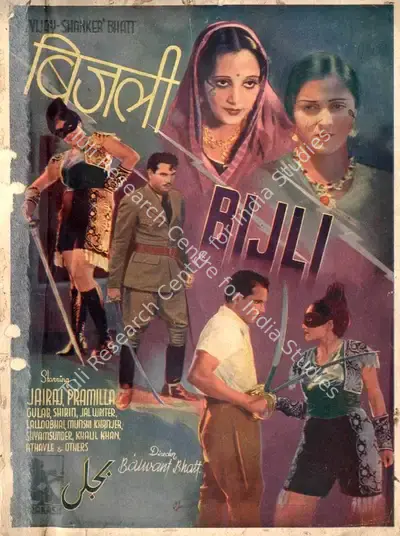
Bhatt, Shanker (Producer), Bijli, 1939 | Song-Synopsis Booklet

Bhatt, Shanker (Producer), Bijli, 1939 | Song-Synopsis Booklet

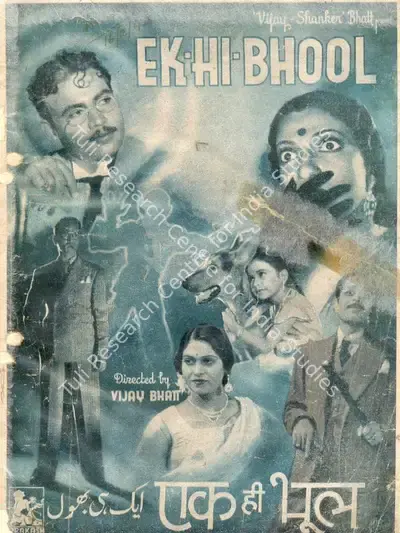
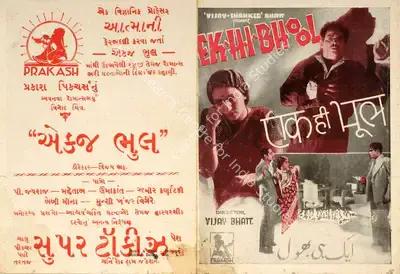
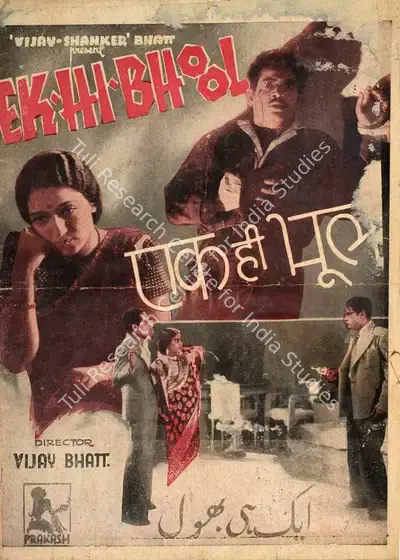
Bhatt, Shanker (Producer), Ek Hi Bhool, 1940 | Song-Synopsis Booklet

Bhatt, Shanker (Producer), Ek Hi Bhool, 1940 | Song-Synopsis Booklet

Bhatt, Vijay (Producer), Ek Hi Bhool, 1940 | Handbill

Bhatt, Vijay (Producer), Ek Hi Bhool, 1940 | Handbill

Bhatt, Vijay (Producer), Ek Hi Bhool, 1940 | Handbill

Bhatt, Vijay (Producer), Ek Hi Bhool, 1940 | Handbill

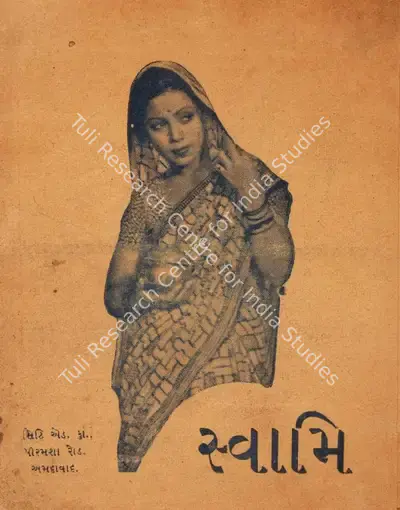
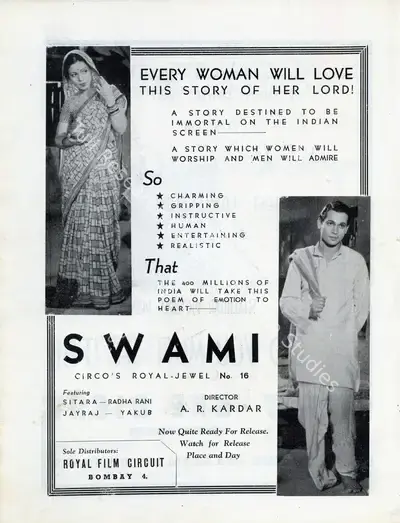
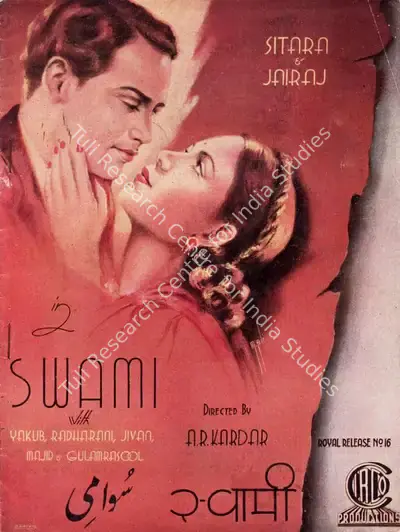
Kardar, A.R. (Director), Swami, 1941 | Advertisement

Kardar, A.R. (Director), Swami, 1941 | Advertisement

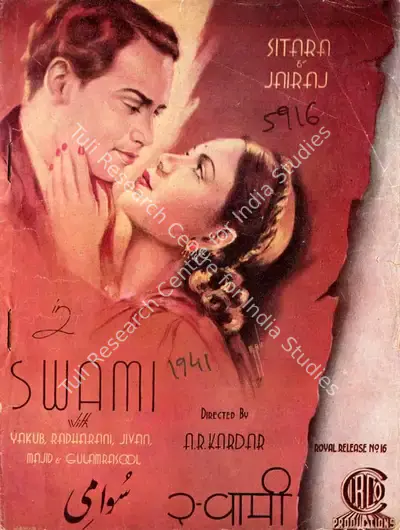
Kardar, A.R. (Director), Swami, 1941 | Song-Synopsis Booklet

Kardar, A.R. (Director), Swami, 1941 | Song-Synopsis Booklet

Kardar, A.R. (Director), Swami, 1941 | Song-Synopsis Booklet

Kardar, A.R. (Director), Swami, 1941 | Song-Synopsis Booklet

Kardar, A.R. (Director), Swami, 1941 | Song-Synopsis Booklet

Kardar, A.R. (Director), Swami, 1941 | Song-Synopsis Booklet

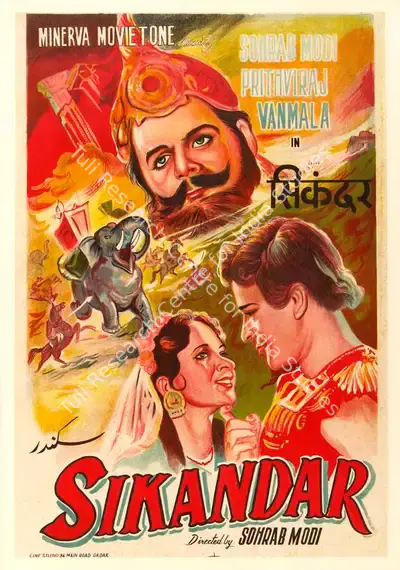
Cine Studio 96 (Designer), Sikandar, 1941 | Half Sheet Poster

Cine Studio 96 (Designer), Sikandar, 1941 | Half Sheet Poster

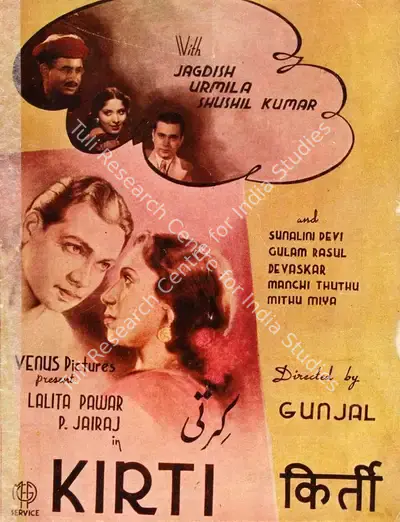
Gunjal (Director), Kirti, 1942 | Song-Synopsis Booklet

Gunjal (Director), Kirti, 1942 | Song-Synopsis Booklet

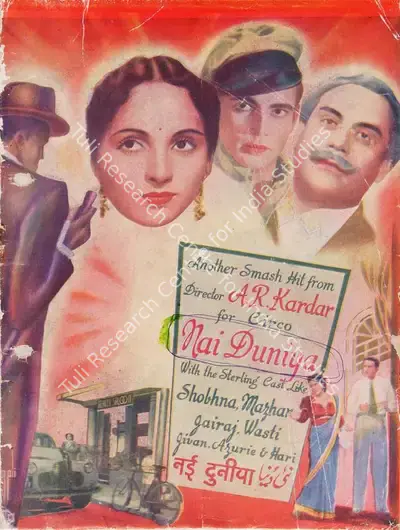
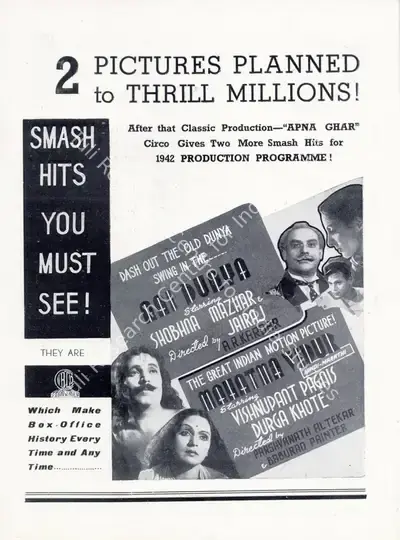
Kardar, A.R. (Producer), Nai Duniya, 1942 | Advertisement

Kardar, A.R. (Producer), Nai Duniya, 1942 | Advertisement

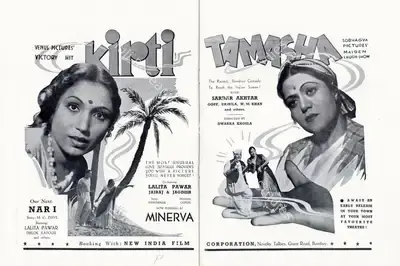
Gunjal (Director), Kirti, 1942 | Advertisement

Gunjal (Director), Kirti, 1942 | Advertisement

Loading...
TRIS logo image