
Introduction
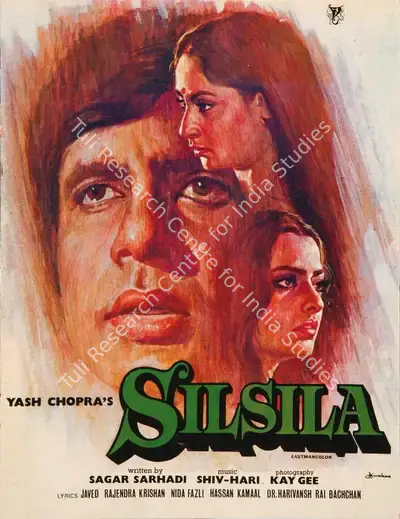
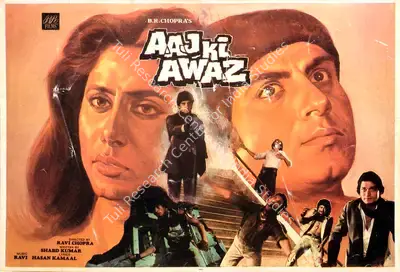
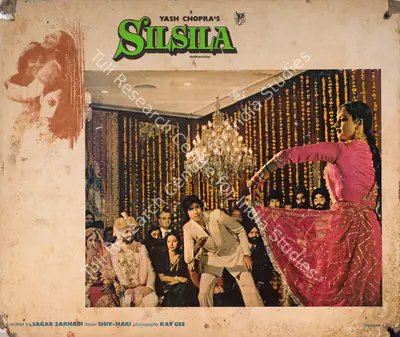
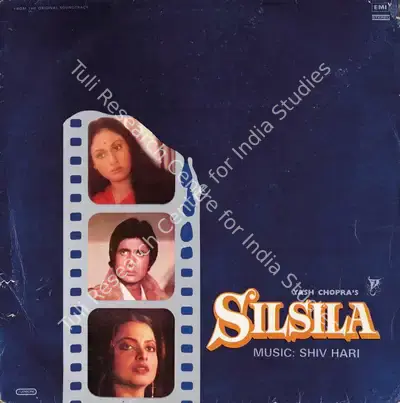
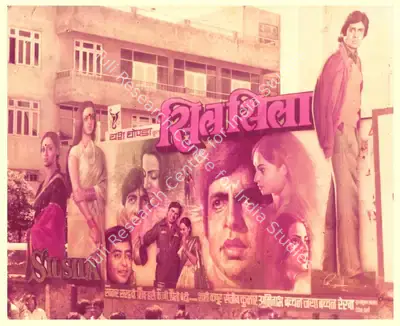
Hasan Kamal (born 1 January 1943) He is an Indian lyricist and songwriter. The recipient of numerous awards, including Filmfare Award for Best Lyricist in 1985 for the title song of the film Aaj Ki Aawaz (1984), he started his career in 1981 with Sar Se Sarke song from Silsila (1981). His last song as a lyricist is Tose Naina Lagey from Anwar (2007).
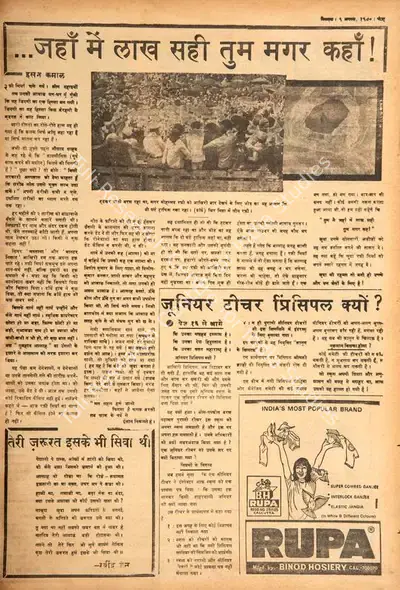
Kamal was born in Lucknow, India on 1 January 1943. He graduated from the Lucknow University and began his journalistic career as a Sub-editor of Blitz Weekly in 1965. He became the editor of Urdu Blitzin 1974 and brought up its circulation from 13,000 copies to 1,00,000 copies a week. He is a popular columnist with a regular column in Inquilab, Rozanama Rashtriya Sahara, Etmaad and Al-Bagh. His column is often translated into Tamil, Telugu, Marathi and English. He is a prominent poet of modern Urdu literature and has travelled widely internationally in his capacity as a journalist and poet. He is also a well-known lyricist and a writer of scripts for film and TV.
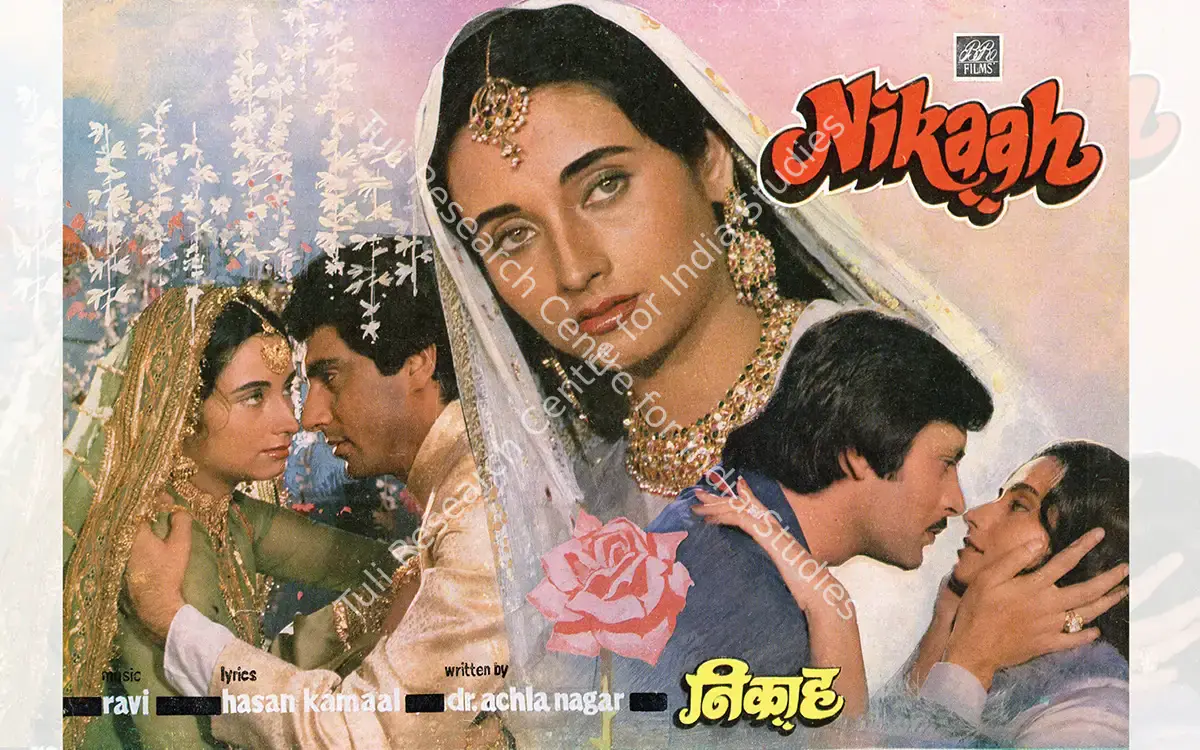
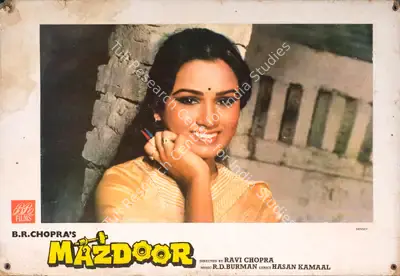
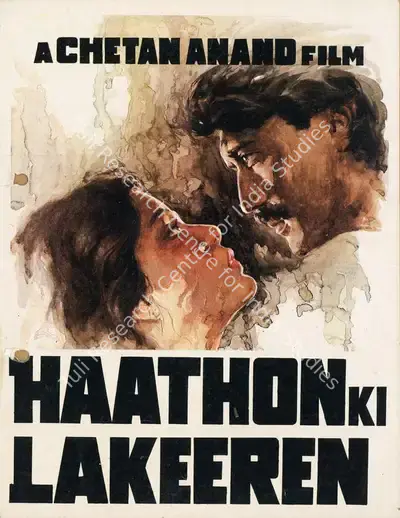
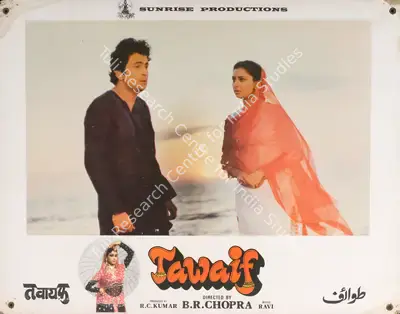
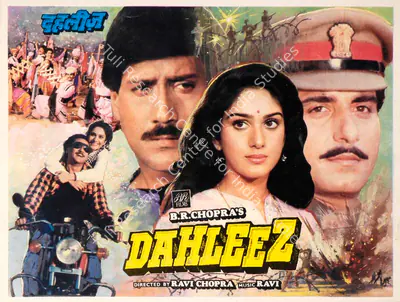
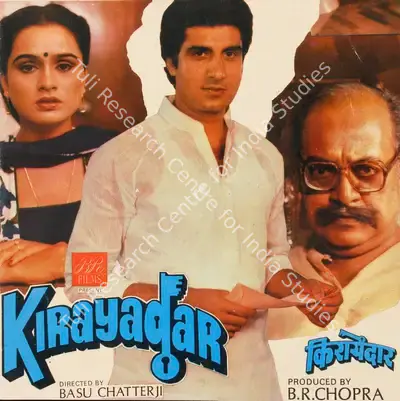
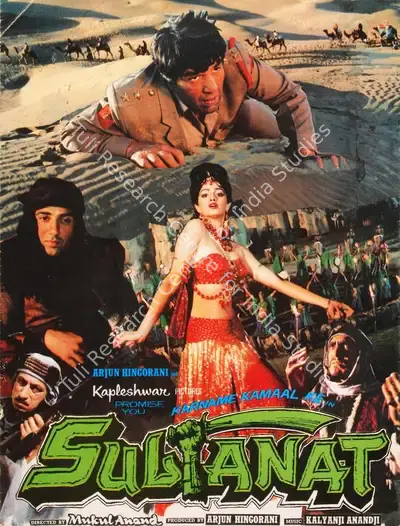
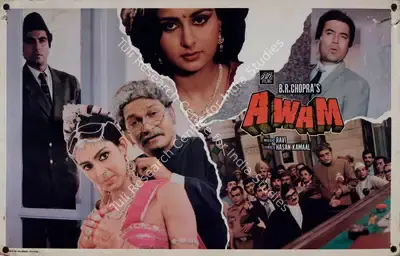
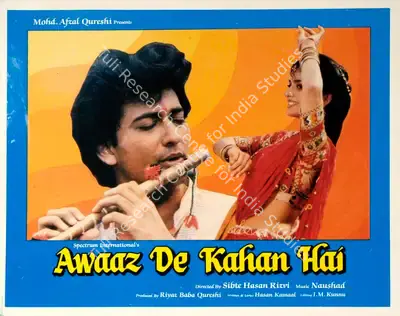
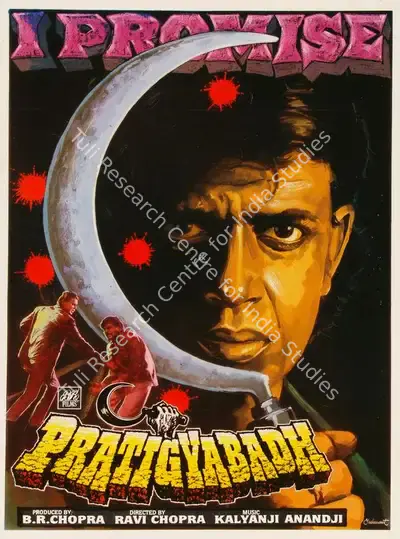
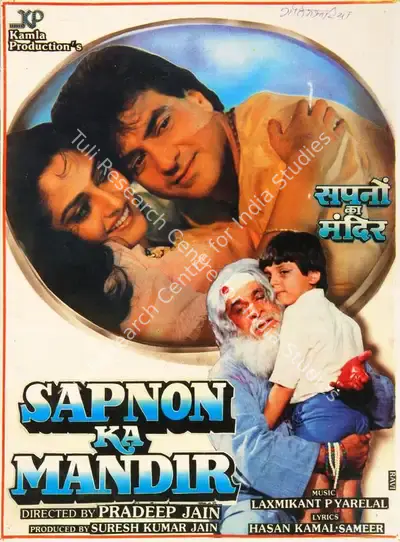
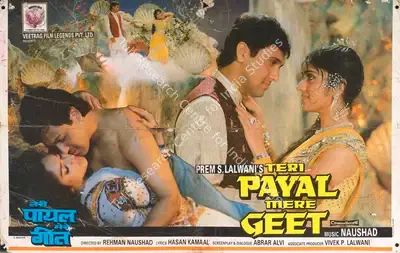
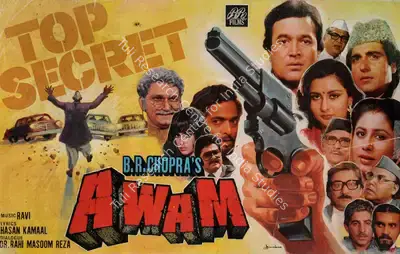
As a popular lyricist of the 1980s, Hasan Kamal debuted in the 1982 film Nikaah directed by B. R. Chopra. It was also the comeback of prominent composer of the sixties, Ravi and the debut of Salma Agha as both an actress and singer. Ravi approached Hasan to write the lyrics. Hasan wrote 5 songs for him. Dil Ke Armaanand "Dil Ki Ke Yeh Arzoo Thi" were superhit tracks. The songs took the industry by a storm and made Salma and Hasan overnight stars. Hasan was nominated for Filmfare Award for both the songs, but lost it to Santosh Anand. In 1984, he wrote lyrics for the film Aaj Ki Aawaz. He was given the coveted Filmfare Award for its title track. He was once again nominated for Filmfare Award for the film Tawaif (1986). Kamal's prolific career features lyrics for numerous films across several decades, starting with major hits in the 1980s. Other Key films he wrote lyrics for include Nikaah (1982), Mazdoor (1983), Aaj Ki Aawaz (1984), Tawaif (1985), Sultanat (1986), and Biwi Ho To Aisi (1988). His work continued into the late 80s and 90s with Hathyar (1989), Batwara (1989), Pratigyabadh (1991), and Teri Payal Mere Geet (1992), with later contributions including Anwar (2007) and Khela (2008).
Kamal was born in Lucknow, India on 1 January 1943. He graduated from the Lucknow University and began his journalistic career as a Sub-editor of Blitz Weekly in 1965. He became the editor of Urdu Blitzin 1974 and brought up its circulation from 13,000 copies to 1,00,000 copies a week. He is a popular columnist with a regular column in Inquilab, Rozanama Rashtriya Sahara, Etmaad and Al-Bagh. His column is often translated into Tamil, Telugu, Marathi and English. He is a prominent poet of modern Urdu literature and has travelled widely internationally in his capacity as a journalist and poet. He is also a well-known lyricist and a writer of scripts for film and TV.
As a popular lyricist of the 1980s, Hasan Kamal debuted in the 1982 film Nikaah directed by B. R. Chopra. It was also the comeback of prominent composer of the sixties, Ravi and the debut of Salma Agha as both an actress and singer. Ravi approached Hasan to write the lyrics. Hasan wrote 5 songs for him. Dil Ke Armaanand "Dil Ki Ke Yeh Arzoo Thi" were superhit tracks. The songs took the industry by a storm and made Salma and Hasan overnight stars. Hasan was nominated for Filmfare Award for both the songs, but lost it to Santosh Anand. In 1984, he wrote lyrics for the film Aaj Ki Aawaz. He was given the coveted Filmfare Award for its title track. He was once again nominated for Filmfare Award for the film Tawaif (1986). Kamal's prolific career features lyrics for numerous films across several decades, starting with major hits in the 1980s. Other Key films he wrote lyrics for include Nikaah (1982), Mazdoor (1983), Aaj Ki Aawaz (1984), Tawaif (1985), Sultanat (1986), and Biwi Ho To Aisi (1988). His work continued into the late 80s and 90s with Hathyar (1989), Batwara (1989), Pratigyabadh (1991), and Teri Payal Mere Geet (1992), with later contributions including Anwar (2007) and Khela (2008).
हसन कमाल (जन्म 1 जनवरी 1943) एक भारतीय गीतकार और लेखक हैं। उन्हें कई पुरस्कार मिले हैं, जिनमें 1985 में फ़िल्म 'आज की आवाज़' (1984) के टाइटल सॉन्ग के लिए 'बेस्ट लिरिसिस्ट' (सर्वश्रेष्ठ गीतकार) का फ़िल्मफ़ेयर अवॉर्ड भी शामिल है। उन्होंने अपने करियर की शुरुआत 1981 में फ़िल्म 'सिलसिला' (1981) के गाने 'सर से सरके' से की थी। गीतकार के तौर पर उनका आख़िरी गाना फ़िल्म 'अनवर' (2007) का 'तोसे नैना लागे' था।
कमाल का जन्म 1 जनवरी 1943 को भारत के लखनऊ में हुआ था। उन्होंने लखनऊ यूनिवर्सिटी से ग्रेजुएशन किया और 1965 में 'ब्लिट्ज़ वीकली' के सब-एडिटर के तौर पर पत्रकारिता में अपना करियर शुरू किया। 1974 में वे 'उर्दू ब्लिट्ज़' के एडिटर बने और इसकी साप्ताहिक बिक्री को 13,000 कॉपी से बढ़ाकर 1,00,000 कॉपी तक पहुँचाया। वे एक लोकप्रिय कॉलमनिस्ट हैं और 'इंक़लाब', 'रोज़नामा राष्ट्रीय सहारा', 'एतमाद' और 'अल-बाग़' में उनके नियमित कॉलम छपते हैं। उनके कॉलम का अक्सर तमिल, तेलुगु, मराठी और अंग्रेज़ी में अनुवाद किया जाता है। वे आधुनिक उर्दू साहित्य के एक जाने-माने शायर हैं और एक पत्रकार और शायर के तौर पर उन्होंने दुनिया भर में कई यात्राएँ की हैं। वे फ़िल्म और टीवी के लिए स्क्रिप्ट लिखने वाले एक मशहूर गीतकार और लेखक भी हैं।
1980 के दशक के लोकप्रिय गीतकार के तौर पर हसन कमाल ने बी. आर. चोपड़ा की 1982 की फ़िल्म 'निक़ाह' से डेब्यू किया। यह फ़िल्म साठ के दशक के मशहूर संगीतकार रवि की वापसी और सलमा आग़ा के बतौर एक्ट्रेस और सिंगर डेब्यू का भी ज़रिया बनी। रवि ने गाने लिखने के लिए हसन से संपर्क किया। हसन ने उनके लिए 5 गाने लिखे। 'दिल के अरमान' और 'दिल की ये आरज़ू थी' सुपर-हिट गाने साबित हुए। इन गानों ने इंडस्ट्री में धूम मचा दी और सलमा और हसन को रातों-रात स्टार बना दिया। हसन को इन दोनों गानों के लिए फ़िल्मफ़ेयर अवॉर्ड के लिए नॉमिनेट किया गया था, लेकिन वे संतोष आनंद से हार गए। 1984 में, उन्होंने फ़िल्म 'आज की आवाज़' के लिए गाने लिखे। उन्हें इस फ़िल्म के टाइटल ट्रैक के लिए प्रतिष्ठित फ़िल्मफ़ेयर अवॉर्ड मिला। उन्हें 'तवायफ़' (1986) फ़िल्म के लिए एक बार फ़िर फ़िल्मफ़ेयर अवॉर्ड के लिए नॉमिनेट किया गया। कमल का करियर बहुत लंबा और क़ामयाब रहा, जिसमें उन्होंने कई दशकों तक कई फ़िल्मों के लिए गाने लिखे। उनके लिखे गानों वाली कुछ और अहम फ़िल्मों में 'निक़ाह' (1982), 'मज़दूर' (1983), 'आज की आवाज़' (1984), 'तवायफ़' (1985), 'सल्तनत' (1986) और 'बीवी हो तो ऐसी' (1988) शामिल हैं। 80 के दशक के आख़िर और 90 के दशक में भी उनका काम जारी रहा, जिसमें 'हथियार' (1989), 'बंटवारा' (1989), 'प्रतिज्ञाबद्ध' (1991) और 'तेरी पायल मेरे गीत' (1992) जैसी फ़िल्में शामिल थीं। इसके बाद उन्होंने 'अनवर' (2007) और 'खेला' (2008) जैसी फ़िल्मों में भी काम किया।
कमाल का जन्म 1 जनवरी 1943 को भारत के लखनऊ में हुआ था। उन्होंने लखनऊ यूनिवर्सिटी से ग्रेजुएशन किया और 1965 में 'ब्लिट्ज़ वीकली' के सब-एडिटर के तौर पर पत्रकारिता में अपना करियर शुरू किया। 1974 में वे 'उर्दू ब्लिट्ज़' के एडिटर बने और इसकी साप्ताहिक बिक्री को 13,000 कॉपी से बढ़ाकर 1,00,000 कॉपी तक पहुँचाया। वे एक लोकप्रिय कॉलमनिस्ट हैं और 'इंक़लाब', 'रोज़नामा राष्ट्रीय सहारा', 'एतमाद' और 'अल-बाग़' में उनके नियमित कॉलम छपते हैं। उनके कॉलम का अक्सर तमिल, तेलुगु, मराठी और अंग्रेज़ी में अनुवाद किया जाता है। वे आधुनिक उर्दू साहित्य के एक जाने-माने शायर हैं और एक पत्रकार और शायर के तौर पर उन्होंने दुनिया भर में कई यात्राएँ की हैं। वे फ़िल्म और टीवी के लिए स्क्रिप्ट लिखने वाले एक मशहूर गीतकार और लेखक भी हैं।
1980 के दशक के लोकप्रिय गीतकार के तौर पर हसन कमाल ने बी. आर. चोपड़ा की 1982 की फ़िल्म 'निक़ाह' से डेब्यू किया। यह फ़िल्म साठ के दशक के मशहूर संगीतकार रवि की वापसी और सलमा आग़ा के बतौर एक्ट्रेस और सिंगर डेब्यू का भी ज़रिया बनी। रवि ने गाने लिखने के लिए हसन से संपर्क किया। हसन ने उनके लिए 5 गाने लिखे। 'दिल के अरमान' और 'दिल की ये आरज़ू थी' सुपर-हिट गाने साबित हुए। इन गानों ने इंडस्ट्री में धूम मचा दी और सलमा और हसन को रातों-रात स्टार बना दिया। हसन को इन दोनों गानों के लिए फ़िल्मफ़ेयर अवॉर्ड के लिए नॉमिनेट किया गया था, लेकिन वे संतोष आनंद से हार गए। 1984 में, उन्होंने फ़िल्म 'आज की आवाज़' के लिए गाने लिखे। उन्हें इस फ़िल्म के टाइटल ट्रैक के लिए प्रतिष्ठित फ़िल्मफ़ेयर अवॉर्ड मिला। उन्हें 'तवायफ़' (1986) फ़िल्म के लिए एक बार फ़िर फ़िल्मफ़ेयर अवॉर्ड के लिए नॉमिनेट किया गया। कमल का करियर बहुत लंबा और क़ामयाब रहा, जिसमें उन्होंने कई दशकों तक कई फ़िल्मों के लिए गाने लिखे। उनके लिखे गानों वाली कुछ और अहम फ़िल्मों में 'निक़ाह' (1982), 'मज़दूर' (1983), 'आज की आवाज़' (1984), 'तवायफ़' (1985), 'सल्तनत' (1986) और 'बीवी हो तो ऐसी' (1988) शामिल हैं। 80 के दशक के आख़िर और 90 के दशक में भी उनका काम जारी रहा, जिसमें 'हथियार' (1989), 'बंटवारा' (1989), 'प्रतिज्ञाबद्ध' (1991) और 'तेरी पायल मेरे गीत' (1992) जैसी फ़िल्में शामिल थीं। इसके बाद उन्होंने 'अनवर' (2007) और 'खेला' (2008) जैसी फ़िल्मों में भी काम किया।
No personalia records available yet.
Filmography 17
Research Centre

20 of 25
20 of 23
Calendar 1
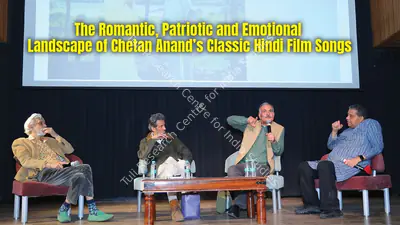
- ArchivedOffline-Online EventProject 80A Musical Glue for Nation-BuildingDeconstructing the Film Song23rd July - 22nd August 2026Ketan Anand | Ravikant | Pavan Jha | Madan Gopal Singh | Amit Khanna | Juhi Saklani | Antara Mondal | Shikha Jhingan | Neville TuliA key section of the India Studies framework at The Tuli Research Centre for India Studies (T.R.I.S.) is “Deconstructing the Film Song”. It began with a series of four workshops during our Self-Discovery via Rediscovering India Festival Series that brought together leading scholars & academics, film practitioners & students, along with fans of the Hindi film song. The objective of these workshops was to deconstruct iconic Hindi film songs to examine their formation across music, lyrics, playback, choreography, directorial visualisation, as they fuse into sites where aesthetics, ideology, and performance intersect, so as to help clarify the nature of India and her relationship to the film song. The Hindi Film Song functions as a narrative device, conveying myriad textures of emotion through melody, voice and poetry. As cultural texts that encode memory, desire, and ideology, songs are integral to the circulation and resonance of films in the public realm. Over time they have become autonomous bundles of creative energy - the glue that binds us over time, articulating and perhaps even defining the idea of Indianness. These first Workshops were an attempt to understand the nature and power of this glue, while contemplating the ways to situate it within TRIS' academic framework for Contemporary India Studies.Read More →

Related
22
Films
17
Personalities
4