Hari Bhari2000
Introduction
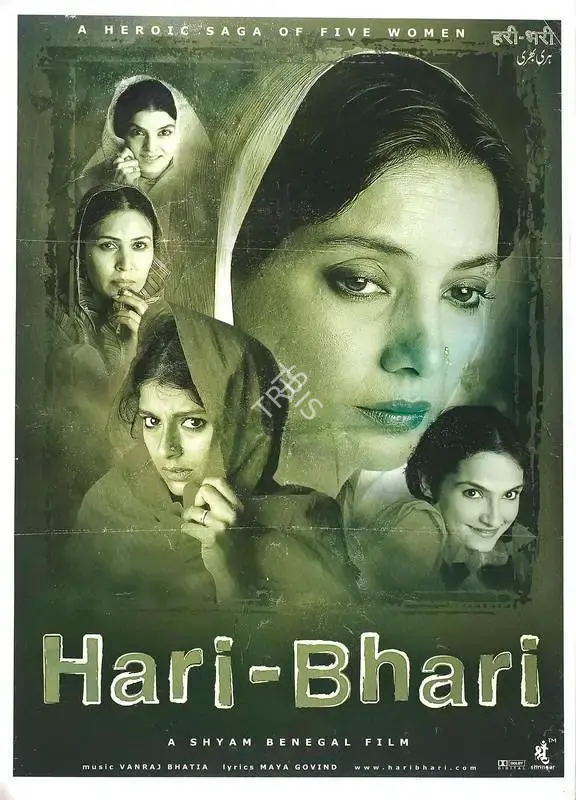
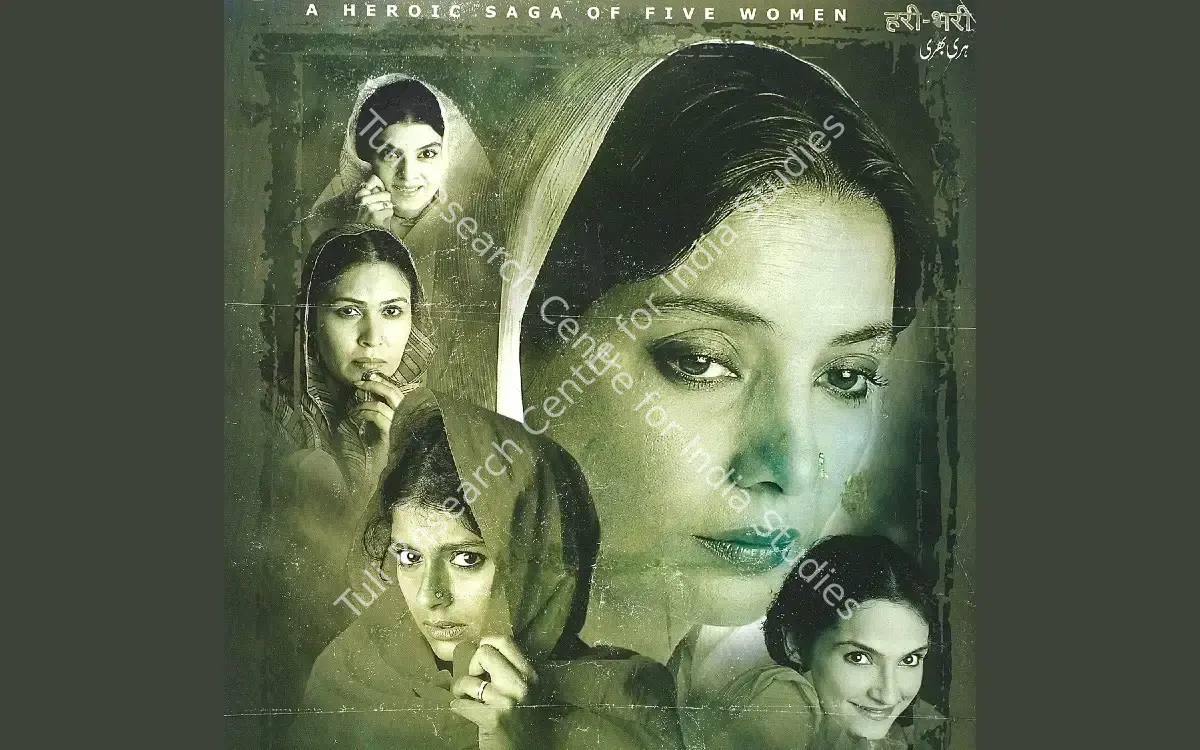
Hari-Bhari (Fertility, 2000), Directed by Shyam Benegal, it was a poignant exploration of reproductive rights and gender inequality within rural Indian society. Featuring an ensemble cast including Shabana Azmi, Rajit Kapur, Meghna Kothari, Rajeshwari Sachdev, Surekha Sikri, Seema Bhargava, Lalit Tiwari, and Nandita Das, the film offers an intimate portrayal of five women from different generations, each navigating societal expectations around fertility and autonomy.
The central theme of Hari-Bhari is the issue of women's reproductive rights, particularly the social pressures surrounding the need to produce male heirs. Benegal uses this theme not as a didactic tool, but as a means to shed light on the deeply ingrained patriarchal values that govern familial and social relationships in rural India. The film opens with a striking scene: a bull being brought in to impregnate a buffalo, a visual metaphor that foreshadows the objectification of women's bodies and the reductive view of their reproductive function.
At the heart of the narrative is Gazala (Shabana Azmi), a middle-aged Muslim woman who is cast out of her marital home due to her perceived failure to produce a son, despite being the mother of a daughter, Salma (Rajeshwari Sachdev). Gazala's return to her maternal home becomes a lens through which the film examines the multi-generational impact of fertility-related stigma. Her interactions with her mother and sisters-in-law reveal the shared yet varied experiences of women trapped in cycles of expectation, silence, and resilience.
Benegal eschews melodrama and instead adopts a subdued, realist aesthetic. The film's strength lies in its nuanced portrayal of everyday life, the quiet tensions, whispered frustrations, and fleeting moments of solidarity that shape women's lived experiences. Notably, Hari-Bhari does not idealise its female characters. Afsana (Nandita Das), for instance, is depicted as critical and judgmental, underscoring the internalisation of patriarchal norms even among women themselves. This complexity adds to the film's authenticity and depth.
The soundtrack, while understated, complements the emotional tone of the narrative. Songs such as Hi Daiyya Hamra Naseeb, performed by Richa Sharma, Saira Khan, Rajeshwari, and Ritika Sahni, and Panchhi Re, sung by Rajeshwari Sachdev, with lyrics by Maya Govind, resonate thematically, reinforcing the emotional landscape of the women's stories.
Although Hari-Bhari did not achieve commercial success, it was lauded by critics for its sensitivity and realism. The film was awarded the National Film Award for Best Film on Family Welfare at the 47th National Film Awards in 2000. However, the conclusion described by some as artificially optimistic, leaves several narrative threads unresolved, inviting viewers to reflect critically on the societal conditions that persist beyond the film's frame.
इस फ़िल्म का केंद्रीय विषय स्त्रियों के प्रजनन अधिकार हैं। उसमें भी ख़ासकर बेटा पैदा करने से जुड़ा दबाव जो उनके इर्द-गिर्द बुना जाता है। बेनेगल ने इस विषय को किसी उपदेश की तरह न कहकर इस रूप में प्रस्तुत किया है जो यह दिखा सके कि पितृसत्तात्मक मूल्य किस गहराई से हमारे पारिवारिक और सामाजिक रिश्तों को नियंत्रित करते हैं। फ़िल्म की शुरुआत एक बहुत ताक़तवर दृश्य से होती है जिसमें एक भैंस को गर्भवती करने के लिए सांड को लाया जा रहा है। यह प्रतीकात्मक दृश्य स्त्री के शरीर के वस्तुकरण और उनकी पहचान मात्र प्रजनन की क्रिया तक सीमित कर देने वाली सोच का सटीक बिंब खड़ा करता है।
इस कथा के केंद्र में ग़ज़ाला (शबाना आज़मी) का किरदार है। ग़ज़ाला एक मध्यमवय उम्र की मुस्लिम स्त्री है जिसे बेटा पैदा न करने के चलते अपने ससुराल से निकाल दिया जाता है। वह उसके साथ उसकी बेटी सलमा (राजेश्वरी सचदेव) है। ग़ज़ाला का अपने मायके लौटना फ़िल्म को एक बहुआयामी नज़रिया देता है जहाँ स्त्रियों की कई पीढ़ियों के पार जाती इस प्रजनन संबंधी रूढ़ि और कुप्रथा तथा उसके प्रभावों पर बात है। ग़ज़ाला के अपनी माँ और अपनी भाभियों के साथ संवाद उन साझा अनुभवों को सामने लाते हैं जिन्हें स्त्रियाँ थोपी हुई चुप्पियों, अपेक्षाओं के बोझ और रोज़मर्रा के जीवन संघर्ष में झेलती हैं और फिर भी अपनी-अपनी तरह से ज़िन्दा रहने की जिजीविषा दिखाती हैं।
बेनेगल ने इस फ़िल्म की सिनेभाषा में अतिनाटकीयता से परहेज़ किया और एक सधे हुए, यथार्थवादी सौंदर्यशास्त्र को अपनाया। फ़िल्म की असल ताक़त इसके बारीक़ी से देखते उस सूक्ष्म नज़रिये में है जिसमें रोज़मर्रा की ज़िंदगी की तनावपूर्ण चुप्पियाँ, धीमे-धीमे भीतर से नष्ट करती कुंठाएँ और फिर अचानक आये एकजुटता के पल स्त्रियों के जीवन अनुभव को जीवंत करते हैं। उल्लेखनीय है कि हरी-भरी अपनी स्त्रियों को किसी आदर्श में ढालकर नहीं प्रस्तुत करती। उदाहरण के लिए आप अफ़साना (नंदिता दास) के किरदार को देखिये, इसे यहाँ एक आलोचना में डूबे और मूल्यनिर्णय देनेवाले स्वभाव की स्त्री के रूप में दिखाया गया है जिससे स्पष्ट होता है कि पितृसत्तात्मक मान्यताओं का आत्मानुकूलन स्वयं कई स्त्रियों में भी गहराई तक मौजूद है। यह ज़टिल बात कहकर फ़िल्म खुद को और प्रामाणिक और बहुस्तरीय बनाती है।
फ़िल्म का संगीत संयत है किंतु कथा की भावनात्मक संवेदना को धारण करता है। फ़िल्म में आए गीत “हाए दैय्या हमरा नसीब” जिसे रिचा शर्मा, सायरा खान, राजेश्वरी और ऋतिका साहनी ने गाया है तथा “पंछी रे” जिसे राजेश्वरी सचदेव ने गाया है तथा जिसके बोल माया गोविंद ने लिखे है, स्त्रियों की आपबीती से उपजी भावप्रवण ज़मीन को गहराई से प्रतिध्वनित करते हैं।
हालाँकि हरी-भरी व्यावसायिक रूप से कामयाब नहीं रही पर इसे इसकी संवेदनशीलता और यथार्थवाद के लिए आलोचकों से सराहना मिली। इस फ़िल्म को वर्ष 2000 में 47वें राष्ट्रीय फ़िल्म पुरस्कारों में “परिवार कल्याण पर सर्वश्रेष्ठ फ़िल्म” का राष्ट्रीय पुरस्कार हासिल हुआ। हालाँकि इस फ़िल्म के अन्त को कुछ समीक्षकों ने बनावटी आशावाद से भरा बताया और कहा कि यह कई कथात्मक सूत्रों को अधूरा छोड़ देता है। पर कई आलोचकों ने इसे एक कथायुक्ति के तौर पर देखा, जिससे दर्शक फ़िल्म के फ्रेम से बाहर निकलकर खुद मौजूदा सामाजिक विसंगतियों पर चिंतन करने के लिए प्रेरित होता है।
Body of Work
Research Centre
Related
2