
CINE.pox | Full Sheet Posters

CINE.pox | Full Sheet Posters
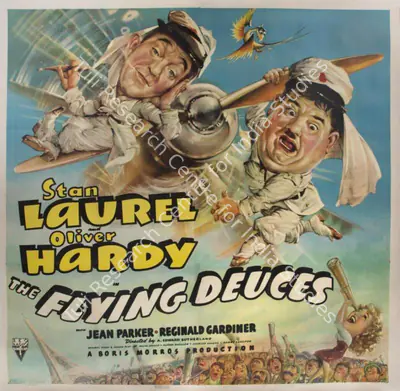
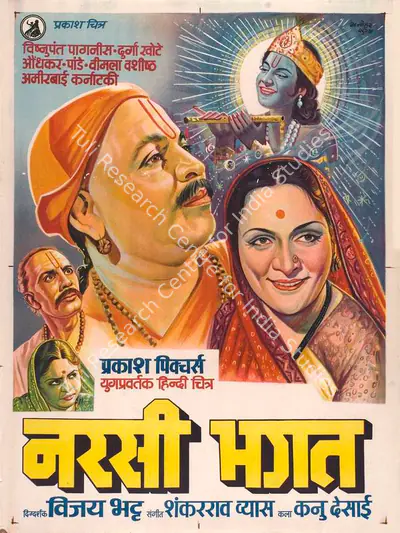
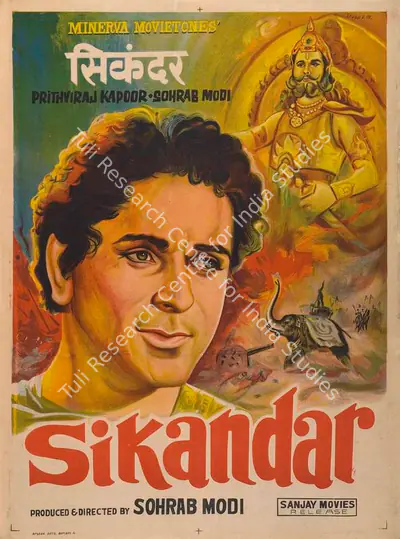
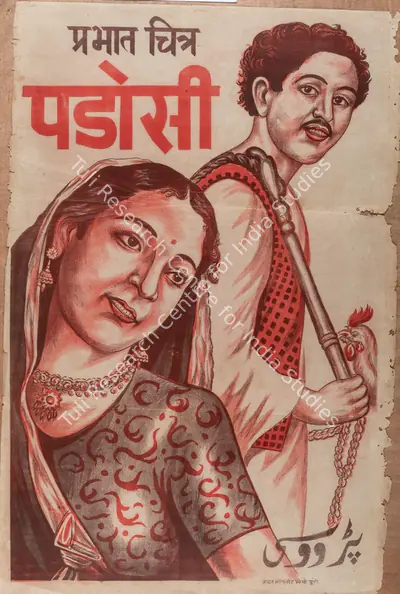
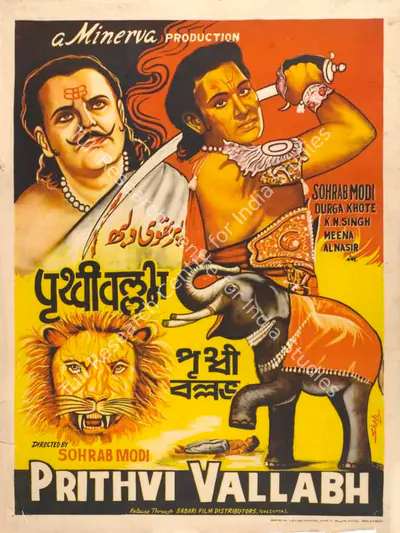
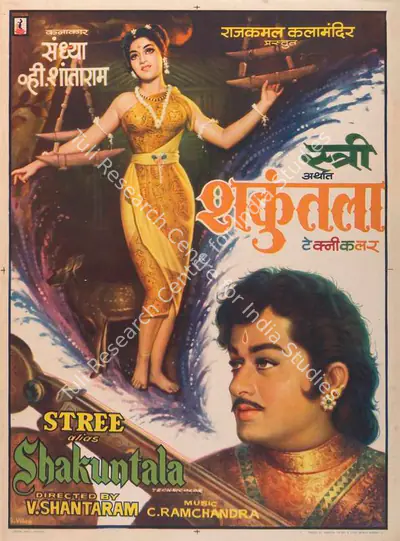
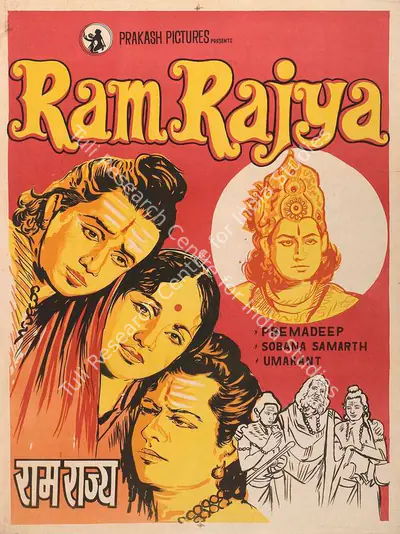
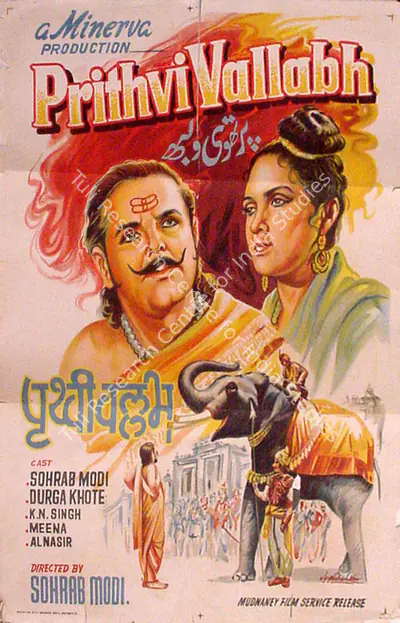
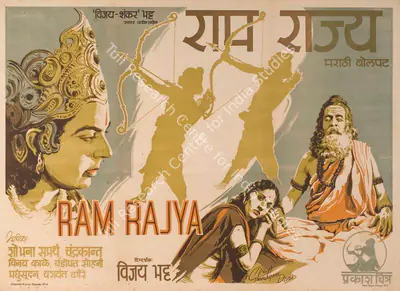
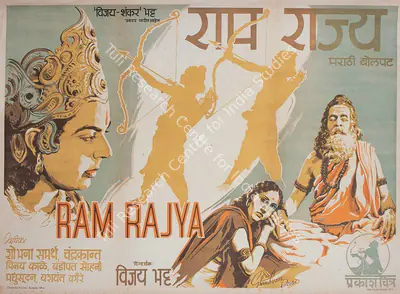
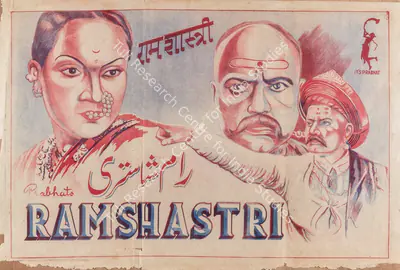
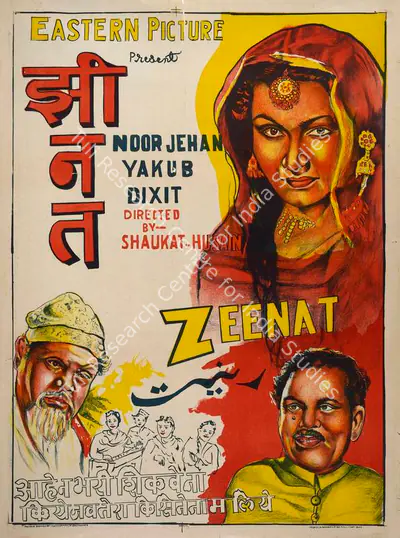
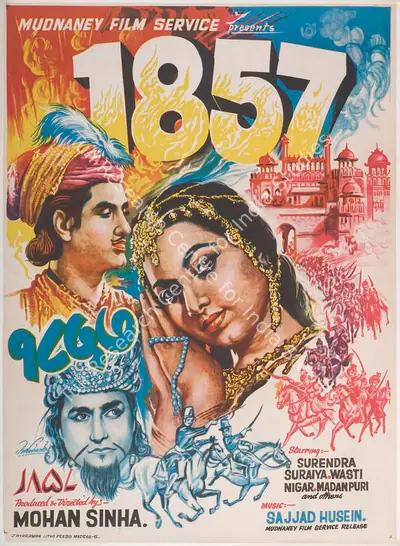
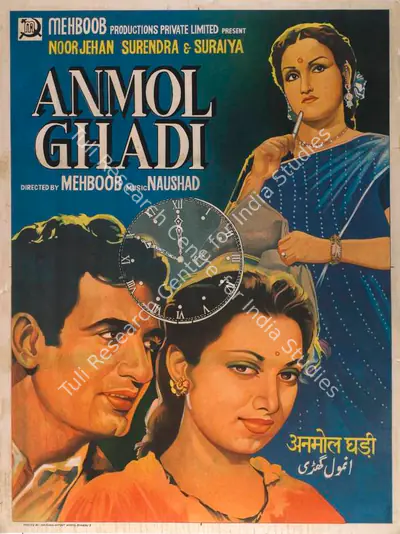
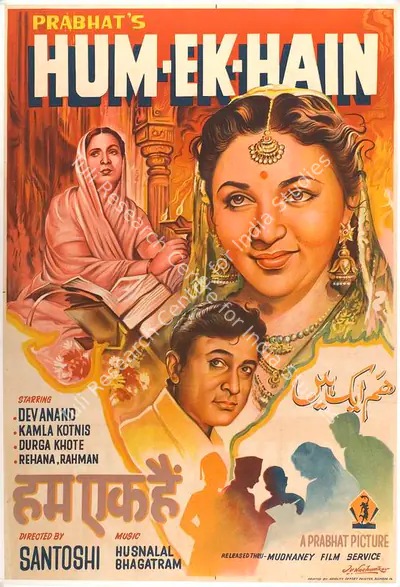
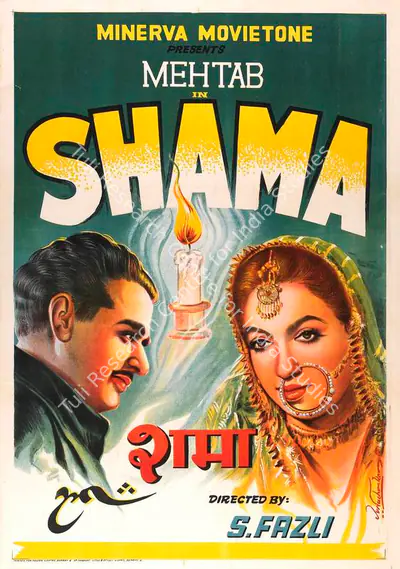
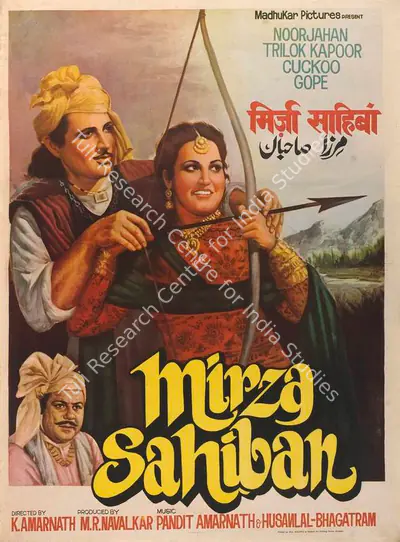
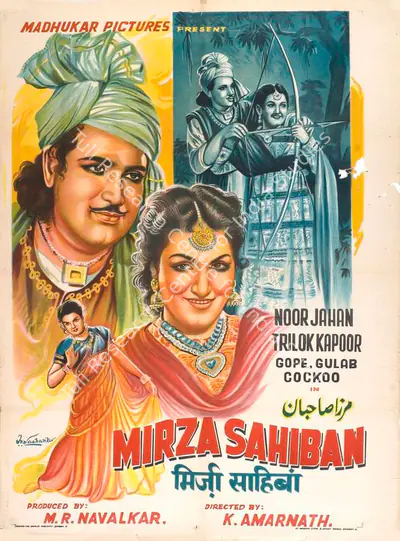
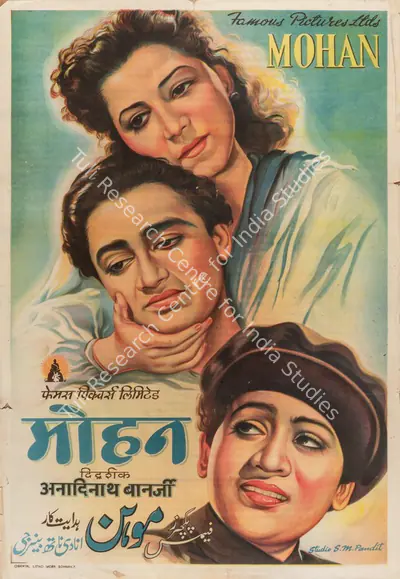
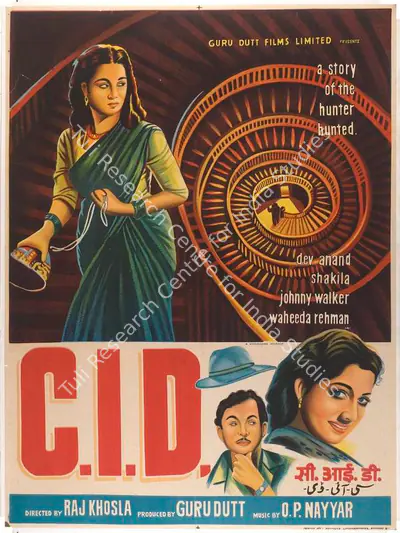
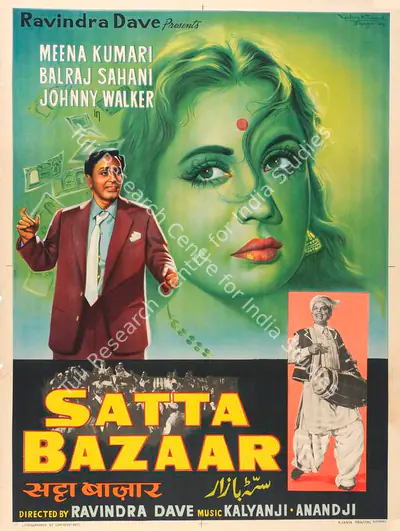
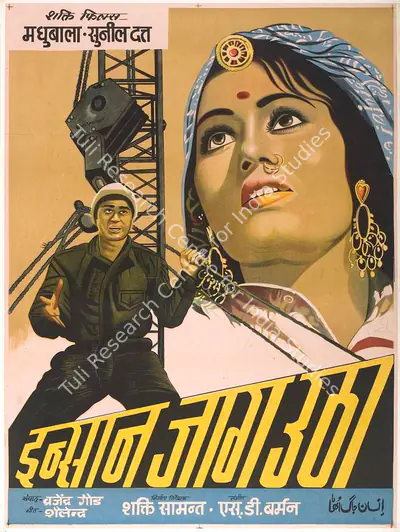
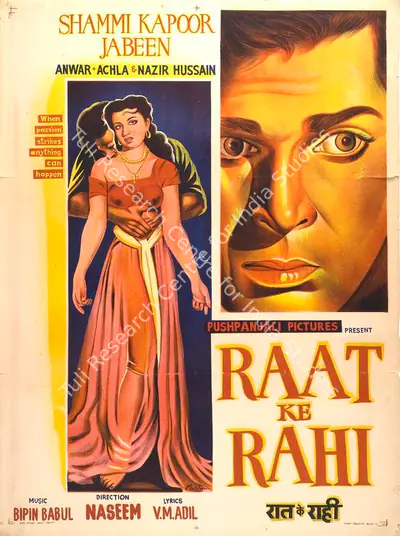
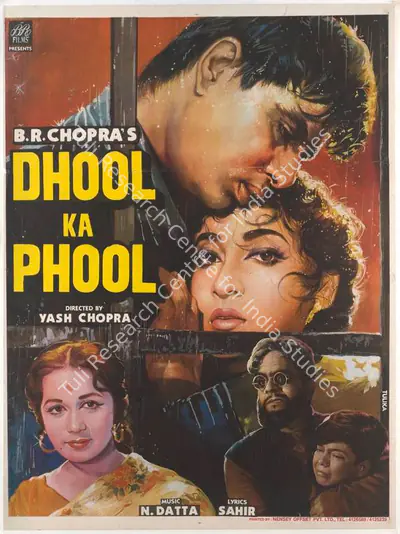
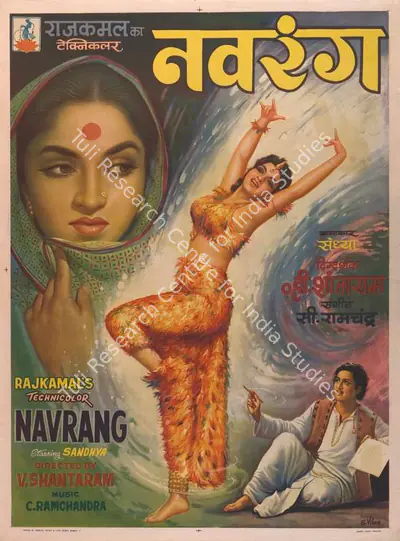
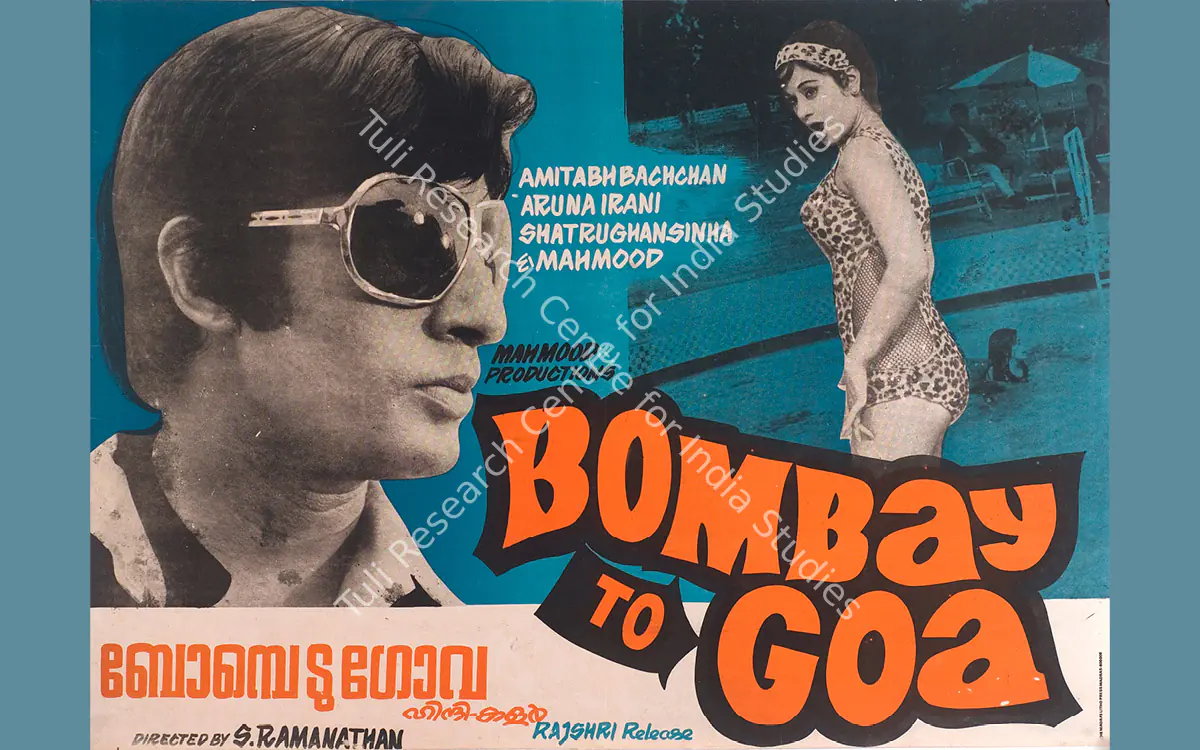
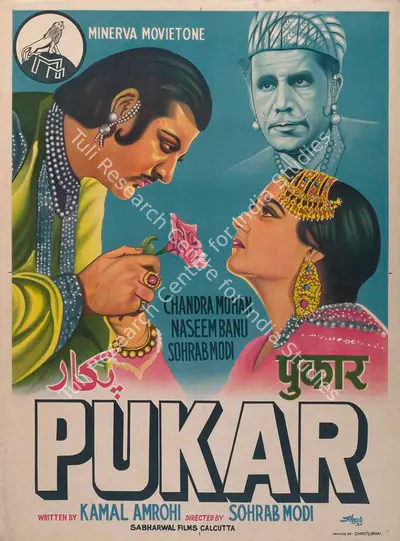
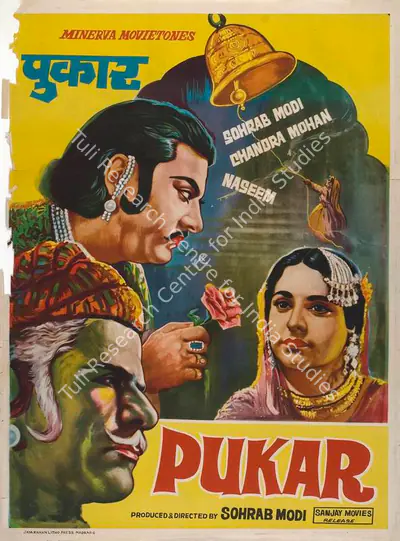
The most widely used publicity art for cinema is the one sheet or full sheeter printed on paper with 27''x41" dimensions, traditionally displayed in a marquee case. A bevy of hand painted, brightly pigmented, full colour photo illustrations, typographical flourishes, ornamental decoration, and film stills feature on these sheets sometimes with an 1" border and sometimes covering the sheet edge to edge. Introduced and standardised in 1909 by Thomas Edison's Motion Picture Patents Company, the one sheeter was first printed by stone lithography. After World War I, lithography was substituted with offset printing and film posters began to look like they look now. In South Asia and particularly the Bombay film industry, posters with kitschy illustrations, portaiture of featuring stars, and large image to text to ratio was employed for announcing first releases and re-releases by pasting on any verticle surface visible to the public - from theatres to bus stops and public toilets. The earliest preserved film poster is for Baburao Painter's Marathi 1924 film Kalyan Khajina. Popular artists like B M Gupta, S Rehman, Akhtar Sheikh, Diwakar Karkare and M F Husain have graced the posters for early talkies with their broad visible brush strokes. Using locally available colours mixed with linseed oil, Bollywood posters displayed larger than life designs which were then multiplied into hundreds and thousands of prints. Exhibitors later adopted incremental sizes: 41" x 81" Referred to as "3 sheet", 81" x 81" - referred to as "6 Sheet" and 246"x108" - referred to as "24 Sheet".
CINE.pox | Full Sheet Posters
The most widely used publicity art for cinema is the one sheet or full sheeter printed on paper with 27''x41" dimensions, traditionally displayed in a marquee case. A bevy of hand painted, brightly pigmented, full colour photo illustrations, typographical flourishes, ornamental decoration, and film stills feature on these sheets sometimes with an 1" border and sometimes covering the sheet edge to edge. Introduced and standardised in 1909 by Thomas Edison's Motion Picture Patents Company, the one sheeter was first printed by stone lithography. After World War I, lithography was substituted with offset printing and film posters began to look like they look now. In South Asia and particularly the Bombay film industry, posters with kitschy illustrations, portaiture of featuring stars, and large image to text to ratio was employed for announcing first releases and re-releases by pasting on any verticle surface visible to the public - from theatres to bus stops and public toilets. The earliest preserved film poster is for Baburao Painter's Marathi 1924 film Kalyan Khajina. Popular artists like B M Gupta, S Rehman, Akhtar Sheikh, Diwakar Karkare and M F Husain have graced the posters for early talkies with their broad visible brush strokes. Using locally available colours mixed with linseed oil, Bollywood posters displayed larger than life designs which were then multiplied into hundreds and thousands of prints. Exhibitors later adopted incremental sizes: 41" x 81" Referred to as "3 sheet", 81" x 81" - referred to as "6 Sheet" and 246"x108" - referred to as "24 Sheet".
Loading...
TRIS logo image