
Nandita Das
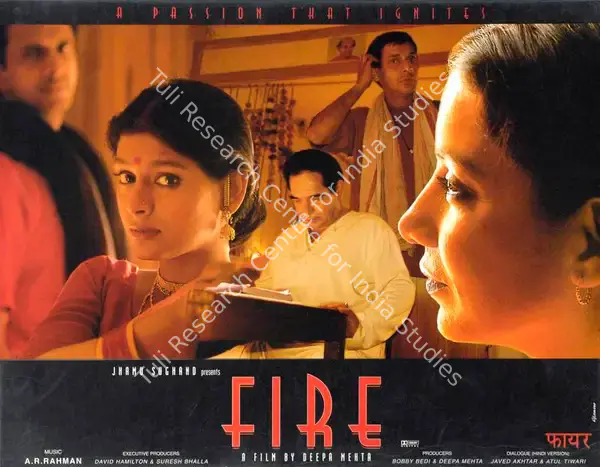
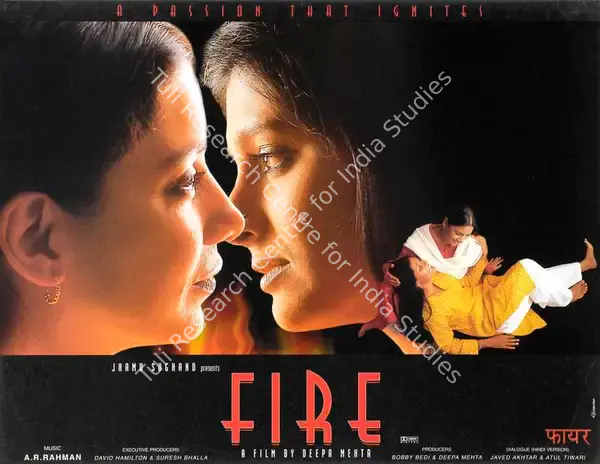
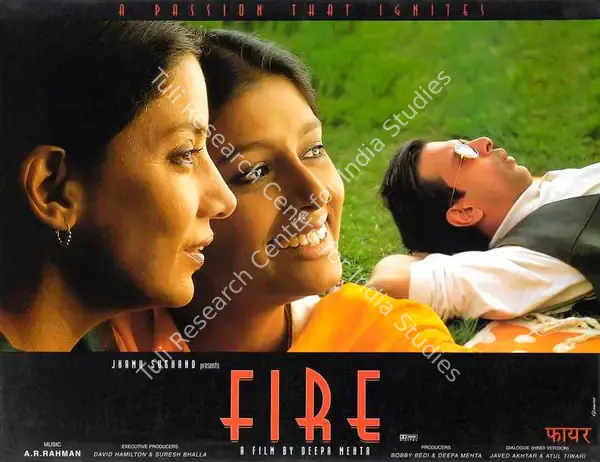
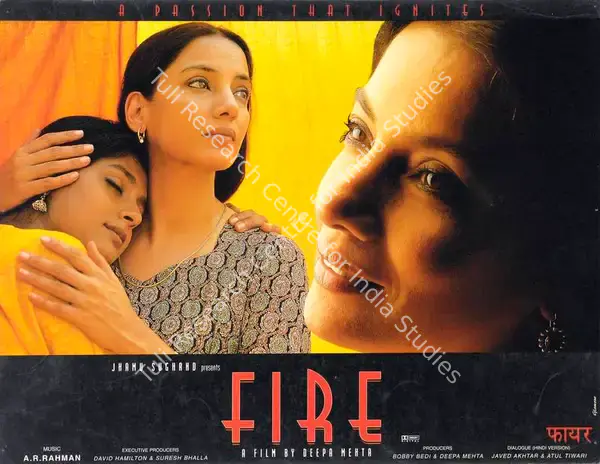
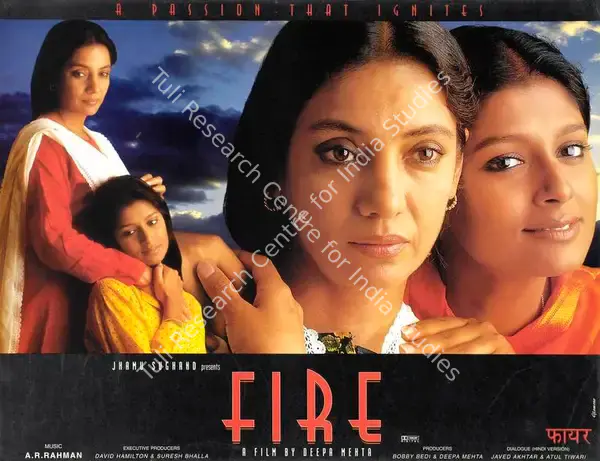
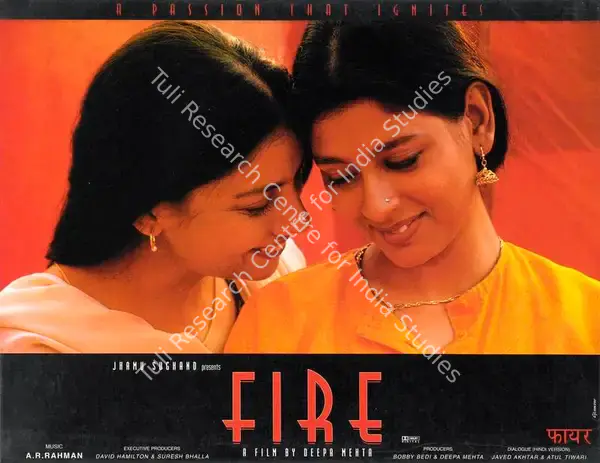
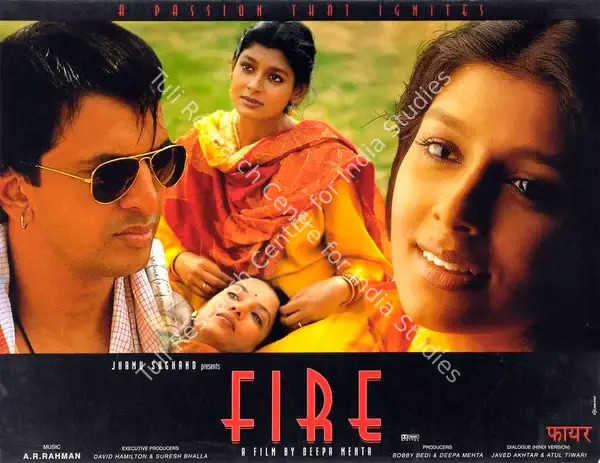
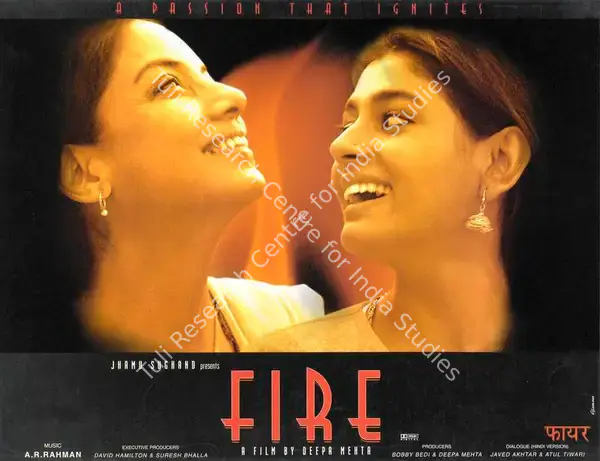
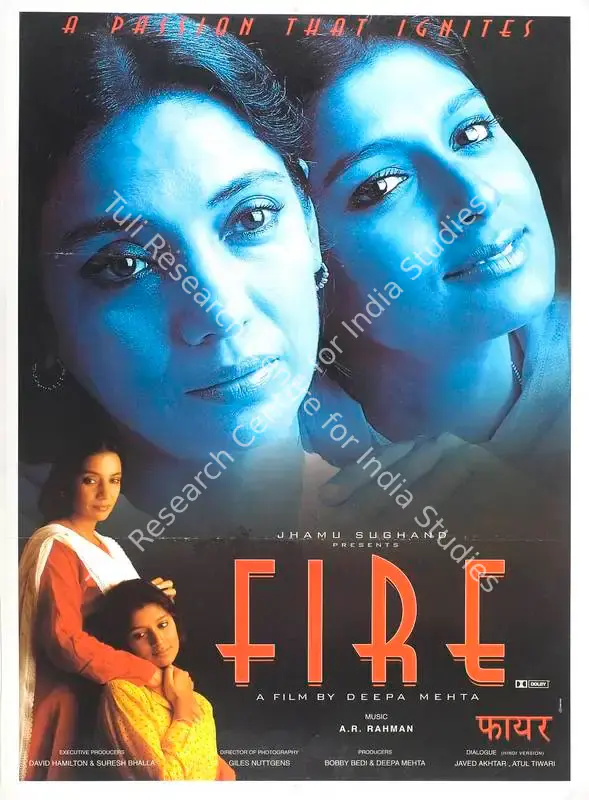
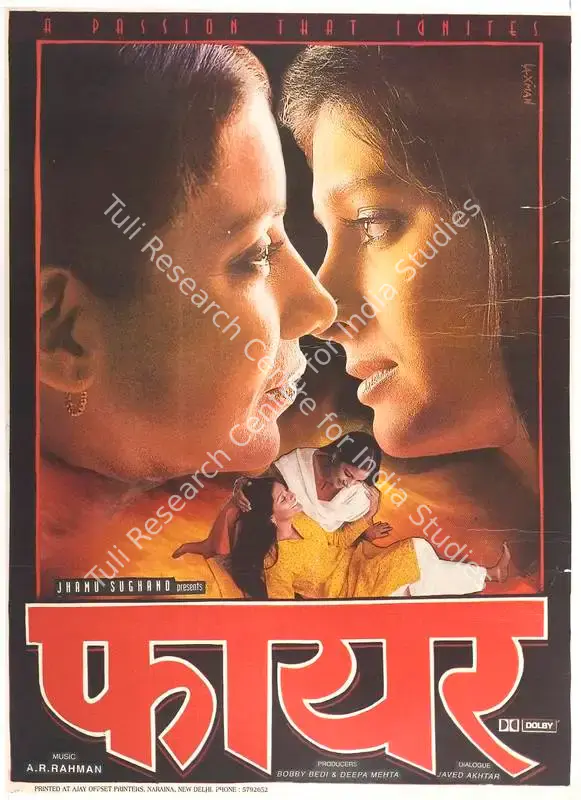
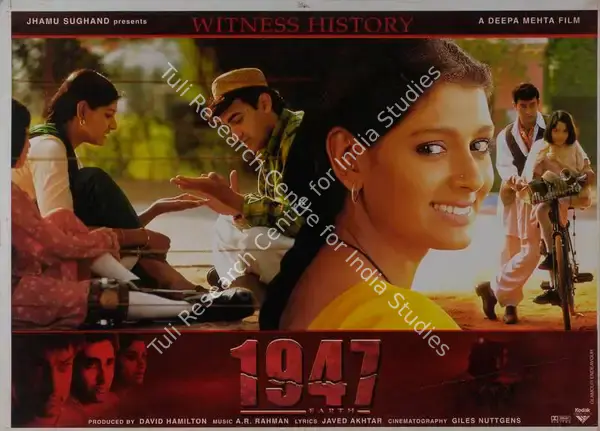
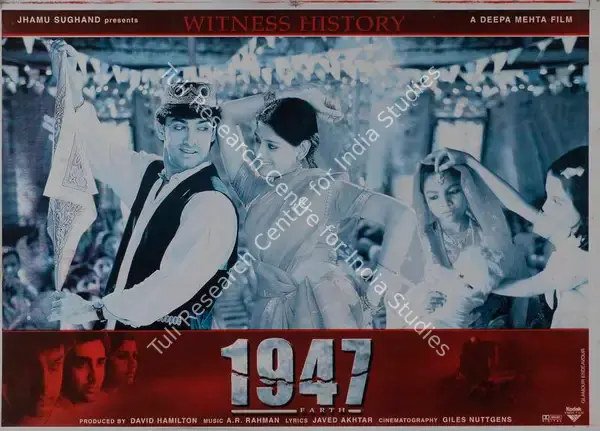
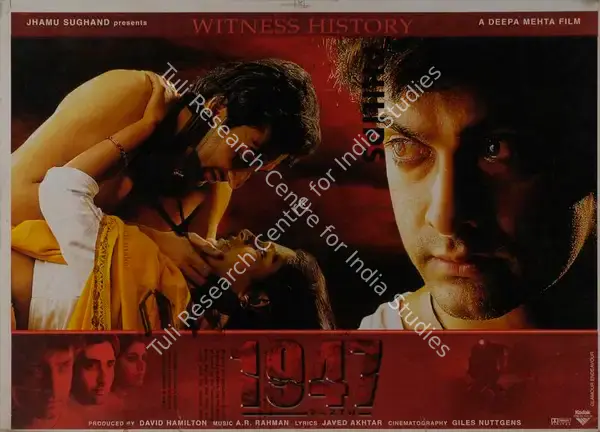
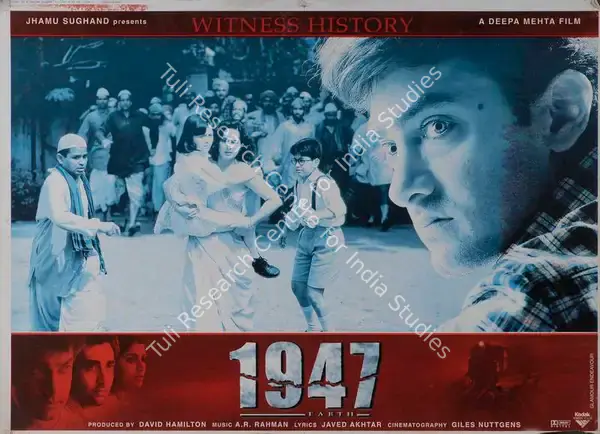
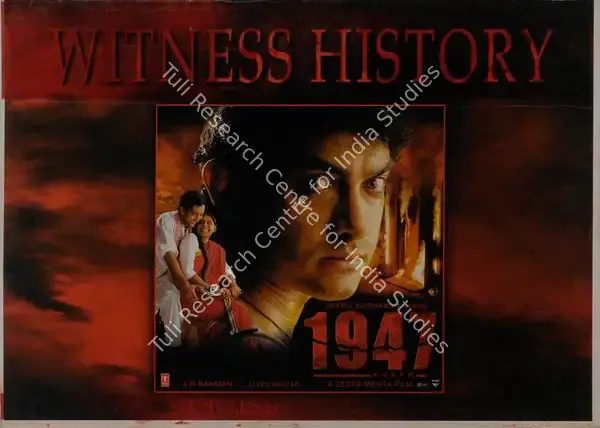
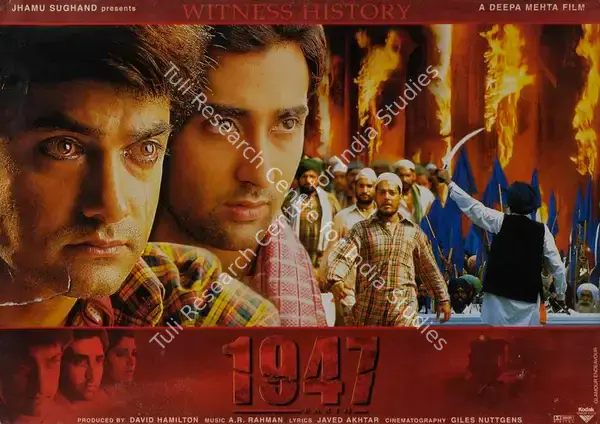
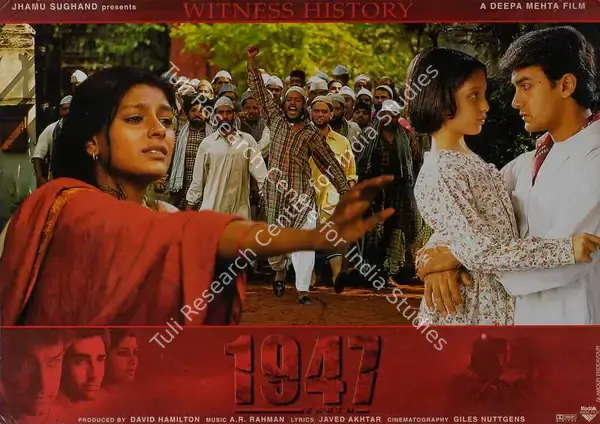
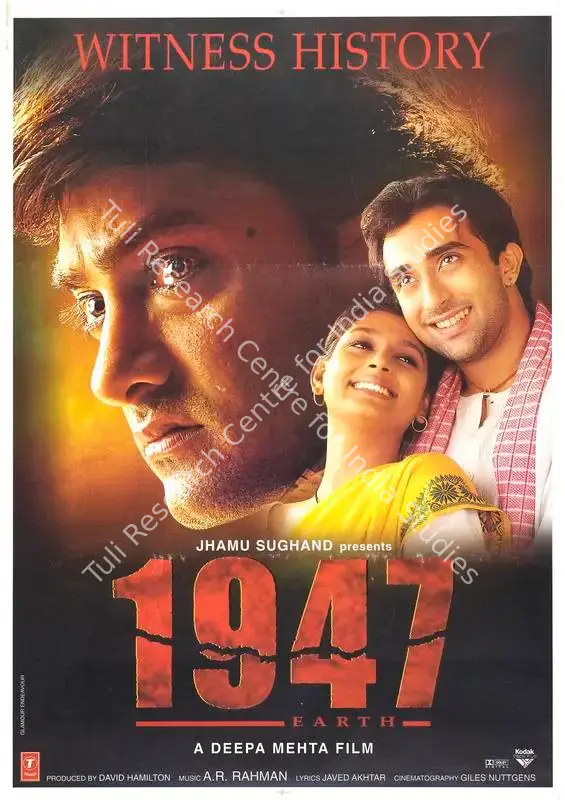
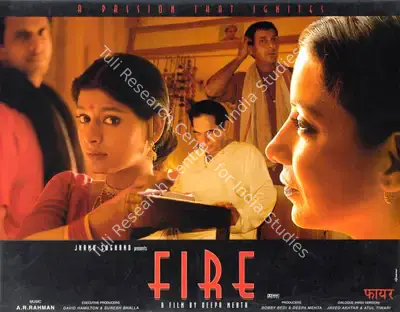
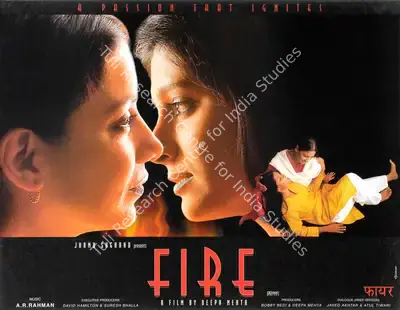
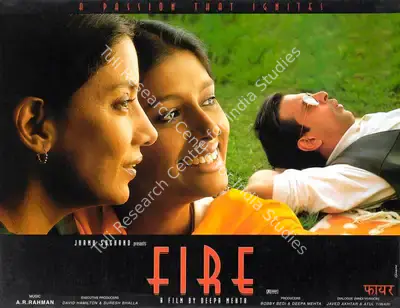
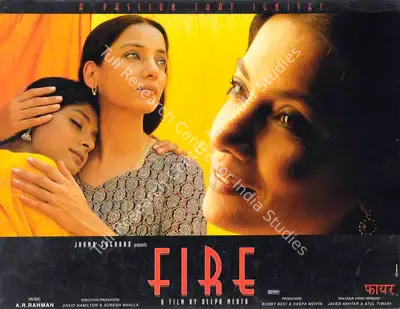
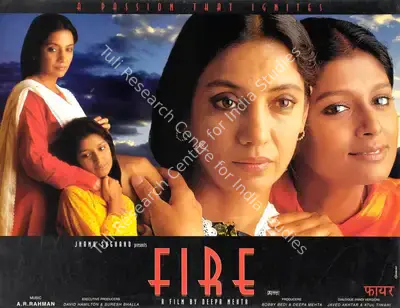
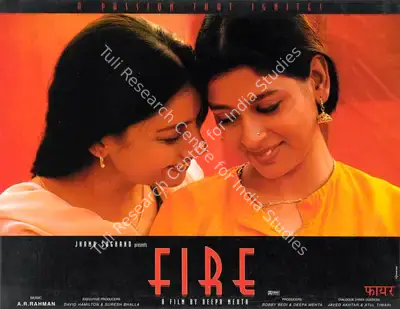
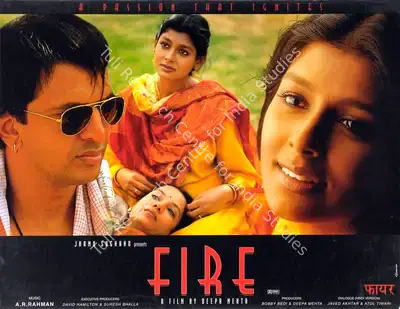
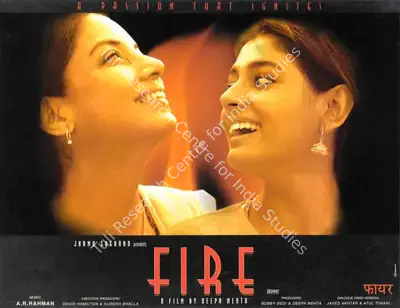
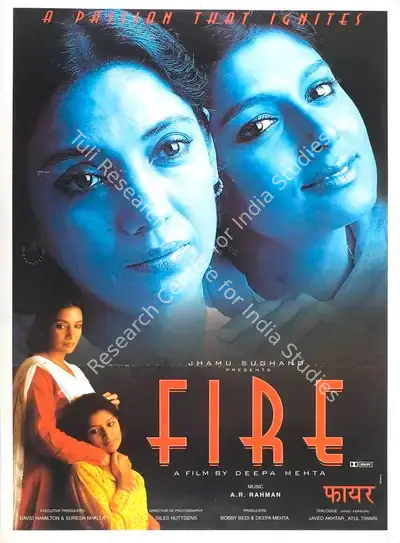
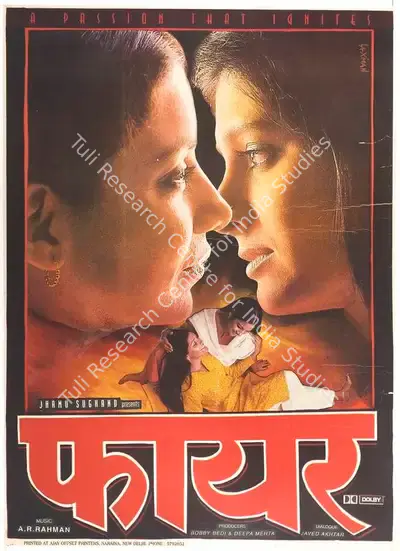
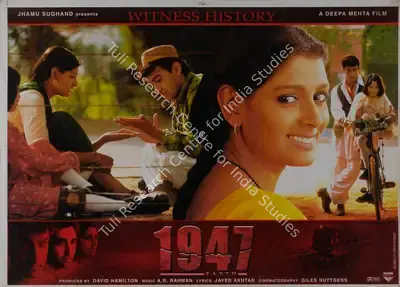
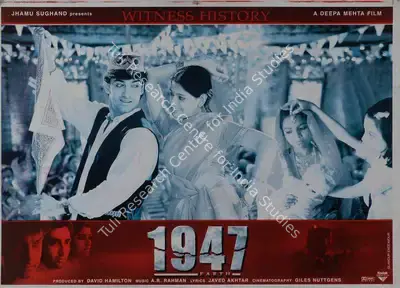
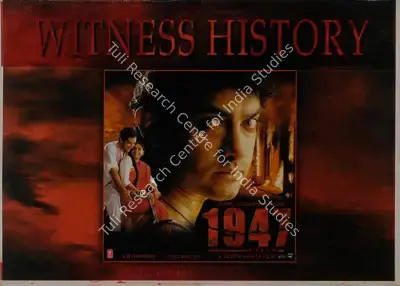
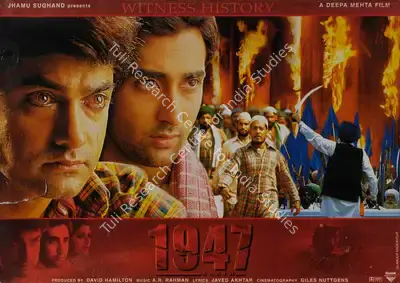
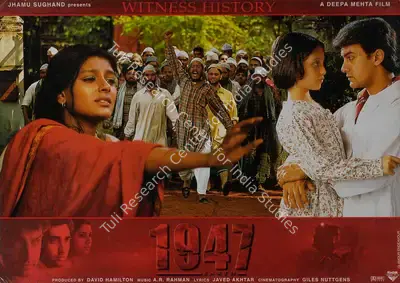
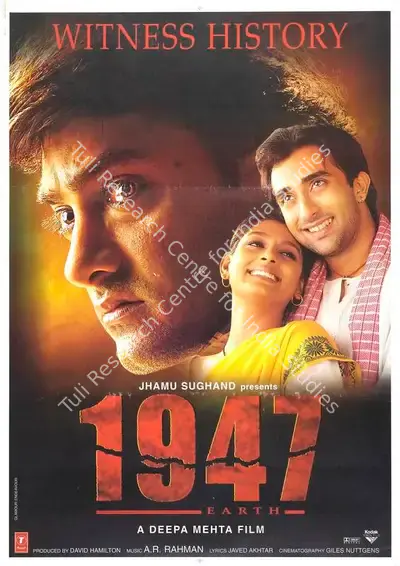
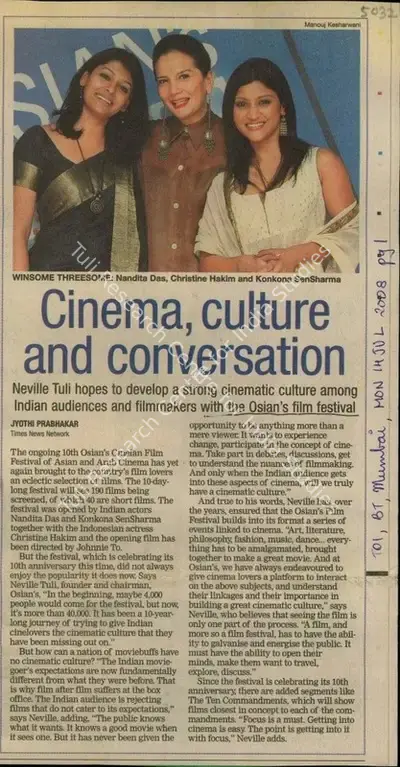
Nandita Das (born 7 November 1969) She is an acclaimed Indian actress, filmmaker, screenwriter, and social activist whose work has consistently combined artistic excellence with a deep engagement with social justice. Over a career spanning more than three decades, she has acted in over forty feature films across ten languages, establishing herself as one of India's most versatile performers. Her notable acting credits include Fire (1996), Earth (1998), Bawandar (2000), Kannathil Muthamittal (2002), Azhagi (2002), Kamli (2006), and Before the Rains (2007).
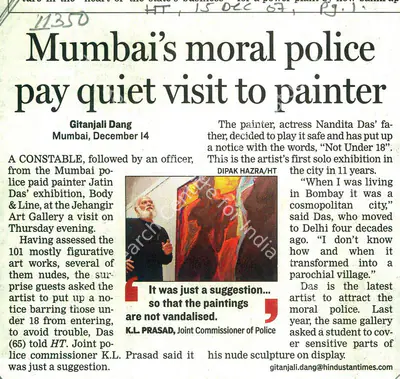
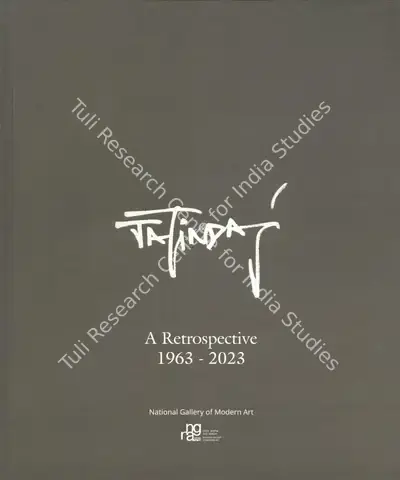
Born in Mumbai and raised primarily in Delhi in an Odia family, she is the daughter of renowned artist Jatin Das and writer Varsha Das. She studied at Sardar Patel Vidyalaya before earning a bachelor's degree in Geography from Miranda House and a Master's degree in Social Work from the University of Delhi. Das was selected as a Yale World Fellow in 2014 and has also taught at Rishi Valley School.
Collaborating with distinguished filmmakers such as Deepa Mehta, Mrinal Sen, Adoor Gopalakrishnan, Shyam Benegal, Mani Ratnam, and Santosh Sivan, Das has portrayed complex characters that interrogate issues of gender, identity, violence, and social inequality. She began her artistic journey with the street theatre collective Jana Natya Manch and has also performed in theatre productions, including Between the Lines (2014) and Khamosh! Adalat Jaari Hai (2017). Expanding her creative pursuits into filmmaking, Das made her directorial debut with Firaaq (2008), a critically acclaimed political drama exploring the psychological aftermath of the 2002 Gujarat riots. Premiering at the Toronto International Film Festival, the film travelled to over fifty international film festivals and received more than twenty awards. Her subsequent directorial ventures, Manto (2018), based on the life of celebrated Urdu writer Saadat Hasan Manto and screened in the Un Certain Regard section at the Cannes Film Festival, and Zwigato (2023), which examines the precarious lives of food delivery workers and their families, reaffirmed her commitment to socially relevant cinema. Beyond filmmaking, Das has actively contributed to public discourse through initiatives addressing children's rights, HIV/AIDS awareness, violence against women, colourism, and democratic rights. She produced the public service campaign India's Got Colour (2019), advocating acceptance of diverse skin tones, authored the memoir Manto & I, and created the short film Listen to Her, highlighting domestic violence during the COVID-19 lockdown.
Her contributions have received widespread international recognition, including the Chevalier de l'Ordre des Arts et des Lettres conferred by the French Government in 2011 for strengthening Indo-French cultural relations through cinema. She became the first Indian inducted into the International Women's Forum Hall of Fame and has twice served on the jury of the Cannes Film Festival. As both an artist and public intellectual, Nandita Das continues to employ cinema as a medium for critical reflection, amplifying marginalized voices while fostering dialogue on human rights, equality, and social transformation.
Born in Mumbai and raised primarily in Delhi in an Odia family, she is the daughter of renowned artist Jatin Das and writer Varsha Das. She studied at Sardar Patel Vidyalaya before earning a bachelor's degree in Geography from Miranda House and a Master's degree in Social Work from the University of Delhi. Das was selected as a Yale World Fellow in 2014 and has also taught at Rishi Valley School.
Collaborating with distinguished filmmakers such as Deepa Mehta, Mrinal Sen, Adoor Gopalakrishnan, Shyam Benegal, Mani Ratnam, and Santosh Sivan, Das has portrayed complex characters that interrogate issues of gender, identity, violence, and social inequality. She began her artistic journey with the street theatre collective Jana Natya Manch and has also performed in theatre productions, including Between the Lines (2014) and Khamosh! Adalat Jaari Hai (2017). Expanding her creative pursuits into filmmaking, Das made her directorial debut with Firaaq (2008), a critically acclaimed political drama exploring the psychological aftermath of the 2002 Gujarat riots. Premiering at the Toronto International Film Festival, the film travelled to over fifty international film festivals and received more than twenty awards. Her subsequent directorial ventures, Manto (2018), based on the life of celebrated Urdu writer Saadat Hasan Manto and screened in the Un Certain Regard section at the Cannes Film Festival, and Zwigato (2023), which examines the precarious lives of food delivery workers and their families, reaffirmed her commitment to socially relevant cinema. Beyond filmmaking, Das has actively contributed to public discourse through initiatives addressing children's rights, HIV/AIDS awareness, violence against women, colourism, and democratic rights. She produced the public service campaign India's Got Colour (2019), advocating acceptance of diverse skin tones, authored the memoir Manto & I, and created the short film Listen to Her, highlighting domestic violence during the COVID-19 lockdown.
Her contributions have received widespread international recognition, including the Chevalier de l'Ordre des Arts et des Lettres conferred by the French Government in 2011 for strengthening Indo-French cultural relations through cinema. She became the first Indian inducted into the International Women's Forum Hall of Fame and has twice served on the jury of the Cannes Film Festival. As both an artist and public intellectual, Nandita Das continues to employ cinema as a medium for critical reflection, amplifying marginalized voices while fostering dialogue on human rights, equality, and social transformation.
The whole holding
Research Centre
20 of 65

20 of 60